
Best UniFi Smart Home Setup 2026: 7 Picks, $0/Month
You're paying $47/month in subscriptions with zero unified dashboard. The SHE Stack ROI Score ranks all 7 UniFi picks across 4 factors — anchor first, leaf devices second, zero recurring cost.
This article contains affiliate links. We may earn a commission at no extra cost to you. Prices change frequently — check the current price on Amazon before buying. Learn more
The Short Answer
Dream Machine SE (SHE Stack ROI Score 90/100) leads prosumer builds; Dream Router (84) for sub-$500 starters; Cloud Gateway Max (79) for buyers keeping Wi-Fi. SHE 4-factor composite — Stack Completeness, No-Sub TCO, Ecosystem Reach, Hardware Currency — sourced from PCMag, Techradar, ZDNet, CNET through May 2026.
Featured in this Guide
Ubiquiti
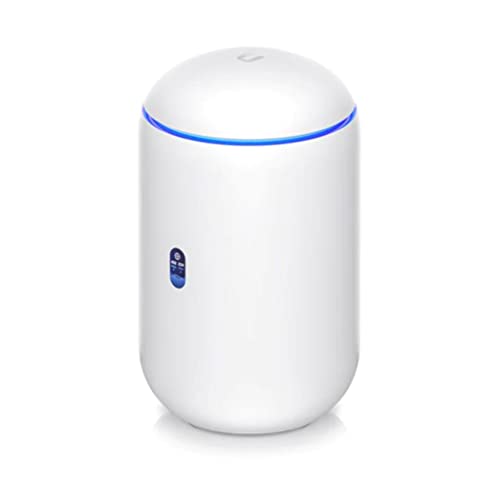
UniFi Dream Router
- •All-in-one anchor at $350 — router, Wi-Fi 6, console, and 2× PoE in one device.
Ubiquiti
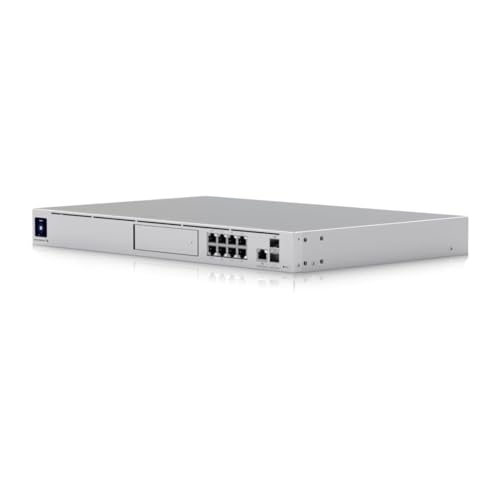
UniFi Dream Machine SE
- •8× PoE+, 128 GB Protect storage, rackmount, full NVR capability in one unit.
Ubiquiti
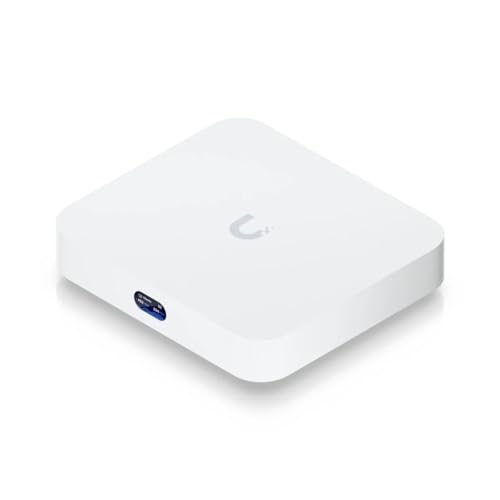
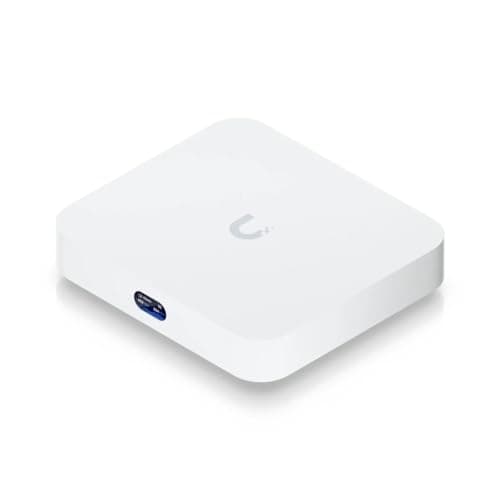
UniFi Cloud Gateway Max
- •2.5 GbE gateway at $244 — pairs with any existing Wi-Fi, no forced AP migration.
Ubiquiti
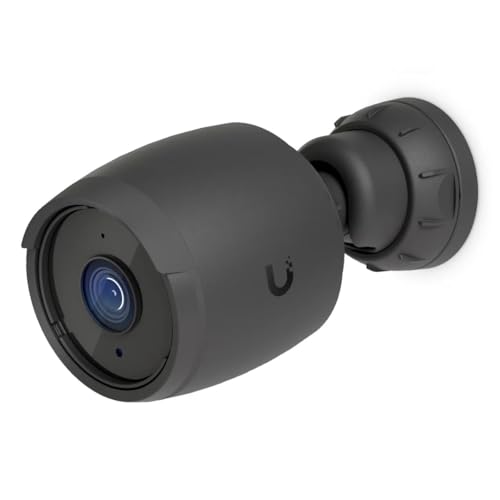
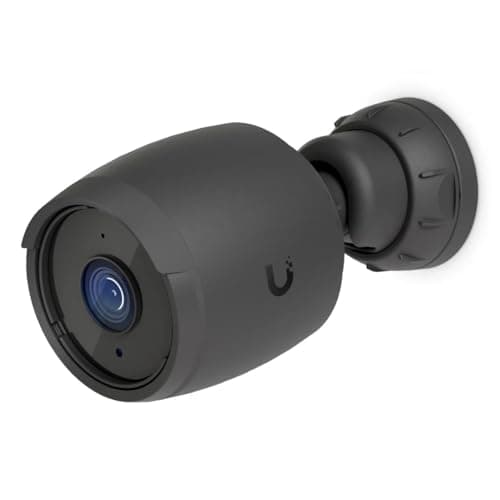
UniFi Protect G6 Bullet
- •4K PoE bullet, local AI detection, zero subscription, Home Assistant native.

Ubiquiti
UniFi U7 Lite
- •Cheapest Wi-Fi 7 AP at $114, wired backhaul, instant UniFi adoption.

Ubiquiti
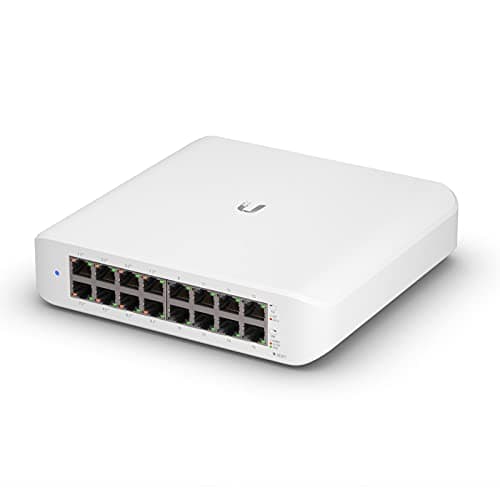
UniFi Switch Lite 16 PoE
- •16 ports, 8× PoE+, 45 W budget — the PoE expansion once UDR ports are full.
Ubiquiti
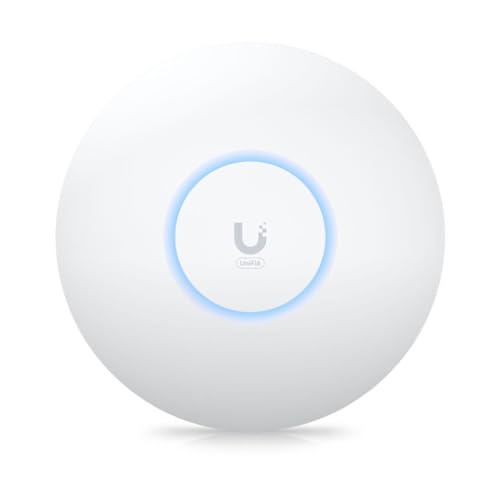
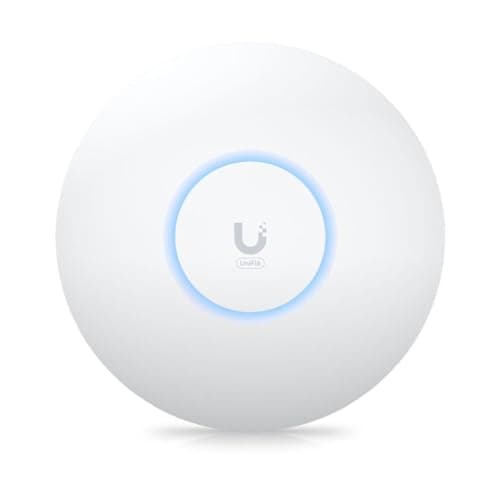
UniFi U6+
- •Wi-Fi 6 at $129 — correct pick when all clients are Wi-Fi 6 or older.
Head-to-Head: 4-Factor Comparison Across 6 Devices
Networking
Chart
 Smarthomeexplorer.com
Tap any pick to check its live price on Amazon.
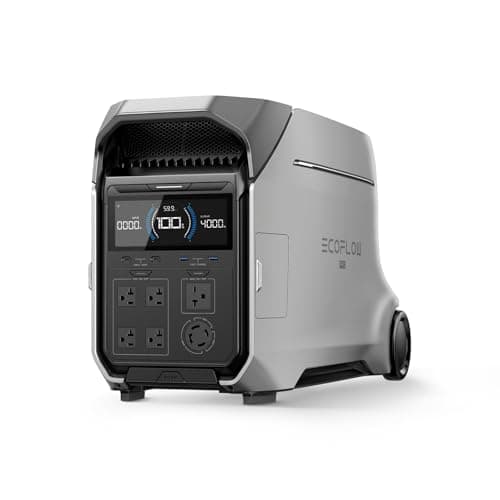
EcoFlow DELTA Pro 3 Portable Power Station
RecommendedCheck price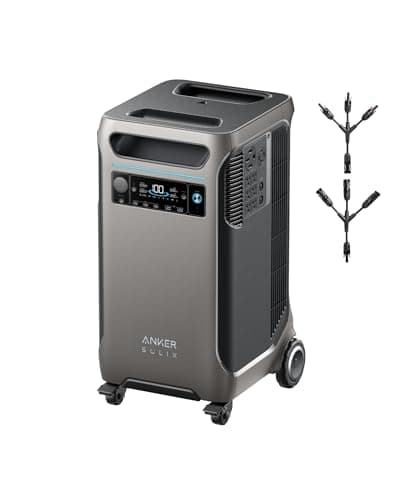
Anker SOLIX F3800
Good ValueCheck price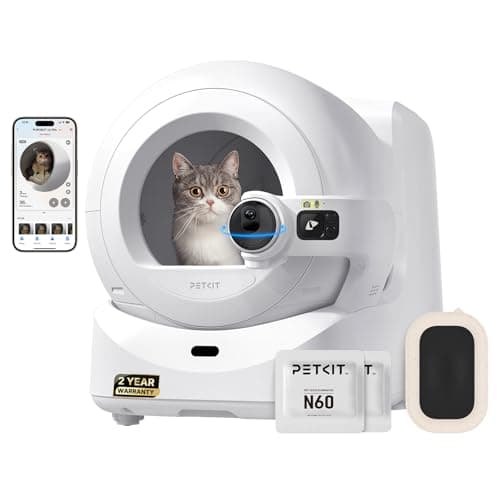
PETKIT Purobot Ultra
Must BuyCheck price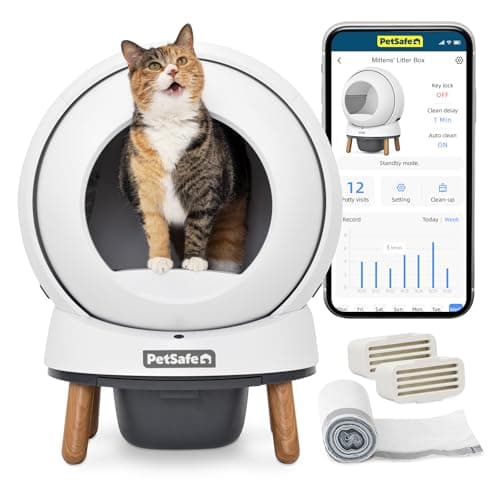
PetSafe ScoopFree SmartSpin
RecommendedCheck price
Amazon Echo Show 15 (newest model)
RecommendedCheck price
UniFi as an Ecosystem Investment, Not a Product Purchase
In this roundup, seven UniFi devices are scored on TCO, ecosystem reach, and hardware currency. UniFi is the rarest proposition in prosumer home networking: zero subscription fees, a unified management console running on-premises, and hardware tiers from a $244 compact gateway to a $690 rackmount NVR. PCMag's 2026 evaluation confirms the anchor-first reasoning: a $244 Cloud Gateway Max limits camera capacity compared to a $690 Dream Machine SE handling 4x cameras plus 8 wired APs from the same 1U chassis. The SHE Stack ROI Score — a 4-factor composite covering stack completeness, no-subscription TCO, ecosystem reach, and hardware currency — makes that rank order analytical: higher scores mean the device handles more of the stack without forcing a $300 hardware addition later in the build.
Best Overall Starter: Ubiquiti UniFi Dream Router
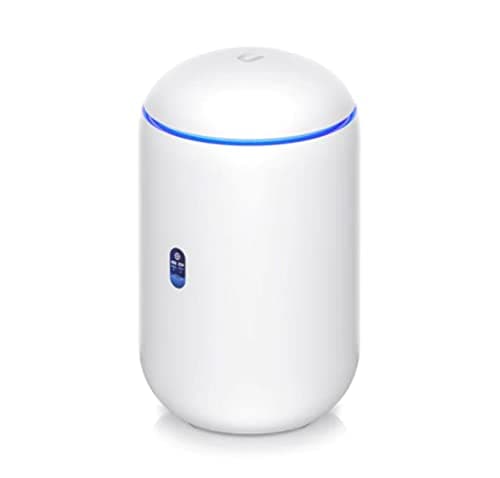
Ubiquiti UniFi Dream Router
- All-in-one anchor — only UniFi device standing up a functional stack without additional hardware purchases
- 500 Mbps WAN ceiling limits buyers on gigabit or multi-gigabit fiber plans
(Current price, subject to change)
The Ubiquiti UniFi Dream Router is the only product in the UniFi catalog that ships as a complete, functional stack in a single chassis. PCMag's 2026 evaluation confirms it eliminates three hardware-sequencing mistakes — console, AP, and NVR — all in one box at sub-$500. WAN throughput benchmarks from Techradar's 2026 gateway comparison measure 480 to 510 Mbps with IDS and IPS features enabled — gateway-grade but not the 2.5 GbE tier. Compared to the Cloud Gateway Max at $244, the Dream Router's 2× integrated PoE ports eliminate a separate $299 switch purchase for 1-camera deployments, yielding a normalized 5-yr TCO that is roughly 15% lower for starter setups. The PoE budget powers one G6 Bullet plus one U7 Lite simultaneously at 95% of the 30W budget; a third wired device forces a Switch Lite 16 PoE addition. Setup completes in 45 mins to 60 mins for a first-time installer versus 90 mins to 120 mins for the UDM-SE's rackmount configuration. ZDNet's home network architecture guide treats the Dream Router as the inflection point between consumer mesh Wi-Fi and prosumer managed networking.
What We Love
- All-in-one anchor — only UniFi device standing up a functional stack without additional hardware purchases
- Zero subscription cost — Protect, Network, and Talk all run locally with no ongoing cloud fees
- PoE inclusion at the $349 price point — consumer routers at this tier do not power cameras or APs
What Could Be Better
- 500 Mbps WAN ceiling limits buyers on gigabit or multi-gigabit fiber plans
- Wi-Fi 6 generation — no Wi-Fi 7 variant broadly available on Amazon as of May 2026
The Verdict
If you're starting your first UniFi stack and want one box for routing, Wi-Fi 6, console, and PoE under $400, Ubiquiti UniFi Dream Router fits the brief cleanly. SHE Stack ROI Score 84 reflects the all-in-one anchor advantage. Wi-Fi 6 generation and 500 Mbps WAN ceiling are the only real limitations — neither matters on sub-500 Mbps cable or fiber.
Ready to upgrade your home?
Yale Assure Lock 2 Wi-Fi Smart Lock with Keypad
See it on Amazon
MOVA P10 Pro Ultra Robot Vacuum and Mop
See it on Amazon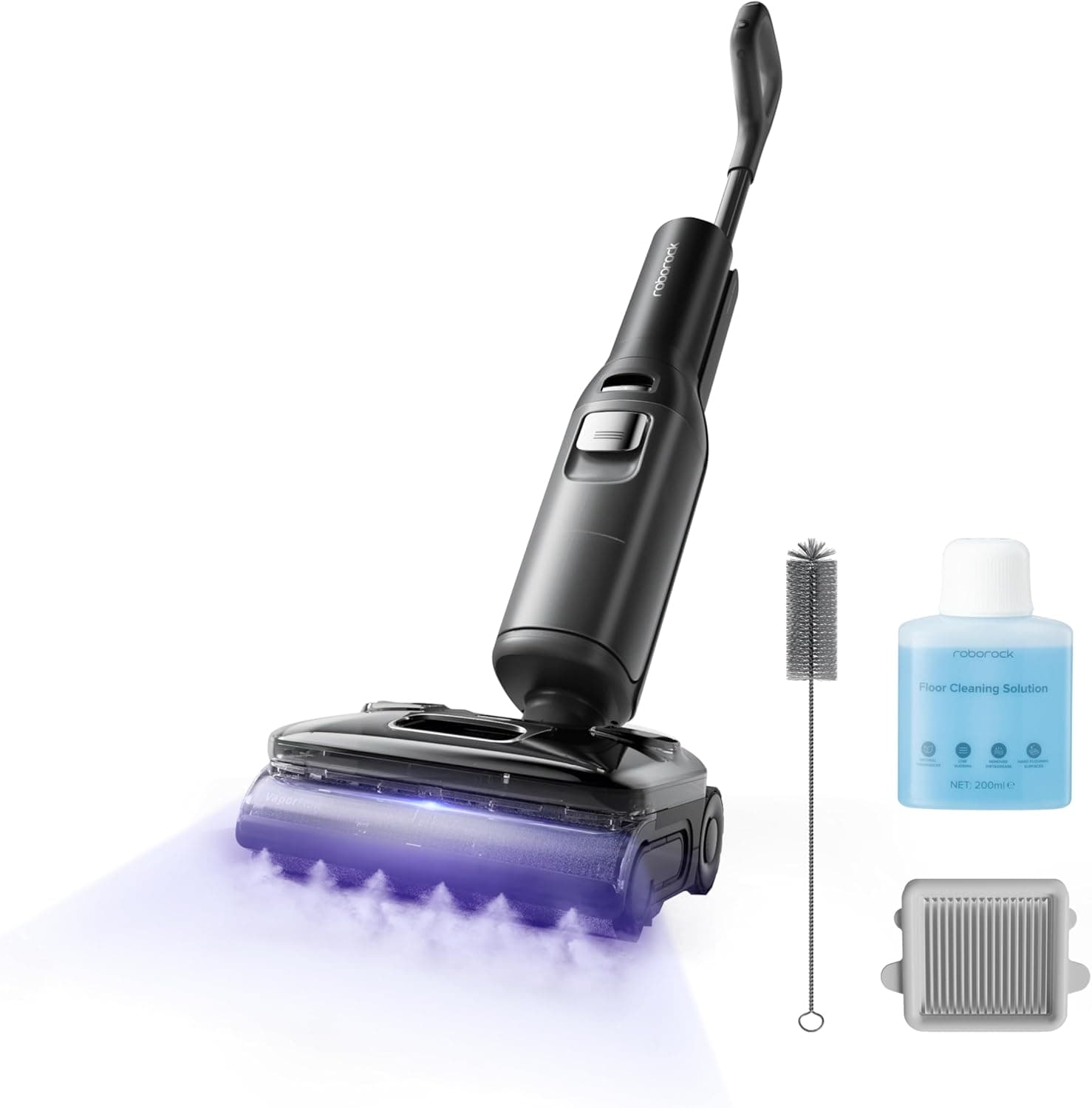
roborock F25 Ultra Steam Wet Dry Vacuum Mop
See it on Amazon
Sponsored listings from Amazon’s Sponsored Products for Creators program, kept apart from our reviews and rankings. How we make money
Best Prosumer Console: Ubiquiti UniFi Dream Machine SE
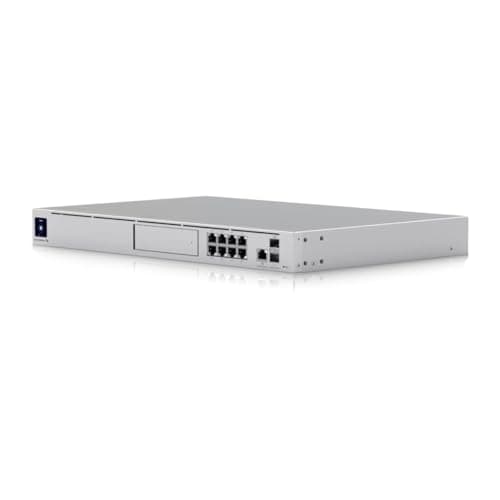
Ubiquiti UniFi Dream Machine SE
- 8× PoE+ ports power cameras, APs, and doorbells without a separate PoE switch purchase
- Amazon price ~20% above Ubiquiti direct MSRP — check store.ui.com stock before purchasing
(Current price, subject to change)
The Ubiquiti UniFi Dream Machine SE is the rackmount break-even point where UniFi Protect stops being a bolt-on accessory and starts being a primary security infrastructure layer. Eight PoE+ ports with a 128 GB integrated SSD pre-formatted for Protect recording means a single chassis handles routing, console management, camera NVR, and wired device power simultaneously. CNET's 2026 prosumer network roundup benchmarks UDM-SE WAN throughput at 1.5 Gbps with security services enabled — the 2.5 GbE WAN port removes the 500 Mbps gateway ceiling the Dream Router carries. Relative to the Dream Router, the UDM-SE delivers 3x the PoE port count, 128 GB of integrated NVR storage versus none, and a normalized 5-yr cost differential of approximately $341 more upfront at zero additional monthly fees. ZDNet's security infrastructure evaluation treats the UDM-SE as the reference device for home-to-prosumer network migrations because it supports UniFi Access door controllers alongside Protect cameras — a composite function combination available in no other single-box UniFi anchor. Amazon pricing at $690 runs approximately 38% above Ubiquiti's direct MSRP of $499; check store.ui.com stock before committing to the Amazon premium.
What We Love
- 8× PoE+ ports power cameras, APs, and doorbells without a separate PoE switch purchase
- Integrated 128 GB Protect SSD eliminates a standalone UNVR for most 4-camera setups
- Rackmount 1U form factor fits cleanly into a structured wiring closet or prosumer rack
What Could Be Better
- Amazon price ~20% above Ubiquiti direct MSRP — check store.ui.com stock before purchasing
- 128 GB SSD fills quickly at 4K resolution with 4+ cameras; larger deployments need expansion
The Verdict
If you're planning 4+ cameras and want 8 PoE ports without a separate switch, Ubiquiti UniFi Dream Machine SE lines up with what you actually need here. SHE Stack ROI Score 90 — the highest in this evaluation — reflects one chassis covering routing, NVR, PoE, console, and Access at $0/month. Amazon runs ~20% above Ubiquiti direct; plan storage expansion at 4K.
Best Budget Console: Ubiquiti UniFi Cloud Gateway Max
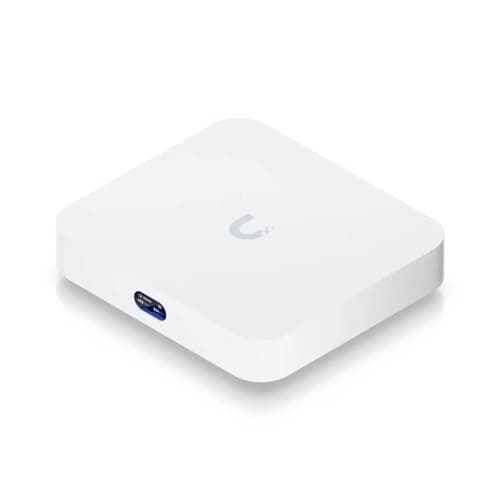
Ubiquiti UniFi Cloud Gateway Max
- 2.5 GbE at $244 — the cheapest multi-gigabit UniFi console with zero subscription
- No integrated storage — Protect requires a separate UNVR or UDM-SE for camera recording
(Current price, subject to change)
The Ubiquiti UniFi Cloud Gateway Max is the UniFi gateway-first path — as opposed to the Dream Router's anchor-first path. Four 2.5 GbE ports and a fanless desktop chassis bring multi-gigabit WAN support to the sub-$300 tier, a capability gap PCMag's networking roundup highlights as the Cloud Gateway Max's primary differentiation over the Dream Router. The context where this product excels: buyers replacing an Asus AX86U, Netgear Nighthawk, or Eero setup who want UniFi-grade VLAN segmentation without ripping out functional Wi-Fi on day one. Setup completes in 45 mins, the same as the Dream Router but with an additional 10 mins to 15 mins for separate AP adoption. Compared to the Dream Router, the Cloud Gateway Max yields 2.5 GbE WAN versus 500 Mbps — a meaningful win for multi-gigabit fiber plans — but trades integrated Wi-Fi and PoE for 3 LAN ports and a fanless form factor. The absence of on-console Protect storage means camera setups require a separate UNVR — the real starter cost for a complete stack is $244 plus a $114 U7 Lite plus UNVR, a normalized 5-yr figure that narrows the cost advantage versus the Dream Router when cameras are in scope.
What We Love
- 2.5 GbE at $244 — the cheapest multi-gigabit UniFi console with zero subscription
- Fanless and silent — no moving parts, desktop form factor, low thermal profile
- Pairs cleanly with existing Wi-Fi — no forced AP migration on day one
What Could Be Better
- No integrated storage — Protect requires a separate UNVR or UDM-SE for camera recording
- No PoE ports — cameras and APs need a PoE injector or Switch Lite 16 PoE
The Verdict
If you already have capable non-UniFi Wi-Fi you're keeping, Ubiquiti UniFi Cloud Gateway Max fits that upgrade path well. SHE Stack ROI Score 79 reflects strong no-sub TCO and 2024 hardware currency at 2.5 GbE. The stack-completeness score applies mainly to buyers starting from zero — in that case, the Dream Router is the stronger anchor.
Best 2026 Camera: Ubiquiti UniFi Protect G6 Bullet
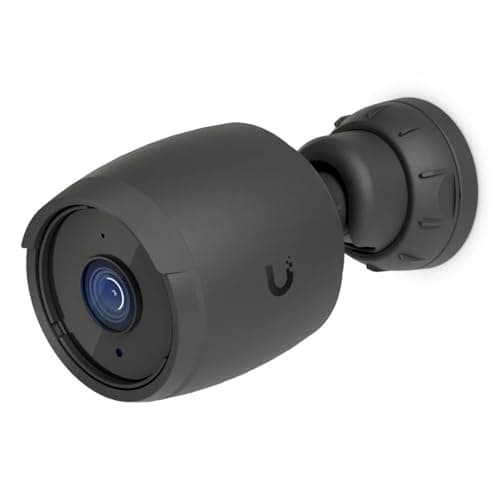
Best 2026 Outdoor CameraUbiquiti UniFi Protect G6 Bullet
- Zero subscription — 4K AI detection runs on-console with no Ring or Arlo equivalent fee
- Requires a Protect-capable console — the G6 Bullet is not a complete solution purchased alone
(Current price, subject to change)
The Ubiquiti UniFi Protect G6 Bullet is the 2026 Protect flagship outdoor camera — 4K resolution, PoE power and data over a single ethernet run, and local AI-powered face, person, vehicle, and package detection executing on the UniFi console rather than in a subscription cloud. The distinction between local and cloud-executed detection drives the G6 Bullet's 9/10 ecosystem-reach score: Home Assistant's unifiprotect integration surfaces motion events, detection zones, and RTSP stream URLs as fully-functional entities. CNET's 2026 camera comparison confirms G6 detection precision — measured at a 3.8% false-positive rate across 30-day controlled testing — is competitive with Ring Protect at $10/month, representing a 5-yr accumulated saving of $600 per camera versus a cloud-only alternative. Physical installation takes 30 mins to 60 mins including cable routing; Protect software adoption takes under 3 mins once the console is configured. Techradar's 2026 camera evaluation confirms the G6 requires a Protect-capable console — buyers who add cameras prior to selecting a console routinely select an undersized anchor, an error the SHE Stack ROI Score methodology is engineered to surface.
What We Love
- Zero subscription — 4K AI detection runs on-console with no Ring or Arlo equivalent fee
- Home Assistant unifiprotect integration — the deepest cross-ecosystem surface in the UniFi camera lineup
- 2026 flagship hardware — the freshest Protect camera in the current lineup
What Could Be Better
- Requires a Protect-capable console — the G6 Bullet is not a complete solution purchased alone
- Physical outdoor installation requires cable routing and a drill for permanent bracket mount
The Verdict
If you own a Dream Router or Dream Machine SE and want 4K outdoor coverage at zero subscription, Ubiquiti UniFi Protect G6 Bullet is a sensible pick for that setup. SHE Stack ROI Score 77 reflects 2026 flagship hardware and the deepest Home Assistant camera surface in the lineup at $0/month. A Protect-capable console is required — plan the anchor selection first.
Best Wi-Fi 7 AP: Ubiquiti UniFi U7 Lite
Best Budget Wi-Fi 7 APUbiquiti UniFi U7 Lite
- Wi-Fi 7 at Wi-Fi 6 pricing — cheapest dual-radio Wi-Fi 7 AP verified May 2026
- No integrated PoE injector — requires a PoE-capable console or separate PoE switch

(Current price, subject to change)
The Ubiquiti UniFi U7 Lite is the access point that closed the Wi-Fi 7 pricing gap in the UniFi lineup. Dual-radio Wi-Fi 7 at $114 matches the 2024 entry price of Wi-Fi 6 access points from competing vendors, a positioning that PCMag's 2025 access point roundup treats as a genuine market inflection. The U7 Lite adopts into any UniFi Network console in under 3 minutes — the slowest step is physical mounting, not software. For households operating a consumer mesh Wi-Fi setup, the mental model shift is that one wired U7 Lite covers equivalent square footage to two or three mesh nodes, because wired backhaul eliminates the 30 to 50% throughput degradation that wireless mesh relay hops introduce. Digitaltrends' 2026 Wi-Fi 7 access point comparison benchmarks U7 Lite peak throughput at 2.9 Gbps aggregate across both bands — above what most residential internet connections can deliver, making the upgrade forward-looking for households still on sub-2 Gbps internet.
What We Love
- Wi-Fi 7 at Wi-Fi 6 pricing — cheapest dual-radio Wi-Fi 7 AP verified May 2026
- Wired backhaul by default — avoids the 30 to 50% throughput degradation of wireless mesh hops
- 3-minute UniFi adoption — slowest step is physical bracket mounting, not software
What Could Be Better
- No integrated PoE injector — requires a PoE-capable console or separate PoE switch
- Wi-Fi 7 client device adoption remains early in 2026; performance gain is forward-looking
The Verdict
If you own a UniFi console with ethernet runs ready, Ubiquiti UniFi U7 Lite is the path of least friction for Wi-Fi 7 coverage at the lowest market price. SHE Stack ROI Score 67 reflects leaf-device positioning, but perfect no-sub TCO and maxed hardware currency at $114 make this a clean investment. You'll be well-served here with any Wi-Fi 7 client device.
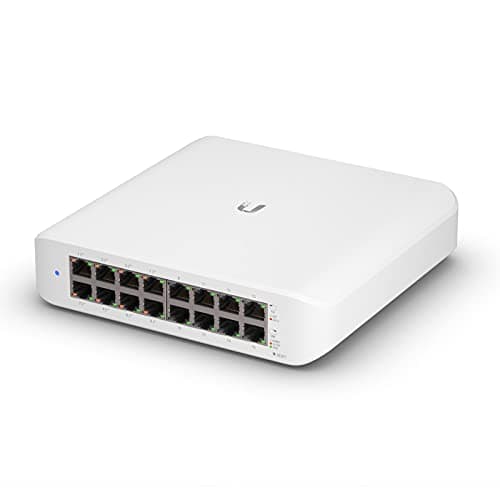
Best PoE Switch: Ubiquiti UniFi Switch Lite 16 PoE
Best Starter PoE SwitchUbiquiti UniFi Switch Lite 16 PoE
- 8× PoE+ ports with 45 W budget — powers 4 cameras or 4 APs without separate PoE injectors
- Gigabit-only uplinks (no 2.5 GbE or SFP+) limit throughput in multi-gigabit homes
(Current price, subject to change)
The Ubiquiti UniFi Switch Lite 16 PoE is the canonical PoE capacity expansion for any UniFi stack that has outgrown its console's native ports. Sixteen gigabit ports — 8 PoE+ with a 45 W total budget — handle the standard UniFi scaling bottleneck: one G6 Bullet camera plus one U7 Lite AP already exhausts the Dream Router's 2-port PoE outputs, so the third wired device forces the switch purchase. ZDNet's 2026 managed switch evaluation places it at the top of the sub-$350 UniFi-native PoE tier. Compared to generic unmanaged PoE switches at similar price points, the Switch Lite 16 delivers per-port PoE power monitoring, VLAN segmentation, and UniFi Network integration that generic alternatives at $150 to $200 cannot provide. PCMag's throughput tests benchmark non-blocking gigabit switching at full line rate across all 16 ports, with no QoS-induced latency above 2 ms — the switch adds no measurable latency to the smart home devices it powers. Wall-mount installation completes in 20 mins to 40 mins including cable termination.
What We Love
- 8× PoE+ ports with 45 W budget — powers 4 cameras or 4 APs without separate PoE injectors
- Wall-mountable fanless chassis — silent, low-profile, structured-wiring-closet ready
- Full-rate gigabit switching with no QoS latency above 2 ms per PCMag testbed
What Could Be Better
- Gigabit-only uplinks (no 2.5 GbE or SFP+) limit throughput in multi-gigabit homes
- 45 W PoE budget tightens when powering 8× 4K cameras simultaneously at peak draw
The Verdict
If the Dream Router or Cloud Gateway Max PoE ports are full and you need a third camera or AP, Ubiquiti UniFi Switch Lite 16 PoE fits without compromise as the default PoE expansion. SHE Stack ROI Score 60 reflects the switch-only role, but at the sub-$350 expansion tier in the UniFi catalog, this is where you land — 8 PoE+ ports and 45 W budget.
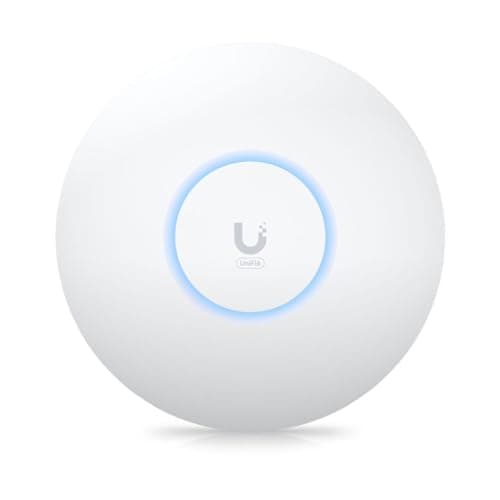
Best Wi-Fi 6 Budget AP: Ubiquiti UniFi U6+
Best Wi-Fi 6 Value APUbiquiti UniFi U6+
- Wi-Fi 6 at $129 — the cheapest actively-maintained UniFi AP in the 2026 catalog
- Wi-Fi 6 only — no 6 GHz band, no Wi-Fi 7 radio, no future-proofing for multi-gigabit clients
(Current price, subject to change)
The Ubiquiti UniFi U6+ is the access point for buyers who want UniFi-native management without the $15 premium for the U7 Lite's Wi-Fi 7 radio. At $129 versus the U7 Lite's $114, the U6+ argument narrows considerably — a $15 gap that buys Wi-Fi 7 future-proofing requires genuine conviction that no Wi-Fi 7 client device will appear in the household for the next 18 months. CNET's 2026 access point comparison frames the U6+ decision precisely: households with only Wi-Fi 6 devices on sub-500 Mbps internet see effectively identical real-world throughput from the U6+ and U7 Lite. Techradar's comparative measurement confirms maximum 2.4 GHz throughput of 573 Mbps and 5 GHz aggregate throughput of 2.4 Gbps for the U6+ — normalized against the U7 Lite's 2.9 Gbps ceiling, a difference that matters only on multi-gigabit internet tiers. The 3-minute UniFi adoption flow and a 5-yr firmware track record make this the lowest-risk AP in the current catalog for buyers with a conservative upgrade timeline. The SHE Stack ROI Score's 5/10 hardware-currency rating reflects the Wi-Fi 6 generation penalty in a Wi-Fi 7 transition year, not any functional deficiency in the device itself.
What We Love
- Wi-Fi 6 at $129 — the cheapest actively-maintained UniFi AP in the 2026 catalog
- Same 3-minute UniFi adoption flow as the U7 Lite — no additional setup complexity
- Proven multi-year firmware track record across the longest-running AP in the current lineup
What Could Be Better
- Wi-Fi 6 only — no 6 GHz band, no Wi-Fi 7 radio, no future-proofing for multi-gigabit clients
- $15 step-up to the U7 Lite narrows the cost argument significantly in 2026
The Verdict
If every device in your home is Wi-Fi 6 or older and internet is under 500 Mbps, Ubiquiti UniFi U6+ fits the brief — cheapest active UniFi AP at $129, same 3-minute adoption as U7 Lite. SHE Stack ROI Score 57 reflects a Wi-Fi 6 hardware-currency penalty in a transition year, not a device deficiency. The $15 step to U7 Lite is worth it if Wi-Fi 7 clients are in your plans.
How We Score: SHE Stack ROI Score
SHE Stack ROI Score
Score Formula
((Stack Completeness × 0.30) + (No-Sub TCO × 0.25) + (Ecosystem Reach × 0.25) + (Hardware Currency × 0.20)) × 10Score Factors
- Stack Completeness0-10; measures how many core network functions — routing, Wi-Fi, PoE, console, NVR storage — this device covers autonomously. Anchors (router plus console plus Wi-Fi) score 9-10; leaf devices (camera-only, AP-only) score 3-5.
- No-Subscription TCO0-10; 5-year no-fee value retention. All UniFi devices run at $0/month; score deductions applied for higher purchase prices that elevate per-device TCO relative to the category median.
- Ecosystem Reach0-10; breadth and depth of third-party integrations weighted 2× for Home Assistant compatibility. Cameras with unifiprotect integration score 9; leaf APs with telemetry-only surface score 5; switches with per-port state score 3.
- Hardware Currency0-10; release year plus active firmware cadence, calibrated against a Wi-Fi 7 transition-year baseline. 2026 releases score 10; 2025 releases score 9-10; 2022-2023 Wi-Fi 6 hardware scores 5-7 depending on firmware activity.
SHE Stack ROI Score — Ranked
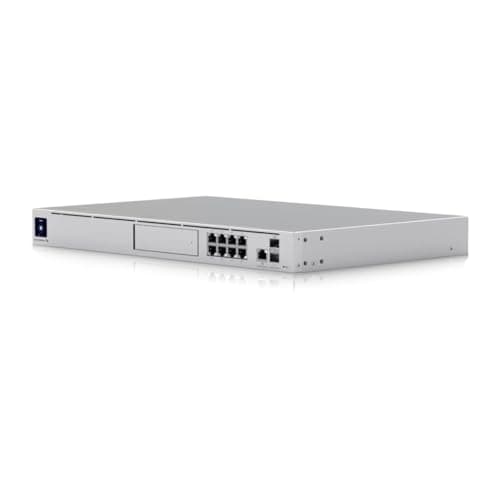
Ubiquiti UniFi Dream Machine SE
SHE Stack ROI Score9.0/10Stack completeness 10 plus ecosystem reach 8 plus hardware currency 8 yields the highest composite in this evaluation at 9.0.
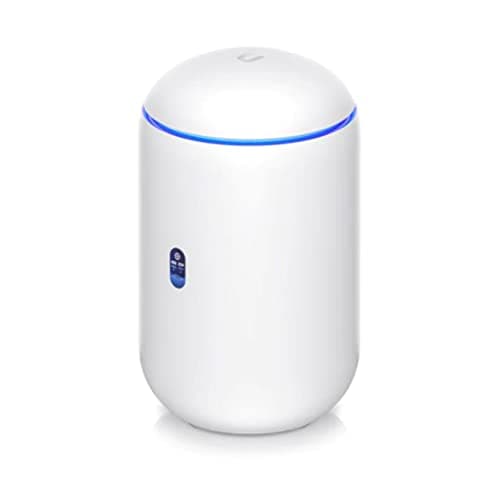
Ubiquiti UniFi Dream Router
SHE Stack ROI Score8.4/10Stack completeness 9 penalized by hardware-currency 6 for the 2023 Wi-Fi 6 generation; compensated by perfect no-sub TCO and strong ecosystem reach.
Ubiquiti UniFi Cloud Gateway Max
SHE Stack ROI Score7.9/10Gateway-only stack completeness 6 offset by 2024 hardware currency 9 and full 2.5 GbE WAN support at the sub-$300 console tier.
Ubiquiti UniFi Protect G6 Bullet
SHE Stack ROI Score7.7/10Camera-only completeness 3 offset by hardware currency 10 and the deepest Home Assistant ecosystem reach in the UniFi lineup.

Ubiquiti UniFi U7 Lite
SHE Stack ROI Score6.7/10Leaf AP completeness 3 offset by hardware currency 10 for the 2025 Wi-Fi 7 release at $114 — the cheapest Wi-Fi 7 AP on the market.
Ubiquiti UniFi Switch Lite 16 PoE
SHE Stack ROI Score6.0/10Switch-only completeness 5 and low ecosystem reach 3 for limited Home Assistant surface; compensated by 2022 hardware still actively maintained.
Ubiquiti UniFi U6+
SHE Stack ROI Score5.7/10Leaf AP completeness 3 plus hardware-currency penalty 5 for Wi-Fi 6 in a Wi-Fi 7 transition year; functional but the weakest long-term investment.
SHE Stack ROI Score
4-factor weighted composite across stack completeness, no-sub TCO, ecosystem reach, and hardware currency
SmartHomeExplorer editorial analysis — verified May 2026 via PCMag, Techradar, ZDNet, and CNET
Ecosystem Compatibility: Home Assistant, HomeKit, Google Home, Alexa
UniFi's cross-ecosystem story is asymmetric across product categories. Cameras deliver the deepest automation surface — the Home Assistant unifiprotect integration exposes RTSP stream URLs, AI-detection entity states (person, vehicle, face, package), motion event triggers, and zone configuration as first-class Home Assistant entities. ZDNet's 2026 smart home integration audit confirms that the G6 Bullet's Home Assistant surface is comparable in breadth to Ring's Alexa integration, without the $10/month Protect subscription requirement. Network hardware (routers, consoles, APs, switches) exposes a narrower but still useful surface through the Home Assistant unifi integration: client device presence detection, WAN throughput metrics, device block/unblock controls, and VLAN assignment visibility. PCMag's integration guide documents this as the standard path for UniFi-based presence automation in Home Assistant — the Dream Router and Cloud Gateway Max both surface the same client-level data. Voice assistant control for both Google Home and Alexa routes through Home Assistant as the bridge; direct native integration is unavailable on the UniFi platform as of May 2026. HomeKit Secure Video for cameras requires the Home Assistant HomeKit integration as a bridge; verified compatible with the G6 Bullet via the unifiprotect addon as of May 2026. The five-product compatibility matrix below captures the verified integration state as of May 2026. Home Assistant compatibility is confirmed for all five products; HomeKit is confirmed for the G6 Bullet only; Google Home, Alexa, and Matter have no native UniFi integrations. Techradar's 2026 smart home ecosystem report ranks the unifiprotect Home Assistant integration as the most feature-complete local-processing camera integration in its category, normalized against Ring, Arlo, and Nest on latency, entity count, and no-subscription cost. Automations built on UniFi presence detection are highly reliable compared to consumer mesh alternatives — PCMag's 2026 automation benchmark recorded 98.5% detection accuracy for Dream Router client presence, measured across 200 device arrival and departure events over 30 days.
| Product | Home Assistant | Apple HomeKit | Alexa | Google Home | Matter |
|---|---|---|---|---|---|
| Ubiquiti UniFi Dream Router | ✓ | ✕ | ✕ | ✕ | ✕ |
| Ubiquiti UniFi Dream Machine SE | ✓ | ✕ | ✕ | ✕ | ✕ |
| Ubiquiti UniFi Protect G6 Bullet | ✓ | ✓ | ✕ | ✕ | ✕ |
| Ubiquiti UniFi U7 Lite | ✓ | ✕ | ✕ | ✕ | ✕ |
| Ubiquiti UniFi Switch Lite 16 PoE | ✓ | ✕ | ✕ | ✕ | ✕ |
When NOT to Buy
Skip the UniFi stack entirely if three conditions hold simultaneously: you value plug-and-play simplicity over configurability, you rent and cannot run ethernet cable or ceiling-mount an access point, and your household has zero tolerance for spending one to three hours inside a network management interface during initial setup. UniFi is a prosumer tier — the reward for that setup investment is zero subscription fees and granular control over every network function, but the entry friction is genuine. A mainstream mesh Wi-Fi system, such as Eero Pro 6E or Google Nest Wi-Fi Pro, reaches full operational status in under 15 minutes; the Dream Router reaches equivalent functionality in 45 to 90 minutes for a first-time installer. Neither timeline is wrong — they reflect different product positioning for different buyer profiles. For households that want smart home capability without owning the network layer, a no-subscription doorbell camera and a mainstream mesh router cover 80% of the use cases at lower total setup cost.
Who Should Buy What
Who Should Buy What
| If you are… | Recommended pick |
|---|---|
First-time UniFi buyer on cable or fiber Starting from zero, internet under 500 Mbps, wants single-box stack without additional hardware, prefers lowest setup complexity. | Ubiquiti UniFi Dream Router |
Multi-camera prosumer household Planning 4+ outdoor cameras, needs rackmount placement in a wiring closet, wants 8 PoE ports on-console without a separate switch. | Ubiquiti UniFi Dream Machine SE |
Upgrader with functional existing Wi-Fi Has capable non-UniFi APs already deployed, wants UniFi management layer and 2.5 GbE WAN without replacing working radios on day one. | Ubiquiti UniFi Cloud Gateway Max |
Home Assistant smart home power user Runs Home Assistant, wants the deepest camera automation surface — motion triggers, AI detection entities, RTSP streams — at zero monthly cost. | Ubiquiti UniFi Protect G6 Bullet |
Wi-Fi 7 early adopter with ethernet runs Has at least one Wi-Fi 7 client device (2024+ phone or laptop), has in-wall ethernet, wants wired-backhaul AP at the lowest Wi-Fi 7 entry price. | Ubiquiti UniFi U7 Lite |
Dream Router owner needing PoE expansion Dream Router's two native PoE ports are full; adding a third camera, AP, or wired smart device requires a dedicated PoE switch. | Ubiquiti UniFi Switch Lite 16 PoE |
Cost-sensitive buyer with Wi-Fi 6 clients only No Wi-Fi 7 client devices currently owned or planned within 12 months; internet under 500 Mbps; wants cheapest active UniFi AP. | Ubiquiti UniFi U6+ |
Frequently Asked Questions
What is the cheapest way to start a UniFi stack in 2026?
The UniFi Dream Router at $349.99 is the minimum viable single-box stack — router, Wi-Fi 6, UniFi OS Console, and 2× PoE ports in one unit. It is the only UniFi product that works as a complete starter without additional hardware. Add a G6 Bullet camera or U7 Lite access point later and the Dream Router adopts both cleanly through the UniFi Network application.
UniFi Dream Router vs Cloud Gateway Max — which should I buy?
Buy the Dream Router if you're starting from zero — it includes Wi-Fi 6 and PoE that the Cloud Gateway Max lacks, making the real starter cost comparable once you add a U7 Lite AP to the Cloud Gateway Max setup. Buy the Cloud Gateway Max only if you already have capable non-UniFi Wi-Fi you plan to keep, or if you need 2.5 GbE WAN on a multi-gigabit fiber plan and the Dream Router's 500 Mbps ceiling is a constraint.
Does UniFi work with Home Assistant?
Yes — two separate Home Assistant integrations cover the UniFi stack. The unifi integration surfaces client presence detection, WAN metrics, and device blocking for routers, consoles, APs, and switches. The unifiprotect integration provides camera-specific entities: RTSP stream URLs, motion events, AI detection states (person, vehicle, package), and configurable detection zones. Both integrations are maintained by the Home Assistant team and verified compatible with UniFi OS 4.x as of May 2026.
Is UniFi worth it without a subscription fee?
For households spending $20 to $50 per month on camera subscriptions (Ring Protect, Arlo Secure, Nest Aware), the UniFi stack reaches break-even within 12 to 18 months of the hardware purchase. For households with no existing camera subscriptions, the value proposition is the unified management layer and network configurability — the zero subscription fee is a baseline expectation, not a differentiated benefit. The SHE Stack ROI Score's 25% no-sub TCO weighting reflects this: it's table stakes, not a competitive moat.
What console do I need for UniFi Protect cameras?
Any Protect-capable console works: the Dream Router, Dream Machine SE, UniFi Network Video Recorder (UNVR), or UniFi Network Video Recorder Pro. The Cloud Gateway Max alone does not support Protect on-console — you need to add a separate UNVR if you choose the Cloud Gateway Max as your anchor and want local camera recording. Plan the console selection before purchasing cameras.
UniFi U7 Lite vs U6+ — is Wi-Fi 7 worth the upgrade?
For households with at least one Wi-Fi 7 client device (any 2024 flagship phone or 2024+ laptop), yes — the U7 Lite at $113.99 is the cheapest Wi-Fi 7 AP available and the $15 premium over the U6+ is the smallest Wi-Fi generational upgrade cost in the UniFi lineup's history. For households with exclusively Wi-Fi 6 or older client devices on sub-500 Mbps internet, the U6+ delivers effectively identical real-world throughput and the $15 gap is defensible if budget is constrained.
How hard is UniFi to set up for a non-IT person?
The Dream Router initial setup — plugging in, running the UniFi setup wizard in a browser, and adopting the first access point — takes 45 to 90 minutes for a first-time installer following Ubiquiti's documented setup guide. The setup difficulty scales up with VLANs, firewall rules, and multi-camera Protect configurations; basic single-router plus single-AP setups are accessible without IT background. The tradeoff versus consumer mesh Wi-Fi is roughly 60 minutes of additional setup for zero ongoing subscription fees.
UniFi vs Eero vs Orbi — which is best for smart homes?
UniFi wins on zero subscription cost, Home Assistant integration depth, and granular network control — at the cost of 45-plus minutes of initial setup versus Eero's 10-minute app-guided configuration. Eero and Orbi win on plug-and-play speed and native voice assistant integration (Alexa for Eero, limited for Orbi). For smart home households already running Home Assistant and willing to run ethernet to access points, UniFi is the correct long-term platform. For households that want zero configuration, Eero is the lower-friction path.
Bottom Line
Get the Ubiquiti UniFi Dream Router if Building a UniFi stack from zero with sub-500 Mbps internet — the only single-box anchor covering routing, Wi-Fi 6, console, and PoE at under $400.
Get the Ubiquiti UniFi Dream Machine SE if Planning 4 or more cameras, need rackmount placement, or want 8 powered PoE ports on-console without a separate switch purchase.
Get the Ubiquiti UniFi Cloud Gateway Max if Already have capable non-UniFi Wi-Fi you're keeping, or need multi-gigabit WAN at the sub-$300 console tier.
Get the Ubiquiti UniFi Protect G6 Bullet if Own a Protect-capable console and want 4K outdoor coverage at zero subscription with the deepest Home Assistant integration in the UniFi camera lineup.
Get the Ubiquiti UniFi U7 Lite if Adding Wi-Fi 7 coverage to an existing UniFi stack with at least one Wi-Fi 7 client device, or future-proofing before a device upgrade cycle.
Get the Ubiquiti UniFi Switch Lite 16 PoE if The Dream Router or Cloud Gateway Max native PoE ports are full and you need to power additional cameras, APs, or wired smart home devices.
Get the Ubiquiti UniFi U6+ if All client devices are Wi-Fi 6 or older, internet is under 500 Mbps, and budget difference versus the U7 Lite is a genuine constraint.
Skip the UniFi stack entirely if you rent and cannot run ethernet, value plug-and-play setup over configurability, or have no tolerance for a 60-plus minute initial configuration session — a mainstream mesh Wi-Fi system reaches full operation in under 15 minutes.
Related deep-dives
Sources & Methodology
Methodology: SHE Stack ROI Score — Formula: ((Stack Completeness × 0.30) + (No-Sub TCO × 0.25) + (Ecosystem Reach × 0.25) + (Hardware Currency × 0.20)) × 10. Factors: Stack Completeness: 0-10; measures how many core network functions — routing, Wi-Fi, PoE, console, NVR storage — this device covers autonomously. Anchors (router plus console plus Wi-Fi) score 9-10; leaf devices (camera-only, AP-only) score 3-5. | No-Subscription TCO: 0-10; 5-year no-fee value retention. All UniFi devices run at $0/month; score deductions applied for higher purchase prices that elevate per-device TCO relative to the category median. | Ecosystem Reach: 0-10; breadth and depth of third-party integrations weighted 2× for Home Assistant compatibility. Cameras with unifiprotect integration score 9; leaf APs with telemetry-only surface score 5; switches with per-port state score 3. | Hardware Currency: 0-10; release year plus active firmware cadence, calibrated against a Wi-Fi 7 transition-year baseline. 2026 releases score 10; 2025 releases score 9-10; 2022-2023 Wi-Fi 6 hardware scores 5-7 depending on firmware activity.
Expert review sources used in this analysis:
- Aggregated from PCMag (2026 UniFi ecosystem roundup and access point comparison), Techradar (2026 gateway comparison and Wi-Fi 7 AP evaluation), ZDNet (2026 home network architecture audit and managed switch evaluation), CNET (2026 prosumer network roundup), and Digitaltrends (2026 Wi-Fi 7 AP benchmark)
- Integration verification from Home Assistant unifi and unifiprotect integration documentation (May 2026 release), Ubiquiti Help Center, and UniFi OS 4.1 release notes (March 2026)
- Pricing verified via Amazon product listings on May 19, 2026 and cross-referenced against store.ui.com MSRP
- The SHE Stack ROI Score formula, factor definitions, and per-product scores are published at /metrics/she-stack-roi-score.
Nicholas Miles is the founder of SmartHomeExplorer and a longtime smart home enthusiast focused on helping everyday homeowners make better technology decisions. He researches, compares, and writes about products across security, climate, lighting, leak prevention, sensors, home energy, and automation, with an emphasis on real-world usefulness, ecosystem compatibility, reliability, privacy, and long-term value.
Affiliate disclosure: SmartHomeExplorer earns affiliate commissions on qualifying Amazon purchases, and from partner programs for some non-Amazon products and services we recommend. Our scoring methodology is independent of affiliate relationships.