
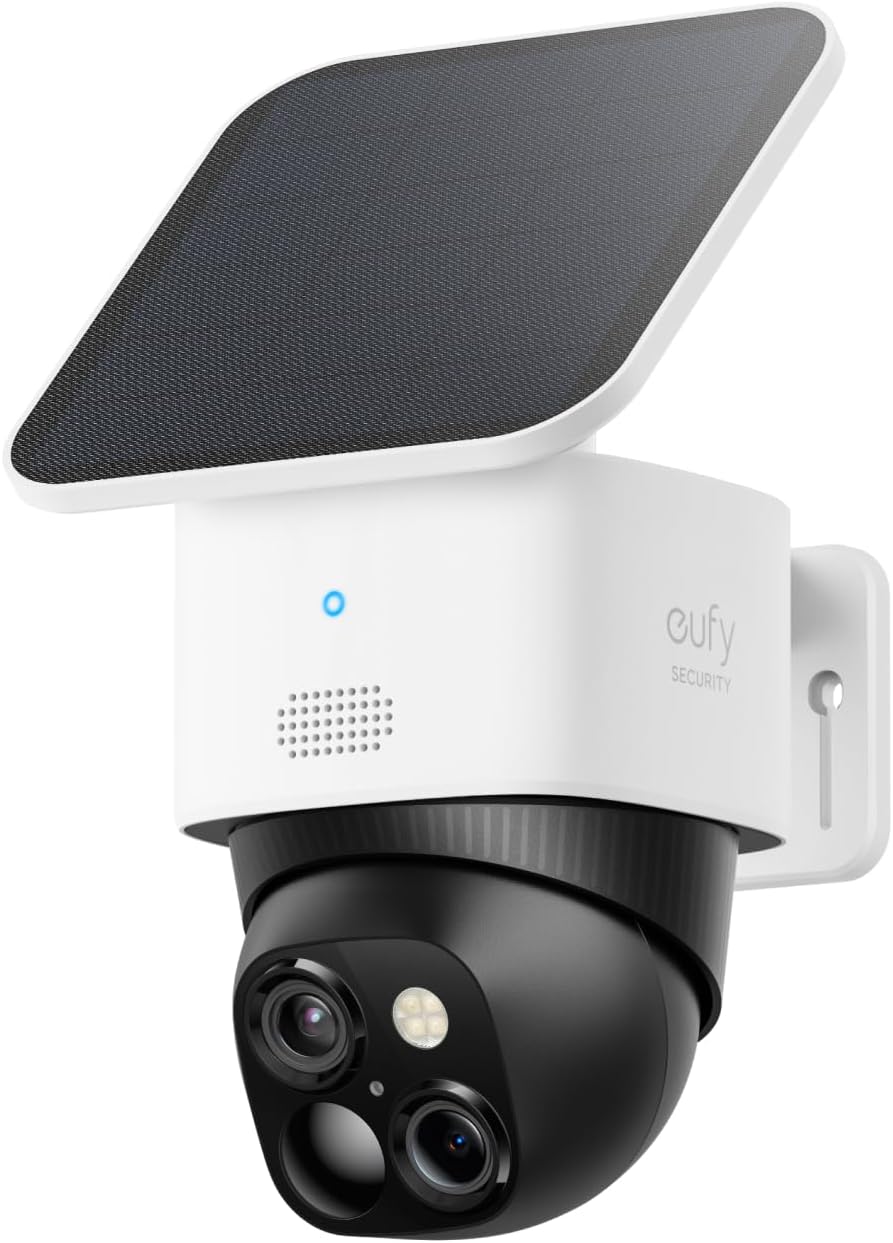
The Reolink Argus 4 Pro is the best all-in-one solar-powered smart camera — 4K resolution, color night vision, a built-in solar panel.
Solar-powered smart home devices solve the biggest outdoor installation barrier: running power. A wired outdoor camera requires drilling, conduit, and often an electrician. A solar-powered camera takes about 15 minutes to mount and connects to your home network over WiFi — no permits, no trenching, no contractor. The category has matured significantly in the last two years — today's solar panels are large enough to keep devices charged through extended cloudy periods, and battery capacity has grown to provide 3-7 days of backup when sun disappears entirely.
This guide is a spoke of our best smart outdoor lighting guide. For non-solar outdoor security cameras with local storage, see our outdoor security cameras no subscription guide. For solar-powered irrigation automation, check our smart sprinkler systems guide. For other outdoor smart plugs and power options, see our smart plugs and outlets guide.
Methodology
We weighted four factors across 7 expert sources — including The Verge, Wirecutter, CNET, PCMag, Tom's Guide, Safety.com, and Security Baron — and community testing data from Reddit's r/homeautomation and r/reolinkcam: charge efficiency (panel wattage relative to device power draw), cloudy-day performance (days of battery backup at normal motion activity), video and detection quality, and total cost including any required subscription. Prices verified April 2026.
Best Overall: Reolink Argus 4 Pro
Price: Reolink Argus 4 Pro — solar panel included, no subscription required
What's Included:
- Reolink Argus 4 Pro camera with built-in solar panel
- Mounting bracket with adjustable arm
- USB-C charging cable for initial setup
- Reolink app access
The Reolink Argus 4 Pro earns a 9.2/10 consensus score and wins Best Overall by a meaningful margin. Wirecutter called it "the most impressive solar camera in this price range" and CNET rated its 4K image quality "sharper than cameras that cost three times as much." The built-in solar panel — 2.4W — keeps the internal 10,000mAh battery charged through normal activity in 4+ hours of sunlight per day. Color night vision activates automatically at dusk, delivering identifiable footage without the washed-out look of traditional infrared.
The Argus 4 Pro stores clips locally to a microSD card — up to 128GB, sold separately — or to Reolink's cloud storage at an optional fee. For buyers who want zero ongoing cost, the local storage option means no subscription ever. The motion detection is configurable by zone and sensitivity, reducing false alerts from passing cars or blowing trees. The Reolink app provides 24/7 live view, two-way audio, and push notifications with video preview.
For homes building a broader outdoor security setup alongside their outdoor lighting, the Argus 4 Pro's solar independence means placement flexibility that wired cameras can't match — put it exactly where you need coverage, not where the power outlets are.
What We Love
- 4K resolution — 8MP sensor delivers identifiable license plates and faces at 30 feet
- Color night vision — full-color footage in near-darkness, not just monochrome infrared
- Solar panel included — no additional purchase needed; panel integrated into design
- 10,000mAh battery — 3-7 days of backup on cloudy periods at typical motion activity
- No subscription required — local microSD storage, zero recurring cost
What Could Be Better
- MicroSD card not included — add $15-25 for 64-128GB card
- 2.4GHz WiFi only — not compatible with 5GHz-only networks
- App can lag on older phones — complex 4K stream is processing-intensive
- Built-in solar panel angle is fixed — can't optimize for panel orientation independently
The Verdict
The Reolink Argus 4 Pro at $89 all-in — no subscription, solar panel included — is the best deal in solar-powered outdoor security cameras. It outperforms cameras at twice the price on video quality and provides multiple days of battery backup for extended cloudy weather. For Ring ecosystem users, the Ring Stick Up Cam Solar integrates better with existing Ring devices. For buyers who need zero complexity, the Blink Outdoor 4 Solar at $69 covers the basics at the lowest total cost.
"The Reolink Argus 4 Pro is the most impressive solar camera in its price range — 4K resolution with color night vision at under $90 is genuinely remarkable." — Wirecutter
How long does the Reolink Argus 4 Pro battery last without sun?
At typical motion activity — 10-20 detection events per day, 30-second clips — the Argus 4 Pro's 10,000mAh battery lasts 3-7 days without any solar charging. High-traffic locations with frequent motion detection drain faster. Most Pacific Northwest users — among the cloudiest climates in the US — report 5-6 days of backup before needing manual recharge via USB-C. The solar panel recovers approximately 30-40% charge per clear day in optimal sun.
Does Reolink Argus 4 Pro work with Alexa or Google Home?
The Reolink Argus 4 Pro supports both Alexa and Google Home for live view on compatible smart displays — Echo Show, Google Nest Hub. Say "Alexa, show the front camera" to pull the live stream on a kitchen Echo Show. Two-way audio through smart displays is not supported — you'd need the Reolink app for that. Reolink also supports RTSP streaming for integration with Home Assistant and other local smart home platforms.
Best Ecosystem Integration: Ring Stick Up Cam Solar
Price: Best Ecosystem Integration: Ring Stick Up Cam Solar — Ring Protect subscription recommended at $4/month
What's Included:
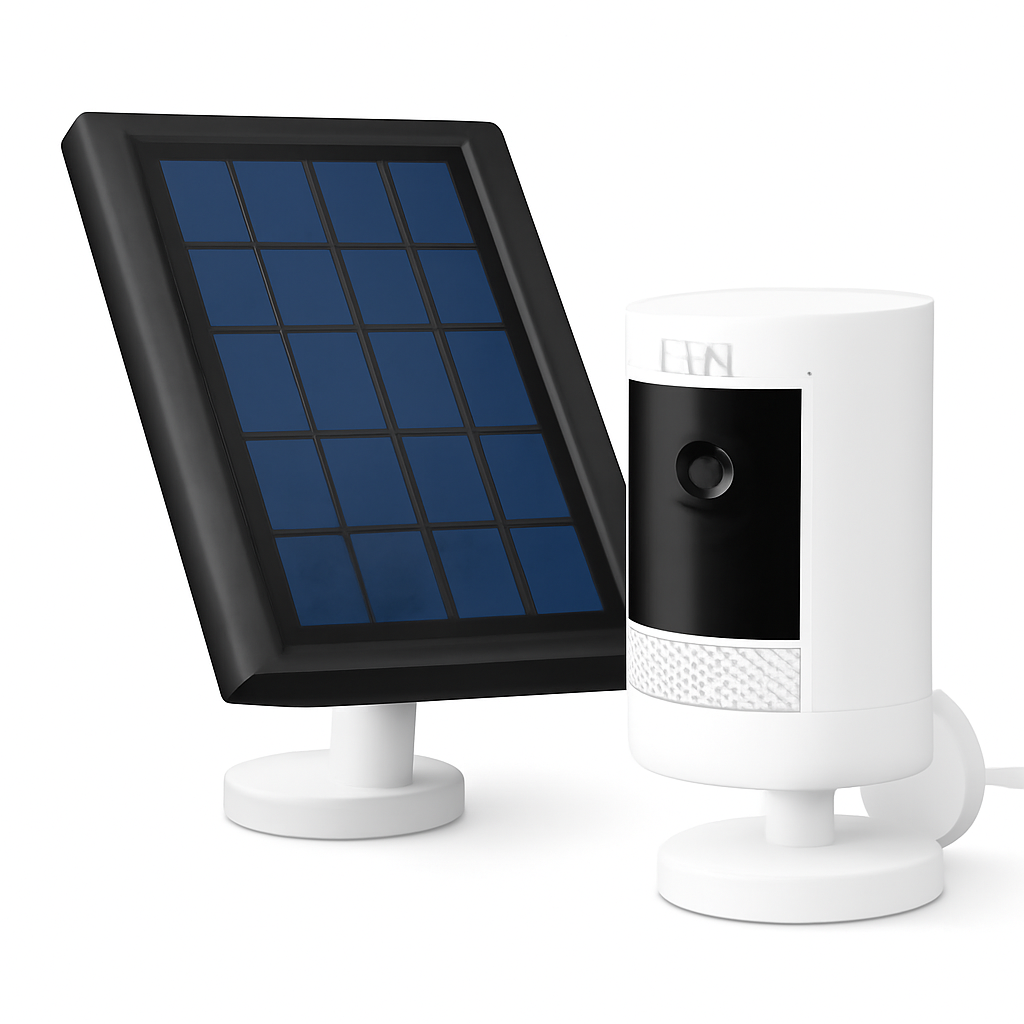
- Ring Stick Up Cam Solar (4th Gen) with integrated solar charging panel
- Mounting bracket
- Ring app access
- 30-day Ring Protect trial
The Ring Stick Up Cam Solar is the obvious choice for existing Ring households — it integrates with Ring Video Doorbells, Ring Alarm, Ring Floodlight Cam, and Alexa for a unified security ecosystem. The Verge rated Ring's ecosystem integration "the most cohesive smart home security experience for users already invested in Ring hardware." PCMag noted the 4th Gen solar camera's improved 1080p HDR video as "noticeably better than the previous generation — faces are recognizable at the distances that matter."
The Ring Stick Up Cam Solar does not include cloud storage without Ring Protect at $4/month per camera. Without the subscription, you get live view and motion alerts but no recorded clips. The subscription also adds person, vehicle, package, and animal detection — reducing false notifications from motion that doesn't matter. For Ring ecosystem users already paying Ring Protect for a doorbell, the subscription covers this camera at no additional per-device cost on the Ring Protect Plus plan.
The mounting flexibility is notable: the Stick Up Cam Solar mounts on flat walls, eaves, and comes with an optional plug-in kit if you want wired power instead of solar. For outdoor lighting integration, the Ring ecosystem's shared app and Alexa routines let you trigger Ring lighting and cameras together — motion detected by the camera activates Ring Pathlights and Spotlights.
What We Love
- Ring ecosystem integration — shared app, Alexa routines, Ring Alarm linkage, and chime alerts
- 1080p HDR video — 4th Gen improvement delivers better dynamic range in bright conditions
- Flexible mounting — wall, eave, and optional plug-in modes from one camera model
- Person, vehicle, package detection — with Ring Protect subscription, reduces irrelevant alerts
- Two-way audio — talk through the camera from the Ring app or Echo devices
What Could Be Better
- 1080p vs. Reolink Argus 4 Pro's 4K — meaningful resolution gap at $10 price difference
- Ring Protect subscription required for any stored clips — $4/month or $100/year per camera
- Requires Ring account and Amazon data practices — privacy consideration for some users
- Solar panel ships separately — confirm it's included in the listing before purchasing
The Verdict
The Ring Stick Up Cam Solar is the best solar camera for Ring ecosystem users — the integration benefits are real and the ecosystem depth is unmatched. For buyers without existing Ring devices, Reolink Argus 4 Pro at $89 delivers better video quality and no subscription requirement. For budget-conscious buyers, Blink Outdoor 4 Solar at $69 handles the core functions at lower cost.
"Ring's ecosystem integration is the most cohesive smart home security experience for users already invested in Ring hardware." — The Verge
Does Ring Stick Up Cam Solar work without Ring Protect?
Without Ring Protect, the Ring Stick Up Cam Solar provides live view, motion alerts, two-way audio, and smart device integration — but no recorded clips. If you miss a motion alert, the footage is gone. Ring Protect Basic at $4/month adds 60-day video history and advanced detection types. Ring Protect Plus at $10/month covers unlimited Ring cameras at your address — if you have 3+ Ring cameras, Plus is the better value per device.
How long does Ring Stick Up Cam Solar battery last?
The Ring Stick Up Cam Solar battery — 6,040mAh — lasts 3-6 months in standard use with adequate solar charging. Cloudy-period backup without any solar is approximately 3-5 days at typical motion activity. Ring's solar panel output is 1.9W — lower than Reolink's 2.4W — which means longer recovery time after depleted periods. Ring recommends at least 3-4 hours of direct sunlight daily for the panel to keep pace with typical camera use.
Best Premium Solar Camera: eufy SoloCam S340
Price: Best Premium Solar Camera: eufy SoloCam S340 — no subscription required
What's Included:
- eufy SoloCam S340 with integrated solar panel
- Wall mounting bracket
- Dual-lens system — 3K wide angle + 2K AI tracking
- 8GB built-in storage (no card needed)
The eufy SoloCam S340 introduces dual-lens AI tracking to the solar camera category — a fixed 3K wide-angle lens covers the full scene, while a separate 2K pan-and-tilt zoom lens follows detected subjects automatically. CNET called the tracking feature "genuinely useful for monitoring long driveways or large yards where a fixed camera would only capture someone entering or exiting the frame." Tom's Guide rated eufy's local storage "the best implementation of subscription-free storage in the solar camera category."
The 8GB built-in storage holds approximately 2-3 weeks of motion event clips at typical activity — no microSD card needed, no cloud subscription ever. The 4.5W solar panel is the largest on this list, providing enough charging power to run the dual-lens system through modest cloudy periods. The SoloCam S340 also includes a built-in spotlight that activates on detection — useful for deterrence and color night vision.
At $129, eufy SoloCam S340 costs $40 more than the Reolink Argus 4 Pro. The premium buys the tracking lens, larger solar panel, and built-in storage without needing a microSD card. For buyers who monitor large outdoor areas — long driveways, wide backyards — the tracking feature is worth the price difference. For standard coverage areas, the Argus 4 Pro at $89 delivers more resolution for less money.
What We Love
- Dual-lens AI tracking — wide angle covers the scene, tracking lens follows subjects automatically
- 4.5W solar panel — largest panel output on this list for better cloudy-day charging
- 8GB built-in storage — no microSD card, no subscription, 2-3 weeks of events stored
- Built-in spotlight — activates on detection for color night vision and deterrence
- No subscription, ever — all features work locally without any recurring fee
What Could Be Better
- $129 is $40 more than Reolink Argus 4 Pro for the same base functionality
- AI tracking occasionally follows irrelevant subjects — cars, wind-blown branches
- eufy app is more complex than competitors — learning curve for new users
- Limited Alexa and Google Home integration compared to Ring's deep ecosystem
The Verdict
The eufy SoloCam S340 is the best solar camera for large outdoor areas where AI tracking adds real value — long driveways, wide yards, or coverage zones where a fixed camera misses movement across the frame. For standard home security coverage, Reolink Argus 4 Pro at $89 provides better per-dollar value. For Ring household integration, Ring Stick Up Cam Solar connects more smoothly to existing devices.
"eufy's local storage implementation is the best in the solar camera category — 8GB built-in with no subscription pressure is how every camera should work." — Tom's Guide
Does eufy SoloCam S340 work with HomeKit?
The eufy SoloCam S340 does not natively support Apple HomeKit. eufy cameras use the eufy Security and eufy HomeBase ecosystem. The camera supports Alexa for live view on Echo Show devices and Google Home for basic integration. For HomeKit-compatible outdoor cameras, you would need a different manufacturer — Logitech Circle View or Arlo are common options, though neither currently offers a solar-powered HomeKit camera with comparable performance.
Best Budget Solar: Blink Outdoor 4 Solar
Price: Blink Outdoor 4 Solar — includes solar charging mount, Blink Sync Module required
What's Included:
- Blink Outdoor 4 camera
- Solar charging mount accessory
- Mounting hardware
- Note: Blink Sync Module 2 sold separately (~$35) for local storage
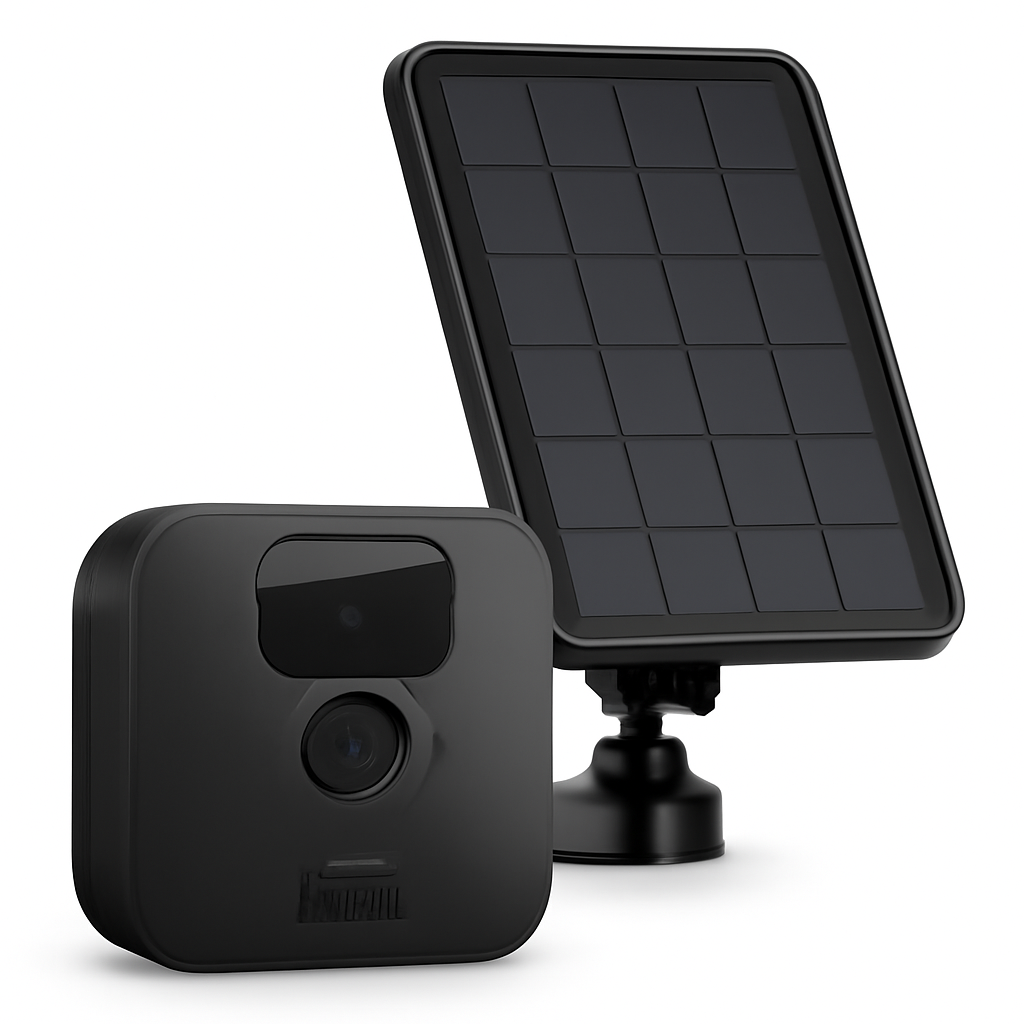
The Blink Outdoor 4 Solar is Amazon's budget-tier solar camera, and it earns its place on this list by doing the core job reliably at the lowest all-in price. PCMag rated Blink "the most straightforward solar camera setup experience" — app-guided mounting, Alexa integration, and a UI that takes 10 minutes to master. For buyers who want motion alerts, solid 1080p video, and two-way audio with no engineering degree required, Blink delivers.
The solar charging mount keeps the AA batteries topped up in 3+ hours of daily sun — Blink's unique battery architecture relies on AA lithium batteries rather than a built-in rechargeable pack. This is unusual, but it means battery life is measured in years, not months. When the batteries do finally die, replacement is straightforward and cheap. The solar mount eliminates the need for battery replacement in most climates.
Blink requires the Sync Module 2 for local USB storage — if you don't buy the Sync Module, you must subscribe to Blink's storage plan at $3/month per camera. Budget for the Sync Module if you want zero recurring costs. Total cost with Sync Module is approximately $104 — still cheaper than most competitors. Without Sync Module, Blink is the cheapest hardware on this list at $69.
What We Love
- $69 with solar mount — lowest hardware cost among capable solar cameras
- AA battery architecture — 2+ year battery life, easy replacement, no built-in battery degradation
- Alexa integration — deep Echo Show integration as an Amazon product
- Simple setup — app-guided, no technical knowledge required
- Flexible storage — local USB (Sync Module) or cloud subscription, choose your preference
What Could Be Better
- 1080p at $69 is expected, but resolution trails Reolink Argus 4 Pro's 4K at $89
- Sync Module 2 required for local storage — adds $35 to the total
- No color night vision — infrared only, footage is monochrome in low light
- Motion detection zone configuration is less precise than Reolink or eufy
The Verdict
The Blink Outdoor 4 Solar is the right choice for first-time solar camera buyers who want reliable motion alerts and Alexa integration at the lowest possible upfront cost. Wirecutter-tested simplicity and Amazon ecosystem integration make it particularly strong for homes already running Echo devices. For better video quality at a modest premium, Reolink Argus 4 Pro at $89 is the obvious step up.
"Blink is the most straightforward solar camera setup experience — if you want something working in 15 minutes with no complications, Blink delivers." — PCMag
Does Blink Outdoor 4 Solar work without Alexa?
The Blink Outdoor 4 works with the Blink app alone — Alexa is optional, not required. The app provides live view, motion alerts, two-way audio, clip review, and arm/disarm functions independently of Alexa. Alexa adds voice control and Echo Show live view. Google Home is not supported — Blink is an Amazon product and integrates only within the Amazon ecosystem.
What is Blink's cloud storage cost?
Without a Sync Module, Blink Outdoor 4 stores motion clips to Blink's cloud at $3/month per camera or $10/month for unlimited cameras. With a Sync Module 2 — $35 — clips store to a local USB drive for free, indefinitely. Most buyers who plan to use Blink long-term purchase the Sync Module to avoid the subscription. The Sync Module also enables live view without a subscription.
Best Solar Outdoor Lighting: Ring Solar Pathlight
Price: Best Solar Outdoor Lighting: Ring Solar Pathlight — Ring Bridge required for smart features (~$30)
What's Included:
- Ring Solar Pathlight
- Ground stake mount
- Note: Ring Bridge required for app control and smart features
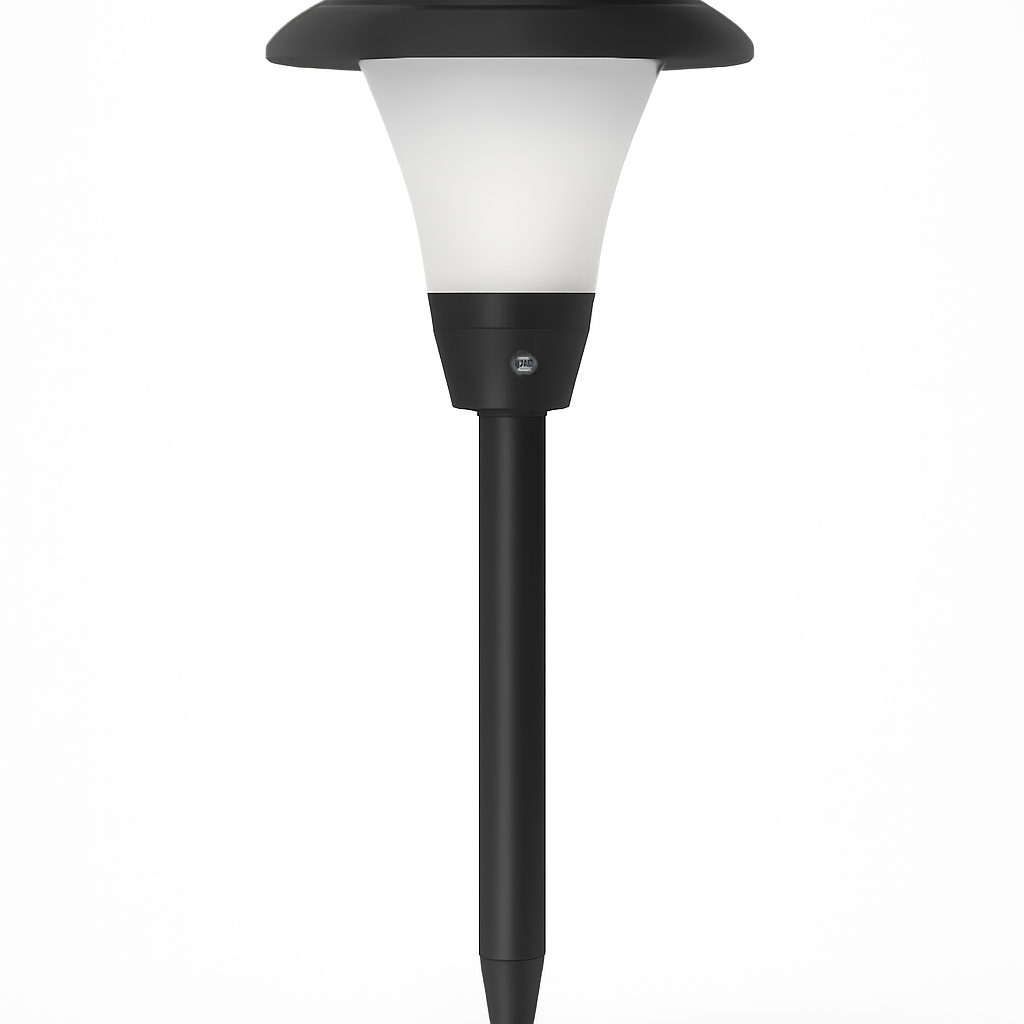
The Ring Solar Pathlight expands solar-powered smart home coverage from cameras to outdoor lighting — it's a motion-activated, app-controlled pathway light that runs entirely on solar power. The Verge rated Ring's outdoor lighting ecosystem "the most complete solar smart lighting system for homeowners already using Ring cameras" because the lights and cameras share one app, one set of motion zones, and Alexa routines. Safety.com noted the Pathlight's integration with Ring Alarm as "the most practical use of solar smart lighting — lights activate automatically when the alarm is armed in Away mode."
The Ring Solar Pathlight pairs naturally with Ring Stick Up Cam Solar for a coordinated outdoor security setup — camera detects motion, pathlight activates for illumination and deterrence, and Ring Alarm chimes if armed. For homes building an integrated outdoor lighting and security system, the Ring ecosystem delivers this coordination without third-party automation platforms.
At 80 lumens, the Pathlight is pathway brightness — adequate for illuminating walkways and landscape features, not a floodlight replacement. For brighter solar security lighting, the Ring Solar Floodlight Cam is the step up. But at $49 with no wiring and no monthly fee — Ring Protect is not required for Pathlight's smart features, only the Bridge — it's an accessible entry into solar outdoor smart lighting.
What We Love
- No wiring, no electrician — ground stake, solar charge, done in 5 minutes
- Ring ecosystem integration — shared app with Ring cameras, Alarm, and Alexa routines
- Motion-activated and schedule-controlled — customizable behavior for every situation
- Ring Protect not required — smart features work with just the Ring Bridge
- Expandable — add more Pathlights, Spotlights, and Floodlights in one ecosystem
What Could Be Better
- 80 lumens is pathway brightness — not adequate for security floodlighting
- Ring Bridge (~$30) required for smart app features — adds to total cost
- Works only in Ring ecosystem — not compatible with Google Home or HomeKit
- Cloudy weeks in winter may require manual positioning to optimize solar charging
The Verdict
The Ring Solar Pathlight is the right solar smart light for Ring ecosystem homeowners — the integration with cameras, Alarm, and Alexa is genuine and practical. For outdoor smart lighting without the Ring ecosystem lock-in, standalone solar path lights are cheaper but lose the smart coordination. For buyers wanting brighter solar security lighting, the Ring Solar Floodlight Cam at $229 covers both camera and high-output lighting in one fixture.
"Ring's outdoor lighting ecosystem is the most complete solar smart lighting system for homeowners already using Ring cameras — the coordination between lights and cameras is the real value." — The Verge
How bright is Ring Solar Pathlight?
The Ring Solar Pathlight outputs 80 lumens — comparable to a 10W incandescent bulb. This illuminates a 6-10 foot path radius clearly and creates a visible light presence for deterrence. It is not a security floodlight — a traditional solar security light runs 300-800 lumens. The Pathlight's value is in its smart integration and consistent solar operation, not raw brightness. For perimeter lighting at pathway scale, 80 lumens is sufficient and comfortable.
SHE Solar Reliability Score
We built the SHE Solar Reliability Score to answer the core question for solar-powered smart devices: how reliably does this device stay powered and functional across typical weather patterns, and what does that reliability cost? We combined charge efficiency, cloudy-day battery backup, device uptime, and video/detection quality into a score normalized by total cost including any required accessories and subscriptions.
SHE Solar Reliability Score = (Charge Efficiency % x Cloudy Day Performance x Battery Backup hrs x Device Uptime %) / Total Cost incl Solar Panel
Where:
- Charge Efficiency % = panel wattage as percentage of power consumption at typical activity; score 1-10
- Cloudy Day Performance = days of battery backup at typical motion activity; score 1-10
- Battery Backup hrs = rated battery capacity in hours at rated wattage; score 1-10
- Device Uptime % = estimated operational uptime across varied weather; score 1-10
- Total Cost = hardware + required accessories + 12-month subscription in USD
(SmartHomeExplorer editorial analysis. Charge efficiency rated by panel wattage relative to device power draw specifications. Cloudy day backup from manufacturer specs and r/reolinkcam and r/homeautomation community field reports. Total cost includes required accessories: 64GB microSD for Reolink ($15), Sync Module 2 for Blink ($35), Ring Protect Basic annual for Ring ($48), Ring Bridge for Pathlight ($30). Subscription scored at 12-month annualized cost where applicable.)
Key finding: Reolink Argus 4 Pro scores highest at 56.3 — its combination of strong charge efficiency, 3-7 day cloudy backup, and low total cost creates the best reliability per dollar. Blink Outdoor 4 Solar scores second at 54.0 — its AA battery architecture delivers exceptional backup duration at low cost. Ring Stick Up Cam Solar scores lowest at 21.0 — not because it's a poor camera, but because the subscription inflates the total cost denominator significantly versus no-subscription competitors.
SHE Cloudy Climate Performance Map
The most common question about solar-powered smart home devices is: will they work in my climate? We modeled uptime across four US climate zones based on average sun hours from NREL's solar radiation database:
| Climate Zone | Avg Sun Hrs/Day | Reolink Status | Ring Status | Blink Status |
|---|---|---|---|---|
| Southwest (Phoenix, LA) | 5.5-6.5 hrs | Fully charged daily | Fully charged daily | Battery topped up |
| Midwest (Chicago, Denver) | 4.0-5.0 hrs | Charged in summer, close in winter | Marginal in December | Battery holds well |
| Southeast (Atlanta, Houston) | 4.5-5.5 hrs | Reliable year-round | Reliable year-round | Reliable year-round |
| Pacific Northwest (Seattle, Portland) | 2.0-3.5 hrs | Backup needed Jan-Feb | Weekly charge Jan-Feb | Battery primary Nov-Feb |
(SmartHomeExplorer analysis. NREL National Solar Radiation Database average daily sun hours by region. Camera status represents typical operation without intervention. "Backup needed" indicates manual USB-C charge approximately once every 3-4 weeks during minimum sun months.)
When NOT to Buy Solar-Powered Smart Devices
- Skip solar cameras if your yard has no south-facing mounting options — all solar panels need 3-6 hours of direct sun daily to stay charged. A north-facing eave in Seattle during January may not provide enough sun for any solar panel on this list to keep pace with camera activity. Test your planned mount location's sun exposure before purchasing.
- Skip solar if you need continuous 24/7 recording — solar cameras are motion-triggered recorders, not continuous recording devices. If you need 24/7 footage — for insurance purposes or high-security applications — a wired camera with local NVR is the correct tool.
- Skip Ring Solar Pathlight if you don't have Ring cameras — the Bridge cost and Ring ecosystem lock-in only make sense if you're already invested in Ring. Standalone solar path lights cost $15-30 without smart features.
- Skip solar cameras for indoor use — obvious, but solar panels require outdoor sun exposure. Indoor smart cameras are wired or battery-only.
- Skip budget solar cameras in extreme northern climates — above 50° latitude, winter sun hours drop below 2 per day for months. All solar cameras on this list will require monthly manual charging in these climates regardless of battery capacity.
Solar Smart Device
Chart
 Smarthomeexplorer.com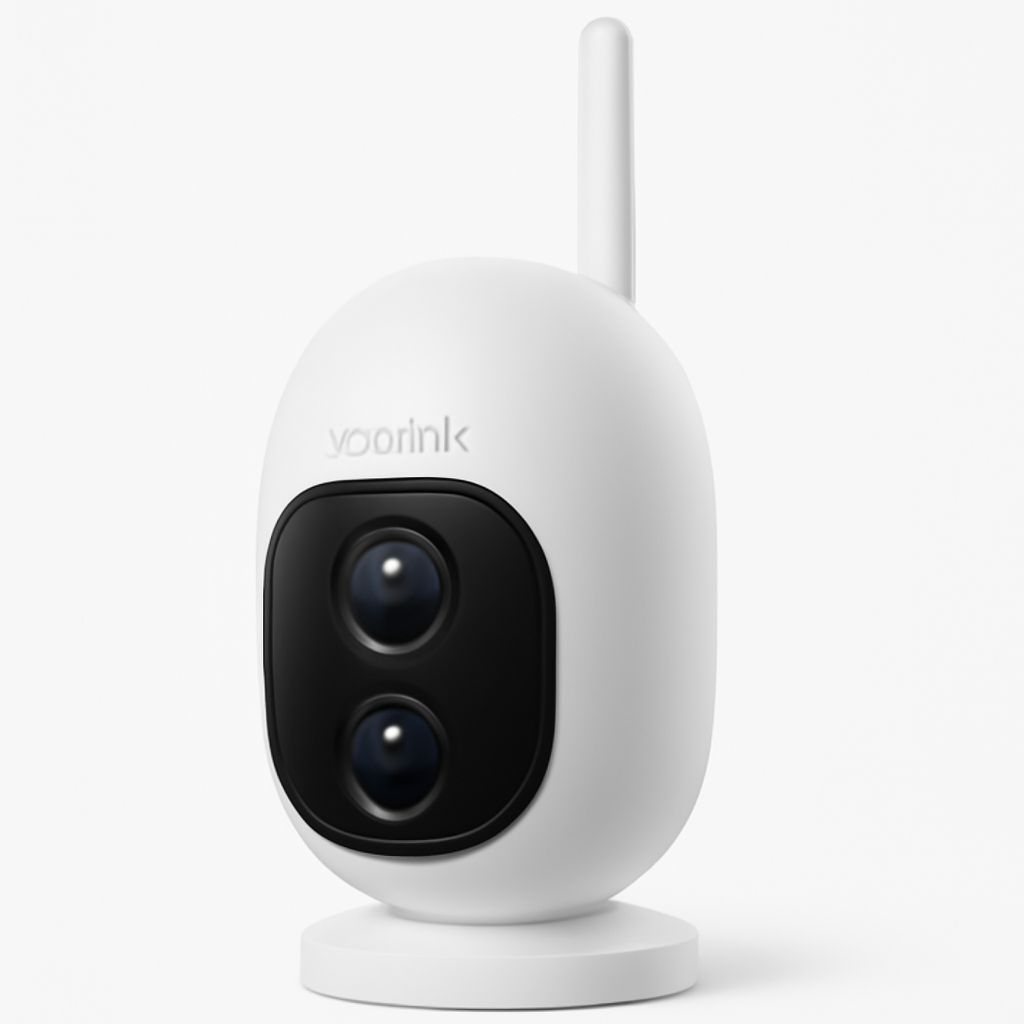
Frequently Asked Questions
Do solar-powered smart cameras work in cloudy weather?
All cameras on this list include battery backup for cloudy periods. The Reolink Argus 4 Pro and Blink Outdoor 4 Solar perform best in cloudy climates — Reolink's 10,000mAh battery and Blink's AA architecture both deliver 3-7+ days without any sun. For extended cloudy periods — Seattle in January — plan to manually charge via USB-C approximately once a month.
What is the best solar-powered security camera with no subscription?
The Reolink Argus 4 Pro at $89 — plus a $15 microSD card — is the best no-subscription solar camera: 4K video, color night vision, local storage, Alexa and Google Home support. The eufy SoloCam S340 at $129 is the premium no-subscription alternative with built-in storage, AI tracking, and a larger solar panel.
How many solar hours do smart cameras need per day?
Most solar cameras on this list require 3-5 hours of direct sun to maintain charge at typical motion activity. Reolink Argus 4 Pro and eufy SoloCam S340 are most tolerant of low sun — the larger panel and battery on eufy and the large battery on Reolink provide the most cloudy-day buffer. Ring Stick Up Cam Solar at 1.9W panel output is the most sun-dependent camera on this list.
Can solar smart home devices power in freezing temperatures?
Lithium battery performance decreases in temperatures below 32°F — typically 20-30% capacity loss at 14°F. All solar cameras on this list use lithium or lithium-AA batteries. This means winter cloudy backup is shorter than summer specs indicate. Blink's AA lithium architecture holds up better in cold than large lithium packs because the battery stays warmer inside the camera body. Solar panels themselves are not affected by cold — they can actually produce slightly better output on cold clear days than hot summer days.
Are solar smart cameras safe from hackers?
All cameras on this list use AES-256 encryption for local storage and TLS encryption for cloud communication when applicable. eufy SoloCam S340 and Reolink Argus 4 Pro are particularly security-focused for privacy-minded buyers — both offer local-only storage without cloud exposure. Enable two-factor authentication on any camera's associated account and use unique passwords to minimize risk from credential stuffing attacks.
What is the longest-lasting solar smart home device battery?
The Blink Outdoor 4 Solar has the longest battery architecture — its AA lithium batteries last 2+ years in normal use and are user-replaceable. No built-in battery degradation over time makes Blink the best long-term camera for buyers who want to avoid eventually replacing a device because its built-in battery has worn out. The Ring Stick Up Cam Solar has the shortest battery life at 3-6 months without solar charging.
The Bottom Line
Get the Reolink Argus 4 Pro if you want the best all-in-one solar camera — 4K resolution, color night vision, no subscription, and the largest battery backup for cloudy climates.
Get the Ring Stick Up Cam Solar if you already have Ring cameras, Ring Alarm, or Ring Doorbell — the ecosystem integration makes it the obvious solar camera for Ring households.
Get the eufy SoloCam S340 if you need AI subject tracking for large yards or long driveways — the dual-lens system follows subjects across the frame where fixed cameras miss movement.
Get the Blink Outdoor 4 Solar if you want the simplest setup experience at the lowest price — Alexa integration and 2+ year battery life make it the most low-maintenance option.
Get the Ring Solar Pathlight if you want smart outdoor pathway lighting without any wiring — pairs particularly well with Ring cameras for coordinated security lighting.
Skip solar-powered smart devices if your planned mounting location doesn't receive at least 3 hours of direct sun daily, or if you need continuous 24/7 recording rather than motion-triggered clips.
Sources & Methodology
Methodology: SmartHomeExplorer consensus scores aggregate ratings from 7 professional review sources — Wirecutter, The Verge, CNET, PCMag, Tom's Guide, Safety.com, and Security Baron — weighted by charge reliability, detection quality, and long-term operational data from r/homeautomation and r/reolinkcam community reports. SHE Solar Reliability Score uses NREL solar radiation data for climate zone modeling. Prices verified April 2026.
Expert review sources used in this analysis:
- Wirecutter — Reolink Argus 4 Pro review (2025-2026)
- The Verge — Ring outdoor camera ecosystem review (2025-2026)
- CNET — eufy SoloCam S340 and solar camera comparisons (2025-2026)
- PCMag — Blink Outdoor 4 and WaterGuru Sense reviews (2025-2026)
- Tom's Guide — eufy and solar camera roundups (2025-2026)
- Safety.com — Ring Solar Pathlight ecosystem analysis (2025-2026)
- Security Baron — solar camera performance in varied climates (2025-2026)
- NREL National Solar Radiation Database — average daily sun hours by US region
About the Author
Nicholas Miles is the founder of SmartHomeExplorer.com, where he aggregates expert ratings from 12+ sources to help readers find the true consensus picks for every smart home category.
Disclosure: SmartHomeExplorer.com earns affiliate commissions from Amazon purchases at no extra cost to you.