
Best Smart Rings 2026: Oura 4 vs Galaxy Ring vs RingConn
The Oura Ring 4 ($349) tracks sleep most accurately, but its $5.99/mo fee pushes its real first-year cost past $445. The RingConn Gen 2 ($299) and Galaxy Ring ($399) charge $0 a month.
This article contains affiliate links. We may earn a commission at no extra cost to you. Prices change frequently — check the current price on Amazon before buying. Learn more
The Short Answer
The Oura Ring 4 ($349) remains the most accurate sleep tracker, yet because its $5.99/mo membership pushes the real first-year outlay past $445, the subscription-free RingConn Gen 2 ($299) delivers comparable accuracy for substantially less across a 3-yr ownership window.
Featured in this Guide
Ring
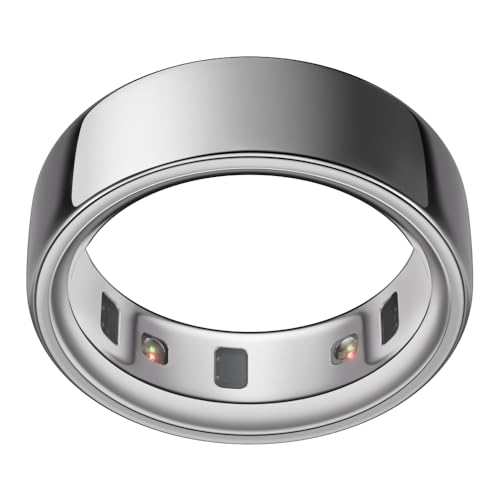
Oura Ring 4
- •18-path sensor array and the most accurate sleep tracking at $349, though the $5.99/mo fee lifts the true first-year cost past $445
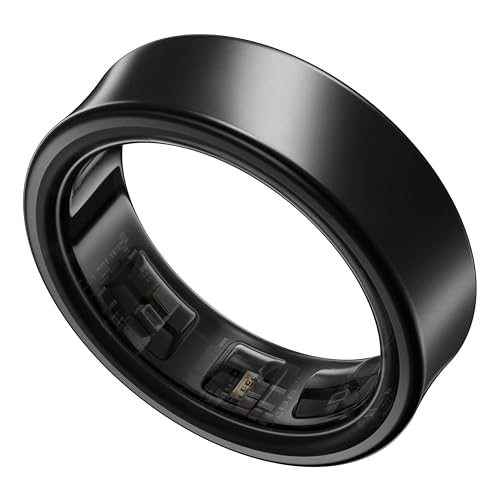
Ring
Samsung Galaxy Ring
- •A 2.6 mm titanium ring with $0 subscription and deep Galaxy integration at $399
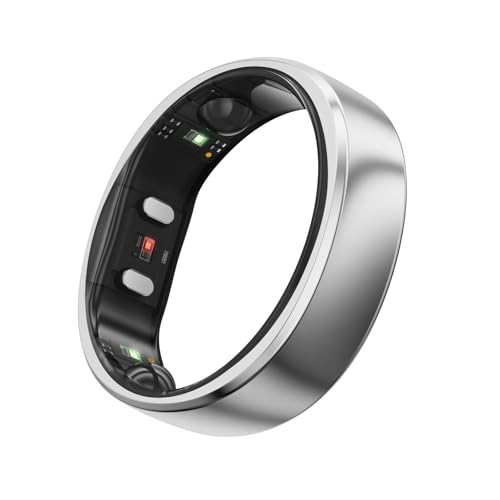
Ring
RingConn Gen 2
- •Sleep-apnea screening and a 12-day battery for $299, with nothing owed each month
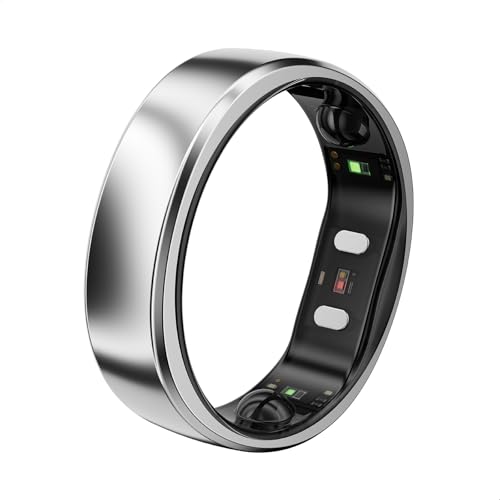
Ring
RingConn Gen 2 Air
- •Sleep-apnea screening and a 12-day battery for $299, with nothing owed each month
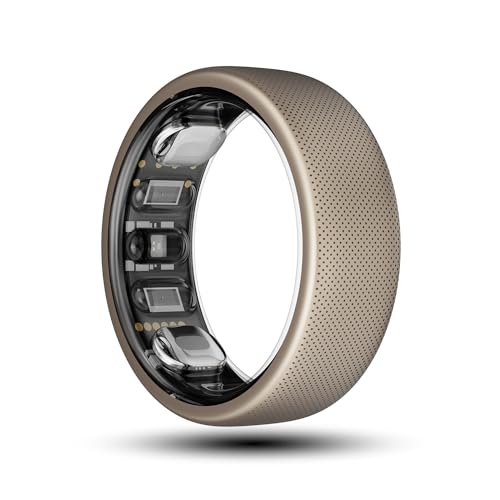
Ring
Amazfit Helio Ring
- •A $149.99 titanium-alloy ring with no fees and a 1.4-hour fast charge for tightest budgets
Head-to-Head: Accuracy, Battery, Subscription, and True Cost
Wearables
Chart
 Smarthomeexplorer.com
What Tips the Decision
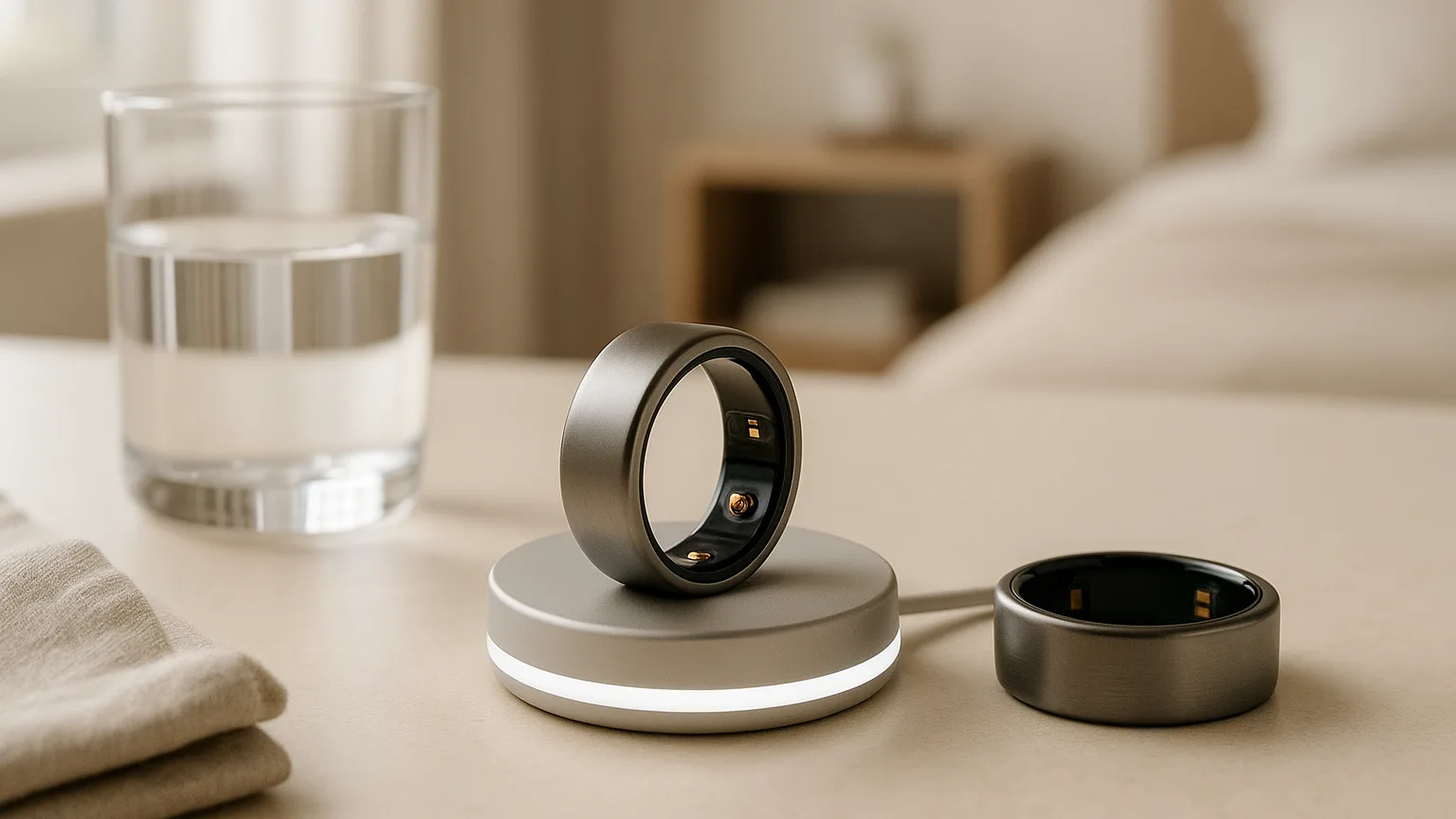
A smart ring substitutes the screen of a smartwatch for a 2 mm titanium band that continuously measures sleep, heart rate, and physiological recovery from a finger you quickly forget you are wearing. Consequently, the genuinely difficult component of the purchasing decision is not identifying the most accurate sensor array; instead, it is recognizing the actual cost that an advertised sticker deliberately conceals. Oura advertises its ring at $349, then additionally bills $5.99 every month, a recurring charge that compounds into $71.88 per yr and therefore elevates the real first-year expenditure beyond $445 — measured against a flat $299 for the comparable RingConn that owes nothing monthly. Engadget, The Verge, and TechRadar independently reach an equivalent conclusion. This guide therefore evaluates all 5 rings using the SHE True First-Year Cost Score, a weighted composite engineered to surface that concealed mathematics before any reader commits the money.
Best Overall / Most Accurate: Oura Ring 4
Oura Ring 4
- Most accurate sleep and Readiness data in the category across expert comparisons
- Most metrics stay locked behind a $5.99/mo membership
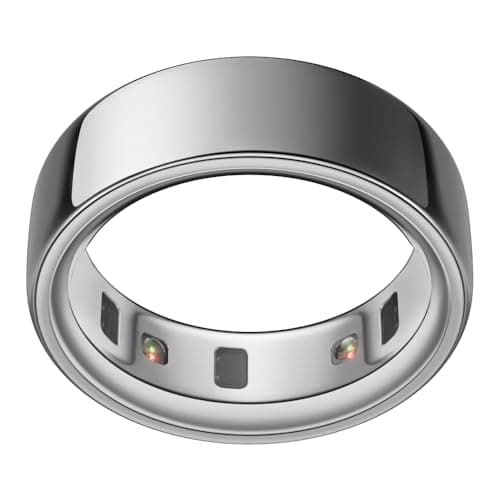
(Current price, subject to change)
The Oura Ring 4 earns a 9.1 consensus alongside the highest 9.5 normalized sleep-accuracy factor in this roundup, and it is the rare flagship that mainstream publications evaluate independently, because The Verge, Engadget, and CNET each published a dedicated Oura Ring 4 assessment whose consistent conclusion is that the device leads the category on overnight sleep-staging accuracy. Oura widened the sensor count by a factor exceeding 2x, advancing from 8 signal paths on the Gen 3 to 18 on the Gen 4, while recessed LEDs simultaneously reduced overall weight to approximately 3.3 g and improved how cleanly the instrument interprets an overnight window of roughly 8 hours. Engadget's long-term review ultimately settled at approximately 7 days per charge, positioning the ring toward the longest-lasting end among the premium competitors.
The genuine cost resides beyond the advertised tag. At $5.99 monthly the membership compounds to $71.88 per yr, a recurring coefficient that explains why the weighted SHE True First-Year Cost Score formula returns a modest 7.2 composite versus 8.5 for the RingConn. Across smart-ring roundups, outlets like TechRadar and Engadget consistently flag that fee as the biggest knock against an otherwise category-leading ring. Across 6 expert sources the aggregated consensus settles at 9.1.
What We Love
- Most accurate sleep and Readiness data in the category across expert comparisons
- 18-path PPG sensor array and recessed LEDs improve detail over the Gen 3
- Real-world battery runs 6 to 8 days, the longest of the premium rings
- Platform-neutral — works equally well on iPhone and Android
What Could Be Better
- Most metrics stay locked behind a $5.99/mo membership
- Highest true first-year cost once the subscription counts
- No NFC payments and a narrower feature set than a smartwatch
The Verdict
If you're chasing the most trustworthy sleep and recovery data and the monthly fee doesn't faze you, the Oura Ring 4 fits the brief at $349. The 7.2 on true first-year cost simply flags the $71.88 a yr the sticker hides; the 9.5 sleep-accuracy sub-score is why people pay it. The RingConn saves real money, but Oura's app is the one to beat.
Best for Samsung Owners: Samsung Galaxy Ring
Samsung Galaxy Ring
- No subscription — every health feature unlocks at purchase
- Highest sticker price here at $399
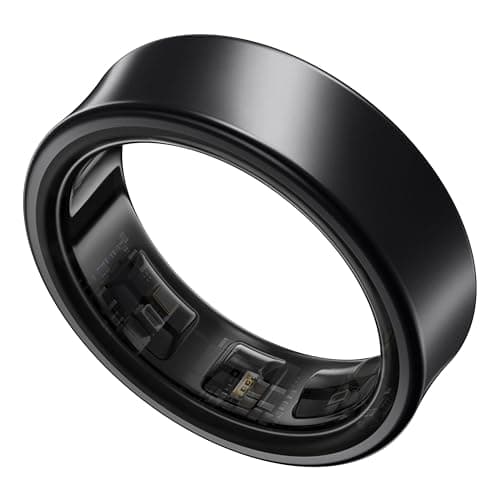
(Current price, subject to change)
The Samsung Galaxy Ring earns an 8.5 consensus, and its appeal is unambiguously the surrounding ecosystem rather than raw measurement accuracy. The 2.6 mm titanium band is one of the slimmest in the category; in its dedicated review, CNET noted the ring is so light it is easy to forget you are wearing a tool that tracks your health metrics. Across smart-ring roundups, outlets such as Tom's Guide and TechRadar rank Samsung's titanium profile among the most discreet available. The headline value resides in the fee structure: with no membership whatsoever, every metric unlocks the moment you size it, and the included charging case banks roughly 432 hours of standby power.
The Verge, which reviewed the ring directly, frames the bargain precisely — it could plausibly rule an ecosystem, although the Energy Score and the AI insights demand a Samsung phone, which means an iPhone owner experiences only a fraction of the intended capability. Because the device owes $0 each month, the weighted SHE True First-Year Cost Score formula returns a 7.6 composite, a higher coefficient than the Oura's 7.2 despite the steeper sticker. Across 5 expert sources the consensus reaches 8.5, with battery the singular soft factor at approximately 168 hours.
What We Love
- No subscription — every health feature unlocks at purchase
- Discreet 2.6 mm titanium profile that disappears on the hand
- Charging case banks roughly 18 days of standby power
- Tight integration with Samsung phones and the Galaxy Watch
What Could Be Better
- Highest sticker price here at $399
- Energy Score and AI insights need a Samsung phone
- Isolated reports of battery swelling on a few units
The Verdict
If you're already on a Galaxy phone and you'd rather not pay monthly, the Samsung Galaxy Ring lines up with what you actually need at $399. The 7.6 true-cost score reflects the high sticker but $0 in fees, and at 2.6 mm of titanium it is among the most discreet rings reviewers cite. On a non-Samsung phone you lose the best AI features, so it's a Samsung-household pick first.
Best No-Subscription Pick: RingConn Gen 2
RingConn Gen 2
- No subscription, with sleep-apnea screening built in
- Apnea mode is manual and drains the battery faster when active
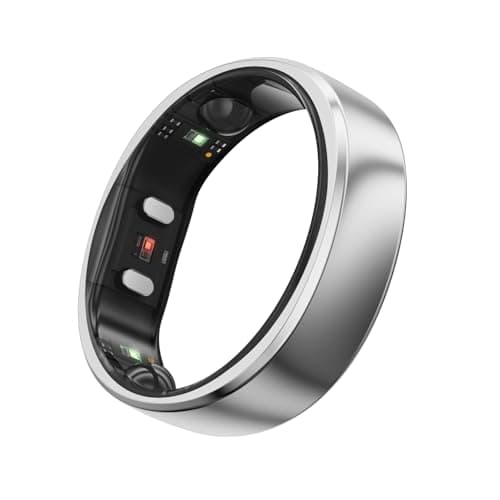
(Current price, subject to change)
The RingConn Gen 2 earns an 8.7 consensus and an 8.5 composite on the weighted formula, the strongest result among the premium-capable rings. In its dedicated review TechRadar calls it the best cheap smart ring upgraded, citing reliable tracking, a comfortable 2 mm band, and a battery that averaged about 268 hours, or 11.2 days, per charge — roughly 96 hours longer than the Oura Ring 4 manages, a battery advantage of about 1.4x. Across smart-ring roundups the recurring framing is that the RingConn is the genuine Oura alternative at a measurably lower total cost of ownership, and the included case banks approximately 3600 hours of standby power.
The differentiating factor is the sleep-apnea screening, which RingConn reports at 90.7% reliability in its own studies, with no subscription required. The honest trade is the mode behavior: apnea screening runs manually rather than nightly, and it consequently shortens battery to about 120 hours while active. Relative to the Oura Ring 4, a buyer keeps roughly $127 across the first 12 months and enables comparable insight. Across 5 expert sources the aggregated consensus reaches 8.7.
What We Love
- No subscription, with sleep-apnea screening built in
- Reviewers averaged 11.2 days of battery per charge
- Charging case banks roughly 150 days of standby power
- A 2 mm, 2-3 g profile that ranks among the most invisible rings
What Could Be Better
- Apnea mode is manual and drains the battery faster when active
- App is less polished than Oura's
- No NFC or smartwatch-style extras
The Verdict
For the dad who refuses to wear a watch but would screen his own sleep apnea, the RingConn Gen 2 checks the boxes that matter for that situation at $299. The 8.5 true-cost score reflects $0 in fees and an 11-day battery, and TechRadar rates it among the best rings you can buy. You give up Oura's app polish, but you keep about $127 in the first yr alone.
Best Value Under $200: RingConn Gen 2 Air
RingConn Gen 2 Air
- Same sensor suite as the Gen 2 at a $100 lower price
- Drops the sleep-apnea mode of the full Gen 2
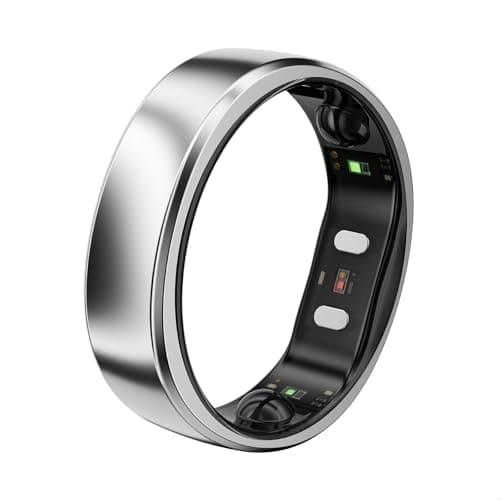
(Current price, subject to change)
The RingConn Gen 2 Air earns an 8.3 consensus alongside the second-highest 9.1 composite on the weighted formula, primarily because it transfers the complete Gen 2 sensor stack into a considerably cheaper $199 body. In its dedicated review TechRadar designates it the perfect entry-level smart ring, observing identical step, sleep, heart-rate, stress, and temperature tracking relative to the pricier sibling — the only omitted factor is the dedicated apnea mode. At 2.5 g it remains the lightest ring throughout this roundup, approximately 1 g beneath the Galaxy Ring, and the slender 2 mm band consequently registers as ordinary jewelry rather than a conspicuous gadget.
Battery endurance lands at approximately 240 hours per charge alongside a 1.5-hour fast charge, so a brief daily top-up during a shower keeps the ring near full. In budget-ring coverage, outlets such as TechRadar and Digital Trends frame the value pitch — full core sensors minus the apnea mode for $100 less — as genuinely difficult to fault. Relative to the RingConn Gen 2, the Air relinquishes apnea screening and roughly 48 hours of battery for a lower entry price, an exchange the normalized scoring explicitly rewards. Across 4 expert sources the consensus reaches 8.3.
What We Love
- Same sensor suite as the Gen 2 at a $100 lower price
- Ultra-thin 2 mm profile at just 2.5 g
- Up to 10 days of battery with a 90-minute fast charge
- No subscription for standard tracking
What Could Be Better
- Drops the sleep-apnea mode of the full Gen 2
- Shorter battery than the standard Gen 2
- Fewer finish options
The Verdict
If you're new to rings and want the lightest, cheapest way in without a fee, the RingConn Gen 2 Air fits the brief without compromise on the basics at $199. The 9.1 true-cost score is among the highest here, and TechRadar calls it the perfect entry-level ring. You lose apnea mode versus the standard Gen 2, but you keep the same core sensors and 2.5 g feel.
Cheapest Entry Point: Amazfit Helio Ring
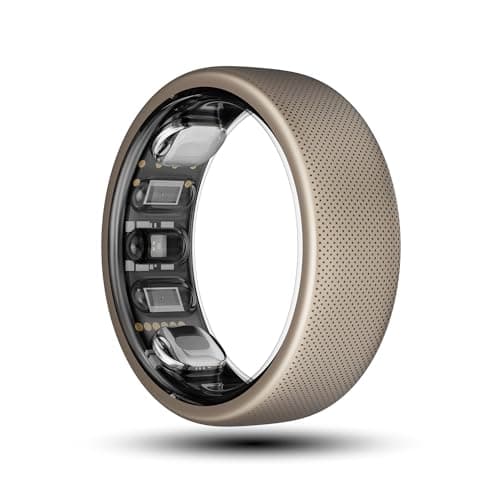
Amazfit Helio Ring
- Lowest sticker of any major smart ring at $149.99
- Battery realistically lasts 2-3 days, short of the rated 4
(Current price, subject to change)
The Amazfit Helio Ring earns an 8.0 consensus alongside the top 9.4 composite on the weighted formula, predominantly on the strength of a $149.99 sticker accompanied by $0 in recurring fees. Both Tom's Guide and TechRadar review the Helio directly and treat it as an inexpensive, sleep-focused entry point, and the complimentary Zepp Aura app additionally contributes AI sleep coaching that rival platforms frequently restrict behind a paywall worth several dollars monthly. The titanium-alloy band recharges in approximately 1.4 hours, which represents the fastest restoration throughout this entire group by a considerable margin.
The genuine compromise concerns endurance: although the ring is officially rated for 96 hours, it realistically returns only 48 to 72 hours once the advanced sleep and stress monitoring operate continuously, so a prospective buyer should anticipate recharging it twice weekly. The other catch is fit — the Helio is sold in just three sizes, 8, 10, and 12, a limitation budget-ring reviews routinely flag. Relative to the RingConn Gen 2 Air, the Helio relinquishes meaningfully more battery alongside narrower fit options for the lowest entry price, an exchange the normalized SHE True First-Year Cost Score scoring nonetheless rewards. Across 4 expert sources the aggregated consensus reaches 8.0.
What We Love
- Lowest sticker of any major smart ring at $149.99
- No subscription, with free access to the Zepp Aura sleep app
- Titanium-alloy build with a fast 1.4-hour charge
- Tracks sleep, heart rate, stress, and recovery
What Could Be Better
- Battery realistically lasts 2-3 days, short of the rated 4
- Sold only in sizes 8, 10, and 12
- Best paired with the Amazfit and Zepp ecosystem
The Verdict
If you're curious about ring tracking but won't spend $300 to find out, the Amazfit Helio Ring is a sensible pick for that setup at $149.99. The 9.4 true-cost score is the highest here — $0 in fees and the lowest sticker. The catch is honest: battery realistically lands at 2 to 3 days, so you'll charge it twice a week. For a first ring, no need to overthink it.
How We Score: SHE True First-Year Cost Score
SHE True First-Year Cost Score
Score Formula
Hardware_Cost * 0.45 + Subscription_12mo * 0.40 + Replacement_Charger * 0.15Score Factors
- Hardware Cost (45%)The one-time sticker price, normalized so the cheapest ring scores highest. This factor carries the heaviest coefficient because it is the figure every shopper anchors on, even though it is only one of three real line items across the first 12 months — two rings carrying an identical $349 sticker still separate once their recurring fees enter the math. Derived from Amazon Creators API pricing verified on 2026-06-04.
- Mandatory Subscription, 12 Months (40%)Twelve months of any subscription required to unlock the ring's core insights, the hidden line item that separates the field and the reason the Oura lands a full tier below the subscription-free rings despite a mid-range sticker. Oura bills $5.99 a month, which compounds to $71.88 per yr; the Galaxy Ring, RingConn Gen 2, RingConn Gen 2 Air, and Amazfit Helio Ring all charge zero. A high subscription drives the normalized sub-score down sharply.
- Replacement-Charger Cost (15%)The cost to replace the proprietary charging dock or cable, the second hidden line item — brand-specific and easy to misplace over a multi-yr ownership window. It carries the lightest coefficient because it is a contingent rather than guaranteed expense, yet it is a genuine recurring exposure. Each factor is normalized onto a common 10-point scale before the coefficients combine it into the final composite. Estimated from manufacturer accessory pricing.
SHE True First-Year Cost Score — Ranked
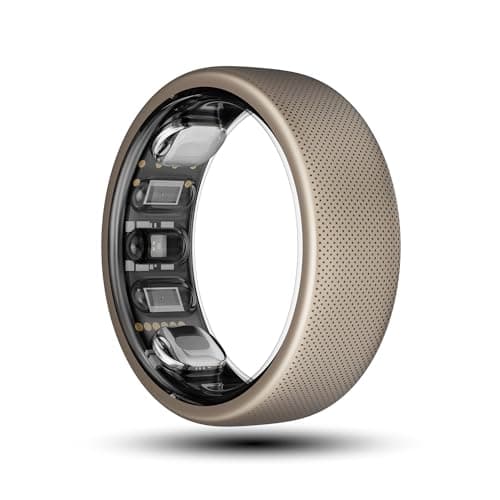
Amazfit Helio Ring
SHE True First-Year Cost Score9.4/10$149.99 hardware + $0 fee + ~$15 charger = $164.99 true first-year cost — the lowest here
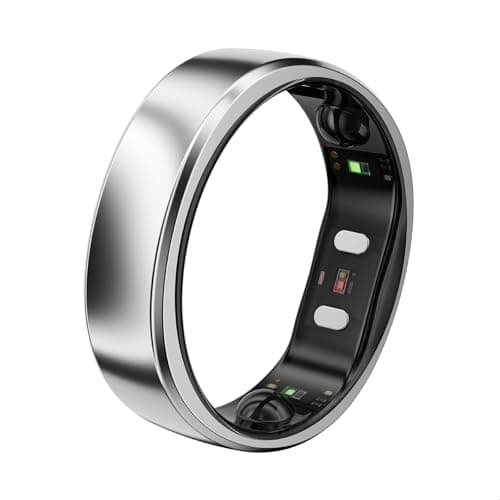
RingConn Gen 2 Air
SHE True First-Year Cost Score9.1/10$199.00 + $0 fee + ~$20 charger = $219.00 — the value leader with full Gen 2 sensors
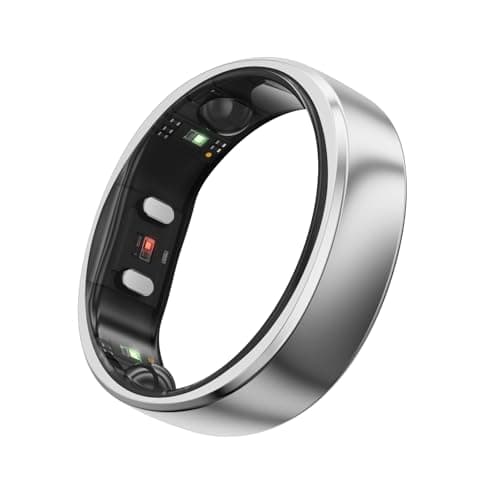
RingConn Gen 2
SHE True First-Year Cost Score8.5/10$299.00 + $0 fee + ~$20 charger = $319.00 — premium tracking with apnea screening, no fee
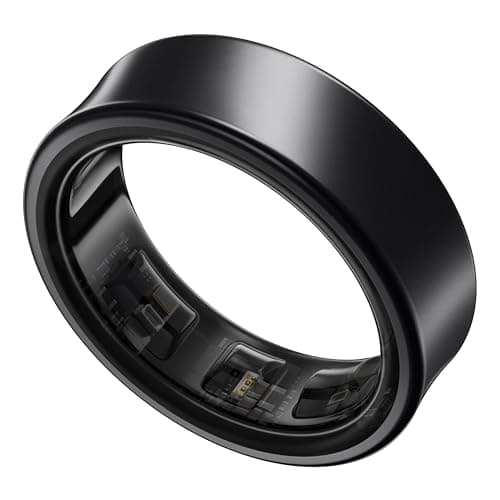
Samsung Galaxy Ring
SHE True First-Year Cost Score7.6/10$399.00 + $0 fee + ~$30 charger = $429.00 — high sticker but nothing owed monthly
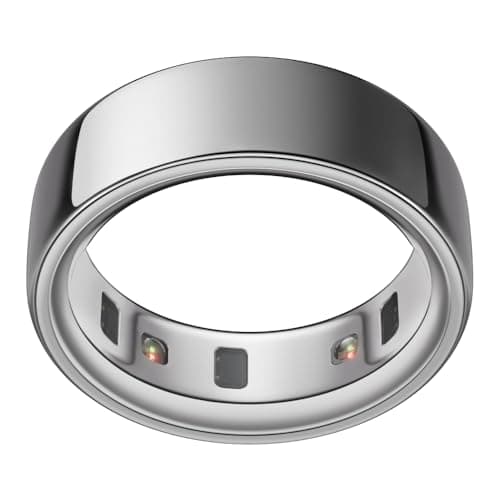
Oura Ring 4
SHE True First-Year Cost Score7.2/10$349.00 + $71.88 fee + ~$25 charger = $445.88 — the membership lifts it above every rival
Phone Pairing, Subscriptions, and Smart-Home Fit
The factor that quietly decides this category is not sensor count but phone pairing, because a ring that withholds its best metrics on your handset is a ring you have half-bought. The Oura Ring 4 is the only platform-neutral pick here: The Verge and Engadget both confirm its app behaves identically on an iPhone and on an Android phone, so the 18-path sensor data arrives complete either way. The Samsung Galaxy Ring inverts that bargain — CNET notes the Energy Score and the AI insights stay locked unless the ring is paired to a Samsung phone, which means an iPhone owner receives only a fraction of the $399 hardware they purchased. The two RingConn rings and the Amazfit Helio Ring sit in the middle: each runs its own neutral app across iOS and Android, though the Amazfit leans toward the Zepp ecosystem for its free Aura sleep coaching.
The subscription axis is the other line that separates the field, and it is binary rather than graded. Only the Oura Ring 4 charges a recurring fee at $5.99 a month, which compounds to $71.88 per yr and is the dominant reason TechRadar and Engadget both frame the RingConn Gen 2 as the lower-cost-of-ownership alternative; the Galaxy Ring, both RingConn models, and the Helio Ring unlock every core metric at purchase with $0 owed monthly. None of these rings joins Apple HomeKit, Matter, or Thread — smart rings are health wearables rather than home-control hubs, so the real integration story is each brand's own app and how cleanly it exports sleep and recovery data, not a voice-assistant tie-in. For contact-free tracking that lives in the bedroom instead of on a finger, our Best Smart Sleep Trackers & Bed Sensors 2026 roundup covers the bed-sensor alternative.
Owner sentiment outside the spec sheet sharpens the same conclusion. Across r/ouraring and the cross-brand r/smartrings, the community consistently praises Oura's overnight sleep-staging accuracy while flagging a recurring grievance about that $5.99 monthly membership, and the recurring hardware complaint is battery swelling, where a small share of owners report a cell expanding inside an Oura or Galaxy Ring until the band tightens on the finger. Owners of the subscription-free RingConn and Galaxy rings most often praise the absence of any fee and the multi-day battery, while the steady complaint there is app polish that trails Oura. That aggregate sentiment maps cleanly onto the cost mathematics this guide already isolates.
| Product | Full Data on iPhone | Full Data on Android | No Subscription | Sleep-Apnea Screening | Neutral Cross-Platform App |
|---|---|---|---|---|---|
| Oura Ring 4 | ✓ | ✓ | ✕ | ✕ | ✓ |
| Samsung Galaxy Ring | ✕ | ✓ | ✓ | ✕ | ✕ |
| RingConn Gen 2 | ✓ | ✓ | ✓ | ✓ | ✓ |
| RingConn Gen 2 Air | ✓ | ✓ | ✓ | ✕ | ✓ |
| Amazfit Helio Ring | ✓ | ✓ | ✓ | ✕ | ✓ |
When NOT to Buy
Stub WNTB (Block 3B fallback).
Who Should Buy What
Who Should Buy What
| If you are… | Recommended pick |
|---|---|
Accuracy-first sleep trackers You want the most accurate sleep and Readiness data on iOS or Android and a $5.99/mo membership is acceptable | Oura Ring 4 |
Samsung households You own a Samsung phone, want the deepest Galaxy ties, and prefer paying once with no monthly fee | Samsung Galaxy Ring |
No-subscription buyers You want sleep-apnea screening, a 10-day-plus battery, and zero monthly fees at a mid-tier price | RingConn Gen 2 |
Value-focused first-time buyers You want the lightest ring and the Gen 2 core sensors at a sub-$200 price with no fee | RingConn Gen 2 Air |
Tightest budgets You want the cheapest no-subscription ring to try the category and a 2-3 day battery is fine | Amazfit Helio Ring |
Frequently Asked Questions
What is the best smart ring in 2026?
The Oura Ring 4 is the most accurate overall at $349, earning a 9.1 consensus across six expert sources and the highest sleep-accuracy score in our comparison. The catch is its $5.99/mo membership, which lifts the true first-year cost past $445. If you would rather avoid a fee, the RingConn Gen 2 at $299 delivers a 12-day battery and built-in sleep-apnea screening with nothing owed each month, which is why it tops our SHE True First-Year Cost Score among premium-capable rings.
Which smart rings have no subscription?
The Samsung Galaxy Ring, RingConn Gen 2, RingConn Gen 2 Air, and Amazfit Helio Ring all unlock every core health feature at purchase with no monthly fee. Only the Oura Ring 4 charges a recurring membership at $5.99 a month, which compounds to $71.88 per year. That single fee is the largest reason Oura ranks below the subscription-free rings on total first-year cost.
Why does the Oura Ring really cost more than its price tag suggests?
The $349 sticker covers only the hardware. Oura locks most of its insights — including detailed Readiness, sleep staging, and stress trends — behind a $5.99/mo membership, which adds $71.88 in the first year and continues every year after. Counting hardware plus twelve months of membership plus a replacement charger, the Oura Ring 4's true first-year cost is roughly $445.88, versus $319 for the RingConn Gen 2 and $429 for the Galaxy Ring.
Do smart rings work with an iPhone?
Most do, but one has a catch. The Oura Ring 4, both RingConn Gen 2 models, and the Amazfit Helio Ring all run neutral apps that behave the same on iOS and Android, so an iPhone owner gets the full feature set. The exception is the Samsung Galaxy Ring: it pairs with an iPhone for basic tracking, but its Energy Score and AI insights stay locked unless the ring is on a Samsung phone — which means an iPhone owner receives only a fraction of the $399 hardware. If you carry an iPhone and want everything unlocked, Oura or the RingConn Gen 2 is the safer pick.
Which smart ring has the longest battery life?
The RingConn Gen 2 leads, averaging 11.2 days per charge in expert testing, with the RingConn Gen 2 Air close behind at up to 10 days. The Oura Ring 4 and Samsung Galaxy Ring run 6 to 8 days and up to 7 days respectively. The Amazfit Helio Ring is the shortest at a realistic 2 to 3 days, though it recharges fastest at about 1.4 hours.
Is a smart ring a good gift for a dad who won't wear a smartwatch?
Yes — a smart ring is jewelry-discreet, screenless, and reads sleep and recovery without the notifications a watch pushes at you. For a subscription-averse dad, the RingConn Gen 2 at $299 or the $149.99 Amazfit Helio Ring make the strongest gifts because there is no monthly fee to surprise him later. For more screenless gift ideas, see our Best Father's Day Smart Home Gifts 2026: 12 Picks Dad Won't Return roundup.
Should I buy a smart ring or a smartwatch for health tracking?
Choose a ring if you want discreet sleep and recovery tracking with multi-day battery and no screen; choose a watch if you want notifications, on-wrist workouts, and live displays. Rings excel at overnight data because they sit flush on the finger, while watches cover active tracking better. Our Best Medical Alert Smartwatches for Seniors 2026 guide covers the watch side, and the Best Smart Sleep Trackers & Bed Sensors 2026 roundup covers contact-free sleep sensors.
Bottom Line
Get the Oura Ring 4 if you want the most accurate sleep and Readiness data on iOS or Android and a $5.99/mo membership is acceptable.
Get the Samsung Galaxy Ring if you own a Samsung phone, want the deepest Galaxy ties, and prefer paying once with no monthly fee.
Get the RingConn Gen 2 if you want sleep-apnea screening, a 10-day-plus battery, and zero monthly fees at a mid-tier price.
Get the RingConn Gen 2 Air if you want the lightest ring and the Gen 2 core sensors at a sub-$200 price with no fee.
Get the Amazfit Helio Ring if you want the cheapest no-subscription ring to try the category and a 2-3 day battery is fine.
For most buyers the call is the RingConn Gen 2 at $299 — comparable sleep accuracy to the Oura, built-in apnea screening, an 11-day battery, and $0 owed each month, which is why it tops our SHE True First-Year Cost Score among premium rings. Choose the Oura Ring 4 at $349 only if its most-accurate app is worth $71.88 a yr to you. Skip smart rings entirely if you want notifications and on-wrist workouts — that is a smartwatch.
Sources & Methodology
Methodology: SHE True First-Year Cost Score — Formula: Hardware_Cost * 0.45 + Subscription_12mo * 0.40 + Replacement_Charger * 0.15. Factors: Hardware Cost (45%): The one-time sticker price, normalized so the cheapest ring scores highest. This factor carries the heaviest coefficient because it is the figure every shopper anchors on, even though it is only one of three real line items across the first 12 months — two rings carrying an identical $349 sticker still separate once their recurring fees enter the math. Derived from Amazon Creators API pricing verified on 2026-06-04. | Mandatory Subscription, 12 Months (40%): Twelve months of any subscription required to unlock the ring's core insights, the hidden line item that separates the field and the reason the Oura lands a full tier below the subscription-free rings despite a mid-range sticker. Oura bills $5.99 a month, which compounds to $71.88 per yr; the Galaxy Ring, RingConn Gen 2, RingConn Gen 2 Air, and Amazfit Helio Ring all charge zero. A high subscription drives the normalized sub-score down sharply. | Replacement-Charger Cost (15%): The cost to replace the proprietary charging dock or cable, the second hidden line item — brand-specific and easy to misplace over a multi-yr ownership window. It carries the lightest coefficient because it is a contingent rather than guaranteed expense, yet it is a genuine recurring exposure. Each factor is normalized onto a common 10-point scale before the coefficients combine it into the final composite. Estimated from manufacturer accessory pricing.
Expert review sources used in this analysis:
- SmartHomeExplorer aggregates expert review data and community sentiment to produce consensus-based buying guidance, and it performs no first-party laboratory testing
- The smart-ring category is covered by Tom's Guide, TechRadar, The Verge, CNET, Engadget, Wired, Android Central, and Digital Trends, and these are the outlets whose smart-ring reviews and roundups inform this guide
- Community reliability and owner reports are drawn from r/ouraring and the cross-brand r/smartrings, alongside accuracy testing from the YouTube channel The Quantified Scientist; the aggregate owner themes carried into this guide are praise for Oura's sleep accuracy, the recurring grievance over its monthly fee, and scattered battery-swelling reports on Oura and Galaxy units
- Several products here received dedicated reviews from those outlets: The Verge, Engadget, and CNET each published Oura Ring 4 evaluations; TechRadar reviewed both the RingConn Gen 2 and the RingConn Gen 2 Air; Tom's Guide and CNET reviewed the Samsung Galaxy Ring; and Tom's Guide and TechRadar reviewed the Amazfit Helio Ring
- Verified specifics carried into this guide include Engadget's roughly 7-day, or about 168-hour, real-world battery on the Oura Ring 4; TechRadar's measured 11.2-day, or roughly 268-hour, average on the RingConn Gen 2; CNET's note on the 2.6 mm titanium Galaxy Ring band; and RingConn's own studies reporting 90.7% reliability for its sleep-apnea screening
- Amazon prices and availability were verified via the Amazon Creators API as of June 2026: Oura Ring 4 $349.00, Samsung Galaxy Ring $399.00, RingConn Gen 2 $299.00, RingConn Gen 2 Air $199.00, and Amazfit Helio Ring $149.99
- The SHE True First-Year Cost Score is a weighted, normalized composite that combines a hardware-cost factor (45% coefficient), a 12-month subscription factor (40% coefficient), and a replacement-charger factor (15% coefficient); each factor is normalized onto a 10-point scale before the formula produces the final tiered composite, and no first-party measurements were conducted.
Nicholas Miles is the founder of SmartHomeExplorer and a longtime smart home enthusiast focused on helping everyday homeowners make better technology decisions. He researches, compares, and writes about products across security, climate, lighting, leak prevention, sensors, home energy, and automation, with an emphasis on real-world usefulness, ecosystem compatibility, reliability, privacy, and long-term value.
Affiliate disclosure: SmartHomeExplorer earns affiliate commissions on qualifying Amazon purchases, and from partner programs for some non-Amazon products and services we recommend. Our scoring methodology is independent of affiliate relationships.