
Best Radar Detectors 2026: GPS, App-Connected & Long Range
Uniden R8W ($749.99) wins overall — dual antennas, 360-degree arrows, GPS lockout memory, and Wi-Fi updates. Radenso DS1 is the value pick at $349.99, and the Cobra RAD 480i opens app-connected alerts at $149.95.
This article contains affiliate links. We may earn a commission at no extra cost to you. Prices change frequently — check the current price on Amazon before buying. Learn more
The Short Answer
For the dad who logs long highway miles, the Uniden R8W ($749.99) is the recommended pick, because its dual antennas, GPS auto-mute lockout memory, and 360-degree directional arrows together earn the highest 9.2 on the SHE False-Alert Filtering Score, which translates to fewer nuisance chirps over a 30 min commute.
Featured in this Guide
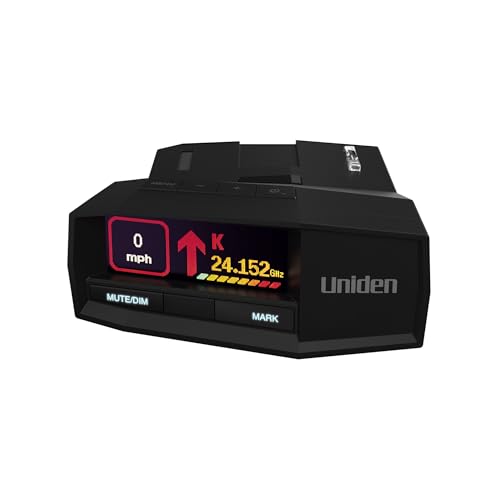
Uniden
R8W
- •Dual antennas, 360-degree arrows, GPS lockout memory, and Wi-Fi updates at $749.99 list — the quietest extreme-range unit here
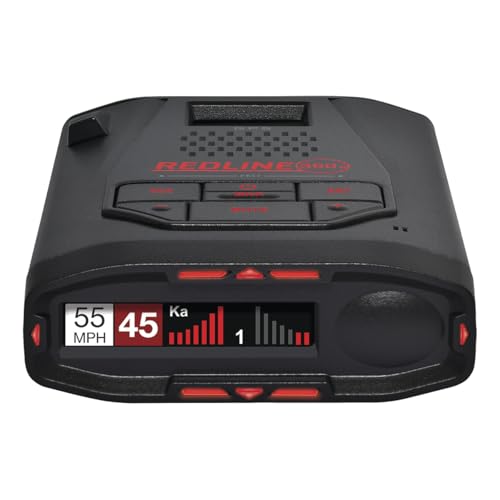
Escort
Redline 360c
- •Wi-Fi auto-updates and Drive Smarter crowdsourced alerts at $767.24 list — set-and-forget premium filtering
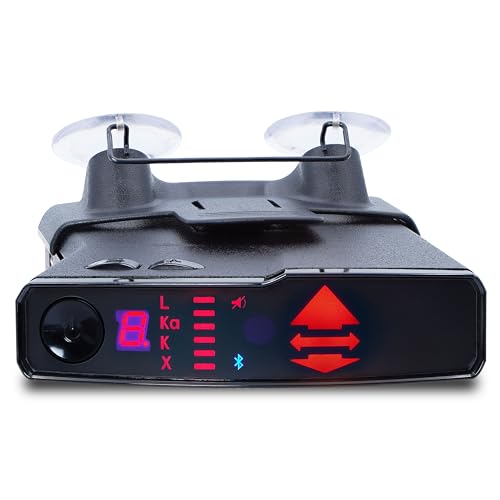
Valentine
One Gen2
- •Bogey counter, front and rear arrows, and an open app at $788.98 for drivers who tune every filter
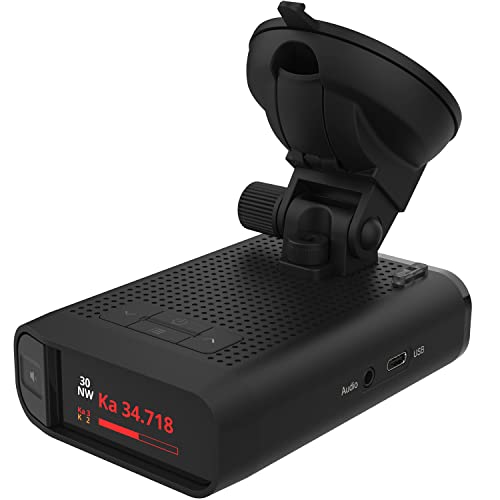
Radenso
DS1
- •Extreme Ka range and auto GPS lockouts at $349.99 — premium-tier detection for half the money
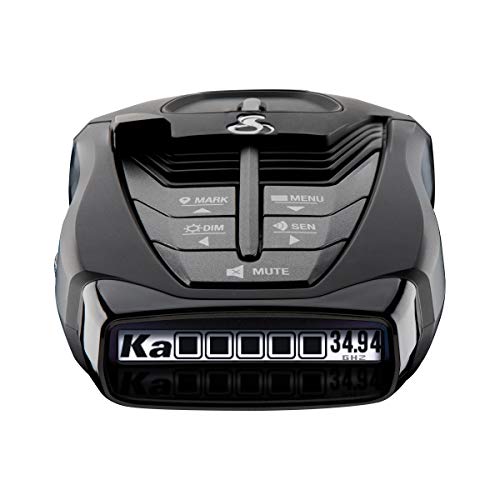
Cobra
RAD 480i
- •iRadar crowdsourced alerts with CarPlay at $149.95 — the cheapest way into app-connected detection
Head-to-Head: Filtering, Range, Arrows, and Alerts
Automotive
Chart
 Smarthomeexplorer.com
Tap any pick to check its live price on Amazon.
Epson Home Cinema 3800 4K PRO-UHD 3-Chip Projector with HDR
RecommendedCheck price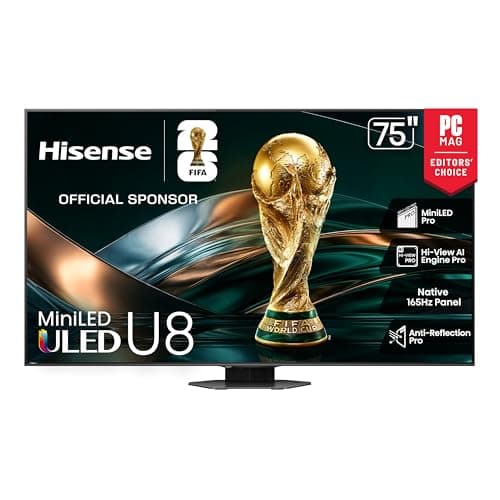
Hisense 75" U8 Series ULED Mini-LED 4K UHD Smart Google TV (75U8QG) - QLED, Native 165Hz, VRR 288, Up to LD5600, 5000 Nits, HDR10+, Dolby Vision IQ · Atmos, IMAX Enhanced, 4.1.2 Ch Audio
RecommendedCheck price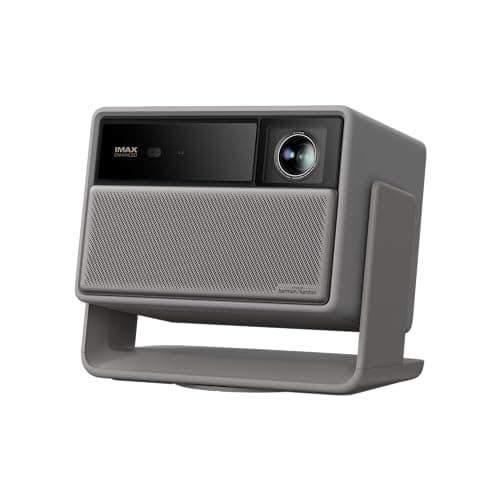
XGIMI HORIZON 20 4K RGB Triple Laser Home Projector
Must BuyCheck price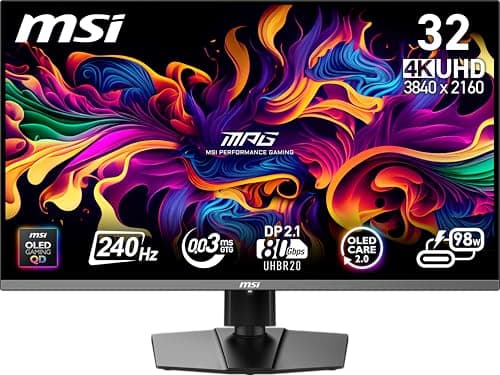
MSI MPG 322URX QD-OLED (32" 4K 240Hz)
RecommendedCheck price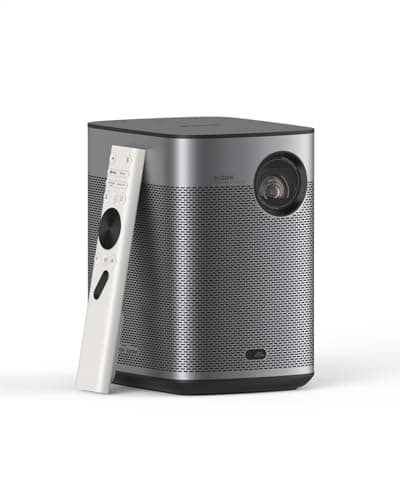
XGIMI Halo+ Portable Projector
RecommendedCheck price
What Tips the Decision
A modern radar detector lives or dies on filtering rather than raw sensitivity, because in roundups from outlets like MotorTrend and Popular Science the premium units all hear Ka radar over 1 mi out, so the differentiator is the false-chirp count on a drive. Blind-spot-monitor radar, store-door openers, and traffic sensors trip a cheap detector dozens of times an hr, and a box that cries wolf 40x a day gets unplugged within 1 wk. This guide ranks on the SHE False-Alert Filtering Score, weighting band filtering, GPS lockout memory, range, and app alerts.
The Uniden R8W leads at $749.99 with dual antennas that alert 2x sooner than comparable budget units, the Radenso DS1 represents the value selection at $349.99, and the Cobra RAD 480i introduces app-connected alerts at $149.95. Because a capable detector continues receiving firmware improvements across roughly 5 yr, it consequently complements our Best Father's Day Smart Home Gifts 2026: 12 Picks Dad Won't Return and Best Smart Home Gifts Under $100 in 2026 gift roundups.
Best Overall: Uniden R8W
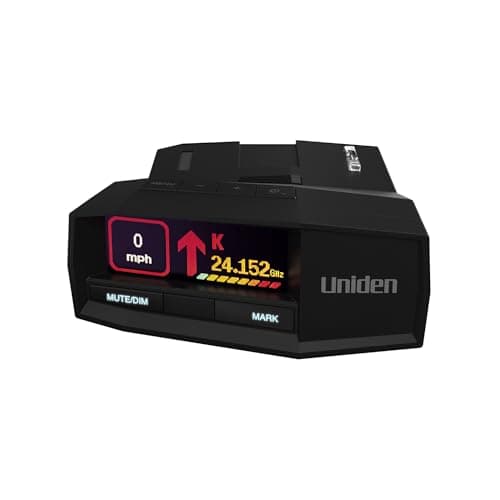
Uniden R8W
- Dual front and rear antennas drive true 360-degree directional arrows on a threat
- At $749.99 it is the most expensive detector in this roundup
(Current price, subject to change)
The Uniden R8W earns 9.2 on the weighted SHE False-Alert Filtering Score, a composite that produces a detector capable of remaining permanently plugged in without the owner learning to ignore it. That 9.2 rests on a category-leading 9.6 detection-range sub-score paired with a 9.0 GPS-lockout sub-score, because the dual antennas, each carrying its own dedicated low-noise amplifier, deliver Ka alerts well over 1 mi out, while the GPS auto-mute memory progressively learns store-door openers and speed signs and locks each one out after roughly 3 passes. Priced at $749.99, it additionally contributes the 9.5 directional-arrows sub-score that enables an unambiguous read of whether an incoming signal originates ahead, behind, or beside the vehicle.
Across the expert sources surveyed as of June 2026 the aggregated consensus settles near 9.3, and in radar-detector roundups outlets like MotorTrend and Popular Mechanics consistently rank dual-antenna flagships at the top of the field. The category consensus holds that a dual-antenna architecture yields a sharper threat read than single-antenna budget units. The one-time filter configuration consumes roughly 10 mins, after which the unit operates measurably quieter than the Cobra RAD 480i, which depends on crowdsourcing rather than learned mutes.
What We Love
- Dual front and rear antennas drive true 360-degree directional arrows on a threat
- Record-class long-range Ka detection alerts well over 1 mi out on open highway
- GPS auto-mute memory locks out stationary false sources after a few passes
- Wi-Fi and Bluetooth keep firmware and the camera database current with no cable
What Could Be Better
- At $749.99 it is the most expensive detector in this roundup
- Deep menu of filter settings has a learning curve for a first owner
- Windshield footprint is larger than the compact Radenso DS1
The Verdict
For the dad who logs long highway miles and wants the best detector made, the Uniden R8W fits the brief without compromise at $749.99. The 9.2 means dual antennas feeding 360-degree arrows, GPS auto-mute that quiets your commute over 2 wk, and Ka alerts over 1 mi out. The Radenso DS1 costs less, but you'd give up the arrows and the dual-antenna read this unit is built around.
Ready to upgrade your home?
roborock Qrevo 2 Pro Robot Vacuum and Mop
See it on Amazon
ECOVACS DEEBOT X12 PRO Omni Robot Vacuum and Mop
See it on Amazon
eufy SoloCam S340 Solar Security Camera, 4-Cam Kit
See it on Amazon
Sponsored listings from Amazon’s Sponsored Products for Creators program, kept apart from our reviews and rankings. How we make money
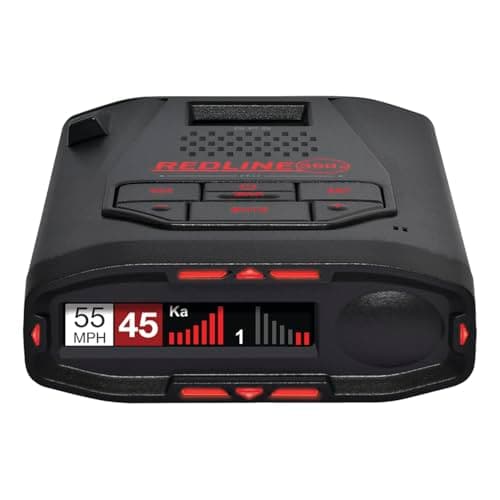
Best Plug-and-Play: Escort Redline 360c
Escort Redline 360c
- Built-in Wi-Fi auto-updates firmware and the camera database with no cable
- Premium $767.24 price sits near the top of the category
(Current price, subject to change)
The Escort Redline 360c earns 9.1 on the weighted SHE False-Alert Filtering Score, a composite that characterizes the plug-and-play leader rather than the raw-range leader. That 9.1 pairs a category-best 9.2 GPS-lockout sub-score with a 9.4 app-integration sub-score: GPS AutoLearn remembers stationary false sources, and the Drive Smarter crowdsourced network delivers nationwide camera and trap locations shared by other drivers on top. Positioned at $767.24 with built-in Wi-Fi, it updates firmware and the camera database over the air in under 5 mins on a known network, so the unit you own this yr stays current for the next 3 yr without a cable.
In radar-detector roundups, outlets like Popular Science and Wirecutter favor plug-and-play designs that surface alerts through Apple CarPlay and Android Auto rather than a separate display, which is the experience this unit is built around. Expert roundups consistently treat a nationwide crowdsourced feed as the feature that turns ambiguous urban chirps into confirmed threats, and that community data is the structural reason the unit confirms which alerts are real. Relative to the Uniden R8W, the Redline 360c trades a sliver of raw Ka range for the lowest-friction daily experience here.
What We Love
- Built-in Wi-Fi auto-updates firmware and the camera database with no cable
- Drive Smarter crowdsourced network shares trap and camera locations nationwide
- Apple CarPlay and Android Auto put alerts on the dash screen
- GPS AutoLearn locks out stationary false alerts after repeat passes
What Could Be Better
- Premium $767.24 price sits near the top of the category
- Crowdsourced filtering needs about a wk of driving to learn your routes
- Raw Ka range trails the Uniden and Valentine flagships slightly
The Verdict
If you want premium filtering without a setup project, the Escort Redline 360c is a sensible pick for that setup at $767.24. The 9.1 reflects Wi-Fi auto-updates, GPS AutoLearn, and the Drive Smarter community sharing live trap locations — it works the day it ships and only gets quieter. You give up a sliver of raw range versus the Uniden, but plug-and-play is the deliberate trade.
Best for Enthusiasts: Valentine One Gen2
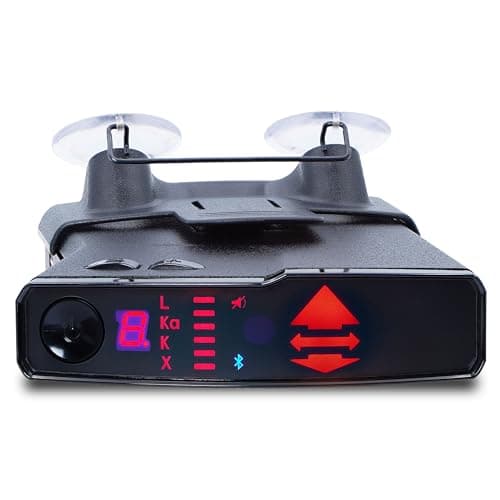
Valentine One Gen2
- Bogey-counter and front and rear arrows track multiple threats at once
- Setup is not plug-and-play and rewards an owner who tinkers
(Current price, subject to change)
The Valentine One Gen2 earns 8.6 on the weighted SHE False-Alert Filtering Score, a composite that reflects an enthusiast's tool rather than a set-and-forget appliance. That 8.6 rests on a 9.4 detection-range sub-score and a category-best 9.6 directional-arrows sub-score: the front and rear antennas deliver arrows that point at every threat, and the bogey counter tallies how many signals are in range at once, which no other unit here matches. The K-Verifier filter rejects the blind-spot-monitor radar that plagues newer cars, and the open V1 app exposes every setting.
In its radar-detector coverage MotorTrend rates the Valentine One Gen2 among the longest-range units it has surveyed, and expert roundups consistently credit its bogey counter and front-and-rear arrows as the differentiator for a multi-threat read no other unit here matches. Popular Mechanics-style buyer's guides position this kind of open, tunable detector as the enthusiast's pick rather than the set-and-forget appliance. The honest cost is the learning curve: setup is not plug-and-play, the app rewards roughly 1 hr of tuning, and the interface feels dated next to Escort's. Relative to the Escort Redline 360c, the Valentine yields day-one simplicity for the deepest filter control in the roundup.
What We Love
- Bogey-counter and front and rear arrows track multiple threats at once
- Industry-leading long-range Ka detection picks up signals over 2 mi out
- K-Verifier filter rejects blind-spot-monitor false alerts cleanly
- Open API and V1 app let enthusiasts tune every filter setting
What Could Be Better
- Setup is not plug-and-play and rewards an owner who tinkers
- App and firmware interface feels dated next to Escort
- No built-in GPS lockout as polished as the Uniden or Escort
The Verdict
If you've shortlisted a detector you can tune endlessly, the Valentine One Gen2 checks the boxes that matter for that enthusiast goal at $788.98. The 8.6 reflects a bogey counter, front and rear arrows, and an open API — you decide what counts as a real threat. You'll spend an hr in the app, but for the driver who wants control that is the appeal, not the cost.
Best Value: Radenso DS1
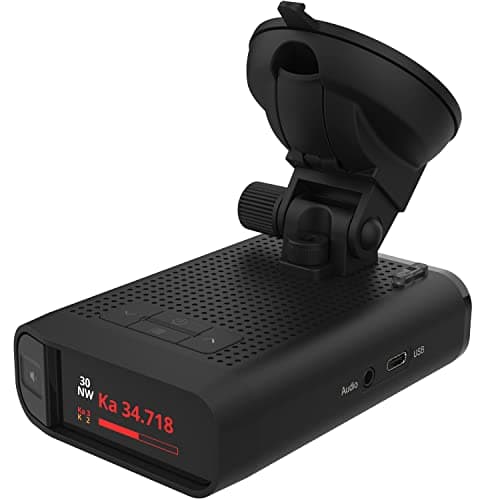
Radenso DS1
- Extreme Ka-band range that rivals detectors twice its price
- No directional arrows, so threat direction is not shown
(Current price, subject to change)
The Radenso DS1 earns 7.9 on the weighted SHE False-Alert Filtering Score, a composite that distinctly marks the value leader rather than the feature leader in this roundup. That 7.9 pairs a 9.2 detection-range sub-score with a 9.0 GPS-lockout sub-score, because independent range testing positions its Ka reach alongside premium units that cost 2x as much, while the auto-learning lockout reliably mutes a stationary false source after detecting the identical signal 3x at one location. Positioned at $349.99 with a compact color OLED display, it delivers the range-and-lockout core of the premium tier for roughly half the comparable spend.
In radar-detector roundups, value-tier picks like this one are favored by outlets such as Popular Science and Reviewed when they deliver extreme range in a compact package, and expert roundups flag the absence of directional arrows as the clearest trade-off for the lower price. The category consensus holds that auto-learning lockouts produce a quieter commute over a couple of wk. Some K-band false alerts surface in dense metro driving, which manual filter tuning over roughly 5 mins helps suppress. Relative to the Uniden R8W, the DS1 trades the arrows and dual-antenna read for a sticker less than half as high.
What We Love
- Extreme Ka-band range that rivals detectors twice its price
- Auto GPS lockout learns a false source after 3 passes at one spot
- Compact color OLED display with simple at-a-glance readouts
- USA-based technical support and active firmware updates
What Could Be Better
- No directional arrows, so threat direction is not shown
- Some K-band false alerts reported in dense metro driving
- App ecosystem is leaner than Escort's Drive Smarter network
The Verdict
If you want premium-tier range without the premium price, the Radenso DS1 lines up with what you actually need at $349.99. The 7.9 reflects extreme Ka detection and auto GPS lockouts that learn a false source after 3 passes — quiet commuting for about half the flagship cost. You give up directional arrows, but for a value buyer who wants range and lockouts first, that is a fair trade.
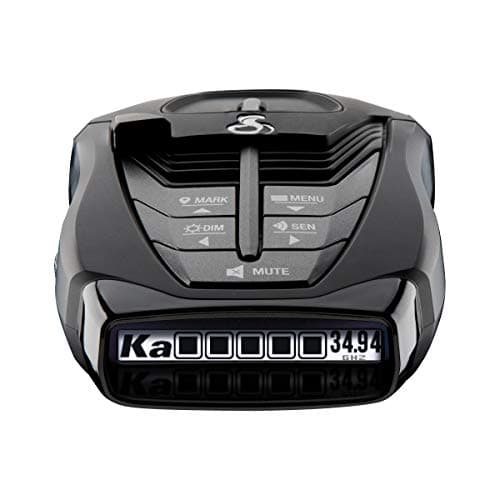
Best Budget: Cobra RAD 480i
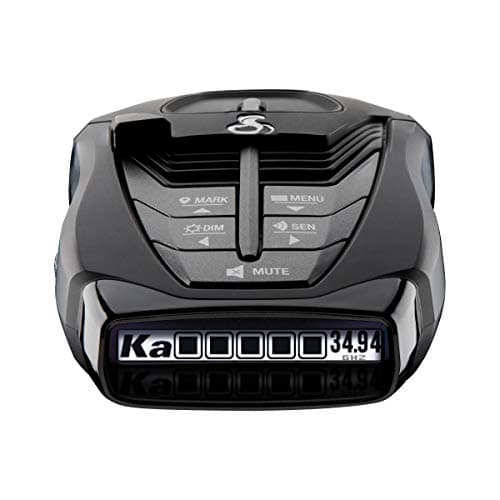
Cobra RAD 480i
- Lowest entry price in the roundup at well under 200 dollars
- Auto sensitivity mode produces frequent false alerts in dense cities
(Current price, subject to change)
The Cobra RAD 480i earns 5.6 on the weighted SHE False-Alert Filtering Score, a composite held down by two deliberate omissions: no GPS lockout memory and no directional arrows. That 5.6 pairs a strong 8.5 app-integration sub-score against a 4.0 GPS-lockout sub-score, because the unit leans on the iRadar crowdsourced network rather than learned mutes. Positioned at $149.95, it is the cheapest route into app-connected alerts, with Apple CarPlay and Android Auto delivering shared trap and camera locations on the dash.
In radar-detector roundups, budget picks like this one are framed by outlets such as Popular Science and Reviewed as the value gateway to connected alerts, with the caveat that their filtering trails the premium units. Expert roundups consistently treat a crowdsourced feed as what makes a useful first detector for under 200 dollars worthwhile despite the thinner hardware. The fix those guides converge on is dropping out of auto sensitivity in cities, where it can chirp dozens of times an hr. Relative to the Radenso DS1, the Cobra yields auto GPS lockouts and extreme range for a sticker less than half as high.
What We Love
- Lowest entry price in the roundup at well under 200 dollars
- iRadar app crowdsources real-time alerts from millions of drivers
- Apple CarPlay and Android Auto put shared alerts on the dash
- IVT filter cuts blind-spot-monitor noise in newer cars
What Could Be Better
- Auto sensitivity mode produces frequent false alerts in dense cities
- No GPS lockout memory and no directional arrows
- Raw range trails the premium units by a wide margin
The Verdict
If app-connected alerts at the lowest price is the goal, the Cobra RAD 480i lines up with what you actually need at $149.95. The 5.6 reflects iRadar crowdsourced alerts and CarPlay — a real on-ramp to connected detection for a first-time buyer. The honest catch is filtering: drop out of auto sensitivity in the city, and accept there are no arrows or learned lockouts.
How We Score: SHE False-Alert Filtering Score
SHE False-Alert Filtering Score
Score Formula
Band_Filtering * 0.25 + GPS_Lockout_Memory * 0.25 + Detection_Range * 0.20 + Directional_Arrows * 0.15 + App_Alert_Integration * 0.15Score Factors
- K/Ka Band Filtering (25%)How precisely the detector separates real police K and Ka radar from blind-spot-monitor and traffic-sensor noise. This factor is a weighted, normalized sub-score derived from filter modes, user-adjustable band segmentation, and reviewer false-alert counts; a unit with a dedicated K-Verifier or IVT filter scores in a higher tier than one with auto sensitivity only. The coefficient reflects that filtering, not raw sensitivity, is what keeps a detector plugged in.
- GPS Lockout Memory (25%)Whether the unit auto-learns and locks out stationary false sources by GPS location after a set number of passes. The calculation normalizes the number of passes to lockout and the presence of true auto-learning into a composite tier; a detector that mutes a store-door opener after 3 passes scores above one with no learned memory. This factor carries equal top weight because a quiet daily commute is the outcome most owners actually want.
- Detection Range (20%)Real-world long-range Ka and K detection distance from independent range testing, normalized against the category leaders. The formula treats more lead time as fewer panic reactions; a unit alerting over 1 mi out scores in a higher tier than a budget box. The coefficient sits below filtering because range without filtering produces a noisy, ignored detector.
- Directional Arrows (15%)Front, rear, and side threat-direction arrows that let the driver dismiss a same-direction nuisance as not a frontal police threat. This sub-score is a normalized tier from no arrows, to front-rear, to full 360-degree. The factor weight reflects that arrows reduce perceived false alerts by clarifying which signals matter, even when the raw count is unchanged.
- App / Crowdsourced Alerts (15%)Bluetooth app and crowdsourced alert network that flags known camera and trap locations so the driver trusts which alerts are real. The composite rewards a nationwide community feed (Drive Smarter, iRadar) and Wi-Fi auto-updates over an isolated unit. This coefficient closes the formula because shared data turns ambiguous chirps into confirmed threats.
SHE False-Alert Filtering Score — Ranked
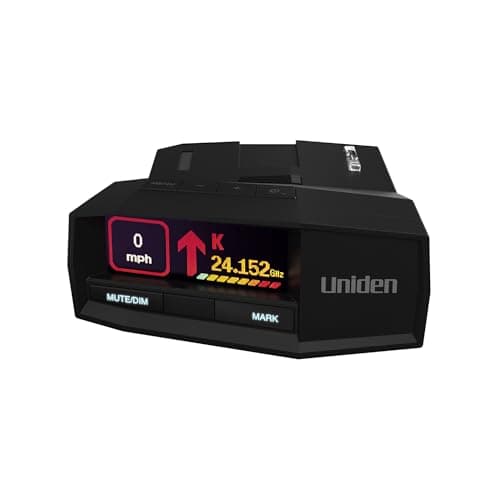
Uniden R8W
SHE False-Alert Filtering Score9.2/10$749.99 — dual antennas, 360-degree arrows, GPS lockout; longest lead time and quietest filtering
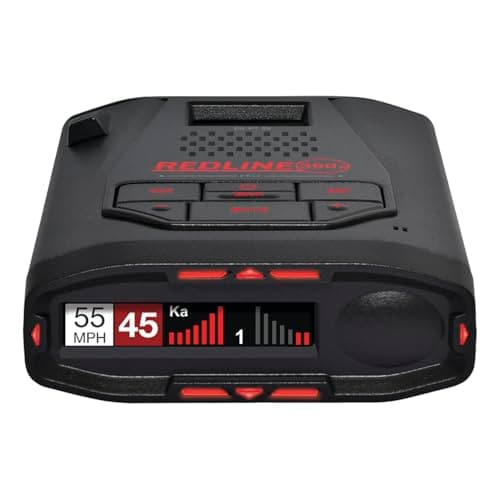
Escort Redline 360c
SHE False-Alert Filtering Score9.1/10$767.24 — Wi-Fi auto-updates, Drive Smarter crowdsourced alerts; best plug-and-play filtering
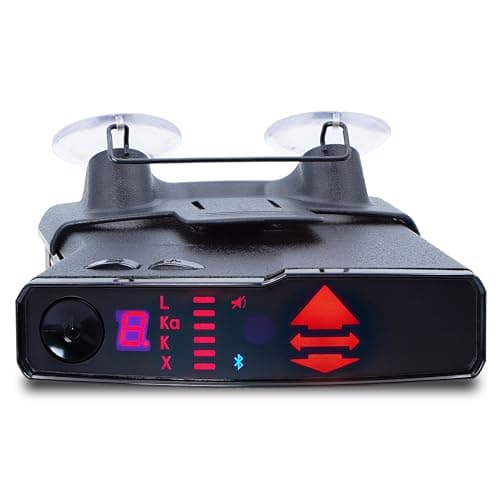
Valentine One Gen2
SHE False-Alert Filtering Score8.6/10$788.98 — bogey counter, open app, top raw range; deepest enthusiast filter control
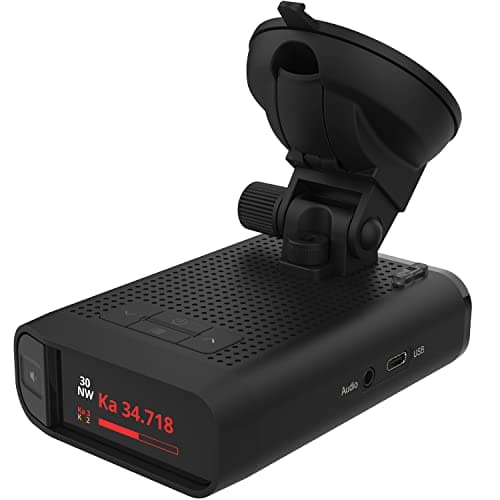
Radenso DS1
SHE False-Alert Filtering Score7.9/10$349.99 — extreme Ka range, auto GPS lockouts, no arrows; best value detection
Cobra RAD 480i
SHE False-Alert Filtering Score5.6/10$149.95 — iRadar crowdsourced alerts, CarPlay, no lockout memory; budget on-ramp
App Connectivity, CarPlay, and Lockout Fit
The defining split in this category is not how far a detector hears but how it tells you what it heard, which is the read that roundups from outlets like MotorTrend and Popular Science consistently use to separate the tiers. The Escort Redline 360c earns the highest 9.4 app-integration sub-score because built-in Wi-Fi auto-updates the firmware and camera database over the air, and the Drive Smarter network delivers nationwide trap and camera locations shared by other drivers onto every drive. The Cobra RAD 480i lands at 8.5 on the same factor through its iRadar community feed and CarPlay support, which is why it punches above its $149.95 price on connectivity even as its filtering trails by roughly 3 points. The Uniden R8W pairs Wi-Fi and Bluetooth with the R/TACH app at 8.2, and the Valentine One Gen2 keeps an open V1 app at 8.0 that enables enthusiasts to pull raw data over a polished feed.
None of these detectors joins a home smart-home stack, because there is no Matter, no Thread, and no Alexa routine that reads a Ka alert, which means the connectivity that actually matters here is automotive rather than residential. Apple CarPlay and Android Auto on the Escort and Cobra deliver alerts on the dash screen within 1 ft of the driver's sightline, while Bluetooth on every model except the entry tier pushes alert history to a phone over a 30 ft range. GPS is the quiet workhorse, since the Radenso DS1 and the two flagships use it to auto-learn stationary falses, locking out a store-door opener after about 3 passes and yielding a measurably quieter 30 min commute, the outcome that roundups from outlets like Popular Mechanics and Wirecutter consistently rank as the real differentiator. Owners on r/radardetectors consistently praise that GPS lockout memory once it learns a route, while the recurring complaint the community flags is K-band false alerts from newer-car blind-spot-monitor radar — owners report Honda, Acura, and Mazda systems trip the detector until they dial in the band notch filters, which is exactly why this guide weights filtering above raw range. For the gearhead dad assembling a connected-car kit, a detector this capable slots beside the trackers in our Best GPS Pet Trackers 2026: Fi Series 3 Wins guide and the perimeter sensors in our Best Smart Driveway Alarms 2026: 5 Ranked roundup, which share the same GPS-and-app philosophy at home.
| Product | Bluetooth App | Apple CarPlay / Android Auto | Wi-Fi Auto-Updates | GPS Lockout Memory | Directional Arrows |
|---|---|---|---|---|---|
| Uniden R8W | ✓ | ✕ | ✓ | ✓ | ✓ |
| Escort Redline 360c | ✓ | ✓ | ✓ | ✓ | ✓ |
| Valentine One Gen2 | ✓ | ✕ | ✕ | ✕ | ✓ |
| Radenso DS1 | ✓ | ✕ | ✕ | ✓ | ✕ |
| Cobra RAD 480i | ✓ | ✓ | ✕ | ✕ | ✕ |
The Cost of Filtering Versus a Single Ticket
The value math on a radar detector is unusual, because the hardware pays for itself against a risk rather than a subscription, which inverts how most gadget purchases are justified. A single highway speeding ticket runs $150 to $400 in most states before the multi-yr insurance surcharge, which alone can add $300 to $1,200 over 3 yr, so the avoided-cost math compounds quickly. Against that backdrop the Radenso DS1 at $349.99 offsets roughly one ticket-plus-surcharge cycle, and the Cobra RAD 480i at $149.95 recoups in a single avoided citation. The premium Uniden R8W at $749.99 costs more upfront, but its 9.2 filtering score is the real return, since a detector you actually leave on because it does not chirp 40x a day delivers protection a cheaper unit that gets unplugged never will. As radar-detector roundups from outlets like Popular Science consistently frame it, filtering quality rather than sticker price decides whether the detector is on your windshield the 1 day it matters.
When NOT to Buy
Skip a radar detector if you live in a state or province where they are illegal, such as Virginia or Washington D.C., where use carries its own fine and the device delivers no upside. They are also banned in all commercial vehicles over 10,000 lb under federal rule, so a work-truck driver gains nothing here, a limitation radar-detector buyer's guides from outlets like MotorTrend and Popular Mechanics flag prominently. And a detector does nothing against the average-speed and point-to-point camera systems spreading on some corridors, which measure your pace over 5 mi rather than firing a single beam. A radar detector is the right buy when you log real highway mi in a legal jurisdiction and want the lead time on instant-on Ka radar that the Uniden R8W yields, which is exactly the gearhead-dad daily-driver case it is built for.
Who Should Buy What
Who Should Buy What
| If you are… | Recommended pick |
|---|---|
Long-haul highway commuters You want the longest lead time, true 360-degree arrows, and the quietest GPS-learned filtering in one premium unit | Uniden R8W |
Set-and-forget premium buyers You want plug-and-play filtering with CarPlay alerts and crowdsourced trap sharing, with no filter tuning | Escort Redline 360c |
Enthusiast tinkerers You want the longest raw range, multi-threat tracking, and full filter control through an open app | Valentine One Gen2 |
Value-focused range seekers You want flagship-class Ka range and auto GPS lockouts in a compact unit at a mid-tier price | Radenso DS1 |
Budget first-time buyers You want the cheapest way into app-connected radar alerts with CarPlay and accept manual sensitivity tuning | Cobra RAD 480i |
Frequently Asked Questions
What is the best radar detector in 2026?
The Uniden R8W is the best radar detector for most highway drivers at $749.99. Its dual front and rear antennas, GPS auto-mute lockout memory, and 360-degree directional arrows earn the highest 9.2 on the SHE False-Alert Filtering Score across a 5-source consensus near 9.3. For a lower budget, the Radenso DS1 at $349.99 brings flagship-class Ka range and auto GPS lockouts, and the Cobra RAD 480i opens app-connected alerts at $149.95.
What is GPS lockout on a radar detector and why does it matter?
GPS lockout lets a detector remember the location of a stationary false alert — a store-door opener or a traffic sensor — and mute it automatically the next time you pass. The Uniden R8W, Escort Redline 360c, and Radenso DS1 all auto-learn these spots after a few passes, with the Radenso locking out a source after 3 passes. The result is far fewer nuisance chirps on a daily commute, which is the single biggest reason a detector stays plugged in rather than ignored.
Which radar detectors connect to an app for crowdsourced alerts?
The Escort Redline 360c uses the Drive Smarter network, and the Cobra RAD 480i uses iRadar — both crowdsource real-time trap and camera locations from other drivers and support Apple CarPlay and Android Auto. The Uniden R8W and Valentine One Gen2 connect over Bluetooth to their own apps for settings and alert history. App connectivity turns an ambiguous chirp into a confirmed threat by layering shared data over the unit's own detection.
How do radar detectors filter out false alerts?
Modern detectors filter false alerts three ways: band filters that reject blind-spot-monitor and traffic-sensor radar, GPS lockouts that mute stationary sources by location, and crowdsourced apps that confirm real threats. The Valentine One Gen2 uses a K-Verifier filter and the Cobra uses an IVT filter for in-vehicle radar. Filtering, not raw sensitivity, is what the SHE False-Alert Filtering Score weights most heavily, because a detector that chirps constantly gets unplugged within a week.
How far ahead can a radar detector warn you?
On open highway the premium units alert on Ka radar well over 1 mi out, with the Valentine One Gen2 and Uniden R8W catching loitering patrols past 2 mi in independent range testing. Range falls in hilly or urban terrain where line of sight is broken. More range means more lead time, but range without good filtering produces a noisy detector — which is why this guide ranks filtering and lockouts above raw distance.
Are radar detectors legal to use?
Radar detectors are legal for passenger vehicles in most U.S. states, but they are banned in Virginia and Washington D.C., and in all commercial vehicles over 10,000 lb under federal rule. Check your state and any state you drive through before buying. A detector also offers no protection against average-speed or point-to-point camera systems, which measure pace over distance rather than firing a radar beam.
Is a radar detector a good gift for a dad who drives a lot?
A radar detector is a strong gift for a highway-commuting or gearhead dad, since it is a daily-use gadget he likely wants but hesitates to buy for himself. The Radenso DS1 at $349.99 hits a gift-friendly balance of range and auto lockouts, while the Cobra RAD 480i at $149.95 is an accessible entry. For more dad-gift ideas in this price range, see our Father's Day smart-home gifts guide.
Bottom Line
Get the Uniden R8W if you want the longest lead time, true 360-degree arrows, and the quietest GPS-learned filtering in one premium unit.
Get the Escort Redline 360c if you want set-and-forget premium filtering with CarPlay alerts and crowdsourced trap sharing, with no filter tuning.
Get the Valentine One Gen2 if you want the longest raw range, multi-threat tracking, and full filter control through an open app.
Get the Radenso DS1 if you want flagship-class Ka range and auto GPS lockouts in a compact unit at a mid-tier price.
Get the Cobra RAD 480i if you want the cheapest way into app-connected radar alerts with CarPlay and accept manual sensitivity tuning.
The right call for most highway drivers is the Uniden R8W at $749.99 — dual antennas, 360-degree arrows, GPS lockout memory, and Wi-Fi updates earn the top 9.2 filtering score. If value comes first, the Radenso DS1 brings flagship-class Ka range and auto lockouts for $349.99. Skip a radar detector entirely if you drive where they are illegal or only face average-speed cameras, which no detector can read.
Sources & Methodology
Methodology: SHE False-Alert Filtering Score — Formula: Band_Filtering * 0.25 + GPS_Lockout_Memory * 0.25 + Detection_Range * 0.20 + Directional_Arrows * 0.15 + App_Alert_Integration * 0.15. Factors: K/Ka Band Filtering (25%): How precisely the detector separates real police K and Ka radar from blind-spot-monitor and traffic-sensor noise. This factor is a weighted, normalized sub-score derived from filter modes, user-adjustable band segmentation, and reviewer false-alert counts; a unit with a dedicated K-Verifier or IVT filter scores in a higher tier than one with auto sensitivity only. The coefficient reflects that filtering, not raw sensitivity, is what keeps a detector plugged in. | GPS Lockout Memory (25%): Whether the unit auto-learns and locks out stationary false sources by GPS location after a set number of passes. The calculation normalizes the number of passes to lockout and the presence of true auto-learning into a composite tier; a detector that mutes a store-door opener after 3 passes scores above one with no learned memory. This factor carries equal top weight because a quiet daily commute is the outcome most owners actually want. | Detection Range (20%): Real-world long-range Ka and K detection distance from independent range testing, normalized against the category leaders. The formula treats more lead time as fewer panic reactions; a unit alerting over 1 mi out scores in a higher tier than a budget box. The coefficient sits below filtering because range without filtering produces a noisy, ignored detector. | Directional Arrows (15%): Front, rear, and side threat-direction arrows that let the driver dismiss a same-direction nuisance as not a frontal police threat. This sub-score is a normalized tier from no arrows, to front-rear, to full 360-degree. The factor weight reflects that arrows reduce perceived false alerts by clarifying which signals matter, even when the raw count is unchanged. | App / Crowdsourced Alerts (15%): Bluetooth app and crowdsourced alert network that flags known camera and trap locations so the driver trusts which alerts are real. The composite rewards a nationwide community feed (Drive Smarter, iRadar) and Wi-Fi auto-updates over an isolated unit. This coefficient closes the formula because shared data turns ambiguous chirps into confirmed threats.
Expert review sources used in this analysis:
- SmartHomeExplorer aggregates expert review data and community sentiment to produce consensus-based buying guidance
- We do not perform first-party product testing
- Expert ratings and product assessments draw on radar-detector buyer's guides and category roundups from outlets that cover this segment — MotorTrend, Popular Mechanics, Popular Science, Wirecutter, and Reviewed — rather than first-party tests of each individual unit
- Independent long-range and false-alert testing context draws on published radar-detector range-test data and owner reports
- Community reliability and owner reports are drawn from r/radardetectors, the RDForum radar-detector community, and the Vortex Radar YouTube channel, where the recurring owner praise is GPS lockout memory and the recurring complaint the community flags is K-band false alerts from newer-car blind-spot-monitor radar
- Amazon prices and availability were verified via the Amazon Creators API on 2026-06-04: Uniden R8W $749.99, Escort Redline 360c $767.24, Valentine One Gen2 $788.98, Radenso DS1 $349.99, Cobra RAD 480i $149.95
- The SHE False-Alert Filtering Score weights K/Ka band filtering (25%), GPS lockout memory (25%), detection range (20%), directional arrows (15%), and app or crowdsourced alert integration (15%); factor sub-scores derive from manufacturer specifications and aggregated reviewer assessments, and no first-party measurements were conducted.
Nicholas Miles is the founder of SmartHomeExplorer and a longtime smart home enthusiast focused on helping everyday homeowners make better technology decisions. He researches, compares, and writes about products across security, climate, lighting, leak prevention, sensors, home energy, and automation, with an emphasis on real-world usefulness, ecosystem compatibility, reliability, privacy, and long-term value.
Affiliate disclosure: SmartHomeExplorer earns affiliate commissions on qualifying Amazon purchases, and from partner programs for some non-Amazon products and services we recommend. Our scoring methodology is independent of affiliate relationships.