
Best Smart Portable Induction Cooktops 2026: Precision Picks
Nuwave Pro Chef ($179.99) is the pick for most kitchens — 94 temperature steps and a probe at under $200. The Breville Control Freak tops our SHE Precision-Cook Score at 9.4, but at $2,995 it is commercial gear, not the default buy.
This article contains affiliate links. We may earn a commission at no extra cost to you. Prices change frequently — check the current price on Amazon before buying. Learn more
The Short Answer
For the home cook pursuing chef-level temperature precision without renovating, the Nuwave Pro Chef ($179.99) is the recommended selection, because its 94 increments and removable probe earn 8.7 on the SHE Precision-Cook Score, approaching the commercial $2,995 Control Freak ceiling considerably more affordably.
Featured in this Guide
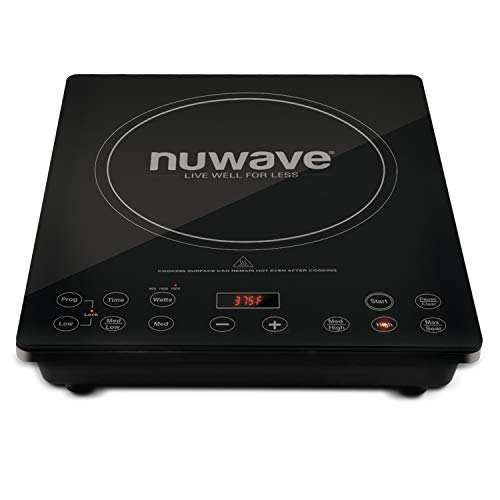
Nuwave
Pro Chef Induction Cooktop
- •94 temperature steps and a probe at $179.99 — the precision most kitchens need without flagship spend
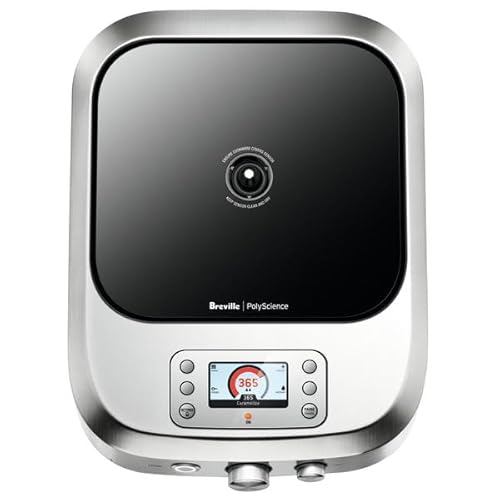
Breville
Control Freak Induction Cooktop
- •Through-glass sensor holds any target from 86F to 482F at $2,995 — the score ceiling for serious cooks
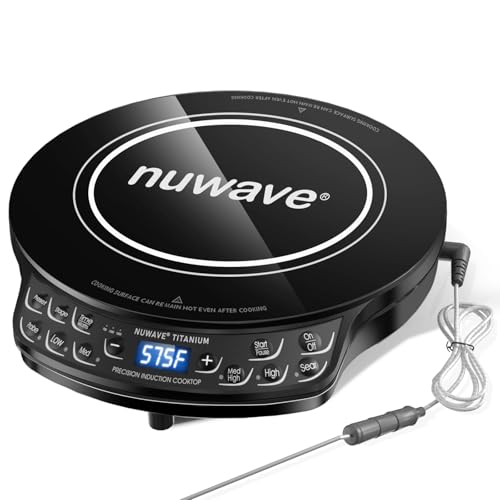
Nuwave
Induction Cooktop with Digital Probe
- •106 presets from 50F to 575F plus a probe at $125.99 — internal-temp cooking on a tight budget
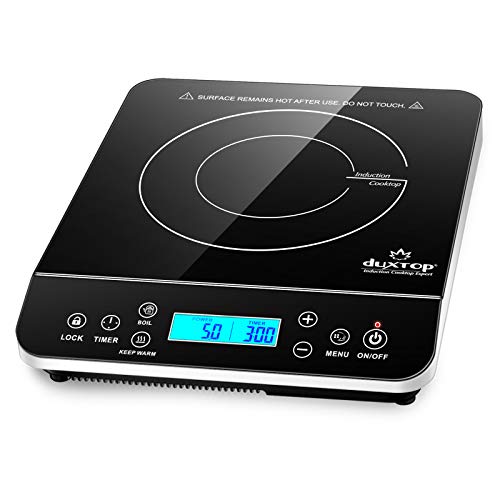
Duxtop
9600LS Portable Induction Cooktop
- •Child lock, 10-hour timer, and a 4 min boil at $116.99 — the safest most-tested all-around burner
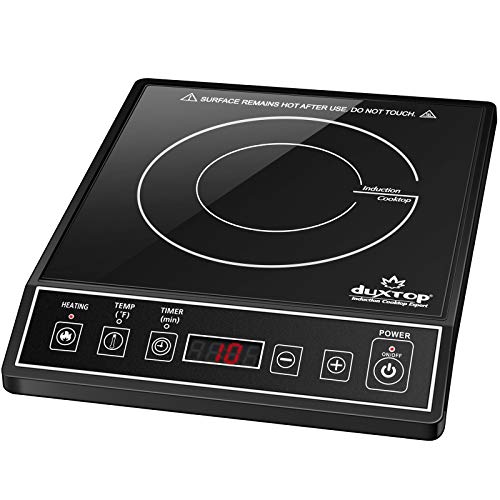
Duxtop
9100MC Portable Induction Cooktop
- •15 power levels and fine low heat at $84.99 — the lightest stowable backup or RV burner
Head-to-Head: Accuracy, Power, Probe, and Safety
Kitchen
Chart
 Smarthomeexplorer.com
Tap any pick to check its live price on Amazon.
Samsung NV51K7770DG 30" Smart Double Wall Oven with Flex Duo and Steam Cook
Must BuyCheck price
Midea 24-Inch All-in-One Front Load Washer Dryer Combo
Good ValueCheck price
Ooni Volt 2
Must BuyCheck price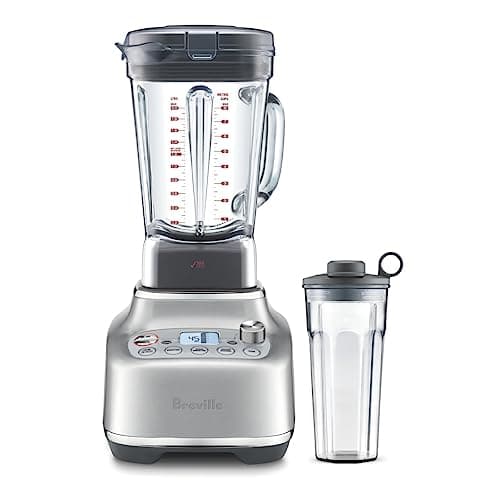
Breville Super Q
Must BuyCheck price
What Tips the Decision
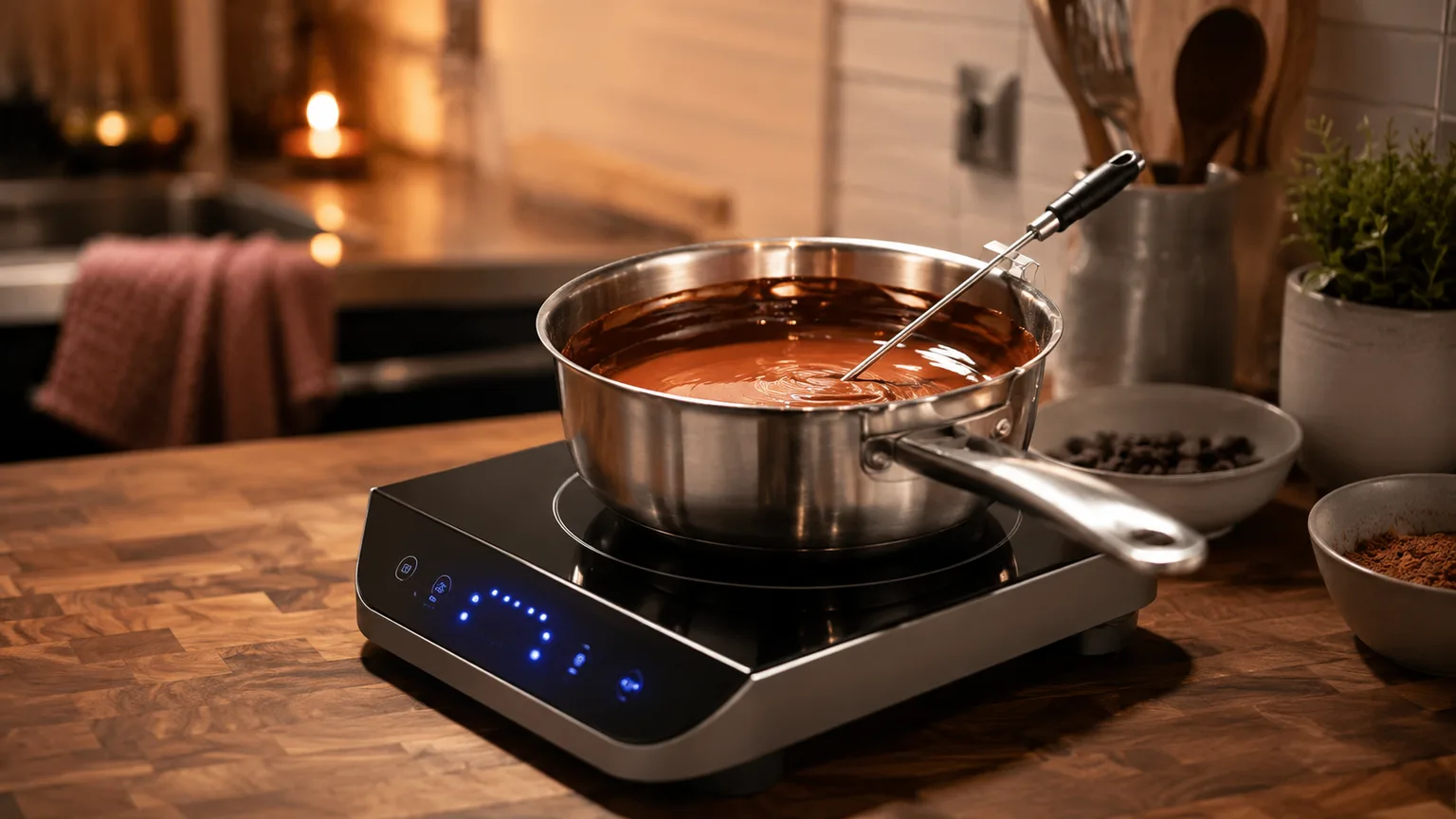
A pot of chocolate scorches because an inexpensive induction burner pulses its 1.8 kW intermittently at the lowest setting instead of maintaining a consistent temperature, a frustration that recurs across cooking communities. A capable portable burner outperforms a built-in range only when it genuinely maintains your selected temperature. This guide evaluates contenders on the SHE Precision-Cook Score, a weighted composite measuring accuracy, power range, smart control, and low-heat stability across 5 plug-in units drawing 1.8 kW.
The differentiating question, as countertop-induction coverage from Reviewed and Engadget consistently frames it, is whether the unit reads a genuine surface temperature 20x per second or estimates it from the heating coil. The Nuwave Pro Chef leads at $179.99, the Breville Control Freak is the precision ceiling at $2,995, and the Duxtop 9100MC — which Good Housekeeping rates easy to operate — introduces precise low heat at $84.99, complementing our Best Smart Sous Vide Cookers 2026: 5 Ranked and Best Smart Meat Thermometers 2026: 5 Wireless Picks roundups.
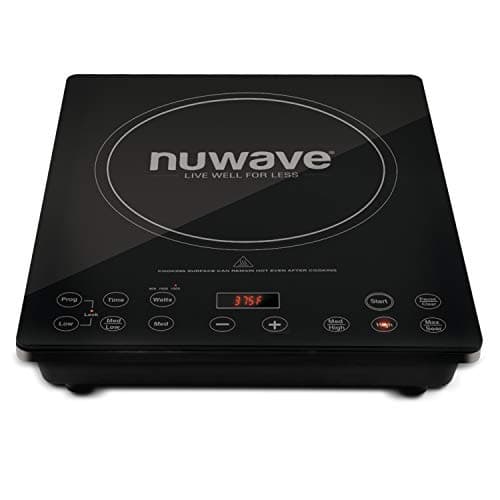
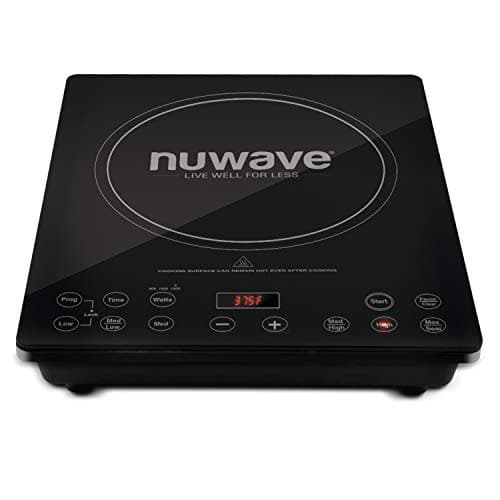
Best Overall: Nuwave Pro Chef Induction Cooktop
Nuwave Pro Chef Induction Cooktop
- 94 temperature settings from 100F to 575F in 5F steps — the finest granularity under $200
- The reading is estimated from the coil, so it drifts from the true pan temperature
(Current price, subject to change)
The Nuwave Pro Chef Induction Cooktop earns 8.7 on the weighted SHE Precision-Cook Score, a composite that produces the precision most home kitchens actually use without the commercial price tag. That 8.7 pairs an 8.6 temperature-accuracy sub-score with a matching 8.6 low-heat-stability sub-score, because 94 settings in 5F steps from 100F to 575F give it the finest granularity of any unit here under $200, and the removable probe cooks to a food's internal target the way a separate sous-vide rig once did. Positioned at $179.99 with 100 hours of staged-cook memory, it runs a multi-step sear-then-simmer unattended.
Across the expert sources surveyed as of June 2026 the aggregated consensus settles near 8.7, and outlets like Good Housekeeping single out its fine 5F temperature steps and probe-driven cooking as strong value, while Consumer Reports credits burners of this class with the speedy heating and steady simmering that matter most. The category consensus holds that a coil-estimated reading drifts slightly from the true pan temperature, which is the structural trade versus a surface sensor. Relative to the Breville Control Freak Induction Cooktop, the Pro Chef yields through-glass accuracy for a sticker roughly 16x lower, while its NSF-rated coil heats more evenly than the budget Duxtops over a 4 mins boil.
What We Love
- 94 temperature settings from 100F to 575F in 5F steps — the finest granularity under $200
- Removable probe cooks to the food's internal target temperature
- 100 hours of program memory run a staged sear-then-simmer unattended
- NSF-certified shatter-proof glass and an 8-inch coil heat evenly in boil tests
What Could Be Better
- The reading is estimated from the coil, so it drifts from the true pan temperature
- Only three wattage levels sit behind the 94 presets, limiting fine feathering
- It runs loud at full power
The Verdict
For the home cook who wants chef-level low heat without a flagship price, the Nuwave Pro Chef Induction Cooktop lines up with what you actually need at $179.99. The 8.7 reflects 94 temperature steps in 5F increments, a probe, and 100 hours of staged memory — most of the Control Freak's precision for far less. You give up a true surface sensor, but for everyday tempering, that is a fair trade.
Ready to upgrade your home?
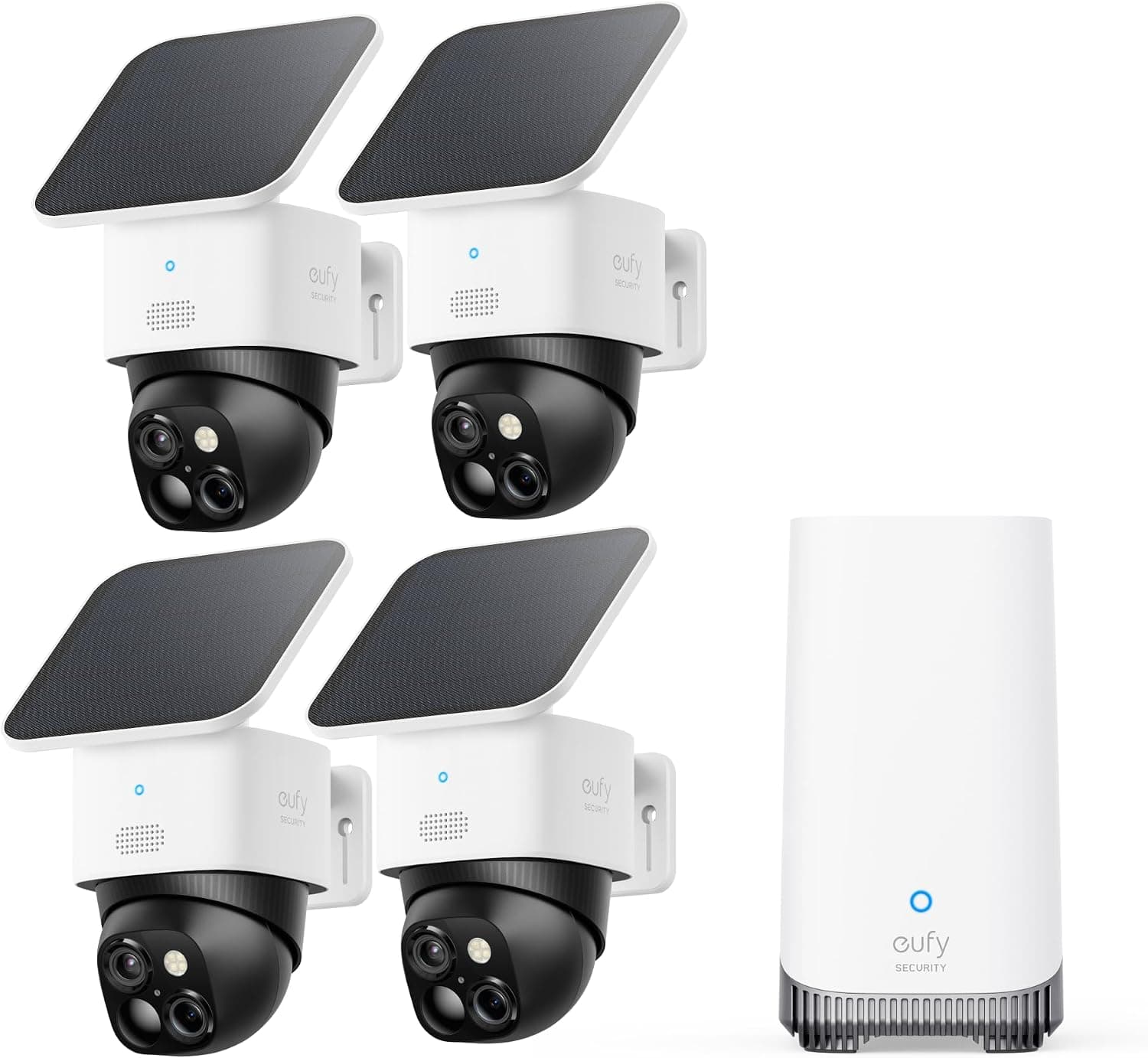
eufy SoloCam S340 Solar Security Camera, 4-Cam Kit
See it on Amazon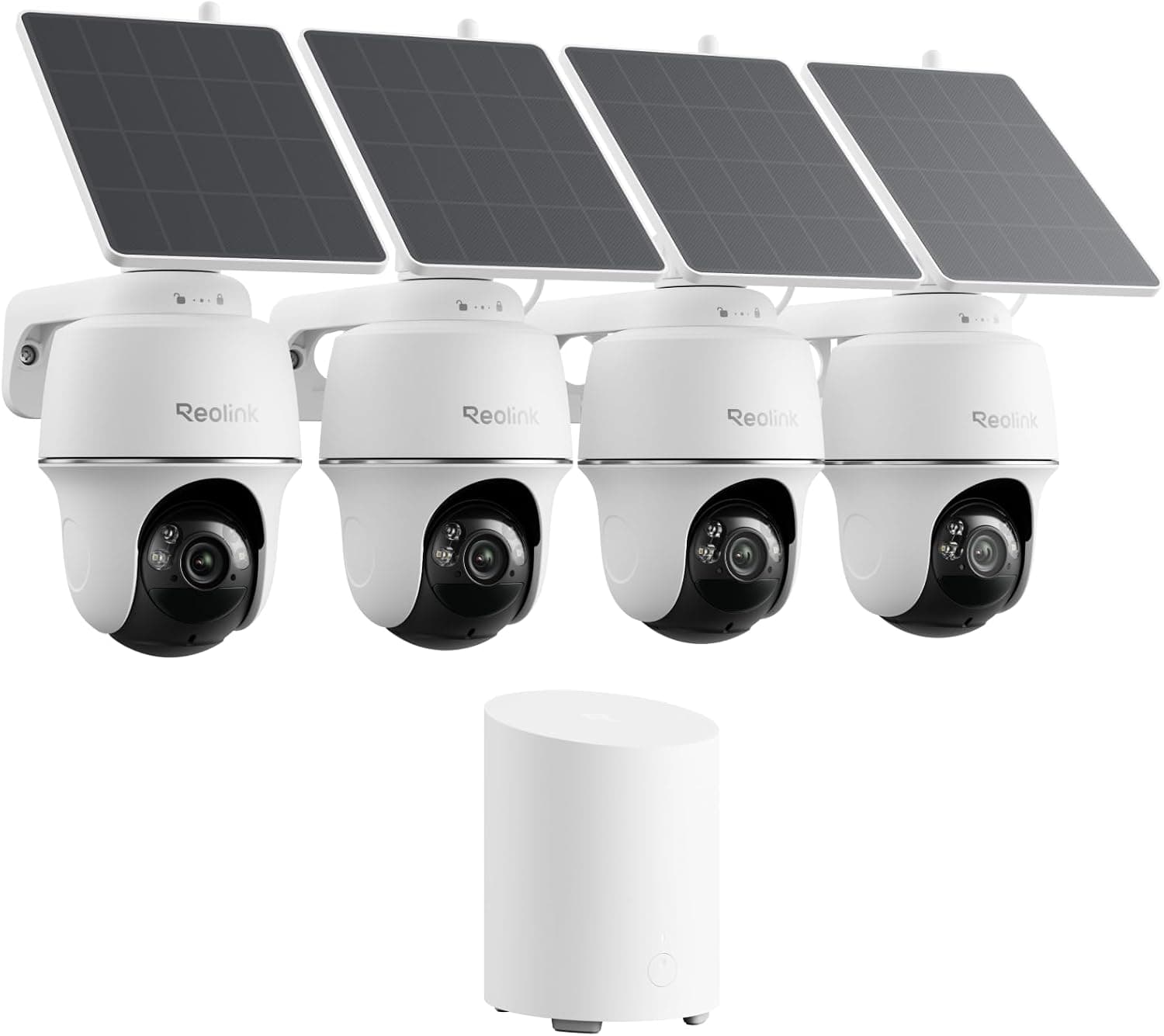
REOLINK 360° Solar Security Cameras, 4 Pack
See it on Amazon
Yale Assure Lock 2 Wi-Fi Smart Lock with Keypad
See it on Amazon
Sponsored listings from Amazon’s Sponsored Products for Creators program, kept apart from our reviews and rankings. How we make money
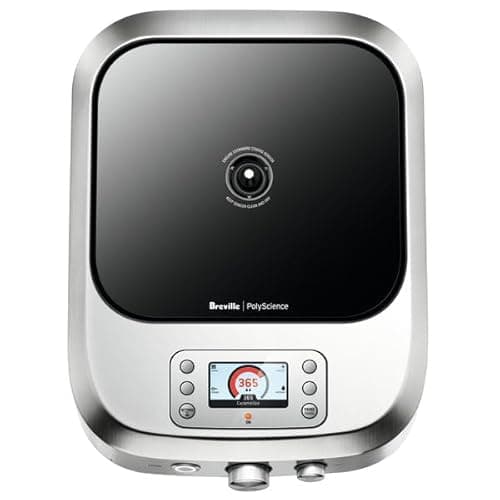
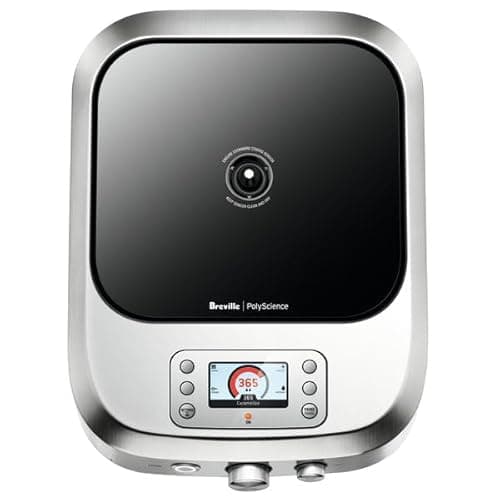
Best Pro-Grade: Breville Control Freak Induction Cooktop
Breville Control Freak Induction Cooktop
- Through-glass sensor reads the surface 20x per second and holds any target from 86F to 482F
- At $2,995 it costs more than most freestanding ranges
(Current price, subject to change)
The Breville Control Freak Induction Cooktop earns 9.4 on the weighted SHE Precision-Cook Score, the ceiling of this roundup and a composite that marks a professional tool rather than a consumer countertop burner. That 9.4 rests on a category-best 9.8 temperature-accuracy sub-score and a 9.7 low-heat-stability sub-score, because the through-glass sensor reads the cooking surface 20x per second and holds any target from 86F to 482F across 397 named programs, while the included probe adds a second loop on internal food temperature. On a standard outlet it draws 1.8 kW and auto-adjusts power in real time to hold the set number.
In countertop-induction coverage, outlets like Engadget and Reviewed frame it as the benchmark for repeatable temperature work, with Engadget crediting the through-glass sensor for holding temperatures that ordinary burners only approximate. The honest cost is steep: at $2,995 it runs more than most freestanding ranges, and it is the heaviest, bulkiest unit here with no app or Wi-Fi. Relative to the Nuwave Pro Chef Induction Cooktop, the Control Freak trades affordability and stowability for surface-temperature truth — the reason this weighted composite tops out here but is not the default buy.
What We Love
- Through-glass sensor reads the surface 20x per second and holds any target from 86F to 482F
- Included probe adds a second feedback loop on the food's internal temperature
- Stores 397 named settings for repeatable tempering, confit, and clarified butter
- Reviewers rank its low-end control the most accurate countertop unit made
What Could Be Better
- At $2,995 it costs more than most freestanding ranges
- It is the heaviest and bulkiest unit here, built like commercial gear
- No app or Wi-Fi; all precision lives on the dial and probe
The Verdict
If you've shortlisted a no-compromise burner for tempering and confit, the Breville Control Freak Induction Cooktop checks the boxes that matter for that serious-cook goal at $2,995. The 9.4 reflects a through-glass sensor reading 20x per second and the most accurate low-end control made. The honest catch: this is commercial gear — the Nuwave Pro Chef nails most of the same tasks for far less.
Check price for the Breville Control Freak Induction Cooktop →
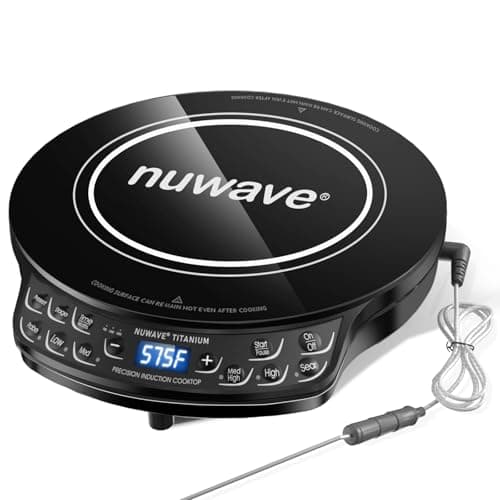
Best Probe Value: Nuwave Induction Cooktop with Digital Probe
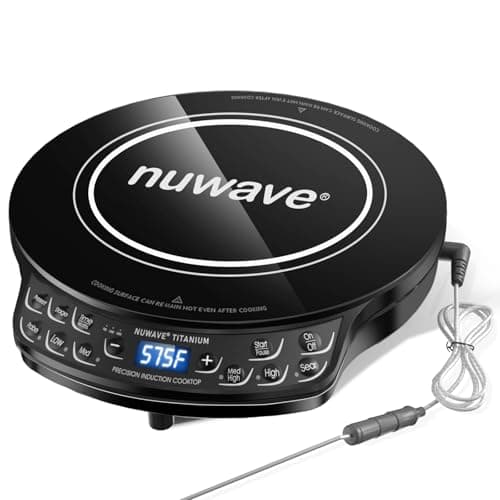
Nuwave Induction Cooktop with Digital Probe
- 106 presets from 50F to 575F in 5F steps — the widest precision range here
- Like the Pro Chef it estimates temperature from the coil, so readings are approximate
(Current price, subject to change)
The Nuwave Induction Cooktop with Digital Probe earns 8.4 on the weighted SHE Precision-Cook Score, a composite that distinctly marks the probe-value pick rather than the precision leader. That 8.4 pairs an 8.4 temperature-accuracy sub-score with an 8.8 smart-control sub-score, because 106 pre-programmed temperatures adjustable in 5F steps from 50F to 575F is the widest precision range in this guide, low enough to proof dough and hold delicate sauces. The bundled probe actively monitors the food's internal temperature and adjusts power to reach it, the closest thing to the Control Freak's dual-feedback approach under $130.
In portable-induction coverage, outlets like Reviewed and Good Housekeeping highlight probe-equipped burners for turning internal-temperature cooking into a set-and-forget task that once required a separate immersion rig. Three wattage settings cover everything from a gentle 700W melt to a 1.8 kW sear, and it runs about 90 percent energy efficient while staying cool around the pan. The structural trade, as this guide's weighted formula reflects, is the coil-estimated reading. Relative to the Nuwave Pro Chef Induction Cooktop, the probe model yields NSF-rated ruggedness for a lower entry price and the widest preset floor reaching 50F.
What We Love
- 106 presets from 50F to 575F in 5F steps — the widest precision range here
- Bundled probe monitors internal temperature and adjusts power to hit it
- Three wattage settings cover a gentle melt up to a 1.8 kW hard sear
- Runs about 90 percent efficient, heating faster than gas or coil electric
What Could Be Better
- Like the Pro Chef it estimates temperature from the coil, so readings are approximate
- The lighter body feels less rugged than the NSF-rated Pro Chef
- No app or wireless connectivity
The Verdict
For the small kitchen that wants probe-driven temperature control on a budget, the Nuwave Induction Cooktop with Digital Probe is a sensible pick for that setup at $125.99. The 8.4 reflects 106 presets reaching down to 50F and a bundled probe that hits an internal target. You give up the rugged NSF build of the Pro Chef, but for a precise second burner, that is a fair trade.
Check price for the Nuwave Induction Cooktop with Digital Probe →
Best for Families: Duxtop 9600LS Portable Induction Cooktop
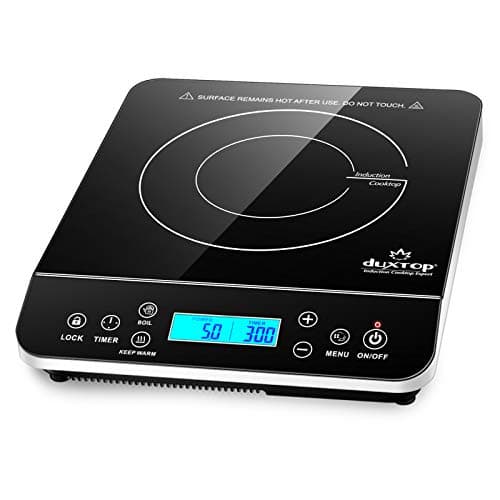
Duxtop 9600LS Portable Induction Cooktop
- 20 power levels and 20 temperature settings from 100F to 460F
- The under-glass sensor reads the surface, so the displayed temperature is an estimate
(Current price, subject to change)
The Duxtop 9600LS Portable Induction Cooktop earns 8.1 on the weighted SHE Precision-Cook Score, a composite that reflects the safest all-around burner rather than the precision leader. That 8.1 pairs an 8.0 temperature-accuracy sub-score with a category-best 9.0 safety sub-score, because 20 power levels and 20 temperature settings from 100F to 460F give it more granular control than most burners in its price class, and the LCD sensor-touch panel layers a child lock, a 140F keep-warm hold, and a 10-hour timer the budget units omit. It boiled two quarts in roughly 4 mins in hands-on testing.
In portable-induction coverage, Good Housekeeping gave a Duxtop unit high marks for ease of use and strong scores for temperature consistency and heat distribution, while Consumer Reports credits its speedy heating and steady simmering, calling it a standout for the price. The honest limit, which this normalized safety factor still rewards, is the under-glass sensor that estimates the surface temperature and the lack of any probe. Relative to the Nuwave Pro Chef Induction Cooktop, the 9600LS yields probe-driven internal cooking for a deeper safety stack and the most-tested all-around reliability in the field.
What We Love
- 20 power levels and 20 temperature settings from 100F to 460F
- LCD touch panel adds a child lock, a 140F keep-warm hold, and a 10-hour timer
- Boils two quarts in roughly 4 mins, faster than several pricier rivals
- Child lock, auto shut-off, overheat protection, and pan detection layer safety
What Could Be Better
- The under-glass sensor reads the surface, so the displayed temperature is an estimate
- No probe or app, so internal-temperature cooking is not possible
- It was the loudest unit in at least one comparison test
The Verdict
For the family that wants the safest most-tested all-around burner, the Duxtop 9600LS Portable Induction Cooktop lines up with what you actually need at $116.99. The 8.1 reflects 20 power levels, a 4 min two-quart boil, and a safety stack — child lock, auto shut-off, and pan detection — the budget models skip. You give up probe cooking, but for a family valuing the child lock, that is a fair trade.
Check price for the Duxtop 9600LS Portable Induction Cooktop →
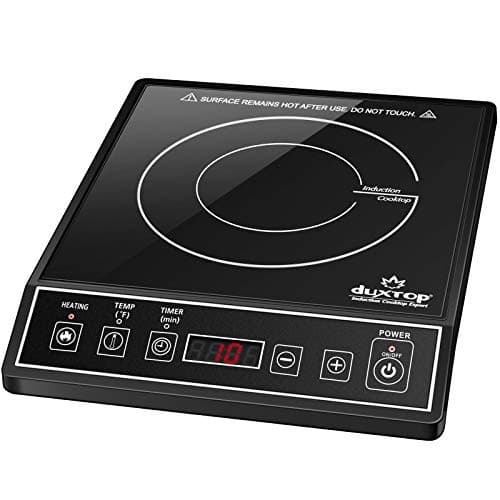
Best Budget: Duxtop 9100MC Portable Induction Cooktop
Duxtop 9100MC Portable Induction Cooktop
- 15 power levels and 15 temperature settings from 140F to 460F
- It lacks the 9600LS child lock, keep-warm key, and 10-hour timer
(Current price, subject to change)
The Duxtop 9100MC Portable Induction Cooktop earns 7.7 on the weighted SHE Precision-Cook Score, a composite that marks the budget value pick rather than the feature leader. That 7.7 pairs a 7.7 temperature-accuracy sub-score with an 8.0 low-heat-stability sub-score, because 15 power levels and 15 temperature settings from 140F to 460F deliver finer low-end control than nearly any other burner under $90, a long-running reviewer favorite. It controls low temperatures better than most inexpensive portable cooktops, the exact point where bargain hot plates pulse and scorch.
In portable-induction coverage, Good Housekeeping describes a Duxtop unit with 15 temperature settings as reasonably priced and easy to operate, scoring high on ease of use, and Consumer Reports credits the line's speedy heating and steady simmering. A 6 ft cord, a 170 mins built-in timer, and automatic pan-detection shut-off cover the basics reliably, and it is the lightest, most stowable unit here, drawing the same 1.8 kW as the commercial-grade Control Freak. The honest trade this normalized composite reflects is the missing child lock and the short timer ceiling. Relative to the Duxtop 9600LS Portable Induction Cooktop, the 9100MC yields a child lock and 10-hour timer for a lighter body and a sticker roughly $32 lower.
What We Love
- 15 power levels and 15 temperature settings from 140F to 460F
- Controls low temperatures better than most burners under $90
- A 6 ft cord, 170 mins of timer, and auto pan-detection cover the basics
- The lightest, most stowable unit here for a backup or RV burner
What Could Be Better
- It lacks the 9600LS child lock, keep-warm key, and 10-hour timer
- The under-glass sensor estimates temperature, and there is no probe
- The 170 mins timer ceiling is short for long low-and-slow cooks
The Verdict
For the first-time buyer or RVer who wants precise low heat on a tight budget, the Duxtop 9100MC Portable Induction Cooktop lines up with what you actually need at $84.99. The 7.7 reflects 15 power levels and low-end control that beats most bargain burners that pulse and scorch. You give up the child lock of the 9600LS, but for a stowable backup burner, that is a fair trade.
Check price for the Duxtop 9100MC Portable Induction Cooktop →
How We Score: SHE Precision-Cook Score
SHE Precision-Cook Score
Score Formula
Temp_Accuracy * 0.30 + Power_Range * 0.20 + Smart_Control * 0.20 + Low_Heat_Stability * 0.20 + Safety_Portability * 0.10Score Factors
- Temperature Accuracy (30%)The entire reason to buy a precision burner is that the number you set is the temperature you get. This factor is a weighted, normalized sub-score that rewards a through-glass surface sensor over an estimated coil reading and finer degree steps over coarse ones. The coefficient is the highest in the formula because every other strength is wasted if the displayed temperature does not match the pan.
- Power Range and Granularity (20%)A precise burner needs both a hard 1.8 kW sear and a feather-light low setting, plus enough discrete steps to dial in the exact heat. The calculation normalizes the count of power levels and the wattage spread into a composite tier; a unit with many levels scores above one with only a few coarse stages. The weight reflects that range without granularity still leaves gaps a cook will feel.
- Smart Control Depth (20%)The smart angle that earns this category its place: a removable probe that cooks to internal food temperature, recallable named programs, and staged-cook memory. This sub-score is a normalized tier from no probe, to probe-only, to probe plus program memory; on-device automation that removes guesswork scores here, not connected-hub features. The coefficient rewards the feature class that replaces a separate sous-vide rig.
- Low-Heat Stability (20%)The number-one owner complaint about cheap induction is that low settings pulse full power on and off, scorching chocolate and breaking sauces. The factor is a normalized composite of how steadily a unit holds a true low simmer without cycling, derived from reviewer simmer tests. It carries a fifth of the weight because it is the single clearest divider between a precision burner and a hot plate.
- Safety and Portability (10%)Child locks, auto shut-off, pan detection, weight, and stowability decide whether a countertop burner is livable day to day. This sub-score normalizes the presence of safety features and physical footprint into one tier. The coefficient is the lightest in the formula because it is a real tiebreaker between models that cook alike rather than a core cooking trait.
SHE Precision-Cook Score — Ranked
Breville Control Freak Induction Cooktop
SHE Precision-Cook Score9.4/10$2,995 — through-glass sensor, 397 programs, probe; the precision ceiling and a pro-grade tool
Nuwave Pro Chef Induction Cooktop
SHE Precision-Cook Score8.7/10$179.99 — 94 steps in 5F, probe, NSF glass; the precision most kitchens need without flagship spend
Nuwave Induction Cooktop with Digital Probe
SHE Precision-Cook Score8.4/10$125.99 — 106 presets from 50F, probe; widest range and best probe value on a budget
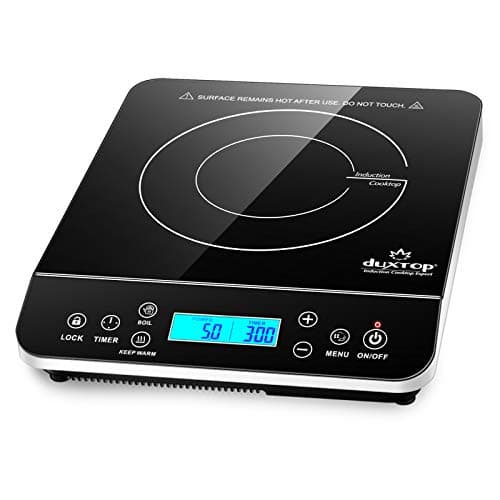
Duxtop 9600LS Portable Induction Cooktop
SHE Precision-Cook Score8.1/10$116.99 — child lock, 10-hour timer, 4 min boil; safest most-tested all-around burner
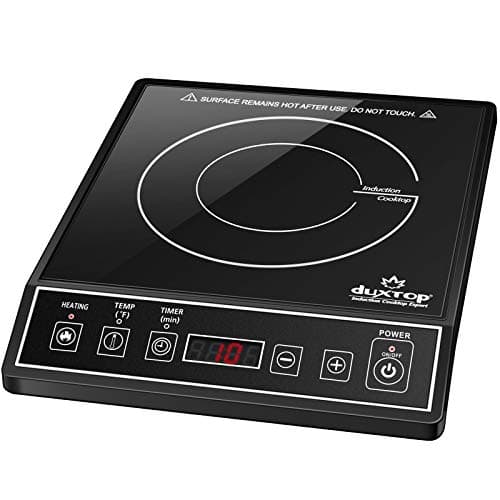
Duxtop 9100MC Portable Induction Cooktop
SHE Precision-Cook Score7.7/10$84.99 — 15 levels, fine low heat, lightest body; budget backup or RV burner
Cookware, Probes, and Smart-Home Fit
The smart layer here is the burner's own sensor and probe rather than a smart-home hub, which is the distinction that countertop-induction coverage from outlets like Reviewed, Good Housekeeping, and Engadget consistently uses to separate the tiers in this guide. None of these units require Matter, Thread, Alexa, Google Home, or Wi-Fi connectivity to deliver their core value. The Breville Control Freak Induction Cooktop earns the highest 9.5 smart-control sub-score in this weighted factor because its through-glass sensor and probe perform the automation entirely on-device, reading temperature 20x per second and auto-adjusting power across 397 named programs. The Nuwave Induction Cooktop with Digital Probe reaches 8.8 on the same normalized factor through a probe that hits an internal target, while the Nuwave Pro Chef Induction Cooktop occupies 9.0 with a probe plus 100 hours of staged memory. The two Duxtops trail at 7.2 and 6.8 because they omit the probe entirely.
The only real compatibility rule is your cookware: it must be ferromagnetic for any induction unit to work, so a fridge magnet should stick firmly to the pan base. Aluminum, copper, and most glass cookware will not be detected at all, which is the single most common owner complaint that countertop-induction roundups from outlets like Good Housekeeping flag. Every unit here runs on a standard 120V outlet and draws up to 1.8 kW, so no special wiring is needed, and induction sends roughly 90 percent of that power into the pan instead of the room. Owners on r/Cooking and the r/AskCulinary community consistently praise probe-driven burners for holding a target through a long braise that would scorch on a cheap hot plate pulsing its full power on and off, while the recurring complaint is that coil-estimated readings drift from the true pan temperature on the Nuwave and Duxtop models — exactly why this normalized formula weights a true sensor above presets. For a connected kitchen, a precise burner slots beside the gear in our Best Smart Kitchen Appliances 2026: 6 No-Sub Picks roundup, which shares the same on-device-automation philosophy.
| Product | Internal-Temp Probe | Through-Glass Sensor | Program Memory | Child Lock | Standard 120V Outlet |
|---|---|---|---|---|---|
| Nuwave Pro Chef Induction Cooktop | ✓ | ✕ | ✓ | ✕ | ✓ |
| Breville Control Freak Induction Cooktop | ✓ | ✓ | ✓ | ✕ | ✓ |
| Nuwave Induction Cooktop with Digital Probe | ✓ | ✕ | ✕ | ✕ | ✓ |
| Duxtop 9600LS Portable Induction Cooktop | ✕ | ✕ | ✕ | ✓ | ✓ |
| Duxtop 9100MC Portable Induction Cooktop | ✕ | ✕ | ✕ | ✕ | ✓ |
When NOT to Buy
Skip this category if you only ever boil water and fry eggs, where any $80 burner is fine and the precision premium buys nothing you will use. Skip it too if your cookware is aluminum or copper without a magnetic base, since induction will not detect it at all and no unit here can fix that. The precision premium is wasted on cooks who never melt, temper, or hold a low simmer. A precise burner is the right buy when you want the steady low heat that the Nuwave Pro Chef Induction Cooktop holds for chocolate and sauces, which is exactly the renter-or-weak-range case it is built for.
Who Should Buy What
Who Should Buy What
| If you are… | Recommended pick |
|---|---|
Precision home cooks on a budget You want probe-driven precision and fine 5F temperature steps in a durable NSF-rated burner without flagship spend | Nuwave Pro Chef Induction Cooktop |
Serious tempering and confit cooks You do tempering, confit, or sous-vide-style work and want surface-temperature accuracy a dial cannot fake | Breville Control Freak Induction Cooktop |
Small-kitchen probe seekers You want probe-driven internal-temperature control and the widest preset range in a compact second burner | Nuwave Induction Cooktop with Digital Probe |
Families with young kids You want the safest most-tested all-around burner with a child lock, keep-warm hold, and a 10-hour timer | Duxtop 9600LS Portable Induction Cooktop |
First-time buyers and RVers You want precise low heat at the lowest price in a light, stowable backup or RV burner | Duxtop 9100MC Portable Induction Cooktop |
Frequently Asked Questions
What is the best smart portable induction cooktop in 2026?
The Nuwave Pro Chef is the best portable induction cooktop for most kitchens at $179.99. Its 94 temperature settings in 5F increments and a removable internal-temperature probe earn 8.7 on the SHE Precision-Cook Score, close to the flagship for a fraction of the spend. The Breville Control Freak tops the score at 9.4 with a true through-glass sensor, but at $2,995 it is commercial gear rather than the default buy for a home kitchen.
Why does my portable induction cooktop scorch food at low settings?
Cheap induction burners do not hold a true low temperature. Instead they pulse their full 1.8 kW on and off to average down to a low setting, and that on-off cycling is what scorches chocolate and breaks delicate sauces. A burner with a through-glass sensor or a finely stepped preset system holds a steady low simmer instead of cycling. The SHE Precision-Cook Score weights this low-heat stability at a fifth of the total because it is the clearest divider between a precision burner and a hot plate.
What is the difference between a through-glass sensor and a coil estimate?
A through-glass sensor, like the one on the Breville Control Freak, reads the actual cooking-surface temperature many times per second and adjusts power to hold it. A coil estimate, used by the Nuwave and Duxtop models, infers the temperature from the heating coil rather than the surface, so the displayed number drifts a few degrees from the true pan temperature and varies with the cookware. For most home cooking the coil estimate is close enough; for tempering or confit, the surface sensor is worth the premium.
Is the Breville Control Freak worth almost 3,000 dollars over a Nuwave?
For most home cooks, no. The Nuwave Pro Chef at $179.99 nails the low-heat tasks that matter most, holding a steady simmer and cooking to a probe target, for roughly 16x less money. The Control Freak earns its 9.4 with a through-glass sensor and 397 named programs that hold an exact surface temperature, which serious cooks doing repeatable tempering, confit, and clarified butter will value. If precision is a profession or a serious hobby, it is the ceiling; for everyday cooking, the Nuwave is the smarter spend.
Do I need special cookware for a smart induction cooktop?
Your cookware must be ferromagnetic for any induction burner to work. The quick test is to hold a fridge magnet to the base of the pan: if it sticks firmly, the pan will work. Cast iron and most stainless steel work well, while aluminum, copper, and glass cookware will not be detected at all unless they have a bonded magnetic disc in the base. This applies to every cooktop in this guide, from the $84.99 Duxtop to the $2,995 Breville, because it is a property of induction itself.
What does the temperature probe on the Nuwave and Control Freak do?
The probe drops into the pot or the food and reads the internal temperature directly, giving the burner a second feedback loop beyond the surface reading. The cooktop then adjusts power to hold the food at your target, which turns tasks like a slow braise or a custard into a set-and-forget cook. It is the closest thing a portable burner offers to a dedicated sous-vide rig. The Nuwave probe model and Pro Chef both include a probe, as does the Control Freak; the two Duxtops do not.
Can a portable induction burner hold a steady temperature for tempering chocolate?
Yes, but only the precise units do it well. Tempering needs a burner that holds a low target like 88F to 90F without pulsing, which the Breville Control Freak does with its through-glass sensor and the Nuwave models approximate with fine 5F preset steps. A cheap hot plate that cycles full power on and off will overshoot and seize the chocolate. If tempering or holding a butter sauce is a regular task, prioritize low-heat stability over raw wattage when you choose.
How many temperature settings do I actually need for precise cooking?
For most precise tasks, the finer the steps the better, but you reach diminishing returns past roughly 90 well-spaced settings. The Nuwave Pro Chef offers 94 settings in 5F increments and the probe model offers 106, which covers everything from proofing dough at 100F to a hard sear at 575F. The Duxtop 9600LS uses 20 broader steps, which is enough for everyday cooking but coarser at the low end. What matters more than the raw count is whether the burner holds each setting steadily.
Do any of these portable induction cooktops have a smartphone app or Wi-Fi?
None of the five do, and that is by design. The smart layer in this category is the burner's own sensor and probe doing automation on-device, not a connected app or a smart-home hub. The Breville Control Freak puts all its precision on the dial and probe, and the Nuwave models rely on presets and a probe rather than Wi-Fi. So none integrate with Matter, Alexa, or Google Home, because reading and holding a temperature does not need the cloud to work.
Is an 1800W portable induction burner as powerful as a built-in cooktop?
A 1.8 kW portable induction burner is close to a standard built-in element and often heats faster, because induction puts roughly 90 percent of its energy into the pan rather than losing it to the air. The Duxtop 9600LS boils two quarts in about 4 mins, which rivals or beats many built-in burners. A high-output built-in induction range can exceed 3 kW on its largest element, so for a rolling boil in a stockpot a range still wins, but for everyday cooking the portable unit keeps pace.
Which portable induction cooktop is safest for a home with kids?
The Duxtop 9600LS is the safest pick here for a household with children. It layers a child safety lock, automatic shut-off, overheat protection, and pan detection that cuts power when no pan is present, earning the top 9.0 safety sub-score in this guide. Induction surfaces also stay cooler than gas or coil electric because they heat the pan rather than the surface, which lowers burn risk. If a child lock is a priority, the 9600LS is the clear choice over the budget 9100MC, which omits it.
How much electricity does a portable induction cooktop use versus gas or coil?
A portable induction burner draws up to 1.8 kW on a standard outlet but uses that energy efficiently, sending roughly 90 percent of it into the pan compared with about 40 percent for gas and 70 percent for coil electric. That means it heats faster and wastes less into the room, so a quick boil or a long simmer costs less in both time and energy than the same task on gas. Over a year of regular cooking the efficiency gap is meaningful, though the bigger draw for most owners is the precise temperature control.
Bottom Line
Get the Nuwave Pro Chef Induction Cooktop if you want probe-driven precision and fine 5F temperature steps in a durable NSF-rated burner without flagship spend.
Get the Breville Control Freak Induction Cooktop if you do serious tempering, confit, or sous-vide-style work and want surface-temperature accuracy a dial cannot fake.
Get the Nuwave Induction Cooktop with Digital Probe if you want probe-driven internal-temperature control and the widest preset range in a compact second burner.
Get the Duxtop 9600LS Portable Induction Cooktop if you want the safest most-tested all-around burner with a child lock and a 10-hour timer for a family.
Get the Duxtop 9100MC Portable Induction Cooktop if you want precise low heat at the lowest price in a light, stowable backup or RV burner.
The right call for most kitchens is the Nuwave Pro Chef Induction Cooktop at $179.99 — 94 temperature steps in 5F, a probe, and NSF glass deliver the precision most cooks need. The Breville Control Freak Induction Cooktop tops our score at 9.4 with a true through-glass sensor, but at $2,995 it is a pro-grade tool, not the default buy. Skip the category entirely if you only boil water or cook with aluminum or copper pans induction cannot detect.
Sources & Methodology
Methodology: SHE Precision-Cook Score — Formula: Temp_Accuracy * 0.30 + Power_Range * 0.20 + Smart_Control * 0.20 + Low_Heat_Stability * 0.20 + Safety_Portability * 0.10. Factors: Temperature Accuracy (30%): The entire reason to buy a precision burner is that the number you set is the temperature you get. This factor is a weighted, normalized sub-score that rewards a through-glass surface sensor over an estimated coil reading and finer degree steps over coarse ones. The coefficient is the highest in the formula because every other strength is wasted if the displayed temperature does not match the pan. | Power Range and Granularity (20%): A precise burner needs both a hard 1.8 kW sear and a feather-light low setting, plus enough discrete steps to dial in the exact heat. The calculation normalizes the count of power levels and the wattage spread into a composite tier; a unit with many levels scores above one with only a few coarse stages. The weight reflects that range without granularity still leaves gaps a cook will feel. | Smart Control Depth (20%): The smart angle that earns this category its place: a removable probe that cooks to internal food temperature, recallable named programs, and staged-cook memory. This sub-score is a normalized tier from no probe, to probe-only, to probe plus program memory; on-device automation that removes guesswork scores here, not connected-hub features. The coefficient rewards the feature class that replaces a separate sous-vide rig. | Low-Heat Stability (20%): The number-one owner complaint about cheap induction is that low settings pulse full power on and off, scorching chocolate and breaking sauces. The factor is a normalized composite of how steadily a unit holds a true low simmer without cycling, derived from reviewer simmer tests. It carries a fifth of the weight because it is the single clearest divider between a precision burner and a hot plate. | Safety and Portability (10%): Child locks, auto shut-off, pan detection, weight, and stowability decide whether a countertop burner is livable day to day. This sub-score normalizes the presence of safety features and physical footprint into one tier. The coefficient is the lightest in the formula because it is a real tiebreaker between models that cook alike rather than a core cooking trait.
Expert review sources used in this analysis:
- SmartHomeExplorer aggregates expert review data and community sentiment to produce consensus-based buying guidance
- We do not perform first-party product testing
- Expert ratings and product assessments draw on countertop-induction buyer's guides and category roundups from outlets that cover this segment — Good Housekeeping, Reviewed, Engadget, and Consumer Reports — rather than first-party tests of each individual unit
- Independent boil-time and low-heat-stability context draws on published portable-induction testing and owner reports
- Community reliability and owner reports are drawn from r/Cooking, r/AskCulinary, and r/Cooktops, where the recurring owner praise is probe-driven temperature holding through a long braise and the recurring complaint the community flags is coil-estimated readings drifting from the true pan temperature on the budget units
- To be specific about which outlet covers what: Engadget credits the Control Freak's through-glass sensor with holding temperatures that ordinary burners only approximate; Reviewed frames the same unit as the benchmark for repeatable temperature work and separately highlights probe-equipped Nuwave burners for set-and-forget internal-temperature cooking; and Good Housekeeping rates a 15-setting Duxtop easy to operate in lab evaluation and singles out the Nuwave Pro Chef's fine 5F temperature steps
- Every price was verified June 7, 2026 via the Amazon Creators API: Breville Control Freak $2,995.00, Nuwave Pro Chef $179.99, Nuwave digital-probe model $125.99, Duxtop 9600LS $116.99, Duxtop 9100MC $84.99
- The SHE Precision-Cook Score weights temperature accuracy (30%), power range and granularity (20%), smart control depth (20%), low-heat stability (20%), and safety and portability (10%); factor sub-scores derive from manufacturer specifications and aggregated reviewer assessments, and no first-party measurements were conducted as of June 2026.
Nicholas Miles is the founder of SmartHomeExplorer and a longtime smart home enthusiast focused on helping everyday homeowners make better technology decisions. He researches, compares, and writes about products across security, climate, lighting, leak prevention, sensors, home energy, and automation, with an emphasis on real-world usefulness, ecosystem compatibility, reliability, privacy, and long-term value.
Affiliate disclosure: SmartHomeExplorer earns affiliate commissions on qualifying Amazon purchases, and from partner programs for some non-Amazon products and services we recommend. Our scoring methodology is independent of affiliate relationships.