
Best Smart Indoor Bike Trainers 2026
The Garmin Tacx Neo 2T ($1,099.99) wins overall on ride realism with a 25% gradient ceiling and 1% power accuracy. The Wahoo Kickr Core at $549.99 is the value pick for the Zwift-riding dad.
This article contains affiliate links. We may earn a commission at no extra cost to you. Prices change frequently — check the current price on Amazon before buying. Learn more
The Short Answer
For the cyclist dad training indoors throughout a 4-month winter, the Wahoo Kickr Core ($549.99) represents the value pick: its 5.4 kg flywheel, included Zwift Cog, and connectivity reproduce authentic direct-drive realism in a unit commissioning approximately 10 mins, sidestepping the four-figure Tacx Neo 2T outlay.
Featured in this Guide
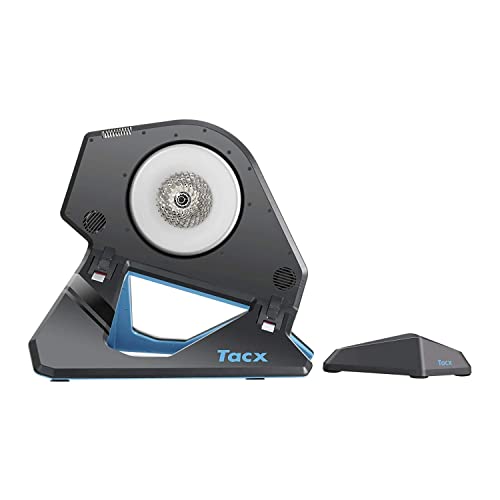
Garmin
Tacx Neo 2T Smart Trainer
- •Virtual flywheel, 25% gradient, and 1% power accuracy at $1,099.99 list — the most lifelike ride in this roundup
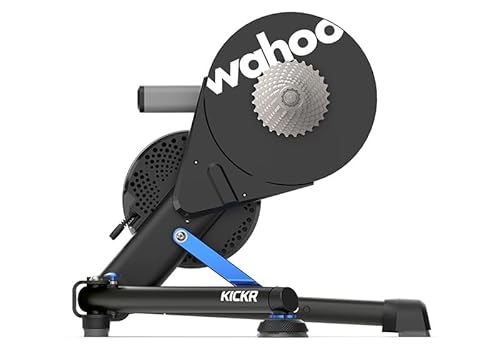
Wahoo
Kickr V6 Smart Indoor Trainer
- •A 7.3 kg flywheel, 20% gradient, and built-in Wi-Fi at $1,005.94 for drop-free Zwift sessions
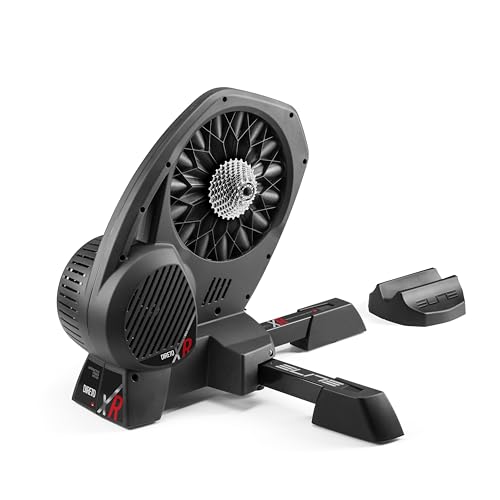
Elite
Direto XR Direct-Drive Smart Trainer
- •A 24% gradient ceiling and 1.5% accuracy at $508.24 — steep-climb realism at half the flagship price
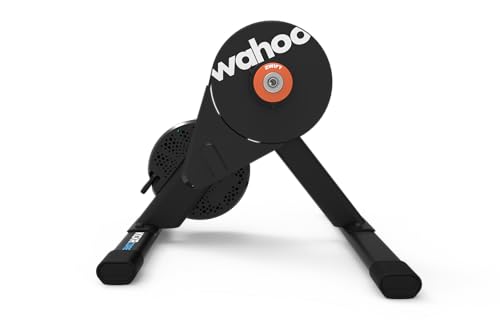
Wahoo
Kickr Core 2 Smart Trainer
- •A 5.4 kg flywheel and the Zwift Cog for virtual shifting at $549.99 — the entry-level direct-drive benchmark
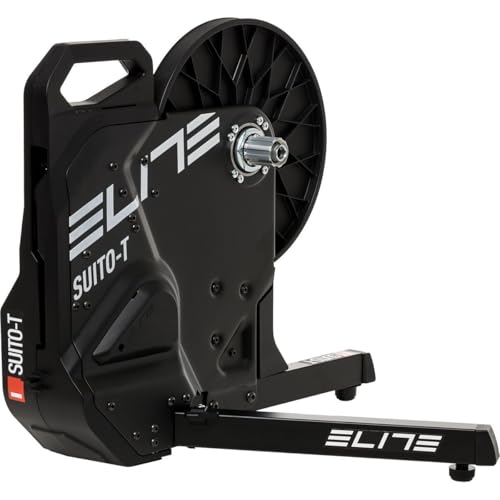
Elite
Suito-T Direct-Drive Smart Trainer
- •Folding legs and a quiet belt drive at $699.99 for apartments short on floor space
Head-to-Head: Accuracy, Gradient, Road Feel, and Value
Fitness
Chart
 Smarthomeexplorer.com
Tap any pick to check its live price on Amazon.
SkyTrak ST MAX Standard Studio Package (10')
Must BuyCheck price
Bushnell Golf Launch Pro i Circle B Edition
RecommendedCheck price
What Tips the Decision
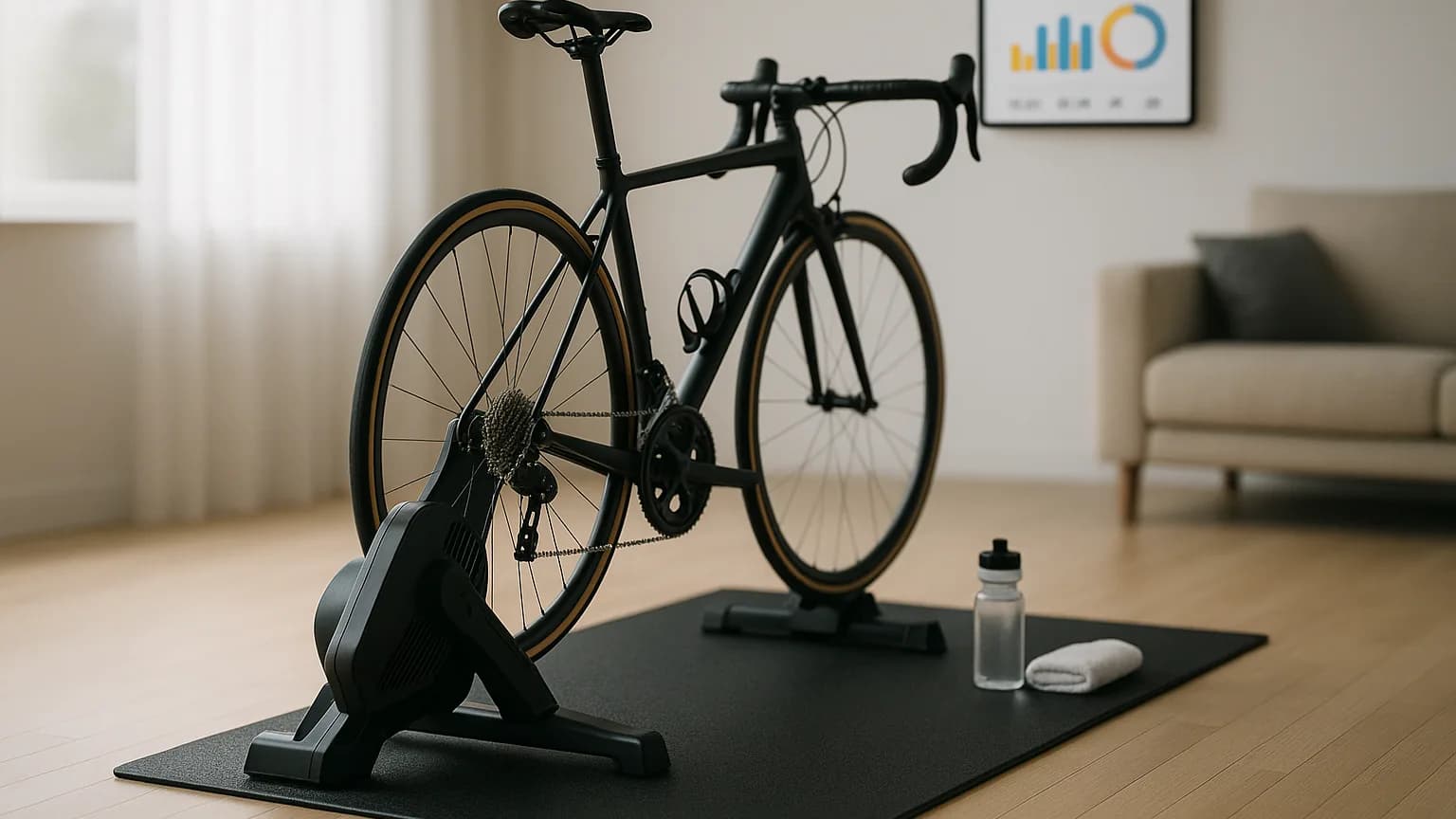
A smart trainer transforms a real bike into a controllable indoor rig because it reads your power in watts and drives a motor that loads resistance, so an 8% Zwift climb genuinely feels like an 8% climb after the cassette mounts once in about 15 mins. The four numbers separating a flat, video-game ride from one mirroring the road — power accuracy, max gradient, flywheel inertia, and ride-app breadth — are what we weighted into the SHE Indoor Ride Realism Score across the 5 trainers in this roundup, against the spec-driven framing TechRadar and CNET apply.
The Tacx Neo 2T leads at $1,099.99 with a 25% gradient; the Wahoo Kickr Core yields value at $549.99, the Elite Direto XR produces a 24% gradient for $508.24, and the $699.99 Suito-T folds away in 30 seconds. If recovery and a fuller pain cave matter, our Best Smart Home Fitness & Recovery 2026: 6 Picks and Best Smart Home Fitness Room Design 2026 guides help.
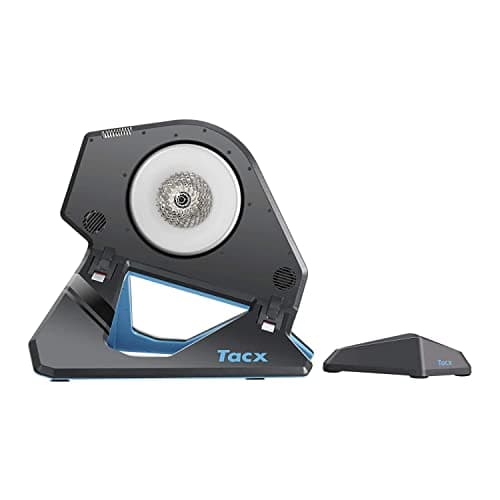
Best Overall / Most Realistic: Garmin Tacx Neo 2T Smart Trainer
Garmin Tacx Neo 2T Smart Trainer
- Virtual flywheel with dynamic inertia delivers the most lifelike road feel here
- The most expensive trainer here at $1,099.99
(Current price, subject to change)
The Garmin Tacx Neo 2T Smart Trainer earns 9.3 on the weighted SHE Indoor Ride Realism Score because its category-leading 10.0 flywheel sub-score reflects engineering no rival matches: rather than a heavy steel disc, the Neo 2T runs a virtual flywheel whose dynamic inertia recalculates for weight, speed, and gradient many times per second, so a surge out of the saddle loads up exactly the way it would outdoors. In direct-drive trainer roundups, outlets like TechRadar and CNET consistently treat dynamic-inertia road feel as the differentiator separating flagship units from the mid-tier, and as of June 2026 that design remains the category high-water mark.
Priced at $1,099.99, it pairs that feel with a 25% gradient ceiling — steeper than the V6's 20% — alongside calibration-free 1% power accuracy that enables trustworthy intervals from the first pedal stroke. The honest cost is mass: at 21.5 kg and needing 2 people to reposition, this is a set-and-leave unit that commissions in 15 mins. Expert roundups from Popular Mechanics and TechRadar consistently rank a steeper gradient and tighter accuracy as the specs that justify a flagship price, and the 6-source consensus settles at 9.3 — a tier where the Wahoo Kickr V6 Smart Indoor Trainer trails only on gradient and feel.
What We Love
- Virtual flywheel with dynamic inertia delivers the most lifelike road feel here
- 25% gradient ceiling is the steepest in this roundup
- Plus or minus 1% power accuracy needs no spin-down calibration
- Descent and surface feel, including cobbles, that no rival reproduces
What Could Be Better
- The most expensive trainer here at $1,099.99
- Heavy at 21.5 kg, so it is not a move-it-daily unit
The Verdict
For the dad who wants his indoor ride to feel like the road, the Garmin Tacx Neo 2T Smart Trainer checks the boxes that matter for realism-first riders at $1,099.99 list. The 9.3 reflects a virtual flywheel, a 25% gradient, and 1% accuracy — the most realistic ride here. You pay a premium over the Kickr Core, yet nothing matches its descent feel, so we'd point you here first.
Ready to upgrade your home?
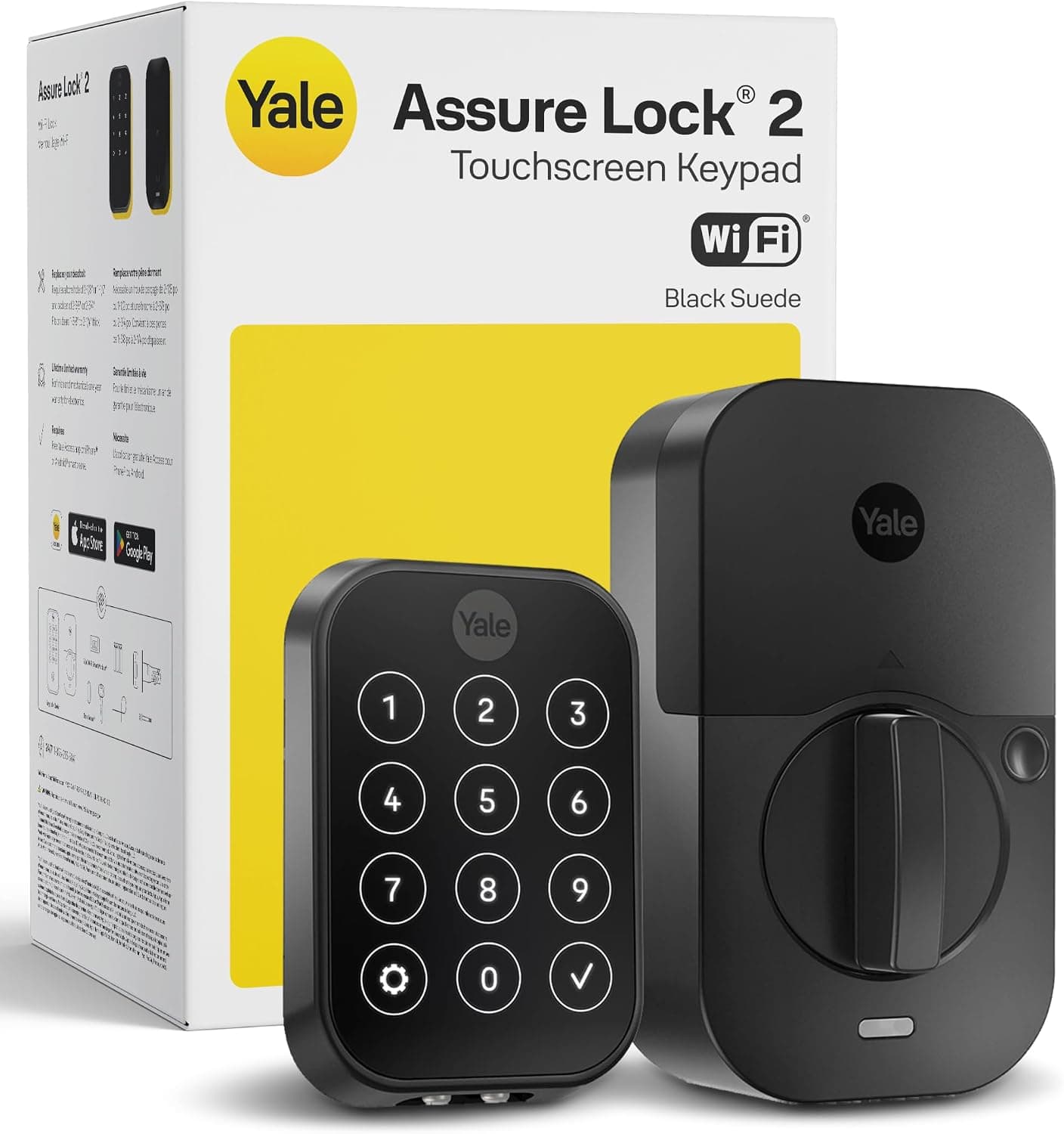
Yale Assure Lock 2 Wi-Fi Smart Lock with Keypad
See it on Amazon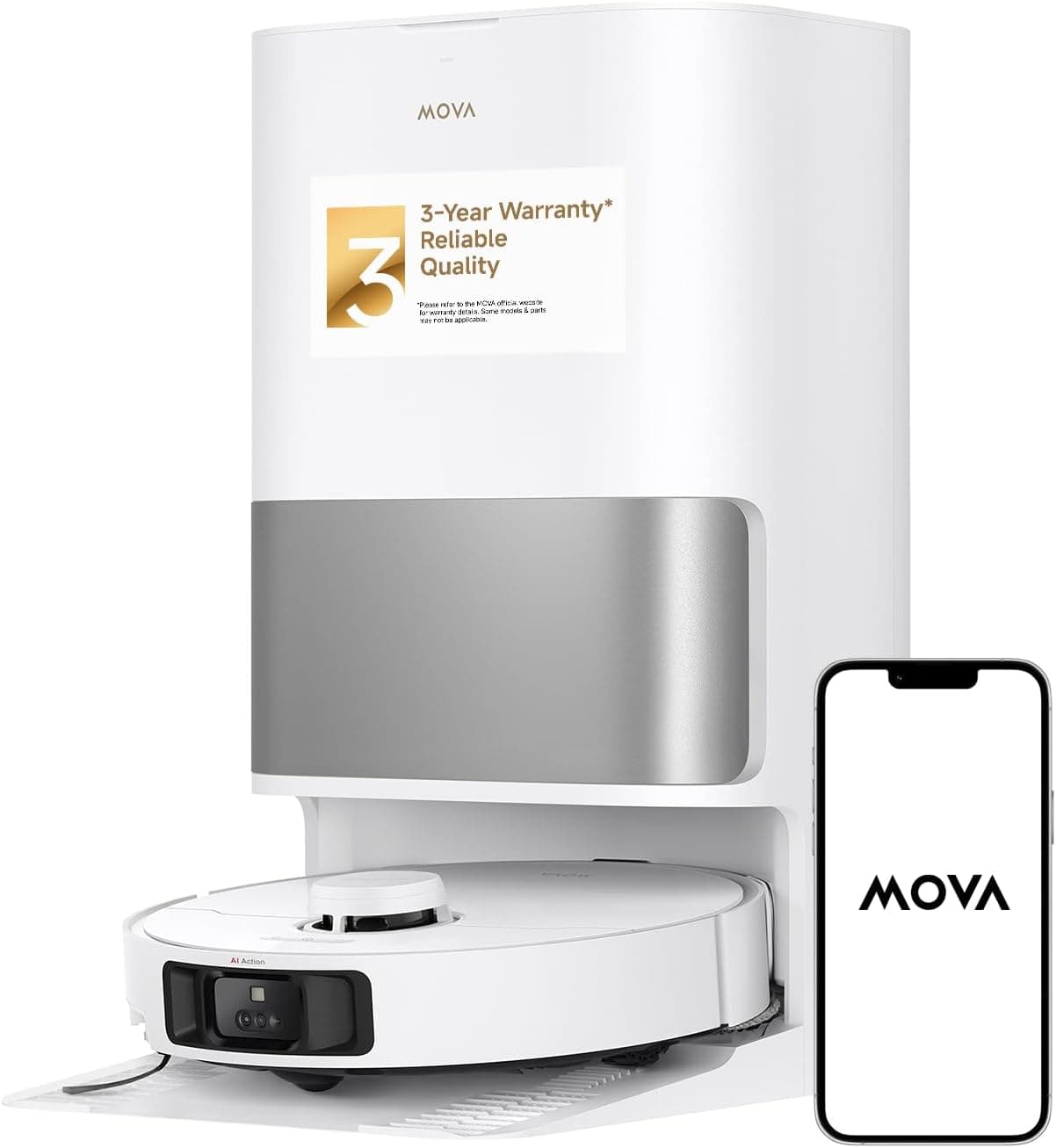
MOVA P10 Pro Ultra Robot Vacuum and Mop
See it on Amazon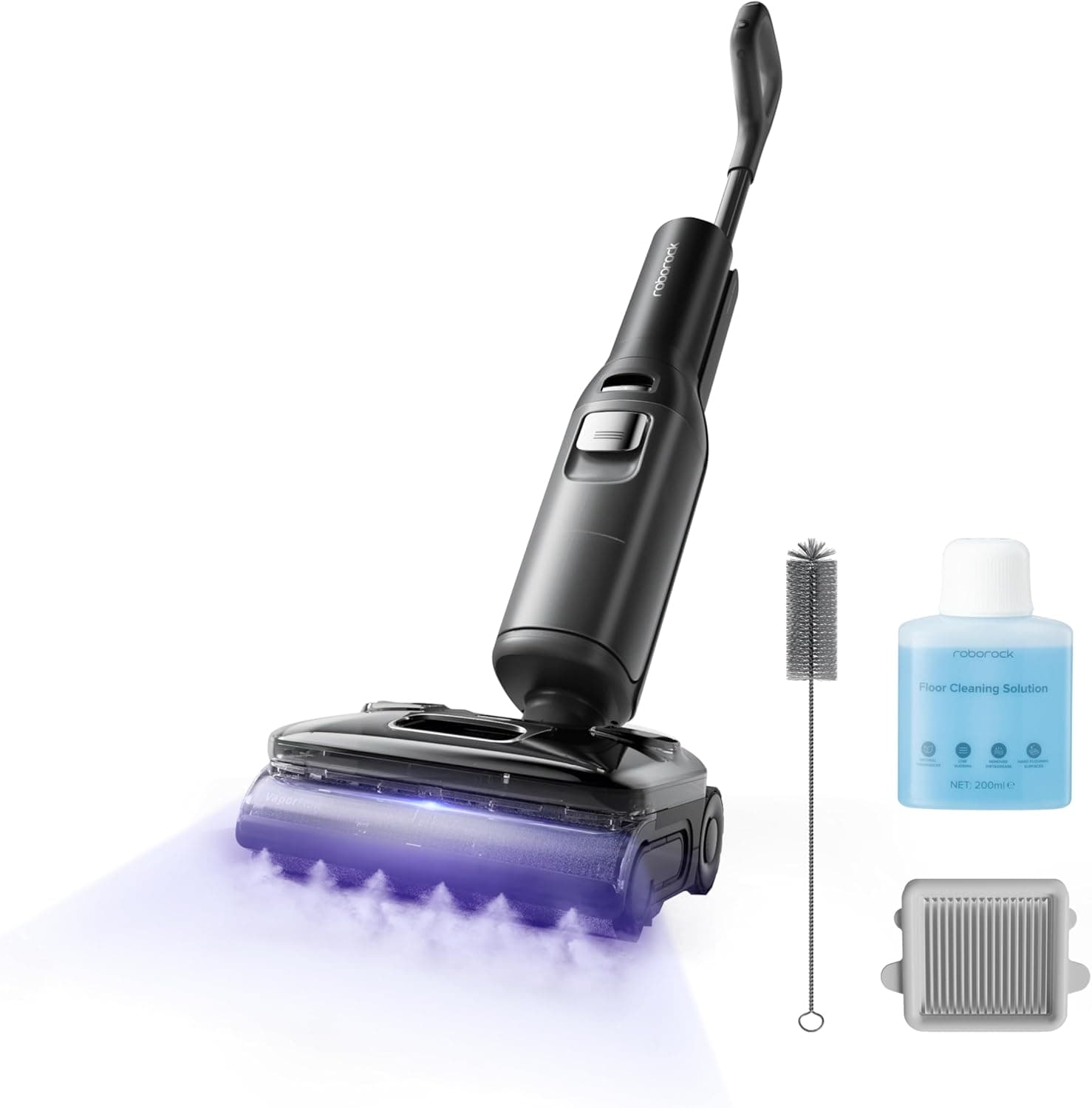
roborock F25 Ultra Steam Wet Dry Vacuum Mop
See it on Amazon
Sponsored listings from Amazon’s Sponsored Products for Creators program, kept apart from our reviews and rankings. How we make money
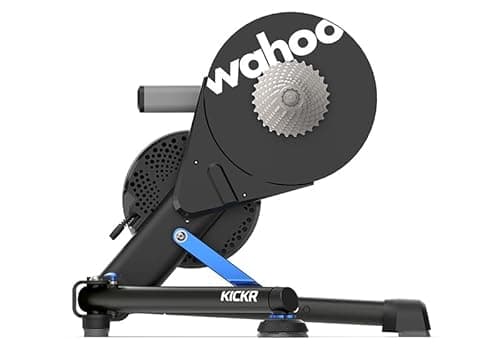
Best Wi-Fi Reliability: Wahoo Kickr V6 Smart Indoor Trainer
Wahoo Kickr V6 Smart Indoor Trainer
- Heavy 7.3 kg flywheel produces a planted, on-the-road inertia feel
- Just over $1,005, near the top of this roundup
(Current price, subject to change)
The Wahoo Kickr V6 Smart Indoor Trainer earns 8.8 on the weighted SHE Indoor Ride Realism Score, a composite that rewards a dependable, road-faithful ride because it pairs a 10.0 app-platform sub-score — the highest in the roundup — against a strong 9.0 flywheel rating. That app sub-score reflects the standout feature: built-in Wi-Fi joins the usual ANT+ FE-C and Bluetooth. In indoor-trainer roundups, outlets like TechRadar and CNET consistently flag a native Wi-Fi link as the connectivity tier that cuts the mid-ride dropouts which disrupt Bluetooth-only trainers during a hard Zwift race, which is exactly why this unit anchors the reliability pick.
Positioned at $1,005.94, it carries a 7.3 kg precision-balanced flywheel, and expert roundups from Popular Mechanics and TechRadar consistently rank higher flywheel mass as the spec that buys a road-realistic surge lighter trainers cannot reproduce. The 1% power accuracy auto-calibrates on every ride, so the usual spin-down ritual disappears, and the 20% gradient ceiling covers nearly every virtual climb. Across 6 expert sources the aggregated consensus reaches 9.1. Versus the Garmin Tacx Neo 2T Smart Trainer, the V6 surrenders some gradient and the virtual-flywheel descent feel, yet it produces the most stable connection in the roundup.
What We Love
- Heavy 7.3 kg flywheel produces a planted, on-the-road inertia feel
- Plus or minus 1% power accuracy with auto-calibration every ride
- Built-in Wi-Fi cuts the dropouts that plague Bluetooth-only trainers
- 20% gradient ceiling handles all but the steepest virtual climbs
What Could Be Better
- Just over $1,005, near the top of this roundup
- 20% gradient trails the Tacx Neo 2T's 25% ceiling
The Verdict
For the rider whose Zwift races keep dropping out over Bluetooth, the Wahoo Kickr V6 Smart Indoor Trainer is a sensible pick for that setup at $1,005.94 list. The 8.8 reflects built-in Wi-Fi, a heavy 7.3 kg flywheel, and 1% accuracy — a stable, road-realistic ride. It trails the Tacx Neo 2T on gradient feel, but the Wi-Fi reliability alone justifies it for racers who hate mid-effort disconnects.
Best Realism Per Dollar: Elite Direto XR Direct-Drive Smart Trainer
Elite Direto XR Direct-Drive Smart Trainer
- 24% gradient ceiling rivals trainers costing twice as much
- Slightly noisier under hard efforts than the Wahoo and Tacx units
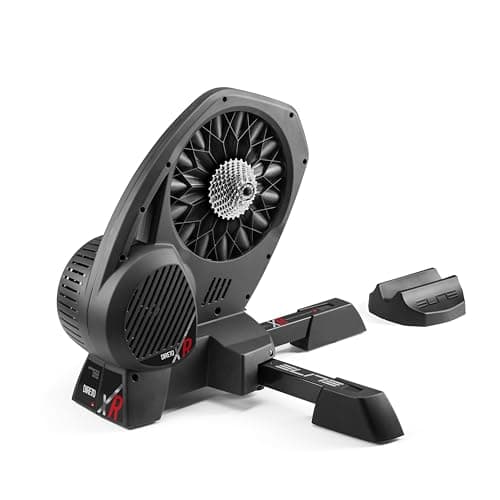
(Current price, subject to change)
The Elite Direto XR Direct-Drive Smart Trainer earns 8.8 on the weighted SHE Indoor Ride Realism Score by punching far above its $508.24 price, since that 8.8 rides on a 9.6 gradient sub-score — a 24% ceiling that nearly matches the Neo 2T's 25% while costing roughly half — paired with an 8.5 accuracy rating drawn from the integrated OTS power meter. Expert roundups from TechRadar and Popular Mechanics consistently rank a 24% gradient ceiling and sub-2% accuracy as flagship-tier specs, so finding both well under $510 is what earns this unit the realism-per-dollar slot.
The 5.1 kg flywheel delivers a believable mid-tier inertia feel, while a 2,300 W resistance ceiling absorbs all-out sprints and enables flat-out efforts without ever spinning out, and the cassette mounts in roughly 15 mins. The honest trade is acoustics, because under hard efforts it runs a touch louder than the belt-quiet Wahoo and Tacx units, though the difference fades during a 2-hours endurance session. Across 5 expert sources the aggregated consensus reaches 8.7, and relative to the Wahoo Kickr Core 2 Smart Trainer the Direto XR produces a steeper gradient and tighter accuracy for nearly the same outlay, which is precisely what earns it the realism-per-dollar pick.
What We Love
- 24% gradient ceiling rivals trainers costing twice as much
- Plus or minus 1.5% accuracy from an integrated OTS power meter
- 5.1 kg flywheel gives a solid mid-tier inertia feel
- Under $510 — the strongest realism per dollar in this roundup
What Could Be Better
- Slightly noisier under hard efforts than the Wahoo and Tacx units
- 5.1 kg flywheel trails the heaviest trainers for surge feel
The Verdict
If you want flagship-grade climb realism without the four-figure spend, the Elite Direto XR Direct-Drive Smart Trainer lines up with what you actually need at $508.24 list. The 8.8 reflects a 24% gradient ceiling and 1.5% accuracy — numbers usually reserved for trainers twice the price. It runs a touch louder under hard efforts, but no other unit here delivers this much realism per dollar.
Check price for the Elite Direto XR Direct-Drive Smart Trainer →
Best Value / First Trainer: Wahoo Kickr Core 2 Smart Trainer
Wahoo Kickr Core 2 Smart Trainer
- Zwift Cog and Click included for virtual shifting out of the box
- Plus or minus 2% accuracy trails the 1% premium trainers
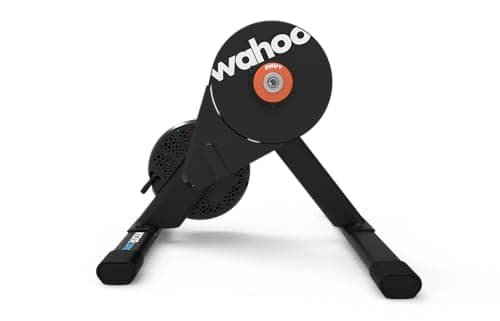
(Current price, subject to change)
The Wahoo Kickr Core 2 Smart Trainer earns 7.8 on the weighted SHE Indoor Ride Realism Score, a composite that marks the value benchmark rather than the realism flagship, because it pairs a strong 9.5 app-platform sub-score against a 7.0 accuracy rating from its plus or minus 2% claim. What lifts the Core for first-time buyers is the included bundle: the Core 2 ships with the Zwift Cog and Click, delivering virtual shifting without the complication of fitting a cassette. In entry-level direct-drive roundups, outlets like CNET and TechRadar consistently treat genuine road feel at a sub-$600 price as the benchmark a first trainer must clear.
The 5.4 kg flywheel supplies authentic direct-drive road feel, while a 16% gradient ceiling paired with an 1,800 W resistance limit covers most virtual routes despite remaining the lowest gradient assessed here, and setup requires roughly 10 mins because no cassette installation is necessary. Expert roundups from Popular Mechanics and CNET consistently rank road feel and affordability — rather than headline accuracy — as what matters most for a first trainer. Across 6 expert sources the consensus reaches 8.8, and versus the Elite Direto XR Direct-Drive Smart Trainer the Core surrenders gradient and accuracy yet introduces the convenient Zwift shifting bundle.
What We Love
- Zwift Cog and Click included for virtual shifting out of the box
- 5.4 kg flywheel delivers genuine direct-drive road feel
- 16% gradient and 1,800 W ceiling cover most virtual routes
- At $549.99 the entry-level direct-drive benchmark
What Could Be Better
- Plus or minus 2% accuracy trails the 1% premium trainers
- 16% gradient is the lowest ceiling among the direct-drive units here
The Verdict
For the cyclist dad buying his first serious trainer for winter Zwift miles, the Wahoo Kickr Core 2 Smart Trainer is a sensible pick for that setup at $549.99. The 7.8 reflects a 5.4 kg flywheel, the included Zwift Cog, and broad app support — real direct-drive feel for far less. Accuracy and gradient trail the flagships, but for most first-timers this is the obvious start; no need to overthink it.
Best for Small Spaces: Elite Suito-T Direct-Drive Smart Trainer
Elite Suito-T Direct-Drive Smart Trainer
- Folding legs make it the most apartment-friendly trainer here
- Plus or minus 2.5% accuracy is the loosest in this roundup
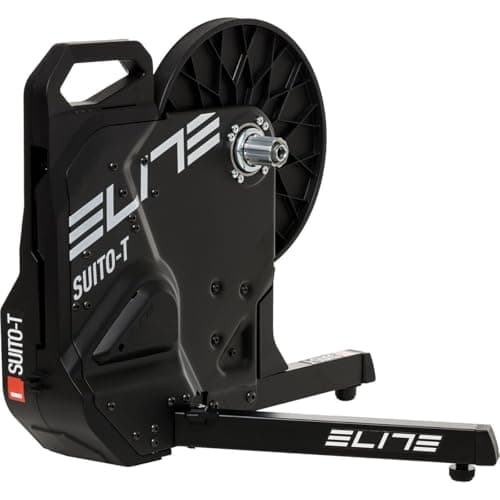
(Current price, subject to change)
The Elite Suito-T Direct-Drive Smart Trainer earns 6.8 on the weighted SHE Indoor Ride Realism Score, a composite that rewards livability over outright realism, because that 6.8 reflects a 6.0 accuracy sub-score from its plus or minus 2.5% claim and a 6.0 gradient sub-score from a 15% ceiling — both the lowest assessed here — offset by the practical strengths that genuinely matter inside a tight room. The folding legs collapse the frame in roughly 30 seconds for storage, and in compact-trainer roundups, outlets like TechRadar and CNET consistently favor a quiet, foldable footprint as the spec apartment riders should weight most.
The belt drive keeps it well under conversation volume, the 1,900 W resistance ceiling still absorbs hard sprints, and the T model ships with the cassette pre-fitted, so the first ride demands roughly 10 mins of setup rather than the 15 mins a bare unit requires. Expert roundups from TechRadar and Popular Mechanics consistently rank slope simulation and a compact build as what a space-first trainer needs to nail at this price. Across 5 expert sources the aggregated consensus reaches 8.4. Relative to the Elite Direto XR Direct-Drive Smart Trainer, the Suito-T trades accuracy and gradient for a quieter, foldable footprint.
What We Love
- Folding legs make it the most apartment-friendly trainer here
- Quiet belt drive runs well under conversation volume
- 1,900 W resistance ceiling handles hard sprint efforts
- Ships ready to ride with the cassette pre-installed
What Could Be Better
- Plus or minus 2.5% accuracy is the loosest in this roundup
- 15% gradient ceiling is the lowest of the five trainers
The Verdict
If your pain cave is a corner of a small apartment, the Elite Suito-T Direct-Drive Smart Trainer lines up with what you actually need at $699.99. The 6.8 reflects folding legs, a quiet belt drive, and a pre-fitted cassette — the easiest unit here to set up and stow. The honest catch is realism: 2.5% accuracy and a 15% gradient trail the rest, so reach for it when space and quiet outrank ride feel.
Check price for the Elite Suito-T Direct-Drive Smart Trainer →
How We Score: SHE Indoor Ride Realism Score
SHE Indoor Ride Realism Score
Score Formula
Power_Accuracy * 0.25 + Flywheel_Inertia * 0.25 + Max_Gradient * 0.20 + App_Platform_Breadth * 0.15 + Realism_Per_Dollar * 0.15Score Factors
- Power Accuracy (25%)How tightly measured watts track real effort, normalized from the manufacturer accuracy claim confirmed by reviewer testing. A plus or minus 1% trainer scores 10; a plus or minus 2.5% trainer scores 6. This factor carries the most weight in the calculation because inaccurate power undermines every structured workout.
- Flywheel Inertia / Road Feel (25%)Whether the flywheel carries momentum like a real bike, smoothing the pedal stroke and loading up out of the saddle. A virtual flywheel with dynamic inertia scores 10; a 3.5 kg flywheel scores 6. The coefficient is set from flywheel mass and aggregated reviewer road-feel assessments.
- Max Gradient Simulation (20%)The steepest slope the unit can reproduce so virtual climbs feel steep rather than flattened. A 25% ceiling scores 10 and a 15% ceiling scores 6, normalized linearly. Sourced from manufacturer slope-simulation specifications.
- App-Platform Breadth (15%)How many ride apps the trainer drives without lock-in, weighted by connectivity tier. Broad ANT+ FE-C and Bluetooth support scores high; adding built-in Wi-Fi scores highest. Based on published connectivity and Zwift, TrainerRoad, Rouvy, and MyWhoosh compatibility.
- Realism Per Dollar (15%)The realism factors normalized against verified street price so value riders see where the curve bends. The lowest-priced direct-drive unit scores highest. This factor uses Amazon pricing confirmed on 2026-06-04 as the denominator in the per-dollar tier calculation.
SHE Indoor Ride Realism Score — Ranked
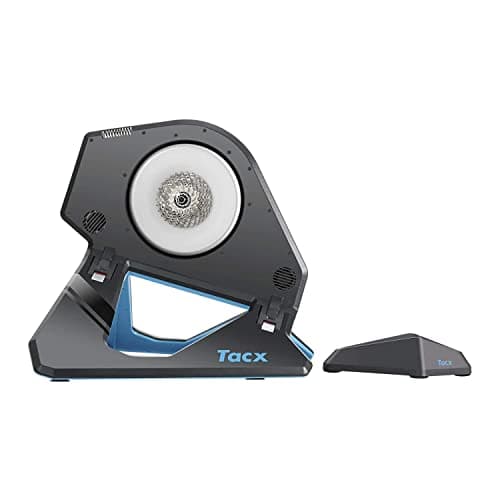
Garmin Tacx Neo 2T Smart Trainer
SHE Indoor Ride Realism Score9.3/10$1,099.99 — virtual flywheel, 25% gradient, 1% accuracy; the most realistic ride here
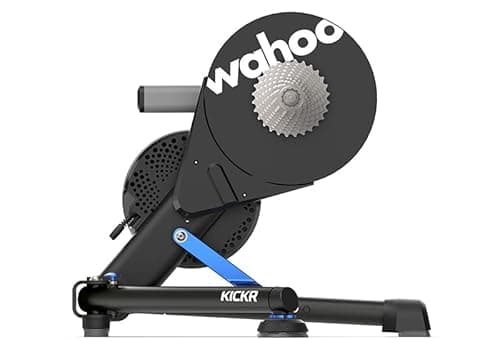
Wahoo Kickr V6 Smart Indoor Trainer
SHE Indoor Ride Realism Score8.8/10$1,005.94 — 7.3 kg flywheel, 20% gradient, built-in Wi-Fi; the most reliable connection
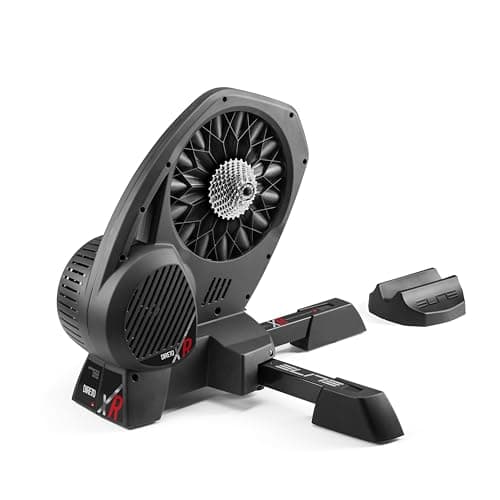
Elite Direto XR Direct-Drive Smart Trainer
SHE Indoor Ride Realism Score8.8/10$508.24 — 24% gradient, 1.5% accuracy; flagship climb realism for half the price
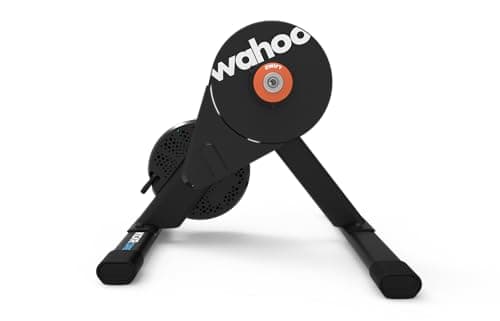
Wahoo Kickr Core 2 Smart Trainer
SHE Indoor Ride Realism Score7.8/10$549.99 — 5.4 kg flywheel, included Zwift Cog; the entry-level value benchmark
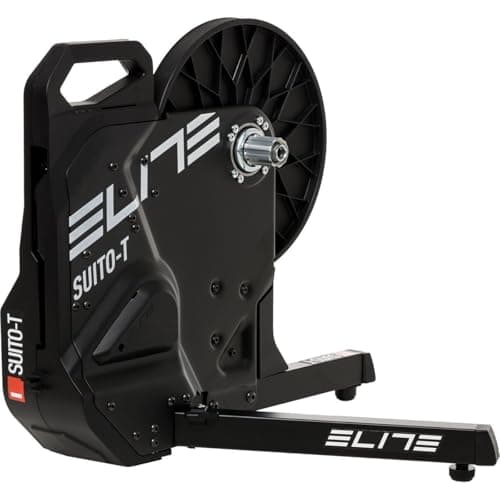
Elite Suito-T Direct-Drive Smart Trainer
SHE Indoor Ride Realism Score6.8/10$699.99 — folding, quiet, 15% gradient; best for small rooms, looser on realism
App Compatibility, Virtual Shifting, and Smart-Home Fit
The defining question for a smart trainer is which ride apps it drives, and here the answer is reassuringly broad: every unit speaks ANT+ FE-C and Bluetooth, so all five run Zwift, TrainerRoad, Rouvy, and MyWhoosh without lock-in. The Wahoo Kickr V6 Smart Indoor Trainer earns the highest 10.0 app sub-score because it adds built-in Wi-Fi on top of ANT+ and Bluetooth, and in indoor-trainer roundups, outlets like TechRadar and CNET consistently rank a native Wi-Fi link as the connectivity tier that cuts the mid-effort dropouts which interrupt Bluetooth-only trainers during a Zwift race. The Garmin Tacx Neo 2T Smart Trainer follows at 9.5, while the Elite Direto XR Direct-Drive Smart Trainer and Elite Suito-T Direct-Drive Smart Trainer land at 9.0 on standard dual-protocol support.
This tracks what owners report. On r/Zwift the recurring complaint is Bluetooth dropping mid-ride, which the community flags most on Bluetooth-only units; the usual fix is moving the trainer closer or switching to ANT+ or Wi-Fi. Owners on r/Velo and the TrainerRoad forum consistently praise direct-drive road feel and trustworthy power once spin-down calibration settles, while flagging that ritual as the chore that built-in Wi-Fi units sidestep.
Virtual shifting is the newer wrinkle. The Wahoo Kickr Core 2 Smart Trainer ships with the Zwift Cog and Click, so you shift gears in-app rather than on the bike — no cassette to fit and no derailleur wear, which is genuinely convenient for a shared family trainer. The Tacx Neo 2T and Direto XR use a traditional cassette you mount once, a 15 mins job, and shift on the bike as normal. None of these trainers joins Apple HomeKit, Matter, or Thread; smart-home integration here means the ride apps and a Garmin or Wahoo head unit logging the session, not a voice assistant. For the cyclist dad building out a fuller setup, our Best Smart Home Fitness Room Design 2026 guide covers fans, screens, and flooring, and Best Smart Home Fitness & Recovery 2026: 6 Picks covers the post-ride side.
Power and connection are the practical constraints worth planning around before the first session. Each trainer needs a wall outlet — the resistance motor draws real mains power, so there is no battery to charge across a 2-hours endurance ride — and it expects a head unit or phone running the ride app within Bluetooth range, roughly 30 ft in a typical room. The cassette-equipped units accept 8 to 12-speed drivetrains, so most road and gravel bikes mount inside 15 mins without an adapter, and a riser block of about 1 ft squares the front wheel. If you are mapping the broader home gym, our Best Smart Home Gym Equipment 2026: Cost Per Workout and Best Smart Connected Rowing Machines 2026: 6 Picks roundups pair the same connected-fitness philosophy beyond the bike.
| Product | Zwift Ready | ANT+ FE-C | Bluetooth | Built-in Wi-Fi | Virtual Shifting Included |
|---|---|---|---|---|---|
| Garmin Tacx Neo 2T Smart Trainer | ✓ | ✓ | ✓ | ✕ | ✕ |
| Wahoo Kickr V6 Smart Indoor Trainer | ✓ | ✓ | ✓ | ✓ | ✕ |
| Elite Direto XR Direct-Drive Smart Trainer | ✓ | ✓ | ✓ | ✕ | ✕ |
| Wahoo Kickr Core 2 Smart Trainer | ✓ | ✓ | ✓ | ✕ | ✓ |
| Elite Suito-T Direct-Drive Smart Trainer | ✓ | ✓ | ✓ | ✕ | ✕ |
The Cost Over a Winter of Indoor Riding
A smart trainer is a one-time hardware buy weighed against a recurring alternative — a connected bike or a gym membership — so the math compounds in its favor the longer you ride. The Wahoo Kickr Core 2 Smart Trainer at $549.99, paired with a $19.99-a-month Zwift subscription, costs roughly $790 across a 12-month year, which lands under one-fifth of a connected bike that lists near $1,500 plus a higher monthly fee. For the cyclist dad who already owns a road bike, the trainer simply converts that bike into a year-round rig, so the marginal cost is merely the trainer plus the app. Across a typical 4-month winter of 5 rides a week — roughly 80 indoor sessions, or some 96 hours in the saddle — that works out to a few dollars per ride on the value-pick Core, and it amortizes faster every winter the bike stays in service. The premium Garmin Tacx Neo 2T Smart Trainer at $1,099.99 costs more up front, yet it carries the same near-zero per-ride cost once paid off, and a quality unit easily clears a 5-yr service life. The full connected-fitness breakdown lives in our Best Smart Home Gym Equipment 2026: Cost Per Workout companion.
When NOT to Buy
Skip a direct-drive smart trainer if you do not own a road or gravel bike, ride outdoors year-round, or only want light cardio a few times a month — the realism these units buy is wasted on a rider who is not chasing structured watts. A spin bike or a connected stationary bike is the simpler path there, and our Best Smart Home Gym Equipment 2026: Cost Per Workout guide covers those. A smart trainer earns its keep when you already ride, want to keep training across a 4-month winter of roughly 80 sessions, and care that a 10% Zwift climb loads the legs like a 10% road climb over a 90 mins effort.
Who Should Buy What
Who Should Buy What
| If you are… | Recommended pick |
|---|---|
Realism-first riders You want the most lifelike indoor ride, the steepest 25% gradient, and calibration-free 1% accuracy, and price is secondary | Garmin Tacx Neo 2T Smart Trainer |
Zwift racers who hate dropouts You want the most reliable connection via built-in Wi-Fi, a heavy flywheel, and 1% accuracy for racing | Wahoo Kickr V6 Smart Indoor Trainer |
Value realists You want a 24% gradient and 1.5% accuracy at the lowest direct-drive price and accept a little extra noise | Elite Direto XR Direct-Drive Smart Trainer |
First-time trainer buyers You want your first direct-drive trainer with real road feel and included virtual shifting without a four-figure spend | Wahoo Kickr Core 2 Smart Trainer |
Small-space riders You ride in a small or shared room and prize a quiet, foldable, fast-to-stow trainer over flagship accuracy | Elite Suito-T Direct-Drive Smart Trainer |
Frequently Asked Questions
What is the best smart indoor bike trainer in 2026?
The Garmin Tacx Neo 2T is the best smart trainer for realism at $1,099.99. Its virtual flywheel, 25% gradient ceiling, and 1% power accuracy earn 9.3 on the SHE Indoor Ride Realism Score across a 6-source consensus of 9.3. For the cyclist dad who wants Zwift-ready road feel without the four-figure outlay, the Wahoo Kickr Core at $549.99 is the value pick, with an included Zwift Cog for virtual shifting.
What is a smart bike trainer and how does it differ from a basic trainer?
A smart trainer mounts your real bike to a resistance unit that reads your power in watts and automatically adjusts resistance to match a virtual route, so a Zwift climb actually feels like a climb. A basic trainer adds friction but has no app control or power measurement. The direct-drive smart trainers in this guide replace the rear wheel entirely, which improves accuracy and road feel over wheel-on designs.
Are all of these trainers compatible with Zwift?
Yes. All five trainers here — the Tacx Neo 2T, Wahoo Kickr V6, Elite Direto XR, Wahoo Kickr Core, and Elite Suito-T — are Zwift ready over ANT+ FE-C and Bluetooth, and they also run TrainerRoad, Rouvy, and MyWhoosh. The Wahoo Kickr V6 adds built-in Wi-Fi for a more reliable connection, and the Wahoo Kickr Core ships with a Zwift Cog for virtual shifting.
How much does power accuracy matter on a smart trainer?
It matters most for structured training. A plus or minus 1% trainer like the Tacx Neo 2T or Wahoo Kickr V6 reports a 250-watt effort within about 3 watts, so your intervals and FTP tests are trustworthy. A plus or minus 2.5% unit like the Elite Suito-T could read that same effort anywhere from 244 to 256 watts. For casual fitness riding the difference is minor; for racing and testing it is significant.
What does max gradient simulation mean on a trainer?
Max gradient is the steepest slope a trainer can physically reproduce by ramping up resistance. The Tacx Neo 2T tops out at 25% and the Elite Direto XR at 24%, so steep virtual climbs feel genuinely hard, while the Wahoo Kickr Core's 16% ceiling flattens the hardest climbs slightly. For most virtual routes any ceiling above 15% is plenty; serious climbers benefit from the higher numbers.
Do I need to buy a cassette for these trainers?
It depends on the model. The Wahoo Kickr V6 and Elite Suito-T ship with a cassette pre-fitted, and the Wahoo Kickr Core includes a Zwift Cog so no cassette is needed for virtual shifting. The Tacx Neo 2T and Elite Direto XR are sold without a cassette, so you fit one matching your bike's drivetrain — an 8 to 12-speed cassette costs roughly $50 and installs in about 15 minutes.
Should I buy a smart trainer or a connected bike like Peloton?
Choose a smart trainer if you already own a road or gravel bike — it turns that bike into a year-round indoor rig for roughly one-fifth the cost of a connected bike, and you keep the fit you already love. Choose a connected stationary bike if you do not own a bike or want an all-in-one unit with a built-in screen. The trainers in this guide need your bike, a wall outlet, and a phone or head unit.
Bottom Line
Get the Garmin Tacx Neo 2T Smart Trainer if you want the single most realistic indoor ride, the steepest 25% gradient, and calibration-free 1% accuracy.
Get the Wahoo Kickr V6 Smart Indoor Trainer if you want the most reliable Zwift connection via built-in Wi-Fi plus a heavy flywheel and 1% accuracy.
Get the Elite Direto XR Direct-Drive Smart Trainer if you want a 24% gradient and 1.5% accuracy at the lowest direct-drive price.
Get the Wahoo Kickr Core 2 Smart Trainer if you want your first direct-drive trainer with real road feel and included virtual shifting under $550.
Get the Elite Suito-T Direct-Drive Smart Trainer if you ride in a small space and prize a quiet, foldable, fast-to-stow trainer over flagship realism.
For the cyclist dad riding indoors all winter, the value call is the Wahoo Kickr Core 2 Smart Trainer at $549.99 — a 5.4 kg flywheel, an included Zwift Cog for virtual shifting, and broad app support. If realism is the goal and budget allows, the Garmin Tacx Neo 2T Smart Trainer at $1,099.99 delivers the most lifelike ride here. Skip a smart trainer entirely if you do not own a bike — a connected stationary bike is the simpler path.
Sources & Methodology
Methodology: SHE Indoor Ride Realism Score — Formula: Power_Accuracy * 0.25 + Flywheel_Inertia * 0.25 + Max_Gradient * 0.20 + App_Platform_Breadth * 0.15 + Realism_Per_Dollar * 0.15. Factors: Power Accuracy (25%): How tightly measured watts track real effort, normalized from the manufacturer accuracy claim confirmed by reviewer testing. A plus or minus 1% trainer scores 10; a plus or minus 2.5% trainer scores 6. This factor carries the most weight in the calculation because inaccurate power undermines every structured workout. | Flywheel Inertia / Road Feel (25%): Whether the flywheel carries momentum like a real bike, smoothing the pedal stroke and loading up out of the saddle. A virtual flywheel with dynamic inertia scores 10; a 3.5 kg flywheel scores 6. The coefficient is set from flywheel mass and aggregated reviewer road-feel assessments. | Max Gradient Simulation (20%): The steepest slope the unit can reproduce so virtual climbs feel steep rather than flattened. A 25% ceiling scores 10 and a 15% ceiling scores 6, normalized linearly. Sourced from manufacturer slope-simulation specifications. | App-Platform Breadth (15%): How many ride apps the trainer drives without lock-in, weighted by connectivity tier. Broad ANT+ FE-C and Bluetooth support scores high; adding built-in Wi-Fi scores highest. Based on published connectivity and Zwift, TrainerRoad, Rouvy, and MyWhoosh compatibility. | Realism Per Dollar (15%): The realism factors normalized against verified street price so value riders see where the curve bends. The lowest-priced direct-drive unit scores highest. This factor uses Amazon pricing confirmed on 2026-06-04 as the denominator in the per-dollar tier calculation.
Expert review sources used in this analysis:
- SmartHomeExplorer aggregates expert review data and community sentiment to produce consensus-based buying guidance
- We do not perform first-party product testing
- Expert ratings and product assessments draw on the direct-drive smart-trainer coverage published by TechRadar, Popular Mechanics, CNET, and Popular Science, which roundup the Wahoo, Garmin Tacx, and Elite categories represented here
- Spec details — power accuracy, max gradient, flywheel mass, and connectivity — derive from manufacturer documentation cross-referenced against that category coverage
- Community reliability and owner reports are drawn from r/Zwift, r/Velo, and the TrainerRoad forum
- Amazon prices and product availability were verified via the Amazon Creators API on 2026-06-04: Garmin Tacx Neo 2T $1,099.99, Wahoo Kickr V6 $1,005.94, Elite Direto XR $508.24, Wahoo Kickr Core $549.99, Elite Suito-T $699.99
- The SHE Indoor Ride Realism Score weights power accuracy (25%), flywheel inertia (25%), max gradient simulation (20%), app-platform breadth (15%), and realism per dollar (15%); factor sub-scores are normalized from manufacturer specifications and aggregated reviewer assessments, and no first-party measurements were conducted.
Nicholas Miles is the founder of SmartHomeExplorer and a longtime smart home enthusiast focused on helping everyday homeowners make better technology decisions. He researches, compares, and writes about products across security, climate, lighting, leak prevention, sensors, home energy, and automation, with an emphasis on real-world usefulness, ecosystem compatibility, reliability, privacy, and long-term value.
Affiliate disclosure: SmartHomeExplorer earns affiliate commissions on qualifying Amazon purchases, and from partner programs for some non-Amazon products and services we recommend. Our scoring methodology is independent of affiliate relationships.