
Best Smart Air Quality Monitors 2026: 5 Ranked
The right monitor isn't the one with the most sensors — it's the one that can trigger your purifier, fan, or vent within mins. For mixed homes, the SONOFF AirGuard CO2 is the pick at roughly 8x less per room than premium rivals.
This article contains affiliate links. We may earn a commission at no extra cost to you. Prices change frequently — check the current price on Amazon before buying. Learn more
The Short Answer
For most mixed-ecosystem homes, the Matter-certified SONOFF AirGuard CO2 is the pick because it automates across every platform without bridge logic; Apple-first buyers should choose Qingping, Echo households the Amazon monitor, data-driven owners the Airthings View Plus, and budget multi-room coverage the GoveeLife.
Featured in this Guide
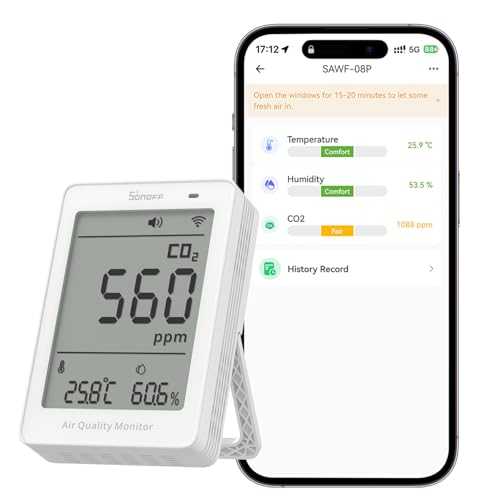
SONOFF
AirGuard CO2
- •When Apple, Alexa, and Google all coexist, this is the one monitor that triggers automations on every platform, with a 3/10 setup you finish in 5 mins.
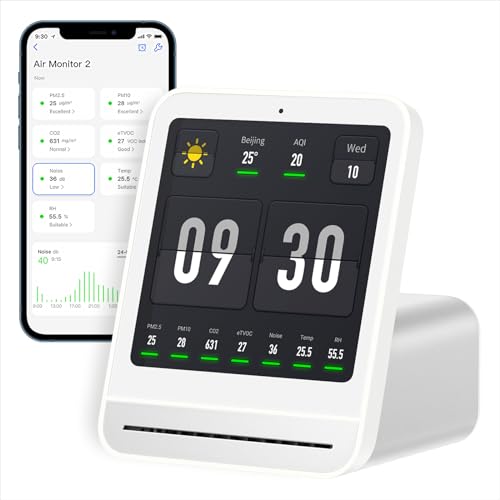
Qingping
Air Quality Monitor Gen 2
- •If your backbone is HomePod mini and Apple TV 4K, this exposes enough real triggers to build natural HomeKit scenes instead of a pretty desk display.
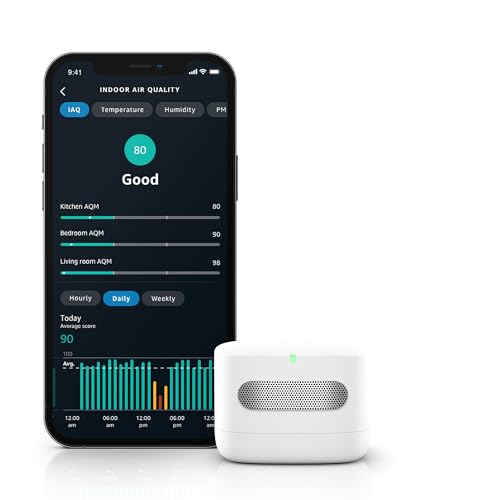
Amazon
Smart Air Quality Monitor
- •For an Echo-heavy home, this drops in with almost zero friction — purifier routines and spoken air alerts work the moment you plug it in.
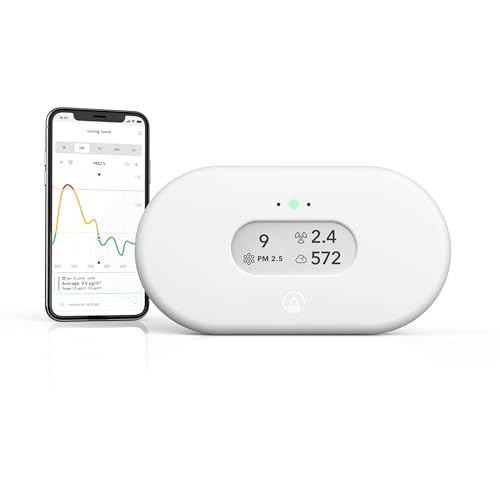
Airthings
View Plus
- •If you want proof your automations actually fixed the air — radon, trend logs, room-to-room context — this is the truth source the others can't match.
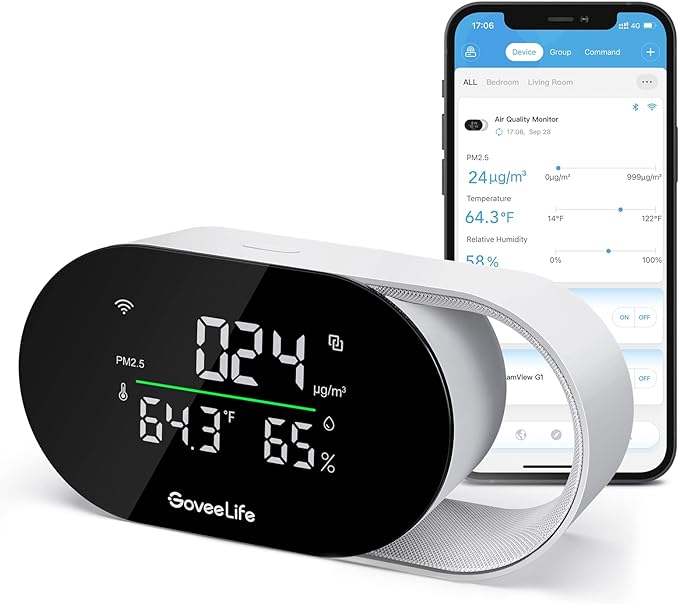
Govee
GoveeLife Smart Air Quality Monitor
- •When smoke or allergy season hits each room differently, this is cheap enough to put PM2.5 alerting in several rooms for the price of one premium unit.
How These Monitors Compare on Automation
Sensors
Chart
 Smarthomeexplorer.com
Tap any pick to check its live price on Amazon.
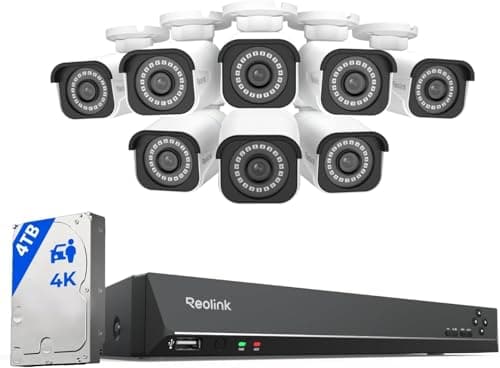
Reolink RLK16-800B8 4K 16-Channel PoE NVR System (8-Camera)
RecommendedCheck price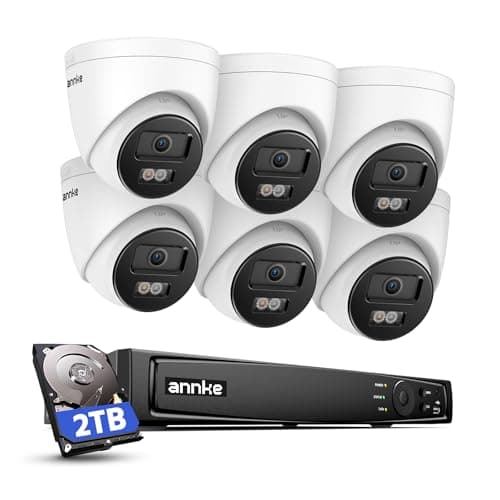
ANNKE 4K PoE NVR Security Camera System (6-Camera)
RecommendedCheck price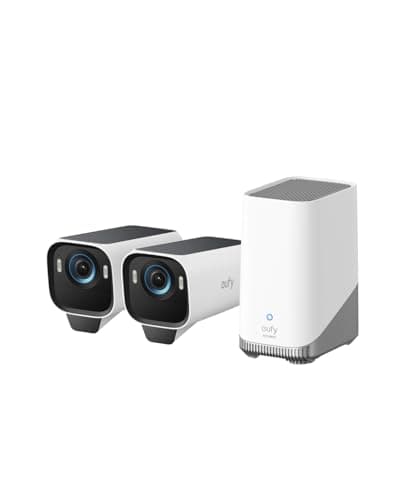
eufyCam S3 Pro 2-Cam Kit (Solar, 4K)
Must BuyCheck price
Automation Usefulness Beats Sensor Count
The decisive question is not which model has the most sensors, but which monitor does real work after a PM2.5 spike, a stale bedroom where carbon dioxide climbs 40% overnight, or humidity that should run a bathroom fan longer. As of June 2026, that lens reorders the field, because a monitor that shows pretty readings yet cannot orchestrate automations is an expensive thermometer with Wi-Fi. The five monitors in this guide span roughly 8x in price, so the pick depends on automation fit, not specs.
Our SHE Automation Readiness Score, a weighted composite calibrated against PCMag, TechRadar, CNET, and Reviewed consensus, weights Ecosystem Reach at 35% and Trigger Breadth at 30%. The cheapest Matter pick installs in about 5 mins at 8x less than the priciest logger. Start with our indoor air quality monitors guide; for sensor context, see our smart sensors guide.
Best for Matter Homes: SONOFF AirGuard CO2
SONOFF AirGuard CO2
- Matter support that keeps your options open across Apple Home, Alexa, Google Home, SmartThings, and Home Assistant
- The eWeLink app is serviceable but less polished than Qingping's or Airthings' software
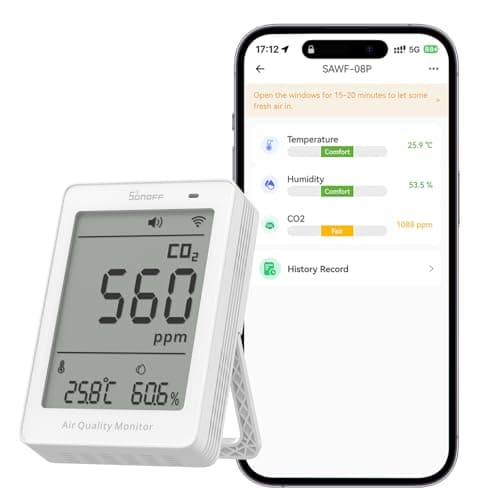
(Current price, subject to change)
When your household juggles an iPhone, an Echo, a Google speaker, and a Home Assistant box, the hard part is not reading the air but threading that reading into automations without crowning one ecosystem the winner. The SONOFF AirGuard CO2 is the least painful path here, and Matter is exactly why it earns a place. Its sensor package is narrower than the Airthings, yet the job it performs is sharper, because most ventilation automations need only CO2, PM2.5, and humidity feeding a dependable trigger rather than radon. SONOFF delivers CO2, PM2.5, and PM10 with NDIR sensing at $39.90, cheap enough to deploy in several more rooms for the cost of one premium Airthings, with setup finished in 5 mins. Its 8.38 SHE Automation Readiness Score reflects what matters past the dashboard: whenever stale air accumulates overnight, the monitor produces a fan or purifier trigger inside whichever ecosystem you run. The Smart Cave found SONOFF's Matter implementation genuinely cross-platform, configured once and working everywhere. The eWeLink app is the weak point against Qingping's polished software. But if your plan is to pass each reading into Apple Home and let it act, the SONOFF AirGuard CO2 earns its keep. Our smart sensors guide covers CO2 placement.
What We Love
- Matter support that keeps your options open across Apple Home, Alexa, Google Home, SmartThings, and Home Assistant
- NDIR CO2 sensing at a $39.90 price point that stays rare for a real ventilation trigger
- Cheap enough to deploy across several rooms for the cost of one premium monitor asked to cover the whole house
What Could Be Better
- The eWeLink app is serviceable but less polished than Qingping's or Airthings' software
- A narrower sensor set than the Airthings View Plus — no radon or VOC tracking here
The Verdict
If you've already narrowed to a home where Apple, Alexa, Google, and Home Assistant all coexist, the SONOFF AirGuard CO2 fits the brief cleanly. Matter lets one monitor trigger automations on every platform from a 5 mins setup, and the eWeLink app is the only soft spot.
Ready for game day?
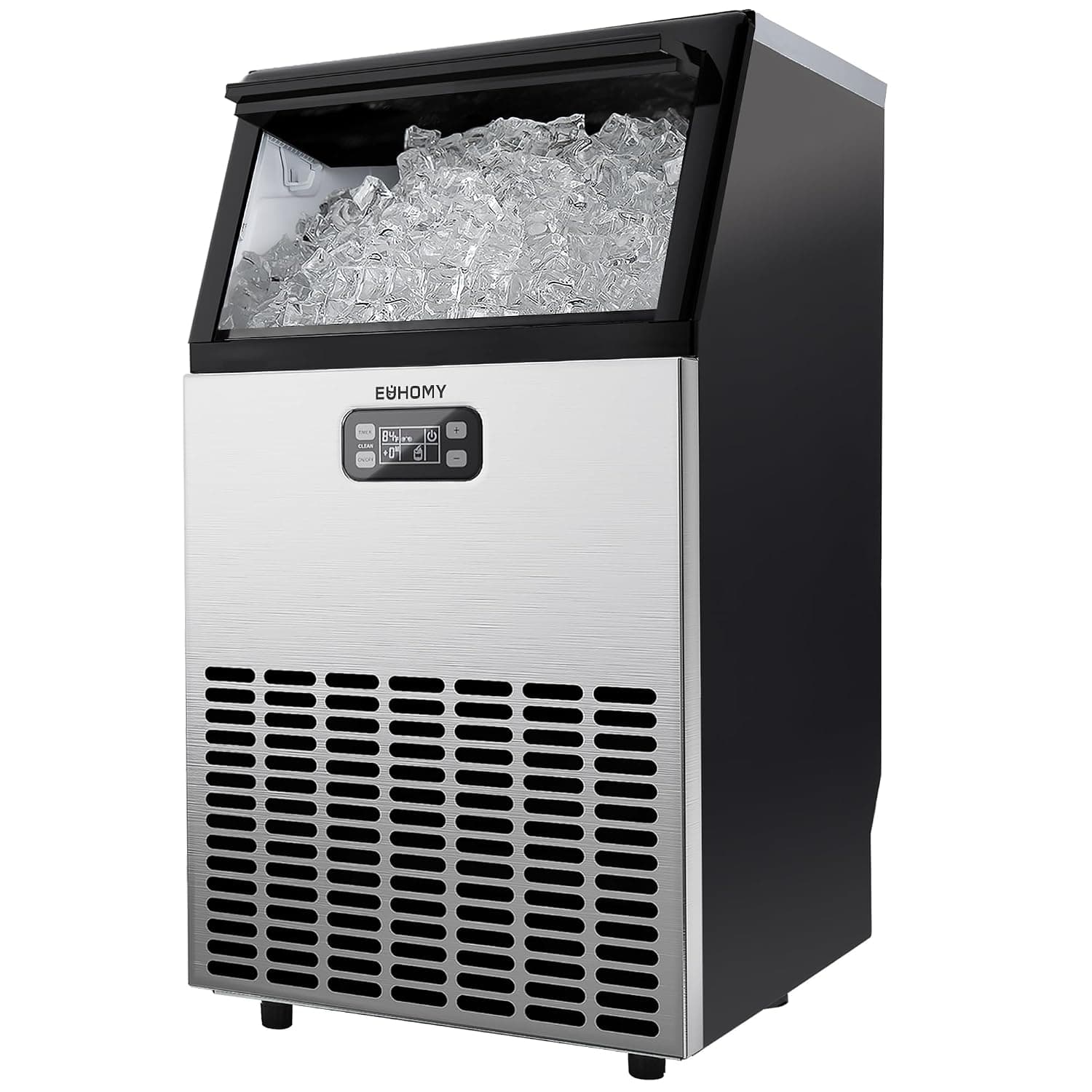
EUHOMY Commercial Ice Maker, 100 lb/day
See it on Amazon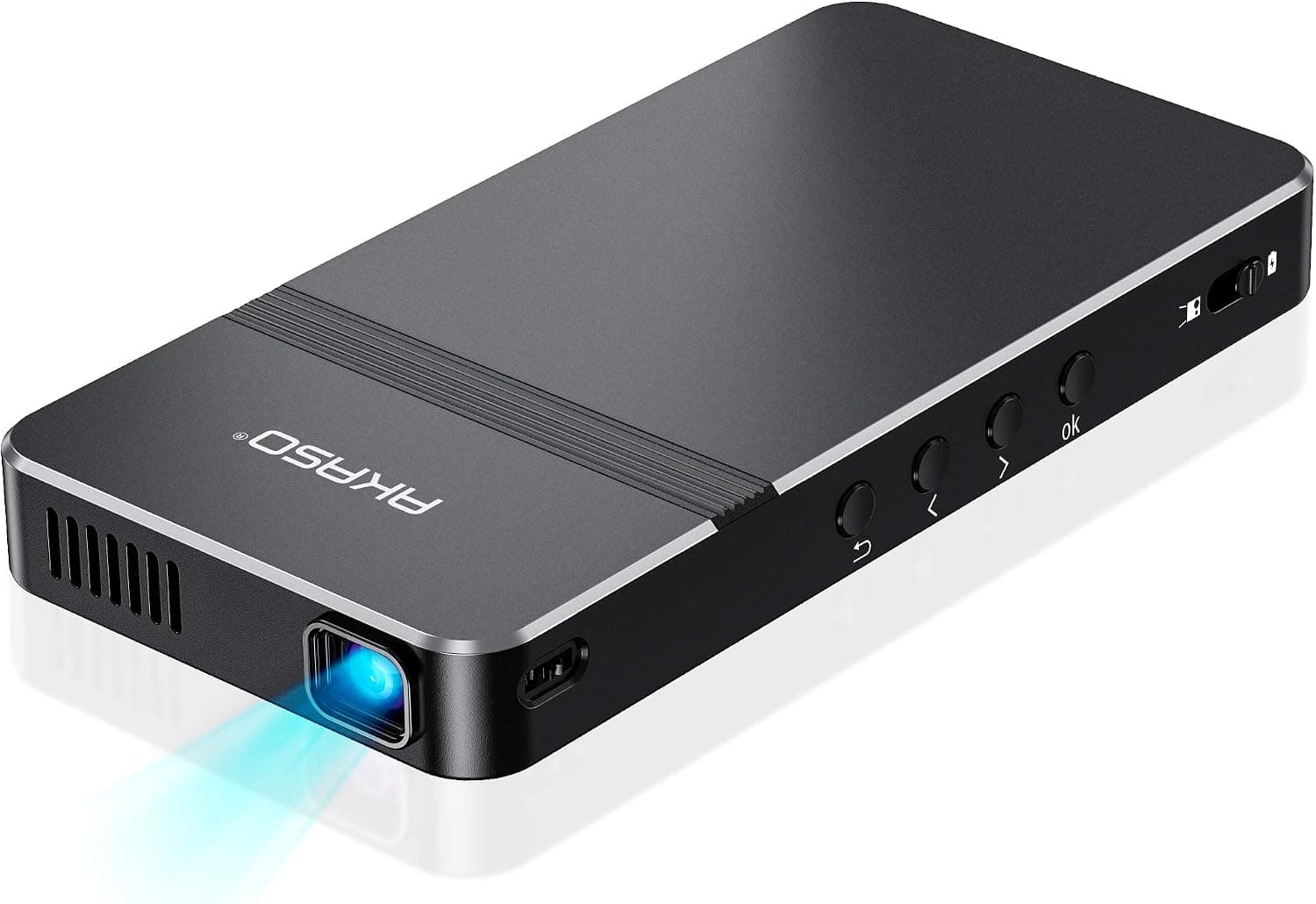
AKASO Mini Projector
See it on Amazon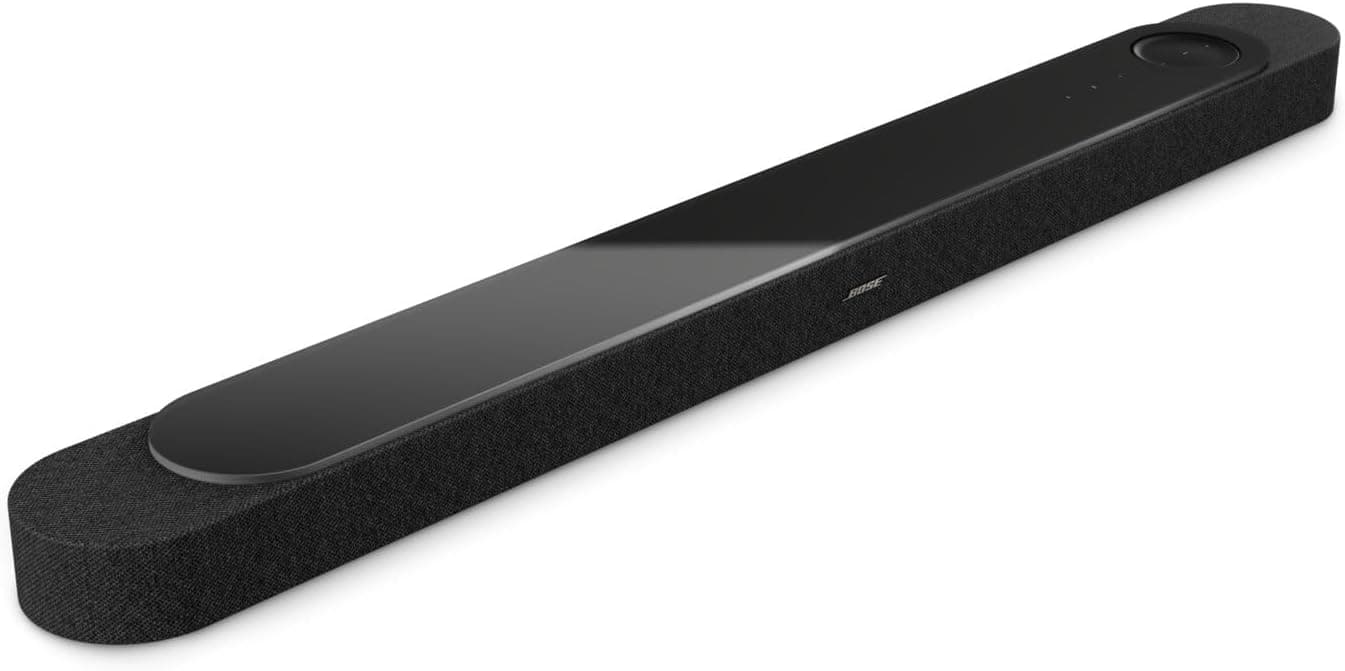
Bose Lifestyle Ultra Soundbar
See it on Amazon
Sponsored listings from Amazon’s Sponsored Products for Creators program, kept apart from our reviews and rankings. How we make money
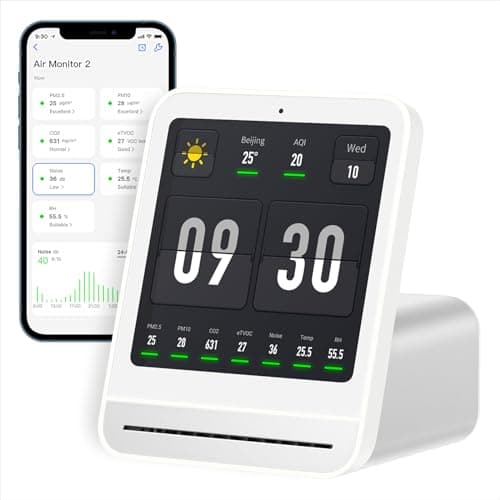
Best for Apple HomeKit: Qingping Air Quality Monitor Gen 2
Qingping Air Quality Monitor Gen 2
- Native Apple Home fit that makes Siri scenes and Home app notifications feel built-in, not bolted on
- No Matter and no clean Alexa or Google path if your home is mixed-brand or in transition
(Current price, subject to change)
Apple homes punish half-baked integrations: a monitor that surfaces no useful triggers becomes a desk thermometer. The Qingping Air Quality Monitor Gen 2 avoids that because it feels designed for Apple Home, not merely tolerated by it. It tracks PM2.5, PM10, CO2, temperature, humidity, noise, and eTVOC — enough to run real HomeKit scenes: a purifier when PM2.5 climbs, a fan when CO2 crosses your limit, an alert before a nursery gets stuffy. Its 7.90 SHE Automation Readiness Score means the triggers are there and daily use is pleasant; the touchscreen produces a glanceable room status, which matters versus squinting at a phone. TechRadar flagged the replaceable PM sensor as the real long-term differentiator, and it holds — sensors drift over time, and a swappable PM sensor meaningfully extends usable life. HomeKit notifications arrive within mins. Where it loses is reach: no Matter and no clean Alexa route, so compared to SONOFF it's the riskier buy the moment your home stops being Apple-first, and it lists at roughly 4x the SONOFF's price. But if Apple Home is your center, the Qingping Air Quality Monitor Gen 2 earns its place. Our smart sensors guide covers how temperature and leak sensors fit alongside it.
What We Love
- Native Apple Home fit that makes Siri scenes and Home app notifications feel built-in, not bolted on
- A strong sensor mix — PM2.5, PM10, CO2, humidity, temperature, noise, eTVOC — enough to drive real ventilation and purifier rules
- A replaceable PM sensor that gives it a cleaner long-term ownership story than app-only gadgets
What Could Be Better
- No Matter and no clean Alexa or Google path if your home is mixed-brand or in transition
- A higher price than the SONOFF for buyers who only need CO2-driven ventilation triggers
The Verdict
If you're an Apple-first household and you've shortlisted the Qingping Air Quality Monitor Gen 2, this is a sensible pick for that setup. It exposes real triggers for HomeKit scenes and its replaceable PM sensor ages better than cheaper rivals — just don't expect a clean Matter or Alexa path.
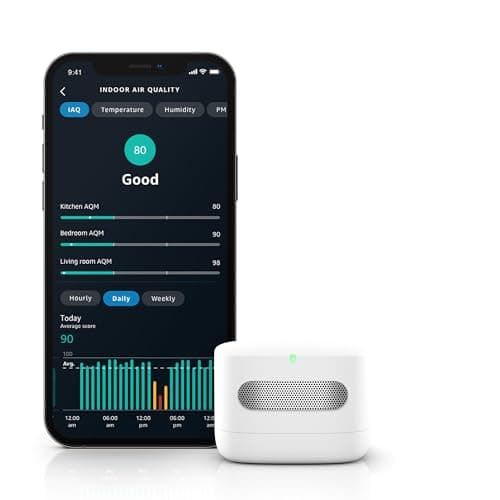
Best for Alexa Routines: Amazon Smart Air Quality Monitor
Amazon Smart Air Quality Monitor
- The lowest-friction Alexa setup of any air monitor here — plug in, open the app, build routines
- An Alexa-only ecosystem with no clean upgrade path to Apple Home or Matter
(Current price, subject to change)
Alexa households care less about sensor geekery and more about friction, and the Amazon Smart Air Quality Monitor is built around that priority. You plug it in, open Alexa, and build routines — if your house already runs Echo speakers, Alexa plugs, and a purifier on the same app, it drops in with almost no resistance. That counts when the alternative is a better sensor that never gets wired into anything. Amazon centered notifications over a hardware display: when it reads poor air, Alexa announces it within mins, pushes it to your phone, and produces an equipment trigger. PCMag found it makes automating your response dead simple and the setup the easiest here, often live in under 5 mins. Its 7.63 SHE Automation Readiness Score yields a real outcome — when cooking smoke or a VOC spike hits, your Echo home reacts in seconds, which is why it ranks well despite single-ecosystem lock-in. The honest caveat is no CO2 sensor: for overnight stuffiness or office fatigue, the SONOFF or Qingping is the better buy, even though the Amazon lands at roughly 1.1x the SONOFF's price. But for cooking smoke, VOC events, and simple Alexa purifier routines, the Amazon Smart Air Quality Monitor stays the easiest answer.
What We Love
- The lowest-friction Alexa setup of any air monitor here — plug in, open the app, build routines
- A broad trigger mix of PM2.5, VOCs, carbon monoxide, humidity, and temperature for Alexa routines
- Strong value if you already own Echo speakers and Alexa-compatible plugs and purifiers
What Could Be Better
- An Alexa-only ecosystem with no clean upgrade path to Apple Home or Matter
- No real CO2 sensor, so ventilation-first automations have nothing useful to trigger on
The Verdict
If you're already Echo-heavy and want air alerts inside Alexa with almost no setup, the Amazon Smart Air Quality Monitor lines up with what you actually need at typically $60–$75. Skip it if CO2 is your priority or you plan to diversify beyond Alexa later.
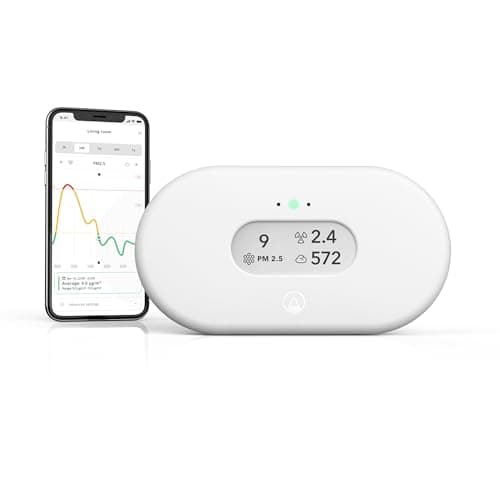
Best for Deep Data: Airthings View Plus
Airthings View Plus
- The best historical data workflow in this group for verifying whether an automation actually helped
- A much higher entry price than every other product in this guide
(Current price, subject to change)
The Airthings View Plus isn't the simplest monitor here, but it's the one to trust when you want to confirm an automation actually solved the air problem you bought it for. Cheaper monitors flip a smart plug when a threshold trips; far fewer show enough historical context to prove the room genuinely improved. That's why it earns a place even in a HomeKit-and-Matter guide: it reads PM2.5, CO2, VOCs, humidity, temperature, pressure, and radon in one device on a 2-year battery, then backs it with deeper trend analysis. Its 8.43 SHE Automation Readiness Score means that when you tune a purifier's runtime or decide whether a fan should run longer, you get room-to-room evidence, not a guess. Reviewed called it the most complete indoor-air picture a consumer device delivers. The catch is price: it costs roughly 8x a SONOFF unit, so the same budget could instead cover several more rooms, which is why it isn't the default pick. But for a basement office, a radon question, or someone who will truly use the data over the long term, the Airthings View Plus is the most defensible premium purchase — the truth source rather than just another trigger.
What We Love
- The best historical data workflow in this group for verifying whether an automation actually helped
- The most complete sensor package here — radon, PM2.5, CO2, VOCs, humidity, temperature, and pressure
- Strong app-side analysis for multi-room setups and longer trend review
What Could Be Better
- A much higher entry price than every other product in this guide
- No native HomeKit or Matter despite the premium positioning
The Verdict
If you've already narrowed to a buyer who'll actually use trend data — basement office, radon worry, smoke-prone kitchen — the Airthings View Plus fits the brief without compromise on depth. At $279.99 list it only pays off when you use the radon, VOC, and long-range logging.
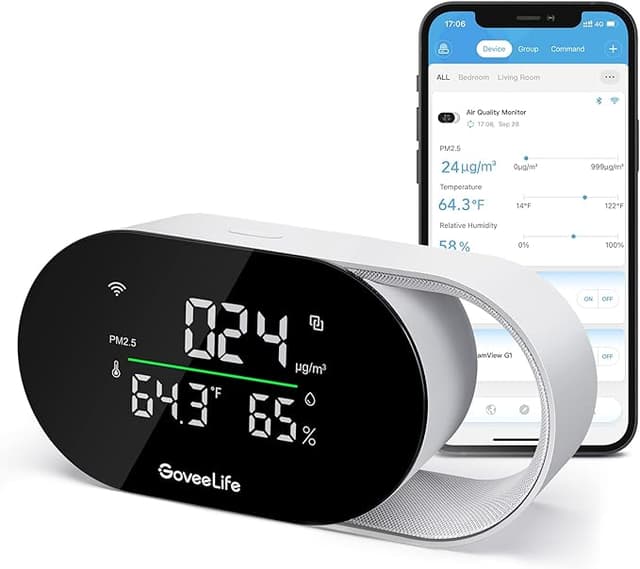
Best Budget Multi-Room: GoveeLife Smart Air Quality Monitor
GoveeLife Smart Air Quality Monitor
- Cheap enough to deploy across several rooms during wildfire or allergy season for the price of one premium unit
- No CO2 or VOC depth for serious ventilation automation logic
(Current price, subject to change)
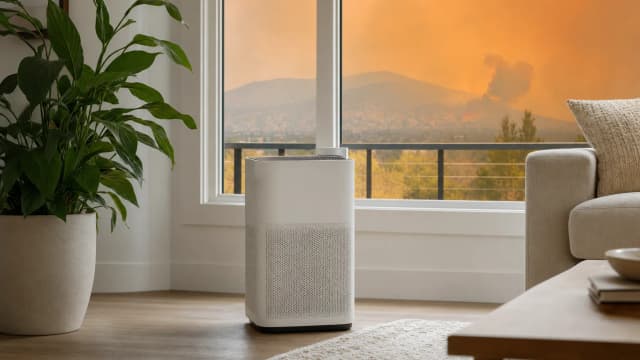
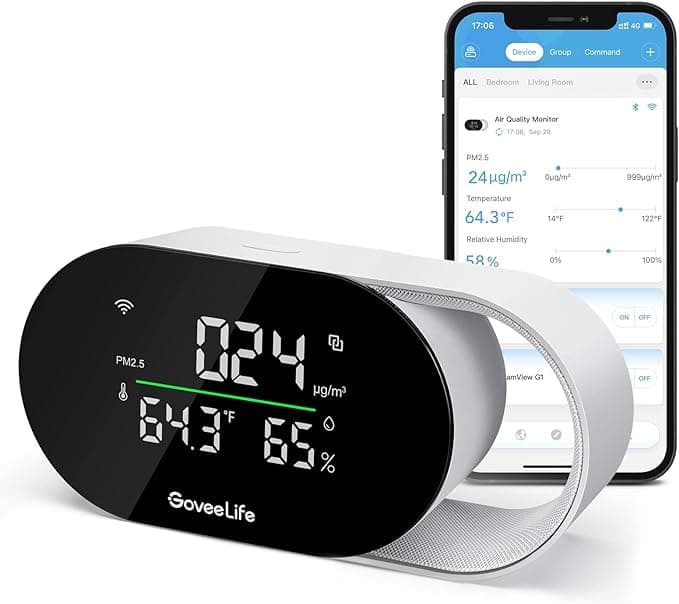
The GoveeLife Smart Air Quality Monitor makes sense when the right answer is "more rooms," not "more features." If wildfire smoke moves differently through the bedroom, hallway, and living room, one premium monitor is often less useful than several cheap ones, and Govee wins that math. It tracks PM2.5, temperature, and humidity — weak if your concern is CO2-driven ventilation. But for smoke-season homes, PM2.5 is the number that triggers the action anyway, and alerts fire within mins so you react the moment counts climb. Its 6.20 SHE Automation Readiness Score is the honest result for a narrow sensor set and thin ecosystem story, yet at roughly 8x less than the Airthings it still earns its place: when counts climb in a back bedroom it runs a purifier or fires a phone alert. CNET found the PM2.5 readings surprisingly accurate compared to pricier devices, and that CNET assessment is why it holds up as a secondary-room sensor rather than a toy. It's best for a kid's room or rental where you want decent alerting without a big commitment. If you later go deeper, keep the GoveeLife Smart Air Quality Monitor in your least critical room and promote a SONOFF or Qingping to primary duty.
What We Love
- Cheap enough to deploy across several rooms during wildfire or allergy season for the price of one premium unit
- Simple PM2.5 alerts that still support basic purifier routines
- Simple PM2.5 alerting that covers several more rooms than one premium unit through wildfire season
What Could Be Better
- No CO2 or VOC depth for serious ventilation automation logic
- A weaker ecosystem story than the Matter and HomeKit options in this guide
The Verdict
If your real answer is 'more rooms' rather than 'more features,' the GoveeLife Smart Air Quality Monitor is a sensible pick for that setup at $34.94. Treat it as a secondary-room PM2.5 sensor, not the brain of your air-quality system.
How We Score: SHE Automation Readiness Score
SHE Automation Readiness Score
Score Formula
SHE Automation Readiness Score = (Ecosystem Reach x 0.35) + (Trigger Breadth x 0.30) + (Alert and Data Workflow x 0.20) + (Setup Reliability x 0.15)Score Factors
- Ecosystem ReachHow many major smart-home ecosystems the monitor can participate in without bridge logic
- Trigger BreadthHow many actionable metrics the monitor exposes for automations: PM2.5, CO2, humidity, temperature, VOCs, radon
- Alert and Data WorkflowQuality of notifications, historical data access, and automation validation capability
- Setup ReliabilityLikelihood the monitor stays connected and keeps feeding automations past the honeymoon week
SHE Automation Readiness Score — Ranked
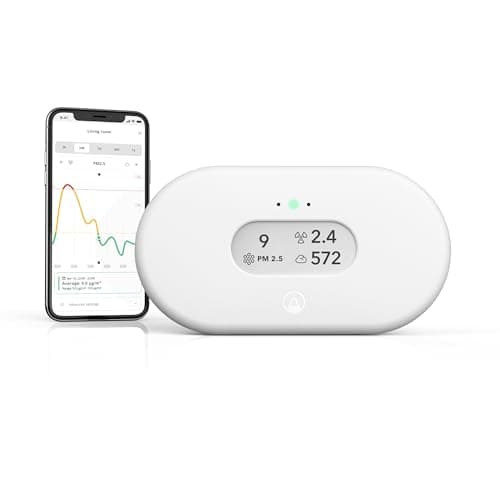
Airthings View Plus
SHE Automation Readiness Score8.4/10Tops the field on data depth and the widest trigger list, validating automations the others can only fire.
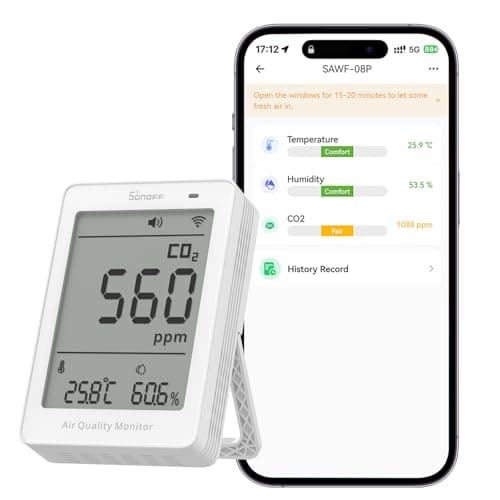
SONOFF AirGuard CO2
SHE Automation Readiness Score8.4/10A near-tie for first on Matter reach alone — the practical pick for most mixed-ecosystem homes.
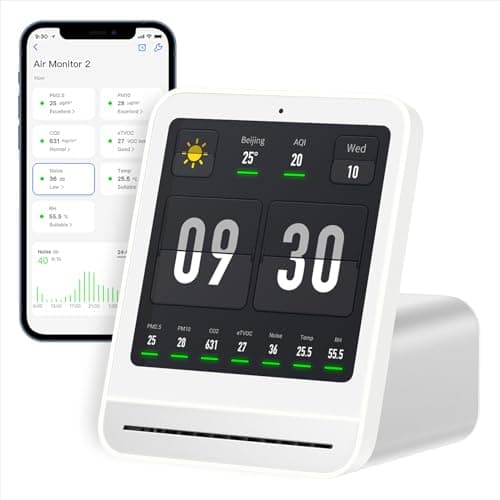
Qingping Air Quality Monitor Gen 2
SHE Automation Readiness Score7.9/10The richest sensor mix here, capped only because its ecosystem reach stays Apple-first.
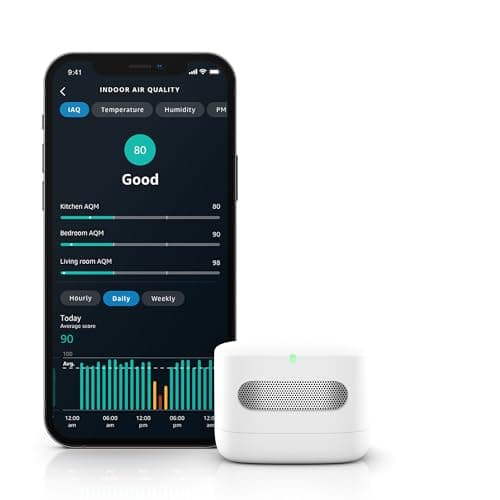
Amazon Smart Air Quality Monitor
SHE Automation Readiness Score7.6/10An excellent Alexa workflow held under the leaders by single-ecosystem lock-in.
GoveeLife Smart Air Quality Monitor
SHE Automation Readiness Score6.2/10A narrow PM2.5-only sensor and thin ecosystem story; its value is room-by-room coverage at budget price.
Which Ecosystems Each Monitor Reaches
Matter is the one path that crosses every major platform, which is why SONOFF reaches Apple Home, Alexa, Google Home, SmartThings, and Home Assistant from a single setup done in about 5 mins. HomeKit is the cleanest experience when you're staying Apple-first, where Qingping fits best per TechRadar. Alexa-only monitors like the Amazon are deeply integrated but boxed in. Airthings covers Alexa, Google Home, and IFTTT with strong workflow versus the others, but no HomeKit or Matter, despite costing 8x a budget unit; GoveeLife reaches Alexa and Google through its app but offers no HomeKit or Matter path. The weighted Ecosystem Reach factor, our highest at 35%, plus Alert and Data Workflow at 20% and Setup Reliability at 15%, is the reason a SONOFF outranks a richer-sensor rival. For a mixed home pick Matter; for an Apple home pick HomeKit-native; don't pay a premium for reach you won't use.
| Product | Apple Home | Alexa | Google Home | Matter | Home Assistant |
|---|---|---|---|---|---|
| SONOFF AirGuard CO2 | ✓ | ✓ | ✓ | ✓ | ✓ |
| Qingping Air Quality Monitor Gen 2 | ✓ | ✕ | ✕ | ✕ | ✕ |
| Amazon Smart Air Quality Monitor | ✕ | ✓ | ✕ | ✕ | ✕ |
| Airthings View Plus | ✕ | ✓ | ✓ | ✕ | ✕ |
| GoveeLife Smart Air Quality Monitor | ✕ | ✓ | ✓ | ✕ | ✕ |
When NOT to Buy
Skip this category if you only want the most accurate raw IAQ dashboard — ecosystem support isn't the same as best sensing, so start with our best indoor air quality monitors guide. Skip HomeKit-specific buying if your household is already mixed-platform; because our weighted composite scores Ecosystem Reach highest, the cross-platform SONOFF beats a HomeKit-only monitor when Apple, Alexa, and Google all coexist, and it pairs in 5 mins. Skip cheap PM-only monitors if your real problem is stale air, sleep quality, or office fatigue, because that's a CO2 job — and remember a single Airthings costs about what 8x a SONOFF would, money that could instead put NDIR CO2 sensing in several more rooms. And skip the premium Airthings if you'll never open the trend data — that depth only earns its 8x price when you use it for validation or radon tracking.
Who Should Buy What
Who Should Buy What
| If you are… | Recommended pick |
|---|---|
Mixed-ecosystem homes Apple, Alexa, and Google all coexist and you want one monitor that automates everywhere without ecosystem lock-in. | SONOFF AirGuard CO2 |
Apple HomeKit households A committed Apple-first home with HomePod mini or Apple TV 4K that wants polished, native HomeKit scenes. | Qingping Air Quality Monitor Gen 2 |
Alexa-heavy homes Echo speakers throughout and a wish for zero-friction purifier and fan routines with no bridge logic. | Amazon Smart Air Quality Monitor |
Data-driven and radon-aware buyers A basement office or radon concern, plus the intent to use trend data to confirm your automations fixed the air. | Airthings View Plus |
Multi-room budget deployers Wildfire or allergy season demands PM2.5 coverage across several rooms, treated as support rather than a primary hub. | GoveeLife Smart Air Quality Monitor |
Frequently Asked Questions
Which air quality monitor works best with Apple Home in 2026?
The Qingping Air Quality Monitor Gen 2 is the best fit for Apple-first homes, with native integration and enough useful readings to justify HomeKit scenes. If your home is mixed-platform, the SONOFF AirGuard CO2 is the better cross-platform pick.
Is Matter actually better than HomeKit for air quality automations?
Matter wins when your system spans Apple Home, Alexa, Google Home, SmartThings, or Home Assistant at once — the SONOFF AirGuard CO2 is the flexible choice. HomeKit is better when you're staying Apple-first, where the Qingping Gen 2 fits.
Do I need PM2.5, CO2, and VOCs, or is one metric enough?
Match the metric to the job. PM2.5 matters most for smoke and purifier routines; CO2 matters for ventilation and bedroom stuffiness; VOCs and radon round out the full picture. The Airthings View Plus covers all of them if you want everything.
Can an air quality monitor automatically turn on my air purifier?
Yes, when the ecosystem and trigger exposure line up. The Amazon Smart Air Quality Monitor is easiest for Alexa purifier routines, the Qingping Gen 2 is cleanest for HomeKit, and the SONOFF AirGuard CO2 is the best cross-platform route.
Should I buy one expensive monitor or several cheap ones?
One Airthings View Plus makes sense for deep data, radon, and validation. Several cheaper monitors make more sense for understanding how smoke moves room to room — a primary SONOFF or Qingping plus a couple of GoveeLife units is usually the smarter spend.
What is the difference between an air quality monitor and a smoke detector for automations?
Smoke detectors are life-safety devices placed for code compliance and fast fire alerts. Air quality monitors are automation sensors placed where people breathe, feeding gradual triggers like PM2.5, CO2, and humidity into routines rather than emergency alarms.
What is the cheapest air quality monitor with Matter support?
The SONOFF AirGuard CO2 at $39.90 is the most affordable Matter-certified monitor in this guide, which is exactly why it lands as the practical pick for mixed-ecosystem homes that want cross-platform automation without overspending.
What air quality metrics can HomeKit automations actually use?
HomeKit can read PM2.5, CO2, humidity, and temperature from compatible monitors and trigger scenes on thresholds you set. The Qingping Gen 2 exposes the fullest set here, letting you run purifier and ventilation scenes from real numbers.
Bottom Line
Get the SONOFF AirGuard CO2 if You run a mixed-platform home and want one monitor that automates across Apple, Matter, Alexa, Google, and Home Assistant without an ecosystem reset.
Get the Qingping Air Quality Monitor Gen 2 if Your home is Apple-first and you care more about polished HomeKit scenes from real triggers than about platform flexibility.
Get the Amazon Smart Air Quality Monitor if Your home is Echo-heavy and you want Alexa purifier and fan routines with near-zero setup friction.
Get the Airthings View Plus if You have a basement office or radon concern and will genuinely use trend data to confirm your automations are working.
Get the GoveeLife Smart Air Quality Monitor if You want budget PM2.5 coverage across several rooms for wildfire or allergy season, with a SONOFF or Qingping staying primary.
Sources & Methodology
Methodology: SHE Automation Readiness Score — Formula: SHE Automation Readiness Score = (Ecosystem Reach x 0.35) + (Trigger Breadth x 0.30) + (Alert and Data Workflow x 0.20) + (Setup Reliability x 0.15). Factors: Ecosystem Reach: How many major smart-home ecosystems the monitor can participate in without bridge logic | Trigger Breadth: How many actionable metrics the monitor exposes for automations: PM2.5, CO2, humidity, temperature, VOCs, radon | Alert and Data Workflow: Quality of notifications, historical data access, and automation validation capability | Setup Reliability: Likelihood the monitor stays connected and keeps feeding automations past the honeymoon week
Expert review sources used in this analysis:
- As of June 2026 we aggregated consensus from Reviewed, TechRadar, PCMag, The Smart Cave, and CNET, then re-ranked these five products with a weighted composite for automation usefulness rather than pure sensor breadth
- The calculation normalized each factor — Ecosystem Reach, Trigger Breadth, Alert and Data Workflow, Setup Reliability — and favored monitors that expose triggerable metrics to Apple Home, Matter, Alexa, Google Home, and Home Assistant
- Reviewed and PCMag anchored the data-depth tier; TechRadar and CNET informed the sensor and app-workflow factors.
Nicholas Miles is the founder of SmartHomeExplorer and a longtime smart home enthusiast focused on helping everyday homeowners make better technology decisions. He researches, compares, and writes about products across security, climate, lighting, leak prevention, sensors, home energy, and automation, with an emphasis on real-world usefulness, ecosystem compatibility, reliability, privacy, and long-term value.
Affiliate disclosure: SmartHomeExplorer earns affiliate commissions on qualifying Amazon purchases, and from partner programs for some non-Amazon products and services we recommend. Our scoring methodology is independent of affiliate relationships.