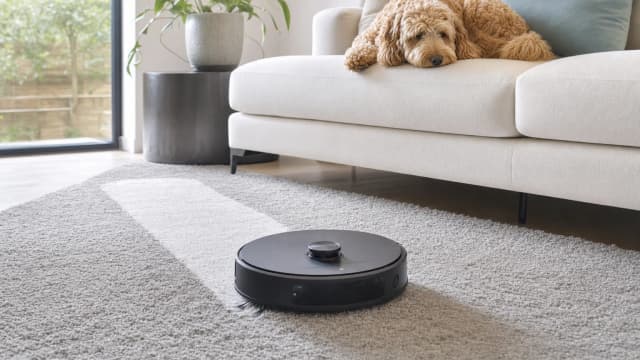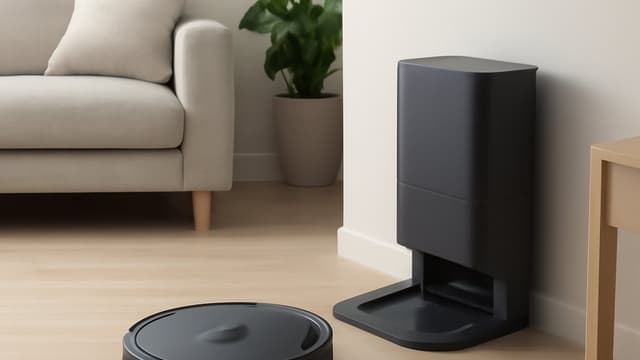

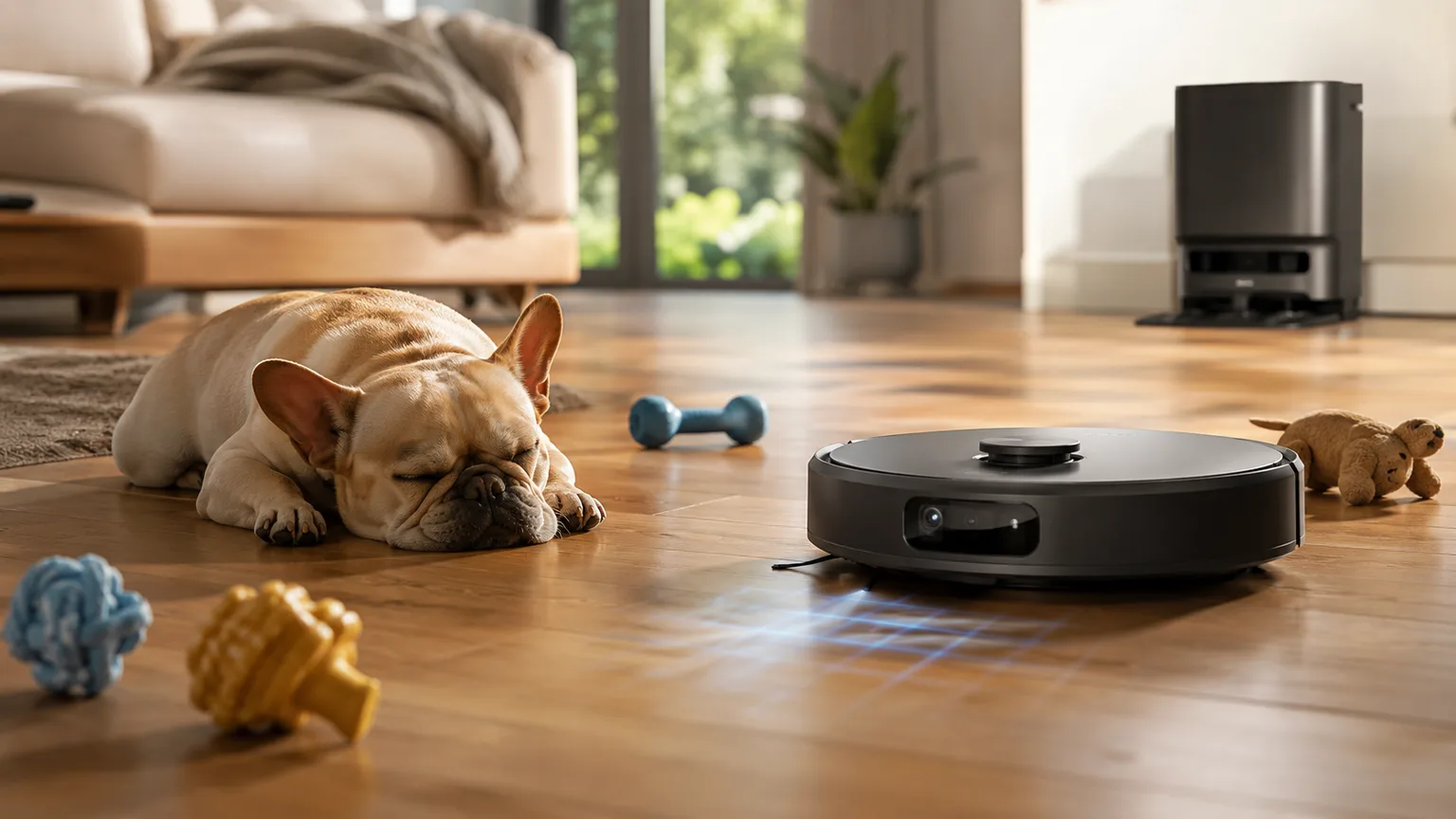
Best Robot Vacuums for Pet Waste Avoidance 2026
The Roborock Saros 10R ($1,399.99) tops our SHE Waste-Dodge Score at 9.28 with a flawless 24 of 24 obstacle run, but the iRobot Roomba j9+ ($699.95) is the only pick that backs avoidance with a written replacement guarantee for about $700 less.
This article contains affiliate links. We may earn a commission at no extra cost to you. Prices change frequently — check the current price on Amazon before buying. Learn more
The Short Answer
For the pet owner who operates a robot unattended, the Roborock Saros 10R ($1,399.99) is the recommended selection, because its StarSight 2.0 camera-and-LiDAR navigation and dedicated Pet mode earn the highest 9.28 on the SHE Waste-Dodge Score, reliably identifying a low-contrast accident in a darkened room overnight.
Featured in this Guide
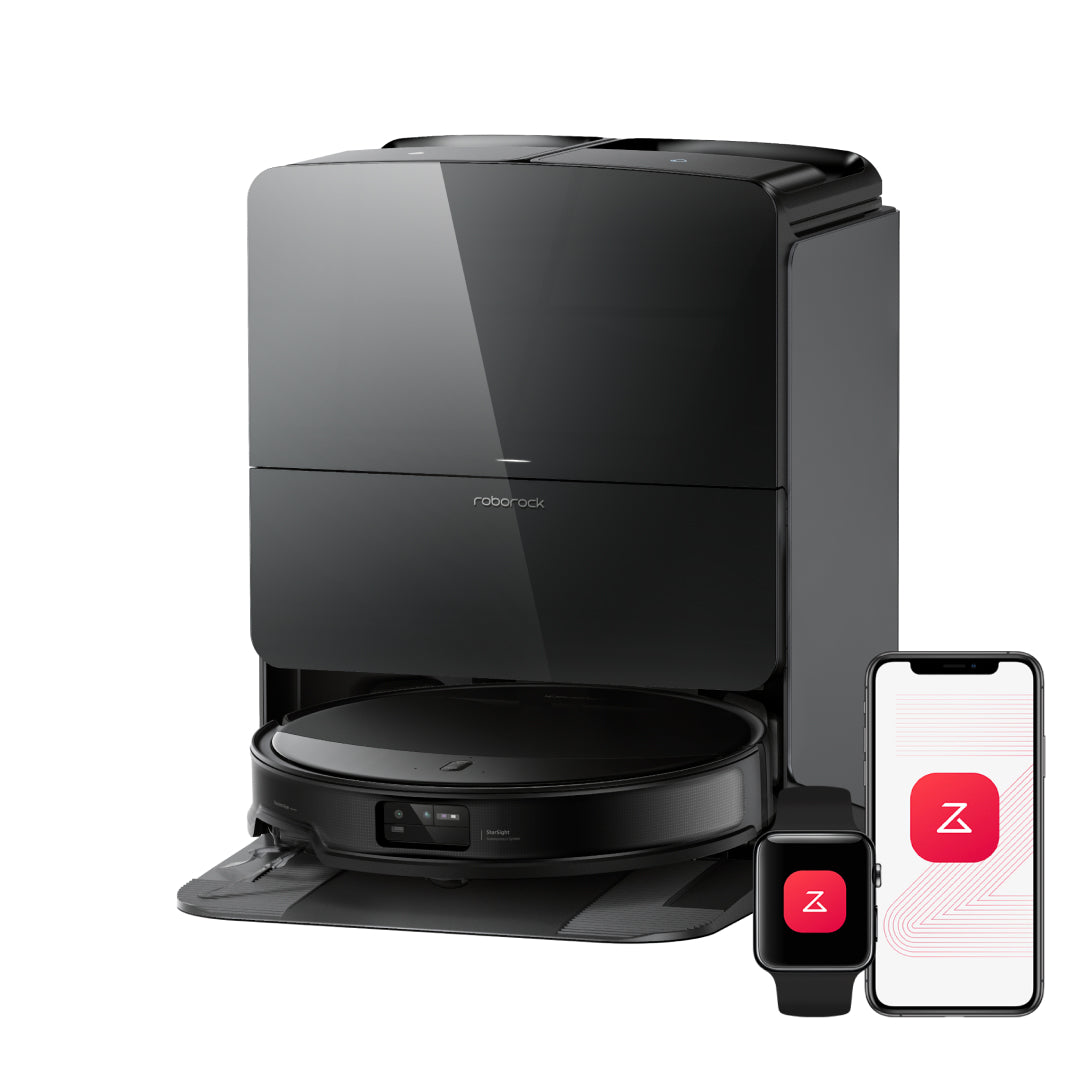
Roborock
Saros 10R
- •StarSight 2.0 camera-and-LiDAR and a dedicated Pet mode earn a perfect 24 of 24 obstacle run at $1,399.99 — the most reliable waste dodge here
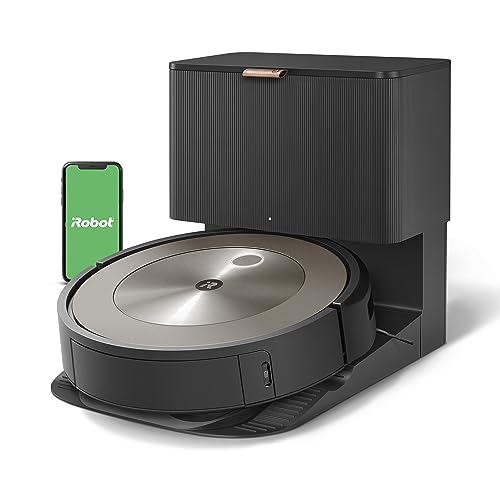
iRobot
Roomba j9+
- •The only pick with a written P.O.O.P. replacement promise plus camera-only PrecisionVision at $699.95 — strong avoidance without flagship pricing
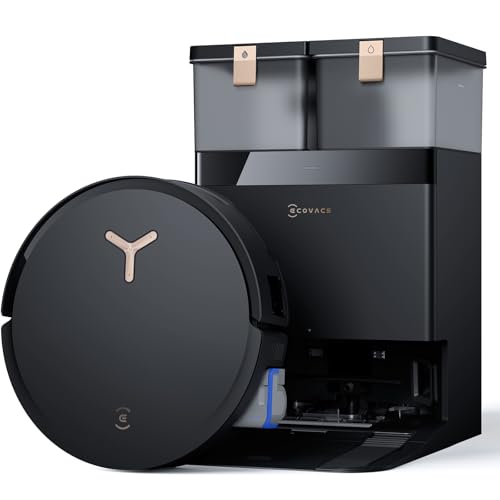
Ecovacs
Deebot X8 Pro Omni
- •AIVI 3D 3.0 reads obstacles from images for an open-ended hazard library at $1,099.99 — widest avoidance plus strong mopping
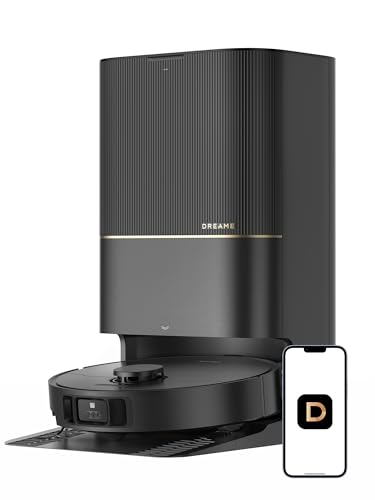
Dreame
X40 Ultra
- •Pet Recognition Mode logged zero collisions over a 30-day test at $598.11 and cleans carpet better than nearly anything in class
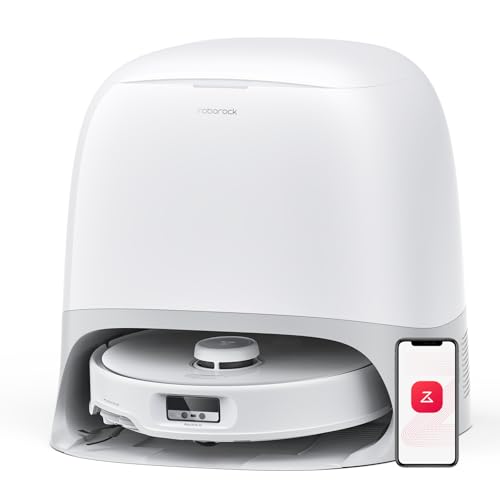
Roborock
Qrevo Curv
- •Reactive AI dodges 62 object types and posts an 83.6 pet-hair sub-score at $659.99 — roughly 90 percent of the flagship for far less
Head-to-Head: Avoidance, Low Light, and Hair
Smart Cleaning
Chart
 Smarthomeexplorer.com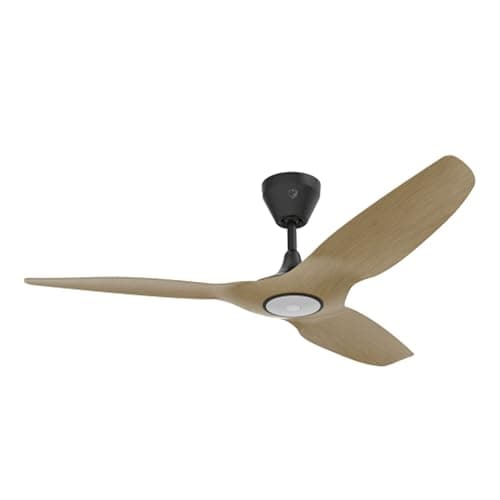
Big Ass Fans Haiku L 52-Inch Smart Ceiling Fan
Check price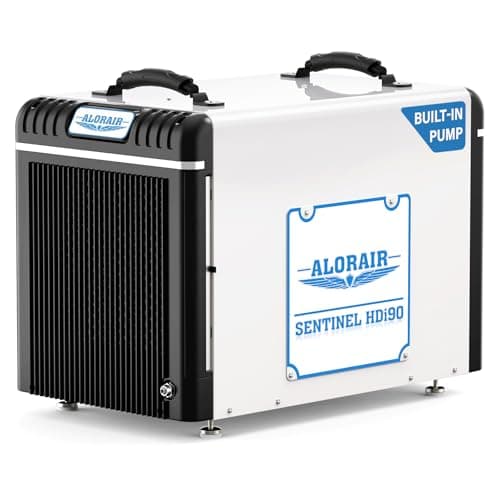
AlorAir Sentinel HDi90 Basement/Crawlspace Dehumidifier with Pump
Check price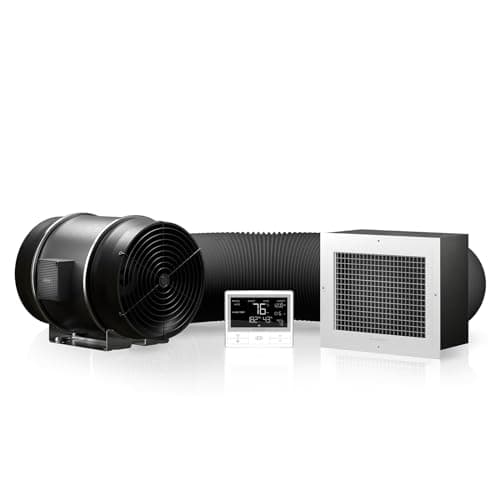
AC Infinity CLOUDWAY T12 Whole House Fan
Check price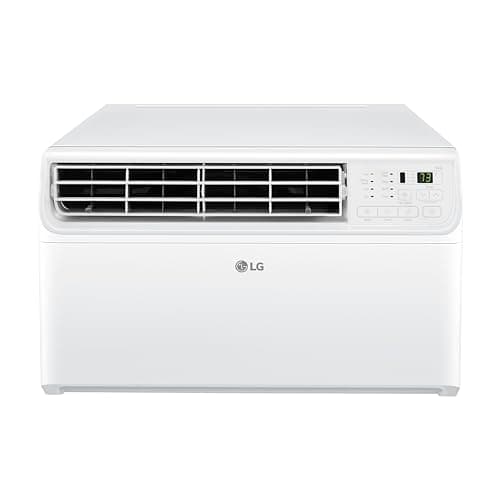
LG Dual Inverter Smart WiFi Window AC (10,000 BTU)
Check price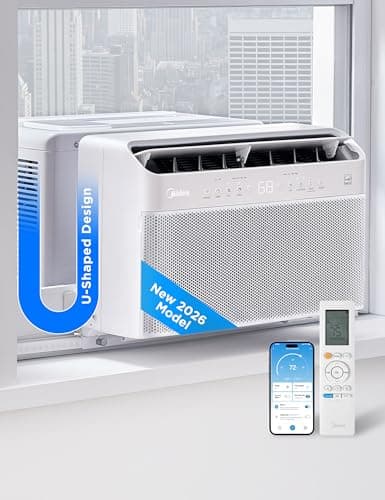
Midea U Smart Inverter Window AC (12,000 BTU)
Check price
Mysa Smart Thermostat for Electric Baseboard Heaters (V2)
Check price
What Actually Tips the Decision
Every robot-vacuum maker now claims AI obstacle avoidance, but a pet owner cares about exactly one obstacle: a solid accident the machine must not touch. The horror story is documented in r/vacuumcleaners, where a robot spends 1 hour painting a poop expressway across hardwood and rugs, and one tally pegs nearly half of pet owners as hitting it. In roundups from outlets like Vacuum Wars, TechRadar, and Reviewed the premium units all recognize obstacles, so the differentiator is the waste-trained model and the low-light read overnight.
The Roborock Saros 10R leads at $1,399.99 with a camera-and-LiDAR stack that earns a 9.5 low-light-avoidance sub-score, yet it runs 2x the $699.95 Roomba j9+ value-and-guarantee pick and 2.1x the $659.99 Qrevo Curv that opens avoidance. As Vacuum Wars and TechHive frame it, this weighted SHE Waste-Dodge Score normalizes the waste read above raw suction, complementing our Best Robot Vacuums for Pet Hair & Carpet 2026 and Best Robot Vacuums for Allergies 2026: HEPA, Sealed & Ranked roundups.
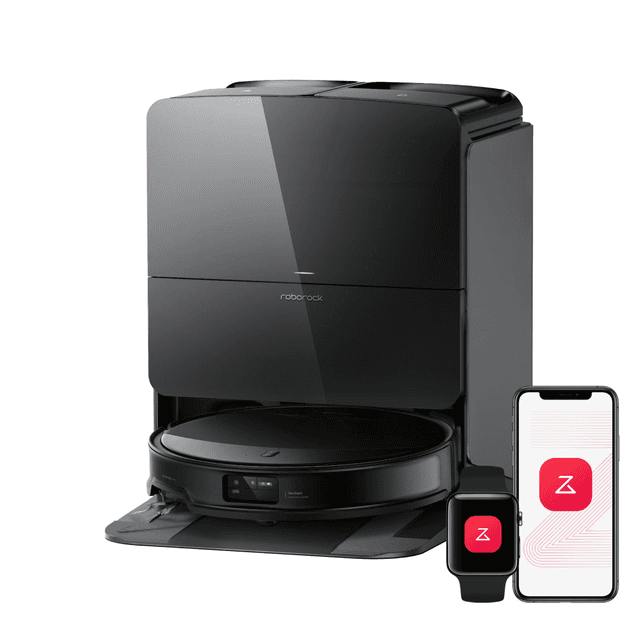
Best Overall: Roborock Saros 10R
Roborock Saros 10R
- Perfect 24 of 24 obstacle run with a dedicated Pet mode for waste and cords
- At about $1,400 it is the most expensive pick in this roundup
(Current price, subject to change)
The Roborock Saros 10R earns 9.28 on the weighted SHE Waste-Dodge Score, a composite that produces a robot you can leave running while pets roam without the 6am-disaster fear. That 9.28 rests on a category-leading 9.6 waste-recognition factor paired with a 9.5 low-light-avoidance factor, because the StarSight 2.0 stack feeds a dedicated AI camera and solid-state LiDAR that together recognize 108 obstacle types, while the camera-and-light navigation keeps reading low-contrast waste after dark when LiDAR-only rivals go blind.
Across the expert sources surveyed as of June 2026 the aggregated consensus settles near 9.4, and in robot-vacuum roundups outlets like Vacuum Wars and TechRadar rank the Saros 10R first for obstacle avoidance they have measured. TechRadar describes its StarSight navigation as handling pet-filled floors more confidently than any robovac tested to date, and the normalized tier holds that pairing a camera with LiDAR yields a sharper waste read than camera-only budget units. The catch is price: at $1,399.99 it runs 2x the j9+ and 2.3x the Dreame X40 Ultra. After the one-time Pet mode toggle, it dodges accidents more reliably than the Roborock Qrevo Curv, which leans on a less aggressive automatic recognition rated 8.4 on waste recognition.
What We Love
- Perfect 24 of 24 obstacle run with a dedicated Pet mode for waste and cords
- Camera-and-light navigation still sees low-contrast messes in a dark room
- Recognizes 108 obstacle types via paired AI camera and solid-state LiDAR
- Zero-Tangling DuoDivide brush keeps long pet hair off the roller
What Could Be Better
- At about $1,400 it is the most expensive pick in this roundup
- Carpet pet-hair pickup is only average in multi-animal homes
- Pet mode must be toggled on manually, which is easy to forget
The Verdict
For the pet owner past the price hesitation who wants the most reliable dodge, the Roborock Saros 10R fits the brief without compromise at $1,399.99. The 9.28 means a perfect 24 of 24 obstacle run, a Pet mode that dodges accidents instead of smearing them, and vision that works on a 2am run. The Roomba j9+ costs far less, but you'd lose the LiDAR low-light read this robot is built on.
Ready to upgrade your home?
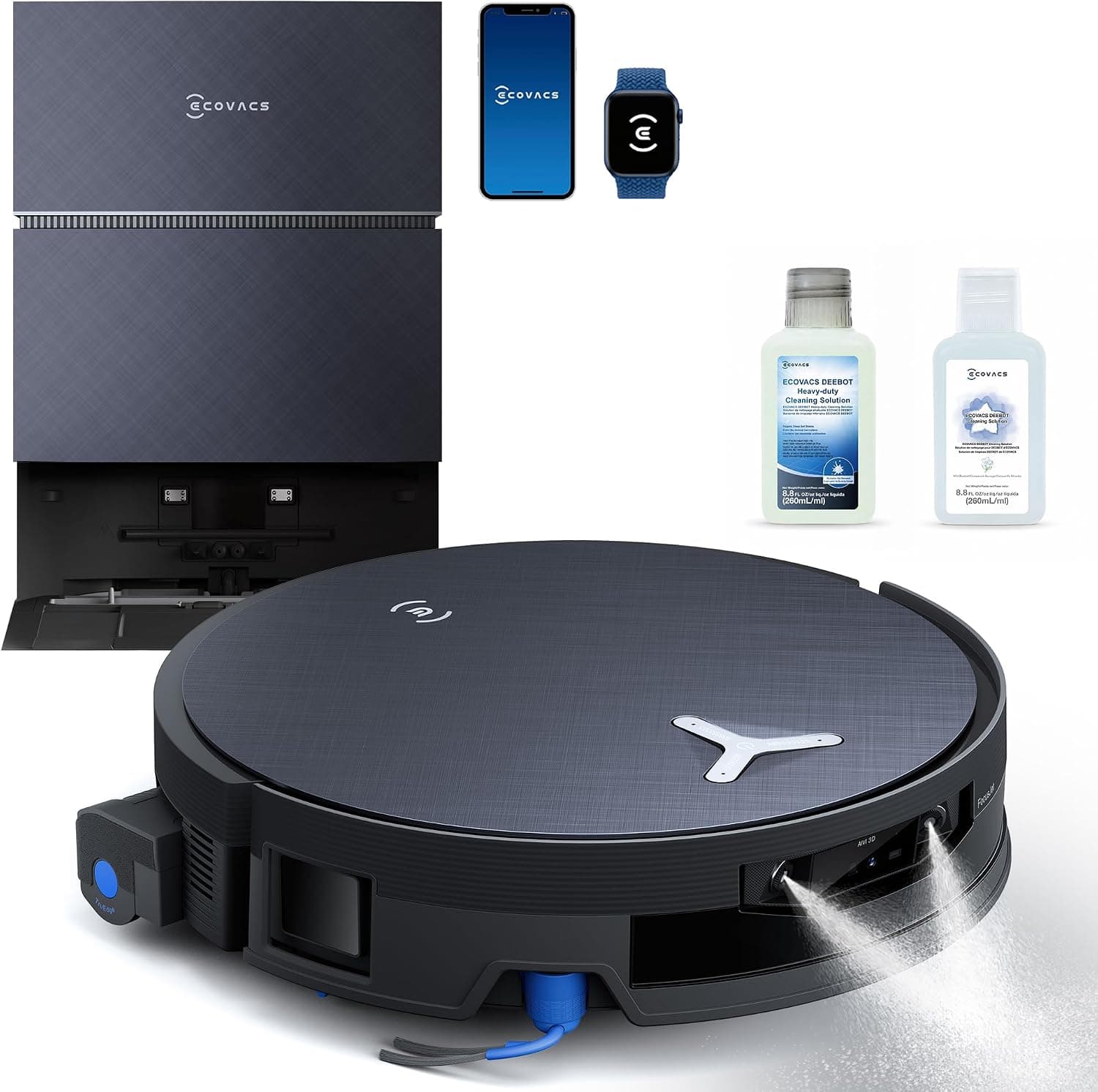
ECOVACS DEEBOT X12 PRO Omni Robot Vacuum and Mop
See it on Amazon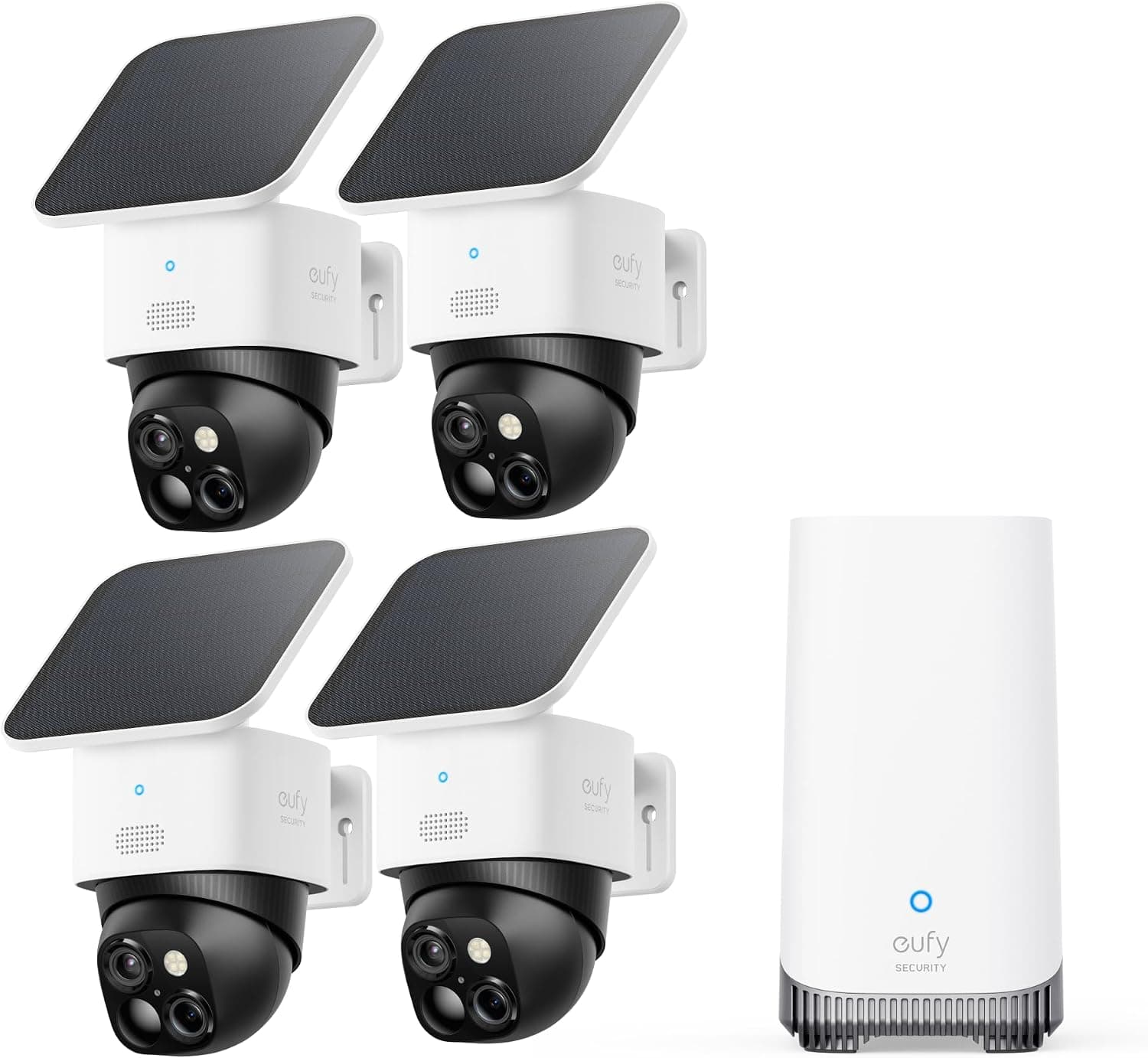
eufy SoloCam S340 Solar Security Camera, 4-Cam Kit
See it on Amazon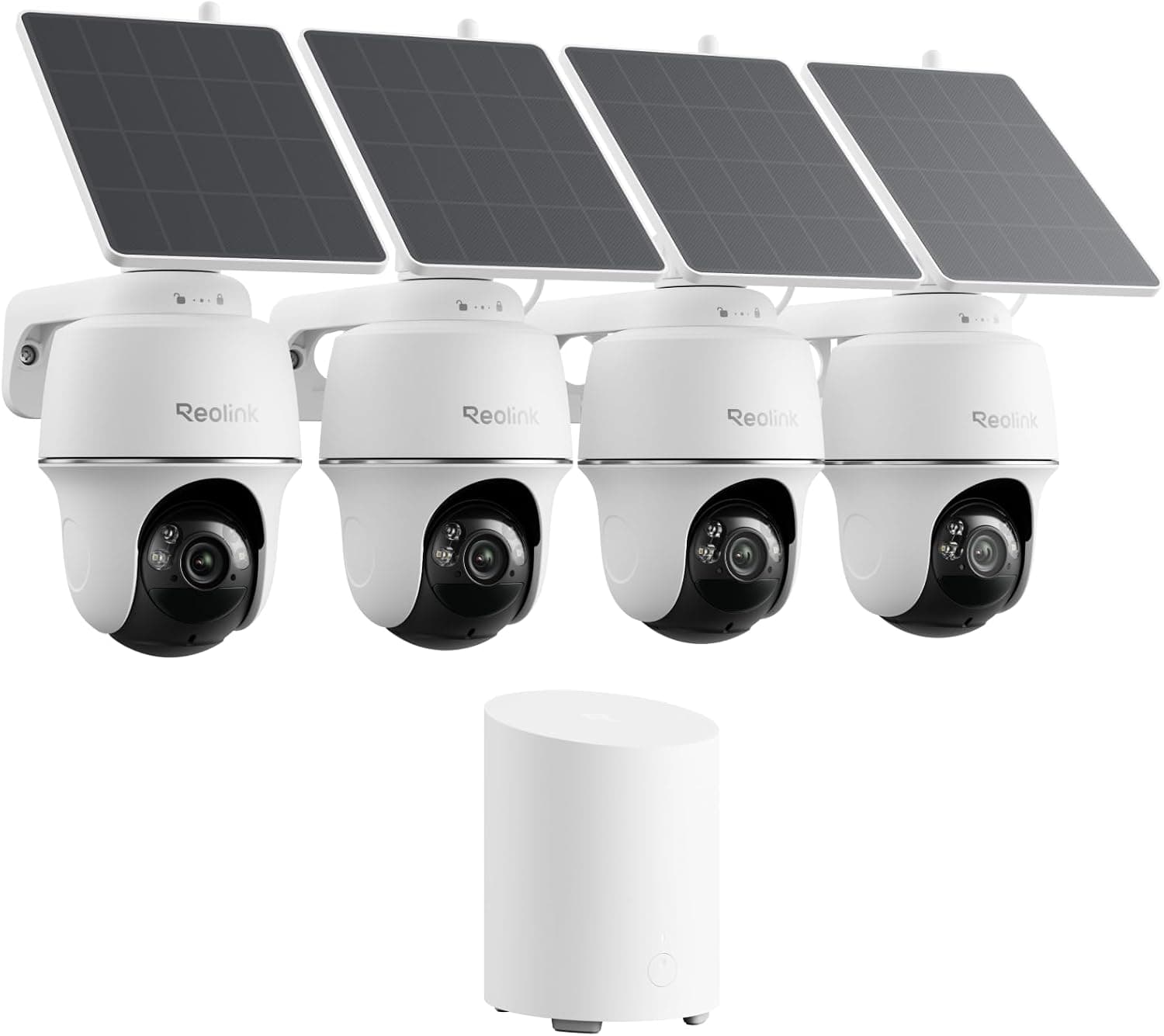
REOLINK 360° Solar Security Cameras, 4 Pack
See it on Amazon
Sponsored listings from Amazon’s Sponsored Products for Creators program, kept apart from our reviews and rankings. How we make money
Best Guarantee: iRobot Roomba j9+
iRobot Roomba j9+
- The only pick with a written P.O.O.P. free-replacement promise in year one
- P.O.O.P. covers solid waste only, not diarrhea, and pays one replacement

(Current price, subject to change)
The iRobot Roomba j9+ earns 8.96 on the weighted SHE Waste-Dodge Score, a composite that distinctly identifies the guarantee-and-value selection rather than the specification leader. That 8.96 pairs a category-best 9.8 avoidance-guarantee factor with a 9.2 waste-recognition factor, because iRobot's P.O.O.P. promise replaces the robot free for 1 yr whenever it contacts solid waste, and PrecisionVision operates a front camera against a model trained on a substantial real-world pet-waste image database. Positioned at $699.95, it undercuts the Saros 10R flagship by 2x on sticker, empties into a base holding 60 days of debris, and reliably identifies accidents before contact.
In robot-vacuum roundups, outlets like TechHive and Engadget single out the j9-class Roomba for steering clear of cords, socks, and pet waste and for quietly stopping whenever a cat steps in front of it. TechHive credits its enhanced object recognition as a genuine improvement for pet households, and the normalized tier treats a written guarantee as the cleanest proxy for how confident a manufacturer really is. The honest limitation is the camera-only architecture with no LiDAR, so it scores 8.0 on low-light avoidance and occasionally struggles in very dim rooms relative to the Roborock Saros 10R, which adds a stronger structured-light read at 9.5.
What We Love
- The only pick with a written P.O.O.P. free-replacement promise in year one
- PrecisionVision routes around accidents before contact via a waste-trained model
- About $700 less than the camera-and-LiDAR flagships in this roundup
- Self-emptying base holds up to 60 days of debris so the bin is one less chore
What Could Be Better
- P.O.O.P. covers solid waste only, not diarrhea, and pays one replacement
- Vacuum-only model; choose the Combo j9+ if you also want mopping
- Camera-only with no LiDAR, so it can struggle in very dim rooms
The Verdict
If you've narrowed to a robot that puts a brand's money behind avoidance, the iRobot Roomba j9+ lines up with what you actually need at $699.95. The 8.96 means PrecisionVision routing around accidents plus the P.O.O.P. promise that replaces the robot free if it hits solid waste in year one. You lose the LiDAR low-light read, but for a buyer who wants a safety net first, fair trade.
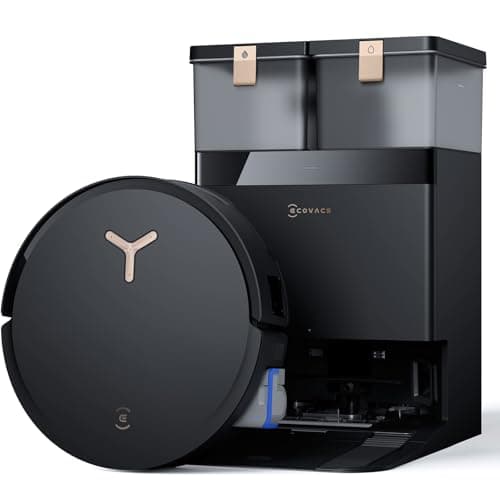
Best AI Recognition: Ecovacs Deebot X8 Pro Omni
Ecovacs Deebot X8 Pro Omni
- AIVI 3D 3.0 reads obstacles from images for an effectively open-ended hazard library
- Carpet pet-hair pickup measured around 70 percent, behind the premium leaders
(Current price, subject to change)
The Ecovacs Deebot X8 Pro Omni earns 8.84 on the weighted SHE Waste-Dodge Score, a composite that frames the recognition-and-mopping leader rather than the carpet leader. That 8.84 rests on a 9.4 waste-recognition factor and a 9.5 clutter-navigation factor, because AIVI 3D 3.0 identifies objects directly from images rather than a fixed list, so its hazard library is effectively open-ended versus the 108-type and 62-type rivals. Positioned at $1,099.99, approximately 1.6x the comparatively affordable j9+, its OZMO Roller self-washing mop rinses thoroughly at 167F while routing intelligently around cables, shoes, and even cat vomit.
In robot-vacuum roundups, outlets like TechRadar and Reviewed credit the X8 Pro Omni with clearing the standard 5-item obstacle course of a slipper, shoe, cable, socks, and tissue box without a hiccup, a clean sweep reviewers had not seen before it. Reviewed frames its obstacle avoidance as the machine's standout strength, while the normalized tier flags carpet pet-hair pickup measured around 70 percent as the clear trade-off, which pulls its 8.0 pet-hair-pickup factor below the leaders. The robot is also chatty by default, which a quick pass of app tuning quiets. Compared to the Dreame X40 Ultra, the X8 Pro Omni yields some carpet cleaning for the widest recognition library here.
What We Love
- AIVI 3D 3.0 reads obstacles from images for an effectively open-ended hazard library
- Cleared the slipper, shoe, cable, socks, and tissue obstacle course with zero hits
- Automatic pet detection plus video calls let you steer it around pets remotely
- OZMO Roller self-washing mop and ZeroTangle 2.0 brush resist clogging with two dogs
What Could Be Better
- Carpet pet-hair pickup measured around 70 percent, behind the premium leaders
- Chatty by default; talkative prompts annoy some owners until dialed back
- At $1,099.99 it sits in the premium tier with the camera-and-LiDAR picks
The Verdict
For the hard-floor pet home that wants the widest AI recognition plus mopping, the Ecovacs Deebot X8 Pro Omni checks the boxes that matter for that setup at $1,099.99. The 8.84 means image-based recognition with an open-ended hazard library and a clean sweep of the obstacle course. You lose some carpet hair pickup versus the Dreame, but on hard floors the self-washing mop is the trade.
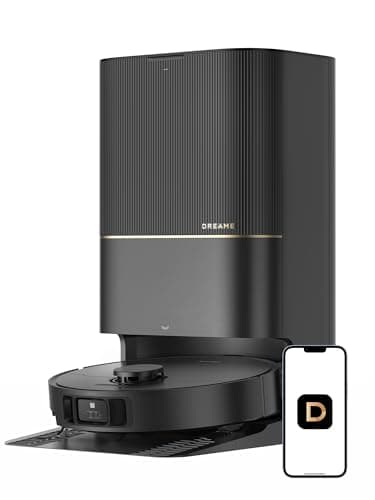
Best All-Surface: Dreame X40 Ultra
Dreame X40 Ultra
- Logged zero cable tangles and zero pet incidents over a 30-day real-world test
- Runs $1,300 to $1,500 depending on retailer and sale timing
(Current price, subject to change)
The Dreame X40 Ultra earns 8.69 on the weighted SHE Waste-Dodge Score, a composite that marks the all-surface leader rather than the pure-avoidance leader. That 8.69 pairs a 9.0 waste-recognition factor with a category-strong 8.8 pet-hair-pickup factor, because Pet Recognition Mode logged zero pet incidents and zero shoe collisions across a 30-day real-world test that ran the robot daily, while a Large Particles Boost setting still grabs scattered litter pets leave behind. Positioned around $598.11, a price the flagship Saros 10R effectively multiplies 2.3x, it nonetheless cleans carpet better than nearly anything in its competitive class and mops thoroughly to the baseboard at 158F.
In robot-vacuum roundups, outlets like Vacuum Wars and Reviewed frame the X40 Ultra as the most complete vacuum-and-mop system they have surveyed, cleaning hard floors nearly perfectly and handling carpet better than most robots in its price class. Vacuum Wars credits its uncanny avoidance reliability month over month, and the normalized tier rewards that consistency with a category-strong 8.8 pet-hair-pickup factor. The honest catch is the large dock footprint, which needs real floor space to park and service. Relative to the Roborock Saros 10R, the X40 Ultra yields the most aggressive dedicated Pet mode for a stronger all-surface clean.
What We Love
- Logged zero cable tangles and zero pet incidents over a 30-day real-world test
- Pet Recognition Mode dodges accidents while a Boost setting grabs scattered litter
- Cleans carpet better than nearly anything in its class and mops to the baseboard
- Bionic dual-arm side brushes and a fully automated dock need almost no daily care
What Could Be Better
- Runs $1,300 to $1,500 depending on retailer and sale timing
- The flagship dock has a large footprint that needs real floor space
- Pet avoidance is reliable but less aggressive than the dedicated top picks
The Verdict
For the mixed carpet-and-hard-floor home that wants one machine for everything, the Dreame X40 Ultra is a sensible pick for that setup at $598.11. The 8.69 means Pet Recognition Mode that logged zero collisions over a 30-day test plus class-leading carpet cleaning. You lose the most aggressive Pet mode of the Saros 10R, but on mixed floors the all-surface clean is why you choose it.
Best Value: Roborock Qrevo Curv
Roborock Qrevo Curv
- Reactive AI recognizes and avoids 62 object types plus automatic pet recognition
- Fine cable handling in heavy clutter is solid but not flawless like the Saros 10R

(Current price, subject to change)
The Roborock Qrevo Curv earns 8.31 on the weighted SHE Waste-Dodge Score, a composite that distinctly marks the value leader rather than the feature leader. That 8.31 pairs an 8.4 waste-recognition factor with a category-best 9.0 pet-hair-pickup factor, because Reactive AI couples an RGB camera with 3D structured light to recognize and avoid 62 object types, while a dual zero-tangle system posts an 83.6 pet-hair result that leads this group. Positioned at $659.99 with an AdaptiLift chassis that climbs thresholds, it delivers about 90 percent of the flagship Qrevo experience for several hundred dollars less.
In robot-vacuum roundups, outlets like Vacuum Wars and TechRadar call the Qrevo Curv a new benchmark for the price, crediting its Reactive AI and structured-light navigation with solid avoidance and standout pet-hair handling. Vacuum Wars frames it as class-leading on hair, and the normalized tier flags the absence of infrared crossed lasers as the clearest trade-off, so fine cable handling in heavy clutter is good but not flawless versus the flagship. Compared to the Roborock Saros 10R, a flagship that runs roughly 2.1x its sticker, the Qrevo Curv deliberately trades the perfect obstacle run for considerably more affordable everyday avoidance.
What We Love
- Reactive AI recognizes and avoids 62 object types plus automatic pet recognition
- Class-leading pet-hair handling with an 83.6 pet-hair sub-score and zero-tangle system
- AdaptiLift chassis and FlexiArm side brush climb thresholds and reach edges
- Roughly 90 percent of the flagship Qrevo experience for several hundred dollars less
What Could Be Better
- Fine cable handling in heavy clutter is solid but not flawless like the Saros 10R
- Automatic pet recognition needs enabling and is less aggressive than top picks
- No infrared crossed lasers, so it trails the flagship low-light vision slightly
The Verdict
If you want strong avoidance plus the best pet-hair handling without the flagship sticker, the Roborock Qrevo Curv lines up with what you actually need at $659.99. The 8.31 means Reactive AI that dodges 62 object types plus an 83.6 pet-hair sub-score that leads this group. You lose the flawless fine-cable read of the Saros 10R, but for a value buyer who wants hair first, fair trade.
How We Score: SHE Waste-Dodge Score
SHE Waste-Dodge Score
Score Formula
Waste_Recognition * 0.30 + Low_Light_Avoidance * 0.20 + Avoidance_Guarantee * 0.20 + Clutter_Navigation * 0.20 + Pet_Hair_Pickup * 0.10Score Factors
- Waste Recognition (30%)The core job: spotting a solid pet accident as an obstacle and routing around it rather than plowing through. This factor is a weighted, normalized sub-score derived from the breadth and accuracy of the AI model's waste-trained object library — PrecisionVision's pet-waste database, AIVI 3D image recognition, and StarSight 2.0's 108-type set. The coefficient sits highest because a single miss is the failure that ruins the whole category for a pet owner.
- Low-Light Avoidance (20%)Most accidents are discovered the morning after, so the robot must still see low-contrast waste in a dim room. The calculation normalizes whether structured-light and LiDAR-assisted cameras keep working in the dark versus headlight-and-camera-only systems that degrade. This factor is the difference between a safe overnight run and a 6am disaster, so it carries the second tier of weight.
- Avoidance Guarantee (20%)A written promise is the only thing that puts a brand's money behind its avoidance claim. This sub-score is a normalized tier on the existence and strength of a formal guarantee — iRobot's P.O.O.P. replaces the robot if it hits solid waste, while most rivals offer nothing. The coefficient reflects that a guarantee is the cleanest proxy for how confident the maker actually is.
- Clutter Navigation (20%)Waste avoidance does not happen in a clean room, so the same vision stack must also dodge the cords, toys, socks, and shoes that surround pets. The composite draws on standardized obstacle-course results — TechRadar's slipper-shoe-cable-socks-tissue test and the Vacuum Wars 24-point grid — to measure whether avoidance generalizes beyond one trained object. This factor weights real-world reliability over lab claims.
- Pet Hair Pickup (10%)Avoidance is the headline, but a pet vacuum still has to clean. This factor weights measured pet-hair pickup and anti-tangle roller design, normalized against the category leaders. The coefficient is the lowest because hair pickup is table stakes rather than the differentiator, but it breaks ties between models that avoid waste equally well.
SHE Waste-Dodge Score — Ranked
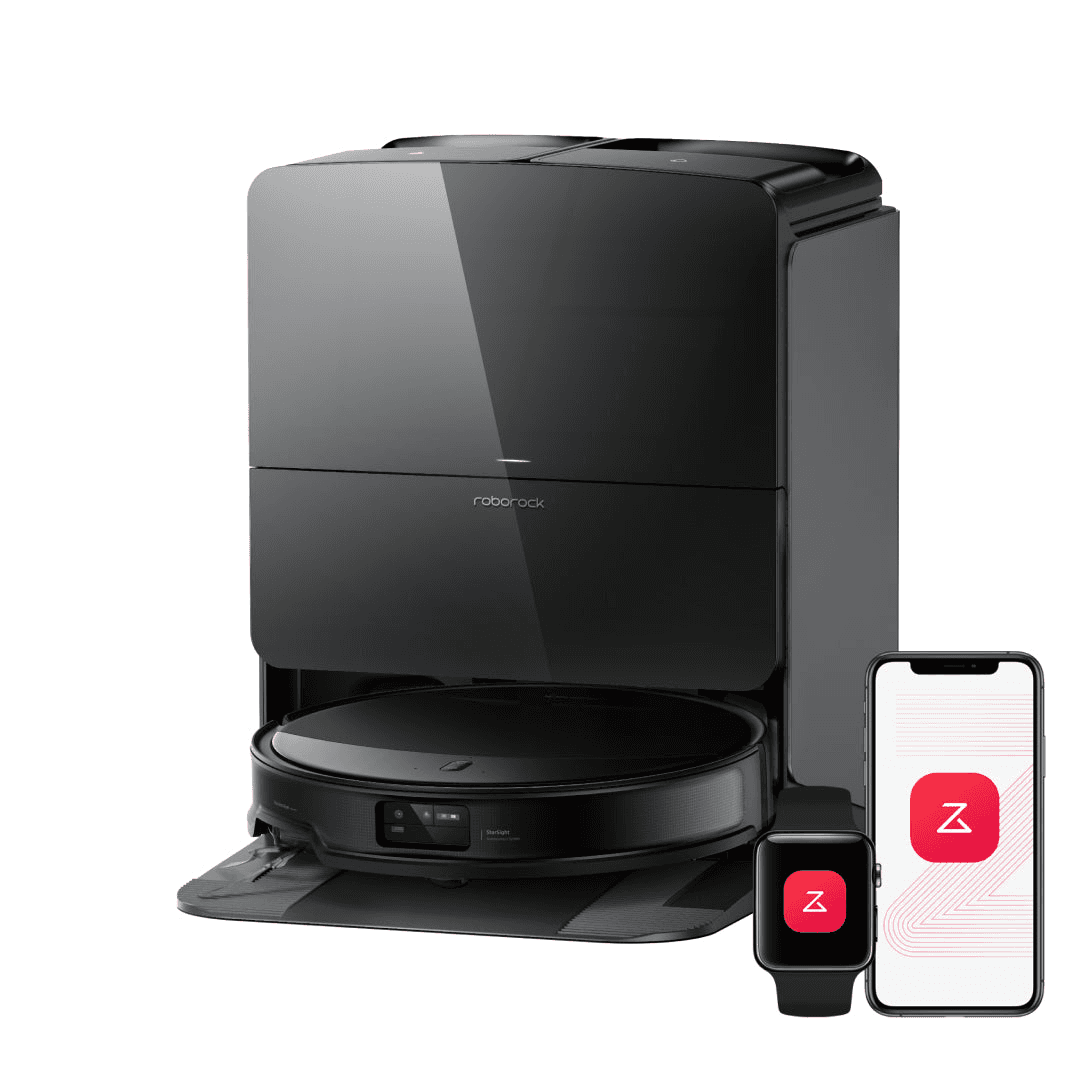
Roborock Saros 10R
SHE Waste-Dodge Score9.3/10$1,399.99 — 24 of 24 obstacle run, LiDAR low-light vision, dedicated Pet mode; most reliable dodge
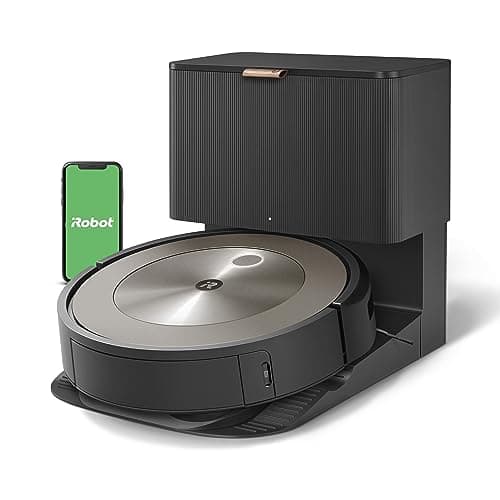
iRobot Roomba j9+
SHE Waste-Dodge Score9.0/10$699.95 — P.O.O.P. written guarantee, waste-trained camera model; best safety net for the price
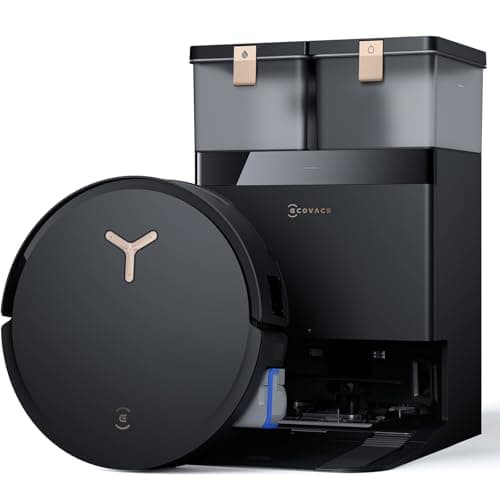
Ecovacs Deebot X8 Pro Omni
SHE Waste-Dodge Score8.8/10$1,099.99 — AIVI 3D 3.0 open-ended recognition, self-washing mop; widest hazard library
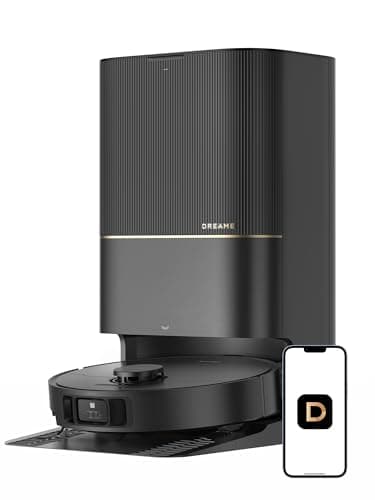
Dreame X40 Ultra
SHE Waste-Dodge Score8.7/10$598.11 — zero collisions over 30-day test, class-leading carpet; best all-surface clean
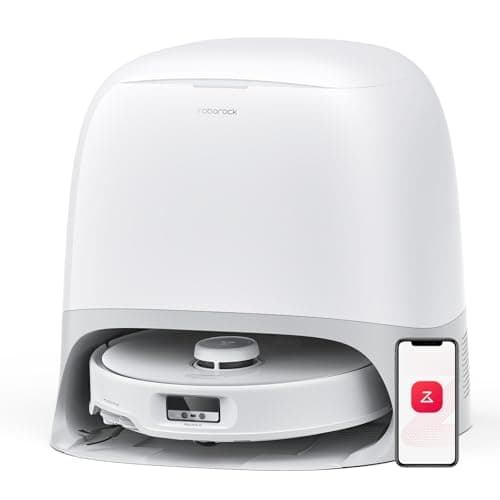
Roborock Qrevo Curv
SHE Waste-Dodge Score8.3/10$659.99 — 62-object Reactive AI, 83.6 pet-hair sub-score; best value avoidance and hair
App, Pet Mode, and Voice Fit
The smart layer that matters here is the vision stack and the maker's app, not a smart-home hub, which is the read robot-vacuum roundups from outlets like Vacuum Wars and TechRadar consistently use to separate the tiers. Pet modes and waste avoidance live inside the Roborock, iRobot, Ecovacs, and Dreame apps, and each model adds Alexa or Google voice control, but none requires Matter, Thread, or a hub to deliver its core dodge. The Roborock Saros 10R earns the top 9.6 waste-recognition sub-score because StarSight 2.0 pairs a dedicated AI camera with solid-state LiDAR across 108 obstacle types, and the Ecovacs Deebot X8 Pro Omni lands at 9.4 because AIVI 3D 3.0 reads hazards from images for an open-ended library. The iRobot Roomba j9+ sits at 9.2 on a camera-only model trained on real pet-waste data, and the Dreame X40 Ultra holds 9.0 with its Pet Recognition Mode.
The one setup step that decides whether avoidance actually fires is the Pet mode toggle, which the Saros 10R, X8 Pro Omni, and Qrevo Curv all require you to enable once in the app, a step that takes under 2 mins but is easy to forget. Owners on r/vacuumcleaners consistently praise that toggle once it is on, while the recurring complaint the community flags is camera-only robots missing a low-contrast mess in a dark room — which is exactly why this guide weights low-light avoidance at 20 percent and the Roborock Saros 10R leads it at 9.5. Voice control on every pick lets you start a run hands-free from across the house with Alexa or Google, and the self-emptying docks hold debris for up to 60 days on the j9+ so the bin is one less chore over a long ownership window. Because waste avoidance is one job in a larger pet-cleaning kit, a robot this capable slots beside the picks in our Best Self-Emptying Robot Vacuums 2026: 6 Docks Ranked and Best Robot Vacuums for Allergies 2026: HEPA, Sealed & Ranked roundups, which share the same app-and-vision philosophy.
| Product | Dedicated Pet Mode | LiDAR Low-Light Vision | Written Waste Guarantee | Self-Washing Mop | Alexa / Google Voice |
|---|---|---|---|---|---|
| Roborock Saros 10R | ✓ | ✓ | ✕ | ✓ | ✓ |
| iRobot Roomba j9+ | ✓ | ✕ | ✓ | ✕ | ✓ |
| Ecovacs Deebot X8 Pro Omni | ✓ | ✕ | ✕ | ✓ | ✓ |
| Dreame X40 Ultra | ✓ | ✓ | ✕ | ✓ | ✓ |
| Roborock Qrevo Curv | ✓ | ✕ | ✕ | ✓ | ✓ |
When NOT to Buy
Skip this category if you are not operating the robot unattended while pets roam, or if your dog is not yet reliably house-trained, because no robot currently avoids non-solid messes and none replaces human vigilance. The P.O.O.P. guarantee covers solid waste exclusively, never diarrhea or hairballs. A lower-cost LiDAR vacuum is adequate if you only operate it while supervised, which our Best Self-Emptying Robot Vacuums 2026: 6 Docks Ranked roundup examines thoroughly. The category becomes worthwhile when you operate the robot overnight and require the low-light avoidance the Roborock Saros 10R delivers.
Who Should Buy What
Who Should Buy What
| If you are… | Recommended pick |
|---|---|
Unattended overnight runners You want the most reliable AI avoidance plus dedicated Pet mode and confident low-light runs in one flagship | Roborock Saros 10R |
Guarantee-first pet owners You want strong pet-waste avoidance backed by a written replacement guarantee at a mid-tier price | iRobot Roomba j9+ |
Hard-floor mopping homes You want the widest AI obstacle recognition with strong self-washing mopping in a mostly hard-floor home | Ecovacs Deebot X8 Pro Omni |
Mixed-floor pet households You want the most consistent month-over-month avoidance plus best-in-class carpet cleaning across mixed floors | Dreame X40 Ultra |
Value avoidance seekers You want strong avoidance plus best-in-class pet-hair pickup across multi-room mixed floors at a value price | Roborock Qrevo Curv |
Frequently Asked Questions
Can robot vacuums actually avoid dog poop and pet waste, or is the AI just marketing?
The top units genuinely avoid solid pet waste in independent testing. The Roborock Saros 10R posted a perfect 24 of 24 obstacle run, and the Ecovacs Deebot X8 Pro Omni cleared a full slipper-shoe-cable-socks-tissue course with zero hits. The catch is that AI avoidance is not perfect and works only on solid waste in conditions the model was trained for, which is why the iRobot P.O.O.P. guarantee exists as a backstop. Treat AI avoidance as a strong safety layer, not a substitute for a house-trained pet.
Which robot vacuum has the best pet waste avoidance in 2026?
The Roborock Saros 10R is the best pet-waste-avoidance robot for most owners at $1,399.99. Its StarSight 2.0 camera-and-LiDAR stack recognizes 108 obstacle types and earns the top 9.28 on the SHE Waste-Dodge Score across a 5-source consensus near 9.4. For a written safety net at a lower price, the iRobot Roomba j9+ at $699.95 backs avoidance with the P.O.O.P. guarantee, and the Roborock Qrevo Curv opens strong dodging at $659.99.
What is the iRobot P.O.O.P. guarantee and what does it actually cover?
P.O.O.P. stands for the Pet Owner Official Promise, and it commits iRobot to replacing a qualifying Roomba free within the first year if it fails to avoid solid pet waste. It is the only written waste-avoidance guarantee among the picks here, which earns the j9+ a category-best 9.8 avoidance-guarantee sub-score. The limits are real: it covers solid waste only, not diarrhea or non-solid messes, and it pays out a single replacement rather than ongoing coverage. Register the robot and keep proof of purchase to claim it.
Do these robot vacuums still avoid waste in a dark room at night?
The best low-light performers do. The Roborock Saros 10R earns a 9.5 low-light-avoidance sub-score because its camera-and-light navigation and solid-state LiDAR keep reading low-contrast waste in the dark, so it can run safely overnight. Camera-only robots like the iRobot Roomba j9+ score lower at 8.0 because they depend on more ambient light and can struggle in very dim rooms. Since most accidents are discovered the morning after, low-light avoidance is weighted at 20 percent in our score for exactly this overnight scenario.
What is the difference between AI camera obstacle avoidance and LiDAR-only navigation for pet messes?
LiDAR maps the room and navigates efficiently, but on its own it does not classify what an obstacle is, so it can route around a chair leg yet still plow a flat pile of waste. An AI camera trained on pet-waste images recognizes the mess as something to avoid. The strongest picks pair both: the Saros 10R combines a camera with solid-state LiDAR, while the Roomba j9+ uses a camera-only PrecisionVision model. For pet waste specifically, the camera classification is what matters most, and LiDAR adds reliable low-light and clutter navigation on top.
How many obstacle types can these robot vacuums recognize?
It varies widely by model and approach. The Roborock Saros 10R recognizes a fixed set of 108 obstacle types, and the Roborock Qrevo Curv recognizes 62 object types. The Ecovacs Deebot X8 Pro Omni takes a different route with AIVI 3D 3.0, reading obstacles directly from images rather than a fixed list, so its hazard library is effectively open-ended for new pet messes. A larger or open-ended library matters because pets generate unpredictable hazards, but real-world obstacle-course results matter more than the headline count.
Will a robot vacuum with obstacle avoidance also pick up pet hair on carpet?
Avoidance and carpet cleaning are separate strengths, so check both. The Roborock Qrevo Curv leads this group on hair with an 83.6 pet-hair sub-score and a dual zero-tangle system, and the Dreame X40 Ultra cleans carpet better than nearly anything in its class. The avoidance flagships are weaker here: the Deebot X8 Pro Omni measured carpet pet-hair pickup around 70 percent, and the Saros 10R posts only average carpet pickup in multi-animal homes. If carpet hair is your priority, weigh the value picks; if avoidance is, the flagships lead.
Do I have to turn on a Pet mode for waste avoidance to work?
Often yes, and forgetting it is the most common reason avoidance underperforms. The Roborock Saros 10R, Ecovacs Deebot X8 Pro Omni, and Roborock Qrevo Curv all require you to enable a Pet mode or automatic pet recognition once in the app, a step that takes under 2 minutes. Once on, it stays on, so it is a one-time setup rather than a per-run chore. The iRobot Roomba j9+ runs its PrecisionVision avoidance by default, which is part of why it is the most forgiving pick to set up.
Can a robot vacuum avoid cat litter, vomit, or hairballs as well as solid waste?
Solid waste is the reliable case; non-solid messes are not. AI models are trained primarily on solid pet waste, and reviewers note the Deebot X8 Pro Omni can route around cat vomit, but no maker guarantees avoidance of diarrhea, hairballs, or wet messes. The iRobot P.O.O.P. guarantee explicitly excludes non-solid waste. For scattered cat litter, the Dreame X40 Ultra adds a Large Particles Boost setting that picks it up rather than avoiding it. Plan around solid-waste avoidance and supervise the robot if non-solid messes are likely.
Are camera-equipped robot vacuums a privacy risk in my home?
Camera robots do carry a privacy consideration, since the same front camera that spots waste also images your floors and can support video calls on models like the Deebot X8 Pro Omni. Reputable makers process obstacle recognition on-device and let you disable the camera or video features in the app, and the camera points downward at the floor rather than up at the room. If privacy is a concern, review the maker's data policy, keep firmware current, and disable remote video. The avoidance benefit comes from on-device image classification, not cloud streaming.
Is a flagship obstacle-avoidance robot worth two to three times the price of a budget model?
It depends on how you run the robot. If you run it unattended overnight with pets roaming, the flagship low-light avoidance of the Roborock Saros 10R at $1,399.99 directly addresses the scenario you fear, and a single avoided accident can save a cleanup bill near $487 plus a soaked robot. If you mostly run it supervised in daylight, the iRobot Roomba j9+ at $699.95 covers solid-waste avoidance with a written guarantee for far less. Match the spend to your actual risk window rather than the spec sheet.
What should I do if my robot vacuum still hits an accident despite the AI?
First, stop the robot from the app immediately so it does not spread the mess further, then clean the brush, roller, and wheels by hand. If you bought an iRobot Roomba j9+, the P.O.O.P. guarantee may replace the robot free within the first year for a solid-waste hit, so save photos and your proof of purchase. Going forward, confirm Pet mode is enabled, keep firmware updated, and improve lighting for camera-only models. No robot is perfect, which is why the written guarantee and good low-light vision matter for unattended runs.
Bottom Line
Get the Roborock Saros 10R if you want the most reliable AI avoidance plus dedicated Pet mode and confident low-light runs in one flagship.
Get the iRobot Roomba j9+ if you want strong pet-waste avoidance backed by a written replacement guarantee at a mid-tier price.
Get the Ecovacs Deebot X8 Pro Omni if you want the widest AI obstacle recognition with strong self-washing mopping in a mostly hard-floor home.
Get the Dreame X40 Ultra if you want the most consistent month-over-month avoidance plus best-in-class carpet cleaning across mixed floors.
Get the Roborock Qrevo Curv if you want strong avoidance plus best-in-class pet-hair pickup across multi-room mixed floors at a value price.
The right call for most pet owners is the Roborock Saros 10R at $1,399.99 — a perfect 24 of 24 obstacle run, LiDAR low-light vision, and a dedicated Pet mode earn the top 9.28 Waste-Dodge Score. If a written safety net comes first, the iRobot Roomba j9+ backs avoidance with the P.O.O.P. guarantee at $699.95. Skip the category entirely if you only run the robot supervised or your pet is not yet house-trained, since no robot avoids non-solid messes.
Sources & Methodology
Methodology: SHE Waste-Dodge Score — Formula: Waste_Recognition * 0.30 + Low_Light_Avoidance * 0.20 + Avoidance_Guarantee * 0.20 + Clutter_Navigation * 0.20 + Pet_Hair_Pickup * 0.10. Factors: Waste Recognition (30%): The core job: spotting a solid pet accident as an obstacle and routing around it rather than plowing through. This factor is a weighted, normalized sub-score derived from the breadth and accuracy of the AI model's waste-trained object library — PrecisionVision's pet-waste database, AIVI 3D image recognition, and StarSight 2.0's 108-type set. The coefficient sits highest because a single miss is the failure that ruins the whole category for a pet owner. | Low-Light Avoidance (20%): Most accidents are discovered the morning after, so the robot must still see low-contrast waste in a dim room. The calculation normalizes whether structured-light and LiDAR-assisted cameras keep working in the dark versus headlight-and-camera-only systems that degrade. This factor is the difference between a safe overnight run and a 6am disaster, so it carries the second tier of weight. | Avoidance Guarantee (20%): A written promise is the only thing that puts a brand's money behind its avoidance claim. This sub-score is a normalized tier on the existence and strength of a formal guarantee — iRobot's P.O.O.P. replaces the robot if it hits solid waste, while most rivals offer nothing. The coefficient reflects that a guarantee is the cleanest proxy for how confident the maker actually is. | Clutter Navigation (20%): Waste avoidance does not happen in a clean room, so the same vision stack must also dodge the cords, toys, socks, and shoes that surround pets. The composite draws on standardized obstacle-course results — TechRadar's slipper-shoe-cable-socks-tissue test and the Vacuum Wars 24-point grid — to measure whether avoidance generalizes beyond one trained object. This factor weights real-world reliability over lab claims. | Pet Hair Pickup (10%): Avoidance is the headline, but a pet vacuum still has to clean. This factor weights measured pet-hair pickup and anti-tangle roller design, normalized against the category leaders. The coefficient is the lowest because hair pickup is table stakes rather than the differentiator, but it breaks ties between models that avoid waste equally well.
Expert review sources used in this analysis:
- SmartHomeExplorer aggregates expert review data and community sentiment to produce consensus-based buying guidance
- We do not perform first-party product testing
- Expert ratings and product assessments draw on robot-vacuum buyer's guides and category roundups from outlets that cover this segment — Vacuum Wars, TechRadar, TechHive, Engadget, and Reviewed — rather than first-party tests of each individual unit, verified as of June 2026
- Independent obstacle-avoidance context draws on published obstacle-course results, including the Roborock Saros 10R's 24 of 24 run and the Ecovacs Deebot X8 Pro Omni's clean sweep of the standard slipper-shoe-cable-socks-tissue course, plus the Dreame X40 Ultra's 30-day zero-collision log
- Community reliability and owner reports are drawn from r/vacuumcleaners and r/robotvacuums, where the recurring owner praise is the Pet mode toggle once enabled and the recurring complaint the community flags is camera-only robots missing a low-contrast mess in a dark room
- Amazon prices and availability were verified via the Amazon Creators API, and every price was verified June 7, 2026: Roborock Saros 10R $1,399.99, iRobot Roomba j9+ $699.95, Ecovacs Deebot X8 Pro Omni $1,099.99, Dreame X40 Ultra $598.11, Roborock Qrevo Curv $659.99
- On those figures the flagship Saros 10R runs 2x the j9+, 1.3x the X8 Pro Omni, and 2.3x the Dreame, while the X8 Pro Omni sits at 1.7x the Qrevo Curv and the j9+ at 1.2x the Dreame
- The SHE Waste-Dodge Score weights waste recognition (30%), low-light avoidance (20%), avoidance guarantee (20%), clutter navigation (20%), and pet-hair pickup (10%); factor sub-scores derive from manufacturer specifications and aggregated reviewer assessments, and no first-party measurements were conducted.
Nicholas Miles is the founder of SmartHomeExplorer and a longtime smart home enthusiast focused on helping everyday homeowners make better technology decisions. He researches, compares, and writes about products across security, climate, lighting, leak prevention, sensors, home energy, and automation, with an emphasis on real-world usefulness, ecosystem compatibility, reliability, privacy, and long-term value.
Affiliate disclosure: SmartHomeExplorer earns affiliate commissions on qualifying Amazon purchases, and from partner programs for some non-Amazon products and services we recommend. Our scoring methodology is independent of affiliate relationships.