
Best Golf Launch Monitors for Home Simulators 2026
The Garmin Approach R50 wins — triple-camera photometric accuracy (0.82% ball-speed variance vs Trackman) with a built-in sim that needs no PC and no subscription.
This article contains affiliate links. We may earn a commission at no extra cost to you. Prices change frequently — check the current price on Amazon before buying. Learn more
The Short Answer
The Garmin Approach R50 wins overall: triple-camera photometric capture posts near-Trackman indoor numbers, and its built-in touchscreen runs the sim with no PC or subscription. For a tight room the SkyTrak+ reads spin off any ball in 10-14 ft. The Rapsodo MLM2PRO is the only sub-$700 unit with camera-measured spin.
Featured in this Guide
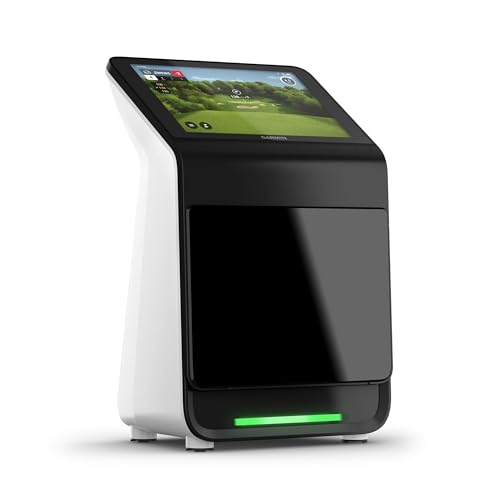
Garmin
Approach R50 Premium Golf Launch Monitor and Simulator
- •Near-Trackman indoor accuracy with a built-in 10-in touchscreen sim and zero subscription
Bushnell
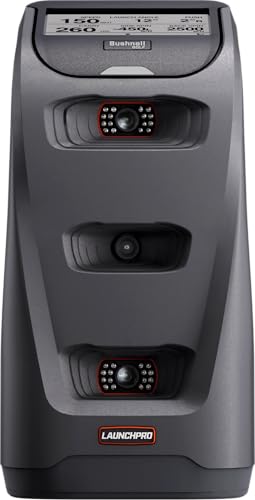
Launch Pro Circle B Edition Launch Monitor
- •Foresight GC3-derived cameras, tour-level accuracy, fits shallow rooms beside the ball
SkyTrak+
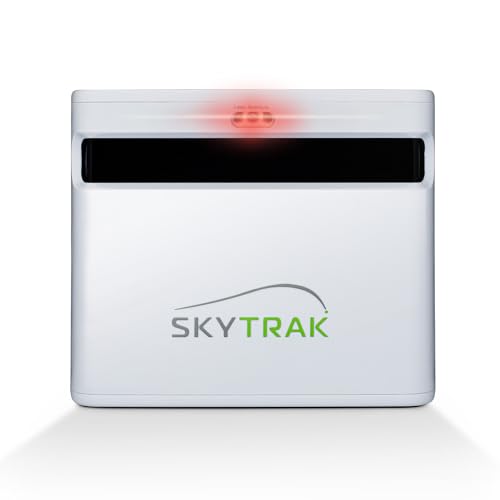
Launch Monitor & Golf Simulator
- •Measures spin off any ball in 10-14 ft of total depth — the shallow-room champion
Rapsodo
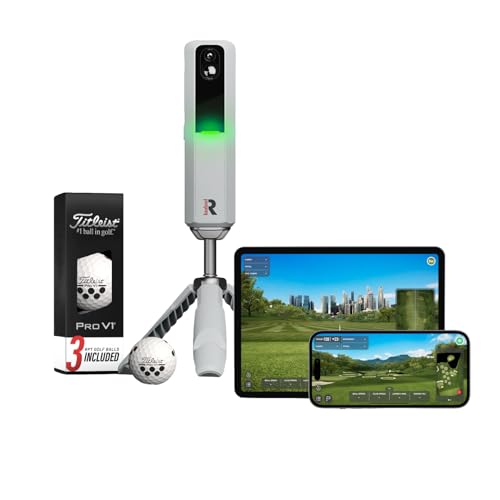
MLM2PRO Launch Monitor + Golf Simulator
- •Only sub-$600 unit with camera-measured spin plus GSPro and E6 support
FlightScope
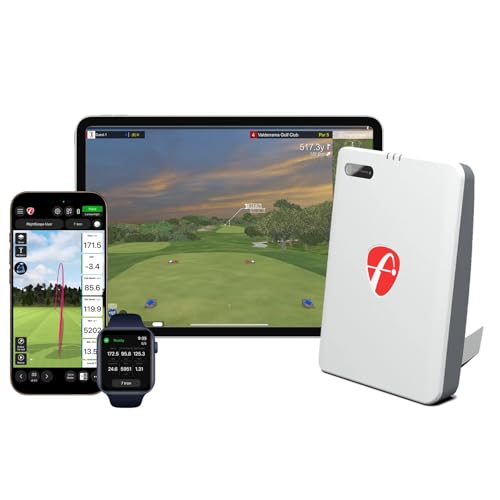
Mevo Gen2 Portable Golf Launch Monitor and Simulator
Garmin
Approach R10 Portable Golf Launch Monitor
- •Cheapest credible sim entry at $441 — if your room is deep enough for radar
Head-to-Head: Accuracy, Room Fit, Ecosystem, and the SHE Score
Fitness
Chart
 Smarthomeexplorer.com
Tap any pick to check its live price on Amazon.
NordicTrack Commercial 1750 Treadmill
RecommendedCheck price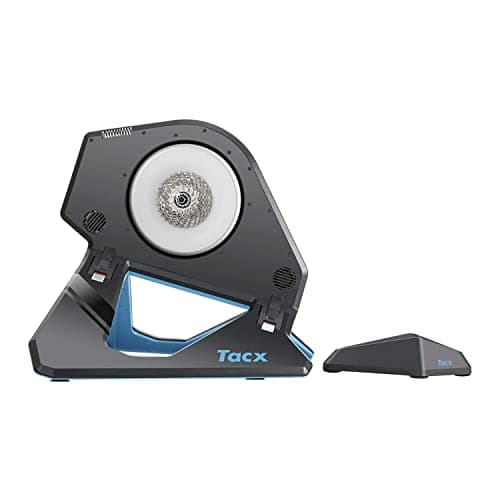
Garmin Tacx Neo 2T Smart Trainer
Must BuyCheck price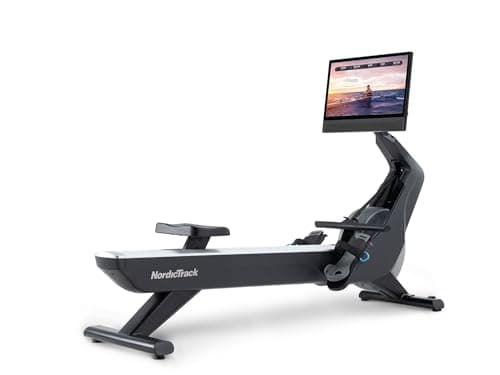
NordicTrack RW900 Rower
$1,999.00RecommendedCheck price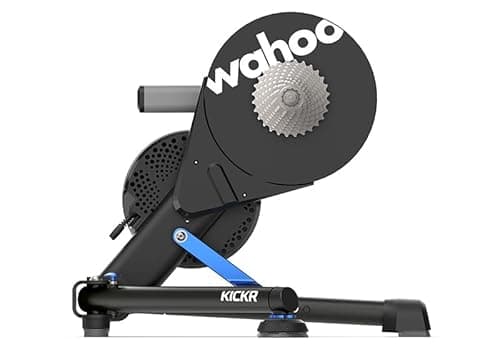
Wahoo Kickr V6 Smart Indoor Trainer
$849.99RecommendedCheck price
Will It Work in My Room?
You have priced the commodity hardware: the mat, the net, the screen, the projector. The launch monitor is the consequential purchase. It determines simulation accuracy, software compatibility, and the room depth your installation genuinely requires. The silent killer is depth. A radar unit needs 18-20 ft to track ball flight, while photometric cameras read at impact in rooms as shallow as 10 ft.
In this roundup we scored eight monitors on one weighted composite, the SHE Simulator Readiness Score, normalized against the rangefinder formula our Best Smart Golf Rangefinders 2026: GPS + Laser Hybrids hub uses. The dominant coefficient is indoor accuracy at 0.30, because directly measured spin yields superior precision over algorithmically derived spin indoors. Photometric capture produces near-reference numbers. Plugged In Golf documented the Garmin R50 at 0.82% ball-speed variance versus Trackman, spin within 50 rpm. Radar-derived spin trails that benchmark substantially in a flight-limited bay.
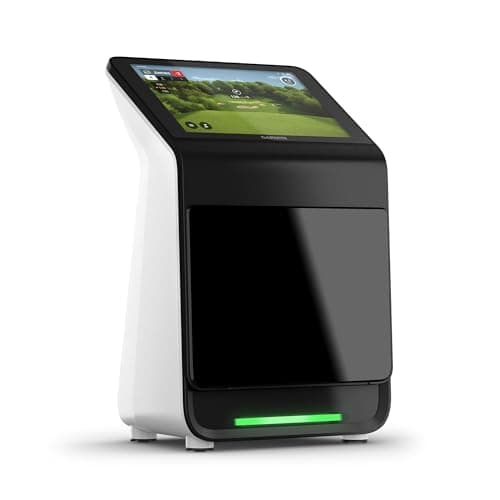
Best Overall: Garmin Approach R50 Premium Golf Launch Monitor and Simulator
Garmin Approach R50 Premium Golf Launch Monitor and Simulator
- Plugged In Golf measured 0.82% ball-speed variance vs Trackman, spin within 50 rpm
- At $4,499.98 it is the most expensive pick in this roundup
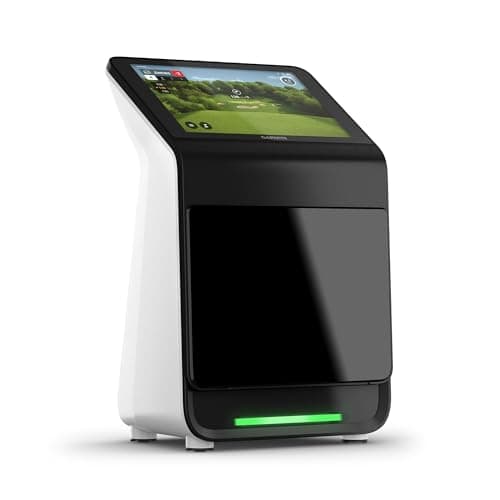
The Garmin Approach R50 Premium Golf Launch Monitor and Simulator earns the top composite of 8.4 on the SHE Simulator Readiness Score, our weighted index for indoor installations. What that number means for your bay is concrete. Photometric cameras photograph the ball at impact, so the unit produces reliable measurements without a long flight corridor. Plugged In Golf documented a 0.82% ball-speed variance versus Trackman with spin within 50 rpm. That is reference-grade accuracy in a flight-limited room.
Its normalized composite leads because the formula weights indoor accuracy at 0.30, and subscription independence rewards the on-device simulation. The built-in 10-in touchscreen runs Home Tee Hero with no PC, no phone, no membership. The triple-camera configuration reads at launch from roughly 7-8 ft behind the ball — vendor-specified placement. It wants marginally more depth than a side-placed camera, considerably less than radar.
Compared to the Bushnell Launch Pro Circle B Edition Launch Monitor, the R50 trades a sliver of raw camera accuracy for a finished, subscription-independent simulator in one box.
What We Love
- Plugged In Golf measured 0.82% ball-speed variance vs Trackman, spin within 50 rpm
- 10-in touchscreen runs the sim with no PC or phone tethered
- Home Tee Hero plays free on the device with no membership
- Five major sim platforms plus native software — the broadest ecosystem here
What Could Be Better
- At $4,499.98 it is the most expensive pick in this roundup
- Cameras read from ~7-8 ft behind the ball, so it wants more depth than side-placed photometric
- Club metrics rely on stickered shafts rather than direct club tracking
The Verdict
If you're building a no-fuss home bay and want the device to run the whole show, the Garmin Approach R50 Premium Golf Launch Monitor and Simulator fits the brief without compromise on indoor accuracy. The 8.4 reflects near-Trackman numbers plus a built-in sim that needs no PC and no annual fee. You pay the most up front, but it is the only pick that yields a finished simulator out of one box.
Check price for the Garmin Approach R50 Premium Golf Launch Monitor and Simulator →
Ready to upgrade your home?
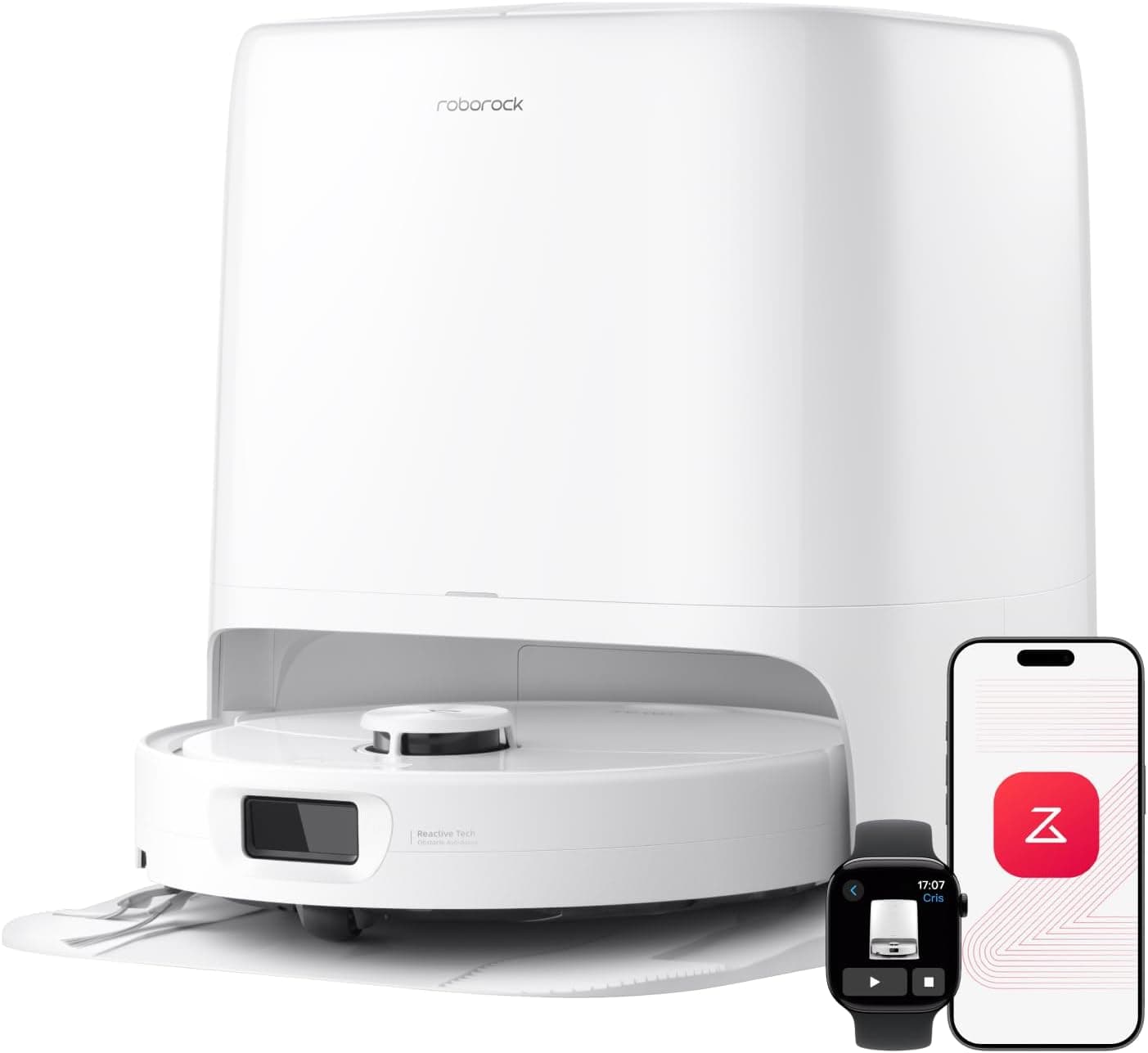
roborock Qrevo 2 Pro Robot Vacuum and Mop
See it on Amazon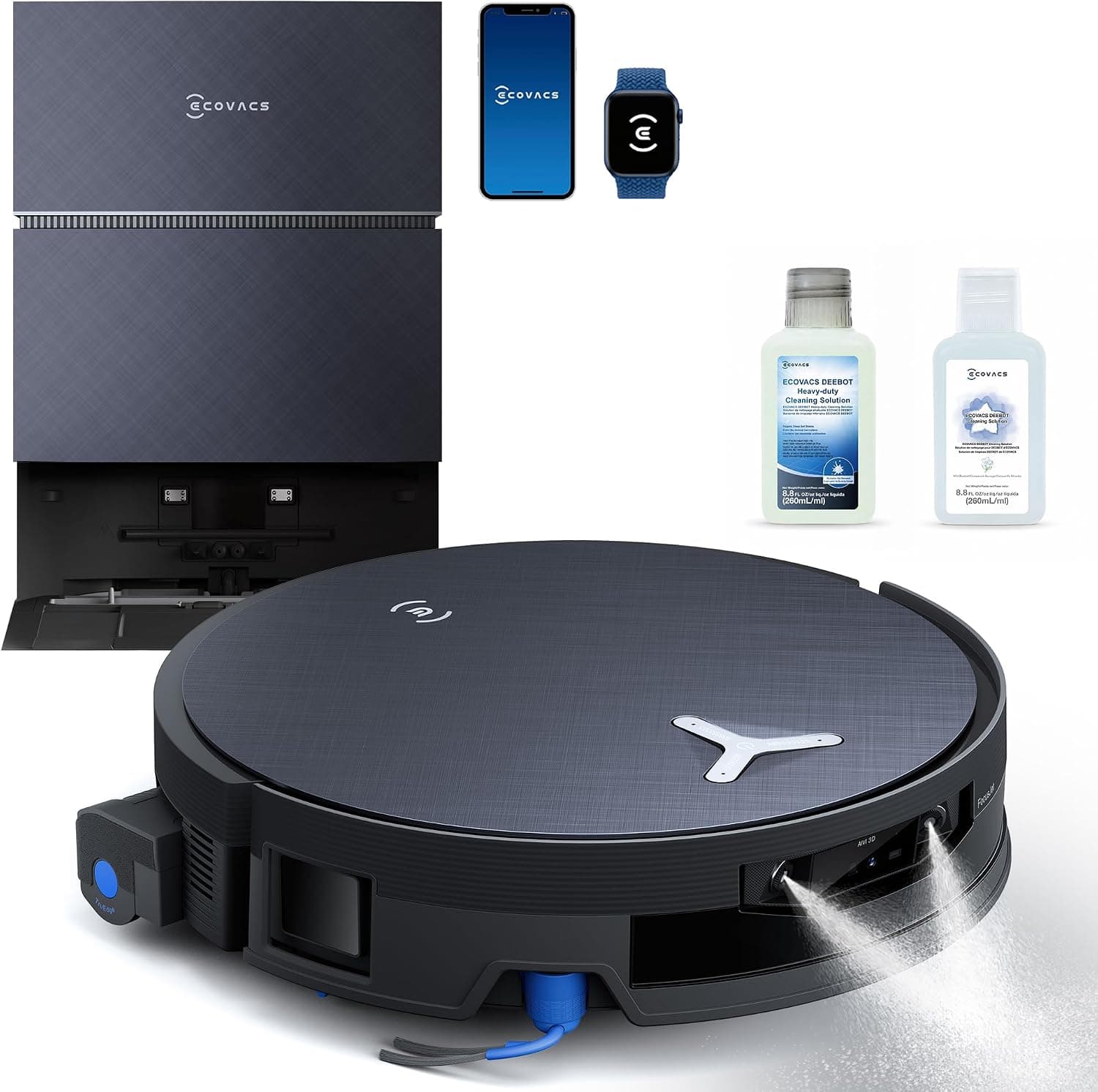
ECOVACS DEEBOT X12 PRO Omni Robot Vacuum and Mop
See it on Amazon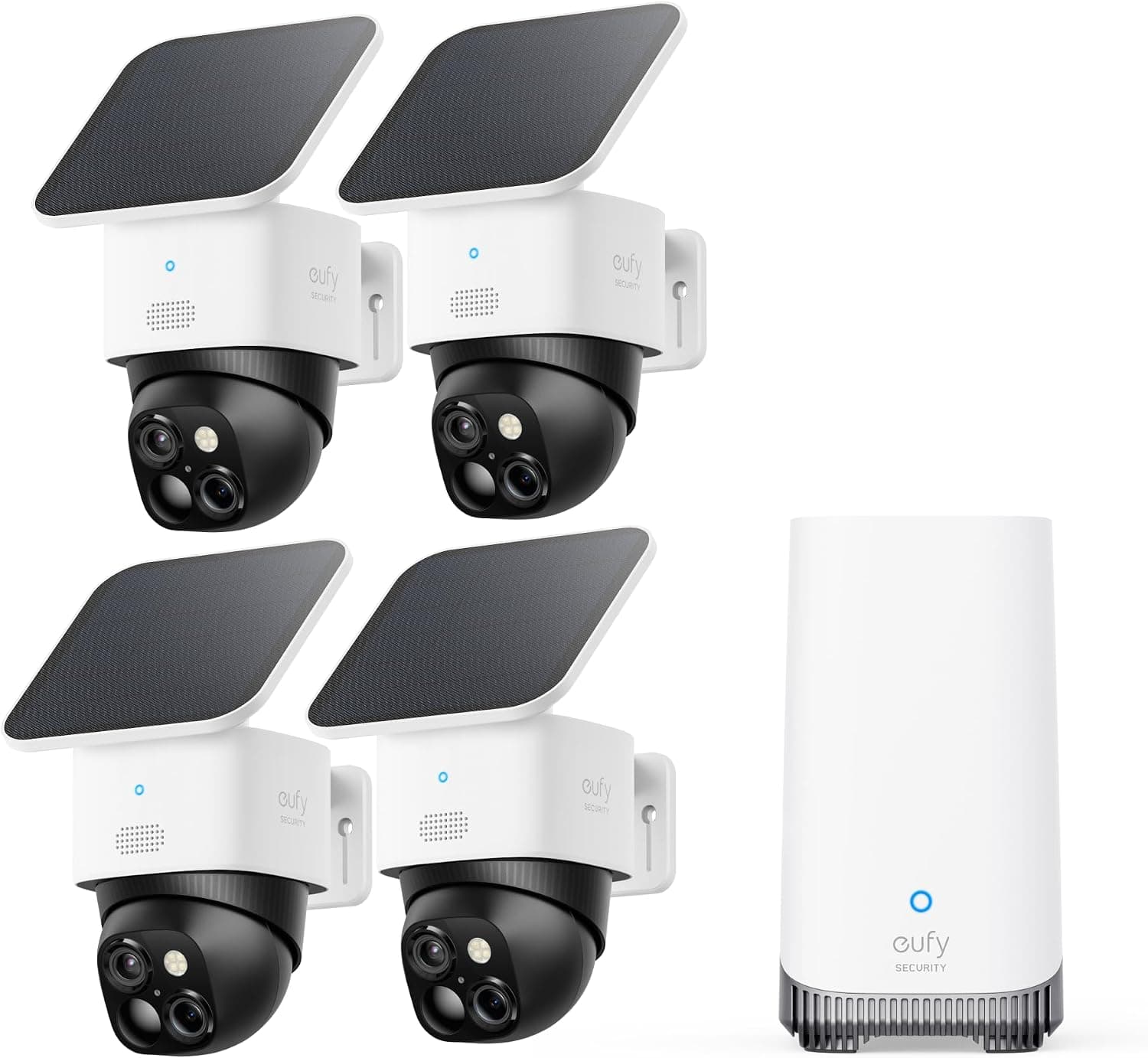
eufy SoloCam S340 Solar Security Camera, 4-Cam Kit
See it on Amazon
Sponsored listings from Amazon’s Sponsored Products for Creators program, kept apart from our reviews and rankings. How we make money
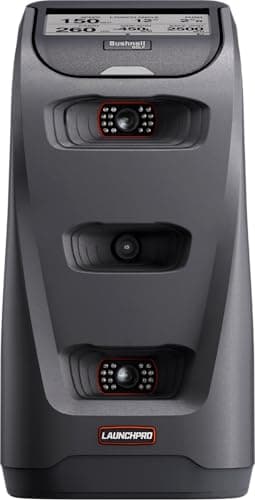
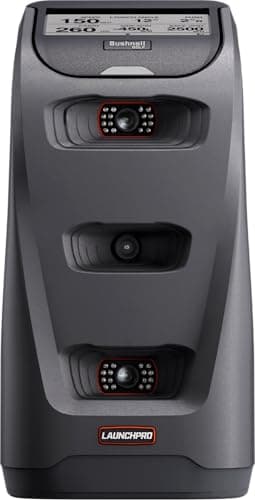
Best Pure Accuracy Under $3K: Bushnell Launch Pro Circle B Edition Launch Monitor
Bushnell Launch Pro Circle B Edition Launch Monitor
- Tour-level camera accuracy consensus across reviewers
- Full club data sits behind an annual subscription tier
(Current price, subject to change)
The Bushnell Launch Pro Circle B Edition Launch Monitor earns a composite of 8.2, second here, and posts the single highest indoor-accuracy factor in the set. For your bay that means the Foresight GC3-derived cameras photograph the ball beside the tee at impact. Golf Monthly and the broader reviewer consensus rate the capture at tour level. Because it reads at impact rather than tracking flight, PlayBetter places it comfortably in 10-14 ft of total room depth.
The catch is cost of ownership, and the formula scores it honestly. Breaking Eighty documents that full club data and third-party sim connectivity sit behind annual subscription tiers, which drags the subscription-independence factor down. That is why the more-accurate Launch Pro trails the R50 on the composite by 0.2 despite winning the accuracy column outright.
Compared to the SkyTrak+ Launch Monitor & Golf Simulator, the Launch Pro delivers more raw accuracy while the SkyTrak+ fits an even shallower room and reads spin off any ball.
What We Love
- Tour-level camera accuracy consensus across reviewers
- Sits beside the ball, so it reads in 10-14 ft of total depth
- Foresight GC3-derived sensor at well under historic GC3 pricing
- FSX Play native plus GSPro and E6 connectivity
What Could Be Better
- Full club data sits behind an annual subscription tier
- Third-party sim connectivity is also subscription-gated
- Side placement must be moved between right- and left-handed players
The Verdict
If you've narrowed to camera accuracy and a tight room, the Bushnell Launch Pro Circle B Edition Launch Monitor lines up with what you actually need. The 8.2 reflects the highest indoor-accuracy mark here plus a shallow-room footprint. Just budget for the subscription that unlocks full club data and third-party sims — that gate is the one caveat.
Check price for the Bushnell Launch Pro Circle B Edition Launch Monitor →
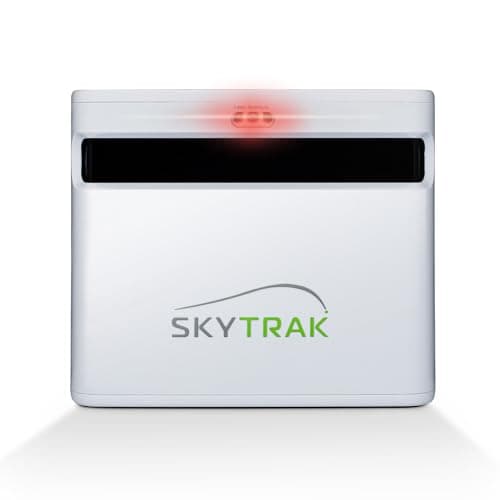
Best for Tight Rooms: SkyTrak+ Launch Monitor & Golf Simulator
SkyTrak+ Launch Monitor & Golf Simulator
- Reads in 10-14 ft of total depth — the tightest-room pick here
- Sim play requires an annual play plan
(Current price, subject to change)
The SkyTrak+ Launch Monitor & Golf Simulator earns a normalized composite of 7.6 and ranks as the tight-room champion. For your bay that means the side-placed photometric sensor requires only 10-14 ft of total depth per PlayBetter's per-device space series. It additionally measures spin directly off any ball, eliminating the marked or RPT balls hybrid units require indoors. Its dual Doppler radar pairs with the camera, capturing impact and early flight simultaneously.
The drawbacks are subscription and platform, and the composite formula weights both factors. Home Performance Lab documents SkyTrak discontinued GSPro support in 2026, and simulation in its proprietary software requires an annual play plan. The 100K+ course library is generous, but the GSPro elimination is decisive information for the software-first buyer.
Compared to the Rapsodo MLM2PRO Launch Monitor + Golf Simulator, the SkyTrak+ accommodates a tighter room and reads any ball, while the Rapsodo costs considerably less and retains GSPro.
What We Love
- Reads in 10-14 ft of total depth — the tightest-room pick here
- Measures spin off any ball, no marked or RPT balls required
- 100K+ courses in its own simulator software
- Photometric plus dual Doppler captures both impact and flight
What Could Be Better
- Sim play requires an annual play plan
- GSPro support was dropped — a dealbreaker for GSPro-committed buyers
The Verdict
If you're squeezing a sim into a shallow garage or basement bay, the SkyTrak+ Launch Monitor & Golf Simulator is a sensible pick for that setup. The 7.6 reflects 10-14 ft room fit plus spin measured off any ball. The honest catch: it dropped GSPro support, so if your courses live there, look elsewhere — that is the path of least friction for a GSPro household.
Check price for the SkyTrak+ Launch Monitor & Golf Simulator →
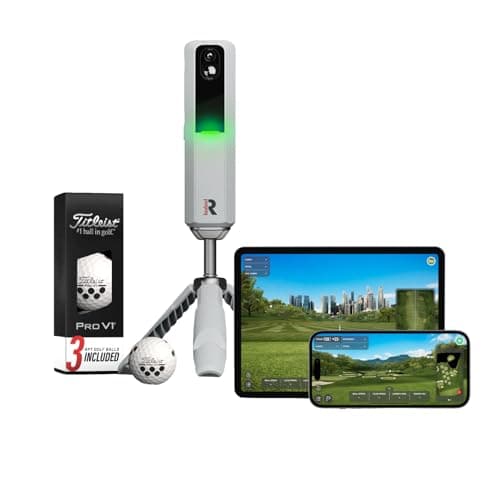
Best Value Under $700: Rapsodo MLM2PRO Launch Monitor + Golf Simulator
Rapsodo MLM2PRO Launch Monitor + Golf Simulator
- Only unit near $600 with camera-measured spin (via RPT balls)
- Premium membership required after the included first year
(Current price, subject to change)
The Rapsodo MLM2PRO Launch Monitor + Golf Simulator earns a normalized composite of 7.2 and is the value standout of the set. For your bay that means dual impact cameras measure spin off RPT balls, the only unit near $600 capturing spin rather than deriving it. Measured spin is the single biggest indoor accuracy gap in this category — it is why this hybrid outperforms its price and why a pure-radar unit is an entry point rather than an endpoint. It tracks 15+ club and ball data points and connects to GSPro, E6, and Awesome Golf.
The constraints are subscription and depth, and the composite formula scores both factors. A Premium membership is required after the included first year to retain full simulation features, and the behind-ball cameras want roughly 7 ft of setback. That positions it deeper than a side-placed camera, shallower than a pure-radar unit.
Compared to the Garmin Approach R10 Portable Golf Launch Monitor, the Rapsodo measures spin where the Garmin derives it, yielding a considerably more honest indoor number.
What We Love
- Only unit near $600 with camera-measured spin (via RPT balls)
- 15+ data points including measured spin
- GSPro, E6, and Awesome Golf platform support
- Dual impact cameras add shot-replay capture
What Could Be Better
- Premium membership required after the included first year
- RPT balls are needed to unlock camera-measured spin
- ~7 ft setback means it wants more depth than side photometric
The Verdict
If you're a first-sim builder who wants real measured spin without four-figure spend, the Rapsodo MLM2PRO Launch Monitor + Golf Simulator checks the boxes that matter for a budget bay. The 7.2 reflects camera-measured spin near $600 plus full GSPro and E6 support. Factor the Premium membership after year one into the real cost — that is the honest catch at this price.
Check price for the Rapsodo MLM2PRO Launch Monitor + Golf Simulator →
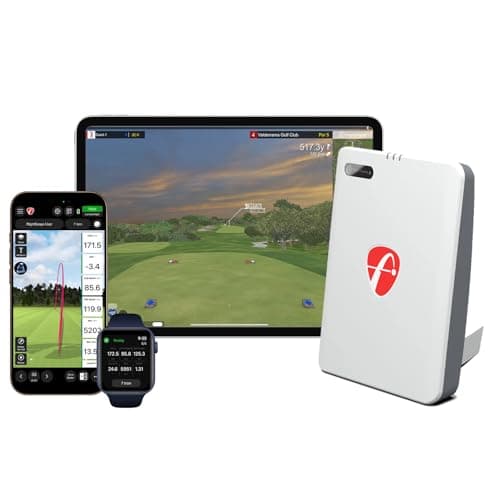
Best Data Depth, No Subscription: FlightScope Mevo Gen2 Portable Golf Launch Monitor and Simulator
FlightScope Mevo Gen2 Portable Golf Launch Monitor and Simulator
- 18 swing and ball parameters — the deepest data at this price
- Needs ~16 ft total depth minimum, 21 ft ideal
(Current price, subject to change)
The FlightScope Mevo Gen2 Portable Golf Launch Monitor and Simulator earns a normalized composite of 7.0 and posts the deepest data column in the set. For your bay that means 18 swing and ball parameters, the highest count here, fused from 3D Doppler radar and a camera. It incorporates 8 E6 Connect courses and connects to GSPro with no vendor fee, so the subscription-independence factor scores generously.
The limitation is room depth, and the composite formula scores it plainly. PlayBetter positions the Mevo Gen2 at roughly 16 ft total minimum and 21 ft ideal, since the radar requires 8 ft behind the ball plus 8 ft of flight. It additionally requires metallic dots or RCT balls to measure spin indoors, a procedure the photometric picks circumvent entirely.
Compared to the SkyTrak+ Launch Monitor & Golf Simulator, the Mevo Gen2 captures more raw parameters but demands considerably more room and never approaches the SkyTrak+ tight-bay fit.
What We Love
- 18 swing and ball parameters — the deepest data at this price
- 8 E6 courses included out of the box
- Official no-fee GSPro connection
- Front-facing camera adds GPS overview and shot tracer
What Could Be Better
- Needs ~16 ft total depth minimum, 21 ft ideal
- Requires metallic dots or RCT balls for indoor spin
- Radar DNA means it reads short in a flight-limited room
The Verdict
If you've got a deep room and want the most data with no recurring fee, the FlightScope Mevo Gen2 Portable Golf Launch Monitor and Simulator lines up with what you actually need. The 7.0 reflects 18 parameters plus 8 included E6 courses and free GSPro. The honest gap: it wants 16-21 ft of depth and marked balls for indoor spin, so deep bays only.
Check price for the FlightScope Mevo Gen2 Portable Golf Launch Monitor and Simulator →
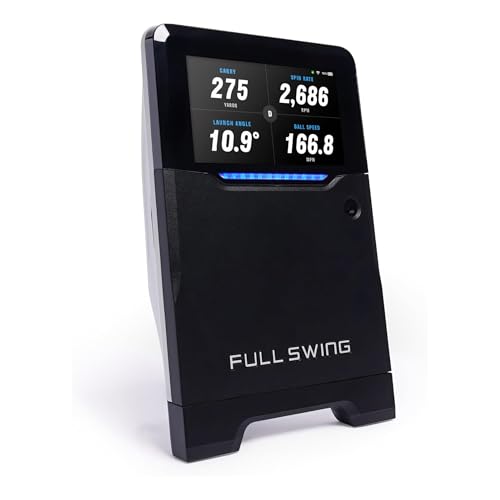
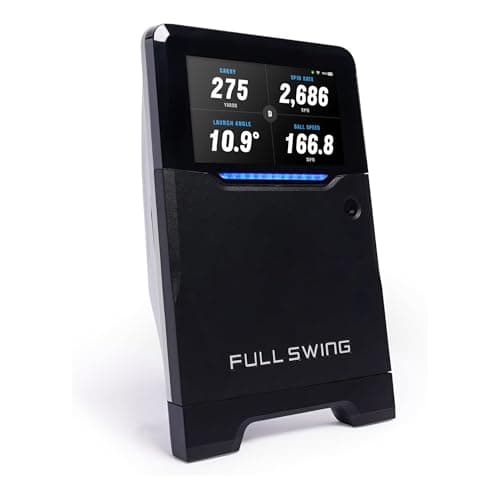
Tour-Proven Splurge: Full Swing KIT Golf Launch Monitor & Simulator
Full Swing KIT Golf Launch Monitor & Simulator
- 16 club and ball metrics from 5D AI radar plus 4K camera
- Golf Monthly found it reading 10-12 yd short of the R50 on 7-irons indoors
(Current price, subject to change)
The Full Swing KIT Golf Launch Monitor & Simulator earns a normalized composite of 6.6, and its strengths are data depth and ownership economics. For your bay that means 16 club and ball metrics from a 5D AI radar paired with a 4K camera, presented on an OLED display, with no required subscription for connected simulation. On outdoor accuracy Golf Monthly found nothing to differentiate it from the R50.
Indoors is a different story, and the composite formula does not pretend otherwise. The identical Golf Monthly head-to-head documented the KIT reading 10-12 yd short of the R50 on 7-iron shots without complete ball flight. Its radar architecture wants the depth a garage bay rarely accommodates, which is precisely why the space-efficiency factor scores low here.
Compared to the Garmin Approach R50 Premium Golf Launch Monitor and Simulator, the KIT matches it outdoors but yields measurable ground in a flight-limited indoor installation.
What We Love
- 16 club and ball metrics from 5D AI radar plus 4K camera
- OLED display shows data on the unit itself
- Full Swing app, E6, and GSPro support
- No required subscription for connected sim play
What Could Be Better
- Golf Monthly found it reading 10-12 yd short of the R50 on 7-irons indoors
- Radar DNA wants outdoor or long-flight space
The Verdict
If you're sold on the tour-proven name and play mostly outdoors, the Full Swing KIT Golf Launch Monitor & Simulator is a sensible pick for that setup. The 6.6 reflects 16 metrics and no subscription, balanced against radar-led indoor depth needs. The honest catch: Golf Monthly clocked it 10-12 yd short of the R50 on indoor 7-irons, so it is an outdoor-leaning unit at an indoor-build price.
Check price for the Full Swing KIT Golf Launch Monitor & Simulator →
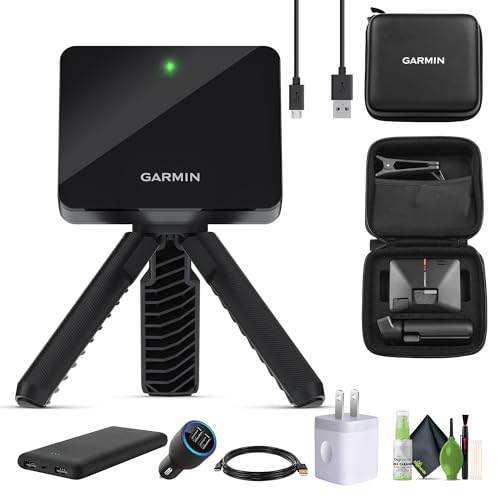
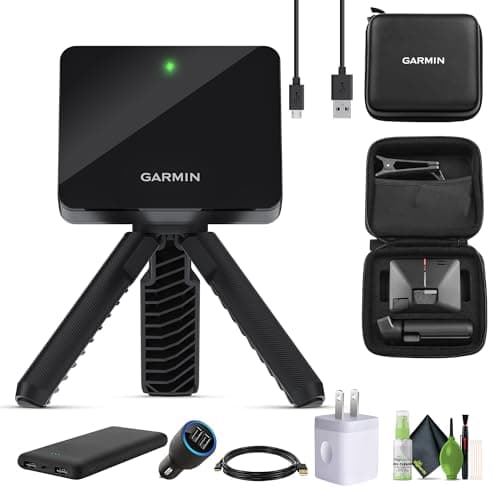
Best First Launch Monitor: Garmin Approach R10 Portable Golf Launch Monitor
Garmin Approach R10 Portable Golf Launch Monitor
- Cheapest credible sim entry at $440.95
- Radar setups want 18-20 ft of room depth indoors
(Current price, subject to change)
The Garmin Approach R10 Portable Golf Launch Monitor earns a normalized composite of 6.1 and is the budget gateway to a home simulator. For your bay that means the broadest software ecosystem of any sub-$700 unit: Home Tee Hero plus E6, GSPro, Awesome Golf, Creative Golf, and TGC 2019. At $440.95 it is the cheapest credible entry, and its 10-hour battery accommodates portable indoor and outdoor utilization.
The ceiling is room depth and spin, and the composite formula scores both factors. Home Performance Lab observes radar configurations want 18-20 ft of total depth to track flight reliably indoors, and the spin axis is derived algorithmically rather than measured directly. Home Tee Hero simulation additionally requires a Garmin Golf membership.
Compared to the Rapsodo MLM2PRO Launch Monitor + Golf Simulator, the R10 economizes but derives spin where the Rapsodo measures it, the differentiator that establishes it as an entry point.
What We Love
- Cheapest credible sim entry at $440.95
- Broadest budget ecosystem: Home Tee Hero plus five third-party platforms
- 10-hour battery for portable indoor and outdoor use
- Light, quick-to-place behind-ball radar
What Could Be Better
- Radar setups want 18-20 ft of room depth indoors
- Spin axis is algorithmically derived, not measured
- Home Tee Hero sim needs a Garmin Golf membership
The Verdict
If your room is deep and you want the lowest-cost way into a sim, the Garmin Approach R10 Portable Golf Launch Monitor is the path of least friction. The 6.1 reflects a huge sim ecosystem at $441, tempered by radar room-depth needs. The honest catch: it wants 18-20 ft of depth and derives spin, so it is an entry point, not an endpoint.
Check price for the Garmin Approach R10 Portable Golf Launch Monitor →
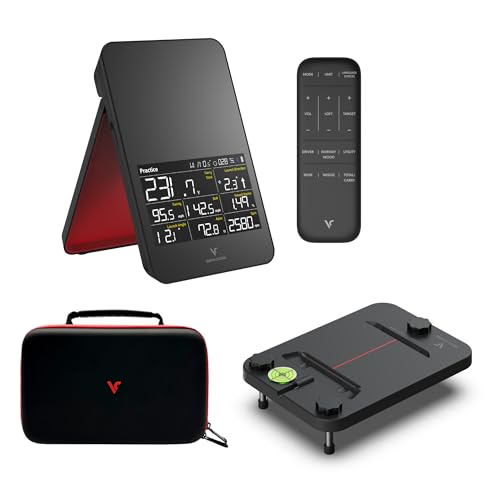
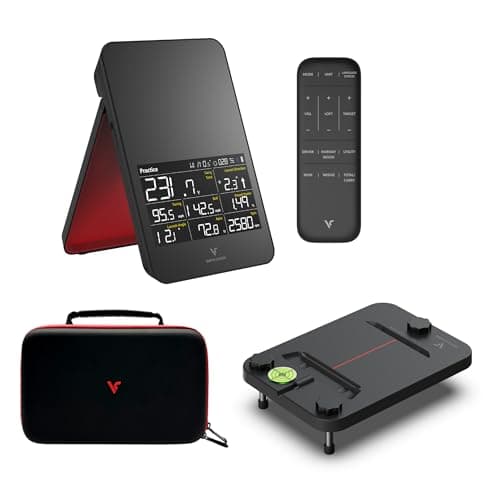
Budget Range-Feedback Pick: Voice Caddie SC4 PRO Portable Golf Launch Monitor Bundle
Voice Caddie SC4 PRO Portable Golf Launch Monitor Bundle
- Voice-callout feedback reads data aloud after each shot
- Narrower sim ecosystem: E6 and OptiShot Orion only
(Current price, subject to change)
The Voice Caddie SC4 PRO Portable Golf Launch Monitor Bundle earns a normalized composite of 5.4 and rounds out the set as the budget range-feedback pick. For your bay that means voice-callout feedback enunciates each shot aloud, and the ProMetricS engine contributes spin axis, side spin, and dispersion. Breaking Eighty measured its carry distances within a few yards of Trackman outdoors, credible validation for a sub-$650 radar unit. It carries no required subscription.
The limitations are ecosystem and indoor spin, and the composite formula scores both factors. Its simulation reach encompasses only E6 and OptiShot Orion, the narrowest here, and its radar-derived spin trails the camera-measured units in a flight-limited room. It is engineered more for range feedback than complete simulation immersion.
Compared to the Garmin Approach R10 Portable Golf Launch Monitor, the SC4 Pro matches the budget radar tier but accesses fewer simulation platforms, which is why it occupies the foot of the ranking.
What We Love
- Voice-callout feedback reads data aloud after each shot
- ProMetricS adds spin axis, side spin, and dispersion
- No required subscription for the bundled features
- Bundle includes an alignment stand and protective case
What Could Be Better
- Narrower sim ecosystem: E6 and OptiShot Orion only
- Radar-derived spin trails camera-measured units indoors
- Best suited to range feedback rather than full sim immersion
The Verdict
If you mainly want range-style feedback on a budget and play outdoors, the Voice Caddie SC4 PRO Portable Golf Launch Monitor Bundle is a sensible pick for that setup. The 5.4 reflects voice callouts and no subscription, against a narrow sim ecosystem. The honest catch: Breaking Eighty clocked it within a few yards of Trackman outdoors, but its sim reach is the thinnest here.
Check price for the Voice Caddie SC4 PRO Portable Golf Launch Monitor Bundle →
How We Score: SHE Simulator Readiness Score
SHE Simulator Readiness Score
Score Formula
(Indoor Accuracy × 0.30) + (Sim Ecosystem Breadth × 0.25) + (Space Efficiency × 0.20) + (Data Metric Depth × 0.15) + (Subscription Independence × 0.10)Score Factors
- Indoor Accuracy (30%)How accurately the sensor reads shots in a flight-limited indoor bay, anchored to the measured-vs-derived spin divide. Photometric capture at impact with published near-reference results scores highest (Bushnell Launch Pro 95, Garmin R50 92 on Plugged In Golf's 0.82% ball-speed variance vs Trackman). Camera-plus-radar hybrids with measured spin via marked balls score mid (Rapsodo MLM2PRO 78). Radar-only with derived spin trails (Garmin R10 55). The category's defining factor, weighted highest.
- Sim Ecosystem Breadth (25%)Count and quality of officially supported simulator platforms (GSPro, E6 Connect, TGC 2019, Awesome Golf, Creative Golf) plus native software. Five-plus major platforms including native scores 90 (Garmin R10 and R50); four to five scores 85 (Rapsodo, Bushnell Launch Pro); three scores 65-75; two niche platforms scores 50 (Voice Caddie SC4 Pro). The SkyTrak+ GSPro drop costs it here.
- Space Efficiency (20%)Inverse of minimum total room depth for reliable data. Side-placed photometric needing 10-14 ft scores 90-92 (SkyTrak+, Bushnell Launch Pro). Behind-ball cameras score mid (Garmin R50 65, Rapsodo 55). Pure or primary radar needing 16-21 ft trails (Mevo Gen2 40, Garmin R10 38, Full Swing KIT 35). The silent killer of home builds.
- Data Metric Depth (15%)Count of club and ball parameters and measured-vs-derived status, scaled to the category leader. 18 parameters tops the scale (FlightScope Mevo Gen2 90); 16 metrics follow (Full Swing KIT 85); 15-plus data points next (Rapsodo 80); derived-spin radar trails (Garmin R10 60).
- Subscription Independence (10%)Whether full simulator functionality survives without recurring fees. Everything included forever scores 95 (Garmin R50 built-in sim). No vendor fee with sim included or free scores 85-90 (Mevo Gen2, Full Swing KIT, Voice Caddie SC4 Pro). Native play behind a membership scores 40-50 (Garmin R10, Rapsodo, SkyTrak+). Club data and third-party connectivity gated lowest (Bushnell Launch Pro 35).
SHE Simulator Readiness Score — Ranked
Garmin Approach R50 Premium Golf Launch Monitor and Simulator
SHE Simulator Readiness Score8.4/10$4,499.98 — triple-camera 0.82% variance vs Trackman, built-in sim, zero subscription
Bushnell Launch Pro Circle B Edition Launch Monitor
SHE Simulator Readiness Score8.2/10$2,499.99 — highest indoor accuracy, fits 10-14 ft rooms; club data behind subscription
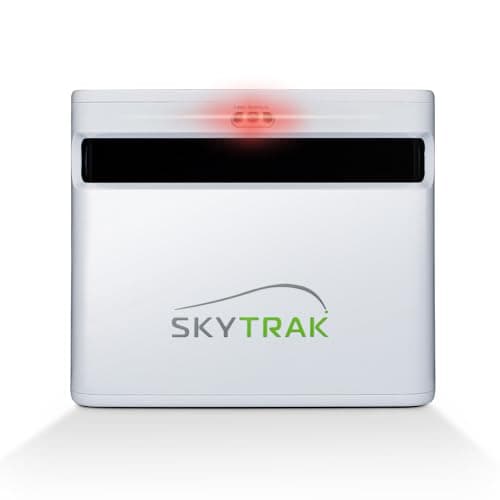
SkyTrak+ Launch Monitor & Golf Simulator
SHE Simulator Readiness Score7.6/10$1,495.00 — tight-room champion at 10-14 ft, spin off any ball; GSPro support dropped
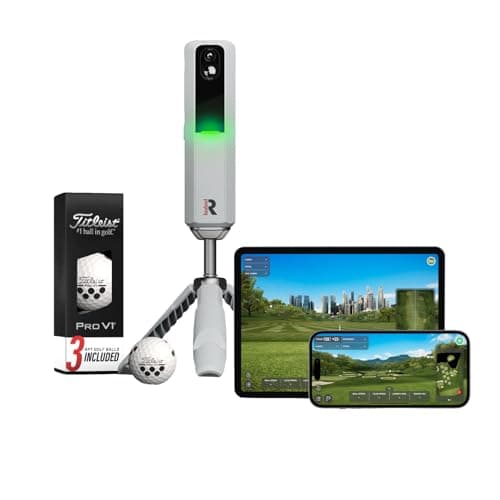
Rapsodo MLM2PRO Launch Monitor + Golf Simulator
SHE Simulator Readiness Score7.2/10$599.98 — only sub-$600 camera-measured spin; Premium membership after year one
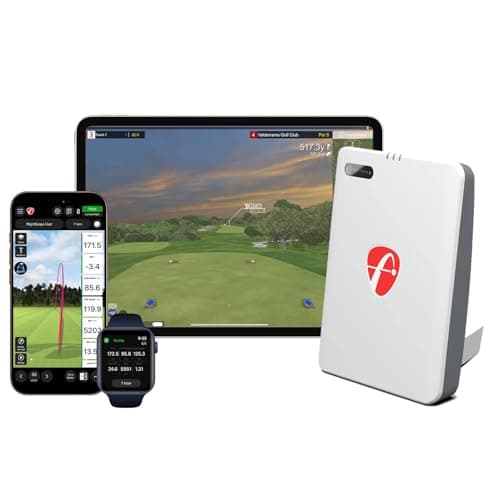
FlightScope Mevo Gen2 Portable Golf Launch Monitor and Simulator
SHE Simulator Readiness Score7.0/10$1,299.00 — 18 parameters, 8 E6 courses, free GSPro; wants 16-21 ft of depth
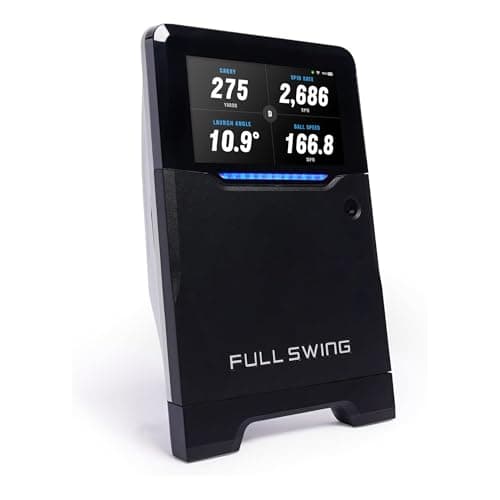
Full Swing KIT Golf Launch Monitor & Simulator
SHE Simulator Readiness Score6.6/10$3,994.00 — 16 metrics, no subscription; reads 10-12 yd short indoors per Golf Monthly
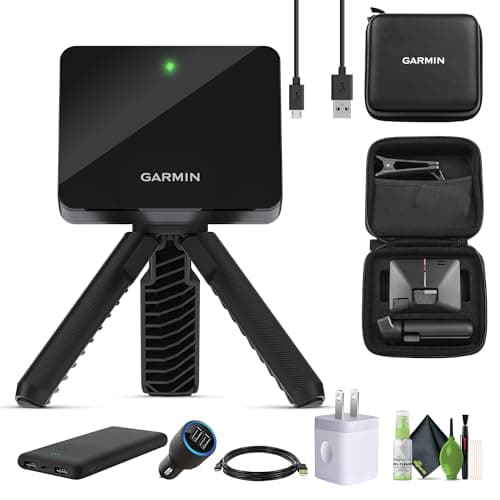
Garmin Approach R10 Portable Golf Launch Monitor
SHE Simulator Readiness Score6.1/10$440.95 — cheapest sim entry, broadest ecosystem; radar wants 18-20 ft, derived spin
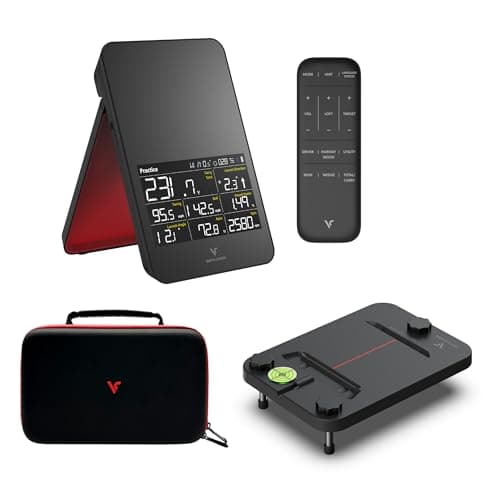
Voice Caddie SC4 PRO Portable Golf Launch Monitor Bundle
SHE Simulator Readiness Score5.4/10$634.99 — voice callouts, no subscription; narrow E6 + OptiShot ecosystem, derived spin
Radar vs Photometric: Which Works in Your Room
The single most useful thing to understand before buying is that radar and photometric units fail in different places, and the dividing line is room depth. Radar (Doppler) units like the Garmin Approach R10 Portable Golf Launch Monitor and FlightScope Mevo Gen2 Portable Golf Launch Monitor and Simulator sit 6-8 ft behind the ball and track flight for 10-15 ft after impact. They are cheaper per data point and serve righties and lefties without repositioning. But indoors they need ball flight to read: Home Performance Lab's 2026 small-space ranking puts reliable radar setups at 18-20 ft of total room depth. The most common buyer mistake is pairing a $441 R10 with a 14-ft garage bay where it cannot track flight at all.
Photometric (camera) units like the SkyTrak+ Launch Monitor & Golf Simulator and Bushnell Launch Pro Circle B Edition Launch Monitor photograph the ball at impact with high-speed cameras and need almost no flight. Side-placed photometric works in rooms as shallow as 10 ft deep, and PlayBetter puts the SkyTrak+ at 10-14 ft of total depth. They also measure spin directly off any ball, which produces a more honest indoor number than the derived spin a pure radar yields. The tradeoff is handedness: a side-placed camera must be moved between right- and left-handed players, relevant for a family or gift build.
Hybrid fusion units split the difference. The Rapsodo MLM2PRO Launch Monitor + Golf Simulator pairs dual impact cameras with radar, capturing measured spin off RPT balls while radar tracks speed. The Full Swing KIT fuses 5D AI radar with a 4K camera. The SHE Simulator Readiness Score weights indoor accuracy at 0.30 and space efficiency at 0.20 precisely because those two factors decide whether a unit works in your room at all. The practical rule that Breaking Eighty and PlayBetter both land on: measure your room first, then buy. Spin truth (measured photometric versus derived radar) is the dominant accuracy differentiator indoors, which is why the MLM2PRO outperforms its price. And sticker shock is deferred, not avoided: sub-$700 units mostly require subscriptions for simulation, while the R50's $4,499.98 includes everything forever. Match the sensor to your room and your 5-yr cost, not the spec sheet's maximum.
| Product | Photometric | Radar | Measured Spin | GSPro | E6 Connect | No Subscription |
|---|---|---|---|---|---|---|
| Garmin Approach R50 Premium Golf Launch Monitor and Simulator | ✓ | ✕ | ✓ | ✓ | ✓ | ✓ |
| Bushnell Launch Pro Circle B Edition Launch Monitor | ✓ | ✕ | ✓ | ✓ | ✓ | ✕ |
| SkyTrak+ Launch Monitor & Golf Simulator | ✓ | ✓ | ✓ | ✕ | ✓ | ✕ |
| Rapsodo MLM2PRO Launch Monitor + Golf Simulator | ✓ | ✓ | ✓ | ✓ | ✓ | ✕ |
| FlightScope Mevo Gen2 Portable Golf Launch Monitor and Simulator | ✓ | ✓ | ✓ | ✓ | ✓ | ✓ |
| Garmin Approach R10 Portable Golf Launch Monitor | ✕ | ✓ | ✕ | ✓ | ✓ | ✕ |
When NOT to Buy
A four-figure launch monitor is not automatically the correct call. If your room is shallower than about 12 ft front-to-back, skip radar entirely and buy a side-placed photometric unit that reads in 10-14 ft. If you only want range-style feedback and play mostly outdoors, the sub-$650 Voice Caddie SC4 Pro or the $441 R10 deliver credible numbers without the four-figure outlay. And if you are committed to GSPro, the SkyTrak+ is the wrong purchase despite its tight-room fit, because it dropped that platform. Measure your depth, name your software, and price the subscription before you spend.
Who Should Buy What
Who Should Buy What
| If you are… | Recommended pick |
|---|---|
No-fuss premium builder You want a finished simulator out of one box with near-Trackman accuracy and no PC or subscription, and budget is not the constraint | Garmin Approach R50 Premium Golf Launch Monitor and Simulator |
Accuracy-first, tight room You want the most accurate camera capture in a shallow 10-14 ft bay and you are comfortable paying an annual subscription | Bushnell Launch Pro Circle B Edition Launch Monitor |
Shallow garage or basement bay Your room is only 10-14 ft deep and you want measured spin off any ball without buying marked balls | SkyTrak+ Launch Monitor & Golf Simulator |
First-sim builder on a budget You want camera-measured spin and full GSPro support without spending four figures, and your room has 10-plus ft of depth | Rapsodo MLM2PRO Launch Monitor + Golf Simulator |
Deep room, no recurring fee You have 16-plus ft of depth and want the most data parameters with free GSPro and no required subscription | FlightScope Mevo Gen2 Portable Golf Launch Monitor and Simulator |
Frequently Asked Questions
Radar vs photometric — which works in a small room?
Photometric (camera) units win in small rooms. They photograph the ball at impact and need almost no flight, so side-placed picks like the SkyTrak+ work in 10-14 ft of total depth. Radar units sit behind the ball and track flight, so Home Performance Lab puts reliable radar setups at 18-20 ft. If your room is under about 16 ft front-to-back, buy photometric — a radar unit cannot track flight there.
How much room depth do I really need for a launch monitor?
It depends entirely on the sensor type. Side-placed photometric units (SkyTrak+, Bushnell Launch Pro) read in 10-14 ft of total depth. Radar units want far more: PlayBetter puts the FlightScope Mevo Gen2 at 16 ft minimum and 21 ft ideal, and Home Performance Lab puts radar generally at 18-20 ft. The Garmin R50's behind-ball cameras land in between at roughly 7-8 ft of setback. Measure your room before you shop, not after.
Which launch monitors work with GSPro?
In this roundup the Garmin R10, Garmin R50, Rapsodo MLM2PRO, Bushnell Launch Pro, and FlightScope Mevo Gen2 all officially support GSPro — and the Mevo Gen2's connection carries no vendor fee. The notable exception is the SkyTrak+: Home Performance Lab documents that it dropped GSPro support in 2026, so if your courses live on GSPro, the SkyTrak+ is the wrong buy despite its tight-room accuracy.
What is the difference between measured and derived spin?
Measured spin is captured directly — photometric cameras (Bushnell Launch Pro, Garmin R50) or hybrid impact cameras reading marked balls (Rapsodo MLM2PRO via RPT balls). Derived spin is calculated by an algorithm from ball speed and launch on radar-only units like the Garmin R10. Measured spin is the single biggest indoor accuracy gap; it is why the MLM2PRO outperforms its price and why a pure-radar unit is an entry point rather than an endpoint.
Do these work for both right- and left-handed players?
Radar units that sit behind the ball (Garmin R10, FlightScope Mevo Gen2, Voice Caddie SC4 Pro, Rapsodo MLM2PRO) serve righties and lefties without repositioning. Side-placed photometric units (SkyTrak+, Bushnell Launch Pro) must be moved to the opposite side of the hitting area between players. For a family or gift build where multiple golfers share the bay, a behind-ball unit saves the constant repositioning.
Which launch monitors require a subscription, and which do not?
The Garmin R50 includes everything forever — its built-in sim plays on the device with no membership. The FlightScope Mevo Gen2, Full Swing KIT, and Voice Caddie SC4 Pro also carry no required vendor fee. By contrast, the Garmin R10's Home Tee Hero sim needs a Garmin Golf membership, the Rapsodo MLM2PRO needs Premium after year one, the SkyTrak+ sim needs an annual play plan, and the Bushnell Launch Pro gates club data and third-party sims behind subscription tiers.
Is a sub-$700 launch monitor good enough for a home sim?
Yes, with caveats. The $599.98 Rapsodo MLM2PRO is the standout — it is the only unit near that price with camera-measured spin and full GSPro and E6 support. The $440.95 Garmin R10 is a credible entry if your room is deep enough for radar (18-20 ft). Both require a subscription for full sim play, so factor that into the real cost. For a tight room under 16 ft, neither radar-leaning budget pick fits — step up to a photometric unit instead.
Bottom Line
Get the Garmin Approach R50 Premium Golf Launch Monitor and Simulator if you want near-Trackman accuracy and a finished simulator out of one box with no PC and no subscription.
Get the Bushnell Launch Pro Circle B Edition Launch Monitor if you want the most accurate camera capture in a shallow room and accept an annual subscription for full club data.
Get the SkyTrak+ Launch Monitor & Golf Simulator if your room is only 10-14 ft deep and you want measured spin off any ball, and you do not need GSPro.
Get the Rapsodo MLM2PRO Launch Monitor + Golf Simulator if you want the cheapest path to camera-measured spin with full GSPro support.
Get the FlightScope Mevo Gen2 Portable Golf Launch Monitor and Simulator if you have a deep room of 16-plus ft and want the most data parameters with no required subscription.
The right call for most home builds is the Garmin Approach R50 Premium Golf Launch Monitor and Simulator — near-Trackman accuracy and a built-in subscription-free sim in one box. For a tight 10-14 ft room, the SkyTrak+ Launch Monitor & Golf Simulator reads spin off any ball at far less money. And on a budget, the Rapsodo MLM2PRO Launch Monitor + Golf Simulator near $600 is the only sub-$700 unit that measures spin rather than deriving it. Skip a four-figure monitor entirely if you only want outdoor range feedback — a $441 radar unit handles that for less.
Sources & Methodology
Methodology: SHE Simulator Readiness Score — Formula: (Indoor Accuracy × 0.30) + (Sim Ecosystem Breadth × 0.25) + (Space Efficiency × 0.20) + (Data Metric Depth × 0.15) + (Subscription Independence × 0.10). Factors: Indoor Accuracy (30%): How accurately the sensor reads shots in a flight-limited indoor bay, anchored to the measured-vs-derived spin divide. Photometric capture at impact with published near-reference results scores highest (Bushnell Launch Pro 95, Garmin R50 92 on Plugged In Golf's 0.82% ball-speed variance vs Trackman). Camera-plus-radar hybrids with measured spin via marked balls score mid (Rapsodo MLM2PRO 78). Radar-only with derived spin trails (Garmin R10 55). The category's defining factor, weighted highest. | Sim Ecosystem Breadth (25%): Count and quality of officially supported simulator platforms (GSPro, E6 Connect, TGC 2019, Awesome Golf, Creative Golf) plus native software. Five-plus major platforms including native scores 90 (Garmin R10 and R50); four to five scores 85 (Rapsodo, Bushnell Launch Pro); three scores 65-75; two niche platforms scores 50 (Voice Caddie SC4 Pro). The SkyTrak+ GSPro drop costs it here. | Space Efficiency (20%): Inverse of minimum total room depth for reliable data. Side-placed photometric needing 10-14 ft scores 90-92 (SkyTrak+, Bushnell Launch Pro). Behind-ball cameras score mid (Garmin R50 65, Rapsodo 55). Pure or primary radar needing 16-21 ft trails (Mevo Gen2 40, Garmin R10 38, Full Swing KIT 35). The silent killer of home builds. | Data Metric Depth (15%): Count of club and ball parameters and measured-vs-derived status, scaled to the category leader. 18 parameters tops the scale (FlightScope Mevo Gen2 90); 16 metrics follow (Full Swing KIT 85); 15-plus data points next (Rapsodo 80); derived-spin radar trails (Garmin R10 60). | Subscription Independence (10%): Whether full simulator functionality survives without recurring fees. Everything included forever scores 95 (Garmin R50 built-in sim). No vendor fee with sim included or free scores 85-90 (Mevo Gen2, Full Swing KIT, Voice Caddie SC4 Pro). Native play behind a membership scores 40-50 (Garmin R10, Rapsodo, SkyTrak+). Club data and third-party connectivity gated lowest (Bushnell Launch Pro 35).
Expert review sources used in this analysis:
- SmartHomeExplorer aggregates expert review data and manufacturer specifications to produce consensus-based buying guidance for this guide
- We do not perform first-party product testing
- Sensor-type classifications, room-depth requirements, data-parameter counts, subscription terms, and pricing are drawn from manufacturer documentation and corroborated against launch-monitor coverage from Plugged In Golf (the Garmin R50 vs Trackman comparison: 0.82% ball-speed variance, spin within 50 rpm), Golf Monthly (the R50 vs Full Swing KIT head-to-head: 10-12 yd short indoors), Home Performance Lab (the 2026 small-space ranking: radar 18-20 ft vs photometric 10 ft, plus the SkyTrak GSPro drop), Breaking Eighty (Voice Caddie SC4 Pro: within a few yards of Trackman outdoors), and PlayBetter's per-device space-requirement series
- Amazon prices and availability verified 2026-06-10
- The SHE Simulator Readiness Score weights indoor accuracy, sim ecosystem breadth, space efficiency, data metric depth, and subscription independence from aggregated specs and reviewer reports
- No first-party measurements were conducted.
Nicholas Miles is the founder of SmartHomeExplorer and a longtime smart home enthusiast focused on helping everyday homeowners make better technology decisions. He researches, compares, and writes about products across security, climate, lighting, leak prevention, sensors, home energy, and automation, with an emphasis on real-world usefulness, ecosystem compatibility, reliability, privacy, and long-term value.
Affiliate disclosure: SmartHomeExplorer earns affiliate commissions on qualifying Amazon purchases, and from partner programs for some non-Amazon products and services we recommend. Our scoring methodology is independent of affiliate relationships.