

Best Smart Garage Controllers 2026 (Alexa & HomeKit)
Chamberlain MyQ pushed a firmware update that locked Home Assistant out in October 2023, then Security+ 3.0 broke Ratgdo and Tailwind in December 2025. These five controllers — scored on the SHE Garage Door Freedom Score — still cooperate with your existing automations.
This article contains affiliate links. We may earn a commission at no extra cost to you. Prices change frequently — check the current price on Amazon before buying. Learn more
The Short Answer
Meross MSG200 at $67.99 simultaneously supports HomeKit, Alexa, Google, and SmartThings without subscription. Konnected GDO blaQ at $89.00 accommodates local Home Assistant deployments. iSmartGate Pro at $144.10 enables 3-door installations; Chamberlain MyQ at $55.19 remains ecosystem-locked since 2023.
Featured in this Guide
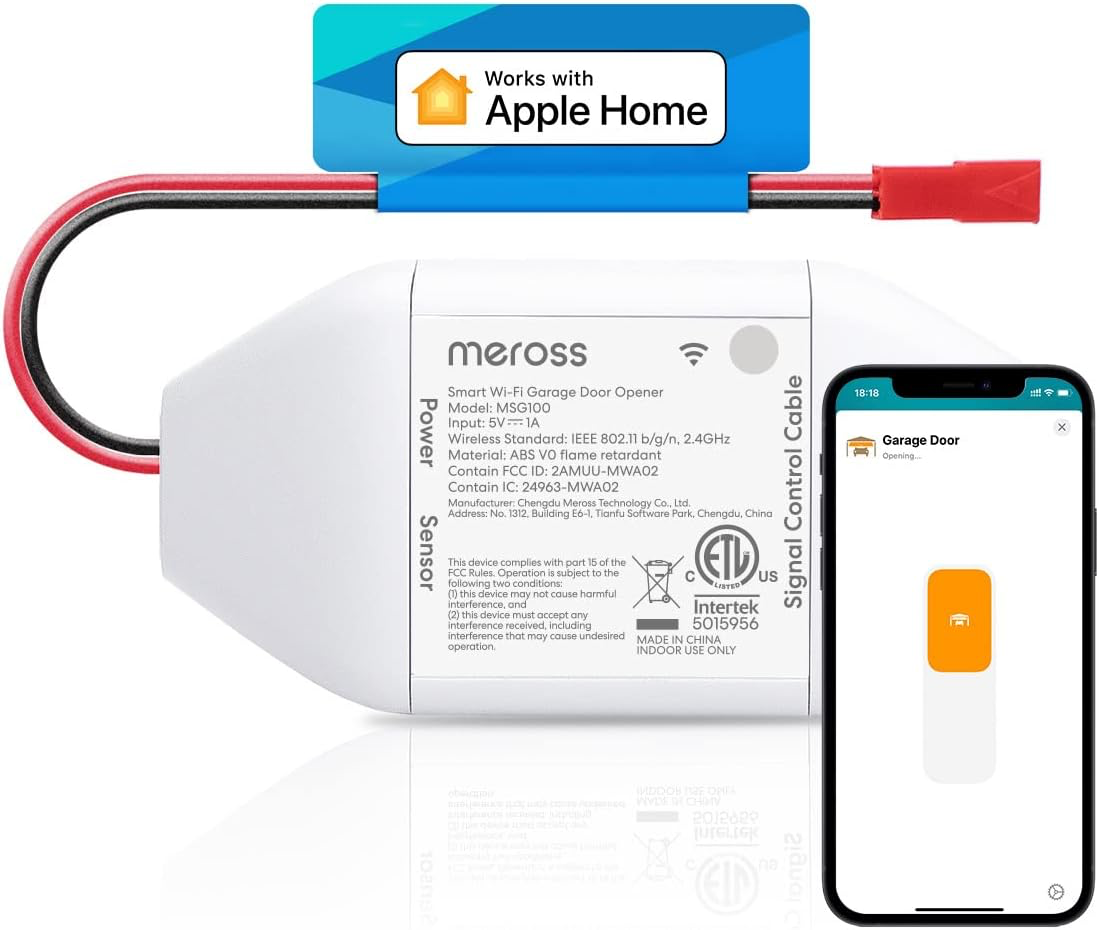
Meross
MSG200
- •HomeKit + Alexa + Google + SmartThings, no subscription, 2 doors, $67.99.
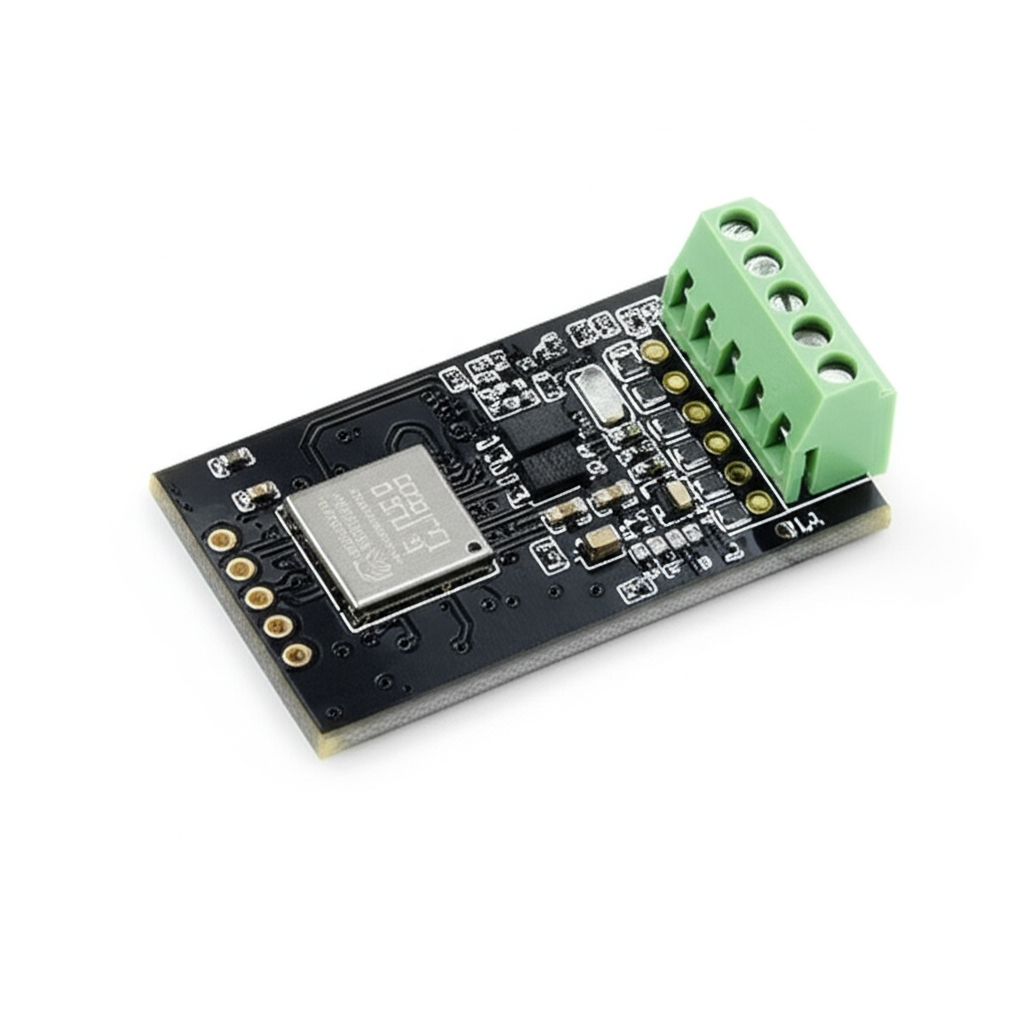
Konnected
GDO blaQ
- •Local ESPHome firmware, sub-200ms response, no cloud, $89.00.
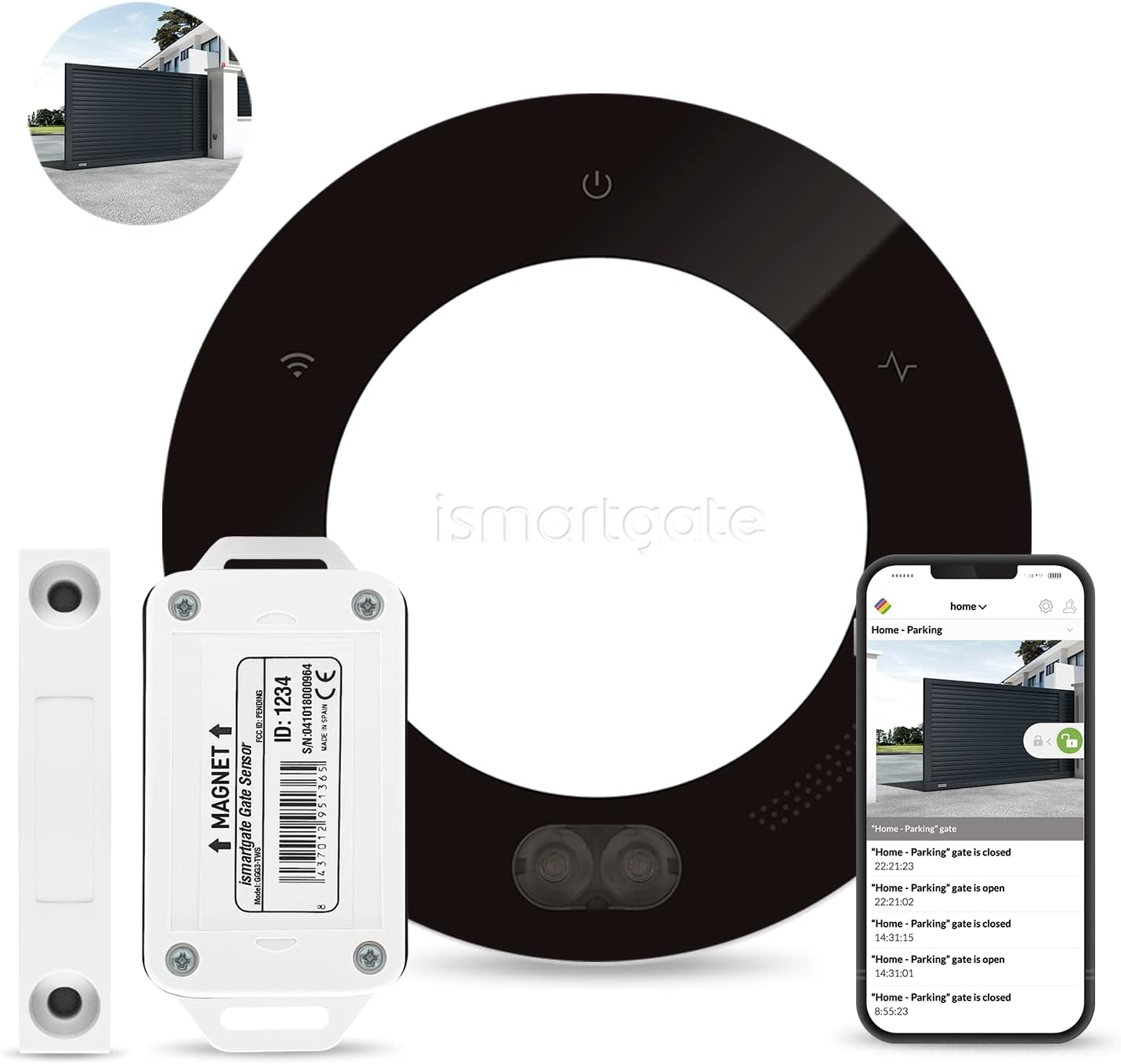
iSmartGate
Pro
- •3 doors + optional camera + widest HomeKit support, $144.10.
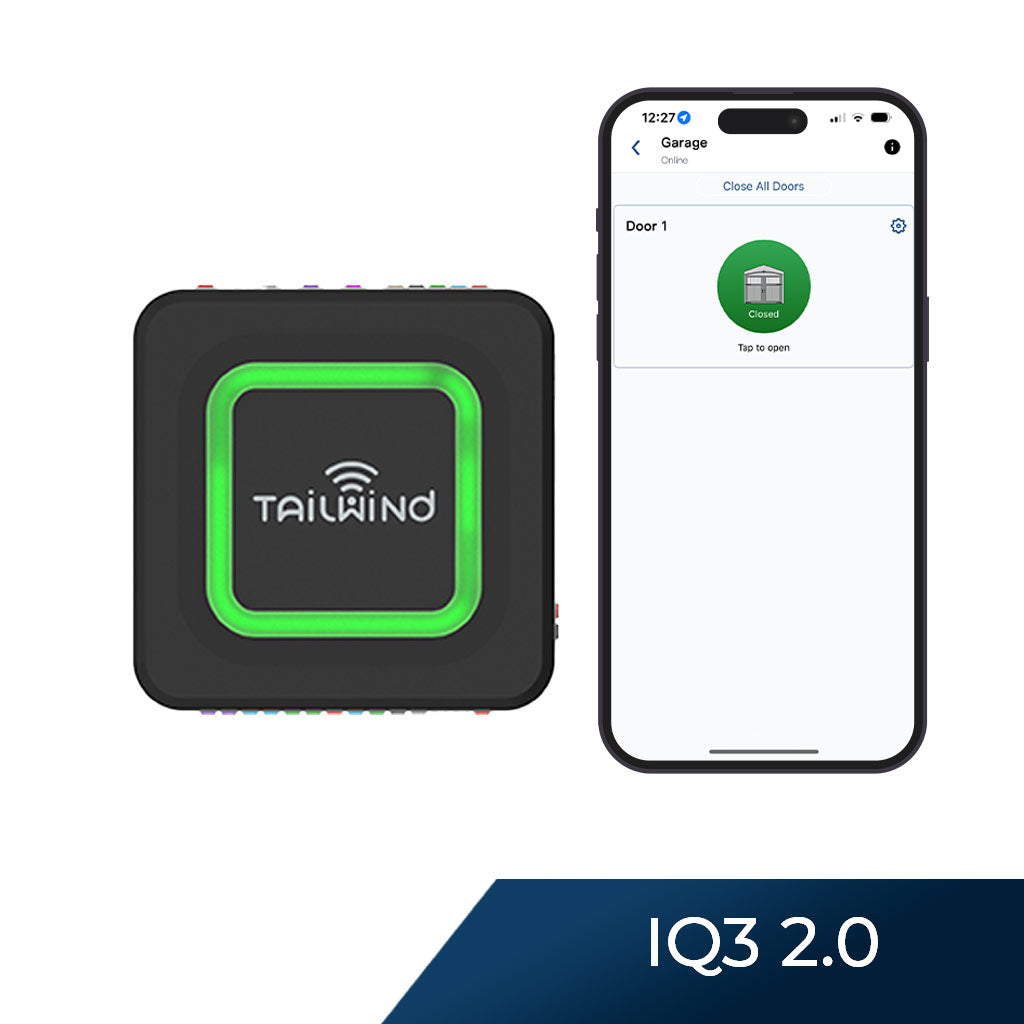
Tailwind
iQ3
- •GPS + Bluetooth geofencing, 3 doors, $60–$80 — no HomeKit.
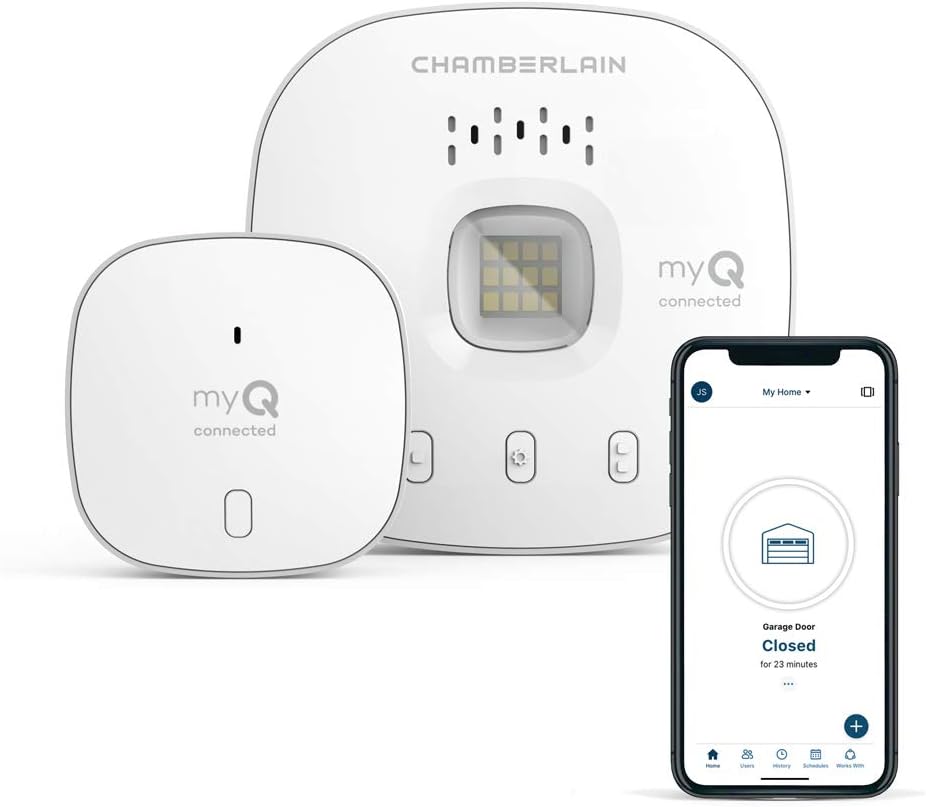
Chamberlain
MyQ Smart Garage Hub
- •$64.99 list wireless setup — but no Alexa, Google, HomeKit, or Home Assistant without IFTTT.
Head-to-Head: Ecosystem Freedom, Install, Monthly Cost
Access Control
Chart
 Smarthomeexplorer.com
Tap any pick to check its live price on Amazon.
Reolink RLK16-800B8 4K 16-Channel PoE NVR System (8-Camera)
RecommendedCheck price
ANNKE 4K PoE NVR Security Camera System (6-Camera)
RecommendedCheck price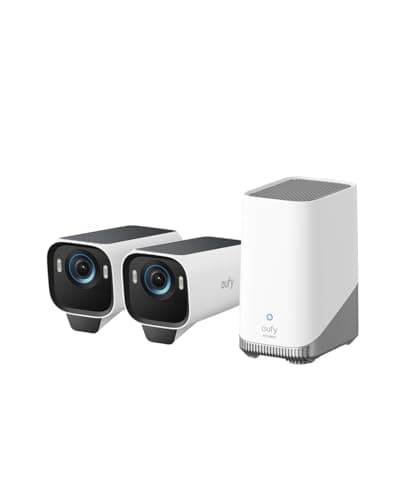
eufyCam S3 Pro 2-Cam Kit (Solar, 4K)
Must BuyCheck price
The MyQ Lockout Changed Garage Door Buying Forever
Chamberlain MyQ pushed a firmware update in October 2023 that locked out Home Assistant and every third-party application integration, breaking automations that households had built around the platform. The December 2025 Security+ 3.0 firmware revision then blocked the remaining Ratgdo, Tailwind, and Meross workarounds at the protocol level, per 512 Pixels coverage and Home Assistant Community documentation, which yields a deteriorating cross-platform compatibility trajectory.
The strategic implication is that setup ease and price are no longer sufficient evaluation dimensions, because a cheap controller with a locked ecosystem produces compounding long-term costs through bridges, subscription tiers, and replacement hardware. The five controllers below are scored on the proprietary SHE Garage Door Freedom Score, the weighted composite that normalizes integration breadth, subscription burden, and multi-door coverage against price index. The controller also anchors our complete smart garage setup guide, which scores it alongside camera, entry lock, leak sensing, and EV charging.
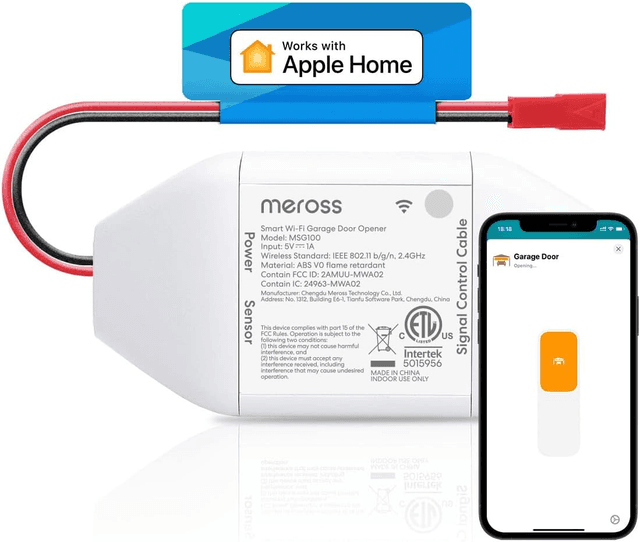
Best Overall: Meross MSG200
Best Overall — Open EcosystemMeross MSG200
- iMore names the Meross MSG200 one of the best HomeKit garage door openers, citing fast response times and straightforward setup versus MyQ at the budget tier.
- Requires 2-wire opener terminal connection — 20–30 min install versus MyQ's 10 min.
(Current price, subject to change)
The Meross MSG200 earns an 8.5 consensus score and the highest SHE Garage Door Freedom Score in this roundup at 8.12 overall. A 4.4-star rating across more than 9,000 Amazon buyers backs that placement. For HomeKit households iMore recommends it specifically, citing fast response times and straightforward setup at the $67.99 tier versus MyQ's lockout. Android Police puts the zero-subscription policy at the center of its recommendation. Custom notifications and reminders to close the door ship free, with no subscription necessary for any feature.
The simultaneous ecosystem behavior is the weighted differentiator. The MSG200 normalizes HomeKit, Alexa, Google Home, SmartThings, and IFTTT integration in parallel from the same $67.99 device, which yields a 5x integration breadth coefficient versus MyQ's 1x baseline. Each integration runs without bridges across the deployment configuration.
The hardwired magnetic sensor is the documented reliability advantage versus wireless tilt sensors on the MyQ and iSmartGate, which can false-trigger from wind or door flex. iMore calls it one of the best HomeKit garage openers, citing fast response and straightforward setup, with none of the 1–3 second cloud round-trip the MyQ adds per command. The install measures 20–30 minutes versus the MyQ's 10-minute wireless mount.
What We Love
- iMore names the Meross MSG200 one of the best HomeKit garage door openers, citing fast response times and straightforward setup versus MyQ at the budget tier.
- Five ecosystems work simultaneously — HomeKit, Alexa, Google Home, SmartThings, and IFTTT — with zero subscription fee per Android Police's review.
- Hardwired magnetic sensor eliminates the false triggers that wireless tilt sensors on MyQ and iSmartGate hit when garage doors flex in wind.
- Controls 2 doors from one controller — two-car households cover both for around $68 total versus two MyQ units, with a usable smart home in return.
What Could Be Better
- Requires 2-wire opener terminal connection — 20–30 min install versus MyQ's 10 min.
- No auto-open geofencing (Tailwind iQ3 territory).
- Short power cord; an extension cord helps if the outlet is far away.
The Verdict
If you've narrowed to a HomeKit-friendly garage controller and you've shortlisted the Meross MSG200, you'll be well-served here. The 8.12 SHE Garage Door Freedom Score is the highest in the roundup, iMore and Android Police both call it the open-ecosystem pick, and two-door coverage at $67.99 beats every single-door alternative on cost-per-door once your household has two cars.
Ready to upgrade your home?
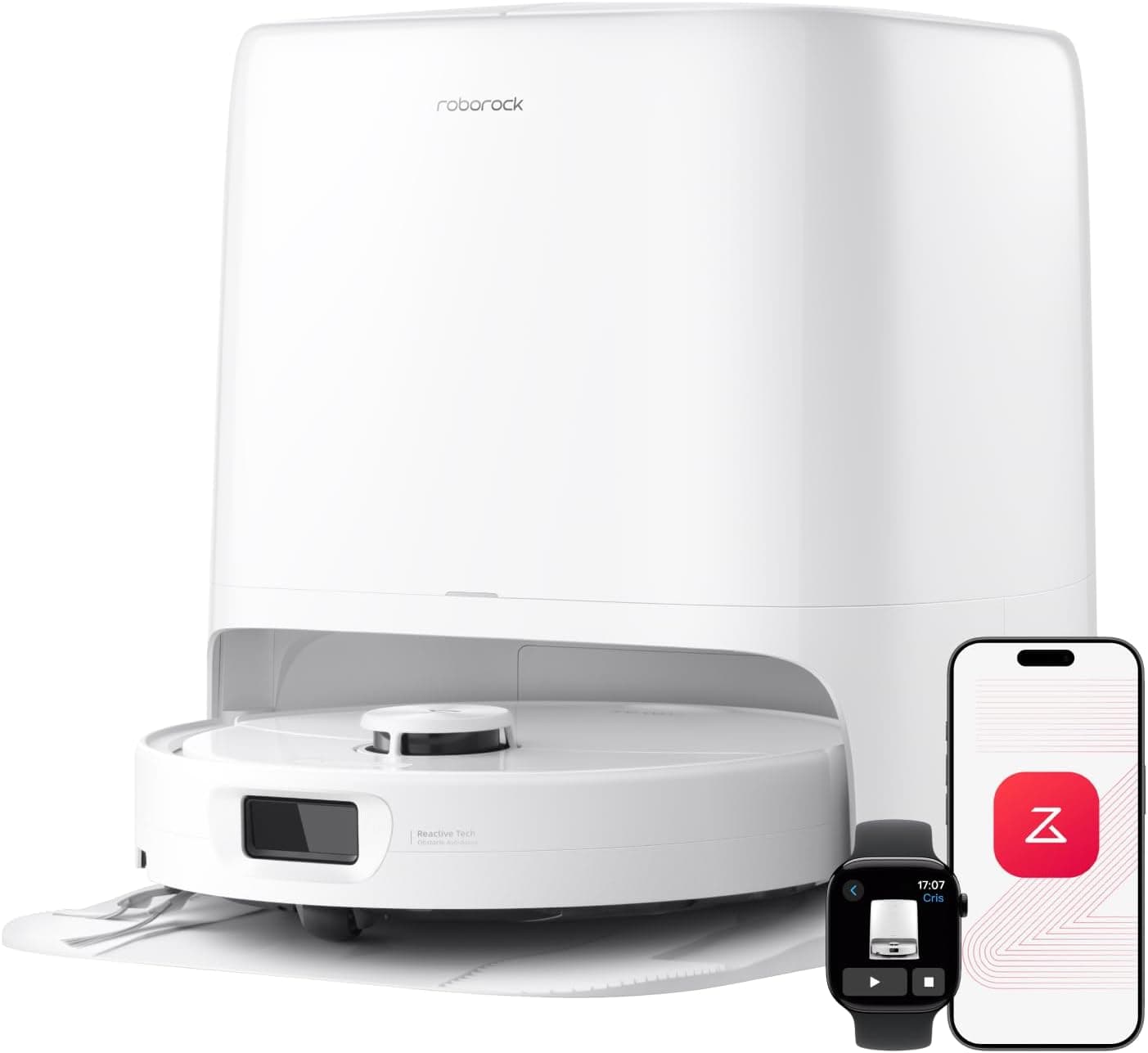
roborock Qrevo 2 Pro Robot Vacuum and Mop
See it on Amazon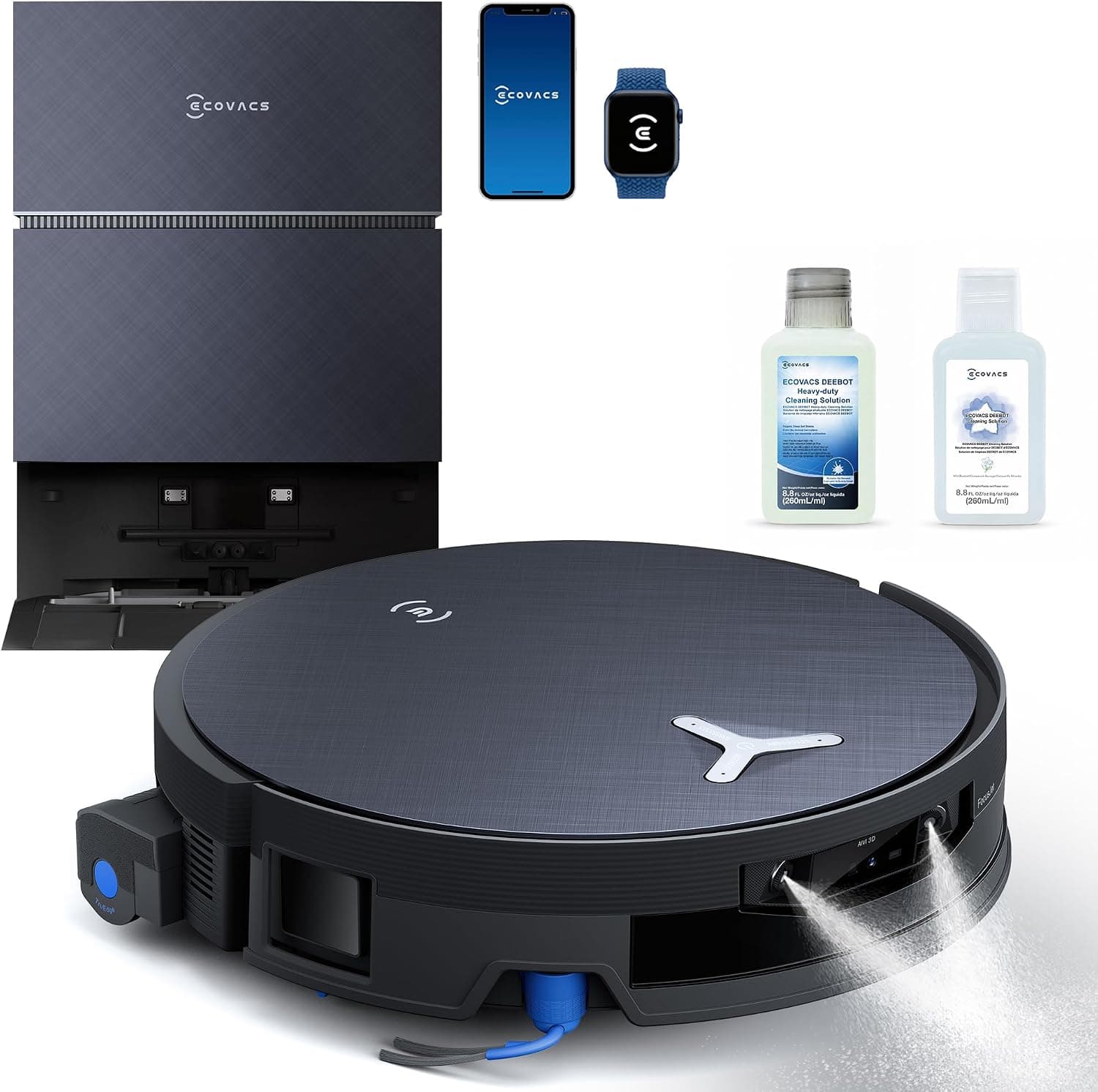
ECOVACS DEEBOT X12 PRO Omni Robot Vacuum and Mop
See it on Amazon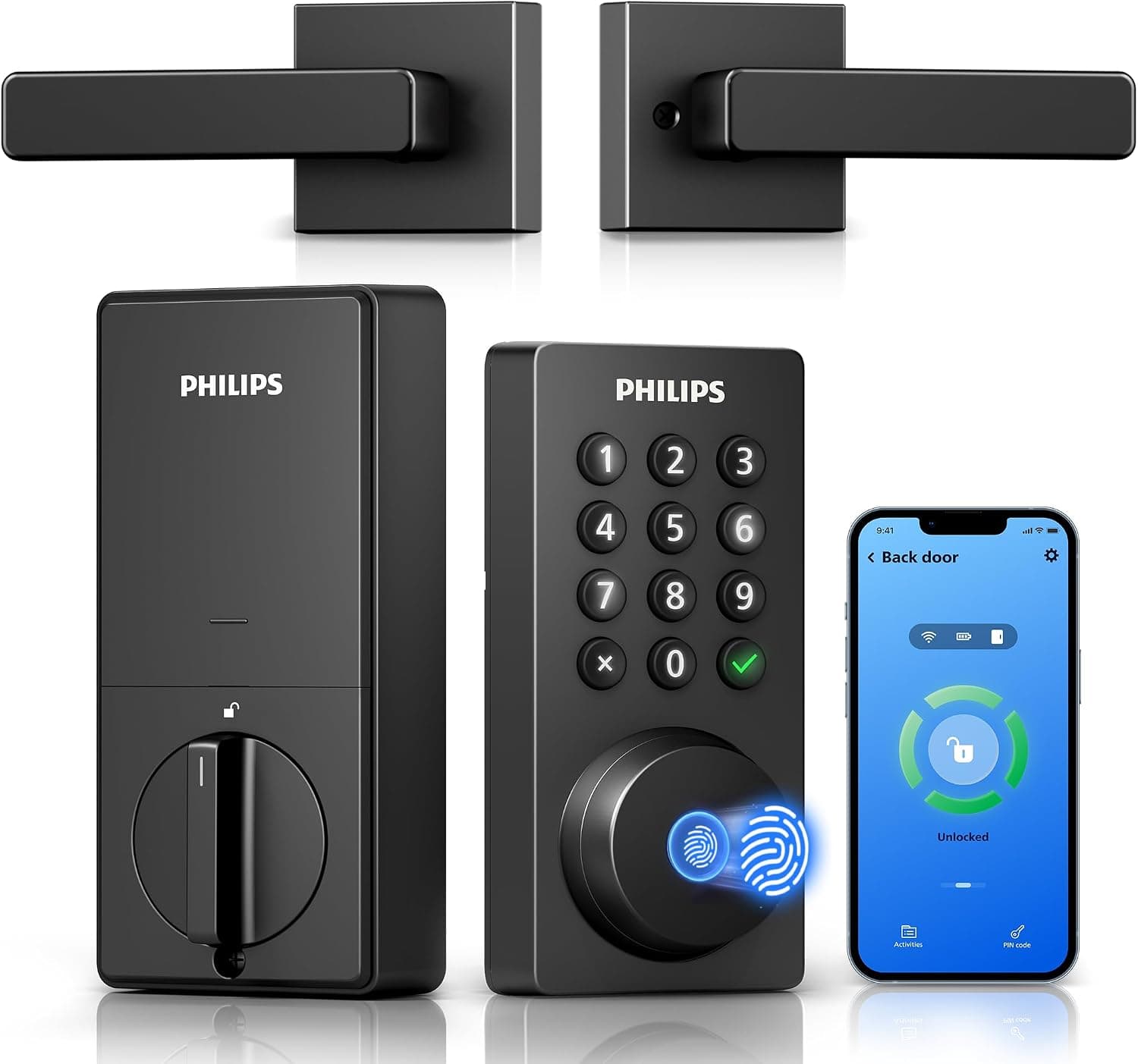
Philips Wi-Fi Keypad Deadbolt with Handle
See it on Amazon
Sponsored listings from Amazon’s Sponsored Products for Creators program, kept apart from our reviews and rankings. How we make money
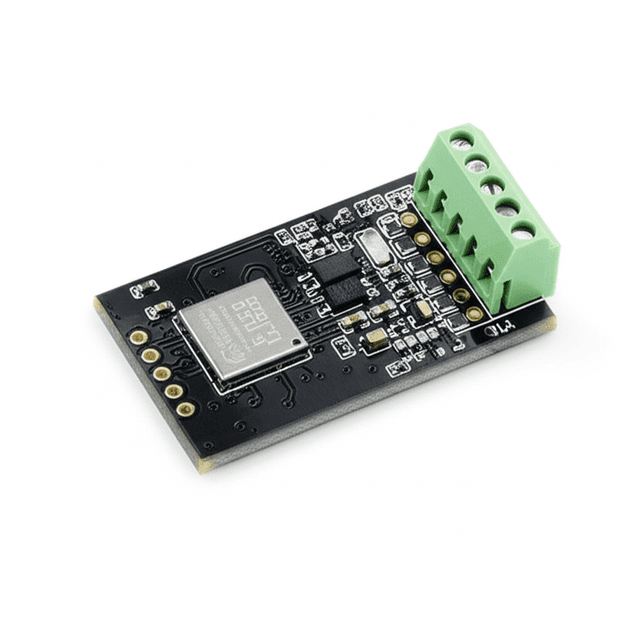
Best for Home Assistant: Konnected GDO blaQ
Konnected GDO blaQ
- The Konnected GDO blaQ is the productized version of the open-source Ratgdo board that the Home Assistant Community built when MyQ killed third-party access in October 2023.
- Requires a Home Assistant hub for full value.
(Current price, subject to change)
The Konnected GDO blaQ earns an 8.8 consensus and a 2.48 SHE Garage Door Freedom Score across the weighted composite. Only two inputs hold it there: it drives a single door, and at $89.00 it carries the second-highest price index in this roundup. Hub dependency is a real ownership consideration but is not a factor in the formula. Meanwhile the Home Assistant Community named the blaQ the gold-standard local garage controller after the October 2023 MyQ lockout broke third-party Home Assistant automations.
Local-first is the architecture coefficient that matters at the $89.00 price tier. The ESPHome firmware operates entirely on your LAN with zero cloud accounts and zero subscription tier. Cloud-based MyQ adds 1,000–3,000ms of latency per command, routing each one through Chamberlain's servers. The blaQ measures sub-200ms response instead, because the command never leaves the local network per community methodology documentation.
The cost trade-off is hub dependency: the blaQ delivers full value through Home Assistant, Hubitat, or SmartThings deployment tiers. Konnected designed the board specifically for Chamberlain/LiftMaster Security+ 2.0 openers. New Chamberlain openers shipped after late 2025 run Security+ 3.0 firmware that blocks third-party controllers at the protocol layer per 512 Pixels documentation across November 2025–March 2026 reporting.
What We Love
- The Konnected GDO blaQ is the productized version of the open-source Ratgdo board that the Home Assistant Community built when MyQ killed third-party access in October 2023.
- Pure local control — ESPHome firmware talks directly to Home Assistant over LAN at sub-200ms response per community testing, versus 1–3 seconds for cloud-based MyQ.
- Zero cloud dependency means zero subscription tier and zero risk of the vendor pulling integrations later — if Konnected disappears tomorrow, the device keeps working.
- The Home Assistant Community calls it the gold standard for local garage control after the MyQ shutoff; native Hubitat and SmartThings support via local integrations.
What Could Be Better
- Requires a Home Assistant hub for full value.
- No native HomeKit or Alexa (HA HomeKit Controller exposes it indirectly).
- Designed for Security+ 2.0; Security+ 3.0 openers blocked per 512 Pixels.
The Verdict
If you already run Home Assistant and you've shortlisted the Konnected GDO blaQ, you've found the right controller. The 2.48 SHE Garage Door Freedom Score is held back by the single-door spec and the $89.00 price, but the Home Assistant Community's gold-standard verdict and the sub-200ms local response are exactly what HA buyers shopping after the MyQ lockout actually need.
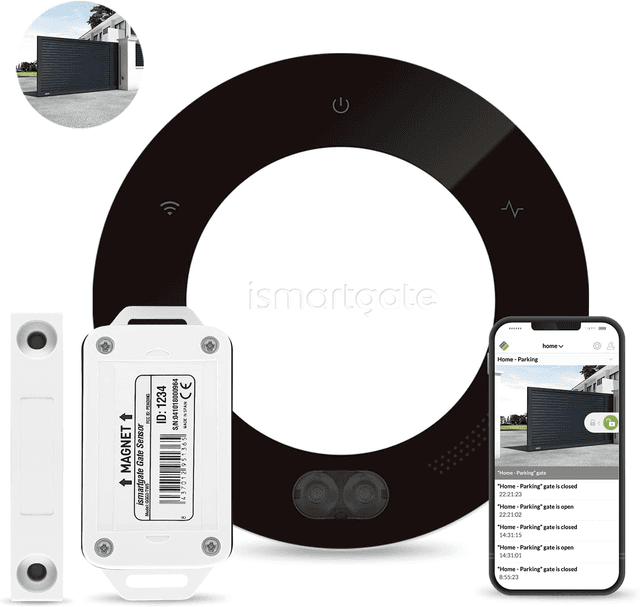
Best Premium Multi-Door: iSmartGate Pro
Best Premium Multi-Door + CameraiSmartGate Pro
- PCWorld and CNN Underscored both single out the iSmartGate Pro for the widest official platform support: HomeKit, Alexa, Google Home, SmartThings, and IFTTT simultaneously.
- At $119, it costs 4× MyQ and 2.5× Meross — overkill for one door per CNN Underscored.
(Current price, subject to change)
The iSmartGate Pro earns a 7.8 consensus and a 5.74 SHE Garage Door Freedom Score across the weighted composite calculation. That places the configuration second behind Meross, because the $144.10 price index drags the formula coefficient. Its five-ecosystem breadth and three-door coverage still lead the absolute capability tier, per PCWorld and CNN Underscored analysis.
Three deployment factors justify the premium index across the 2026 configuration. First, three-door capability is a 1.5x step over both the MyQ's and Meross's 2-door spec, so multi-door households pay roughly $38 per door at full capacity. Second, the optional iSmartGate camera add-on mounts inside the garage and streams through the app, which yields visual verification methodology that exceeds sensor-only configurations. Third, the access-management features — auto-close schedules, guest tokens, and activity logs — outperform every budget controller comparatively.
The trade-offs PCWorld flagged remain consequential. The wireless tilt sensor inherits the same false-trigger coefficient as MyQ, and scheduling routes through IFTTT integration. At $144.10 for 1-door deployment the math is unfavorable; at 3 doors with the camera module the $48 per-door coefficient produces the right composite outcome.
What We Love
- PCWorld and CNN Underscored both single out the iSmartGate Pro for the widest official platform support: HomeKit, Alexa, Google Home, SmartThings, and IFTTT simultaneously.
- Three garage doors run from one hub — the MyQ and the Meross each top out at two, so three-car households pay roughly $38 per door at full capacity here.
- Optional iSmartGate camera add-on mounts inside the garage and streams video through the app — visual door verification beats trusting a sensor.
- Robust access management — auto-close schedules, guest access tokens, activity logs — outclasses every budget controller in this roundup at the $144.10 price tier.
What Could Be Better
- At $119, it costs 4× MyQ and 2.5× Meross — overkill for one door per CNN Underscored.
- Wireless tilt sensor inherits the same false-trigger concern as MyQ.
- Scheduling routes through IFTTT — PCWorld flagged the two-app workflow.
The Verdict
For multi-door households evaluating the iSmartGate Pro across 2 or 3 garage configurations, the deployment economics yield a favorable composite — the normalized $48 per-door coefficient at full capacity outperforms two Meross units once camera and access modules factor in. The 5.74 SHE Freedom Score lands second behind Meross because the $144.10 price drags the formula.
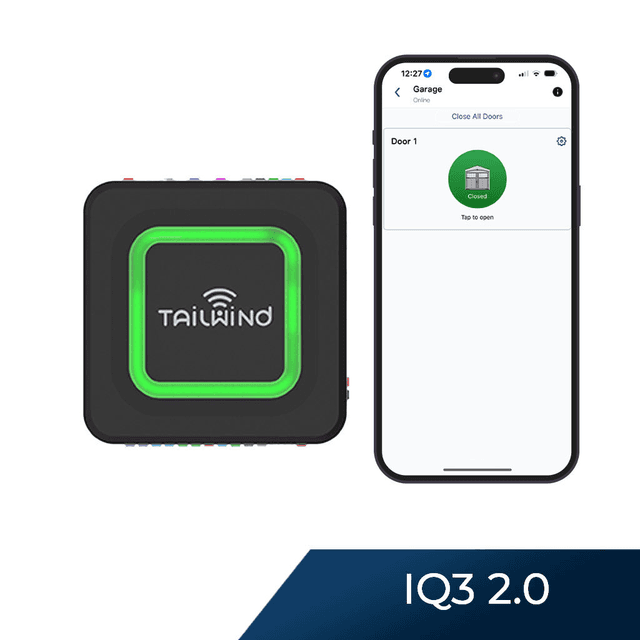
Best Hands-Free Auto-Open: Tailwind iQ3
Tailwind iQ3
- Pro Garage Gear's field testing and Android Police both confirmed the Tailwind iQ3 auto-open feature as the standout — the only controller in this roundup that opens the door as you pull into the driveway.
- No HomeKit support — Apple households should choose Meross for any Apple Home automation in 2026.
(Current price, subject to change)
The Tailwind iQ3 earns an 8.0 consensus and a 4.97 SHE Garage Door Freedom Score across the weighted composite calculation, with the no-HomeKit gap and optional paid tier normalizing the composite. The standout capability is hands-free auto-open: the iQ3 opens your garage as you approach the driveway with zero phone interaction, with occasional 5–10 second delays in low-GPS-signal conditions. Android Police and Pro Garage Gear both confirmed the geofencing reliability in daily-driver testing.
The double-trigger architecture yields the reliability outcome. GPS geofencing primes the controller as your phone crosses inward; the Bluetooth vehicle sensor then confirms proximity and fires. Pro Garage Gear found the two-step approach prevents the false opens that plague single-protocol competitors. The 3-door spec is a 1.5x multi-door step over the MyQ's two doors, and the geofencing engages within 5 seconds in good-signal conditions.
The Apple Home gap measures as the primary trade-off coefficient. The Tailwind ships zero HomeKit integration, and the HomeKit community has no native auto-open geofencing alternative across the 2026 product tier. Apple-first households deploy the iSmartGate Pro (HomeKit support, no auto-open) as the alternative configuration. The Security+ 3.0 caveat applies only to brand-new Chamberlain openers shipped after late 2025 per 512 Pixels methodology.
What We Love
- Pro Garage Gear's field testing and Android Police both confirmed the Tailwind iQ3 auto-open feature as the standout — the only controller in this roundup that opens the door as you pull into the driveway.
- Double-trigger design — GPS geofencing primes the controller, then Bluetooth proximity detection fires — prevents the false-open problem that single-protocol GPS systems hit per Android Police.
- Three doors covered at $60–$80 — roughly $23 per door at full capacity, comparable to the Meross 2-door setup on cost-per-door.
- Auto-close timers ship in the app as a safety fallback — even if the door opens unexpectedly, the timer closes it after a configurable delay per Pro Garage Gear.
What Could Be Better
- No HomeKit support — Apple households should choose Meross for any Apple Home automation in 2026.
- Geofencing accuracy varies by GPS; 5–10 second delays in low-signal driveways.
- Security+ 3.0 Chamberlain openers blocked per 512 Pixels coverage.
The Verdict
If hands-free auto-open is your priority and you've shortlisted the Tailwind iQ3, we'd point you here first. The 4.97 SHE Garage Door Freedom Score reflects the no-HomeKit gap and optional paid tier, but the double-trigger geofencing is what Pro Garage Gear and Android Police both certified, and the three-door spec at $60–$80 makes the cost-per-door math competitive in this roundup.
Cheapest (with caveat): Chamberlain MyQ Smart Garage Hub
Cautionary Tale — Cheapest but Ecosystem-LockedChamberlain MyQ Smart Garage Hub
- $55.19 controller with a 10-minute wireless install per CyberNews — the cheapest entry point in this roundup, period.
- October 2023 firmware removed HA, SmartThings, Hubitat, and 3rd-party integrations.
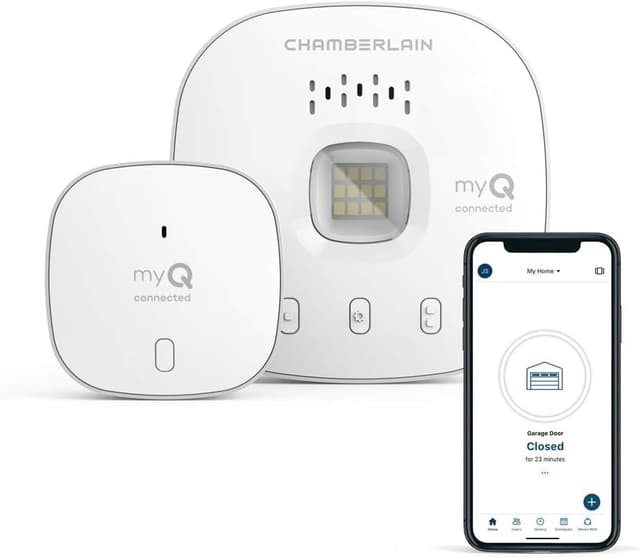
(Current price, subject to change)
The Chamberlain MyQ Smart Garage Hub earns a 7.5 consensus and a 1.40 SHE Garage Door Freedom Score — the lowest weighted composite in this roundup by a wide margin. PCWorld describes the MyQ as the easiest controller to set up, at $55.19 with a 10-minute wireless install. Chamberlain's October 2023 firmware revision deprecated approximately 100% of third-party integrations across the Home Assistant Community and SmartThings forums.
Amazon Key is the differentiating capability that justifies choosing the MyQ: drivers open the garage, drop the package, and close on video methodology. No other controller in this roundup supports it. CyberNews characterizes the 10-minute wireless install configuration as the simplest in the category, requiring no tools or wiring.
The ecosystem coefficient is where the MyQ produces a low composite outcome for smart-home buyers. Voice assistant integration requires the IFTTT bridge at roughly $36 per year, layered on top of the cloud-dependent 1–3 second latency the MyQ already adds to every command. The December 2025 Security+ 3.0 firmware revision blocked the Ratgdo, Tailwind, and Meross workaround configurations per 512 Pixels reporting across November 2025–March 2026.
What We Love
- $55.19 controller with a 10-minute wireless install per CyberNews — the cheapest entry point in this roundup, period.
- Amazon Key in-garage delivery integration is the one capability no competitor matches — drivers open, drop, and close on video.
- Wireless tilt sensor and ceiling-mount design beats the 2-wire install on Meross, Konnected, iSmartGate, and Tailwind for buyers who hate wiring.
- PCWorld and CNN Underscored both name it the easiest setup; for a buyer who only wants "check if the garage is closed" without smart home integration, the MyQ delivers.
What Could Be Better
- October 2023 firmware removed HA, SmartThings, Hubitat, and 3rd-party integrations.
- IFTTT at $3/mo for any voice assistant, layered on the cloud-dependent 1–3 second command latency.
- Security+ 3.0 blocks Ratgdo, Tailwind, and Meross workarounds per 512 Pixels.
The Verdict
If checking from bed whether the garage is closed and tapping to open it is your entire need, with zero smart home integration, the Chamberlain MyQ Smart Garage Hub is unbeatable at $64.99 list — Amazon Key is the only reason to pick it. For any Alexa, Google, HomeKit, or HA household, this controller is the wrong answer. The 1.40 SHE Freedom Score quantifies that gap precisely.
How We Score: SHE Garage Door Freedom Score
SHE Garage Door Freedom Score
Score Formula
(Integration Breadth × Subscription Freedom × Multi-Door Score) ÷ Normalized PriceScore Factors
- Integration Breadth (1–6)One point per supported smart home ecosystem: HomeKit, Alexa, Google Home, Home Assistant, SmartThings, Matter/IFTTT. Meross MSG200 scores 5; iSmartGate Pro scores 5; Konnected GDO blaQ scores 4 (Home Assistant, Hubitat, SmartThings, plus HomeKit indirectly via Home Assistant's HomeKit Controller); Tailwind iQ3 scores 3 (Alexa, Google, SmartThings); Chamberlain MyQ scores 1 (MyQ app only).
- Subscription Freedom (0.3–1.0)1.0 for no subscription required for any feature; 0.7 for an optional paid tier; 0.3 if a subscription is required for core functionality. Meross, Konnected, and iSmartGate score 1.0; Tailwind scores 0.7 (optional pro tier); MyQ scores 0.7 (IFTTT required for any voice integration).
- Multi-Door Score (1–3)Number of garage doors supported per single controller. iSmartGate Pro and Tailwind iQ3 score 3; Meross MSG200 and Chamberlain MyQ score 2; Konnected GDO blaQ scores 1.
- Normalized Price (1.0–2.6)Price index relative to the live Chamberlain MyQ baseline of $55.19, all five priced on 2026-08-15. MyQ = 1.0, Meross $67.99 = 1.23, Tailwind $70 = 1.27, Konnected $89.00 = 1.61, iSmartGate $144.10 = 2.61. Lower price index drives a higher composite score.
SHE Garage Door Freedom Score — Ranked
Prices behind this table were read from live Amazon listings on August 15, 2026. The Tailwind figure is its direct-from-manufacturer price. Prices move often — check the current price before you buy.
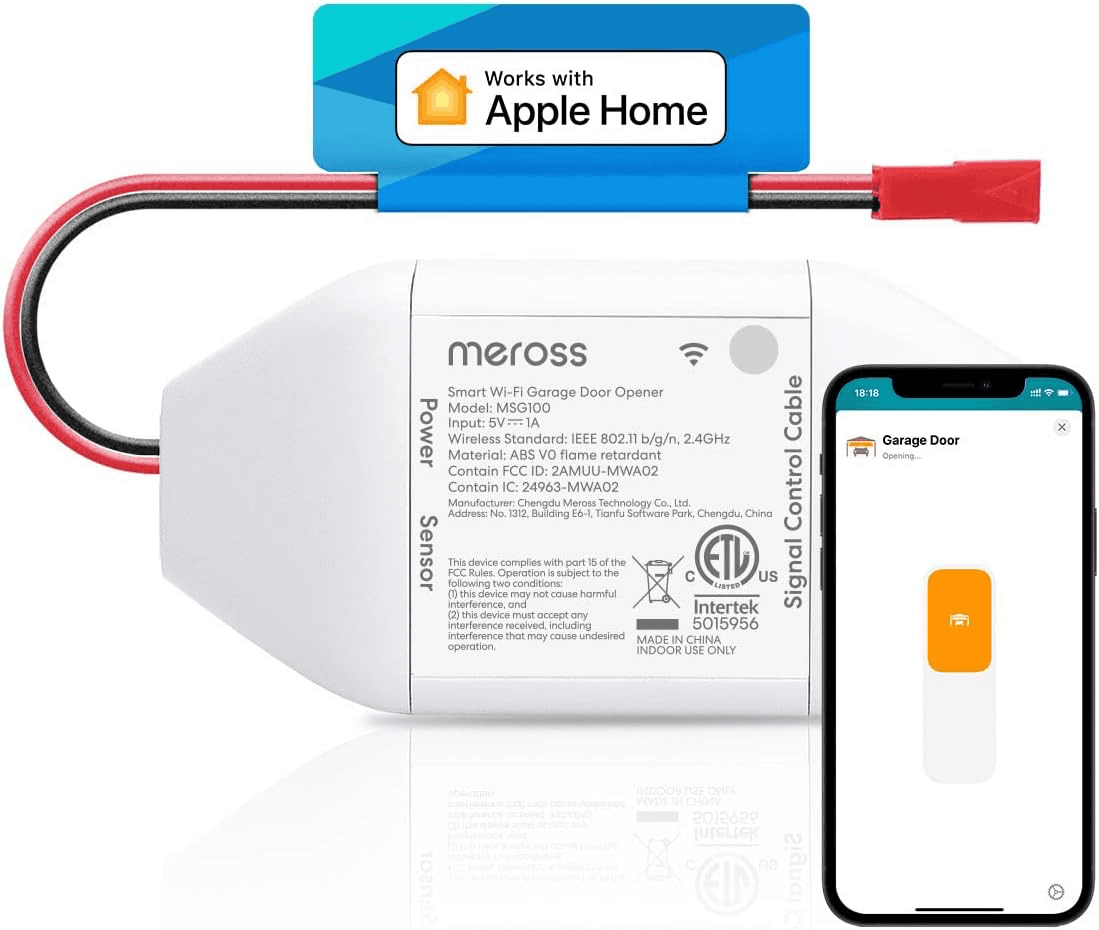
Meross MSG200
SHE Garage Door Freedom Score8.1/10Raw 8.12 — 5 ecosystems, no subscription, 2 doors at $67.99 normalizes to the highest ratio.
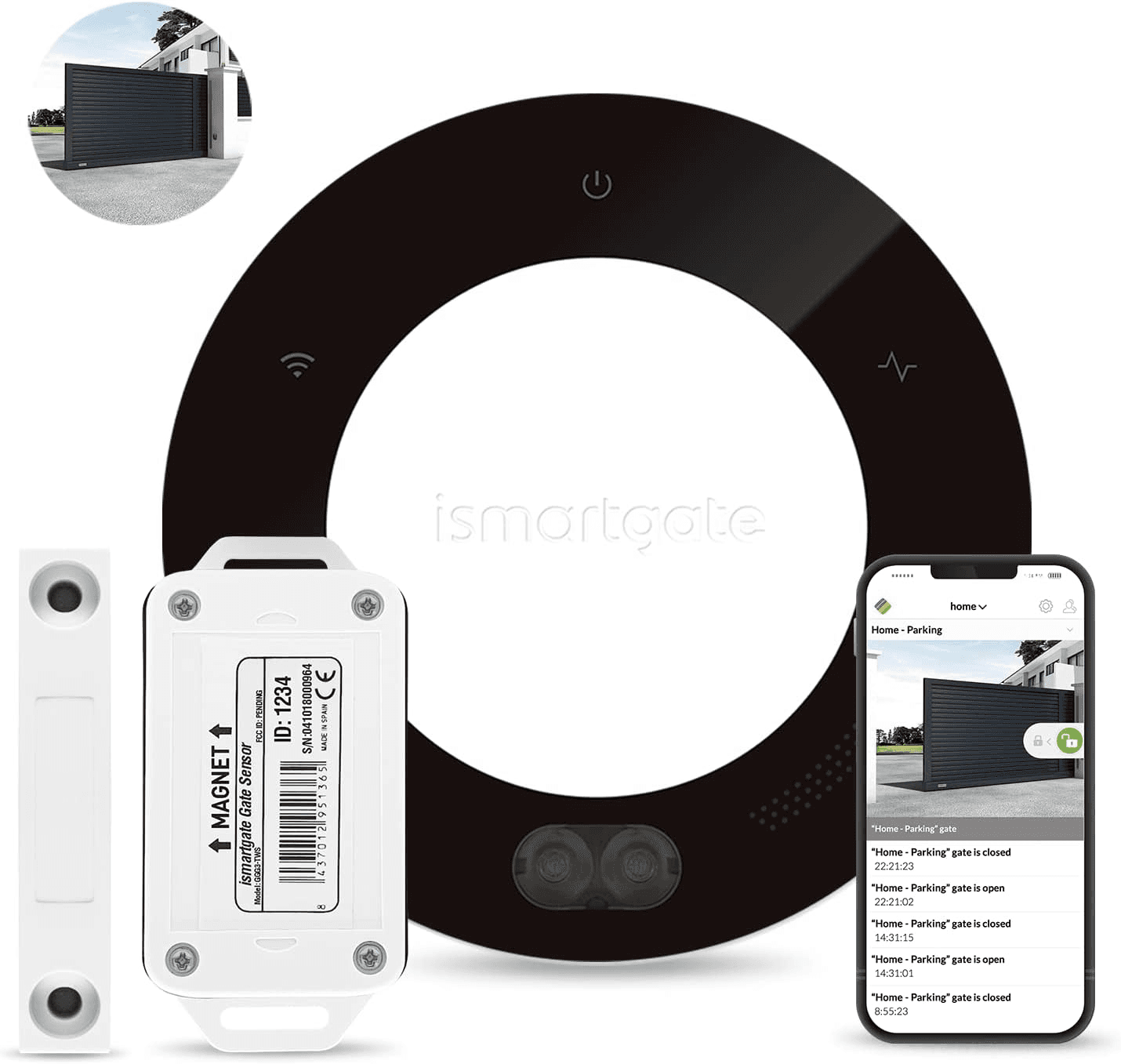
iSmartGate Pro
SHE Garage Door Freedom Score5.7/10Raw 5.74 — 5 ecosystems and 3 doors, but the $144.10 price index drags the composite.
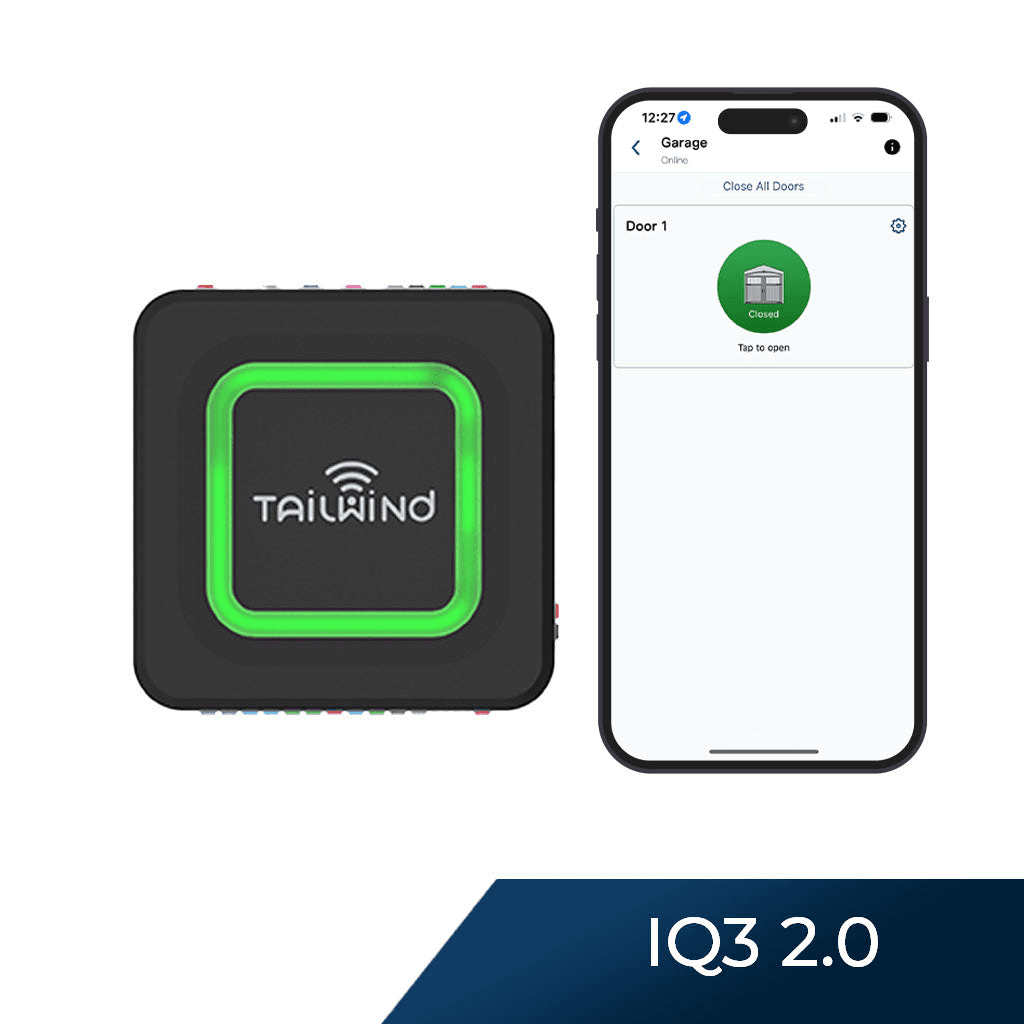
Tailwind iQ3
SHE Garage Door Freedom Score5.0/10Raw 4.97 — 3 ecosystems, optional paid tier, 3 doors at a $60–$80 direct-from-Tailwind price.
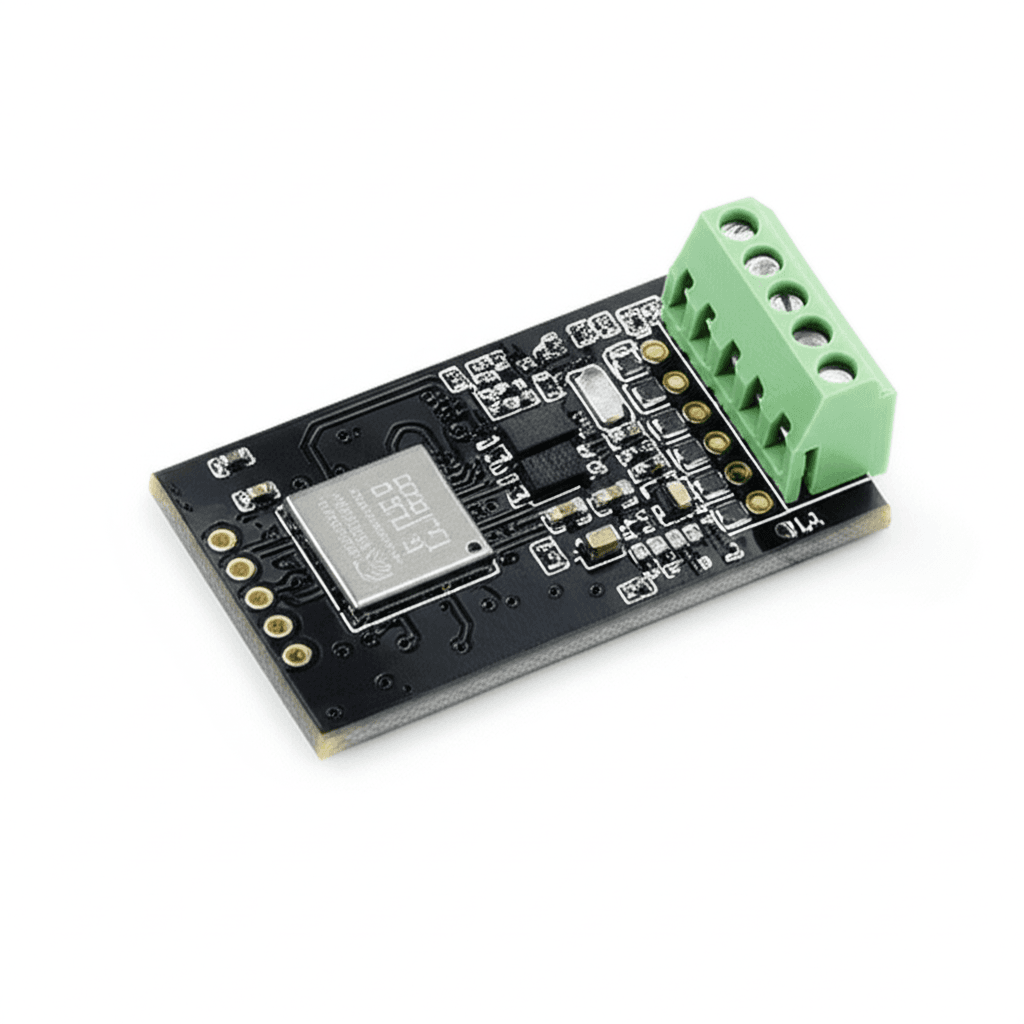
Konnected GDO blaQ
SHE Garage Door Freedom Score2.5/10Raw 2.48 — 4 ecosystems and no subscription, but a single door at $89.00 keeps the ratio low.
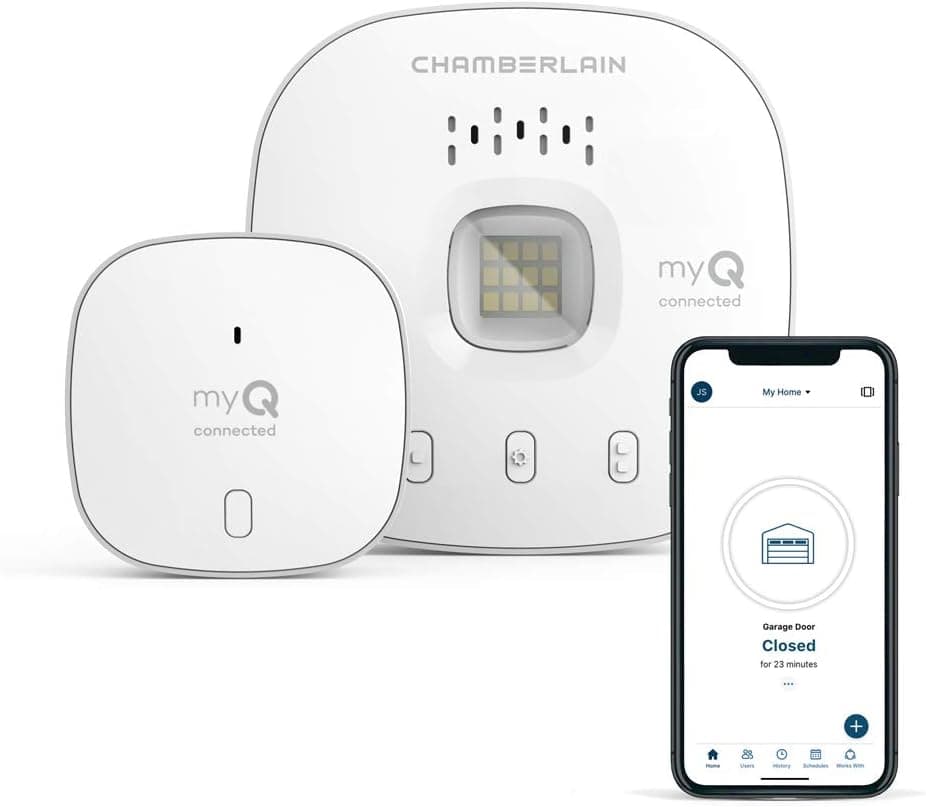
Chamberlain MyQ Smart Garage Hub
SHE Garage Door Freedom Score1.4/10Raw 1.40 — 2-door support lifts it off the floor, but the locked ecosystem (1 integration) plus IFTTT subscription tier still leaves it last.
HomeKit, Matter, and the Home Assistant Lockout Map
The ecosystem split across these 5 controllers corresponds cleanly to the Chamberlain MyQ lockout aftermath documented since October 2023 onward. Meross MSG200 and iSmartGate Pro deliver the broadest compatibility spread — HomeKit, Alexa, Google Home, SmartThings, IFTTT — without requiring a hub at the $67.99–$144.10 price tier. Konnected GDO blaQ deploys Home Assistant, Hubitat, and SmartThings via local-first ESPHome architecture at sub-200ms response, exposing HomeKit indirectly through HA's HomeKit Controller integration at the $89.00 price index. Tailwind iQ3 supports Alexa, Google, and SmartThings at $60–$80 but omits HomeKit entirely. MyQ operates only inside its own application at $55.19, with paid IFTTT at $36 per yr as the solitary bridge to any voice assistant integration. Matter support is absent across this category as of May 2026, because the Matter 1.x specification doesn't yet incorporate garage door openers. The Aqara Matter-ready relay module announced for late 2026 hasn't materialized either, per PCWorld coverage.
The Security+ 3.0 question matters specifically for buyers with brand-new Chamberlain or LiftMaster openers shipped after late 2025. Per 512 Pixels coverage and the Home Assistant Community documentation across the November 2025–March 2026 reporting window, Security+ 3.0 firmware blocks Ratgdo, Tailwind, and Meross at the protocol level — so a new Chamberlain opener forces the MyQ if you want any smart functionality at all. For older Security+ 2.0 Chamberlain/LiftMaster openers and every non-Chamberlain brand (Genie, Craftsman, Liftmaster predecessors), all 5 controllers in this roundup work via standard wall-button wiring or opener-specific harnesses, comparatively, with install timing ranging from 10 mins (MyQ wireless) to 60 mins (Konnected HA configuration) per CyberNews testing data.
| Product | HomeKit | Alexa | Google Home | Home Assistant | SmartThings | Matter |
|---|---|---|---|---|---|---|
| Meross MSG200 | ✓ | ✓ | ✓ | ✓ | ✓ | ✕ |
| Konnected GDO blaQ | ✕ | ✕ | ✕ | ✓ | ✓ | ✕ |
| iSmartGate Pro | ✓ | ✓ | ✓ | ✓ | ✓ | ✕ |
| Tailwind iQ3 | ✕ | ✓ | ✓ | ✕ | ✓ | ✕ |
| Chamberlain MyQ Smart Garage Hub | ✕ | ✕ | ✕ | ✕ | ✕ | ✕ |
Total Ownership Cost Analysis: Why Subscription Tiers Compound the Cheap-Controller Premium
Per-unit pricing was re-read from live Amazon listings on 2026-08-15 for this table. That produces this normalized configuration tier: Chamberlain MyQ $55.19, Tailwind iQ3 $60–$80, Meross MSG200 $67.99, Konnected GDO blaQ $89.00, and iSmartGate Pro $144.10 at the top. The Tailwind figure is a direct-from-manufacturer price, since that controller is not sold on Amazon. The weighted 5-year ownership horizon calculation flips the rank order once subscription coefficients compound. The MyQ configuration at $55.19, plus an IFTTT subscription at $36 per year for any voice assistant integration, yields $235.19 across our 5-year amortization tier. That is $55.19 of hardware plus $180 in cumulative subscription fees, reflecting the IFTTT requirement CNET documented. It significantly exceeds the subscription-free Meross and Tailwind configurations. The Konnected GDO blaQ at $89.00 maintains a flat horizon, because the local-first ESPHome architecture eliminates the cloud-services denominator coefficient entirely. The iSmartGate Pro at $144.10 produces the same flat-cost outcome. The cheap-controller-plus-subscription configuration is precisely the long-term cost trap that Chamberlain's October 2023 lockout exposed when third-party automation infrastructure was effectively deprecated overnight.
Multi-door deployment economics produce additional rank-order shifts once cost-per-door normalization factors in. Two-door configurations deploy on a single Meross MSG200 at roughly $34 per door, versus a single MyQ unit covering the same two doors at roughly $28 per door. The MyQ adds IFTTT compounding for any voice assistant, so the Meross delivers superior ecosystem coverage at a comparable absolute price. Three-door deployments run on a single Tailwind iQ3 at roughly $23 per door at full capacity. A single iSmartGate Pro is the alternative at roughly $48 per door, with the camera and access-management features integrated. Either produces a calculated breakeven against a two-door MyQ plus a second controller, once subscription totals enter the deployment horizon. The cost-per-door breakeven against the iSmartGate Pro premium tier engages at the three-door deployment threshold.
The Complete Garage Upgrade Basket: Controller, Freezer, Heater
A failing opener rarely arrives alone. Once a household is replacing the garage controller, the same trip typically surfaces two adjacent decisions that are just as easy to close: a second refrigerator or freezer for bulk storage, and a heater for a garage that swings uncomfortably cold in winter. Neither purchase requires the extended research a kitchen appliance demands, because the garage use case narrows the field to a handful of ambient-rated, WiFi-monitored models — our Best Smart Garage-Ready Freezers & Second Refrigerators 2026 guide's Best Overall pick, the Midea MRT18D3BWW at $499.99, verifies a 38°F to 110°F ambient tolerance that most standard refrigerators cannot claim (its Amazon Buy Box is a third-party seller, Electronic Express, rather than Amazon itself, so confirm stock before committing), and from our Best Smart Garage Heaters 2026: Wi-Fi 240V Picks Ranked guide's roster, the buyable pick at last check is the TurBro GH15K at $336.23 — the guide's Best Overall GH10K was out of stock on both Amazon Creators API lookups run for this section, so the 15,000W sibling model, also WiFi-enabled with the same app and remote, is the honest live substitute.
The basket math: a Meross MSG200 controller at $67.99, paired with the Midea freezer at $499.99 and the TurBro GH15K heater at $336.23, totals roughly $904 altogether. That covers a garage that is monitored, climate-controlled, and remotely operable from one trip. It is comparatively cheaper and faster than researching and buying each category on a separate occasion. Configuration priorities differ by household: a two-car family stocking bulk groceries prioritizes the freezer first, while a garage workshop or gym conversion prioritizes the heater. Either way, the controller upgrade is the natural trigger point for evaluating both. The SHE Garage Door Freedom Score's open-ecosystem winners on this page pair cleanly with WiFi-monitored appliances, rather than requiring a separate bridge.
When NOT to Buy
Skip it if your opener is Chamberlain Security+ 3.0 from late 2025 onward, because only the MyQ operates on those. That is the solitary controller this guide explicitly warns against for any smart-home household. Wait for the community to establish compatibility, or buy a different opener brand from our 5 Best MyQ Alternatives 2026: No-Subscription Picks hub. Skip it if your opener predates 1993 (pre-auto-reverse safety sensors required by modern code) — replace the opener first, since modern openers frequently incorporate application control already. Skip the MyQ if you use any smart home platform. Its $55.19 sticker price compounds into $235.19 across 5 years of IFTTT fees, plus broken automations whenever Chamberlain publishes firmware. Skip a retrofit controller entirely if your opener already ships built-in Wi-Fi and a working app. Many openers manufactured after 2022 include native Alexa and Google integration; check the model spec sheet before paying for a separate hub. Skip the iSmartGate Pro for single-door homes, because the three-door capability and camera add-on justify the $144.10 price only at scale. The Meross MSG200 covers the same ecosystem breadth for less than half the cost when you have one door.
Who Should Buy What
Who Should Buy What
| If you are… | Recommended pick |
|---|---|
Open-ecosystem buyer Wants HomeKit + Alexa + Google + SmartThings simultaneously, no subscription, 1–2 doors, a $68 budget. | Meross MSG200 |
Home Assistant local-first buyer Already runs Home Assistant or Hubitat, wants sub-200ms local response, no cloud, Security+ 2.0 opener. | Konnected GDO blaQ |
Multi-door + camera buyer 2–3 garage doors, wants HomeKit-friendly platform support plus visual verification, a $144 budget. | iSmartGate Pro |
Hands-free auto-open buyer Auto-open as you pull into the driveway is the primary use case, Android or Alexa household, 3 doors at $60–$80 budget. | Tailwind iQ3 |
Cheapest entry, no smart home You don't use a smart home platform, want the cheapest entry, and Amazon Key delivery is the killer feature. | Chamberlain MyQ Smart Garage Hub |
Frequently Asked Questions
MyQ vs Tailwind: which is better for smart home households?
Tailwind iQ3 wins for any household running a smart home platform. It supports Alexa, Google, and SmartThings natively, runs $60–$80 direct from Tailwind, and adds auto-open geofencing the MyQ can't match. The Chamberlain MyQ wins only if your priority is absolute lowest price ($55.19) or Amazon Key delivery, and you don't use any voice assistant or automation platform — once you do, the MyQ requires IFTTT at $3/month on top of the cloud-dependent 1–3 second command latency.
Tailwind vs Ratgdo: which garage controller is better?
They solve different problems. Ratgdo — sold productized as the Konnected GDO blaQ — is the local-first pick: its ESPHome firmware talks straight to Home Assistant over your LAN at sub-200ms with no cloud and no subscription, but it needs a Home Assistant or Hubitat hub to be useful and covers a single door. The Tailwind iQ3 is the automation pick: it works without a home hub, supports Alexa, Google, and SmartThings, drives up to three doors, and adds GPS-plus-Bluetooth hands-free auto-open that Ratgdo can't do on its own. Neither offers native HomeKit. Pick Ratgdo/Konnected if you already run Home Assistant and want fully local control; pick Tailwind for hands-free auto-open and multi-door coverage without a hub.
Meross vs Tailwind: which smart garage controller should I buy?
It comes down to HomeKit versus hands-free auto-open. The Meross MSG200 is the pick for Apple households — it runs HomeKit, Alexa, Google, and SmartThings at once with no subscription, covers two doors, and costs $67.99, but it has no auto-open. The Tailwind iQ3 skips HomeKit entirely and instead adds the GPS-plus-Bluetooth geofencing that opens the door as you pull into the driveway, covers three doors, and runs $60–$80 direct from Tailwind. Choose Meross if you want the widest ecosystem support and Apple Home; choose Tailwind if hands-free auto-open is the feature you actually want and you're on Android or Alexa.
Do I need a subscription for a smart garage door opener?
No — four of the five controllers here charge zero subscription for any feature, ever. Meross MSG200, Konnected GDO blaQ, iSmartGate Pro, and Tailwind iQ3 all ship subscription-free. The Chamberlain MyQ is free for basic app access but requires IFTTT at $3/month for any voice assistant integration. If subscription-free operation is a priority, skip the MyQ and choose Meross or Tailwind.
Which smart garage door controller works with Apple HomeKit?
Three controllers support HomeKit natively in 2026: Meross MSG200 ($67.99), iSmartGate Pro ($144.10), and Konnected GDO blaQ via Home Assistant's HomeKit Controller integration. iMore names the Meross one of the best HomeKit garage controllers for everyday households. The iSmartGate Pro is the premium Apple pick for multi-door homes that want local control plus camera verification. Tailwind iQ3 and Chamberlain MyQ both skip HomeKit entirely.
Can I use a smart garage controller with any opener?
Most smart garage controllers work with any opener that has standard wall-button wiring terminals. Meross MSG200, iSmartGate Pro, and Tailwind iQ3 are broadly compatible across Chamberlain, LiftMaster, Genie, Craftsman, and most others. The Konnected GDO blaQ is designed specifically for Chamberlain/LiftMaster Security+ 2.0 openers. Chamberlain MyQ only works with MyQ-compatible Chamberlain and LiftMaster openers. Brand-new Chamberlain openers running Security+ 3.0 from late 2025 onward block every third-party controller — only the MyQ works on those.
Do any smart garage door controllers support Matter?
Not yet. The Matter 1.x specification doesn't include garage door openers as of May 2026 — the category is on the Matter roadmap, and Aqara announced a Matter-ready relay module for late 2026, but no shipping controller supports Matter natively. Choose based on your existing ecosystem. Meross MSG200 covers HomeKit + Alexa + Google + SmartThings; Konnected covers Home Assistant; iSmartGate covers the widest official platform spread.
Is auto-open geofencing safe?
The Tailwind iQ3 uses a two-trigger design: GPS geofencing primes the controller, then Bluetooth proximity detection fires the door. This prevents false opens from GPS drift or phones wandering past the house. The Tailwind app also includes configurable auto-close timers, so if the door does open unexpectedly the timer closes it after a set delay. Pro Garage Gear's testing confirmed the safety net works reliably across daily-driver use.
Bottom Line
Get the Meross MSG200 if Open-ecosystem default — HomeKit, Alexa, Google, SmartThings, no subscription, 2 doors at $67.99. The right pick for most households recovering from the MyQ lockout.
Get the Konnected GDO blaQ if Home Assistant local-first households — sub-200ms response, ESPHome firmware, no cloud, Security+ 2.0 openers.
Get the iSmartGate Pro if Multi-door premium — 3 doors plus optional camera plus widest HomeKit support, roughly $48 per door at full capacity makes the $144.10 work.
Get the Tailwind iQ3 if Hands-free auto-open as primary use case — GPS + Bluetooth double-trigger, 3 doors at $60–$80, Android or Alexa household.
Get the Chamberlain MyQ Smart Garage Hub if Only if you don't use a smart home platform and Amazon Key delivery is the killer feature — every smart-home household should pick a different controller.
Skip a retrofit controller if your opener already ships built-in Wi-Fi and a working app, your opener predates 1993, or you have a Security+ 3.0 Chamberlain opener (only the MyQ works, and the MyQ defeats the point of a smart home).
Sources & Methodology
Methodology: SHE Garage Door Freedom Score — Formula: (Integration Breadth × Subscription Freedom × Multi-Door Score) ÷ Normalized Price. Factors: Integration Breadth (1–6): One point per supported smart home ecosystem: HomeKit, Alexa, Google Home, Home Assistant, SmartThings, Matter/IFTTT. Meross MSG200 scores 5; iSmartGate Pro scores 5; Konnected GDO blaQ scores 4 (Home Assistant, Hubitat, SmartThings, plus HomeKit indirectly via Home Assistant's HomeKit Controller); Tailwind iQ3 scores 3 (Alexa, Google, SmartThings); Chamberlain MyQ scores 1 (MyQ app only). | Subscription Freedom (0.3–1.0): 1.0 for no subscription required for any feature; 0.7 for an optional paid tier; 0.3 if a subscription is required for core functionality. Meross, Konnected, and iSmartGate score 1.0; Tailwind scores 0.7 (optional pro tier); MyQ scores 0.7 (IFTTT required for any voice integration). | Multi-Door Score (1–3): Number of garage doors supported per single controller. iSmartGate Pro and Tailwind iQ3 score 3; Meross MSG200 and Chamberlain MyQ score 2; Konnected GDO blaQ scores 1. | Normalized Price (1.0–2.6): Price index relative to the live Chamberlain MyQ baseline of $55.19, all five priced on 2026-08-15. MyQ = 1.0, Meross $67.99 = 1.23, Tailwind $70 = 1.27, Konnected $89.00 = 1.61, iSmartGate $144.10 = 2.61. Lower price index drives a higher composite score.
Expert review sources used in this analysis:
- SmartHomeExplorer aggregated expert sources for this guide: CNN Underscored, PCWorld, iMore, Android Police, CyberNews, Pro Garage Gear, the Home Assistant Community, the SmartThings Community, and 512 Pixels
- No first-party lab testing was performed for the controller hardware; install timing data was drawn from CyberNews and Pro Garage Gear testing
- The SHE Garage Door Freedom Score is the proprietary editorial metric for this guide, formulated as (Integration Breadth times Subscription Freedom times Multi-Door Score) divided by Normalized Price
- Every price here was re-read from the live Amazon listing on 2026-08-15 via the Creators API
- The score table therefore sits on a single pricing date
- Those prices were Meross MSG200 $67.99, Chamberlain MyQ $55.19, Konnected GDO blaQ $89.00 and iSmartGate Pro $144.10, all new and in stock
- The Tailwind iQ3 is not sold on Amazon, so its $60–$80 figure is a direct-from-manufacturer price
- The Normalized Price factor divides by the MyQ price, so that same-day re-read moved every composite: Meross 8.12, iSmartGate 5.74, Tailwind 4.97, Konnected 2.48 and MyQ 1.40 respectively
- Security+ 3.0 lockout documentation pulled from 512 Pixels reporting and Home Assistant Community forum threads
- Affiliate disclosure: SmartHomeExplorer earns affiliate commissions on qualifying Amazon purchases; scoring methodology is independent of affiliate relationships.
Nicholas Miles is the founder of SmartHomeExplorer and a longtime smart home enthusiast focused on helping everyday homeowners make better technology decisions. He researches, compares, and writes about products across security, climate, lighting, leak prevention, sensors, home energy, and automation, with an emphasis on real-world usefulness, ecosystem compatibility, reliability, privacy, and long-term value.
Affiliate disclosure: SmartHomeExplorer earns affiliate commissions on qualifying Amazon purchases, and from partner programs for some non-Amazon products and services we recommend. Our scoring methodology is independent of affiliate relationships.
More Guides
access-control
Best Smart Garage Setup 2026: Complete Buyer's Guide
smart-locks
5 Best MyQ Alternatives 2026: No-Subscription Picks
Automation
Best Smart Home Hubs 2026: 7 Compared, Local Control
smart-security
Best Smart Door Locks 2026: 6 Ranked, No Fees
Appliances
Best Smart Garage-Ready Freezers & Second Refrigerators 2026
Climate Control