
NordicTrack 2450 vs ProForm Pro 9000 (2026)
The NordicTrack Commercial 2450 wins on raw capability; the ProForm Carbon Pro 9000 wins price efficiency — here is which iFIT flagship your $1,100 gap should buy.
This article contains affiliate links. We may earn a commission at no extra cost to you. Prices change frequently — check the current price on Amazon before buying. Learn more
The Short Answer
Purchase the NordicTrack Commercial 2450 — 400lb capacity, 14 mph velocity, -3% decline capability — for interval training and race simulation across a 7-yr ownership horizon; it dominates the SHE Flagship Value composite at 9.54. The 350lb-rated ProForm Pro 9000 economizes: iFIT integration at 56% of the expenditure.
Featured in this Guide
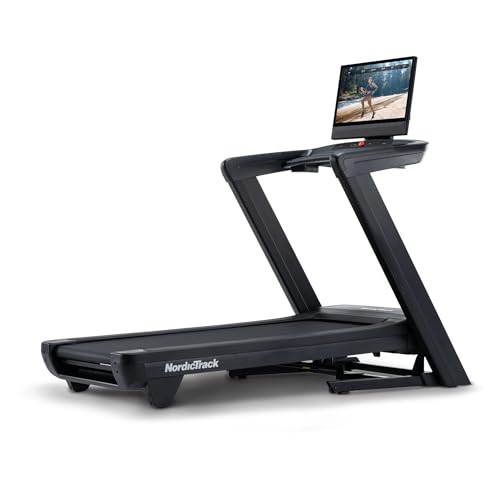
NordicTrack
Commercial 2450 Treadmill
- •Only iFIT flagship with 14 mph, -3% decline, and a 24 in pivoting screen
- •SHE score 9.54
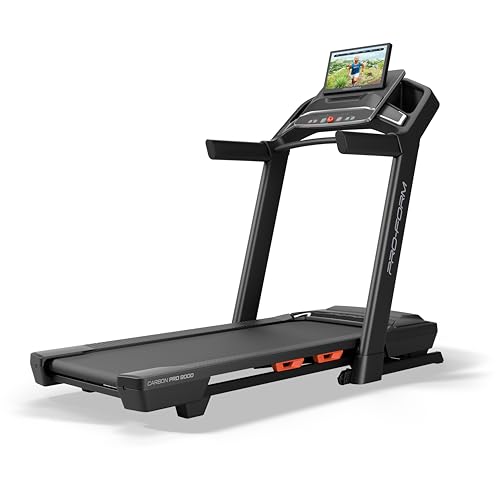
ProForm
Carbon Pro 9000 Treadmill
- •Highest price efficiency of any big-screen iFIT machine
- •3.6 CHP motor at $1,399
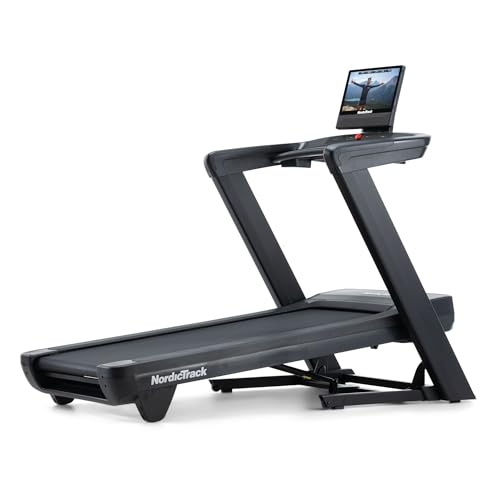
NordicTrack
Commercial 1750 Treadmill
- •The 2450's exact 4.25 CHP motor and grade range, smaller screen, $500 less
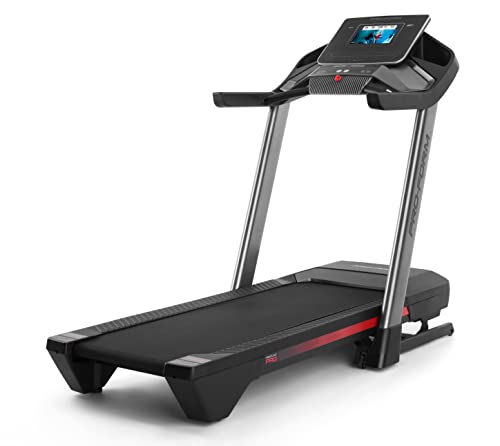
ProForm
Pro 2000 Smart Treadmill
- •Full -3% to 12% grade span under $1,200
- •lightest-duty motor of the four
Head-to-Head: Motor, Grade, Screen, and the SHE Score
Fitness
Chart
 Smarthomeexplorer.com
Tap any pick to check its live price on Amazon.
SkyTrak ST MAX Standard Studio Package (10')
Check price
Is the 2450 Worth the Premium?
You have narrowed your decision to two iFIT flagships and face one number: the price gap separating the NordicTrack Commercial 2450 from the ProForm Carbon Pro 9000. Both run identical iFIT trainer-led programming, so the subscription cancels entirely. The remaining calculation is hardware capability per dollar.
In this guide we evaluate four treadmills against the SHE Flagship Value Score, a weighted composite normalizing motor, grade range, coaching hardware, and build durability against street price. The dominant coefficient is drive power. The Commercial 2450 runs a 4.25 CHP motor and tops out at 14 mph versus the Pro 9000's 3.6 CHP at 12 mph — a 2 mph ceiling advantage and a 400lb versus 350lb capacity differential that together widen the interval and multi-user training envelope. Consumer Reports and Reviewed corroborate the NordicTrack specifications; Tom's Guide confirms the Pro 9000 forfeits decline. Most buyers retain these machines beyond a 7-yr horizon.
Best Overall (Premium): NordicTrack Commercial 2450 Treadmill
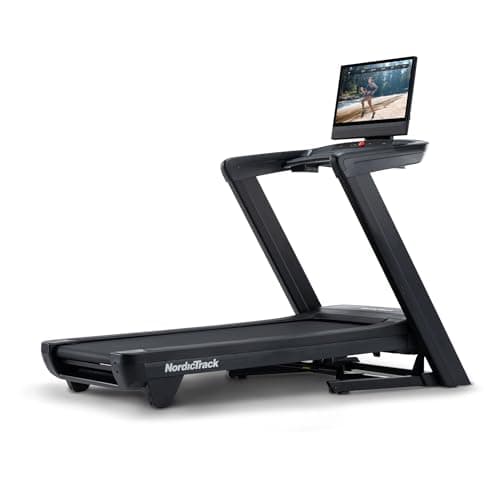
NordicTrack Commercial 2450 Treadmill
- Only machine here pairing a 4.25 CHP motor with 14 mph top speed for true interval headroom
- At $2,499 it is the most expensive pick by a $500 margin
(Current price, subject to change)
The NordicTrack Commercial 2450 Treadmill earns the highest composite of 9.54 on the SHE Flagship Value Score, our weighted methodology. It uniquely maximizes four of five constituent factors completely. The implication for your training regimen is concrete. Its commercial-grade 4.25 CHP motor tops out at 14 mph versus the Pro 9000's 3.6 CHP ceiling at 12 mph, adding a meaningful 2 mph window for sprint and interval work. Reviewed identifies it as the most responsive motor evaluated throughout the entire iFIT lineup.
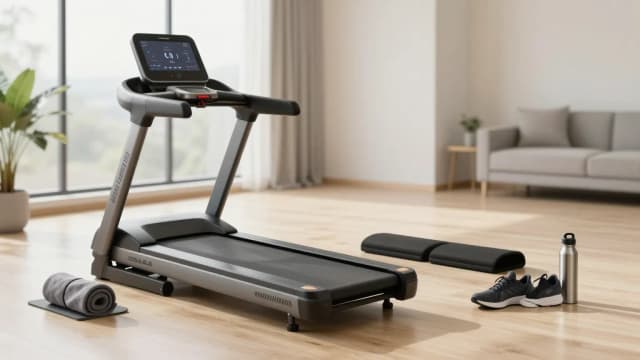
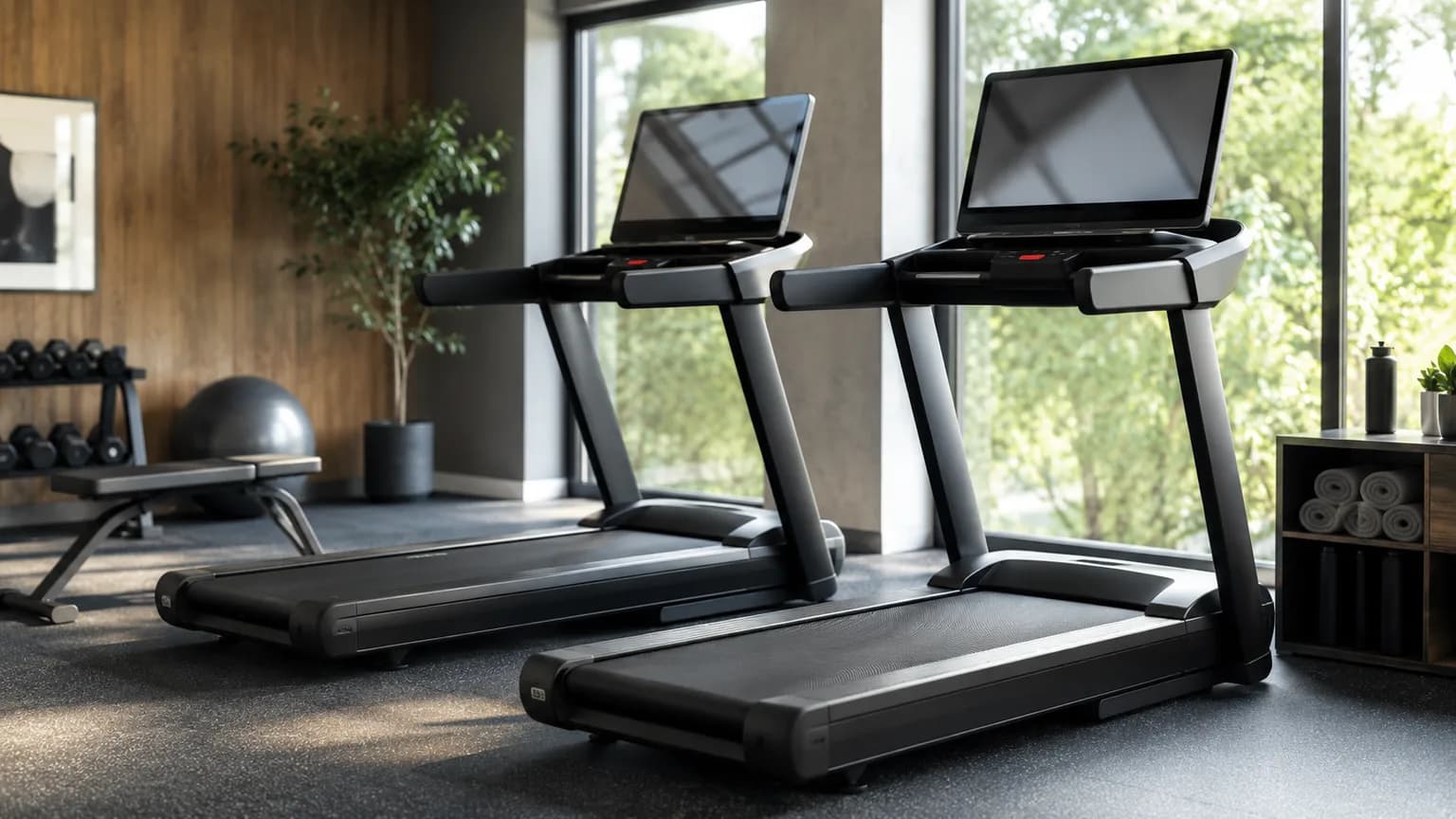
The articulating 24-inch display tilts and pivots beyond the deck. That capability matters because considerable iFIT programming happens off-belt: strength, yoga, mobility. A stationary screen restricts you to running classes exclusively. Consumer Reports confirms the decline-through-incline grade span, the widest configuration available here. Decline enables downhill race simulation plus eccentric muscular loading that incline-only decks cannot reproduce mechanically.
Compared to the ProForm Carbon Pro 9000 Treadmill, the 2450 contributes superior acceleration, decline capability, additional display real estate, and a 400lb user capacity rating versus the Pro 9000's 350lb. Its 332lb in-box frame also holds the deck steadier at speed. Most owners retain it beyond a 7-yr to 10-yr window, so the 4.25 CHP motor's durability headroom justifies the premium.
What We Love
- Only machine here pairing a 4.25 CHP motor with 14 mph top speed for true interval headroom
- Full -3% decline plus 12% incline — a 15-point grade span no rival in this set matches
- 24 in screen tilts AND pivots, so off-deck strength and yoga classes are usable
- 400 lb capacity and a 332 lb frame hold the deck steady at speed
What Could Be Better
- At $2,499 it is the most expensive pick by a $500 margin
- The 24 in screen is overkill if you only run on-belt classes
- Heaviest in-box weight at 332 lbs makes assembly and relocation a two-person job
The Verdict
If you're a runner who pushes intervals above 12 mph and wants decline for race simulation, the NordicTrack Commercial 2450 Treadmill fits the brief without compromise. The 9.54 reflects a clean sweep of all four hardware factors — motor, grade span, screen, and capacity. You pay a $1,100 premium over the Pro 9000, but you are the buyer who actually uses every bit of it.
Ready to upgrade your home?
roborock Qrevo 2 Pro Robot Vacuum and Mop
See it on Amazon
roborock F25 Ultra Steam Wet Dry Vacuum Mop
See it on Amazon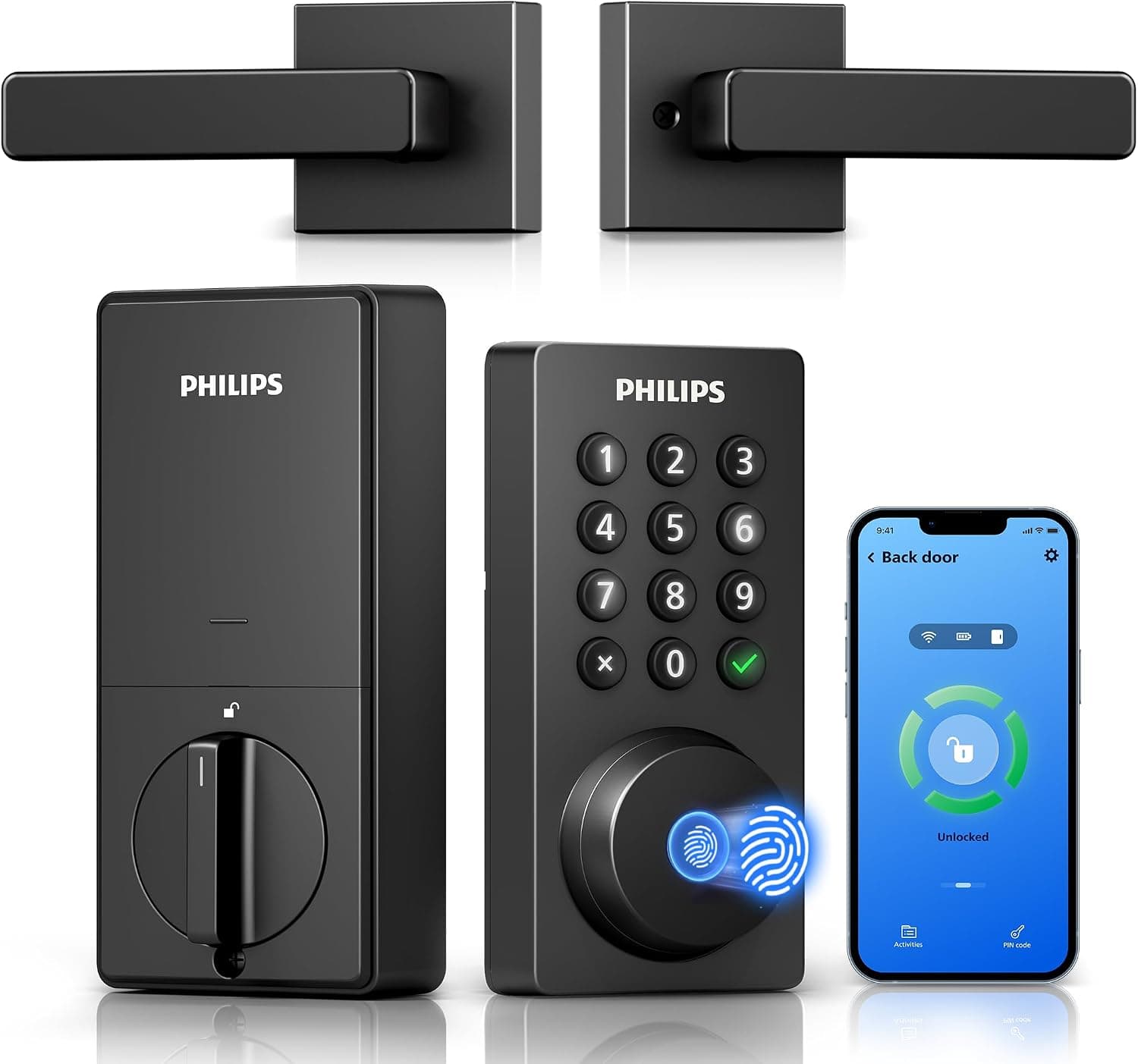
Philips Wi-Fi Keypad Deadbolt with Handle
See it on Amazon
Sponsored listings from Amazon’s Sponsored Products for Creators program, kept apart from our reviews and rankings. How we make money
Best Value: ProForm Carbon Pro 9000 Treadmill
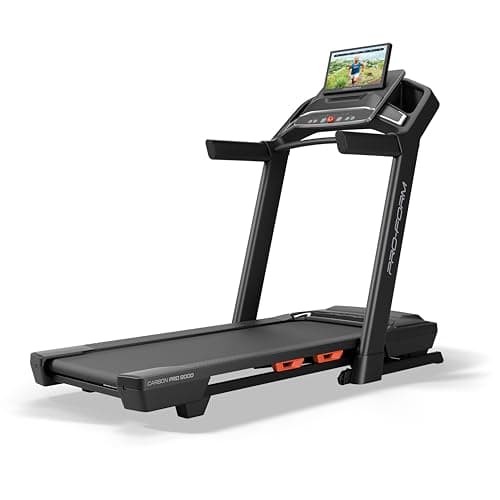
ProForm Carbon Pro 9000 Treadmill
- 3.6 CHP motor is genuinely runner-grade — not a walking-pad compromise
- No decline at all — incline tops out at 12% with nothing below 0%
(Current price, subject to change)
The ProForm Carbon Pro 9000 Treadmill earns a composite of 7.26 on the SHE Flagship Value Score, and its price-efficiency factor leads the comparison decisively. For your budget that delivers a genuinely runner-grade machine without flagship pricing. Its motor sustains continuous running, which Garage Gym Reviews rates approximately 4.5x out of 5 overall, noting only occasional connectivity complaints. Tom's Guide confirms the incline ceiling and the conspicuous absence of decline functionality.
Two substantive limitations remain: decline capability and screen articulation. Tom's Guide observes the deck cannot descend below level, eliminating downhill simulation entirely. The stationary display accommodates on-belt programming but restricts off-deck classes. You also relinquish meaningful frame capacity: a 350lb user rating versus the NordicTrack alternatives' 400lb, and a lighter 249lb in-box chassis versus the 2450's 332lb frame.
Compared to the NordicTrack Commercial 1750 Treadmill, the Pro 9000 economizes considerably but forfeits decline, motor displacement, and capacity simultaneously. Over a 7-yr horizon, that durability gap compounds for heavier or multi-user households.
What We Love
- 3.6 CHP motor is genuinely runner-grade — not a walking-pad compromise
- $1,399 street price delivers ~80% of the 2450 training experience at 56% of the cost
- 16 in screen is plenty large for on-belt iFIT classes
- Lighter 249 lb frame is easier to assemble and relocate than the NordicTrack flagship
What Could Be Better
- No decline at all — incline tops out at 12% with nothing below 0%
- Fixed screen locks you to on-deck content; no pivot for off-belt classes
- 350 lb capacity trails the 2450 and 1750 by 50 lb
The Verdict
If you've decided the iFIT trainer experience is what you're paying for and you never run downhill, the ProForm Carbon Pro 9000 Treadmill lines up with what you actually need. The 7.26 composite trails the 2450, but its 9.3 price-efficiency factor is the highest of any big-screen iFIT machine. You keep a real running motor and a 16 in screen, and you bank $1,100.
Sweet Spot: NordicTrack Commercial 1750 Treadmill
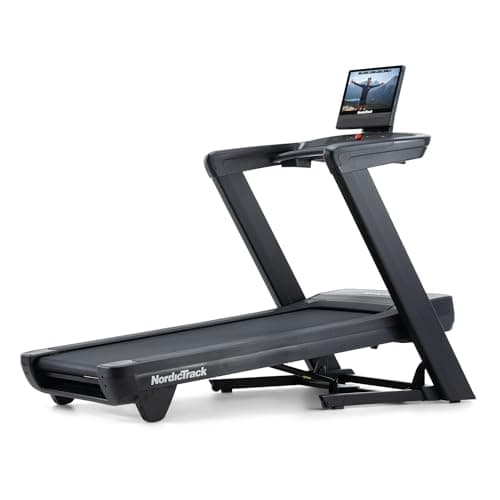
NordicTrack Commercial 1750 Treadmill
- Identical 4.25 CHP motor to the 2450 for $500 less
- 14 in screen tilts but does not pivot like the 2450's 24 in panel
(Current price, subject to change)
The NordicTrack Commercial 1750 Treadmill earns a composite of 8.89 on the SHE Flagship Value Score, the second-highest mark here. For your investment it delivers the 2450's mechanical core at a meaningful discount. It incorporates the identical commercial-grade motor and the equivalent decline-through-incline grade span. Wirecutter has designated it the Best Treadmill across consecutive model-year revisions, and Consumer Reports corroborates the maximum frame capacity plus complete grade range.
Two concessions distinguish it: peak velocity and display articulation. The motor caps at 12 mph below the 2450's 14 mph ceiling, eliminating the uppermost interval headroom. The 14 in tilting display handles on-belt iFIT programming but cannot pivot beyond the deck the way the flagship's 24 in panel does.
Compared to the NordicTrack Commercial 2450 Treadmill, the 1750 surrenders 2 mph of top speed and screen articulation but retains the identical 4.25 CHP motor, full -3% to 12% grade span, and 400lb capacity completely. It is the value play for serious runners who skip off-deck programming across a 7-yr to 10-yr ownership window.
What We Love
- Identical 4.25 CHP motor to the 2450 for $500 less
- Keeps the full -3% to 12% grade span, decline included
- 400 lb capacity matches the flagship
- The long-running Wirecutter Best Treadmill top pick across model years
What Could Be Better
- 14 in screen tilts but does not pivot like the 2450's 24 in panel
- Capped at 12 mph versus the 2450's 14 mph interval headroom
- Screen feels small once you have seen the 2450's 24 in display
The Verdict
If you want the 2450's motor and decline but can live with a smaller screen, the NordicTrack Commercial 1750 Treadmill checks the boxes that matter for serious runners on a tighter budget. The 8.89 composite — second only to the 2450 — reflects the same 4.25 CHP motor and full grade span for $500 less. Wirecutter has held it as Best Treadmill across model years for exactly this reason.
Budget iFIT Entry: ProForm Pro 2000 Smart Treadmill
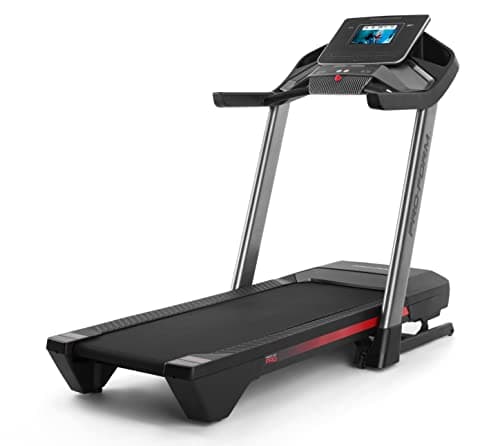
ProForm Pro 2000 Smart Treadmill
- Keeps the full -3% to 12% grade span the pricier Pro 9000 drops
- Lightest-duty 3.25 CHP motor — fine for steady runs, not heavy intervals
(Current price, subject to change)
The ProForm Pro 2000 Smart Treadmill earns a composite of 6.80 on the SHE Flagship Value Score, the entry threshold in this guide, but it commands the price-efficiency factor outright at a perfect normalized maximum. For a budget configuration that delivers full decline-capable training affordably. Reviewed confirms the Mach Z motor, the complete velocity range, and the decline-through-incline grade span, characterizing this smart treadmill as a runner's dream proposition. It preserves the decline the costlier Pro 9000 abandons.
Two constraints define it: motor duty and display dimension. This is the lightest-duty drive in the comparison at 3.25 CHP, suited to steady-state distance rather than repeated explosive intervals. The compact stationary 10 in screen is the smallest configuration here, restricting you to on-belt programming. Frame capacity registers the lowest of the quartet at 300lb, versus 350lb for the Pro 9000 and 400lb for both NordicTrack models.
Compared to the ProForm Carbon Pro 9000 Treadmill, the Pro 2000 paradoxically retains the decline the Pro 9000 lacks, sacrificing motor displacement and display real estate to economize further. Over a 7-yr window its lighter motor favors moderate weekly mileage.
What We Love
- Keeps the full -3% to 12% grade span the pricier Pro 9000 drops
- Best price-per-capability factor in the set at 10 out of 10
- EasyLift folding assist makes storage easy in tight spaces
- Lands under $1,200 with a full decline-capable deck
What Could Be Better
- Lightest-duty 3.25 CHP motor — fine for steady runs, not heavy intervals
- 10 in fixed screen is the smallest here and locks you to on-belt classes
- 300 lb capacity is the lowest of the four
The Verdict
If you want decline training under $1,200 and treat the small screen as adequate, the ProForm Pro 2000 Smart Treadmill is a sensible pick for that setup. Its 6.80 composite is the lowest here, but it wins price efficiency outright at 10 out of 10 — full -3% to 12% grade span for the least money. Reviewed calls it a runner's dream at this price, so no need to overthink it for a budget build.
How We Score: SHE iFIT Flagship Value Score
SHE iFIT Flagship Value Score
Score Formula
(Drive Power × 0.25) + (Training Range × 0.20) + (Coaching Hardware × 0.20) + (Build Capacity × 0.15) + (Price Efficiency × 0.20)Score Factors
- Drive Power (25%)Continuous-duty motor rating plus top speed. 4.25 CHP with 14 mph headroom scores 10; 4.25 CHP at 12 mph scores 9; 3.6 CHP at 12 mph scores 7; 3.0-3.25 CHP at 12 mph scores 5. CHP is the duty rating that predicts longevity under daily running and multi-user load — the highest-weighted factor.
- Training Range (20%)Total grade span in percentage points, decline through incline. A 15-point span (-3% to 12%) scores 10; a 12-point span (0% to 12%, no decline) scores 7. Decline enables downhill race simulation and eccentric loading that incline-only decks cannot replicate.
- Coaching Hardware (20%)Touchscreen size and articulation for iFIT coaching. A 22 in-plus screen that tilts and pivots scores 10; 14-16 in tilting scores 7; 14-16 in fixed scores 6; 10 in fixed scores 4. Pivoting matters because a large share of iFIT content happens off the deck; a fixed screen locks you to on-belt classes.
- Build Capacity (15%)Rated user weight capacity as the proxy for frame duty. 400 lb scores 10; 350 lb scores 7; 300 lb scores 5. Heavier frames (the 2450 ships at 332 lb in-box versus 249 lb for the Pro 9000) also hold the deck steadier at interval speeds.
- Price Efficiency (20%)Hardware capability per dollar. Capability is the mean of the four hardware factors; efficiency is capability points per $1,000 of street price, normalized so the best ratio scores 10. Computed: Pro 2000 = 10.0; Pro 9000 = 9.3; 1750 = 8.7; 2450 = 7.7.
SHE iFIT Flagship Value Score — Ranked
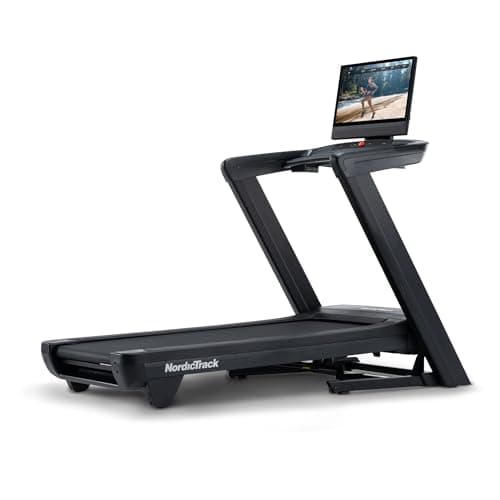
NordicTrack Commercial 2450 Treadmill
SHE iFIT Flagship Value Score9.5/10$2,499 — 4.25 CHP / 14 mph, -3% to 12%, 24 in pivoting screen, 400 lb; sweeps all four hardware factors
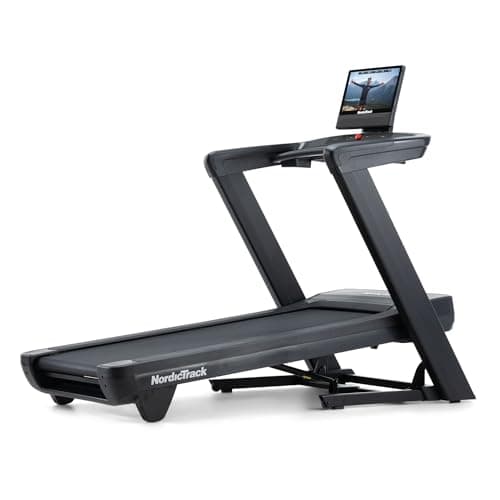
NordicTrack Commercial 1750 Treadmill
SHE iFIT Flagship Value Score8.9/10$1,999 — same 4.25 CHP motor and grade span as the 2450, 14 in tilting screen, 400 lb; $500 less
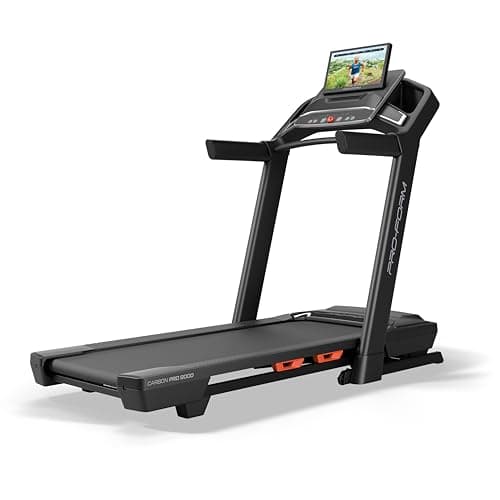
ProForm Carbon Pro 9000 Treadmill
SHE iFIT Flagship Value Score7.3/10$1,399 — 3.6 CHP / 12 mph, no decline, 16 in fixed screen, 350 lb; top big-screen price efficiency
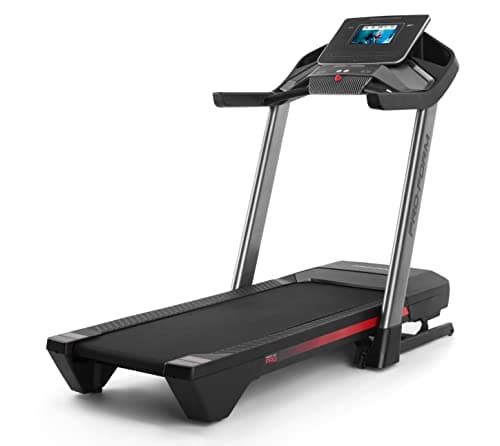
ProForm Pro 2000 Smart Treadmill
SHE iFIT Flagship Value Score6.8/10$1,160 — 3.25 CHP / 12 mph, full -3% to 12% span, 10 in fixed screen, 300 lb; best raw price-per-capability
The iFIT Subscription Question, and What Actually Separates These Four
The essential thing to understand before purchasing is that all four machines share one ecosystem, so the iFIT subscription cancels out of the calculation entirely. Every model runs the identical iFIT platform with equivalent trainer-led programming and the same SmartAdjust automation that governs speed and incline continuously. Consequently you cannot differentiate these treadmills on software. The decision becomes hardware capability per dollar, and the SHE Flagship Value Score isolates precisely that. Reviewed and Consumer Reports both treat the iFIT experience as constant across the lineup, which is why our methodology weights motor, grade, screen, build, and price rather than the application.
Four hardware dimensions genuinely decide it. Drive power separates the commercial NordicTrack motors from the comparatively modest ProForm drives, and only the flagship reaches its elevated peak velocity. Training range splits on decline: the 2450, 1750, and Pro 2000 retain the complete grade span, whereas the Pro 9000 paradoxically abandons decline despite exceeding the Pro 2000 in price. Coaching hardware ranges from the 2450's articulating panel down to the Pro 2000's stationary screen, a factor governing the off-deck classes that occupy considerable iFIT programming. Build capacity descends progressively across the quartet. Tom's Guide and Garage Gym Reviews corroborate each distinction.
One practical consideration regarding independence: iFIT remains optional, not mandatory. Every machine operates a manual mode without subscription, so you regulate speed and incline personally and avoid the recurring fee. Our Best Smart Treadmills and Walking Pads 2026 hub scores that subscription-independence dimension directly through its Connected Cardio Independence Score. This guide presumes you have committed to iFIT already and asks exclusively which flagship maximizes hardware per dollar across a 7-yr to 10-yr ownership horizon. Purchase the capability your training genuinely exercises, not the specification sheet's theoretical maximum.
| Product | 14 mph | Decline (-3%) | Pivot Screen | 400 lb | iFIT | Alexa |
|---|---|---|---|---|---|---|
| NordicTrack Commercial 2450 Treadmill | ✓ | ✓ | ✓ | ✓ | ✓ | ✓ |
| ProForm Carbon Pro 9000 Treadmill | ✕ | ✕ | ✕ | ✕ | ✓ | ✕ |
| NordicTrack Commercial 1750 Treadmill | ✕ | ✓ | ✕ | ✓ | ✓ | ✓ |
| ProForm Pro 2000 Smart Treadmill | ✕ | ✓ | ✕ | ✕ | ✓ | ✕ |
When NOT to Buy
Neither flagship is automatically appropriate. If you predominantly walk or jog moderately, a commercial-grade motor and elevated peak velocity represent expenditure you will never genuinely exercise — a mid-tier or walking-pad alternative from our Best Smart Treadmills and Walking Pads 2026 hub accomplishes the objective for considerably less. And if trainer-led programming holds no interest, you are financing an expensive iFIT display you will operate in manual mode regardless; a screenless treadmill becomes the more honest, economical match. Calibrate the motor and screen to your authentic training pattern, and decline the flagship premium whenever steady-state walking constitutes the realistic daily use case across a 10-yr horizon.
Who Should Buy What
Who Should Buy What
| If you are… | Recommended pick |
|---|---|
Serious / competitive runner You run intervals above 12 mph, want decline for race simulation, and will use a pivoting screen for off-deck classes | NordicTrack Commercial 2450 Treadmill |
Value-first iFIT family You want the full iFIT trainer experience and a runner-grade motor but never need decline or speeds over 12 mph | ProForm Carbon Pro 9000 Treadmill |
Sweet-spot shopper You want the 2450's 4.25 CHP motor and full grade span but can live with a 14 in screen to save $500 | NordicTrack Commercial 1750 Treadmill |
Budget iFIT entrant You want full decline-to-incline training under $1,200 and treat a 10 in screen as adequate | ProForm Pro 2000 Smart Treadmill |
Frequently Asked Questions
Is the NordicTrack 2450 worth $1,100 more than the ProForm Pro 9000?
It depends on how you train. The 2450 scores 9.54 on the SHE iFIT Flagship Value Score versus the Pro 9000's 7.26 on total capability — it adds 14 mph top speed, -3% decline, a 24 in pivoting screen, and 50 lb of capacity. But the Pro 9000 wins price efficiency 9.3 to 7.7. If you run intervals above 12 mph, want decline, or use off-deck classes, the premium pays off. If you never touch those, the Pro 9000 banks $1,100 with a still-runner-grade 3.6 CHP motor.
Does the ProForm Carbon Pro 9000 have decline?
No. The Carbon Pro 9000 inclines from 0% to 12% but has no decline below 0%, per Tom's Guide. This is its one real training gap versus the NordicTrack picks. Oddly, the cheaper ProForm Pro 2000 keeps the full -3% to 12% span, so if decline matters most to you, the Pro 2000 is the lower-cost route to it inside the iFIT lineup.
Do these treadmills require an iFIT subscription to work?
No. All four run a manual mode without a subscription — you control speed and incline yourself and skip the $39/mo iFIT fee. The subscription unlocks the trainer-led auto-adjust classes that make the big screens worth having. If you plan to run manual-only, you are paying for screen real estate you will not use; our best-smart-treadmills hub scores that subscription-independence question directly.
NordicTrack 2450 vs 1750 — what does the extra $500 buy?
The 1750 runs the identical 4.25 CHP motor and the same -3% to 12% grade span as the 2450, for $500 less. The extra $500 on the 2450 buys two things: a 2 mph faster top speed (14 vs 12 mph) and a much larger 24 in screen that pivots off the deck versus the 1750's 14 in tilting panel. If you sprint above 12 mph or do off-deck strength and yoga, the 2450 earns it. Otherwise the 1750 is Wirecutter's long-standing Best Treadmill pick for good reason.
Is the Pro 9000's 3.6 CHP motor strong enough for daily running?
Yes. A 3.6 CHP continuous-duty motor is genuinely runner-grade — Garage Gym Reviews rates the Pro 9000 4.5 out of 5 overall. CHP predicts longevity under daily load, and 3.6 handles regular running for one to two users comfortably. The 2450's 4.25 CHP adds headroom for heavy multi-user households and 14 mph sprints, but 3.6 CHP is not a walking-pad compromise.
Bottom Line
Get the NordicTrack Commercial 2450 Treadmill if you run intervals above 12 mph, want decline training, and will use the 24 in pivoting screen for off-deck classes.
Get the ProForm Carbon Pro 9000 Treadmill if you want the full iFIT trainer experience and a runner-grade motor but never need decline or speeds over 12 mph.
Get the NordicTrack Commercial 1750 Treadmill if you want the 2450's 4.25 CHP motor and full grade span but can accept a 14 in screen to save $500.
Get the ProForm Pro 2000 Smart Treadmill if you want full decline-to-incline training under $1,200 and treat a 10 in screen as adequate.
The capability winner is the NordicTrack Commercial 2450 Treadmill at 9.54 — the only iFIT flagship pairing 14 mph, decline, and a pivoting screen. But the ProForm Carbon Pro 9000 Treadmill is the rational pick for most buyers: a runner-grade 3.6 CHP motor for $1,100 less, giving up only decline and screen size. Skip both flagships if you mostly walk or run manual-only — a mid-tier model from our hub does that job for hundreds less.
Sources & Methodology
Methodology: SHE iFIT Flagship Value Score — Formula: (Drive Power × 0.25) + (Training Range × 0.20) + (Coaching Hardware × 0.20) + (Build Capacity × 0.15) + (Price Efficiency × 0.20). Factors: Drive Power (25%): Continuous-duty motor rating plus top speed. 4.25 CHP with 14 mph headroom scores 10; 4.25 CHP at 12 mph scores 9; 3.6 CHP at 12 mph scores 7; 3.0-3.25 CHP at 12 mph scores 5. CHP is the duty rating that predicts longevity under daily running and multi-user load — the highest-weighted factor. | Training Range (20%): Total grade span in percentage points, decline through incline. A 15-point span (-3% to 12%) scores 10; a 12-point span (0% to 12%, no decline) scores 7. Decline enables downhill race simulation and eccentric loading that incline-only decks cannot replicate. | Coaching Hardware (20%): Touchscreen size and articulation for iFIT coaching. A 22 in-plus screen that tilts and pivots scores 10; 14-16 in tilting scores 7; 14-16 in fixed scores 6; 10 in fixed scores 4. Pivoting matters because a large share of iFIT content happens off the deck; a fixed screen locks you to on-belt classes. | Build Capacity (15%): Rated user weight capacity as the proxy for frame duty. 400 lb scores 10; 350 lb scores 7; 300 lb scores 5. Heavier frames (the 2450 ships at 332 lb in-box versus 249 lb for the Pro 9000) also hold the deck steadier at interval speeds. | Price Efficiency (20%): Hardware capability per dollar. Capability is the mean of the four hardware factors; efficiency is capability points per $1,000 of street price, normalized so the best ratio scores 10. Computed: Pro 2000 = 10.0; Pro 9000 = 9.3; 1750 = 8.7; 2450 = 7.7.
Expert review sources used in this analysis:
- SmartHomeExplorer aggregates expert review data and manufacturer specifications to produce consensus-based buying guidance
- We do not perform first-party product testing
- Motor ratings, grade ranges, screen specs, capacities, and pricing are drawn from manufacturer documentation and verified Amazon listings, then corroborated against treadmill coverage from Wirecutter, Consumer Reports, Tom's Guide, Reviewed, and Garage Gym Reviews
- Amazon prices and availability verified 2026-06-10
- The SHE iFIT Flagship Value Score weights drive power, training range, coaching hardware, build capacity, and price efficiency from aggregated specs and reviewer reports
- No first-party measurements were conducted.
Nicholas Miles is the founder of SmartHomeExplorer and a longtime smart home enthusiast focused on helping everyday homeowners make better technology decisions. He researches, compares, and writes about products across security, climate, lighting, leak prevention, sensors, home energy, and automation, with an emphasis on real-world usefulness, ecosystem compatibility, reliability, privacy, and long-term value.
Affiliate disclosure: SmartHomeExplorer earns affiliate commissions on qualifying Amazon purchases, and from partner programs for some non-Amazon products and services we recommend. Our scoring methodology is independent of affiliate relationships.