
Ecobee Smart Thermostat Premium is the best overall energy-savings thermostat, Nest is the best fit for Google-first homes, and Honeywell's best value answer is still the T9.
This guide exists because thermostat comparisons usually stop at feature lists instead of ownership math. Buyers do not just want to know which thermostat has the prettiest display or the cleanest app. They want to know which one lowers heating and cooling waste, which one actually improves comfort room by room, and which one still makes sense once the hardware cost, sensors, and ecosystem limitations are part of the story. That is what this guide measures. For the broader category, start with our best smart thermostat guide. If your system is a heat pump or mini-split instead of a standard forced-air setup, our smart thermostat compatibility guide for heat pumps and mini-splits is the better first read.
We built this comparison around the thermostats that actually shape most buyer decisions in 2026. The Ecobee Smart Thermostat Premium is the strongest all-around control platform once room balancing and ecosystem breadth matter. The Google Nest Learning Thermostat 4th Gen is still the easiest thermostat to live with if your home runs on Google Home and you want the thermostat to make more decisions for you automatically. Honeywell's lineup splits into two very different answers: the Honeywell Home T9 Smart Thermostat is the strongest Honeywell value play with a room sensor included, while the Amazon Smart Thermostat is the cheapest route into a modern thermostat if you are already committed to Alexa. We also include Ecobee3 Lite because it changes the payback conversation for buyers who want Ecobee control without paying flagship money.
SHE Energy Payback Index
The thermostat market gets sold like a feature race, but the practical buyer question is simpler: which thermostat gives me the strongest comfort-and-savings return after hardware cost, included sensors, and platform fit are all counted together?
Formula: SHE Energy Payback Index = (Savings Potential × 0.35) + (Room-Level Comfort × 0.25) + (Ecosystem Fit × 0.20) + (Included Hardware Value × 0.10) + (Price Efficiency × 0.10)
How we define the inputs:
- Savings Potential — how likely the thermostat is to reduce real HVAC waste based on learning behavior, occupancy logic, and scheduling quality.
- Room-Level Comfort — whether the thermostat can correct hot/cold rooms rather than only average the main hallway.
- Ecosystem Fit — how well the thermostat works with Alexa, Google Home, HomeKit, and other common smart home setups.
- Included Hardware Value — the value of bundled sensors or accessories you would otherwise need to buy separately.
- Price Efficiency — how much control you get for the current street price.
(SmartHomeExplorer editorial analysis — /methodology)
SHE Energy Payback Index (0–10)
Balances current hardware cost, estimated annual HVAC savings, room-level control, and ecosystem flexibility.
$249 · room sensor included · strongest whole-home control
$240 · best learning automation · strongest Google Home fit
$180 · smart sensor included · strongest Honeywell value
$140 · fastest payback if you already know you want Ecobee
$80 · cheapest entry point · best for Alexa-only homes
SmartHomeExplorer editorial analysis based on current hardware cost, annual energy-savings estimates, sensor value, and ecosystem fit (April 2026)
What the index says: Ecobee Premium wins because its room-balancing logic and ecosystem breadth create the most durable savings case once you stop thinking only about sticker price. Nest is close because it remains the easiest premium thermostat to trust if you want auto-learning to do more of the work. Honeywell's T9 lands in the strongest middle ground: it does not beat Ecobee or Nest at the top end, but it gives more buyers a fast path to useful room-level control without premium-brand pricing.
Thermostat
Chart
 Smarthomeexplorer.com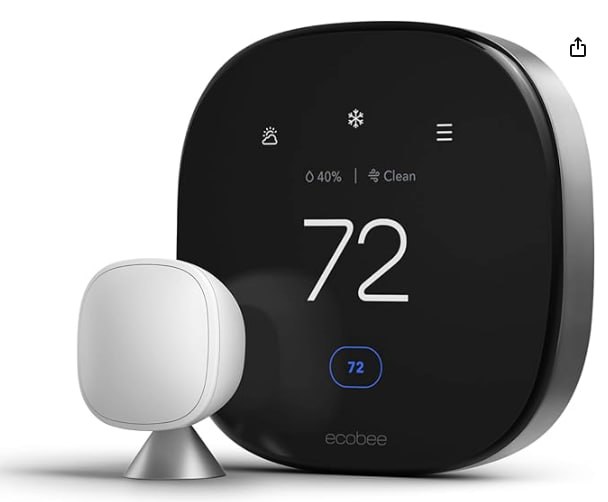
Ecobee Smart Thermostat Premium — Best Overall
Ecobee Smart Thermostat Premium
(Current Price, subject to change)
Ready to upgrade your home?
roborock Qrevo 2 Pro Robot Vacuum and Mop
See it on Amazon
roborock Saros Z70 Robot Vacuum and Mop
See it on Amazon
eufy SoloCam S340 Solar Security Camera, 4-Cam Kit
See it on Amazon
Sponsored listings from Amazon’s Sponsored Products for Creators program, kept apart from our reviews and rankings. How we make money
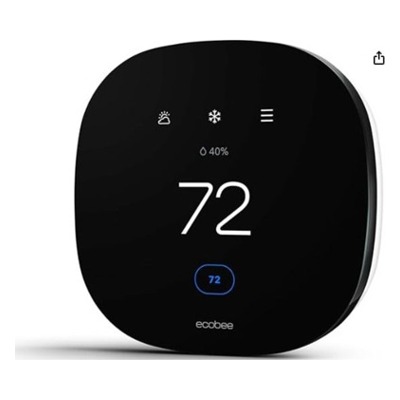
The Ecobee Smart Thermostat Premium is the thermostat that makes the strongest case once you think beyond the hallway wall plate. The reason Ecobee keeps winning serious comparison guides is not just that the thermostat itself is good. It is that the bundled SmartSensor lets you start solving the real comfort problem immediately. Most homes do not have a single stable temperature. They have a hallway thermostat that stays comfortable while the bedroom runs warm, the office runs cold, and the upstairs gets blasted longer than it should. Ecobee is still the cleanest answer to that problem without asking you to build a more complicated zoning system.
It is also the easiest recommendation for mixed-platform homes. If you want the thermostat to work with Alexa, HomeKit, Google Home, and SmartThings without turning into an ecosystem argument, Ecobee is still the least annoying choice. That matters more than spec-sheet shoppers admit. Smart home value is often decided by whether the product fits the rest of the house cleanly. Ecobee does. The tradeoff is price: you are paying flagship money. But the included sensor and stronger ecosystem fit mean that price premium often holds up better over two years than buyers expect.
What We Love
- Best room-balancing value in the guide — the included SmartSensor changes the comfort math immediately.
- Broadest ecosystem support — easiest thermostat here to recommend across mixed-platform households.
- Strong all-around ownership case — premium price, but premium logic with fewer missing pieces.
What Could Be Better
- Hardware cost is still high if you only want basic scheduling.
- The extra features matter less in small apartments with one evenly conditioned zone.
- Some buyers will pay for the bundled sensor and never fully use it.
The Verdict
The Ecobee Smart Thermostat Premium is the best overall choice if you want the thermostat most likely to improve both savings and comfort in a real multi-room home. It is not the cheapest route, but it is the thermostat most likely to justify its price over time.
Is Ecobee Smart Thermostat Premium worth it in 2026?
Yes — especially if your comfort problems come from uneven rooms rather than a simple need for remote control.
Ecobee Smart Thermostat Premium vs Google Nest Learning Thermostat 4th Gen — which is better?
Ecobee Smart Thermostat Premium is better for mixed-platform homes and room-level balancing. Google Nest Learning Thermostat 4th Gen is better if your house is already centered on Google Home and you want more learning automation.
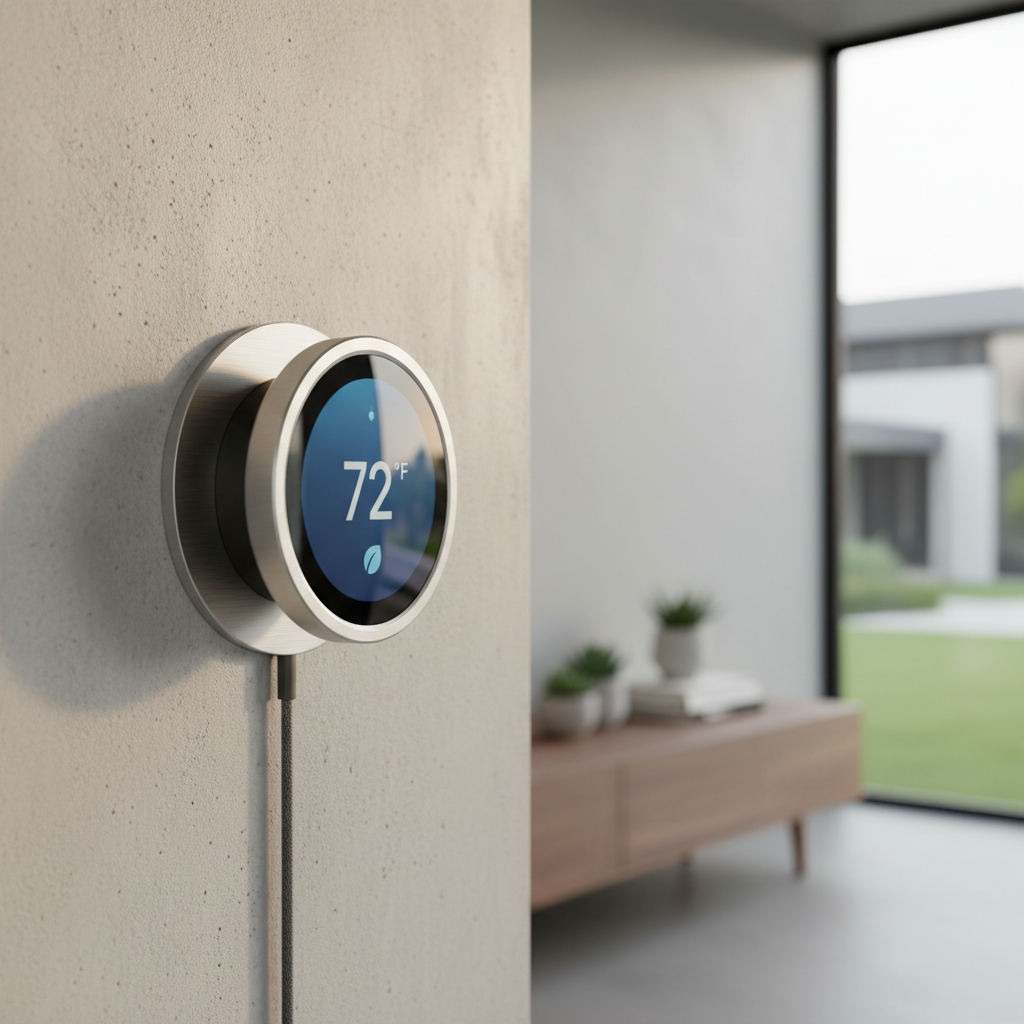
Google Nest Learning Thermostat 4th Gen — Best for Auto-Learning
Google Nest Learning Thermostat 4th Gen
(Current Price, subject to change)
The Google Nest Learning Thermostat 4th Gen is the smartest choice if you want the thermostat to do more of the behavioral work for you. Nest still makes the cleanest case for buyers who do not want to spend weeks tweaking schedules and comfort rules. It learns, adapts, and fits neatly into the Google Home environment. That does not make it magic, but it does make it the easiest premium thermostat for buyers who want the software to feel more automatic and less like another configuration project.
Nest also works best when your home already leans Google. The thermostat is stronger when the rest of the house already speaks Nest: speakers, displays, cameras, presence routines, and Google Home automations. That is where it feels worth the premium price. Outside that environment, some of Nest's biggest advantages fade, and Ecobee becomes easier to justify. The biggest weakness remains platform breadth. If you are Apple-first or strongly mixed-platform, Nest still asks you to accept more ecosystem compromise than Ecobee or even Honeywell.
What We Love
- Best learning automation — strongest pick for buyers who want less manual schedule tuning.
- Best Google Home fit — the strongest thermostat here for deep Google routines and Nest households.
- Strong premium ownership story — still one of the easiest thermostats to live with long term.
What Could Be Better
- Weaker Apple fit than Ecobee.
- Premium price without the same broad ecosystem flexibility.
- If learning behavior is not important to you, cheaper options can close the value gap fast.
The Verdict
The Google Nest Learning Thermostat 4th Gen is the best choice for buyers who want a premium thermostat that quietly learns and fits into a Google-centered home without friction. It is not the broadest platform play, but it is one of the strongest thermostat ownership experiences.
Is Google Nest Learning Thermostat 4th Gen worth it in 2026?
Yes — if your home already revolves around Google Home and you want strong auto-learning instead of heavy manual tuning.
Google Nest Learning Thermostat 4th Gen vs Honeywell Home T9 Smart Thermostat — which is better?
Google Nest Learning Thermostat 4th Gen is better for premium Google homes. Honeywell Home T9 Smart Thermostat is better for buyers who want strong room control at a lower cost.
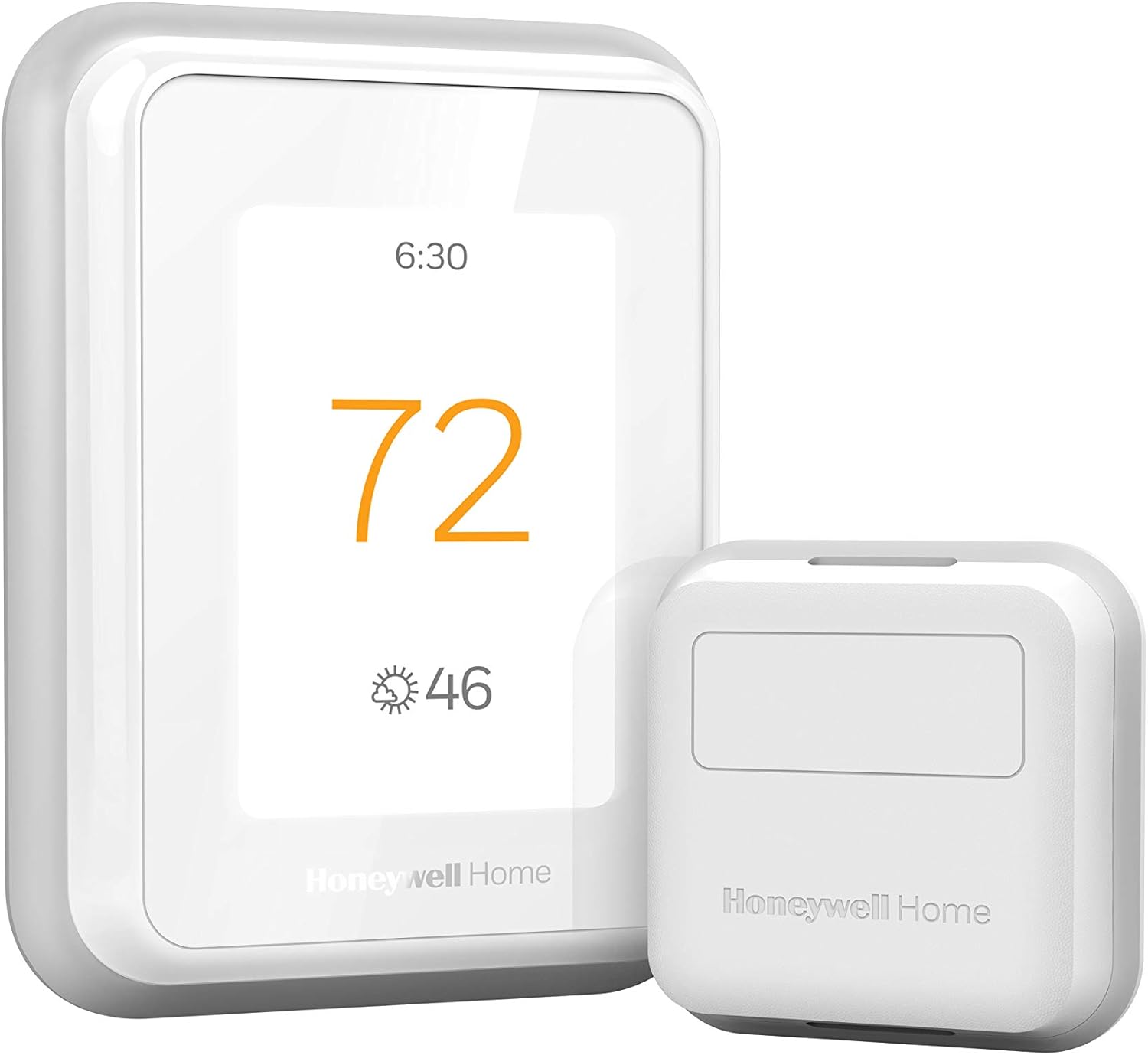
Honeywell Home T9 Smart Thermostat — Best Honeywell Value
Honeywell Home T9 Smart Thermostat
(Current Price, subject to change)
The Honeywell Home T9 Smart Thermostat is the strongest Honeywell answer because it gives you the one thing that keeps a thermostat from feeling half-finished: room-level correction without premium-brand money. It is not as polished as Ecobee, and it does not feel as automatic as Nest, but it gets the central job right. If your house has one problem room that is always warm, cold, or over-conditioned, the T9 can fix that more effectively than a cheaper thermostat that only averages the main hallway. That makes its price easier to defend than a bare-bones budget model.
Honeywell's strength here is not excitement. It is practicality. The T9 is for buyers who want good control and cross-platform usefulness without buying into a flagship identity. It works with Alexa, Google Home, and SmartThings well enough, and its value story remains straightforward: included sensor, solid scheduling, good comfort return, lower price than Ecobee Premium or Nest 4th Gen. If you want the thermostat that feels like a rational purchase instead of a prestige purchase, this is it.
What We Love
- Best Honeywell value — the included sensor matters more than fancy branding.
- Strong comfort-per-dollar case — very solid middle ground between flagship and budget picks.
- Lower compromise than cheaper thermostats — still feels like a real upgrade, not just an app-controlled wall plate.
What Could Be Better
- Interface feels older than Ecobee and Nest.
- Does not create the same premium ecosystem story as the top two picks.
- Buyers who want heavy automation polish may still prefer Nest.
The Verdict
The Honeywell Home T9 Smart Thermostat is the best Honeywell thermostat for most buyers because it lands in the most useful part of the thermostat market: good room control, broad platform fit, and a price that still feels disciplined.
Is Honeywell Home T9 Smart Thermostat worth it in 2026?
Yes — especially if the real problem in your house is one or two uneven rooms and you do not want to pay flagship money to solve it.
Honeywell Home T9 Smart Thermostat vs Amazon Smart Thermostat — which is better?
Honeywell Home T9 Smart Thermostat is the better thermostat. Amazon Smart Thermostat is the better cheap buy if Alexa-only value is your top priority.
Ecobee3 Lite — Best Lower-Cost Ecobee Pick
Ecobee3 Lite
(Current Price, subject to change)
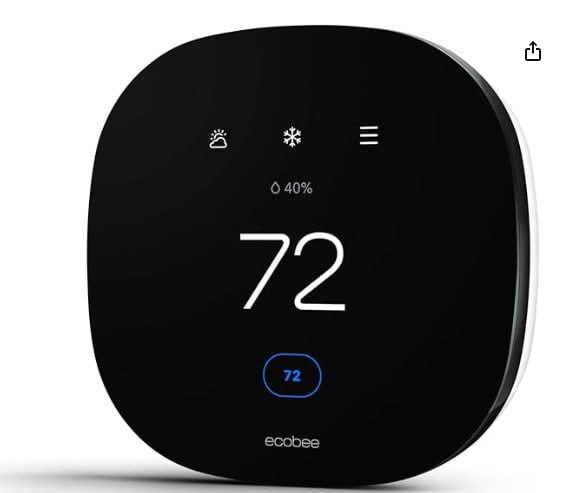
Ecobee3 Lite matters because it shows how much of Ecobee's value comes from software discipline rather than only flagship hardware. It gives you the cleaner Ecobee app logic, scheduling, and remote control experience at a much lower entry price than Ecobee Premium. What it does not give you is the same room-balancing story out of the box. That is the whole tradeoff. If you want cheaper Ecobee control, it makes sense. If you want the reason Ecobee usually beats Nest in mixed-platform homes, the missing bundled sensor is a real downgrade.
This is why Ecobee3 Lite is such a good payback pick for buyers who already know what they want. If your current thermostat is dumb, your HVAC schedule is messy, and your house is not plagued by major room-balance problems, Lite gets you into the Ecobee lane without paying for features you may never use. It is less exciting than Premium, but the savings-per-dollar story can be cleaner.
What We Love
- Fastest lower-cost Ecobee path — keeps the better Ecobee software without flagship pricing.
- Strong payback case — easier to justify if your current thermostat is very basic.
- Cleaner ownership math than premium models — especially for smaller homes.
What Could Be Better
- No bundled room sensor.
- Weaker comfort-correction story than Ecobee Premium or Honeywell T9.
- Less compelling if you already know your house has uneven-room problems.
The Verdict
Ecobee3 Lite is the right lower-cost Ecobee pick if you want better scheduling and app logic without paying for the flagship bundle. It is the value Ecobee, not the best Ecobee.
Is Ecobee3 Lite worth it in 2026?
Yes — if you mainly want Ecobee control and do not need the bundled room-balancing hardware right away.
Ecobee3 Lite vs Amazon Smart Thermostat — which is better?
Ecobee3 Lite is the better thermostat platform. Amazon Smart Thermostat is cheaper and easier to justify if Alexa-only value is all you want.
Amazon Smart Thermostat — Best Budget Pick
Amazon Smart Thermostat
(Current Price, subject to change)
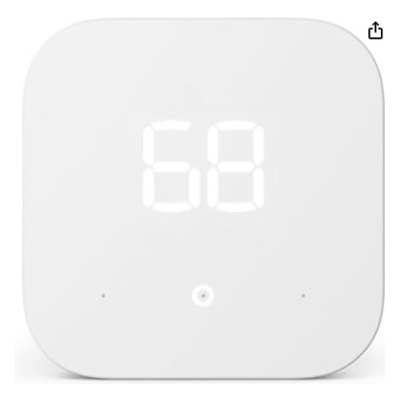
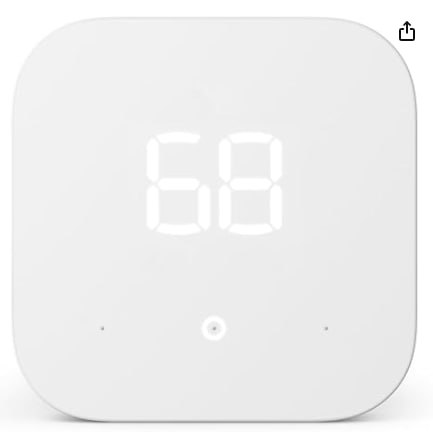
The Amazon Smart Thermostat is here for one reason: price. It is the thermostat for buyers who want a clear improvement over a basic manual thermostat without spending premium money. In that role, it works. It brings app control, Alexa integration, and schedule logic to a price tier where many buyers otherwise stay stuck with a dumb wall plate. That matters. It is also the easiest thermostat in this guide to recommend for renters or first-time smart home buyers who already own Echo devices and care more about getting started than optimizing every room.
Its limits are just as clear. It does not deliver the room-level comfort control of Ecobee Premium or Honeywell T9, and it does not match Nest's learning behavior. So the question is not whether it beats the premium models. It does not. The question is whether it gives enough real control at a low enough price to make sense for budget buyers. It does.
What We Love
- Cheapest useful smart thermostat in this guide — the easiest entry point.
- Best Alexa-first budget pick — strongest fit for Echo households with a tight budget.
- Clean hardware value — much easier to justify than premium thermostats when savings expectations are modest.
What Could Be Better
- Least sophisticated control logic in the comparison.
- Weakest cross-platform story.
- No room-sensor comfort strategy bundled in.
The Verdict
The Amazon Smart Thermostat is the right budget thermostat if your real goal is simple: stop wasting energy with a dumb schedule and get Alexa control at the lowest reasonable cost.
Is Amazon Smart Thermostat worth it in 2026?
Yes — for budget buyers in Alexa households. No — if comfort balancing or cross-platform flexibility matters more than low hardware cost.
Amazon Smart Thermostat vs Honeywell Home T9 Smart Thermostat — which is better?
Honeywell Home T9 Smart Thermostat is the better thermostat. Amazon Smart Thermostat is the better low-cost Alexa buy.
When NOT to Buy a Smart Thermostat for Energy Savings
- Skip the premium tier if your house only has one small, evenly conditioned zone and you mostly need basic scheduling.
- Skip Nest if your home is strongly Apple-first and you do not want platform compromise.
- Skip Amazon Smart Thermostat if you already know you need room-level balancing or better sensor logic.
- Skip any thermostat purchase until you verify HVAC compatibility, especially for older heat pumps, dual-fuel systems, or unusual wiring.
Frequently Asked Questions
Which thermostat saves the most energy in 2026?
For most buyers, Ecobee Smart Thermostat Premium has the strongest all-around energy-savings case because it combines scheduling, occupancy logic, and room balancing better than the others. Google Nest Learning Thermostat 4th Gen is the strongest learning thermostat if you want more automation and live in Google Home.
Is Ecobee or Nest better for lowering utility bills?
Ecobee is better if your savings problem is room imbalance and over-conditioning. Nest is better if your savings problem is schedule inconsistency and you want the thermostat to adapt automatically.
Is Honeywell Home T9 worth it over Amazon Smart Thermostat?
Yes. Honeywell Home T9 Smart Thermostat costs more, but the included room sensor and stronger comfort control make it the better long-term thermostat. Amazon Smart Thermostat is still the better choice if your budget ceiling is hard and Alexa is your only ecosystem.
What is the best budget smart thermostat in 2026?
Amazon Smart Thermostat is the best true budget thermostat in this comparison because it delivers meaningful smart scheduling and Alexa control at around $80. Ecobee3 Lite is the better budget pick if you want a stronger thermostat platform and can spend more upfront.
Do smart thermostats need subscriptions?
No. None of the five thermostats in this guide require a subscription for core scheduling, remote control, or energy-saving use. That is one reason thermostats remain one of the easiest smart home categories to justify financially.
The Bottom Line
If you want the best thermostat overall, start with Ecobee Smart Thermostat Premium. It gives the strongest total combination of comfort correction, savings logic, and ecosystem flexibility.
Get the Ecobee Smart Thermostat Premium if your main goal is lowering waste while actually fixing uneven rooms in a real household.
Skip the Ecobee Smart Thermostat Premium if your budget is tighter and you mainly want basic scheduling plus app control without paying for a flagship bundle.
For Google-first homes, Google Nest Learning Thermostat 4th Gen is the right premium alternative. For value buyers, Honeywell Home T9 Smart Thermostat is the most balanced middle-ground option, and Amazon Smart Thermostat is the easiest low-cost answer. For the broader thermostat field, go back to our best smart thermostat guide. If your system is more specialized, our smart thermostat compatibility guide for heat pumps and mini-splits is the better next read.
Sources & Methodology
This guide combines SmartHomeExplorer consensus entries for Ecobee, Nest, Honeywell, and Amazon thermostat models with current April 2026 pricing signals from official brand pages and Amazon listing verification. We used existing expert-source aggregation already captured in the consensus dataset — including Wirecutter, CNET, PCMag, Tom's Guide, and other specialist publications — and layered that with a thermostat-specific savings framework focused on room balancing, automation quality, and hardware value. This guide is about which thermostat actually makes the strongest savings case once ownership and comfort are considered together, not just which thermostat looks smartest in a product photo.
Nicholas Miles is the founder of SmartHomeExplorer.com, where he researches, compares, and writes about smart home products across security, climate, lighting, sensors, home energy, networking, pet tech, and automation. SmartHomeExplorer now publishes 318 buying guides and tracks 1,052 consensus-reviewed products, with recommendations built from 3+ expert sources per product plus SmartHomeExplorer's proprietary SHE scoring frameworks for value, compatibility, and long-term ownership.
Disclosure: SmartHomeExplorer.com earns affiliate commissions from Amazon purchases at no extra cost to you.