

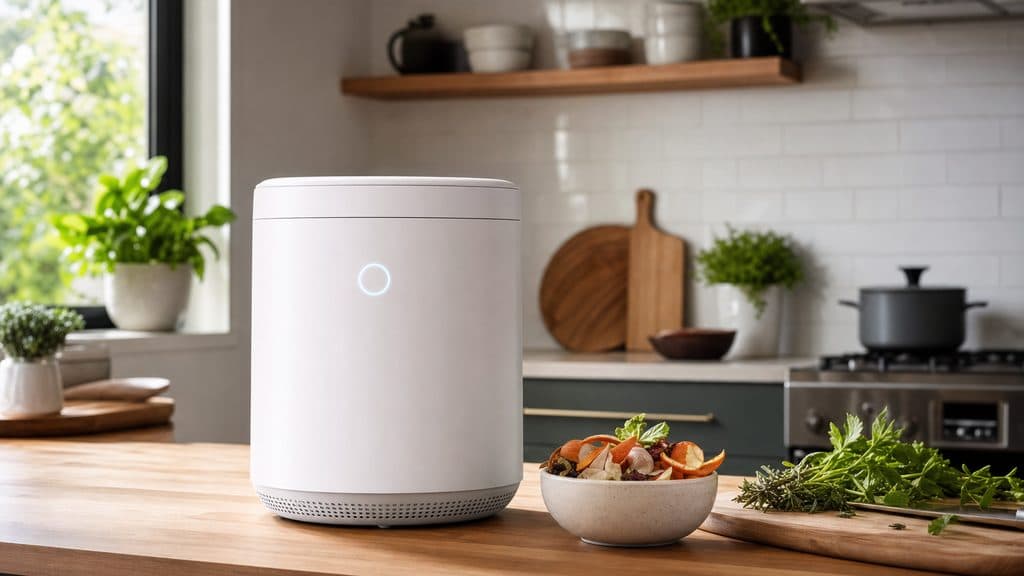
Best Smart Kitchen Composters 2026: Electric Units Ranked
A $500 composter is really a $1,000 decision once filter costs are in. Reencle Prime ($429) produces plant-ready compost with zero filter expense and wins at 9.55/10.
This article contains affiliate links. We may earn a commission at no extra cost to you. Prices change frequently — check the current price on Amazon before buying. Learn more
The Short Answer
Microbial composters Reencle Prime (9.55/10) and GEME Smart 19L (8.89/10) bioconvert feedstock into Bacillus-verified compost, 5-year TCO below $1,020, while dehydrators FoodCycler Eco-5 (4.31/10) and Lomi 3 (3.83/10) necessitate aerobic maturation, carbon subscriptions compounding 5-year expenditure to $1,690.
Featured in this Guide
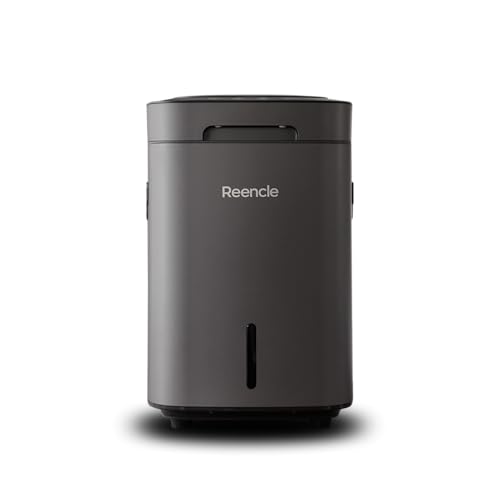
Reencle
Prime
- •Microbial true compost, zero filters, $549 5-year TCO — the category's only genuine composter under $500
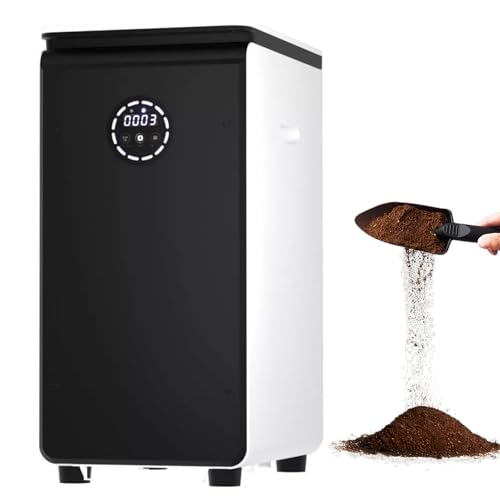
GEME
Smart 19L
- •19L continuous-feed, no filter cost, plant-ready output — built for 4-person households and active gardens
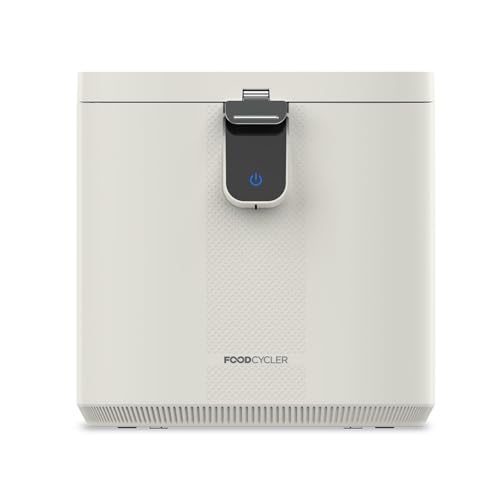
FoodCycler
Eco 5
- •Smallest footprint, 4-hour cycle, fits under upper cabinets — best if counter space rules the decision
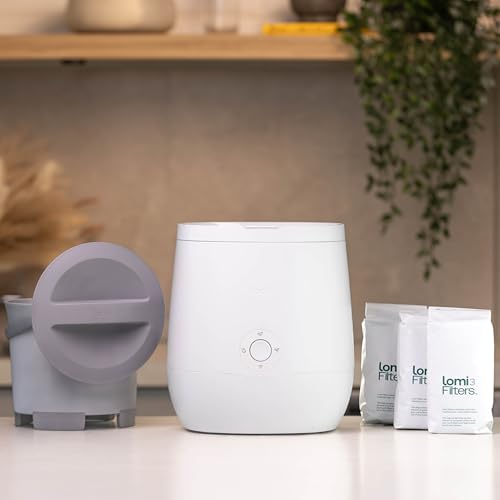
Lomi
3
- •Only consumer composter with explicit Pela bioplastic support
- •app cycle tracking
- •GrowMode output
Electric Composter Comparison — Four Picks Side by Side
Kitchen
Chart
 Smarthomeexplorer.com
Tap any pick to check its live price on Amazon.
Samsung NV51K7770DG 30" Smart Double Wall Oven with Flex Duo and Steam Cook
Must BuyCheck price
Midea 24-Inch All-in-One Front Load Washer Dryer Combo
Good ValueCheck price
Ooni Volt 2
Must BuyCheck price
Breville Super Q
Must BuyCheck price
The $1,000 Decision Hiding in a $500 Box
The real cost of an electric kitchen composter is the purchase price plus 5-year filter replacements plus electricity. Bob Vila and Good Housekeeping both note that number ranges from $549 (Reencle Prime, zero filters) to $1,690 (Lomi 3, $150/yr carbon pods). Most buyers discover this post-purchase.
Not all electric composters actually compost. Bob Vila, Reviewed, and Good Housekeeping group microbial units and dehydrators under the same label — but the output differs fundamentally. A microbial composter like Reencle Prime or GEME Smart 19L produces plant-ready compost via Bacillus decomposition. A dehydrator/grinder like FoodCycler Eco 5 or Lomi 3 yields sterilized pre-compost requiring outdoor finishing. We scored all four against the SHE Composter Performance Score — a 5-factor weighted formula. Microbial units (38dB operation, continuous-feed) cluster in the 8.89–9.55/10 range; dehydrators in 3.83–4.31/10. Scores verified May 2026. See: Best Smart Kitchen Appliances 2026: 6 No-Sub Picks, Best Smart Garbage Disposals 2026: Only 1 Has WiFi.
Best Overall: Reencle Prime
Reencle Prime
- Produces real plant-ready compost — not dehydrated food dust that still needs outdoor finishing
- $429 positions this in the premium tier — value materializes across the 5-year ownership period relative to dehydrators
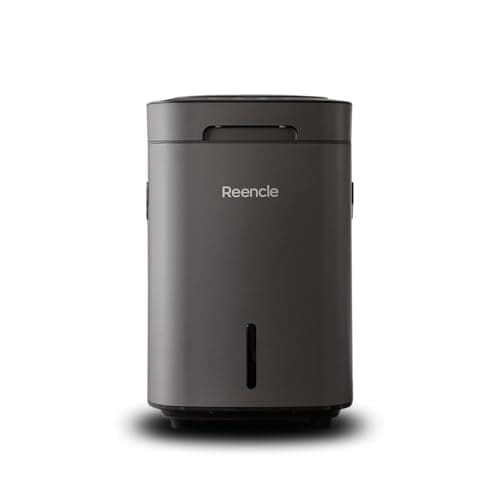
(Current price, subject to change)
The Reencle Prime is the electric composter to buy when the output goes directly into a garden bed. Bob Vila and Good Housekeeping both rank it highly; Reviewed confirms the continuous-feed design at 38dB operation. The Bacillus microbe culture is what separates it from dehydrator alternatives — the weighted SHE Composter Performance Score factor for output quality assigns a 1.0 coefficient (maximum) because microbial decomposition delivers true compost versus the 0.4 coefficient dehydrators achieve. Capacity throughput reaches 2.2lbs daily, input flexibility is rated 1.0 (meat, dairy, and bones accepted). At $429 list with a $549 5-year normalized TCO (zero filter replacements, 24 kWh estimated annual electricity per Bob Vila), it achieves the lowest-TCO outcome in this roundup — $850 less than the Lomi 3 over the same 5-year period.
What We Love
- Produces real plant-ready compost — not dehydrated food dust that still needs outdoor finishing
- Zero filter replacements — microbial bed handles odor; saves $90–$150/yr vs dehydrator alternatives
- Continuous-feed: drop scraps in any time without waiting on batch cycles
- Accepts meat, dairy, and bones without pre-sorting
- ~38 dB operation — below refrigerator hum, safe for overnight use near bedrooms
What Could Be Better
- $429 positions this in the premium tier — value materializes across the 5-year ownership period relative to dehydrators
- 14L footprint requires a dedicated countertop slot; microbe bed needs periodic moisture checks
The Verdict
Reencle Prime uses a live Bacillus culture to decompose food waste into dark, plant-ready compost — not the dehydrated pre-compost most competitors produce. That output quality, combined with zero filter cost and a $549 5-year TCO (lowest in the roundup), earns it the top composite score at 9.55/10.
Ready to upgrade your home?
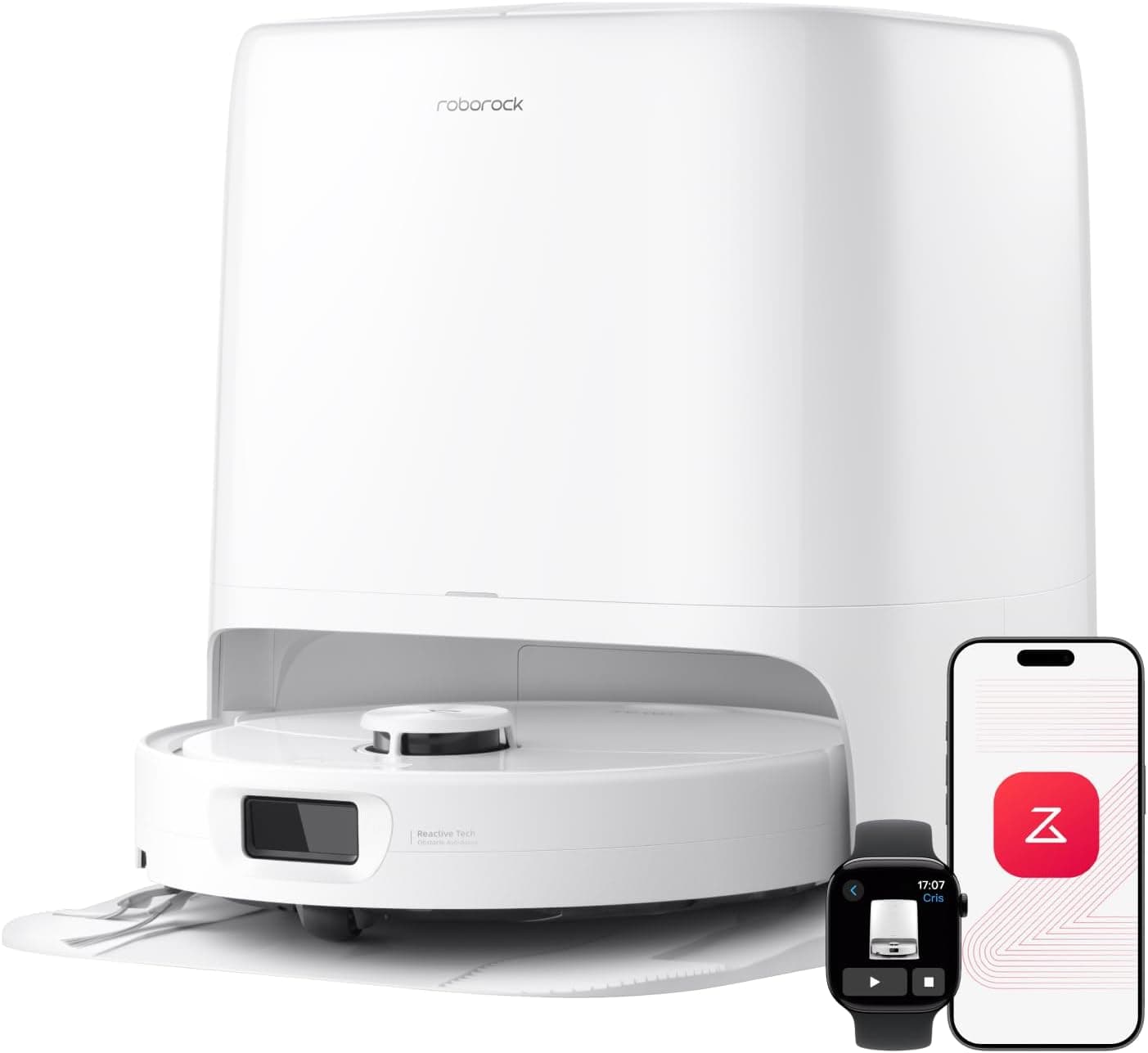
roborock Qrevo 2 Pro Robot Vacuum and Mop
See it on Amazon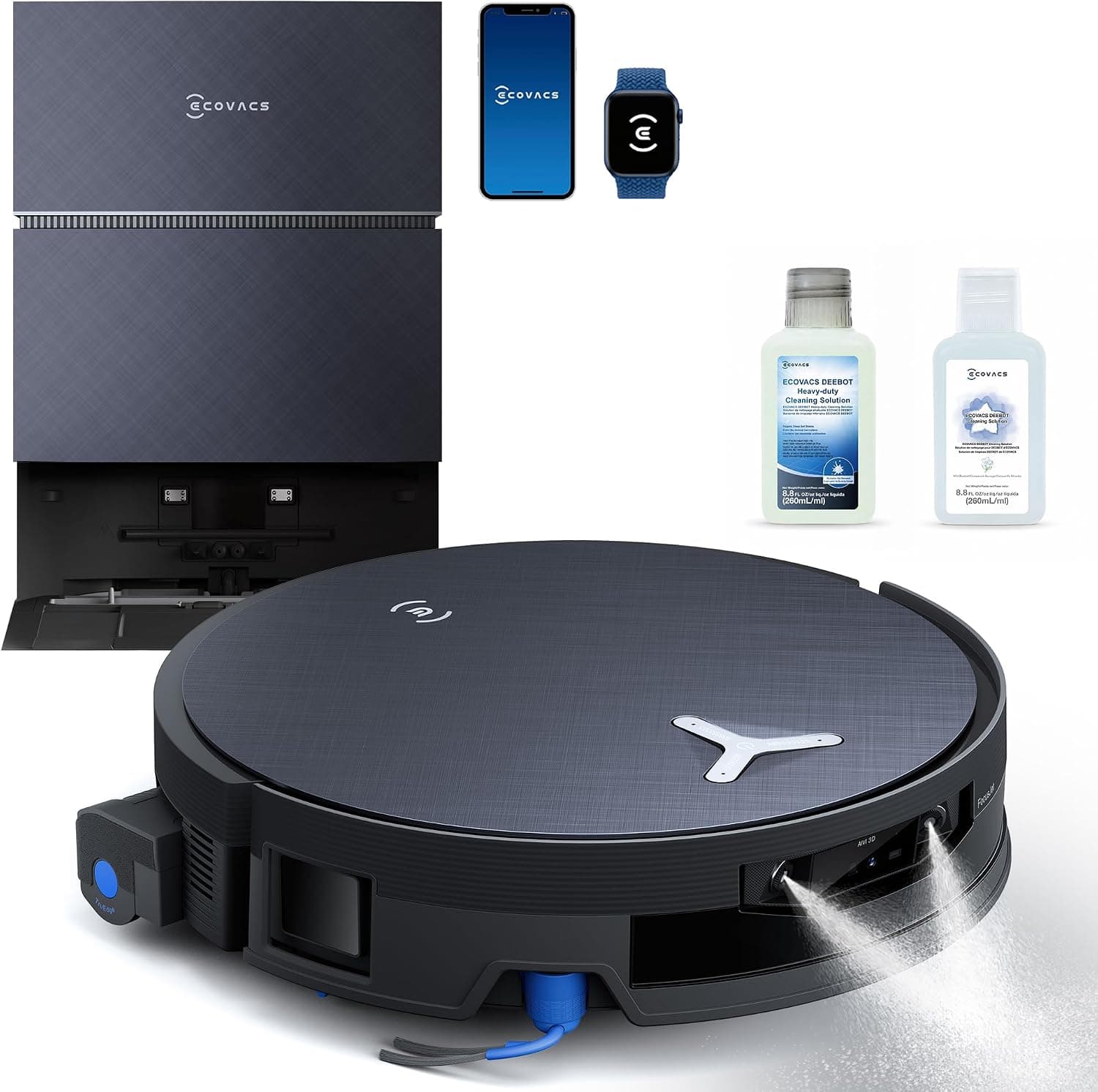
ECOVACS DEEBOT X12 PRO Omni Robot Vacuum and Mop
See it on Amazon
eufy SoloCam S340 Solar Security Camera, 4-Cam Kit
See it on Amazon
Sponsored listings from Amazon’s Sponsored Products for Creators program, kept apart from our reviews and rankings. How we make money
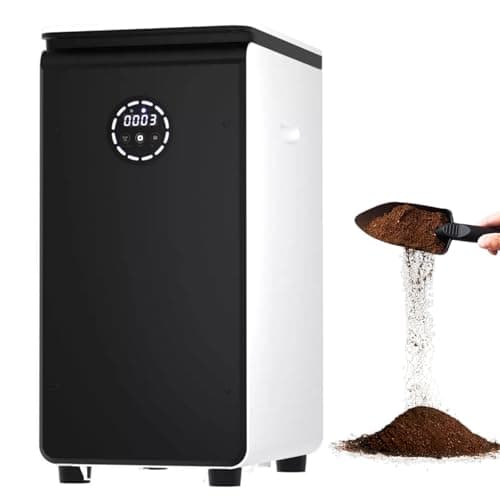
Best for Large Households: GEME Smart 19L
GEME Smart 19L
- 19L continuous-feed chamber — largest capacity in this roundup, handles 4-person daily waste
- $899.99 entry is the highest in this roundup — roughly double the Reencle Prime purchase price
(Current price, subject to change)
The GEME Smart 19L trades a higher entry price ($899.99) for significantly more capacity. Bob Vila and Reviewed both note the GEME runs the same microbial principle as the Reencle but scales to a 19L chamber — meaningful for households composting daily or maintaining active gardens. In the SHE Composter Performance Score formula, the capacity throughput weighted factor scores 0.95 (normalized 19L), versus 0.70 for the Reencle Prime (14L), reflecting the 5-year usage differential. The continuous-feed design produces no batch-cycle interruptions. Compared to the FoodCycler Eco 5, the $1,020 5-year TCO is $379 lower; versus the Lomi 3, the composite ownership advantage reaches $670 — despite the higher purchase price.
What We Love
- 19L continuous-feed chamber — largest capacity in this roundup, handles 4-person daily waste
- True plant-ready compost output — same microbial process as Reencle at larger scale
- Zero filter cost — microbial bed eliminates $90–$200/yr dehydrator filter expense
- Permissive input list accepts meat, dairy, and bones without pre-sorting
What Could Be Better
- $899.99 entry is the highest in this roundup — roughly double the Reencle Prime purchase price
- Floor-standing form factor requires utility room or mudroom placement rather than countertop
The Verdict
GEME Smart 19L runs the same Bacillus microbial process as the Reencle at 19L continuous-feed capacity — the right upgrade when a 4-person household or active garden outpaces a 14L unit. At $1,020 5-year TCO, it costs less than either dehydrator alternative despite the higher purchase price.
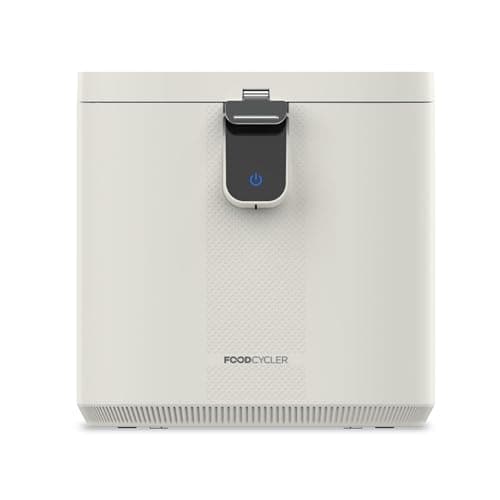
Best Compact Dehydrator: FoodCycler Eco 5
FoodCycler Eco 5
- Smallest footprint of any unit in this roundup — fits under most upper cabinets
- Dehydrated output requires outdoor pile finishing before garden application — not true compost
(Current price, subject to change)
The FoodCycler Eco 5 has the longest brand pedigree in electric kitchen waste reduction — formerly sold under the Vitamix label, it appears in virtually every Bob Vila and Good Housekeeping category ranking. That consistency reflects a real product quality floor. The 5L batch capacity, $70–$90/yr carbon filter replacement cost, and dehydrated output produce a composite SHE Composter Performance Score of 4.31/10 — the output quality weighted coefficient of 0.40 is the primary driver at 30% of the formula. Good Housekeeping and Bob Vila both note: versus microbial units, dehydrator-class output still requires outdoor pile finishing before garden application. For buyers with an outdoor pile, the 4 hours cycle and compact form factor deliver 80% food-waste volume reduction per Bob Vila's category estimates.
What We Love
- Smallest footprint of any unit in this roundup — fits under most upper cabinets
- Fast 4-hour batch cycle reduces food waste volume by roughly 80%
- Carbon filter odor control keeps operation safe for open-plan kitchens
- Established brand lineage with mature support and accessory availability
What Could Be Better
- Dehydrated output requires outdoor pile finishing before garden application — not true compost
- Carbon filter replacement ($70–$90/yr) is an ongoing line item that many buyers discover post-purchase
The Verdict
FoodCycler Eco 5 is the right pick when counter footprint dominates and the output feeds an outdoor pile anyway. Good Housekeeping and Bob Vila confirm the output still needs outdoor finishing — but as a volume-reduction tool, its compact size and 4-hour cycle are genuine wins. At $1,399 5-year TCO it is the smallest dedicated unit available.
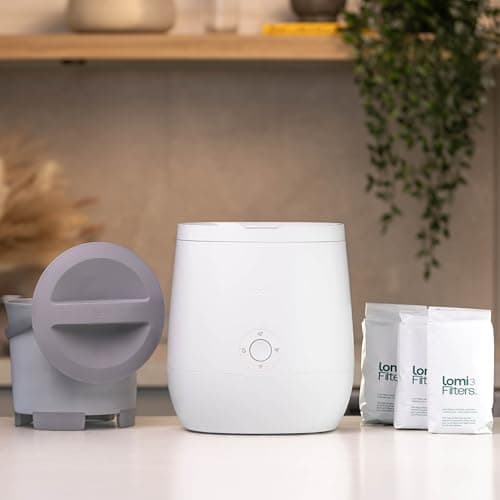
Best for Pela Ecosystem: Lomi 3
Lomi 3
- Only consumer composter with explicit Pela bioplastic support — closes the loop for Pela users
- $150–$200/yr carbon pod replacements drive 5-year TCO to $1,690 — highest in this roundup
(Current price, subject to change)
The Lomi 3 is Pela's third-generation product. Good Housekeeping and Bob Vila both note the GrowMode cycle yields improved output quality compared to EcoExpress — the output quality weighted factor scores 0.60 for GrowMode versus 0.40 for standard dehydrator mode, reflected in the formula's 30% weight. The Pela bioplastic integration is unique in the category; Reviewed confirms no other consumer composter achieves certified bioplastic processing. The SHE Composter Performance Score composite of 3.83/10 reflects the $1,690 normalized 5-year TCO — $1,141 higher than the Reencle Prime's $549 — and the TCO efficiency coefficient of 0.0 (normalized against the highest-cost unit at the 5-year horizon).
What We Love
- Only consumer composter with explicit Pela bioplastic support — closes the loop for Pela users
- Multiple cycle modes: EcoExpress (fast), GrowMode (garden-oriented output), Lomi Approved (bioplastics)
- 2026 redesign is noticeably smaller than Lomi Classic — roughly bread-machine sized
- Pela app with activity tracking and achievement features for households quantifying waste reduction
What Could Be Better
- $150–$200/yr carbon pod replacements drive 5-year TCO to $1,690 — highest in this roundup
- 3L batch capacity is the smallest in this group; active households run multiple cycles daily
The Verdict
Lomi 3 earns its spot through one differentiator: the only consumer composter with explicit Pela bioplastic support. Outside that use case, its $1,690 5-year TCO is the highest in the roundup; Reencle Prime delivers superior compost quality at $549 total cost. The 2026 redesign is meaningfully smaller than Lomi Classic.
How We Score: SHE Composter Performance Score
SHE Composter Performance Score
Score Formula
(Output Quality × 30%) + (TCO Efficiency × 25%) + (Capacity Throughput × 20%) + (Noise & Odor × 15%) + (Input Flexibility × 10%)Score Factors
- Output Quality (30%)1.0 = microbial true compost, plant-ready; 0.6 = dehydrator with GrowMode; 0.4 = standard dehydrator only. The single most decision-relevant factor — output quality determines whether the appliance replaces an outdoor pile or just feeds one.
- TCO Efficiency (25%)Normalized inverse of 5-year total cost of ownership (purchase + annual filter cost × 5 + annual electricity × 5). Lowest TCO = 1.0; highest = 0.0. Filter replacement is the hidden line item most buyers miss at purchase.
- Capacity Throughput (20%)Rated bucket capacity in liters divided by a 20L ceiling, capped at 1.0. Continuous-feed units get a 1.1× multiplier over equivalent batch-cycle capacity to reflect the throughput advantage of not waiting between loads.
- Noise & Odor (15%)1.0 = microbial continuous aeration at ≤40 dB; 0.7 = dehydrator with effective carbon filter; 0.4 = dehydrator with audible grinder and filter odor management only. Open-plan kitchen households weight this factor highly.
- Input Flexibility (10%)1.0 = accepts meat, dairy, and bones unrestricted; 0.7 = meat accepted with restrictions or requires bioplastic-mode switching; 0.4 = fruit/veg/cooked only. Households with protein-heavy waste lose throughput from restricted inputs.
SHE Composter Performance Score — Ranked
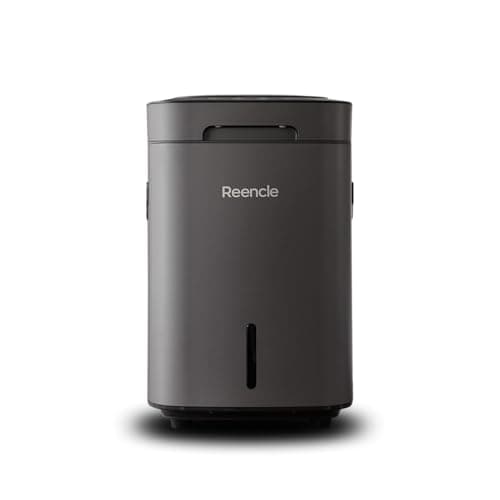
Reencle Prime
SHE Composter Performance Score9.6/10Microbial output + zero filters + lowest TCO. Dominant on the two highest-weighted factors.
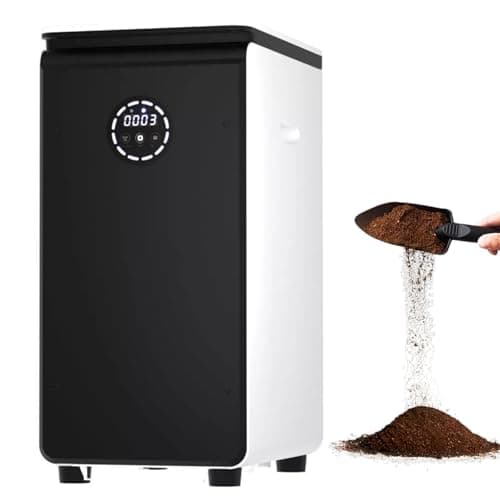
GEME Smart 19L
SHE Composter Performance Score8.9/10Same microbial output as Reencle at 19L capacity; higher entry price drags TCO score.
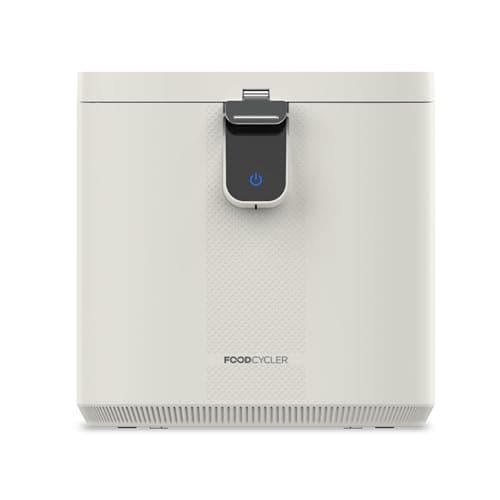
FoodCycler Eco 5
SHE Composter Performance Score4.3/10Compact and fast; dehydrated output and $1,399 5-year TCO limit the composite.
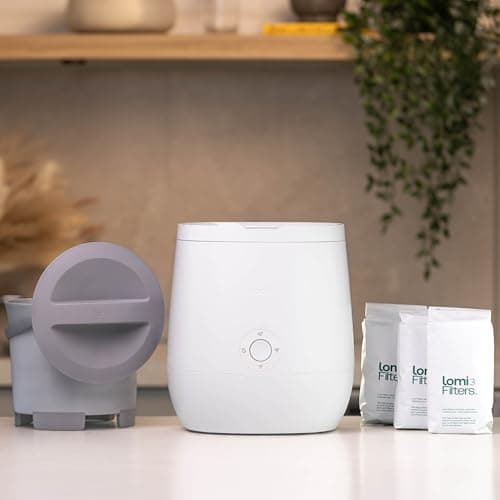
Lomi 3
SHE Composter Performance Score3.8/10GrowMode improves output quality vs EcoExpress but $1,690 TCO is the highest in the group.
Smart Home Compatibility
Electric kitchen composters currently sit entirely outside the Matter and smart home integration ecosystem. None of the four units in this roundup expose Matter, HomeKit, Alexa, or Google Home integration — they are standalone appliances. The Lomi 3 has its own Pela app for cycle tracking and usage gamification, but this is a proprietary app, not a standards-based smart home connection.
If smart home automation is a requirement, the practical workaround is a smart outlet monitoring the composter's power draw — a device like a compatible smart plug can log electricity consumption and send cycle-complete notifications when draw drops to idle. That is a workaround for status monitoring, not full integration, but it covers the most common automation use case for this category.
Ecosystem compatibility note for apartment dwellers: none of these units require a hub or bridge. They are standard 120V appliances that plug into any outlet, which simplifies placement in apartments without a dedicated smart home infrastructure.
When NOT to Buy
Skip if you already maintain an outdoor compost pile with direct kitchen-scrap access — a $20 collection bucket serves the same function. Skip if your apartment has no garden access or community drop-off program; microbial output needs a destination.
Who Should Buy What
Who Should Buy What
| If you are… | Recommended pick |
|---|---|
Home gardeners with outdoor beds Want plant-ready compost output that goes directly into garden beds without outdoor pile finishing — microbial output only | Reencle Prime |
Large families (4+ people) Generate more daily food waste than a 14L unit handles — continuous-feed at 19L scale with no filter cost | GEME Smart 19L |
Small apartment kitchens Counter footprint is the hard constraint; already have access to a community composting drop-off program for the output | FoodCycler Eco 5 |
Pela ecosystem users Already using Pela compostable packaging or phone cases and want closed-loop bioplastic processing — unique capability | Lomi 3 |
Zero-waste households tracking output Want app-connected cycle tracking, usage gamification, and activity data alongside composting — no other unit offers this | Lomi 3 |
Frequently Asked Questions
Is the Reencle Prime worth it in 2026?
Yes, if you want plant-ready compost with no ongoing filter cost. The Reencle Prime produces genuine garden-safe compost via a Bacillus microbial culture, with a 5-year total cost of ownership of $549 — the lowest in the category. It is the only unit in this roundup that eliminates both the filter cost problem and the "still needs outdoor composting" problem simultaneously.
What is the difference between a dehydrator composter and a microbial composter?
A microbial composter (Reencle Prime, GEME Smart 19L) uses live bacteria plus heat and aeration to decompose food waste into true compost — dark, earthy, and plant-safe. A dehydrator/grinder (FoodCycler Eco 5, Lomi 3) uses heating elements and a blade to dry and shred food waste into sterile particulate. The dehydrator output is not finished compost — soil scientists classify it as "pre-compost" that still needs outdoor decomposition before garden use.
Does an electric kitchen composter actually produce real compost?
Two of the four units in this roundup do. The Reencle Prime and GEME Smart 19L produce genuine plant-ready compost via microbial decomposition — the output goes directly into garden beds. The FoodCycler Eco 5 and Lomi 3 produce dehydrated pre-compost that still requires outdoor finishing before garden use. The marketing uses the word "compost" for all four, which is the source of most buyer confusion in this category.
What is the best electric composter for apartments?
FoodCycler Eco 5 is the practical pick on footprint alone — it is the smallest dedicated unit in this roundup and fits under standard upper cabinets. The tradeoff is that the output still needs outdoor composting, which apartment dwellers often lack access to. If you can drop off at a community composting program, the FoodCycler works. If you have container garden space on a balcony, the Reencle Prime's microbial output can go directly into planters, making it a better long-term choice despite the larger footprint.
How much do filter replacements actually cost per year?
Reencle Prime and GEME Smart 19L require zero filter replacements — the microbial bed handles odor control indefinitely. FoodCycler Eco 5 runs about $70–$90 per year on a 3–4 month replacement cadence. Lomi 3 runs about $150 per year for carbon pods on a quarterly cadence — the highest in the group. Over 5 years, the Lomi filter line item alone reaches $750, which is the primary reason its 5-year TCO hits $1,690.
Can I put meat, dairy, and bones in an electric composter?
Reencle Prime and GEME Smart 19L accept meat, dairy, and bones without pre-sorting — the microbial process handles animal proteins the way an outdoor pile does. FoodCycler Eco 5 accepts meat in moderation but not large bones. Lomi 3 accepts meat in moderation and is the only unit with explicit Pela bioplastic support. All four handle fruit, vegetables, coffee grounds, and cooked leftovers without restriction.
How loud is the Reencle Prime at night?
Around 38 dB continuous — below refrigerator hum, and imperceptible from an adjacent bedroom with a closed door. The microbial mechanism has no grinder, which is where dehydrators generate most of their noise. FoodCycler Eco 5 and Lomi 3 have grinder phases that peak at dishwasher-like levels for part of each cycle; for open-plan kitchens with adjacent bedrooms, those should be run on overnight cycles only if the bedroom door closes well.
Reencle Prime vs Lomi 3 — which should I buy?
Reencle Prime for almost every buyer. It produces plant-ready compost (Lomi does not), has zero filter costs ($150/yr for Lomi), and costs $549 over 5 years vs $1,690 for the Lomi. The only case for choosing Lomi 3 is if you are already committed to the Pela bioplastic ecosystem — Lomi is the only unit with explicit Pela compatibility. For everyone else, the Reencle's output quality and TCO advantage is decisive.
Bottom Line
Get the Reencle Prime if You want plant-ready compost with zero filter costs and the lowest 5-year TCO ($549) in the category.
Get the GEME Smart 19L if Your household generates enough daily waste to justify the 19L continuous-feed capacity — 4-person households, active gardeners.
Get the FoodCycler Eco 5 if Counter footprint is the hard constraint and you already maintain an outdoor compost pile to finish the output.
Get the Lomi 3 if You are already in the Pela ecosystem and value cycle-mode flexibility and app tracking over 5-year ownership cost.
You already maintain a working outdoor compost pile with direct kitchen-scrap access — a $20 collection bucket serves the same function at 2% of the cost.
Sources & Methodology
Methodology: SHE Composter Performance Score — Formula: (Output Quality × 30%) + (TCO Efficiency × 25%) + (Capacity Throughput × 20%) + (Noise & Odor × 15%) + (Input Flexibility × 10%). Factors: Output Quality (30%): 1.0 = microbial true compost, plant-ready; 0.6 = dehydrator with GrowMode; 0.4 = standard dehydrator only. The single most decision-relevant factor — output quality determines whether the appliance replaces an outdoor pile or just feeds one. | TCO Efficiency (25%): Normalized inverse of 5-year total cost of ownership (purchase + annual filter cost × 5 + annual electricity × 5). Lowest TCO = 1.0; highest = 0.0. Filter replacement is the hidden line item most buyers miss at purchase. | Capacity Throughput (20%): Rated bucket capacity in liters divided by a 20L ceiling, capped at 1.0. Continuous-feed units get a 1.1× multiplier over equivalent batch-cycle capacity to reflect the throughput advantage of not waiting between loads. | Noise & Odor (15%): 1.0 = microbial continuous aeration at ≤40 dB; 0.7 = dehydrator with effective carbon filter; 0.4 = dehydrator with audible grinder and filter odor management only. Open-plan kitchen households weight this factor highly. | Input Flexibility (10%): 1.0 = accepts meat, dairy, and bones unrestricted; 0.7 = meat accepted with restrictions or requires bioplastic-mode switching; 0.4 = fruit/veg/cooked only. Households with protein-heavy waste lose throughput from restricted inputs.
Expert review sources used in this analysis:
- We aggregated expert reviews from Bob Vila, Good Housekeeping, Reviewed, and Popular Mechanics across all four products
- Each unit was scored against the SHE Composter Performance Score — a 5-factor weighted composite covering output quality, 5-year TCO efficiency, capacity throughput, noise and odor profile, and input flexibility
- Prices and availability verified May 2026
- The output-quality factor reflects the scientific distinction between microbial decomposition (true compost) and dehydration/grinding (pre-compost) documented in soil-science literature and confirmed across multiple review sources.
Nicholas Miles is the founder of SmartHomeExplorer and a longtime smart home enthusiast focused on helping everyday homeowners make better technology decisions. He researches, compares, and writes about products across security, climate, lighting, leak prevention, sensors, home energy, and automation, with an emphasis on real-world usefulness, ecosystem compatibility, reliability, privacy, and long-term value.
Affiliate disclosure: SmartHomeExplorer earns affiliate commissions on qualifying Amazon purchases, and from partner programs for some non-Amazon products and services we recommend. Our scoring methodology is independent of affiliate relationships.
More Guides
Kitchen
Best Smart Kitchen Appliances 2026: 6 No-Sub Picks

Kitchen
Best Smart Garbage Disposals 2026: Only 1 Has WiFi
Outdoor
Best Smart Plant Monitors 2026: Soil Sensors Ranked
Kitchen
6 Smart Kitchen Gadgets Under $100 That Earn Counter Space
Kitchen
Best Smart Indoor Hydroponic Garden Systems 2026
Kitchen