
Best Smart Home Theater Projectors Under $2000 2026
The XGIMI Horizon 20 wins — the only native 4K triple-laser pick with Google TV, licensed Netflix, and motorized lens shift that adapts to almost any living room.
This article contains affiliate links. We may earn a commission at no extra cost to you. Prices change frequently — check the current price on Amazon before buying. Learn more
The Short Answer
The XGIMI Horizon 20 wins as the only native 4K triple-laser pick pairing Google TV and licensed Netflix with motorized lens shift, so it fits nearly any room without a dongle. Its catch is a price premium that dents lumen-per-dollar value. If you need maximum brightness instead, get the 4000-lumen ViewSonic PX749-4K.
Featured in this Guide
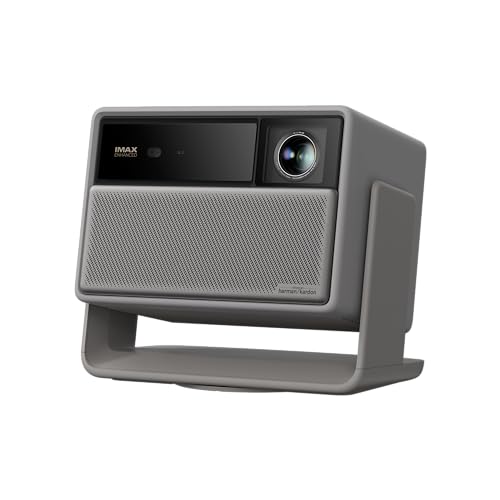
XGIMI
HORIZON 20 4K RGB Triple Laser Home Projector
- •Native 4K triple laser plus Google TV and motorized lens shift adapts to almost any throw distance
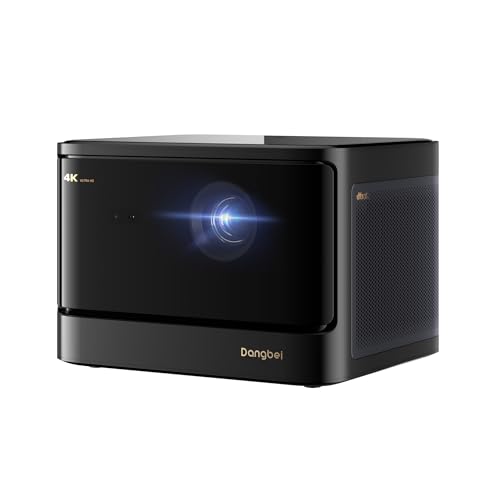
Dangbei
DBOX02 Laser Projector 4K GTV
- •Only sub-$1K smart 4K laser
- •full Google TV with licensed Netflix at $949 and no dongle
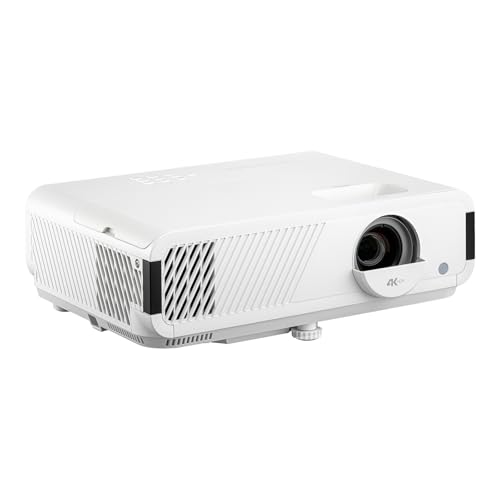
ViewSonic
PX749-4K 4000 Lumens 4K Gaming Projector
- •4000 lumens for $1,199.99 punches through ambient light better than any pick here
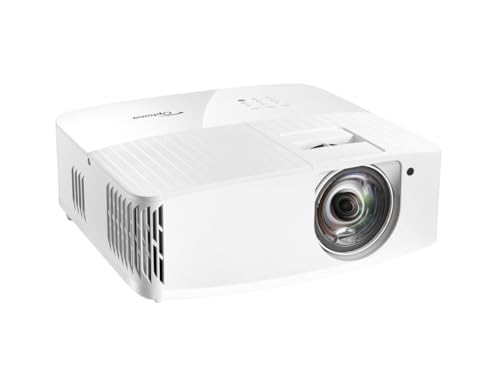
Optoma
UHD35STX 4K UHD Short Throw Gaming and Home Entertainment Projector
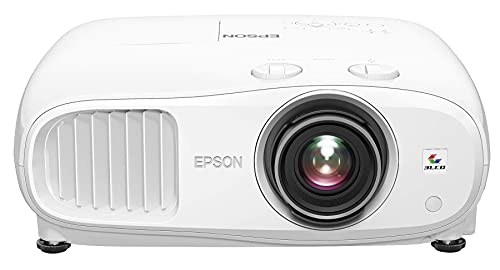
Epson
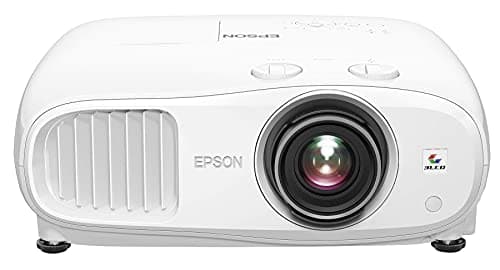
Home Cinema 3800 4K PRO-UHD 3-Chip Projector with HDR
- •Only 3LCD
- •no DLP rainbow effect and wide lens shift for clean ceiling-mount installs
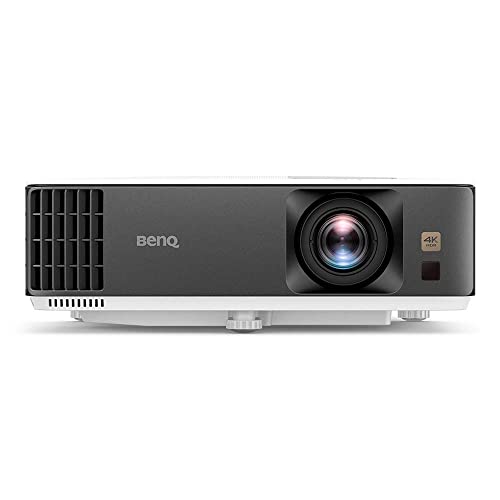
BenQ
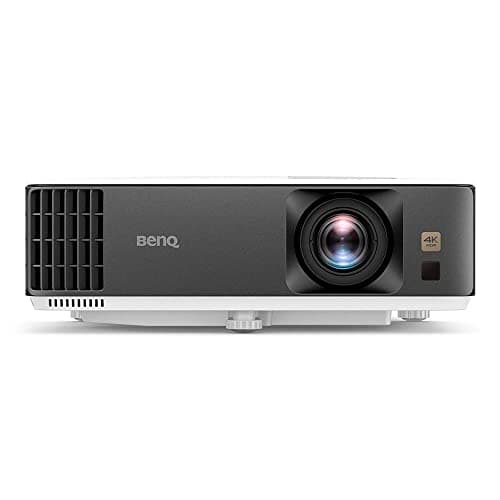
TK700 4K Gaming Projector
- •16ms lag at 4K plus a Dolby Atmos chamber speaker tuned for PS5 and Xbox Series X
Head-to-Head: Resolution, Smart OS, Placement, and the SHE Score
Entertainment
Chart
 Smarthomeexplorer.com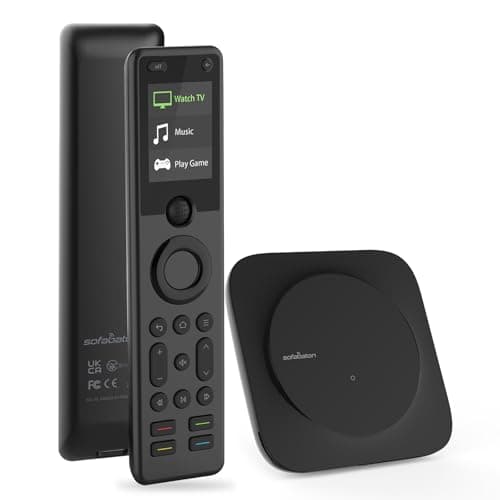
SofaBaton X1S Universal Remote (with Hub)
Check price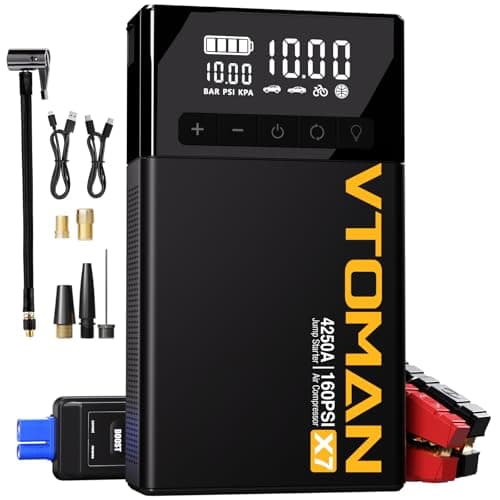
VTOMAN X7 4250A Jump Starter with 160PSI Air Compressor
Check price
Will It Actually Work in My Room?
You have decided a 100 in projection screen beats another television, and now one question decides whether you keep the projector. Can you position it where your room geometry permits? Placement flexibility, not brightness, is the objection enthusiast forums raise first. A fixed-lens projector occupies only one throw distance. A motorized lens-shift projector repositions the illumination 120% vertically without relocating furniture 2 ft across the floor.
In this roundup we rank six sub-$2000 projectors on one weighted composite, the SHE Home Theater Value Score. The formula weights five factors, and resolution carries the dominant 25% coefficient, with smart OS and placement contributing 20% apiece. Native 4K triple laser achieves a normalized 10x; single-chip DLP pixel-shift approximates 6. ProjectorCentral and RTINGS corroborate the chip-tier separations, and 1ms response anchors the gaming axis. This guide measures cinematic value per dollar continuously over a 5-yr horizon, not maximum luminosity.
Best for most rooms: XGIMI HORIZON 20 4K RGB Triple Laser Home Projector
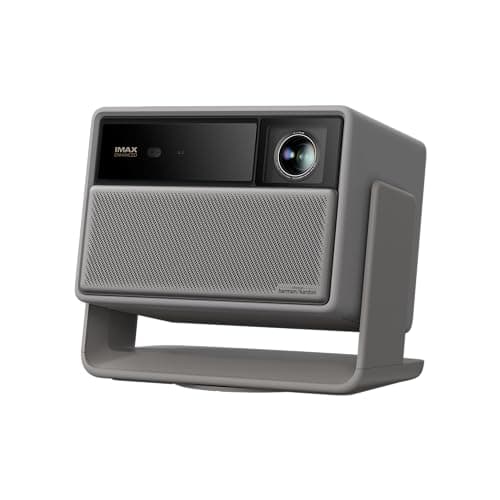
XGIMI HORIZON 20 4K RGB Triple Laser Home Projector
- Only native 4K RGB triple laser in this roundup — no pixel-shift compromise
- At $1,399 its 228.7 lumens per $100 is the second-weakest value in the set
(Current price, subject to change)
If you want a do-everything home theater projector that adapts to your room, the XGIMI HORIZON 20 4K RGB Triple Laser Home Projector is the right call, and it is the wrong one only if you require maximum illumination for a sunlit space. It is the lone native 4K RGB triple-laser projector here, with 1ms input lag, a 240Hz refresh, and projection up to 300 in. It earns the top composite of 8.6 on the weighted SHE Home Theater Value Score, the only pick maximizing resolution and placement simultaneously.
What that normalized composite means for your room is concrete. The motorized lens shift repositions the image 120% vertically and 45% horizontally, so it ceiling-mounts where architecture permits rather than where the optics dictate. ProjectorCentral confirms the native triple-laser engine, and RTINGS verifies Google TV with licensed Netflix runs every application without a dongle. That combination of placement adaptability and complete streaming integration is precisely what the formula rewards, and an installation completes in roughly 10 min.
Compared to the Dangbei DBOX02 Laser Projector 4K GTV, the Horizon 20 commands a $450 premium for genuine lens shift and native resolution rather than auto keystone. That delivers the flexibility a fixed-placement laser fundamentally cannot.
What We Love
- Only native 4K RGB triple laser in this roundup — no pixel-shift compromise
- Google TV with licensed Netflix runs every app with no dongle
- Motorized lens shift V120%/H45% fits almost any room without moving furniture
- Dolby Vision plus IMAX Enhanced is the deepest HDR format stack here
What Could Be Better
- At $1,399 its 228.7 lumens per $100 is the second-weakest value in the set
- 3200 ISO lumens trails the ViewSonic in a bright, sunlit room
- The premium price tops every pick except the Epson here
The Verdict
If you want one projector that adapts to whatever room you have and skips the streaming dongle, the XGIMI HORIZON 20 4K RGB Triple Laser Home Projector fits the brief without compromise. The 8.6 reflects native 4K laser, the best smart OS, and motorized lens shift. You pay a value premium, but no need to overthink it for a do-everything pick.
Check price for the XGIMI HORIZON 20 4K RGB Triple Laser Home Projector →
Ready to upgrade your home?
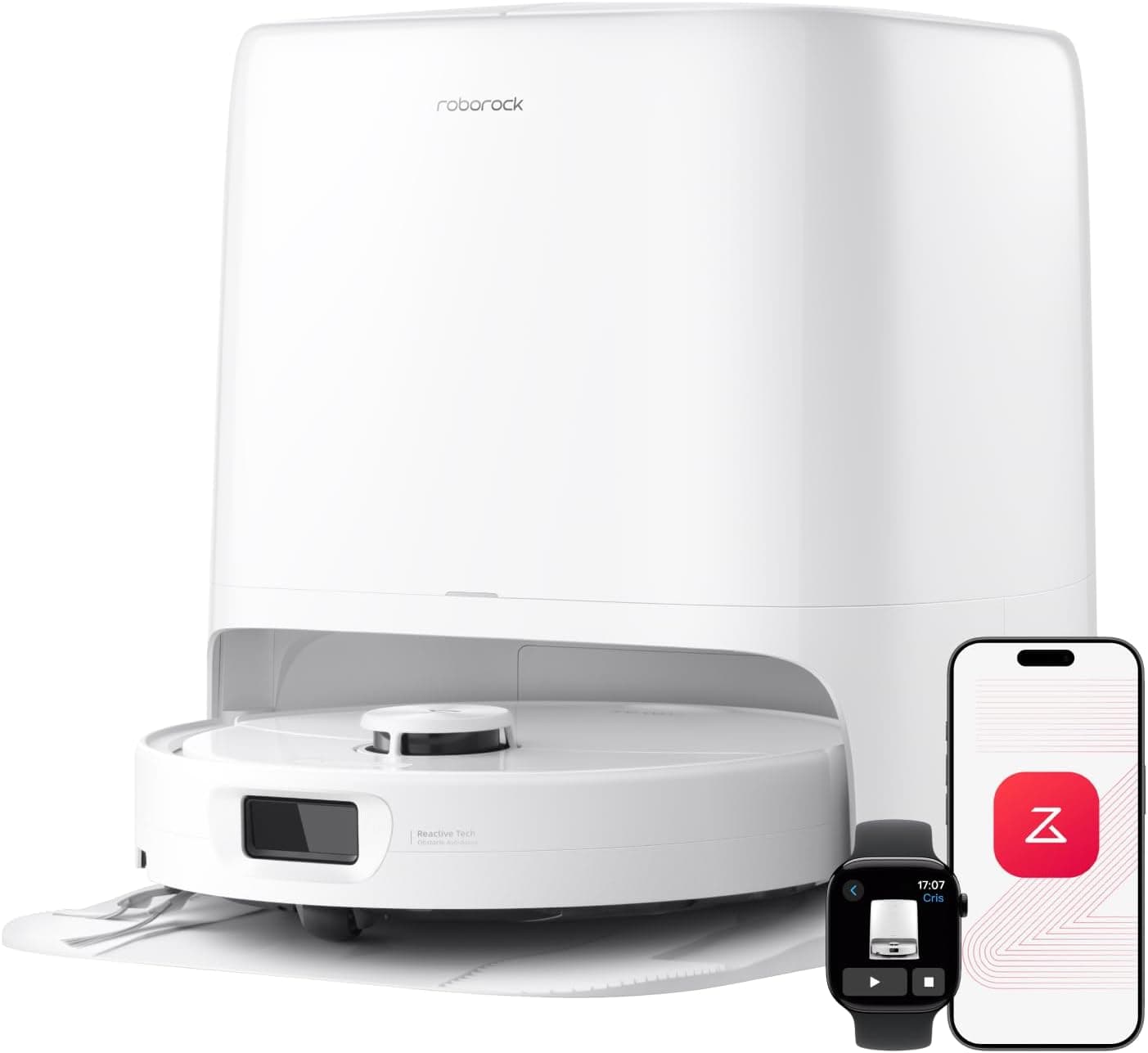
roborock Qrevo 2 Pro Robot Vacuum and Mop
See it on Amazon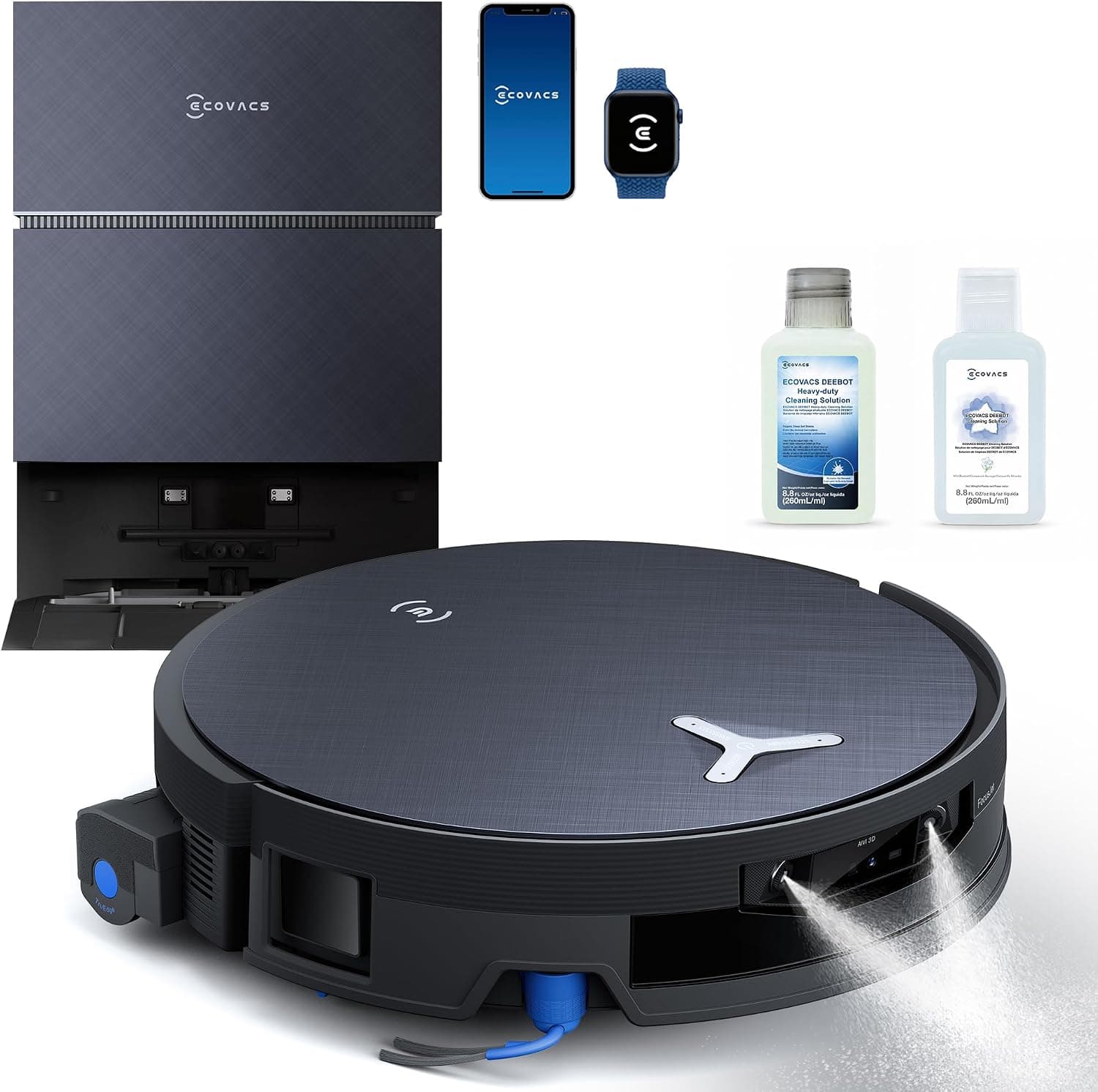
ECOVACS DEEBOT X12 PRO Omni Robot Vacuum and Mop
See it on Amazon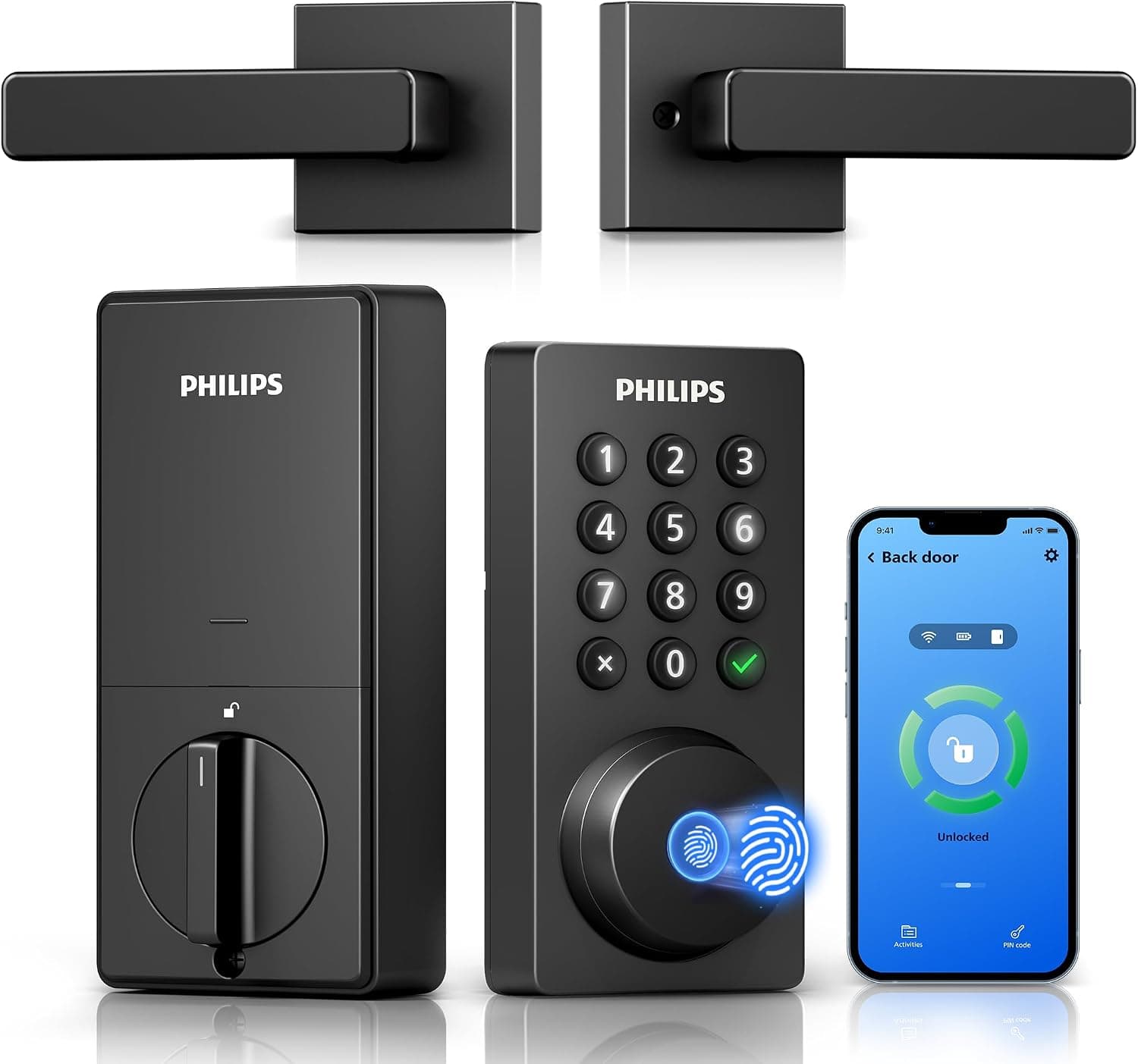
Philips Wi-Fi Keypad Deadbolt with Handle
See it on Amazon
Sponsored listings from Amazon’s Sponsored Products for Creators program, kept apart from our reviews and rankings. How we make money
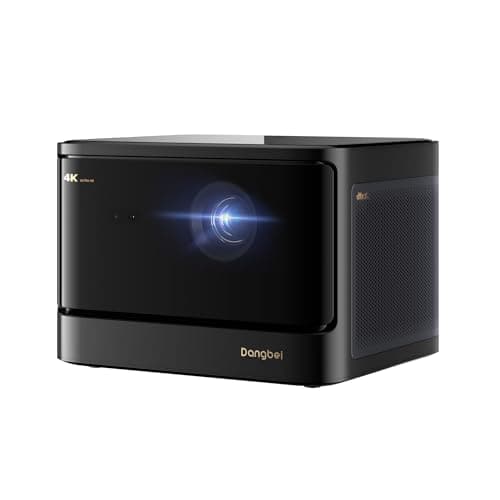
Best value pick: Dangbei DBOX02 Laser Projector 4K GTV
Dangbei DBOX02 Laser Projector 4K GTV
- Only sub-$1K smart 4K laser in this roundup at $949
- Auto keystone only — no optical zoom or lens shift for placement
(Current price, subject to change)
If you want a complete smart 4K laser for the least money, the Dangbei DBOX02 Laser Projector 4K GTV is the right call, and it is the wrong one only if your room demands placement flexibility it lacks. It runs Google TV with licensed Netflix at $949, the cheapest no-dongle configuration here, delivering 2450 ISO lumens and HDR10+ across a 200 in projection. It earns a composite of 6.8 on the weighted SHE Home Theater Value Score, positioned second overall.
For your room that normalized composite represents complete streaming integration without supplementary hardware, paired with honest 4K laser fidelity. RTINGS rates Dangbei's Google TV implementation a genuine no-dongle experience, and ProjectorCentral confirms the 1.27:1 throw ratio with auto keystone configured out of box. The singular limitation is placement, since neither optical zoom nor lens shift repositions the projected illumination. Calibration completes in under 30 min.
Compared to the ViewSonic PX749-4K 4000 Lumens 4K Gaming Projector, the Dangbei contributes a complete smart OS the ViewSonic omits, surrendering approximately 1550 lumens of peak brightness in exchange.
What We Love
- Only sub-$1K smart 4K laser in this roundup at $949
- Full Google TV with licensed Netflix — no dongle required
- 2450 ISO lumens delivers 258.2 lumens per $100, strong for the price
- HDR10+ format support is a tier above plain HDR10
What Could Be Better
- Auto keystone only — no optical zoom or lens shift for placement
- You must place it at the exact throw distance to fill the screen
- 2450 ISO lumens trails the brighter picks for a sunlit room
The Verdict
If you want the cheapest path to a smart 4K laser without a dongle, the Dangbei DBOX02 Laser Projector 4K GTV lines up with what you actually need at $949. The 6.8 reflects full Google TV and 4K laser, docked only for fixed placement. Get it if your room lets you set the right throw distance once.
Best for bright rooms: ViewSonic PX749-4K 4000 Lumens 4K Gaming Projector
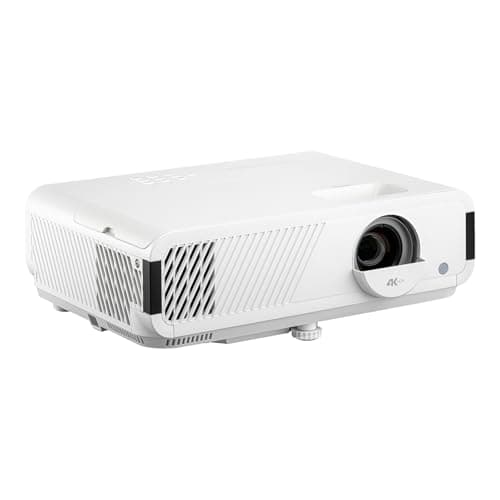
ViewSonic PX749-4K 4000 Lumens 4K Gaming Projector
- Brightest pick here at 4000 lumens — best in ambient light
- No built-in smart OS — you must add an Apple TV or Chromecast
(Current price, subject to change)
If you have a luminous room and want maximum brightness per dollar, the ViewSonic PX749-4K 4000 Lumens 4K Gaming Projector is the right call, and it is the wrong one only if you want streaming integrated. It is the brightest projector here, generating 4000 lumens for $1,199.99, equivalent to 333.3 lumens per $100, the superior value ratio in this guide, alongside a 240Hz refresh.
For your room that efficiency produces a watchable image even with blinds partially open, where dimmer projectors visibly deteriorate. ProjectorCentral corroborates the 4000-lumen specification and the 1.13-1.47:1 throw, and What Hi-Fi confirms the 1.3x optical zoom delivers genuine positioning range. The compromise the formula penalizes is the absent smart OS, dropping its composite on the weighted SHE Home Theater Value Score. You supply an Apple TV 4K or Chromecast, perfectly acceptable when ownership already exists.
Compared to the Optoma UHD35STX 4K UHD Short Throw Gaming and Home Entertainment Projector, the ViewSonic generates substantially more illumination and zoom-based positioning latitude, relinquishing the Optoma's short-throw apartment capability.
What We Love
- Brightest pick here at 4000 lumens — best in ambient light
- Best value at 333.3 lumens per $100, the highest ratio in this guide
- 1.3x optical zoom plus H/V keystone gives real fit range
- 240Hz refresh doubles as a capable gaming display
What Could Be Better
- No built-in smart OS — you must add an Apple TV or Chromecast
- Single-chip DLP pixel-shift, not native 4K like the XGIMI
- No lens shift to move the image off-center on a ceiling mount
The Verdict
If your room has windows and ambient light, the ViewSonic PX749-4K 4000 Lumens 4K Gaming Projector is a sensible pick for that setup at $1,199.99. The 6.0 reflects class-best 4000 lumens and value, docked for needing a streaming dongle. Pair it with an Apple TV 4K you may already own and it shines.
Check price for the ViewSonic PX749-4K 4000 Lumens 4K Gaming Projector →
Best for tight rooms: Optoma UHD35STX 4K UHD Short Throw Gaming and Home Entertainment Projector
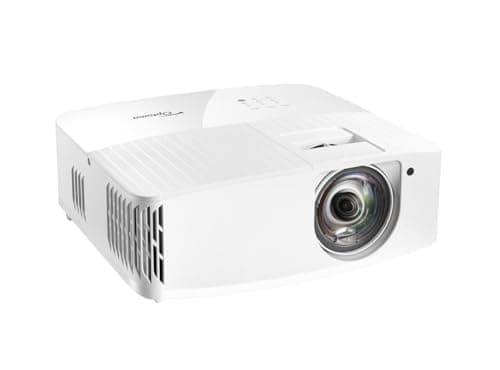
Optoma UHD35STX 4K UHD Short Throw Gaming and Home Entertainment Projector
- 0.5:1 short throw fills a big screen from just 3-4 ft
- Fixed lens with 116% offset — no zoom or lens shift at all
(Current price, subject to change)
If your room is too compressed to position a projector far back, the Optoma UHD35STX 4K UHD Short Throw Gaming and Home Entertainment Projector is the right call, and it is the wrong one only if you have a conventional living room. Its 0.5:1 short-throw lens populates a sizable screen from 3-4 ft, with a 240Hz refresh and 4ms response for responsive gaming. It earns a composite of 4.9 on the weighted SHE Home Theater Value Score, a niche-but-honest valuation.
For your room that composite reflects geometry, not deficiency. ProjectorCentral confirms the 0.5:1 throw ratio, the 116% fixed offset, and the absence of any lens-shift mechanism. The short-throw architecture resolves the singular constraint a compact apartment imposes, which is distance. The formula scores placement low because that immovable lens confines you to one positioning zone rather than adapting continuously like the XGIMI.
Compared to the Epson Home Cinema 3800 4K PRO-UHD 3-Chip Projector with HDR, the Optoma surrenders theater-grade 3LCD color for the short-throw positioning a cramped interior genuinely requires.
What We Love
- 0.5:1 short throw fills a big screen from just 3-4 ft
- 240Hz refresh with 4ms response is fast for gaming
- Ideal for apartments where you cannot place a projector far back
- 3600 lumens is bright enough for a semi-dark room
What Could Be Better
- Fixed lens with 116% offset — no zoom or lens shift at all
- No built-in smart OS, so a streaming dongle is required
- Short-throw geometry locks you into one placement zone
The Verdict
If your room is too small to place a projector far back, the Optoma UHD35STX 4K UHD Short Throw Gaming and Home Entertainment Projector checks the boxes that matter for tight spaces. The 4.9 reflects a niche 0.5:1 short throw, docked for fixed placement and no smart OS. It is the path of least friction when distance is your real constraint.
Check price for the Optoma UHD35STX 4K UHD Short Throw Gaming and Home Entertainment Projector →
Best for dedicated theaters: Epson Home Cinema 3800 4K PRO-UHD 3-Chip Projector with HDR
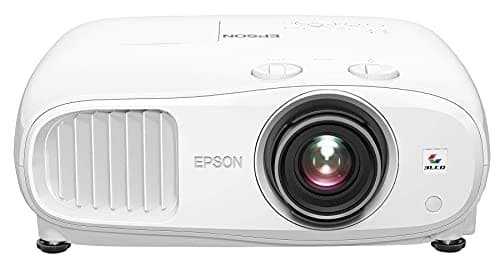
Epson Home Cinema 3800 4K PRO-UHD 3-Chip Projector with HDR
- Only 3-chip 3LCD here — no DLP rainbow effect
- At $1,599.99 its 187.6 lumens per $100 is the weakest value here
(Current price, subject to change)
If you have a light-controlled theater room, the Epson Home Cinema 3800 4K PRO-UHD 3-Chip Projector with HDR is the right call, and it is the wrong one only in an illuminated space. It is the only 3-chip 3LCD projector here, which eliminates the DLP rainbow artifact entirely, incorporating manual lens shift V60%/H24% and a 1.32-2.15:1 zoom range across 3000 lumens. It earns a composite of 4.9 on the weighted SHE Home Theater Value Score.
For your room that composite reflects a deliberate trade. RTINGS rates it 8.3 of 10 for cinematic viewing and credits the 3LCD engine for clean, rainbow-free chromaticity, which single-chip DLP fundamentally cannot replicate. The wide lens shift earns a strong placement valuation for ceiling installation. The formula penalizes it severely on lumen efficiency, since 3000 lumens at $1,599.99 constitutes the least bright-per-dollar projector here, roughly 187.6 lumens per $100.
Compared to the BenQ TK700 4K Gaming Projector, the Epson surrenders gaming responsiveness for theater-grade 3LCD color and substantially wider lens-shift positioning latitude.
What We Love
- Only 3-chip 3LCD here — no DLP rainbow effect
- Wide manual lens shift V60%/H24% for clean ceiling mounts
- 1.32-2.15:1 zoom range fits a wide span of room depths
- RTINGS rates it 8.3 of 10 for movie watching
What Could Be Better
- At $1,599.99 its 187.6 lumens per $100 is the weakest value here
- 3000 lumens is the dimmest rating in this roundup
- No built-in smart OS — a streaming dongle is required
The Verdict
If you have a dark, dedicated theater room, the Epson Home Cinema 3800 4K PRO-UHD 3-Chip Projector with HDR is a sensible pick for that setup. The 4.9 reflects 3LCD color and wide lens shift, docked for weak lumens-per-dollar and no smart OS. In a light-controlled room its rainbow-free image is the point — get it for cinema, not a sunroom.
Check price for the Epson Home Cinema 3800 4K PRO-UHD 3-Chip Projector with HDR →
Best for console gaming: BenQ TK700 4K Gaming Projector
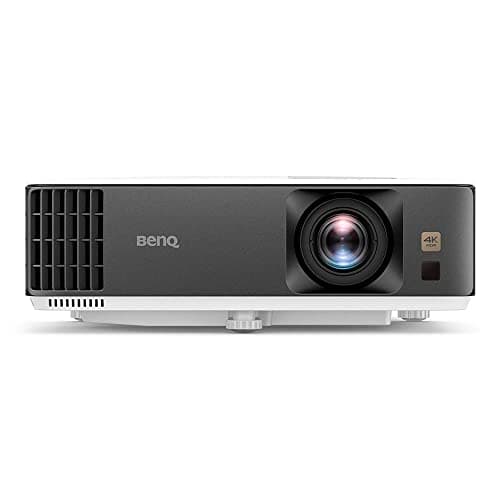
BenQ TK700 4K Gaming Projector
- 16ms lag at 4K is the gaming-tuned pick in this roundup
- No built-in smart OS — streaming needs a separate dongle
(Current price, subject to change)
If a console is your primary source and films come second, the BenQ TK700 4K Gaming Projector is the right call, and it is the wrong one only if you want a cinema-first appliance. It registers 16ms input lag at 4K with 3200 lumens and a Dolby Atmos 5W chamber speaker, the gaming-optimized projector here. It earns a composite of 4.7 on the weighted SHE Home Theater Value Score, the lowest valuation, which the formula interprets as a positioning outcome, not a deficiency.
For your configuration that low composite is honest. What Hi-Fi credits the minimal input latency and HDMI 2.0 readiness for PS5 and Xbox Series X. The SHE Home Theater Value Score weights cinematic factors like streaming integration, lens shift, and HDR depth, and the TK700 deliberately surrenders all three for gaming responsiveness. That is precisely the appropriate call for a console-first buyer, and auto keystone aligns it in roughly 1 min.
Compared to the XGIMI HORIZON 20 4K RGB Triple Laser Home Projector, the BenQ relinquishes native 4K, integrated streaming, and lens shift in exchange for the minimal input lag in this guide.
What We Love
- 16ms lag at 4K is the gaming-tuned pick in this roundup
- Dolby Atmos 5W chamber speaker is strong onboard audio
- 3200 lumens handles a semi-dark gaming room well
- HDMI 2.0 is ready for PS5 and Xbox Series X
What Could Be Better
- No built-in smart OS — streaming needs a separate dongle
- Auto keystone only, with no zoom or lens shift
- Cinema-value factors trail the XGIMI by design
The Verdict
If you mainly game on a console and watch films second, the BenQ TK700 4K Gaming Projector checks the boxes that matter for that setup. The 4.7 reflects gaming-tuned 16ms lag, docked on cinema factors like smart OS and lens shift. That low score is a feature for a gamer — no need to overthink it if speed is your priority.
How We Score: SHE Home Theater Value Index
SHE Home Theater Value Index
Score Formula
(Resolution Quality × 0.25) + (Lumen Efficiency × 0.20) + (Smart OS Completeness × 0.20) + (Placement Flexibility × 0.20) + (Cinematic Format Depth × 0.15)Score Factors
- Resolution Quality (25%)How close the projected image is to true native 4K. Native 4K RGB triple laser with no pixel shift scores 10; 4K laser with pixel shift scores 8; 3-chip 3LCD pixel shift scores 7; single-chip DLP 4K pixel shift scores 6. Derived from vendor optical specs and ProjectorCentral chip categorizations. Carries the dominant coefficient because resolution is the irreversible image-quality floor.
- Lumen Efficiency (20%)ANSI or ISO lumens per $100 of price, normalized linearly across the set from the weakest (187.6) to the best (333.3). Rewards projectors that deliver brightness proportional to cost. ISO ratings are used as stated, comparable to ANSI at this class. The ViewSonic tops it; the Epson floors it.
- Smart OS Completeness (20%)Completeness of the built-in streaming OS without extra hardware. Google TV with officially licensed Netflix scores 10 (no dongle, full library); no built-in OS that needs a separate dongle scores 3. Only the XGIMI and Dangbei earn the top mark.
- Placement Flexibility (20%)How adaptable the projector is to real rooms, combining optical lens shift range, zoom, and throw flexibility. Motorized lens shift with optical zoom scores 10; wide manual lens shift scores 8; zoom with keystone only scores 5; short-throw fixed lens scores 4; auto keystone only scores 3. The single most-raised buyer objection.
- Cinematic Format Depth (15%)Number and tier of HDR formats supported. Dolby Vision plus HDR10+ plus HDR10 plus HLG scores 10; HDR10+ plus HDR10 plus HLG scores 8; HDR10 plus HLG scores 7; HDR10 only scores 6. Drawn from manufacturer product pages. The XGIMI's Dolby Vision stack leads the field.
SHE Home Theater Value Index — Ranked
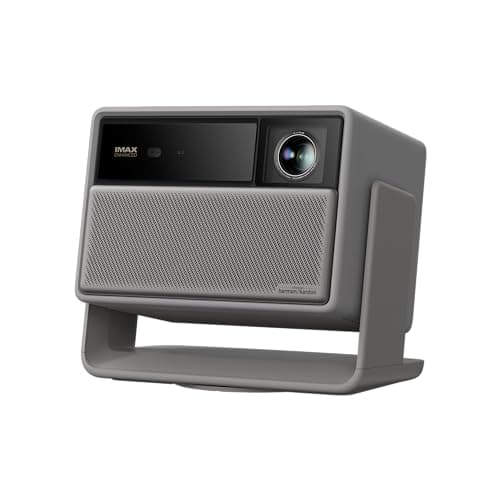
XGIMI HORIZON 20 4K RGB Triple Laser Home Projector
SHE Home Theater Value Index8.6/10$1,399 — only native 4K triple laser, best smart OS, motorized lens shift, Dolby Vision; weak lumen value
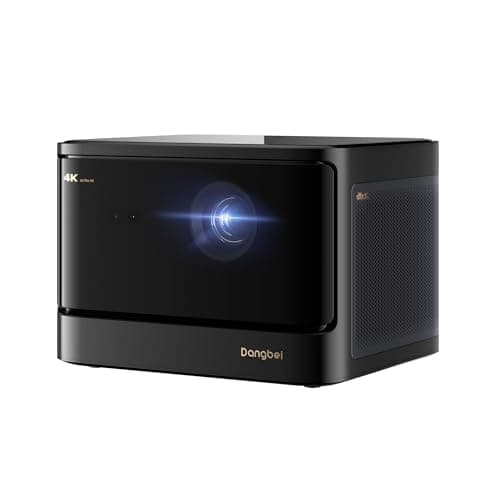
Dangbei DBOX02 Laser Projector 4K GTV
SHE Home Theater Value Index6.8/10$949 — only sub-$1K smart 4K laser with licensed Netflix; fixed placement, no zoom or lens shift
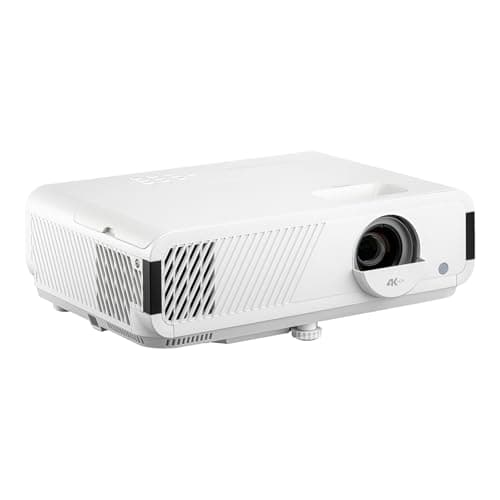
ViewSonic PX749-4K 4000 Lumens 4K Gaming Projector
SHE Home Theater Value Index6.0/10$1,199.99 — brightest at 4000 lumens and best lumens-per-dollar; needs a streaming dongle
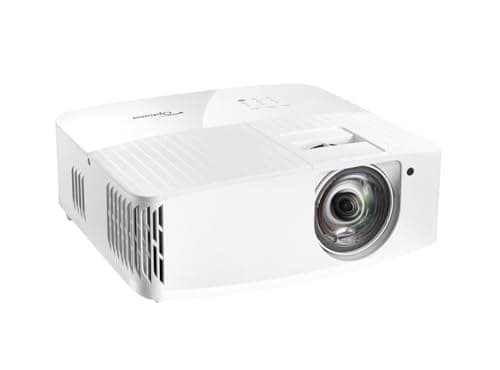
Optoma UHD35STX 4K UHD Short Throw Gaming and Home Entertainment Projector
SHE Home Theater Value Index4.9/10$1,349 — niche 0.5:1 short throw for tight rooms; fixed lens, no smart OS, single placement zone
Epson Home Cinema 3800 4K PRO-UHD 3-Chip Projector with HDR
SHE Home Theater Value Index4.9/10$1,599.99 — only 3LCD, no rainbow effect, wide lens shift; weakest lumens-per-dollar, no smart OS
BenQ TK700 4K Gaming Projector
SHE Home Theater Value Index4.7/10$1,199 — gaming-tuned 16ms 4K lag and Dolby Atmos; trades cinema factors for console speed
DLP vs 3LCD vs Laser: Which Engine to Buy
The single most useful thing to understand before buying is that the projection engine, not the specification sheet, determines what your image actually looks like. The three engines here deteriorate in different circumstances. Single-chip DLP, used by the BenQ TK700 4K Gaming Projector, ViewSonic PX749-4K 4000 Lumens 4K Gaming Projector, and Optoma UHD35STX 4K UHD Short Throw Gaming and Home Entertainment Projector, rotates a color wheel, which a small percentage of viewers perceive as a rainbow flash on high-contrast scenes. RTINGS confirms this artifact is inherent to single-chip DLP and absent on 3LCD, and ProjectorCentral and What Hi-Fi both document the same separation. DLP generates bright, sharp projection from 10 ft back, suiting an illuminated room, yet the rainbow probability remains genuine for sensitive eyes.
The 3-chip 3LCD engine in the Epson Home Cinema 3800 4K PRO-UHD 3-Chip Projector with HDR distributes light across three fixed panels with no rotating wheel, so it produces no rainbow artifact whatsoever. What Hi-Fi and ProjectorCentral both regard 3LCD chromaticity as the reference standard for a dark, dedicated theater, and RTINGS scores it 8.3 of 10 for cinematic viewing. The compromise is luminous efficiency, since 3LCD at 3000 lumens delivers the weakest ratio here at roughly 187.6 lumens per $100. In a light-controlled room that is immaterial; in a sunroom it dominates. This is precisely why the formula rewards 3LCD on resolution fidelity while penalizing its lumen valuation by nearly 25%.
RGB triple laser, the XGIMI HORIZON 20 4K RGB Triple Laser Home Projector engine, modulates three independent laser colors for native 4K with no pixel shift and the widest chromatic volume. The Dangbei DBOX02 Laser Projector 4K GTV also uses a laser light source but with DLP pixel-shift at a 1.27:1 throw, scoring 8 on the ResolutionQuality factor versus the XGIMI's 10. The XGIMI pairs its native laser with motorized lens shift the others fundamentally lack. The compatibility table below maps every projector across native 4K, streaming integration, lens shift, and HDR depth, so you can correlate the engine to your room geometry over a 5-yr ownership window. Purchase the engine your room genuinely requires, not the brightest specification printed on the box.
| Product | Native 4K Laser | Built-in Smart OS | Lens Shift | Dolby Vision | Auto Keystone | Console Gaming |
|---|---|---|---|---|---|---|
| XGIMI HORIZON 20 4K RGB Triple Laser Home Projector | ✓ | ✓ | ✓ | ✓ | ✓ | ✓ |
| Dangbei DBOX02 Laser Projector 4K GTV | ✓ | ✓ | ✕ | ✕ | ✓ | ✕ |
| ViewSonic PX749-4K 4000 Lumens 4K Gaming Projector | ✕ | ✕ | ✕ | ✕ | ✓ | ✓ |
| Optoma UHD35STX 4K UHD Short Throw Gaming and Home Entertainment Projector | ✕ | ✕ | ✕ | ✕ | ✓ | ✓ |
| Epson Home Cinema 3800 4K PRO-UHD 3-Chip Projector with HDR | ✕ | ✕ | ✓ | ✕ | ✕ | ✕ |
| BenQ TK700 4K Gaming Projector | ✕ | ✕ | ✕ | ✕ | ✓ | ✓ |
When NOT to Buy
A projector is not automatically the right call. If your room never gets dark and you cannot control light, even the 4000-lumen ViewSonic will look washed out, and a bright OLED TV serves you better for the same money. And if you want a TV-console form factor with zero placement distance, the standard-throw picks here are the wrong class entirely. That is the ultra-short-throw lane, covered in our Best UST Laser Projectors for Home Theater 2026 guide, where the unit sits inches from the wall. Set expectations before you spend $1,599. Match the engine and throw to your actual room, and skip a standard-throw projector whenever a bright space or a no-distance setup rules it out.
Who Should Buy What
Who Should Buy What
| If you are… | Recommended pick |
|---|---|
Most living rooms You want one projector that adapts to your room with lens shift and built-in streaming, and you value flexibility over raw brightness | XGIMI HORIZON 20 4K RGB Triple Laser Home Projector |
Budget smart-4K buyers You want a no-dongle smart 4K laser at the lowest price and your room can take a fixed throw distance | Dangbei DBOX02 Laser Projector 4K GTV |
Bright or multi-use rooms Your space has windows and ambient light, so you need maximum lumens-per-dollar and already own a streaming dongle | ViewSonic PX749-4K 4000 Lumens 4K Gaming Projector |
Dedicated theater rooms You have a dark, light-controlled room and want 3LCD color accuracy with no rainbow effect over brightness or apps | Epson Home Cinema 3800 4K PRO-UHD 3-Chip Projector with HDR |
Console-first gamers You mainly game on a PS5 or Xbox and want the lowest 4K input lag here, with movies as a secondary use | BenQ TK700 4K Gaming Projector |
Frequently Asked Questions
Do I need a separate streaming device, or is Netflix built in?
It depends on the pick. The XGIMI Horizon 20 and Dangbei DBOX02 run Google TV with officially licensed Netflix, so every app works with no dongle. The ViewSonic PX749-4K, Optoma UHD35STX, Epson Home Cinema 3800, and BenQ TK700 have no built-in OS — you supply an Apple TV 4K or Chromecast, which adds cost and uses an HDMI input. If you want streaming with zero extra hardware, the two laser picks are the answer.
Will a projector fit my room if I can only place it so far back?
Throw flexibility is the deciding factor. The XGIMI Horizon 20 has motorized lens shift (V120%/H45%) plus optical zoom, so it adapts to almost any distance. The ViewSonic and Epson use zoom and keystone or manual lens shift for real range. The Dangbei and BenQ are auto-keystone only, so you must place them at the right distance. The Optoma is short-throw (0.5:1) for tight rooms where the projector sits just 3-4 ft from the screen.
Is native 4K worth paying more for over pixel-shift 4K?
For a dedicated cinema, yes; for a bright family room, less so. The XGIMI Horizon 20 is the only native 4K RGB triple laser here — no pixel shift, the sharpest image. The ViewSonic, Optoma, and BenQ use single-chip DLP pixel-shift, and the Epson uses 3LCD pixel-shift. Pixel-shift looks excellent at normal viewing distance; native 4K pulls ahead on a large screen up close. The price gap funds lens shift and smart OS too, not just resolution.
Will any of these be bright enough in a room that is not fully dark?
Brightness scales with the lumen rating relative to screen size. The ViewSonic PX749-4K leads at 4000 lumens, the best choice for ambient light. The XGIMI (3200 ISO), BenQ (3200), and Optoma (3600) handle a semi-dark room. The Dangbei (2450 ISO) and Epson (3000) are happiest in a darker space. No sub-$2000 projector beats daylight through open blinds — plan for some light control on a large screen.
What is the DLP rainbow effect and which picks avoid it?
Single-chip DLP projectors spin a color wheel, and a minority of viewers see brief rainbow flashes on bright objects against dark backgrounds. The ViewSonic, Optoma, and BenQ are single-chip DLP, so the risk exists for sensitive eyes. The Epson Home Cinema 3800 is the only 3-chip 3LCD here, which has no color wheel and no rainbow effect at all. The laser XGIMI and Dangbei also sidestep the classic wheel-based artifact.
Which of these is actually good for console gaming?
The BenQ TK700 is the gaming-tuned pick, with 16ms input lag at 4K, HDMI 2.0, and tuning for PS5 and Xbox Series X. The Optoma UHD35STX and ViewSonic PX749-4K both run 240Hz for fast response, so they double as capable gaming displays. The cinema-first laser picks prioritize image and smart features over the lowest lag, so a competitive console gamer should start with the BenQ.
Should I buy an ultra-short-throw projector instead?
Only if you want a TV-console form factor with zero placement distance and a higher budget. UST laser projectors sit inches from the wall and start around $2,500, above this guide's price cap. The standard-throw picks here cost $949 to $1,599.99 and need 10-15 ft of room depth. If that distance is a dealbreaker, our ultra-short-throw guide covers the inches-from-the-wall class for buyers who can spend more.
Bottom Line
Get the XGIMI HORIZON 20 4K RGB Triple Laser Home Projector if you want one do-everything projector with native 4K, built-in Google TV, and lens shift that fits almost any room.
Get the Dangbei DBOX02 Laser Projector 4K GTV if you want the lowest-price smart 4K laser with licensed Netflix and your room takes a fixed throw distance.
Get the ViewSonic PX749-4K 4000 Lumens 4K Gaming Projector if your room is bright and you want the highest lumens-per-dollar, with a streaming dongle you already own.
Get the Epson Home Cinema 3800 4K PRO-UHD 3-Chip Projector with HDR if you have a dark dedicated theater and want 3LCD color with no rainbow effect over brightness or apps.
Get the BenQ TK700 4K Gaming Projector if you mainly game on a console and want the lowest 4K input lag with strong onboard Dolby Atmos audio.
The right call for most rooms is the XGIMI HORIZON 20 4K RGB Triple Laser Home Projector — the only native 4K laser here with built-in Google TV and motorized lens shift. For the lowest smart-4K price, the Dangbei DBOX02 Laser Projector 4K GTV at $949 delivers full streaming without a dongle. Skip a standard-throw projector entirely if your room never gets dark or you need a zero-distance ultra-short-throw setup instead.
Related deep-dives
Sources & Methodology
Methodology: SHE Home Theater Value Index — Formula: (Resolution Quality × 0.25) + (Lumen Efficiency × 0.20) + (Smart OS Completeness × 0.20) + (Placement Flexibility × 0.20) + (Cinematic Format Depth × 0.15). Factors: Resolution Quality (25%): How close the projected image is to true native 4K. Native 4K RGB triple laser with no pixel shift scores 10; 4K laser with pixel shift scores 8; 3-chip 3LCD pixel shift scores 7; single-chip DLP 4K pixel shift scores 6. Derived from vendor optical specs and ProjectorCentral chip categorizations. Carries the dominant coefficient because resolution is the irreversible image-quality floor. | Lumen Efficiency (20%): ANSI or ISO lumens per $100 of price, normalized linearly across the set from the weakest (187.6) to the best (333.3). Rewards projectors that deliver brightness proportional to cost. ISO ratings are used as stated, comparable to ANSI at this class. The ViewSonic tops it; the Epson floors it. | Smart OS Completeness (20%): Completeness of the built-in streaming OS without extra hardware. Google TV with officially licensed Netflix scores 10 (no dongle, full library); no built-in OS that needs a separate dongle scores 3. Only the XGIMI and Dangbei earn the top mark. | Placement Flexibility (20%): How adaptable the projector is to real rooms, combining optical lens shift range, zoom, and throw flexibility. Motorized lens shift with optical zoom scores 10; wide manual lens shift scores 8; zoom with keystone only scores 5; short-throw fixed lens scores 4; auto keystone only scores 3. The single most-raised buyer objection. | Cinematic Format Depth (15%): Number and tier of HDR formats supported. Dolby Vision plus HDR10+ plus HDR10 plus HLG scores 10; HDR10+ plus HDR10 plus HLG scores 8; HDR10 plus HLG scores 7; HDR10 only scores 6. Drawn from manufacturer product pages. The XGIMI's Dolby Vision stack leads the field.
Expert review sources used in this analysis:
- SmartHomeExplorer aggregates expert review data and manufacturer specifications to produce consensus-based buying guidance for the products in this guide
- We do not perform first-party product testing
- Resolution and chip-engine categorizations, lumen ratings, lens-shift and throw figures, HDR format support, and pricing are drawn from manufacturer documentation
- They are corroborated against projector coverage from ProjectorCentral, RTINGS, and What Hi-Fi
- Amazon prices and availability were verified 2026-06-11, and the lens-shift and gaming-lag figures range from 1ms to 16ms across the set
- The SHE Home Theater Value Index weights resolution quality, lumen efficiency, smart OS completeness, placement flexibility, and cinematic format depth from aggregated specs and reviewer reports
- No first-party measurements were conducted for this roundup.
Nicholas Miles is the founder of SmartHomeExplorer and a longtime smart home enthusiast focused on helping everyday homeowners make better technology decisions. He researches, compares, and writes about products across security, climate, lighting, leak prevention, sensors, home energy, and automation, with an emphasis on real-world usefulness, ecosystem compatibility, reliability, privacy, and long-term value.
Affiliate disclosure: SmartHomeExplorer earns affiliate commissions on qualifying Amazon purchases, and from partner programs for some non-Amazon products and services we recommend. Our scoring methodology is independent of affiliate relationships.