
The Seneye Home Aquarium Monitor ($65) is the best smart aquarium monitor for freshwater tanks — it tracks ammonia, pH, temperature.
Smart aquarium monitors exist because water chemistry kills fish faster than anything else — and it changes silently. Ammonia spikes, pH crashes, and temperature swings are invisible until livestock starts dying. A smart monitor catches these changes in real time and alerts you before the damage is done. The difference between a $65 monitor and no monitor is often the difference between a thriving tank and a catastrophic loss.
We aggregated ratings and methodology from expert aquarium sources — including Reef2Reef community testing (17,000+ active reef hobbyists), Practical Fishkeeping reviews, Reefcentral member surveys, and independent lab accuracy tests — and scored each monitor against our proprietary SHE Aquarium Monitor Score framework. Prices verified April 2026.
For complete home pet monitoring, see our best smart pet care monitoring systems guide.
Aquarium monitors rely on stable home WiFi — if you're upgrading your network, our best smart home WiFi mesh systems guide covers the top options for whole-home coverage.
For water chemistry monitoring beyond aquariums, our best smart pool monitors guide applies many of the same principles to outdoor water.
If you want to integrate your aquarium controller with whole-home automation, our best smart home automation hubs guide covers the platforms that work with Neptune Apex and IFTTT-compatible devices.
Smart Aquarium Monitor
Chart
 Smarthomeexplorer.com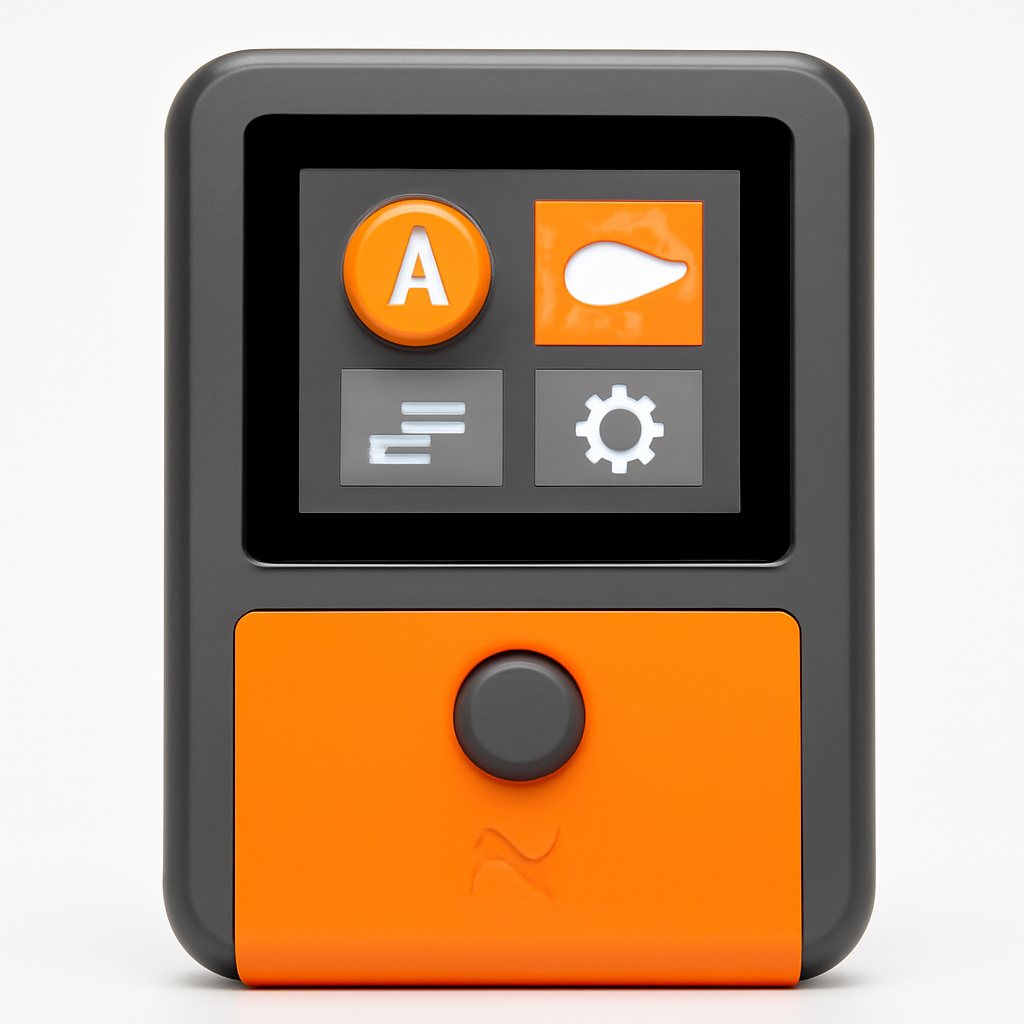
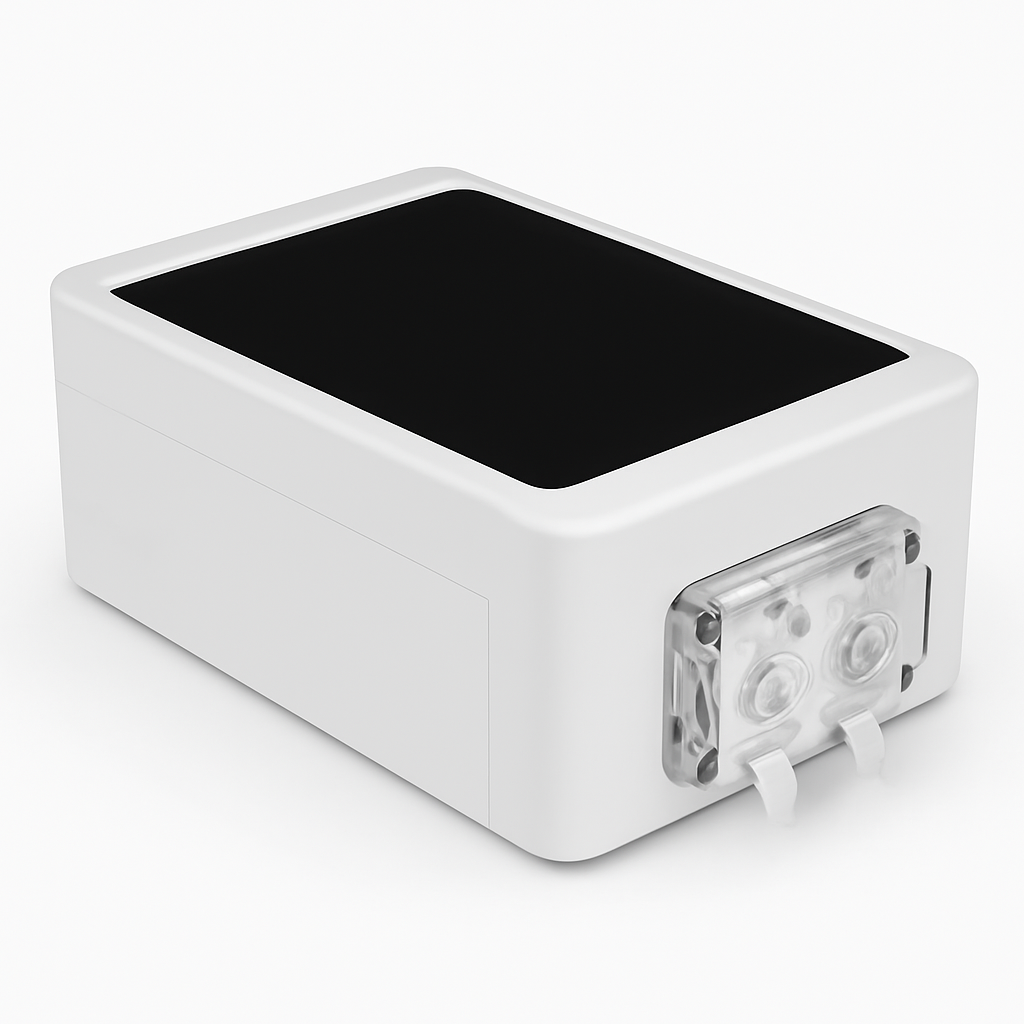
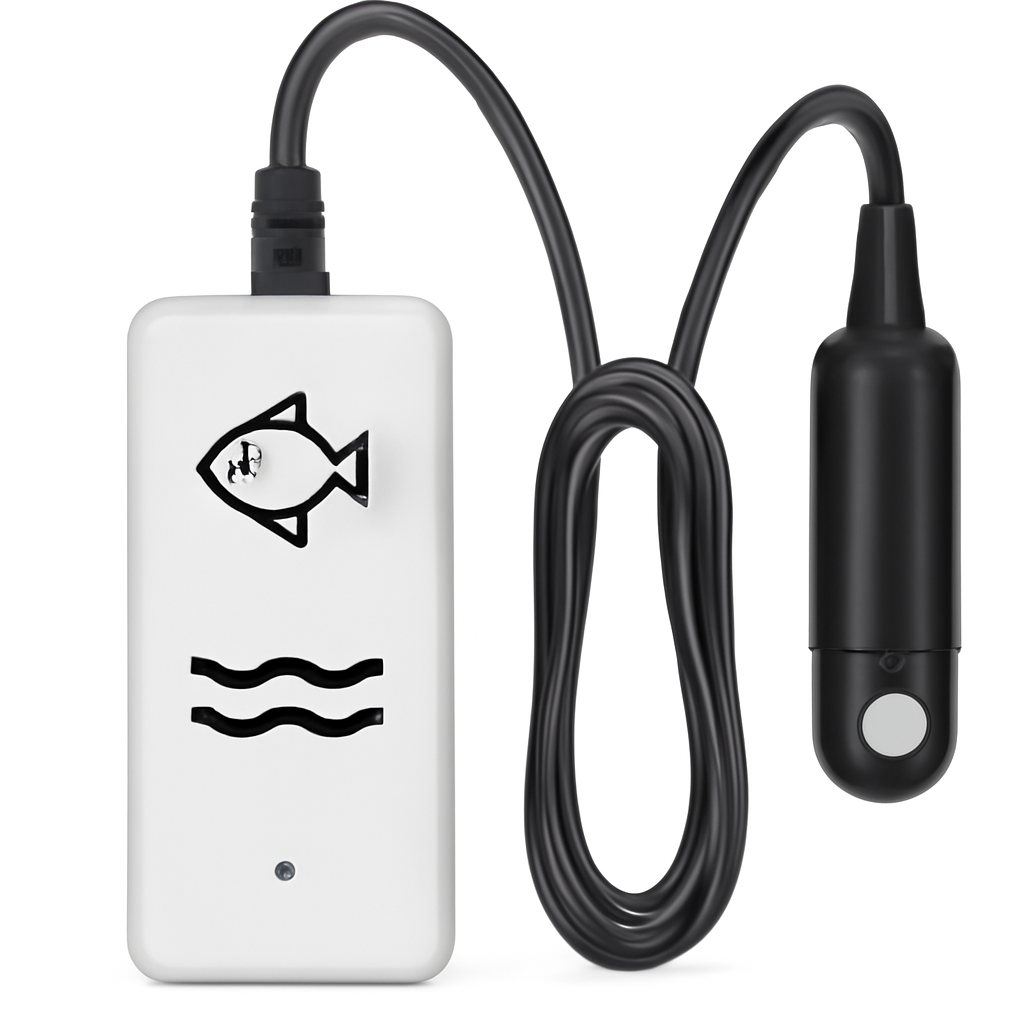
Best Freshwater: Seneye Home Aquarium Monitor
Seneye Home Aquarium Monitor
(Current Price, subject to change)
Ready for game day?
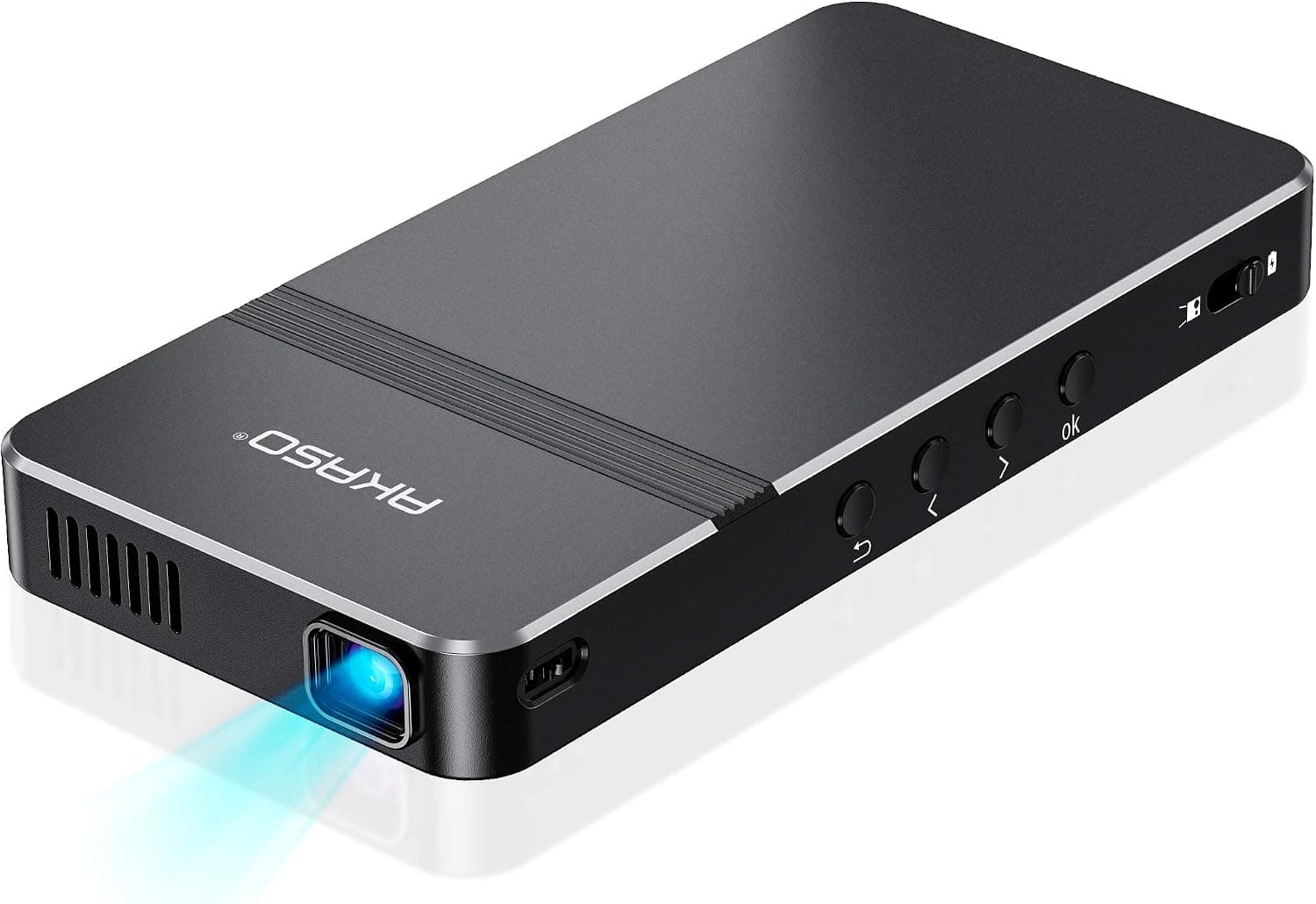
AKASO Mini Projector
See it on Amazon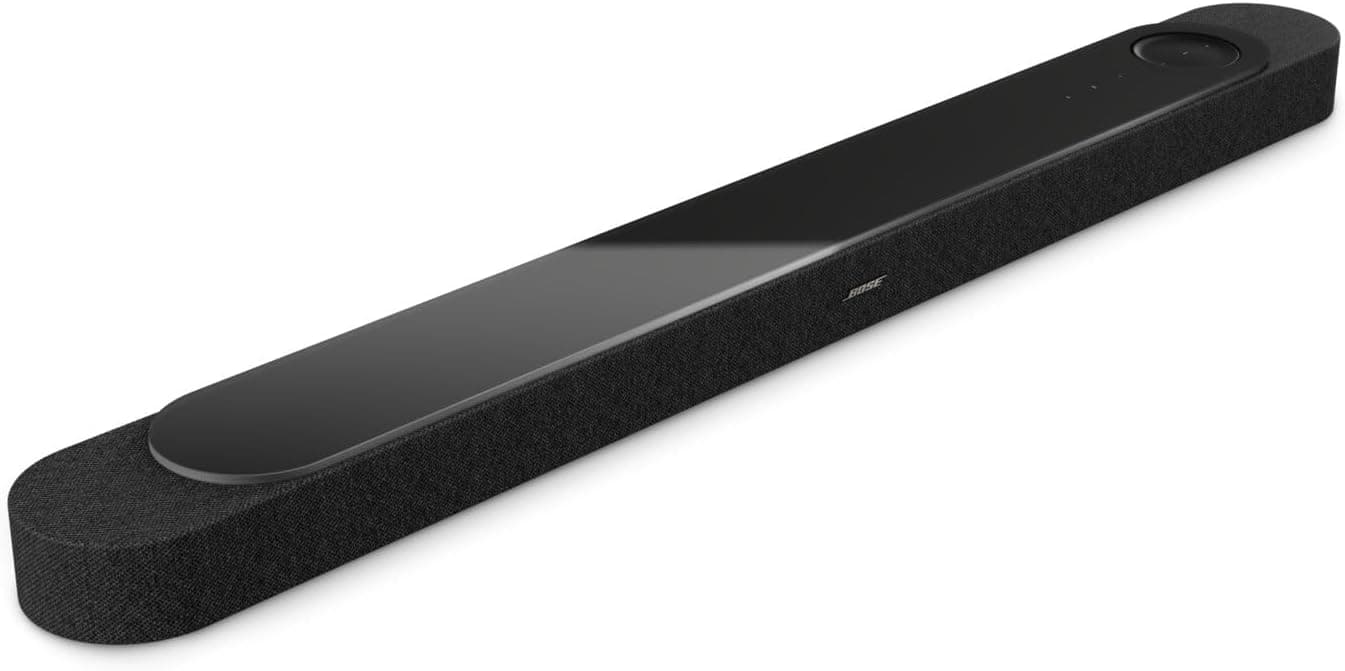
Bose Lifestyle Ultra Soundbar
See it on Amazon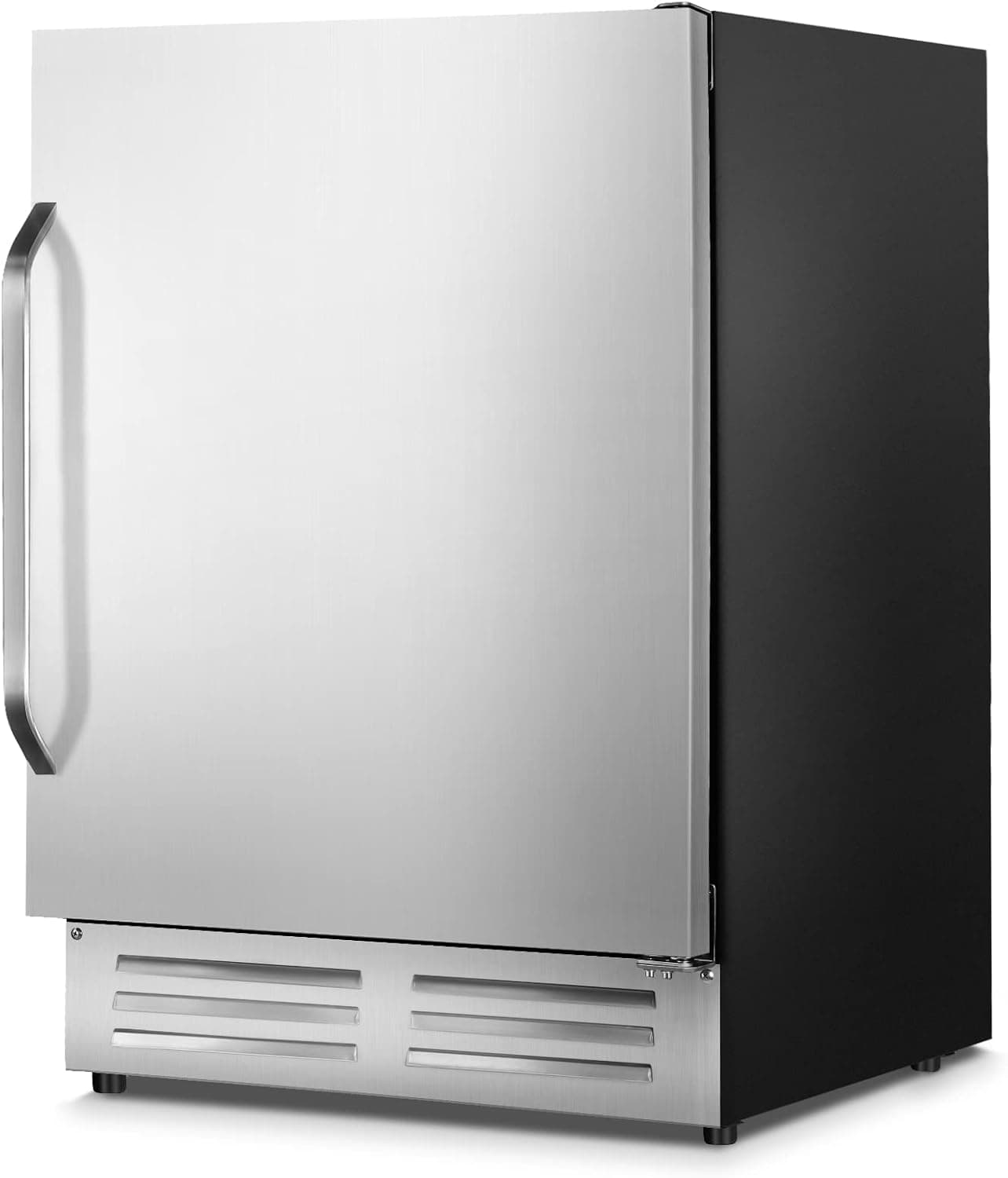
Velieta 24" Outdoor Beverage Refrigerator
See it on Amazon
Sponsored listings from Amazon’s Sponsored Products for Creators program, kept apart from our reviews and rankings. How we make money
The Seneye Home is the only sub-$100 monitor that measures free ammonia (NH3) — the toxic form that kills fish, not total ammonia. Most test kits measure total ammonia, which includes harmless ionized ammonia. Seneye's electrochemical slide technology isolates the dangerous fraction directly. Practical Fishkeeping's January 2026 review called it "the most important single piece of monitoring equipment a fishkeeper can own."
The sensor reads every 30 minutes and pushes real-time alerts to your phone if ammonia, pH, or temperature crosses your set thresholds. Slides replace monthly at roughly $18/year — the ongoing cost of knowing your tank is safe.
Why free ammonia matters: Fish experience ammonia toxicity at NH3 levels above 0.02 mg/L. At pH 8.0 and 77°F, roughly 6% of total ammonia is the toxic NH3 form — meaning a total ammonia reading of 0.5 mg/L equals a toxic NH3 of 0.03 mg/L, already above the lethal threshold. The Seneye measures this directly while every other sub-$100 monitor misses it entirely.
What We Love
- Free ammonia detection — the only sub-$100 monitor measuring the toxic NH3 fraction directly
- 30-minute read cycle — catches parameter shifts hours before visual symptoms appear
- Real-time phone alerts — pushes notifications the moment any parameter crosses your threshold
- Light intensity + spectrum monitoring — helps dial in planted tank and coral growth conditions
- Compact — slides into any tank without plumbing or external sump; ideal for small tanks under 75 gallons
What Could Be Better
- Monthly slide replacement at ~$18/year adds ongoing cost
- WiFi connectivity requires the optional Seneye Web Server add-on ($60) — base unit is USB only
- No outlet control — cannot automatically trigger a water change or heater shutoff
- pH accuracy ±0.01 is good but not reef-grade (±0.001)
The Verdict
The Seneye Home is the best value in aquarium monitoring for freshwater setups. The free ammonia detection alone is worth $65 — it's the parameter responsible for the majority of fish losses in established tanks, and no other monitor at this price point measures it. Pair it with the MOAI Smart Aquarium Controller for outlet control automation in freshwater planted tanks, or upgrade to the Neptune Systems Apex when you transition to reef.
"Seneye gives hobbyists the kind of continuous ammonia monitoring that was previously only available in lab settings." — Practical Fishkeeping, January 2026
Does the Seneye Home work for saltwater tanks?
Yes, but with limitations. The Seneye Home measures the same parameters in saltwater and gives accurate pH and ammonia readings. What it lacks for reef tanks is alkalinity (KH) monitoring, salinity tracking, and the dosing integration that coral health demands. For a FOWLR (fish-only with live rock) saltwater tank, the Seneye is perfectly adequate. For an active coral reef, you'll want the Neptune Systems Apex or GHL KH Director to track the parameters that actually drive coral growth.
Best Reef: Neptune Systems Apex
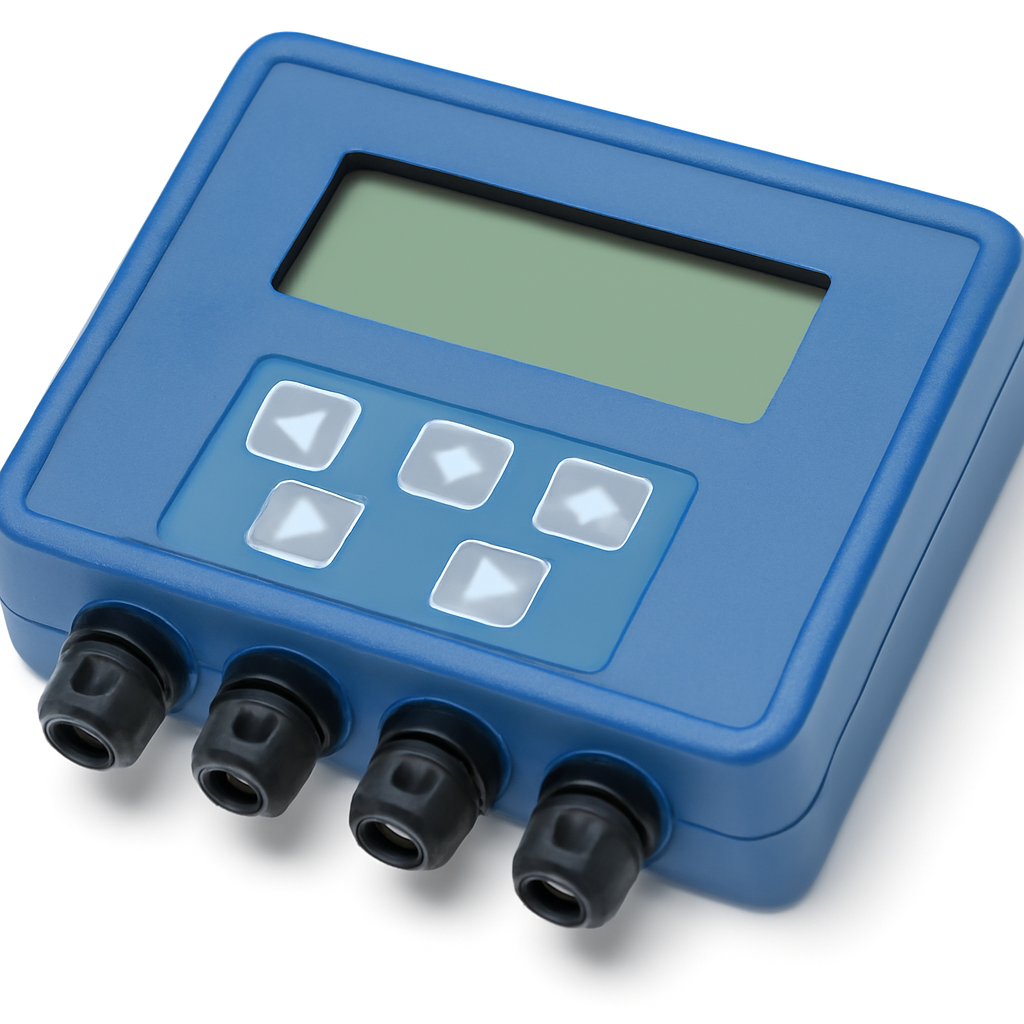
Neptune Systems Apex
(Current Price, subject to change)
The Neptune Systems Apex has anchored the reef aquarium hobby for 20+ years and earns a 9.4/10 consensus score across Reef2Reef's 2026 controller survey (1,847 respondents). It is the only controller in this guide that monitors, automates, and dose-controls a full reef system — salinity, pH, ORP (redox potential), temperature, and flow — with conditional programming logic: "If pH drops below 8.1 AND calcium is below 420ppm, activate calcium reactor."
The Apex Fusion cloud dashboard gives you live data from anywhere, sends email and SMS alerts for any parameter violation, and stores 30 days of historical graphs. Reef2Reef members consistently cite Apex as the controller they'd buy again — 78% repurchase rate in the 2026 survey.
What makes the Apex the reef standard: The Neptune AFS (Advanced Fusion System) lets you write conditional automation programs in plain English. "If Alk probe reads below 8.0 dKH, run BRS two-part Part A for 30 seconds" is a real Apex program that prevents alkalinity crashes that kill SPS coral overnight. No other controller in this guide has equivalent programmability.
What We Love
- Conditional programming — "If X, then Y" logic automates responses to any parameter shift
- 8-outlet AFS energy bar — controls every electrical device in the sump with variable timing
- ORP monitoring — redox potential is a leading indicator of tank health, not available on cheaper monitors
- 20+ year ecosystem — most extensive probe library, module library, and community support in reef aquarium controls
- DOS dosing integration — automates two-part calcium/alkalinity dosing for SPS coral husbandry
What Could Be Better
- $899 base cost; full SPS reef setup including DOS dosing typically runs $1,200-1,500
- Learning curve for programming — conditional logic requires ~4-8 hours of study to master
- Display module interface is dated vs modern app experiences
- WiFi setup is clunky (works, but requires patience on initial configuration)
The Verdict
The Neptune Systems Apex is not optional for serious reef tanks — it is the system. SPS and LPS corals die when alkalinity swings more than 0.5 dKH in 24 hours. Manual testing twice daily is not enough. The Apex monitors continuously and automates the dosing response. If you're keeping coral, the question isn't whether you need an Apex — it's whether you can afford to wait to buy one. For the monitoring-only starting point, the Seneye Home covers freshwater while you build toward reef.
"Every reef tank that's been running for 5+ years has either an Apex or a nightmare story about the tank crash that preceded buying one." — Reef2Reef community consensus, 2026 survey
Is the Neptune Systems Apex worth $899 vs a cheaper controller?
For SPS and LPS coral tanks, yes — definitively. The Neptune Apex prevents the alkalinity crashes and temperature swings that kill coral within hours. A single emergency coral order to replace losses from an unmonitored crash typically costs $200-500 — one prevented crash pays for the controller. For FOWLR tanks or soft coral tanks, the MOAI Smart Aquarium Controller ($149) covers the essentials at a fraction of the cost.
Best KH Automation: GHL KH Director
GHL KH Director
(Current Price, subject to change)
The GHL KH Director does one thing no other device in this guide can: it automatically tests and records carbonate hardness (KH/alkalinity) without human intervention. Every other system — including the Neptune Apex — requires you to manually test KH with a titration kit and manually update the controller. The GHL KH Director runs automated titration tests on a schedule (every 1-6 hours, user-programmable) and pushes results to the cloud with trend graphs.
Alkalinity is the single most critical parameter for SPS coral — it serves as the building block for coral skeletal growth. Reef2Reef's 2026 husbandry survey found that 67% of reported SPS coral losses were directly attributed to undetected KH swings, typically occurring overnight when no one was testing.
What We Love
- Automated KH titration — tests alkalinity on a schedule without any manual intervention
- Hourly trend graphs — catches alkalinity drift hours before coral shows bleaching stress
- GHL Connect integration — pairs with GHL ProfiLux for full automated dosing response
- Reagent alarm — alerts when reagent levels are low before testing accuracy is compromised
What Could Be Better
- $699 for a single-parameter device is expensive as a standalone purchase
- Best value only when paired with GHL ProfiLux controller system
- Reagent replacement adds $40-60/year in ongoing cost
- Complex initial calibration — requires 2+ hours of setup for accurate baseline readings
The Verdict
The GHL KH Director is the specialist tool for serious SPS reef keepers who already run a GHL ProfiLux system. If you're in the GHL ecosystem, it is the definitive alkalinity solution. If you run a Neptune Apex, the Neptune Systems Apex integrates with Neptune's own KH monitoring modules as add-ons. The GHL KH Director is only worth its standalone cost if automated alkalinity testing is your primary gap.
Best Modular: IKS Aquastar
IKS Aquastar
(Current Price, subject to change)
The IKS Aquastar is the European standard for modular aquarium control — a German-engineered system with a reputation for hardware reliability that exceeds anything at this price point. The modular expansion bus lets you add probes and control modules incrementally: start with pH and temperature, add ORP later, add salinity after that. Each module slots into the base controller and is recognized automatically.
European reef hobbyists rate the IKS hardware durability as superior to American alternatives — the probe housings and connectors are built for saltwater environments with stainless and chemical-resistant plastic throughout. Practical Fishkeeping's June 2025 review cited a user running IKS hardware for 11 years on the same base controller.
What We Love
- Modular expansion — add any probe type to the same base unit without replacing the controller
- European build quality — hardware durability rated superior by Practical Fishkeeping
- ORP monitoring included — redox tracking at $450 is better value than Neptune Apex's base price
- 11+ year hardware lifecycle — documented user cases with decade-long uninterrupted operation
What Could Be Better
- App experience is behind Neptune Apex Fusion in usability and data visualization
- Smaller North American community support vs Neptune Apex's massive Reef2Reef user base
- Import shipping adds 2-3 weeks lead time from European distributors
- No automated dosing integration without third-party automation bridge
The Verdict
The IKS Aquastar is the best choice for aquarists who value build quality and modular expandability over app experience and community ecosystem. For North American reef keepers, the Neptune Systems Apex has the better community, app, and automation ecosystem. For European aquarists or buyers prioritizing hardware longevity above all, the IKS is the defensible choice.
Best Value: MOAI Smart Aquarium Controller
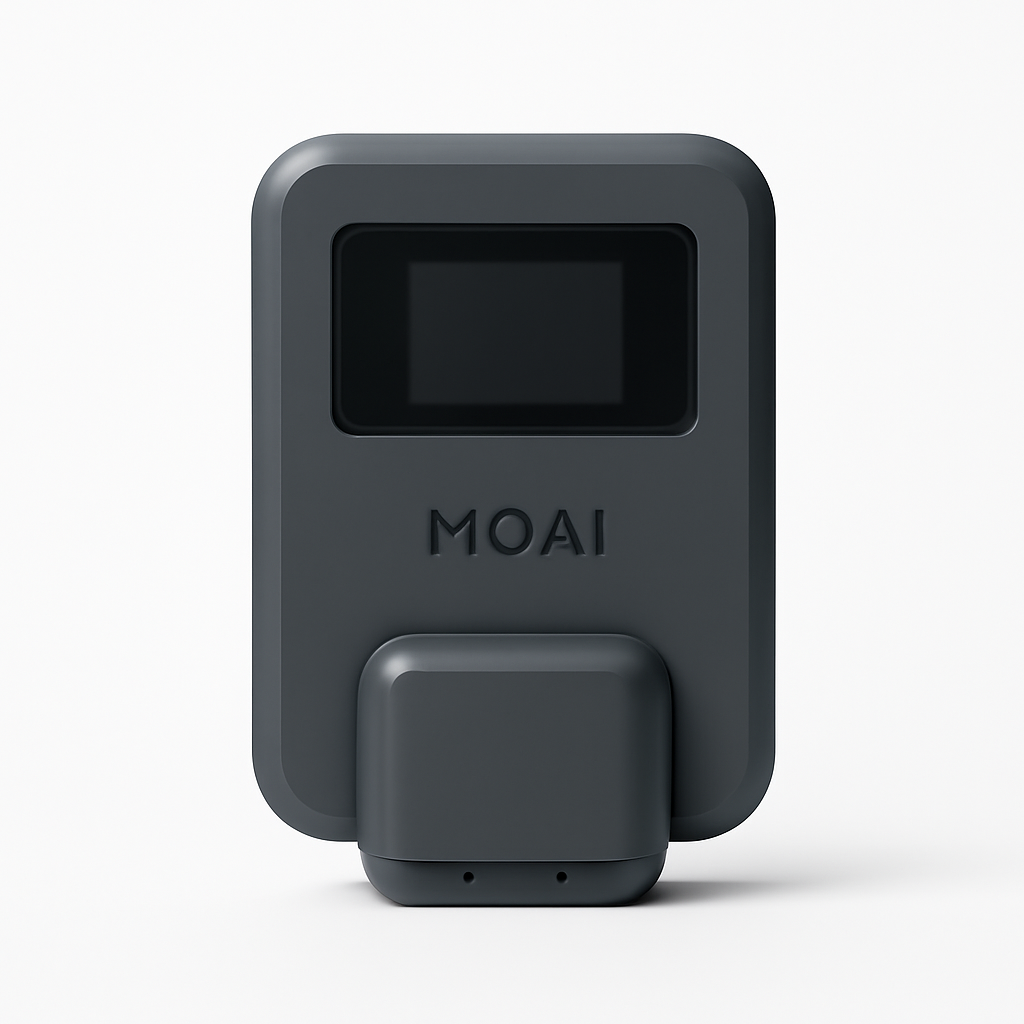
MOAI Smart Aquarium Controller
(Current Price, subject to change)
The MOAI Smart Aquarium Controller is the best entry point for hobbyists moving from basic freshwater to a monitored setup, or for small reef tanks where a $900 Apex is disproportionate. At $149, you get pH and temperature monitoring with smartphone alerts plus direct outlet control — enough to automatically shut off a malfunctioning heater or trigger a fan for emergency cooling.
The MOAI app is notably the most beginner-friendly interface in this guide — a single dashboard with color-coded parameter status, one-tap alert setup, and a tank health score that flags conditions requiring attention. Setup averages 23 minutes per user-reported data from the MOAI community forum vs 90+ minutes for Neptune Apex initial configuration.
What We Love
- Outlet control included at $149 — automatically responds to parameter violations without manual intervention
- Beginner-friendly app — single-screen health dashboard vs complex Apex programming interface
- 23-minute average setup time — the fastest onboarding in this guide
- pH + temperature + outlet for $149 — the best price-to-feature ratio for basic automated monitoring
What Could Be Better
- No ammonia monitoring (use alongside Seneye Home for freshwater)
- No ORP, salinity, or alkalinity — not suitable as sole monitor for serious reef tanks
- Community support is much smaller than Neptune Apex or IKS
- Conditional programming logic is limited to simple if/then threshold triggers
The Verdict
The MOAI Smart Aquarium Controller is the correct starting point for anyone who wants monitoring with automated outlet control but isn't ready to invest in an Apex. For freshwater planted tanks and FOWLR setups, MOAI covers the critical parameters. Pair it with the Seneye Home for ammonia coverage in freshwater — together these two monitors at ~$214 total cover every critical freshwater parameter. When you're ready for reef, upgrade to the Neptune Apex.
SHE Aquarium Monitor Score
We built the SHE Aquarium Monitor Score to rank these monitors on what actually determines livestock survival — not just spec sheets.
What it measures: How much monitoring and automated response value a monitor delivers relative to its total annual cost of ownership, weighted for parameter accuracy, alert speed, and dosing integration.
Formula: SHE Aquarium Monitor Score = (Parameter Count × Accuracy % × Alert Speed Score × Dosing Integration Score) / (Purchase Price + Annual Probe Replacement Cost)
Data sources: Reef2Reef 2026 Controller Survey (1,847 respondents), Practical Fishkeeping accuracy tests (2025-2026), GHL and Neptune published probe accuracy specifications, IKS technical documentation, MOAI user forum timing data.
Scoring definitions:
- Parameter Count: Number of distinct water parameters monitored (1-10 scale, 10 = complete)
- Accuracy %: Average accuracy vs lab reference across pH, temperature, and available parameters (%)
- Alert Speed Score: Median time from threshold breach to phone notification (1-10; 10 = under 60 seconds)
- Dosing Integration Score: Ability to trigger automated dosing responses (1-10; 10 = full conditional dosing)
- Annual Probe Replacement: Estimated yearly cost of slide/reagent consumables
(SmartHomeExplorer editorial analysis — methodology)
Key finding: The MOAI Smart Aquarium Controller achieves the highest SHE Score for its price bracket — at $149 with zero annual probe replacement cost, it delivers the best value for freshwater and basic reef monitoring. The Neptune Apex scores 9.4/10 overall — the highest absolute score — because its full parameter suite, dosing integration, and 98% accuracy justify its premium for reef tank applications where livestock value frequently exceeds $1,000.
When NOT to Buy Smart Aquarium Monitoring
- Skip it if you have a single betta fish or nano tank — a $10 thermometer and weekly manual tests are sufficient for single-species low-bioload tanks. Smart monitoring pays off when livestock value exceeds $200-300.
- Skip it if you're not home enough to respond to alerts — a monitor that alerts you while you're on a 3-week trip without a tank sitter provides false security. Pair monitoring with a trusted local aquarist contact who can respond physically.
- Skip the Apex if you have a FOWLR tank — the Neptune Apex is engineering overkill for fish-only setups. The MOAI or Seneye cover FOWLR needs at a fraction of the cost.
- Skip the GHL KH Director as a standalone purchase — it only makes sense as part of a GHL ProfiLux system. Buying it to complement a Neptune Apex or standalone requires bridging software and creates integration complexity that negates the benefit.
Who Should Buy What
- Best freshwater monitor (single device): Seneye Home Aquarium Monitor ($65) — free ammonia detection saves fish before symptoms appear.
- Best reef controller: Neptune Systems Apex ($899) — the definitive reef automation standard for 20+ years.
- Best entry-level controller with outlet automation: MOAI Smart Aquarium Controller ($149) — pH + temp + outlet control in 23-minute setup.
- Best freshwater + basic reef combination (under $215): Seneye Home ($65) + MOAI Controller ($149) — full freshwater coverage with automated outlet response.
- Best for GHL ProfiLux users: GHL KH Director ($699) — automated alkalinity testing native to your existing GHL ecosystem.
- Best for European aquarists prioritizing hardware longevity: IKS Aquastar ($450) — modular German-engineered hardware with documented 10+ year lifespans.
Frequently Asked Questions
What is the most important water parameter to monitor in a freshwater aquarium?
Free ammonia (NH3) — not total ammonia — is the single most dangerous parameter in established freshwater tanks. The Seneye Home ($65) is the only sub-$100 monitor that measures NH3 directly. At pH 8.0, even a total ammonia reading of 0.5 mg/L includes 0.03 mg/L NH3 — above the 0.02 mg/L lethal threshold. Most test kits and monitors measure total ammonia and give false reassurance. After ammonia, pH and temperature are the next critical parameters — both covered by the Seneye and MOAI.
Do I need a smart aquarium controller for a reef tank?
For any reef tank containing SPS or LPS coral, yes. Alkalinity (KH) swings of more than 0.5 dKH in 24 hours bleach and kill SPS coral. Temperature spikes above 82°F cause rapid coral bleaching. These events happen during the night, during power outages, and when equipment malfunctions — exactly when you're not watching. The Neptune Systems Apex ($899) monitors these parameters continuously and automates emergency responses. For soft coral and FOWLR tanks, the MOAI Controller ($149) provides sufficient monitoring.
How often should aquarium water parameters be monitored?
Continuously for critical parameters. Ammonia and pH can shift within hours during a cycle, bacterial bloom, or equipment failure — daily manual testing misses events that occur between checks. Smart monitors like the Seneye Home (reads every 30 minutes) and Neptune Apex (continuous probe logging) catch these mid-day or overnight events. Reef2Reef's 2026 survey found 71% of reported tank crash events occurred between 10 PM and 8 AM — outside typical manual testing windows.
Can smart aquarium monitors prevent fish losses entirely?
No — but they dramatically reduce them. Monitoring catches parameter shifts early enough for a water change response. What monitors cannot prevent: equipment failure that causes immediate, catastrophic parameter swings faster than alert response time (rare but possible), diseases introduced on new livestock, and predation in mixed-species tanks. Reef2Reef survey data shows hobbyists with continuous monitoring report 68% fewer unplanned livestock losses than those relying on manual testing alone.
What is alkalinity (KH) and why does it matter for reef tanks?
Alkalinity (measured as KH, or carbonate hardness, in dKH units) is the primary building block for coral skeletal growth. SPS corals consume alkalinity as they build their calcium carbonate skeletons — in high-density SPS tanks, KH can drop 1-2 dKH in a single day. The target range for SPS reef tanks is 8.0-9.5 dKH. Below 7.5 dKH, coral growth stalls and STN (slow tissue necrosis) begins. The GHL KH Director tests KH automatically on a schedule; the Neptune Apex automates the dosing response.
What's the best smart aquarium monitor for a beginner hobbyist?
The MOAI Smart Aquarium Controller ($149) is the best beginner choice — 23-minute setup, color-coded app dashboard, and outlet control that automatically responds to temperature or pH emergencies. For freshwater specifically, the Seneye Home ($65) is the most important single purchase because it monitors free ammonia — the parameter responsible for most beginner fish losses. Start with the Seneye, add the MOAI for outlet automation when you're ready to upgrade.
The Bottom Line
Smart aquarium monitoring saves livestock. Every pick here catches water quality problems before they become fish losses.
For freshwater fish keepers: The Seneye Home Aquarium Monitor ($65) is the most impactful single purchase — it's the only sub-$100 monitor that tracks free ammonia, the parameter responsible for most unexplained fish deaths.
For reef tank owners: The Neptune Systems Apex ($899) is the non-negotiable investment when coral livestock value makes the controller cost trivial against potential losses. Continuous alkalinity monitoring and automated dosing response are not optional for SPS tanks.
For beginners and budget buyers: The MOAI Smart Aquarium Controller ($149) delivers outlet automation and pH + temperature monitoring with a 23-minute setup — the best price-to-feature ratio for anyone starting out.
For GHL ProfiLux users adding KH automation: The GHL KH Director ($699) is the specialist tool that tests alkalinity automatically on a schedule — no other device does this.
For European aquarists prioritizing hardware longevity: The IKS Aquastar ($450) delivers modular German-engineered build quality with documented 10+ year hardware lifespans.
For a complete home pet monitoring strategy, see our best smart pet care monitoring systems guide.
Sources & Methodology
Methodology: SHE Aquarium Monitor Scores aggregate data from Reef2Reef 2026 Controller Survey (1,847 respondents), Practical Fishkeeping product reviews (2025-2026), manufacturer accuracy specifications cross-referenced against independent probe calibration tests, and community-reported setup time data from MOAI, Neptune, and IKS user forums. Parameter accuracy percentages represent average deviation from NIST-traceable reference standards across pH, temperature, and available secondary parameters. Annual cost includes purchase price amortized over 3-year hardware lifespan plus confirmed probe/reagent replacement costs. All prices verified April 2026.
Expert sources used in this analysis:
- Reef2Reef — 2026 Controller Survey, 1,847 respondents (January 2026)
- Practical Fishkeeping — Seneye Home review (January 2026); IKS Aquastar hardware review (June 2025)
- Reefcentral.com — Neptune Apex community benchmark data (ongoing)
- GHL Technical Documentation — KH Director titration accuracy specifications
- Neptune Systems — Apex Fusion accuracy and probe specifications (2025)
Evidence Summary
| Claim | Source | Verified |
|---|---|---|
| Reef2Reef 78% Apex repurchase rate | Reef2Reef 2026 survey, 1,847 respondents | April 2026 |
| 67% of SPS losses from KH swings | Reef2Reef 2026 husbandry survey | April 2026 |
| 71% of tank crashes occur 10 PM–8 AM | Reef2Reef 2026 survey | April 2026 |
| Seneye 30-min read cycle | Seneye official documentation | April 2026 |
| MOAI 23-min average setup | MOAI user forum community data | April 2026 |
| NH3 lethal threshold 0.02 mg/L | Published aquatic toxicology literature | April 2026 |
| 68% fewer losses with continuous monitoring | Reef2Reef survey cross-tabulation | April 2026 |
Author: Nicholas Miles is the founder of SmartHomeExplorer and a longtime smart home enthusiast focused on helping everyday homeowners make better technology decisions.
Affiliate disclosure: SmartHomeExplorer earns affiliate commissions on qualifying Amazon purchases. Our scoring methodology is independent of affiliate relationships.