
Best Robot Lawn Mowers Without Boundary Wire 2026
The Segway Navimow X430 leads at $2,499 — 4WD rated to an 84% grade, a full acre of coverage per machine, and a 0.75-4.0 in single-machine cutting range, the widest configuration flexibility in this roundup.
This article contains affiliate links. We may earn a commission at no extra cost to you. Prices change frequently — check the current price on Amazon before buying. Learn more
The Short Answer
The Segway Navimow X430 is our recommendation at $2,499, because its 84% grade rating, full-acre coverage, and 0.75-4.0 in single-machine cutting range together deliver configuration flexibility no alternative here matches. Its 8.2 composite trails the LUBA 3's canopy-specific resilience advantage.
Featured in this Guide
Segway
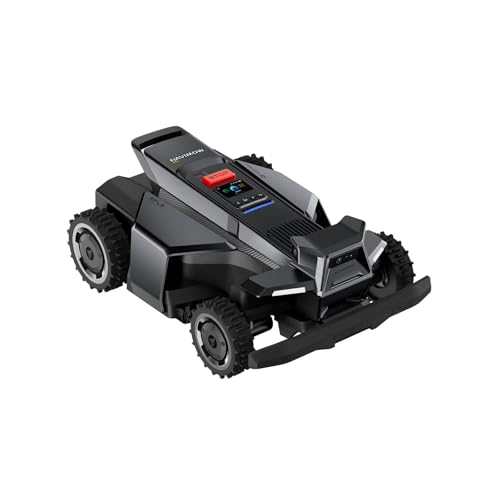
Navimow X430
- •Steepest 84% slope and a full acre per machine, plus a single-machine 0.75-4.0 in cut range, at $2,499
ECOVACS
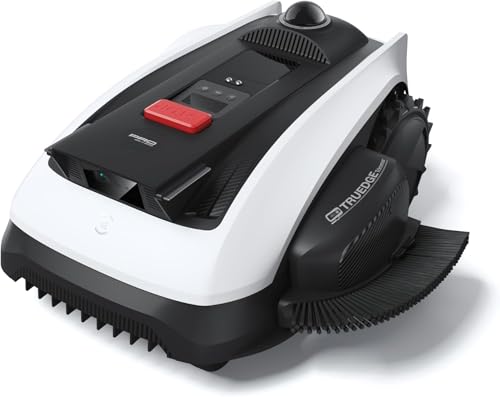
Goat O1000 LiDAR PRO
- •LiDAR navigation at $999.99 list buys canopy resilience without premium-tier pricing
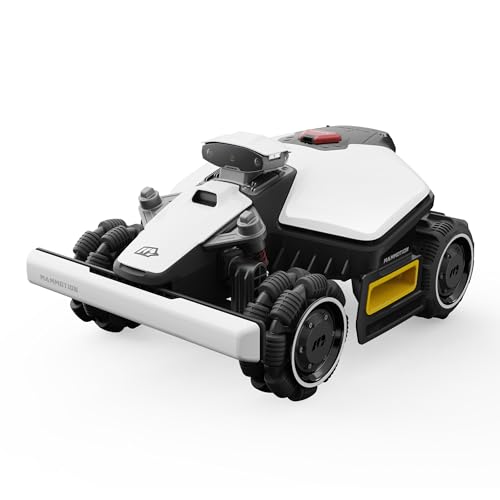
Mammotion
LUBA mini AWD 800H Robot Lawn Mower
- •80% AWD slope with canopy-immune NetRTK at $1,399, far under the X430
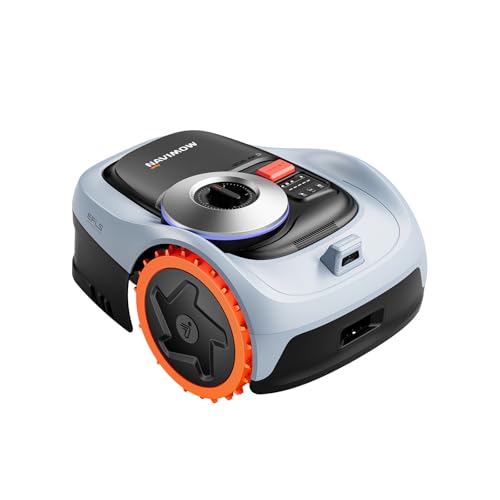
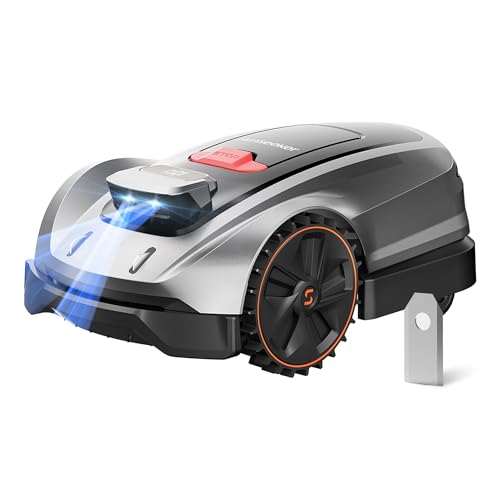
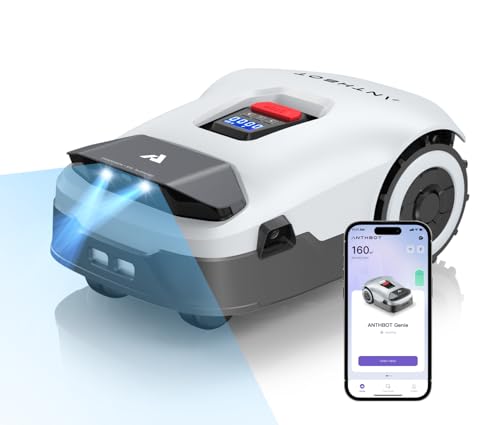
ANTHBOT
Genie 600
- •Cheapest credible wire-free pick at $699
- •RTK + 4-eye vision is plenty for open, flat yards
Mammotion
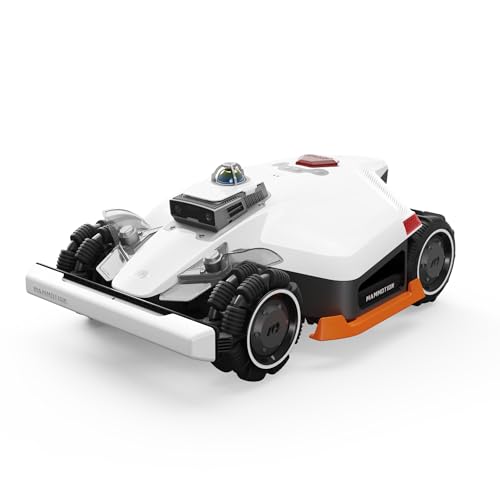
LUBA 3 AWD 1500 Robot Lawn Mower (0.37 Acre)
- •The only pick fusing 360° LiDAR, RTK, and dual-camera vision — three independent positioning systems
Head-to-Head: Resilience, Slope, Coverage, and the SHE Score
Outdoor
Chart
 Smarthomeexplorer.com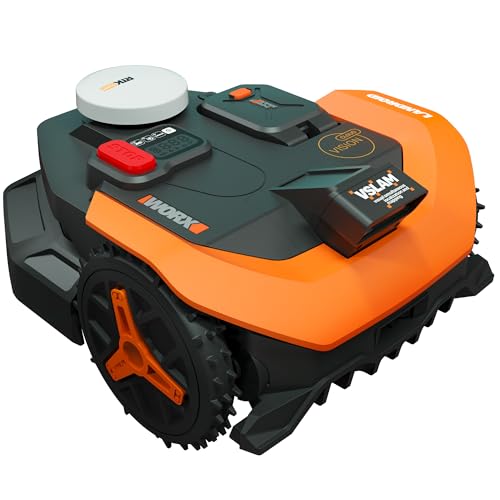
Traeger Ironwood 885
Check price
Emporia Pro EV Charger
Check price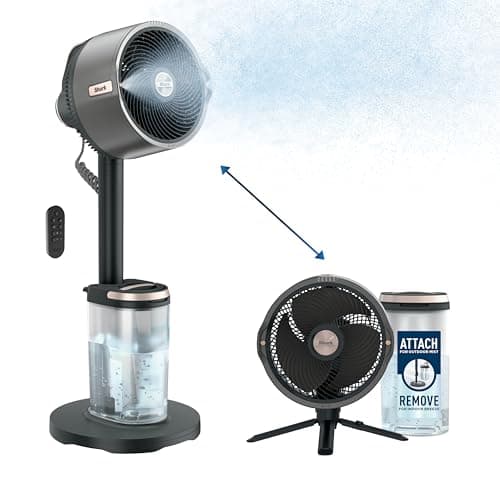
Shark FlexBreeze Pro Mist Fan FA302
Check price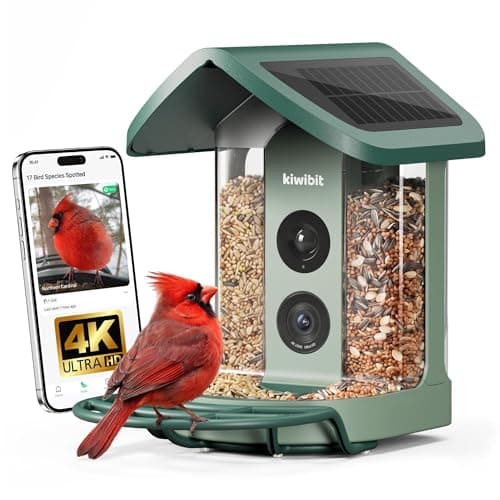
Kiwibit Bird Feeder 2 (4K AI Camera, Solar)
Check price
Will It Get Lost in My Yard?
You have already decided you want a wire-free mower, so you skip burying 200 ft of cable over 8 hours. The harder question decides whether you keep the machine or return it. It is whether the mower holds its line under your trees, on a steep slope, and around the dog. Wire-free is the dominant 2026 trend, but it splits into three navigation philosophies that fail differently, and the cheapest drifts first under canopy.
In this roundup we rank eight mowers on one weighted composite, the SHE Wire-Free Navigation Resilience Score. It replaces the broad value formula our Best Robot Lawn Mowers 2026: 6 Picks From $600 to $2,640 hub uses. The methodology weights six factors, and the dominant coefficient is weak-signal resilience, the failure mode buyers describe most. RTK delivers centimeter precision in open sky but degrades in GPS shadows; LiDAR fusion produces a map independent of satellites. CNET and Popular Mechanics flag tree cover as the line.
Best Overall: Segway Navimow X430
Segway Navimow X430
- Steepest slope rating in this roundup at 84% grade (40°)
- No LiDAR — under the densest tree canopy the LUBA 3 holds position better
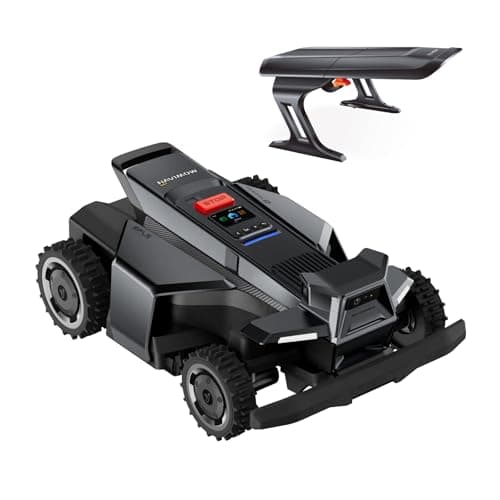
(Current price, subject to change)
The Segway Navimow X430 earns a composite of 8.2 on the SHE Wire-Free Navigation Resilience Score, the second-highest mark here. For your particular property that translates into the most slope and coverage headroom in the entire set. Tom's Guide rates the four-wheel drive to an 84% grade, and the machine covers considerably more lawn per charge with dual 180W motors and zero-turn maneuvering. CNET highlights the single-machine 0.75 to 4.0 cut range as a genuine advantage. You are never locked into one cutting tier at purchase the way you are with the LUBA 3.
Its NRTK plus 360° VIO vision dead-reckons accurately through satellite dropouts lasting several seconds. That produces reliable line-holding on open and gently shaded lawns, and base pairing adds approximately 20 min during initial setup. Where it yields ground to the Mammotion LUBA 3 AWD 1500 Robot Lawn Mower (0.37 Acre) is the absence of LiDAR. Underneath a dense canopy, its satellite-dependent navigation becomes the measurably weaker bet.
Compared to the ECOVACS Goat O1000 LiDAR PRO, the X430 trades canopy resilience for substantially more slope and coverage at a meaningfully higher price.
What We Love
- Steepest slope rating in this roundup at 84% grade (40°)
- Covers a full 1 acre per machine — the biggest footprint here
- Single-machine cut range of 0.75-4.0 in (no cut-height choice locked at purchase)
- 360° VIO vision dead-reckons through short satellite dropouts
What Could Be Better
- No LiDAR — under the densest tree canopy the LUBA 3 holds position better
- At $2,499 it is the priciest pick in this roundup
- NRTK base pairing adds 15-30 min of clear-sky setup the LiDAR picks skip
The Verdict
If you have a big, sloped, mostly-sunny property and coverage matters as much as resilience, the Segway Navimow X430 lines up with what you actually need. The 8.2 reflects the steepest 84% slope and a full acre per machine. The one caveat: no LiDAR, so for the most shaded corners the LUBA 3 is steadier.
Ready to upgrade your home?
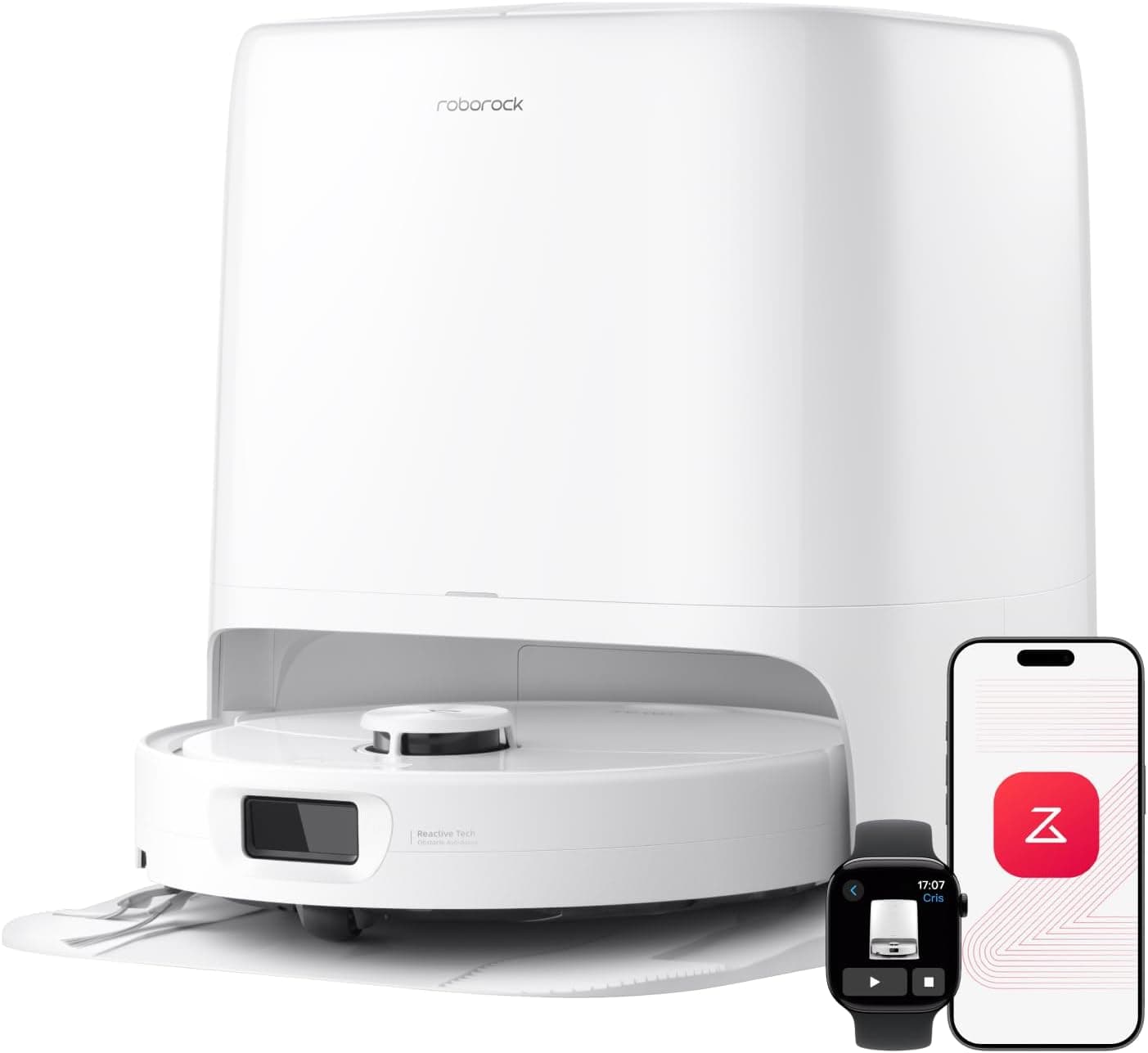
roborock Qrevo 2 Pro Robot Vacuum and Mop
See it on Amazon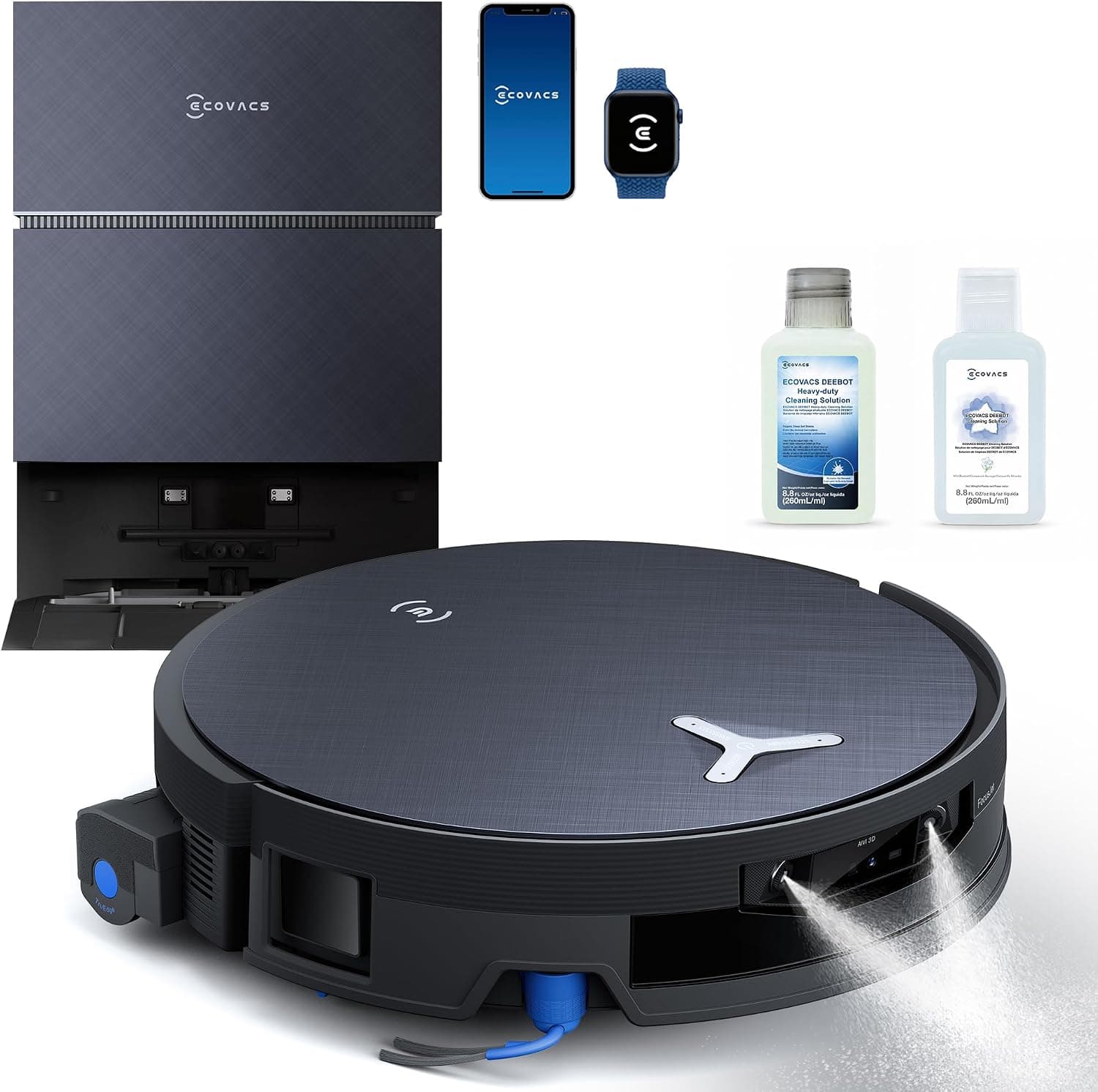
ECOVACS DEEBOT X12 PRO Omni Robot Vacuum and Mop
See it on Amazon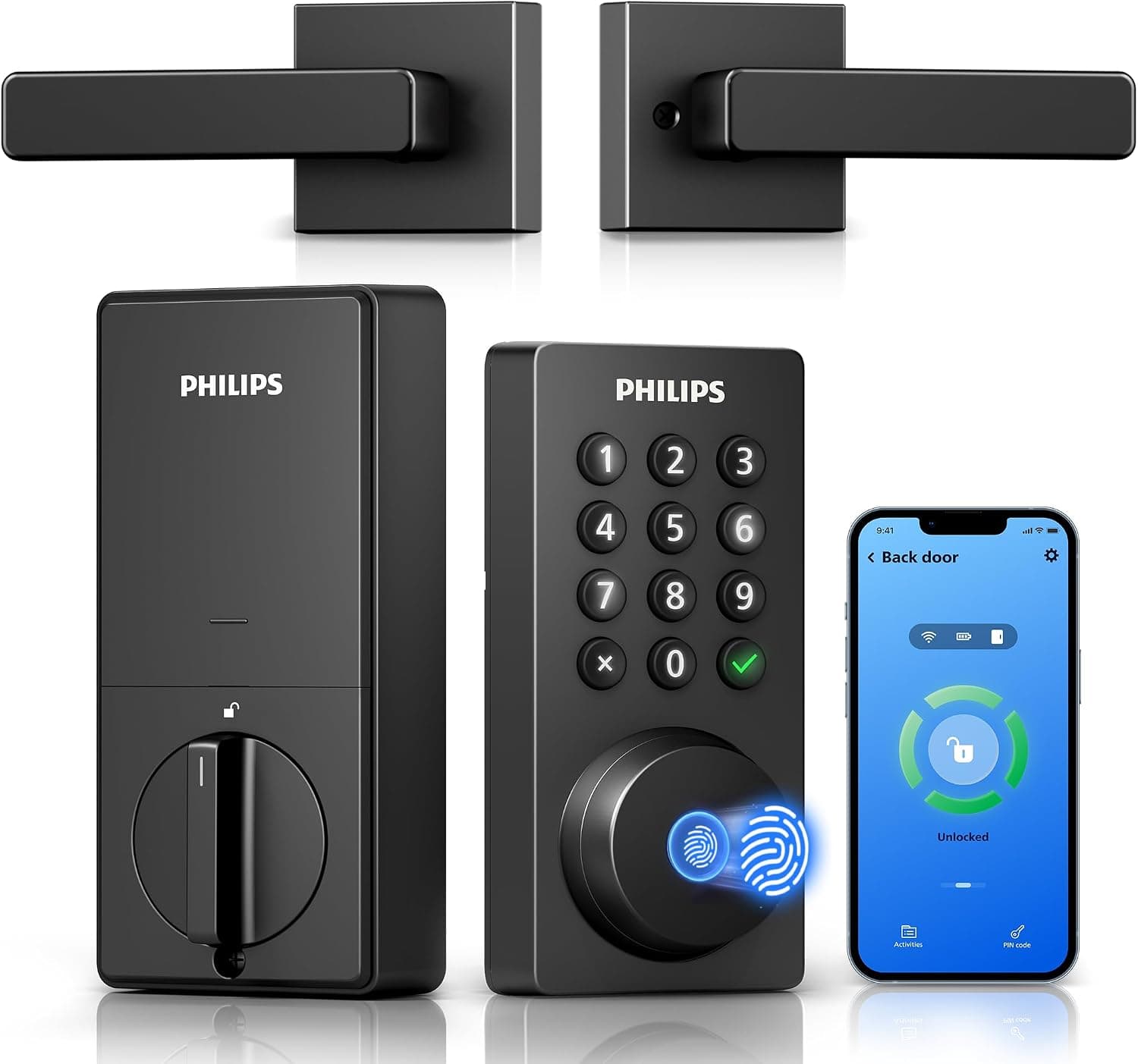
Philips Wi-Fi Keypad Deadbolt with Handle
See it on Amazon
Sponsored listings from Amazon’s Sponsored Products for Creators program, kept apart from our reviews and rankings. How we make money
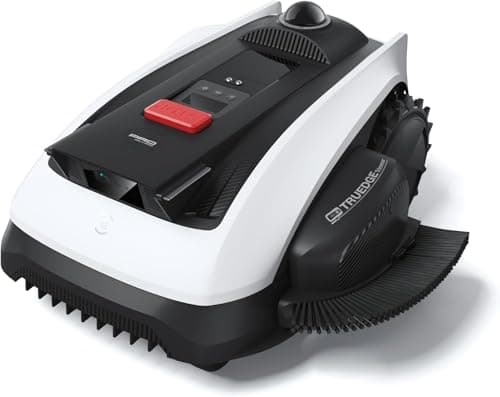
Best for Shaded Yards: ECOVACS Goat O1000 LiDAR PRO
ECOVACS Goat O1000 LiDAR PRO
- LiDAR navigation at $999.99 — canopy resilience well below LUBA 3 money
- Moderate-grade rating with no AWD claim — not a steep-hill mower
(Current price, subject to change)
The ECOVACS Goat O1000 LiDAR PRO earns a composite of 7.7 on the SHE Wire-Free Navigation Resilience Score, the third-highest mark and the standout value-resilience pick. For your yard that means the LiDAR maps a live model of the lawn independent of satellites. The dense shade that strands a pure-RTK mower does not strand this one, and Popular Science calls LiDAR the most robust option under heavy canopy. Consumer Reports notes the sub-hour wire-free install needs no clear-sky antenna placement. That enables a faster first setup than the antenna-RTK picks by roughly 20 min.
The catch is slope, because it carries only a moderate-grade rating with no all-wheel-drive claim. The formula scores it as the resilience pick for flatter shaded lots rather than real hills. First setup runs roughly 30 min, and the LiDAR map refreshes many times per second around moving obstacles.
Compared to the Mammotion LUBA mini AWD 800H Robot Lawn Mower, the Goat trades steep-slope traction for true LiDAR mapping. That delivers a better outcome under deep shade and a weaker one on a 40% incline.
What We Love
- LiDAR navigation at $999.99 — canopy resilience well below LUBA 3 money
- Maps without satellite antenna line-of-sight, so dense shade does not strand it
- AI obstacle avoidance plus smart edge mowing for tidy borders
- Sub-hour wire-free install with no clear-sky base placement
What Could Be Better
- Moderate-grade rating with no AWD claim — not a steep-hill mower
- 1/4-acre coverage suits small-to-mid lots, not large properties
- No RTK redundancy layer — LiDAR plus vision rather than a third positioning system
The Verdict
If your yard is tree-heavy but flat and you do not want to spend LUBA 3 money, the ECOVACS Goat O1000 LiDAR PRO is a sensible pick for that setup. The 7.7 reflects LiDAR resilience at $999.99 list — it maps your yard without leaning on satellites, so shade does not strand it. Just keep it off the steep stuff.
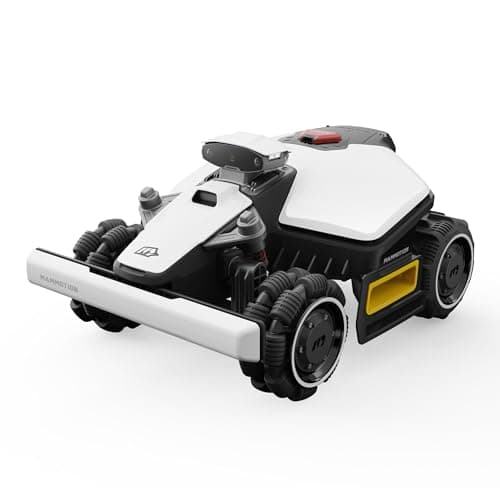
Best Steep-Slope Value: Mammotion LUBA mini AWD 800H Robot Lawn Mower
Mammotion LUBA mini AWD 800H Robot Lawn Mower
- AWD rated to 80% grade — steep-slope traction at $1,399
- 0.2-acre coverage is the smallest footprint in this roundup
(Current price, subject to change)
The Mammotion LUBA mini AWD 800H Robot Lawn Mower earns a composite of 7.6 on the SHE Wire-Free Navigation Resilience Score. For your yard that means hill traction without the X430's price. Popular Mechanics rates the all-wheel drive to an 80% grade, and its Free NetRTK runs over Wi-Fi or 4G. CNET notes that sidesteps the satellite blockage that overhanging trees cause. It also delivers the lightest setup here, since there is no antenna to aim at clear sky and pairing takes only a few min.
Where it yields ground is footprint and deep shade, because coverage tops out at the smallest area in this guide. With NetRTK plus vision but no LiDAR, the ECOVACS Goat O1000 LiDAR PRO holds steadier under the heaviest canopy by a noticeable factor.
Compared to the Segway Navimow X430, the mini delivers similar steep-slope confidence at roughly half the price, trading away coverage and that single-machine cut range.
What We Love
- AWD rated to 80% grade — steep-slope traction at $1,399
- Free NetRTK over Wi-Fi/4G is immune to canopy that blocks satellite-antenna RTK
- No satellite antenna to place — the lightest positioning-rig setup in this set
- AI vision handles obstacle detection alongside the NetRTK fix
What Could Be Better
- 0.2-acre coverage is the smallest footprint in this roundup
- NetRTK plus vision, no LiDAR — the Goat O1000 holds shade better
- Two positioning systems rather than the LUBA 3's three-way redundancy
The Verdict
If you have a steep, compact yard and the X430's price is too much, the Mammotion LUBA mini AWD 800H Robot Lawn Mower checks the boxes that matter for hills on a budget. The 7.6 reflects 80% AWD slope plus canopy-immune NetRTK at $1,399. Coverage is modest, so this is a small-but-steep-yard pick, not a big-lot one.
Check price for the Mammotion LUBA mini AWD 800H Robot Lawn Mower →
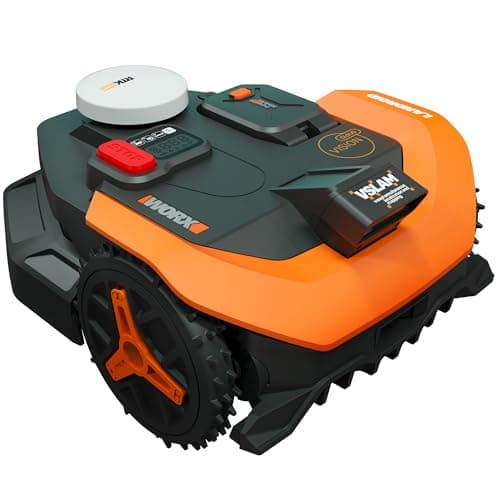
Largest Mid-Price Coverage: Worx Landroid Vision Cloud WR320
Worx Landroid Vision Cloud WR320
- Covers up to 1/2 acre — the largest footprint in the mid-price tier
- No LiDAR — the wrong buy for dense canopy or narrow corridors
(Current price, subject to change)
The Worx Landroid Vision Cloud WR320 earns a composite of 6.5 on the SHE Wire-Free Navigation Resilience Score. For your particular property that means the most coverage reach in the mid-price tier. It covers the largest area among the sub-premium picks, and its AI vision continuously classifies obstacles directly in the path. CNET notes vision-led systems identify whatever they see, distinguishing a flowerbed from a pet from a garden hose. The basic bump-and-turn approach simply cannot accomplish that.
The limitations are shade and slope, and the resilience formula scores both honestly. With RTK cloud plus vision but no LiDAR, it depends on the satellite positioning fix that a canopy degrades. Per Consumer Reports, its gentle-grade rating restricts it to level ground rather than a genuine incline, and cloud setup adds approximately 20 min.
Compared to the ECOVACS Goat O1000 LiDAR PRO, the Worx trades canopy resilience for more coverage. That yields the right outcome only when your large yard is open and flat.
What We Love
- Covers up to 1/2 acre — the largest footprint in the mid-price tier
- AI vision obstacle avoidance classifies what it sees in the path
- Auto mapping with no perimeter wire to bury
- RTK cloud navigation keeps the heavy lifting off the mower
What Could Be Better
- No LiDAR — the wrong buy for dense canopy or narrow corridors
- 30% slope rating rules it out for hills
- Cloud-dependent navigation versus on-device LiDAR mapping
The Verdict
If you have a large but gentle, mostly-open yard and want coverage over canopy resilience, the Worx Landroid Vision Cloud WR320 is a sensible pick for that setup. The 6.5 reflects 1/2-acre reach with vision-led obstacle AI. The honest gap: no LiDAR and a 30% slope cap, so keep it on flat, sunny ground.
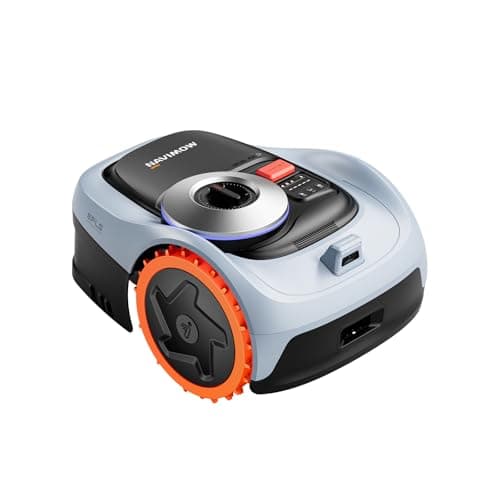
Best Budget AWD: Segway Navimow i206 AWD
Segway Navimow i206 AWD
- AWD traction rated to 45% slopes at a sub-$1,000 price
- 0.15-acre coverage is the smallest in this roundup
(Current price, subject to change)
The Segway Navimow i206 AWD earns a composite of 6.3 on the SHE Wire-Free Navigation Resilience Score. For your particular property that delivers budget all-wheel-drive traction. Tom's Guide positions its 45% slope rating below the 80% picks yet considerably ahead of the no-AWD value mowers. Its NRTK-plus-vision configuration is a genuine two-system positioning fix rather than RTK depending on a basic camera. That redundancy factor is precisely what elevates it above the bottom tier of the ranking.
The constraints are coverage and shade, and the resilience formula scores both accordingly. Coverage caps at the smallest area in this entire guide. Without LiDAR it degrades under heavy canopy the way the other satellite-dependent mowers do, and base pairing still requires approximately 20 min.
Compared to the Mammotion LUBA mini AWD 800H Robot Lawn Mower, the i206 is cheaper but tops out at a 45% slope versus the mini's 80%. That makes the mini the clear steeper-yard upgrade.
What We Love
- AWD traction rated to 45% slopes at a sub-$1,000 price
- NRTK plus vision is a two-system fix, not RTK leaning on basic vision
- Auto mapping with no wire to bury
- Compact footprint suits small, awkward sloped lawns
What Could Be Better
- 0.15-acre coverage is the smallest in this roundup
- No LiDAR — degrades under heavy canopy like the other satellite-led picks
- 45% slope trails the 80% AWD picks for the steepest yards
The Verdict
If you have a small, gently-sloped yard and want AWD under $1,000, the Segway Navimow i206 AWD checks the boxes that matter for that budget. The 6.3 reflects 45% AWD slope and a two-system NRTK-plus-vision fix. Coverage is tight at 0.15 acre, so this is for compact lots only.
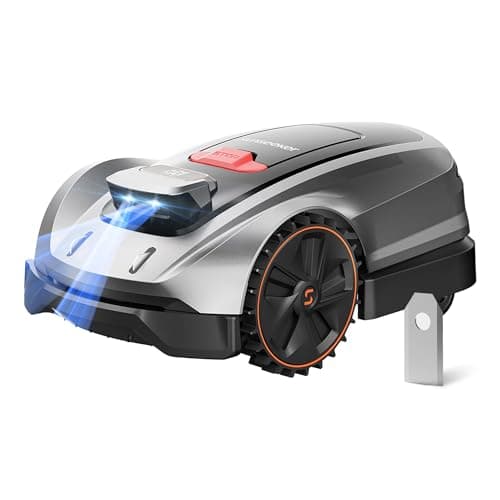
Best Vision-AI Obstacle Handling: Sunseeker X3 Plus
Sunseeker X3 Plus
- Vision AI obstacle avoidance classifies objects in the path
- No LiDAR — vision can struggle in low light versus a laser fix
(Current price, subject to change)
The Sunseeker X3 Plus earns a composite of 6.2 on the SHE Wire-Free Navigation Resilience Score. For your particular property that delivers vision-first obstacle handling. Its AllSense Vision AI identifies whatever it sees in the path, and the ride-on-edge cutting tidies borders that other mowers skip entirely. CNET notes vision is the only technology that actually labels objects rather than merely detecting them. That delivers cleaner navigation around delicate flowerbeds.
The limitations are illumination and slope, and the resilience formula weights both against it. As Consumer Reports observes, vision-only systems can struggle in low illumination compared to LiDAR. The moderate grade rating with no all-wheel drive keeps it well under the 80% grade the AWD picks claim, and base pairing still adds roughly 20 min to first setup.
Compared to the ECOVACS Goat O1000 LiDAR PRO, the Sunseeker matches the obstacle smarts but gives up the LiDAR fix that holds up in deep shade and dim light. That costs it on the weak-signal factor.
What We Love
- Vision AI obstacle avoidance classifies objects in the path
- Ride-on-edge cutting tidies borders other mowers leave
- Multi-zone mapping for split lawn areas
- 0.3-acre coverage sits comfortably mid-pack
What Could Be Better
- No LiDAR — vision can struggle in low light versus a laser fix
- Moderate slope rating, no AWD claim for real hills
- RTK plus vision is two systems, not the LUBA 3's three-way redundancy
The Verdict
If you want strong vision-AI obstacle handling on a mid-size, flatter yard, the Sunseeker X3 Plus is a sensible pick for that setup. The 6.2 reflects RTK plus AllSense vision and ride-on-edge cutting. With no LiDAR and only a moderate slope rating, keep it on even, well-lit ground.
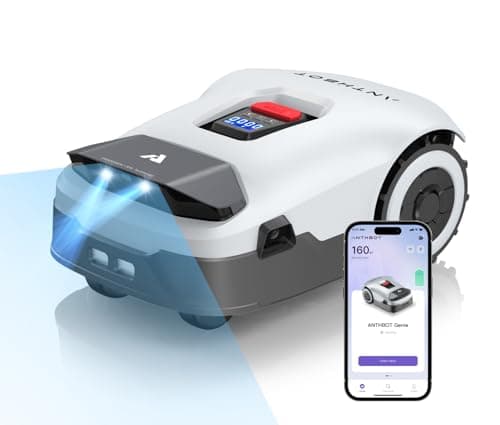
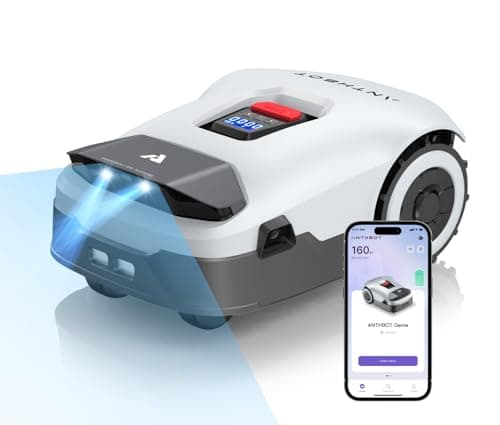
Best Value: ANTHBOT Genie 600
ANTHBOT Genie 600
- Cheapest credible wire-free pick at $699
- No LiDAR — the first to struggle under tree cover
(Current price, subject to change)
The ANTHBOT Genie 600 earns a composite of 5.3 on the SHE Wire-Free Navigation Resilience Score, the entry point in this guide. For your particular property that represents honest value. Its Full Band RTK plus 4-eye vision maintains a tidy line on an open, sunny lawn, and it delivers automatic mapping plus multi-zone management with no perimeter wire to bury. CNET frames pure-RTK picks as genuinely sufficient for clear-sky yards under approximately a 1/4 acre.
The ceiling is resilience, and the formula does not pretend otherwise. Without LiDAR it becomes the first to struggle once a canopy thins the positioning signal. Its moderate slope rating with no all-wheel drive restricts it to flat ground, and antenna pairing adds approximately 20 min initially.
Compared to the ECOVACS Goat O1000 LiDAR PRO, the Genie saves a meaningful sum but gives up the LiDAR that earns its keep the moment real shade enters the picture. That is why the Goat outscores it on the dominant factor.
What We Love
- Cheapest credible wire-free pick at $699
- Full Band RTK plus 4-eye vision covers an open yard well
- Auto mapping and multi-zone management with no wire to bury
- Obstacle avoidance handles the basics on a flat, clear lawn
What Could Be Better
- No LiDAR — the first to struggle under tree cover
- Moderate slope rating with no AWD claim
- RTK leaning on basic vision rather than a true two-system redundancy
The Verdict
If your yard is open, flat, and sunny, the ANTHBOT Genie 600 is the path of least friction — no need to overthink it. The 5.3 reflects RTK plus 4-eye vision, which is plenty without canopy or hills to fight. Spending up for LiDAR resilience here would be wasted money; save it for a yard that needs it.
Most Navigation Redundancy: Mammotion LUBA 3 AWD 1500 Robot Lawn Mower (0.37 Acre)
Mammotion LUBA 3 AWD 1500 Robot Lawn Mower (0.37 Acre)
- Only pick fusing three independent positioning systems — LiDAR, RTK, and dual-camera vision
- At $2,399 it remains a premium purchase, second only to the X430 in price
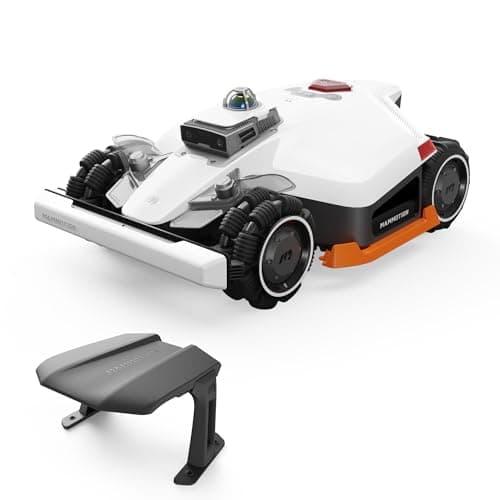
(Current price, subject to change)
The Mammotion LUBA 3 AWD 1500 Robot Lawn Mower (0.37 Acre) earns the top composite of 9.4 on the SHE Wire-Free Navigation Resilience Score. It is the only mower whose weak-signal resilience factor maxes out completely. What that composite number actually means for your particular property is concrete. Whenever the satellite positioning fix degrades under dense canopy, the 360° LiDAR continuously regenerates a live navigation map. The machine holds its line where a pure-RTK unit drifts. Its NetRTK communicates over Wi-Fi or 4G rather than a satellite antenna, which CNET notes is immune to overhanging trees and adjacent buildings.
No alternative pick integrates three independent positioning systems, and that redundancy is precisely what the resilience formula rewards. Popular Mechanics rates the all-wheel-drive traction to an 80% grade. That delivers confident footing on steep, irregular terrain that defeats the cheaper value tier. Installation runs approximately 30 min, and the LiDAR map regenerates several times per second, so a moving obstacle is continuously tracked rather than accidentally bumped.
Compared to the Segway Navimow X430, the X430 is rated to a steeper 84% and covers more lawn. Yet it carries no LiDAR, so under the heaviest canopy the LUBA 3 holds its line measurably better.
What We Love
- Only pick fusing three independent positioning systems — LiDAR, RTK, and dual-camera vision
- NetRTK over Wi-Fi/4G is immune to the canopy that blocks satellite-antenna RTK
- AWD rated to 80% grade (38.6°) handles steep, uneven terrain
- LiDAR maps a live 3D model so it navigates even when satellite signal fails under dense trees
What Could Be Better
- At $2,399 it remains a premium purchase, second only to the X430 in price
- Forces a Standard (1.0-2.7 in) vs High-Cut (2.2-4.0 in) choice at purchase — no single-machine range like the X430
- 0.37-acre coverage trails the Segway X430's full acre for the largest properties
The Verdict
If your yard has tree cover, slopes, or narrow corridors — the exact spots wire-free mowers get returned for — the Mammotion LUBA 3 AWD 1500 Robot Lawn Mower (0.37 Acre) fits the brief without compromise. The 9.4 means it holds position where pure-RTK gets lost. You pay for it, and no alternative pick here integrates three independent positioning systems.
Check price for the Mammotion LUBA 3 AWD 1500 Robot Lawn Mower (0.37 Acre) →
How We Score: SHE Wire-Free Navigation Resilience Score
SHE Wire-Free Navigation Resilience Score
Score Formula
(Weak-Signal Resilience × 0.30) + (Obstacle Avoidance × 0.20) + (Slope Capability × 0.15) + (Sensor Redundancy × 0.15) + (Setup Simplicity × 0.10) + (Coverage × 0.10)Score Factors
- Weak-Signal Resilience (30%)How well the mower holds position when satellite signal degrades under tree canopy, tall walls, or narrow corridors. Scored from the navigation stack: 360° LiDAR + RTK + vision fusion is the ceiling; Wi-Fi/4G NetRTK is immune to canopy; pure satellite-RTK trails. The category's defining failure mode, weighted highest.
- Obstacle Avoidance (20%)Detection and classification of objects in the path — pet versus flowerbed versus hose. LiDAR live-3D mapping fused with AI-vision labeling beats vision-only, which beats bump-and-turn. Derived from each mower's sensor suite plus aggregated reviewer reports.
- Slope Capability (15%)Linearly scaled from the manufacturer's stated max grade as a proxy for AWD/4WD traction: 84% grade tops the scale, 80% close behind, 45% mid, moderate/30% lower. Steepest in the set is the Segway X430 at 84% (40°).
- Sensor Redundancy (15%)Count of independent positioning and perception systems that fuse, since redundancy keeps the mower running when one signal weakens. Three fused systems (LiDAR + RTK + vision) score highest; two well-integrated systems mid; RTK leaning on basic vision lowest.
- Setup Simplicity (10%)Positioning-rig install burden. NetRTK over Wi-Fi/4G with no satellite antenna to aim scores highest; LiDAR mapping with no base station close behind; satellite-antenna RTK needing clear-sky placement and 15-30 min pairing trails. All picks are wire-free, so this isolates the rig, not the wire.
- Coverage (10%)Linearly scaled from the manufacturer's stated max lawn area to match the mower to yard size: 1 acre tops the scale, down through 1/2 acre, 0.37, 0.3, 1/4, 0.2, and 0.15 acre.
SHE Wire-Free Navigation Resilience Score — Ranked
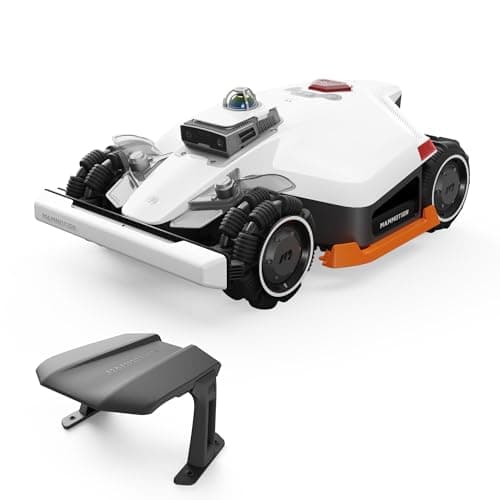
Mammotion LUBA 3 AWD 1500 Robot Lawn Mower (0.37 Acre)
SHE Wire-Free Navigation Resilience Score9.4/10$2,399 — only triple-fusion LiDAR + RTK + vision stack; top weak-signal resilience and redundancy
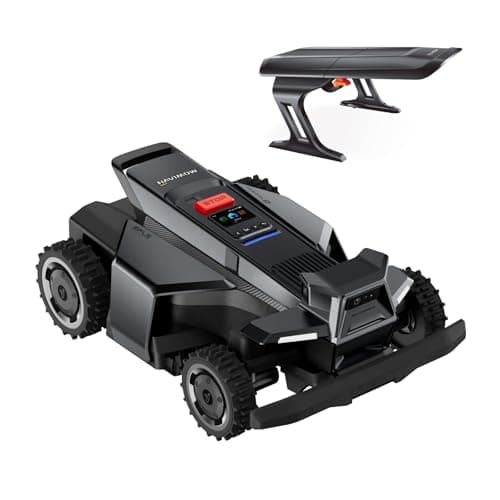
Segway Navimow X430
SHE Wire-Free Navigation Resilience Score8.2/10$2,499 — steepest 84% slope, full-acre coverage, single-machine 0.75-4.0 in cut range; no LiDAR
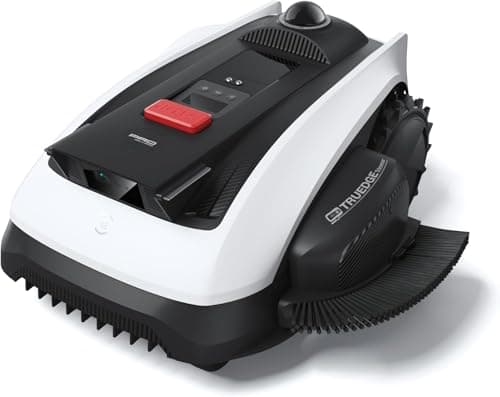
ECOVACS Goat O1000 LiDAR PRO
SHE Wire-Free Navigation Resilience Score7.7/10$999.99 — LiDAR canopy resilience at a sub-premium price; moderate slope, 1/4-acre coverage
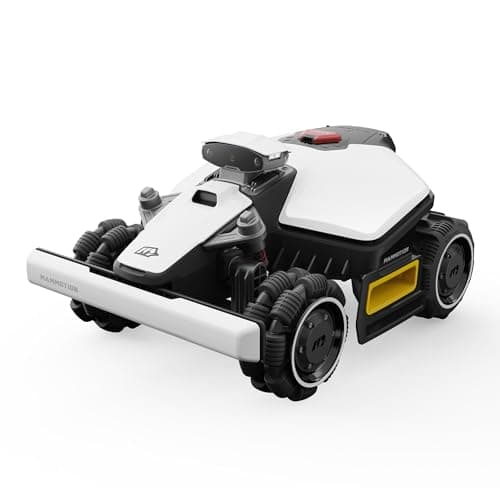
Mammotion LUBA mini AWD 800H Robot Lawn Mower
SHE Wire-Free Navigation Resilience Score7.6/10$1,399 — 80% AWD slope with canopy-immune NetRTK; smallest 0.2-acre footprint here
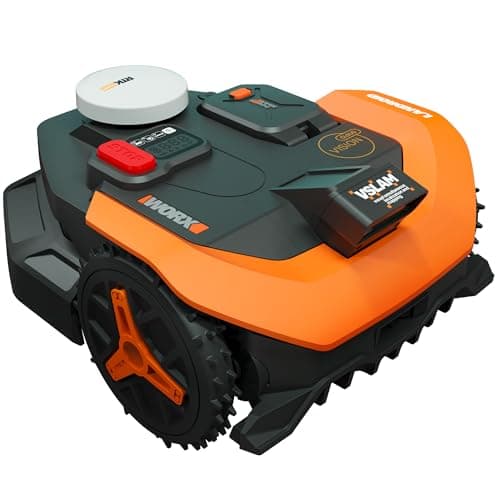
Worx Landroid Vision Cloud WR320
SHE Wire-Free Navigation Resilience Score6.5/10$1,099 — largest 1/2-acre mid-price coverage with vision AI; no LiDAR, 30% slope cap
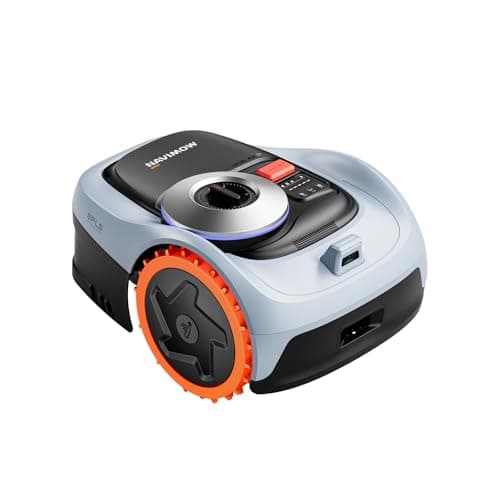
Segway Navimow i206 AWD
SHE Wire-Free Navigation Resilience Score6.3/10$999 — budget AWD to 45% slope, two-system NRTK + vision; smallest 0.15-acre coverage
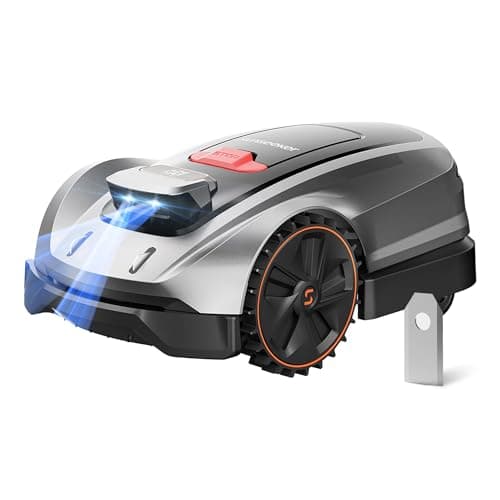
Sunseeker X3 Plus
SHE Wire-Free Navigation Resilience Score6.2/10$1,199 — vision-AI obstacle handling and ride-on-edge cutting; no LiDAR, moderate slope
ANTHBOT Genie 600
SHE Wire-Free Navigation Resilience Score5.3/10$699 — cheapest credible wire-free pick; RTK + 4-eye vision, enough for open, flat yards only
RTK vs LiDAR vs Vision: Which Navigation to Buy
The single most useful thing to understand before buying is that the three wire-free navigation philosophies fail in different places. Tree cover is where they separate. Pure NRTK calculates centimeter-level position from a corrected satellite signal, which is cheap and precise in the open. But it degrades in GPS shadows under canopy, beside tall walls, and in narrow corridors. The install advantage is real either way, since every pick here sets up in under an hour versus the 4 to 8 hours of burying 200 ft of cable. CNET and Tom's Guide both flag the same satellite-signal failure pattern. NRTK only knows where the mower is, not what is in front of it, so the formula treats it as one positioning factor paired with vision or LiDAR for obstacles.
RTK plus AI vision, the stack the Worx Landroid Vision Cloud WR320 and Sunseeker X3 Plus use, adds a camera and visual-inertial odometry. It dead-reckons through positioning dropouts lasting several seconds and continuously classifies whatever it sees. Vision is the only technology capable of distinguishing a pet from a flowerbed from a garden hose. That is precisely why Popular Mechanics rates vision-led obstacle handling above primitive bump-and-turn. The vulnerability, per Consumer Reports, is low illumination, where cameras struggle considerably but a laser does not. The Worx Landroid Vision tops out at a 30% slope and these antenna-RTK picks add 15-30 min of base pairing, so both stay on flatter, well-lit ground.
LiDAR plus RTK plus vision, the Mammotion LUBA 3 AWD 1500 Robot Lawn Mower (0.37 Acre)'s stack, adds a 360° laser that continuously builds a live 3D map of the yard. The mower navigates accurately even when the satellite positioning fix fails underneath a dense forest canopy. Popular Science calls LiDAR the most robust option for heavy tree cover. The antenna-RTK picks require a clear-sky base placement and roughly 15 to 30 min of pairing. The LiDAR and NetRTK picks eliminate that step and shave those mins off the initial setup. Bob Vila and Family Handyman coverage lands on the same weighting: match the navigation stack to your property. Open sunshine rewards RTK value, while shade, slopes, and corridors reward LiDAR fusion. This Old House makes the recommendation plainly. Buy the redundancy your property genuinely needs over a 5-yr ownership window, not the spec sheet's maximum.
| Product | RTK | LiDAR | AI Vision | AWD/4WD | Alexa | Google Home |
|---|---|---|---|---|---|---|
| Segway Navimow X430 | ✓ | ✕ | ✓ | ✓ | ✓ | ✓ |
| ECOVACS Goat O1000 LiDAR PRO | ✕ | ✓ | ✓ | ✕ | ✓ | ✓ |
| Mammotion LUBA mini AWD 800H Robot Lawn Mower | ✓ | ✕ | ✓ | ✓ | ✓ | ✓ |
| Worx Landroid Vision Cloud WR320 | ✓ | ✕ | ✓ | ✕ | ✓ | ✓ |
| ANTHBOT Genie 600 | ✓ | ✕ | ✓ | ✕ | ✓ | ✓ |
| Mammotion LUBA 3 AWD 1500 Robot Lawn Mower (0.37 Acre) | ✓ | ✓ | ✓ | ✓ | ✓ | ✓ |
When NOT to Buy
Wire-free is not automatically the correct decision. If your lawn is tiny and open, a sub-$700 wired or random-pattern mower from our Best Robot Lawn Mowers 2026: 6 Picks From $600 to $2,640 hub can cost considerably less and accomplish the job. And if your property combines dense canopy, steep slopes, and narrow corridors simultaneously, even the best LiDAR pick will experience difficult days. Set realistic expectations before you spend $2,500. Match the navigation stack to the property, and skip the resilience premium whenever an open, sunny lot does not genuinely require it.
Who Should Buy What
Who Should Buy What
| If you are… | Recommended pick |
|---|---|
Large, sloped properties You have up to an acre with real hills and want the steepest slope rating and widest cut range in one machine | Segway Navimow X430 |
Shaded but flat, mid-budget Your yard is tree-heavy but level and you want LiDAR canopy resilience without paying premium triple-fusion prices | ECOVACS Goat O1000 LiDAR PRO |
Steep, compact yards You have a small but hilly lawn and want AWD traction with canopy-immune NetRTK at a mid price | Mammotion LUBA mini AWD 800H Robot Lawn Mower |
Open, flat, sunny lawns Your yard has clear sky and few obstacles, so you want the lowest-cost credible wire-free pick without resilience you will not use | ANTHBOT Genie 600 |
Shaded, tree-heavy yards Your lawn sits under canopy or beside tall walls where satellite RTK drops out, and you need navigation that holds position anyway | Mammotion LUBA 3 AWD 1500 Robot Lawn Mower (0.37 Acre) |
Frequently Asked Questions
Will an RTK mower work under my trees, or does tree cover kill the signal?
Pure satellite-RTK mowers struggle in GPS shadows under heavy canopy, next to tall walls, and in narrow corridors. Two designs get around it: Wi-Fi/4G NetRTK (used by the Mammotion LUBA mini and LUBA 3) is immune to the canopy that blocks satellite-antenna RTK, and LiDAR (used by the LUBA 3 and ECOVACS Goat O1000) builds a live 3D map independent of satellites. For heavily shaded yards, those are the resilient choices over a pure-RTK pick.
RTK vs LiDAR vs vision — which navigation should I buy?
RTK gives centimeter position from satellites but degrades under cover and cannot see obstacles. AI vision adds a camera that classifies what it sees (pet, flowerbed, hose) but can struggle in low light. LiDAR adds a 360° laser that maps the yard independent of satellites and is the most robust under dense trees. The strongest mowers fuse all three; an open, sunny yard is fine with RTK plus basic vision.
What is the steepest slope a wire-free mower can handle?
In this roundup the Segway Navimow X430 is rated highest at 84% grade (40°) with 4WD. The Mammotion LUBA 3 and LUBA mini are both rated to 80% with AWD. Mid-range, the Segway i206 AWD handles 45%, and the Worx Landroid Vision is rated to 30%. Slope ratings are a proxy for traction, so AWD and 4WD picks are the ones to look at for hills.
Will a wire-free mower avoid my dog, hose, and flowerbeds?
It depends on the sensor suite. AI vision is the only technology that classifies objects — it can tell a pet from a flowerbed from a hose — while LiDAR detects obstacles instantly but does not label them. The most reliable avoidance comes from mowers that fuse both, like the Mammotion LUBA 3. Vision-led picks such as the Sunseeker X3 Plus and Worx Landroid Vision classify obstacles but lean on the camera in low light.
Do I still need to install anything, like a base station or antenna?
You skip the wire, but the positioning rig varies. Satellite-antenna RTK mowers (ANTHBOT Genie, Worx Landroid Vision) need a clear-sky base placement and about 15-30 minutes of pairing. NetRTK mowers (Mammotion LUBA mini and LUBA 3) run over Wi-Fi/4G with no antenna to aim. LiDAR mowers (ECOVACS Goat O1000) map with no base station. All install in under an hour versus 4-8 hours of burying cable.
Mammotion LUBA 3 vs Segway Navimow X430 — which is better?
The LUBA 3 is the more resilient pick: it fuses 360° LiDAR, RTK, and dual-camera vision, so it holds position under dense canopy where the X430's satellite-led navigation drifts. The X430 wins on slope (84% vs 80%), coverage (1 acre vs 0.37 acre), and cut versatility (a single-machine 0.75-4.0 in range vs the LUBA 3's standard-or-high-cut choice at purchase). Buy the LUBA 3 for shade, the X430 for big, sunny, sloped lots.
Is a cheaper RTK-only mower good enough, or do I need LiDAR?
For an open, flat, sunny yard with few obstacles, an RTK-plus-vision mower like the $699 ANTHBOT Genie 600 is plenty — the resilience headroom of LiDAR would be wasted spend. LiDAR earns its premium when your yard has tree cover, slopes, or narrow corridors, where satellite signal degrades. The ECOVACS Goat O1000 brings LiDAR to $999.99 if you want that resilience without paying triple-fusion prices.
Bottom Line
Get the Segway Navimow X430 if you have a large property up to an acre with hills and want the steepest slope and widest cut range.
Get the ECOVACS Goat O1000 LiDAR PRO if your yard is shaded but flat and you want LiDAR canopy resilience without premium pricing.
Get the Mammotion LUBA mini AWD 800H Robot Lawn Mower if you have a steep, compact yard and want AWD with canopy-immune NetRTK at a mid price.
Get the ANTHBOT Genie 600 if your yard is open, flat, and sunny and you want the lowest-cost credible wire-free pick.
Get the Mammotion LUBA 3 AWD 1500 Robot Lawn Mower (0.37 Acre) if your yard has tree cover, slopes, or corridors and you want the most resilient triple-fusion navigation available.
The right call for most wire-free buyers is the Segway Navimow X430 at $2,499 — an 84% grade rating, a full acre per machine, and the widest single-machine cut range here. For an open, sunny lawn, the ANTHBOT Genie 600 at $699 saves you the resilience premium you would not use. Skip a wire-free mower entirely if your lawn is tiny and open — a cheaper wired model from our hub does the job for less.
Sources & Methodology
Methodology: SHE Wire-Free Navigation Resilience Score — Formula: (Weak-Signal Resilience × 0.30) + (Obstacle Avoidance × 0.20) + (Slope Capability × 0.15) + (Sensor Redundancy × 0.15) + (Setup Simplicity × 0.10) + (Coverage × 0.10). Factors: Weak-Signal Resilience (30%): How well the mower holds position when satellite signal degrades under tree canopy, tall walls, or narrow corridors. Scored from the navigation stack: 360° LiDAR + RTK + vision fusion is the ceiling; Wi-Fi/4G NetRTK is immune to canopy; pure satellite-RTK trails. The category's defining failure mode, weighted highest. | Obstacle Avoidance (20%): Detection and classification of objects in the path — pet versus flowerbed versus hose. LiDAR live-3D mapping fused with AI-vision labeling beats vision-only, which beats bump-and-turn. Derived from each mower's sensor suite plus aggregated reviewer reports. | Slope Capability (15%): Linearly scaled from the manufacturer's stated max grade as a proxy for AWD/4WD traction: 84% grade tops the scale, 80% close behind, 45% mid, moderate/30% lower. Steepest in the set is the Segway X430 at 84% (40°). | Sensor Redundancy (15%): Count of independent positioning and perception systems that fuse, since redundancy keeps the mower running when one signal weakens. Three fused systems (LiDAR + RTK + vision) score highest; two well-integrated systems mid; RTK leaning on basic vision lowest. | Setup Simplicity (10%): Positioning-rig install burden. NetRTK over Wi-Fi/4G with no satellite antenna to aim scores highest; LiDAR mapping with no base station close behind; satellite-antenna RTK needing clear-sky placement and 15-30 min pairing trails. All picks are wire-free, so this isolates the rig, not the wire. | Coverage (10%): Linearly scaled from the manufacturer's stated max lawn area to match the mower to yard size: 1 acre tops the scale, down through 1/2 acre, 0.37, 0.3, 1/4, 0.2, and 0.15 acre.
Expert review sources used in this analysis:
- SmartHomeExplorer aggregates expert review data and manufacturer specifications to produce consensus-based buying guidance
- We do not perform first-party product testing
- Navigation-stack specs, slope ratings, coverage areas, and pricing are drawn from manufacturer documentation
- They are corroborated against robot-mower coverage from CNET, Tom's Guide, Popular Mechanics, Popular Science, Consumer Reports, Bob Vila, Family Handyman, and This Old House
- Amazon prices and availability were re-verified 2026-08-21 against the prices we check daily
- That check confirmed the Segway Navimow X430 in stock at $2,499 and the ANTHBOT Genie 600 at $699
- Other figures are manufacturer list prices from our consensus dataset
- The SHE Wire-Free Navigation Resilience Score weights weak-signal resilience, obstacle avoidance, slope, sensor redundancy, setup simplicity, and coverage from aggregated specs and reviewer reports
- No first-party measurements were conducted.
Nicholas Miles is the founder of SmartHomeExplorer and a longtime smart home enthusiast focused on helping everyday homeowners make better technology decisions. He researches, compares, and writes about products across security, climate, lighting, leak prevention, sensors, home energy, and automation, with an emphasis on real-world usefulness, ecosystem compatibility, reliability, privacy, and long-term value.
Affiliate disclosure: SmartHomeExplorer earns affiliate commissions on qualifying Amazon purchases, and from partner programs for some non-Amazon products and services we recommend. Our scoring methodology is independent of affiliate relationships.