

Best PTZ Auto-Tracking Security Cameras for 2026
Reolink Argus PT Ultra wins at $126.99 after a ~36% drop — a 355-degree pan, class-widest 140-degree tilt, wire-free 4K solar, and AI auto-tracking that needs no Ethernet run. Ctronics is the budget pick at $49.99.
This article contains affiliate links. We may earn a commission at no extra cost to you. Prices change frequently — check the current price on Amazon before buying. Learn more
The Short Answer
For a homeowner monitoring a driveway where stationary cameras capture only a blurry sliver, the Reolink Argus PT Ultra at $126.99 earns the highest 8.6 SHE Coverage Multiplier Score because its 355-degree pan and class-widest 140-degree tilt sweep a whole yard while wire-free 4K solar power keeps it running.
Featured in this Guide
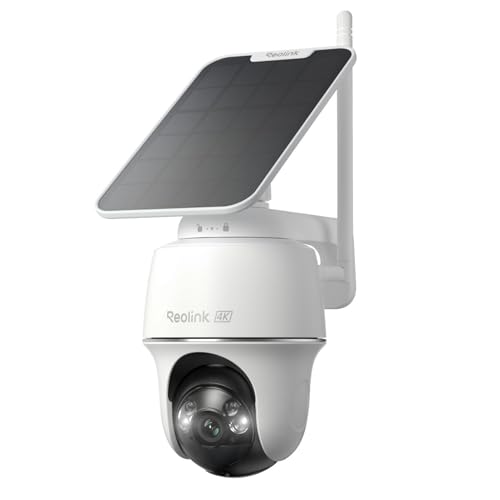
Reolink
Argus PT Ultra (4K Solar PTZ Auto-Tracking)
- •355-degree pan, group-widest 140-degree tilt, wire-free 4K solar, AI auto-tracking at $126.99
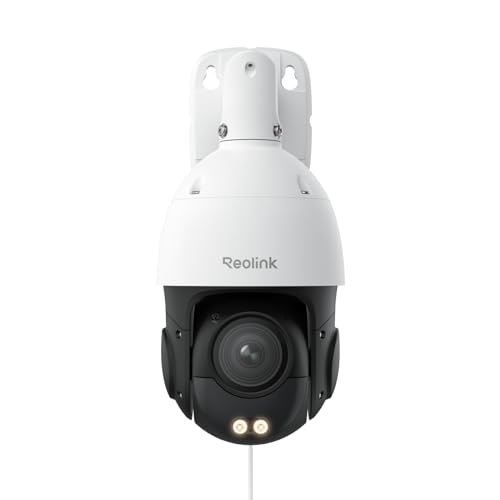
Reolink
RLC-823S2 (4K PoE PTZ, 16X Optical Zoom)
- •16X optical zoom and 24/7 PoE recording read a plate from a high mount at $369.99
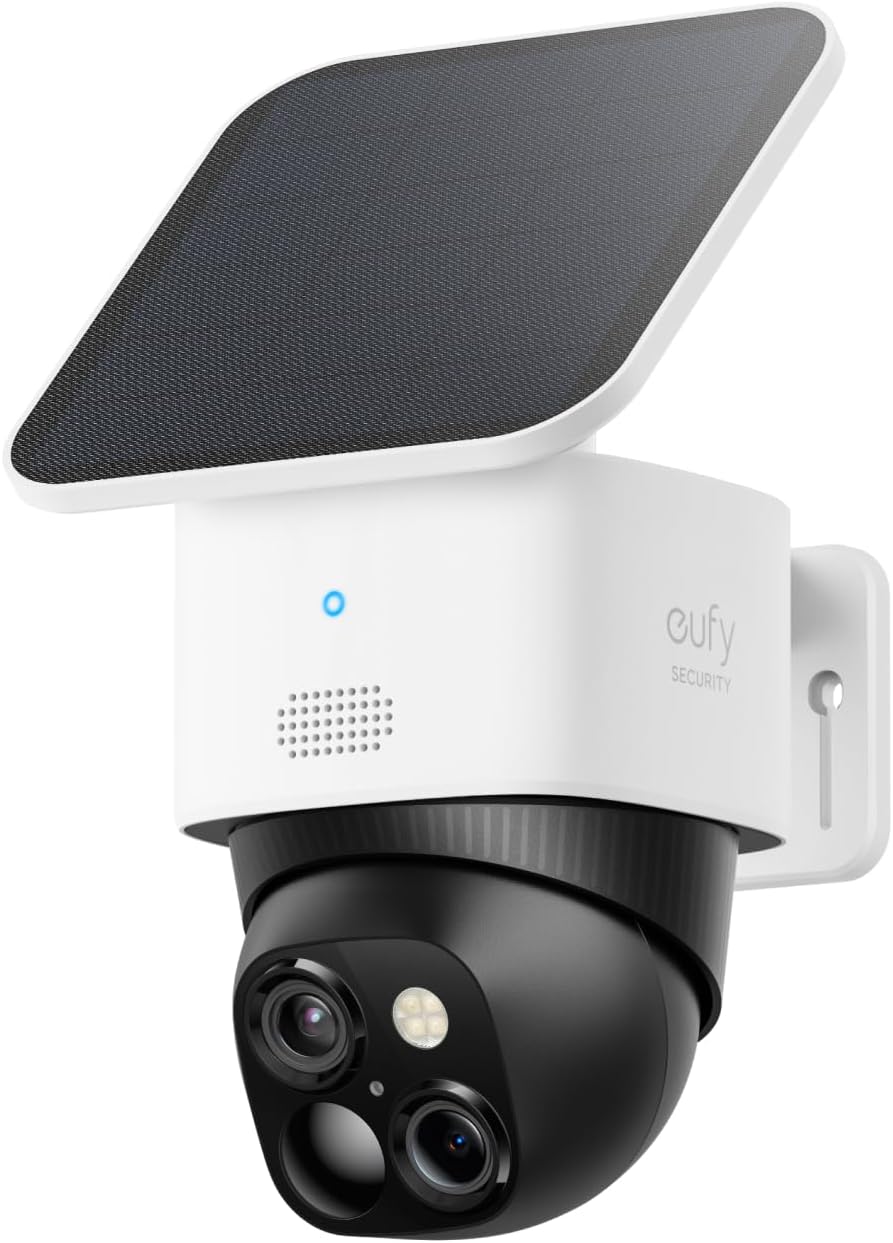
Eufy
SoloCam S340
- •3K wide plus 2K telephoto and 8x hybrid zoom in one wire-free solar cam at $199.99
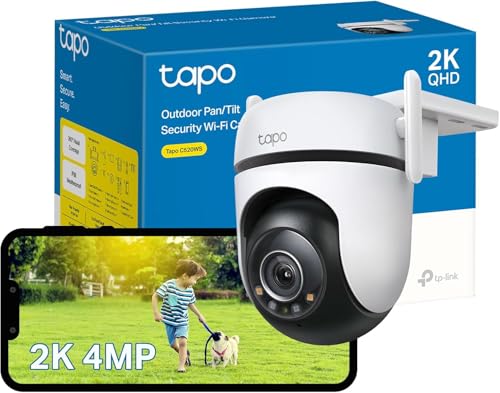
TP-Link
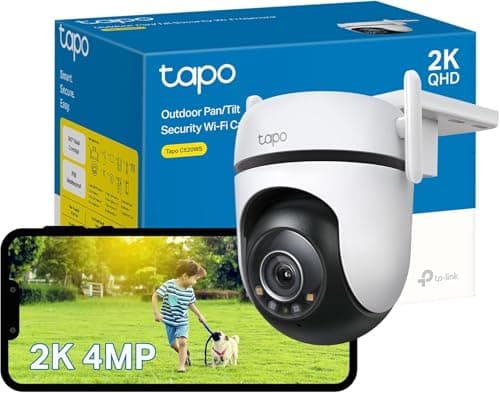
Tapo C520WS (2K Pan/Tilt Outdoor)
- •360-degree pan, 130-degree tilt, 2K, and tracking for $56.99 list — most coverage per dollar
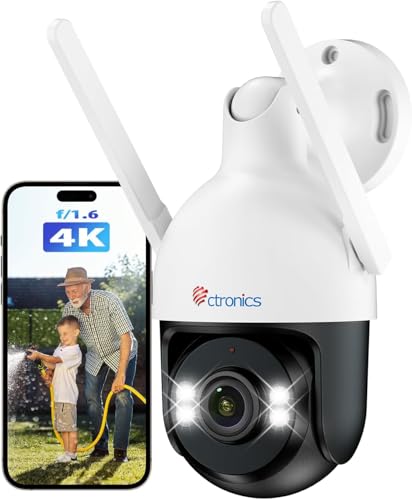
Ctronics
4K 8MP PTZ WiFi Camera (Auto-Tracking)
- •4K and 355-degree pan tracking at $49.99, the lowest sticker in this group
Head-to-Head: Sweep, Lock-On, Night Accuracy, and Zoom
Security
Chart
 Smarthomeexplorer.com
What Tips the Decision
A PTZ auto-tracker lives or dies on two numbers, not the marketing copy on the box, because in roundups from outlets like Security.org and SafeWise the differentiator is how much ground one moving lens watches against how fast the head locks onto a walking target. A fixed 110-degree cam catches 3 usable frames of a shoulder before the intruder leaves the frame, whereas a 355-degree pan paired with a 140-degree tilt follows them across the whole yard. This guide ranks on the SHE Coverage Multiplier Score, weighting sweep area, lock-on speed, and night false-trigger rate.
The Reolink Argus PT Ultra leads at $126.99 after a roughly 36% drop, undercutting the wired RLC-823S2 by over $240 while still shooting 4K at 8MP; the Ctronics 4K is the budget entry at $49.99. Because a wire-free solar cam needs just 20 mins of daily sun, it complements our Best Smart Outdoor Cameras 2026 for Yards and Driveways hub and Best PoE NVR Security Camera Systems 2026 roundup.
Best Overall: Reolink Argus PT Ultra (4K Solar PTZ Auto-Tracking)
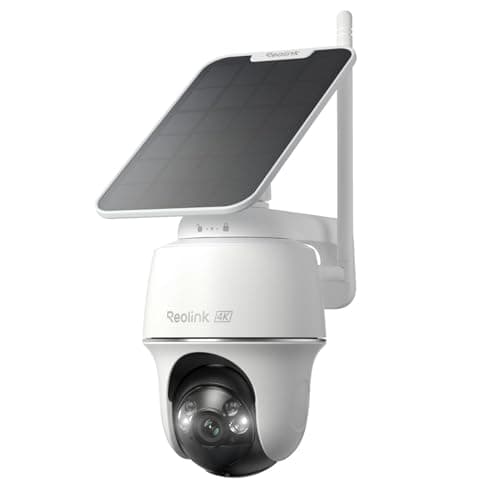
Reolink Argus PT Ultra (4K Solar PTZ Auto-Tracking)
- 355-degree pan plus the group-widest 140-degree tilt cover a whole driveway and the porch above it
- Battery pan/tilt motors lock on a hair slower than a wired high-speed dome
(Current price, subject to change)
The Reolink Argus PT Ultra (4K Solar PTZ Auto-Tracking) earns a composite 8.6 on the weighted SHE Coverage Multiplier Score, a normalized calculation identifying the single camera capable of continuously monitoring an entire yard powered exclusively by sunlight. That overall 8.6 rests on a category-leading 9.3 coverage-area sub-score, because the 355-degree pan combined with the group-widest 140-degree tilt surveys substantially more vertical territory than any competing unit, whereas the corresponding 8.1 lock-on coefficient reflects on-device intelligence recognizing people, vehicles, and pets. Priced at $126.99 following a roughly 36% reduction, it contributes wire-free 4K capture at 8MP requiring no Ethernet connection, with the 3W solar panel replenished on approximately 20 mins of daily sunlight.
Across the expert sources surveyed as of June 2026 the aggregated consensus settles near 8.6, and in PTZ roundups outlets like Security.org and SafeWise consistently characterize the Argus PT line as a genuine improvement, citing the useful auto-tracking and accurate person detection. The honest trade-off is endurance, since heavy motion days can deplete the rechargeable pack in as little as 7 days between charges, and the IP65 weatherproofing sits beneath the wired Reolink RLC-823S2 (4K PoE PTZ, 16X Optical Zoom), which never requires recharging yet operates over a cable.
What We Love
- 355-degree pan plus the group-widest 140-degree tilt cover a whole driveway and the porch above it
- Wire-free 4K at 8MP on battery or solar, with just 20 mins of daily sun keeping the 3W panel topped up
- At $126.99 after a ~36% drop it undercuts the wired RLC-823S2 by over $240 while still shooting 4K
- On-device person, vehicle, and pet detection with microSD up to 512 GB and no subscription fee
What Could Be Better
- Battery pan/tilt motors lock on a hair slower than a wired high-speed dome
- IP65 weather rating is a notch below the IP66 wired models
- No continuous 24/7 recording the way a PoE camera offers
The Verdict
For the homeowner who wants the widest sweep with no wiring, the Reolink Argus PT Ultra (4K Solar PTZ Auto-Tracking) fits the brief without compromise at $126.99. The 8.6 means a 355-degree pan, a class-widest 140-degree tilt, and wire-free 4K solar power that mounts anywhere. The wired RLC-823S2 reads finer detail at distance, but you'd run an Ethernet drop and pay over $240 more for it.
Check price for the Reolink Argus PT Ultra (4K Solar PTZ Auto-Tracking) →
Ready to upgrade your home?
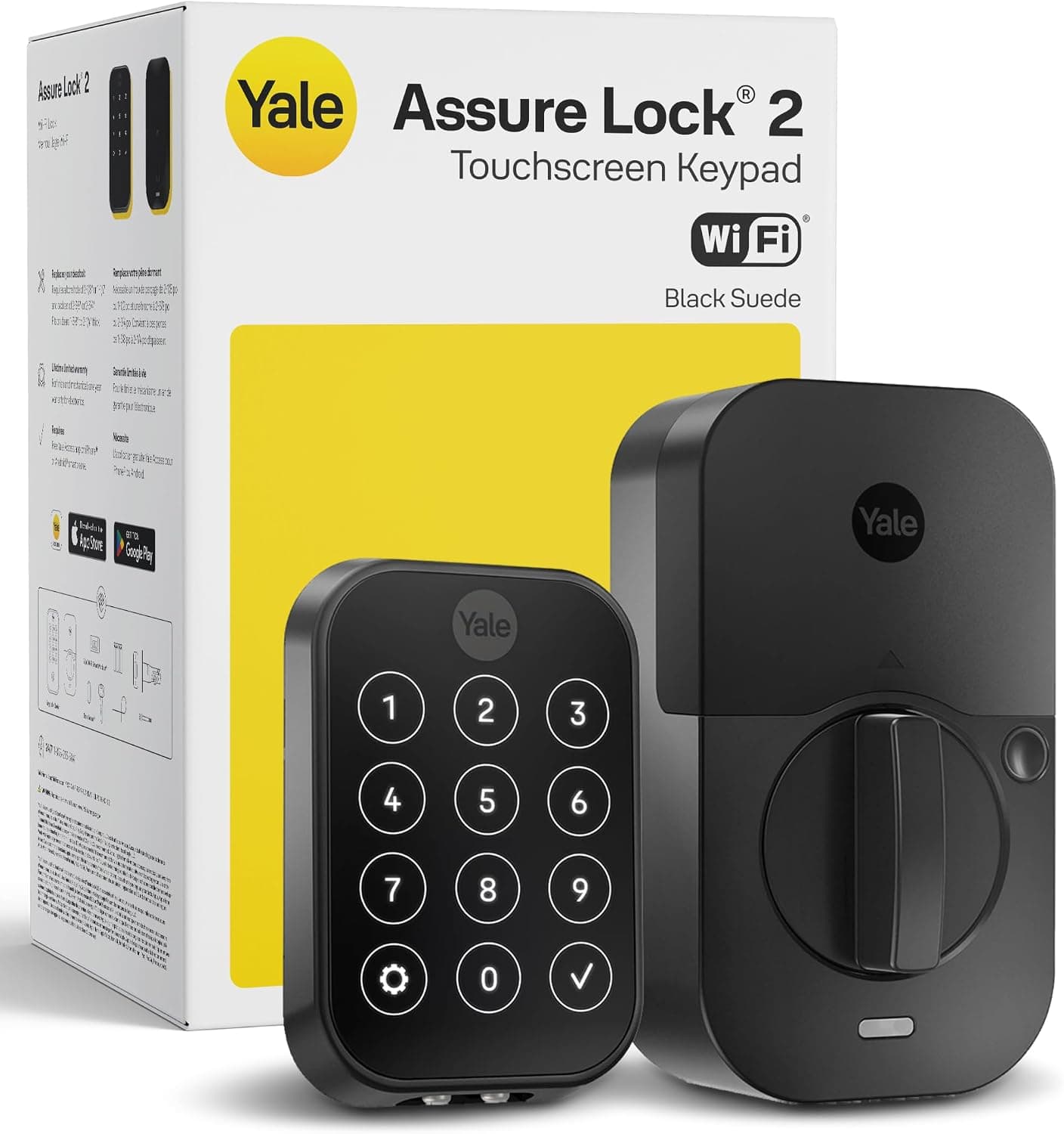
Yale Assure Lock 2 Wi-Fi Smart Lock with Keypad
See it on Amazon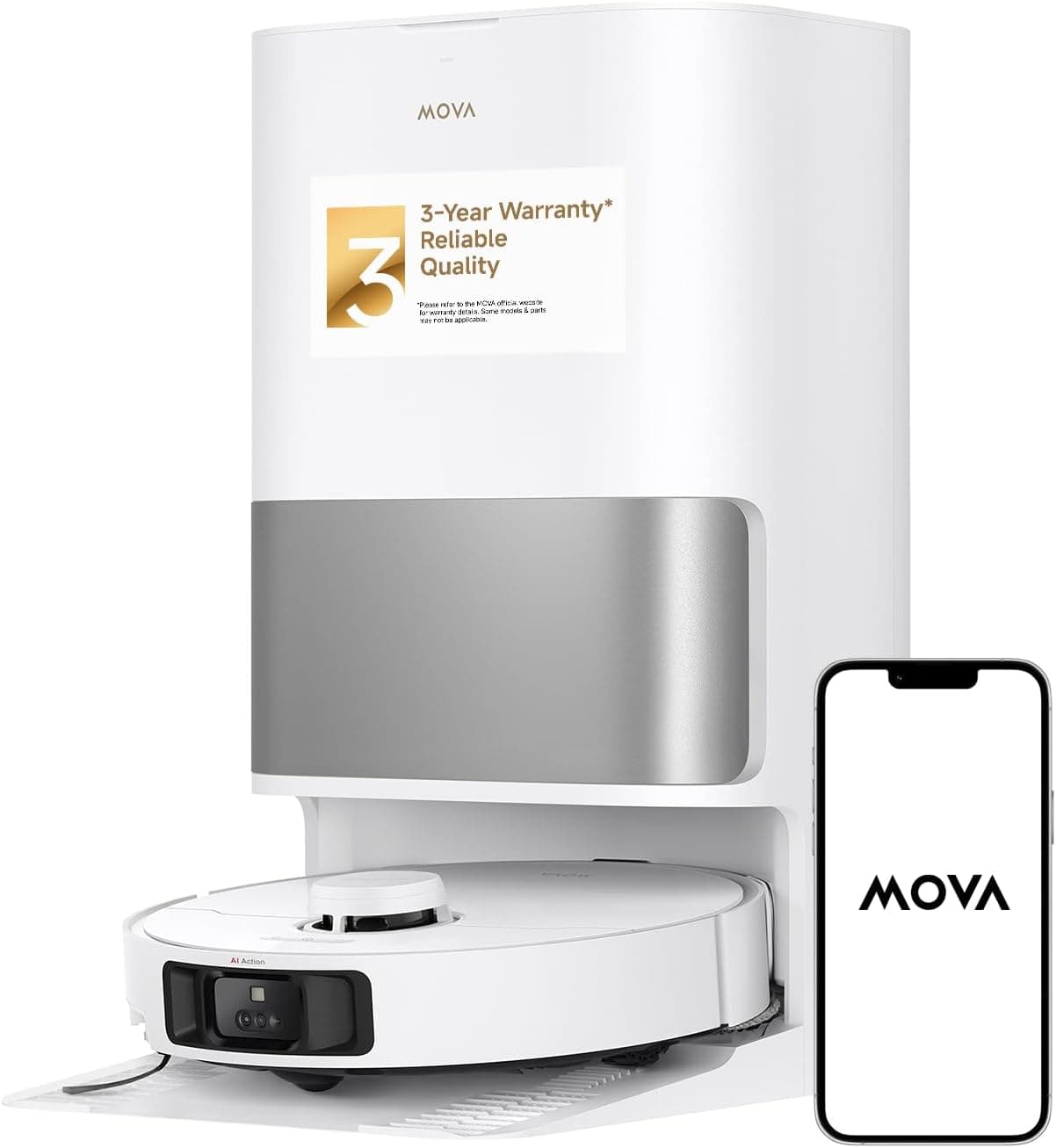
MOVA P10 Pro Ultra Robot Vacuum and Mop
See it on Amazon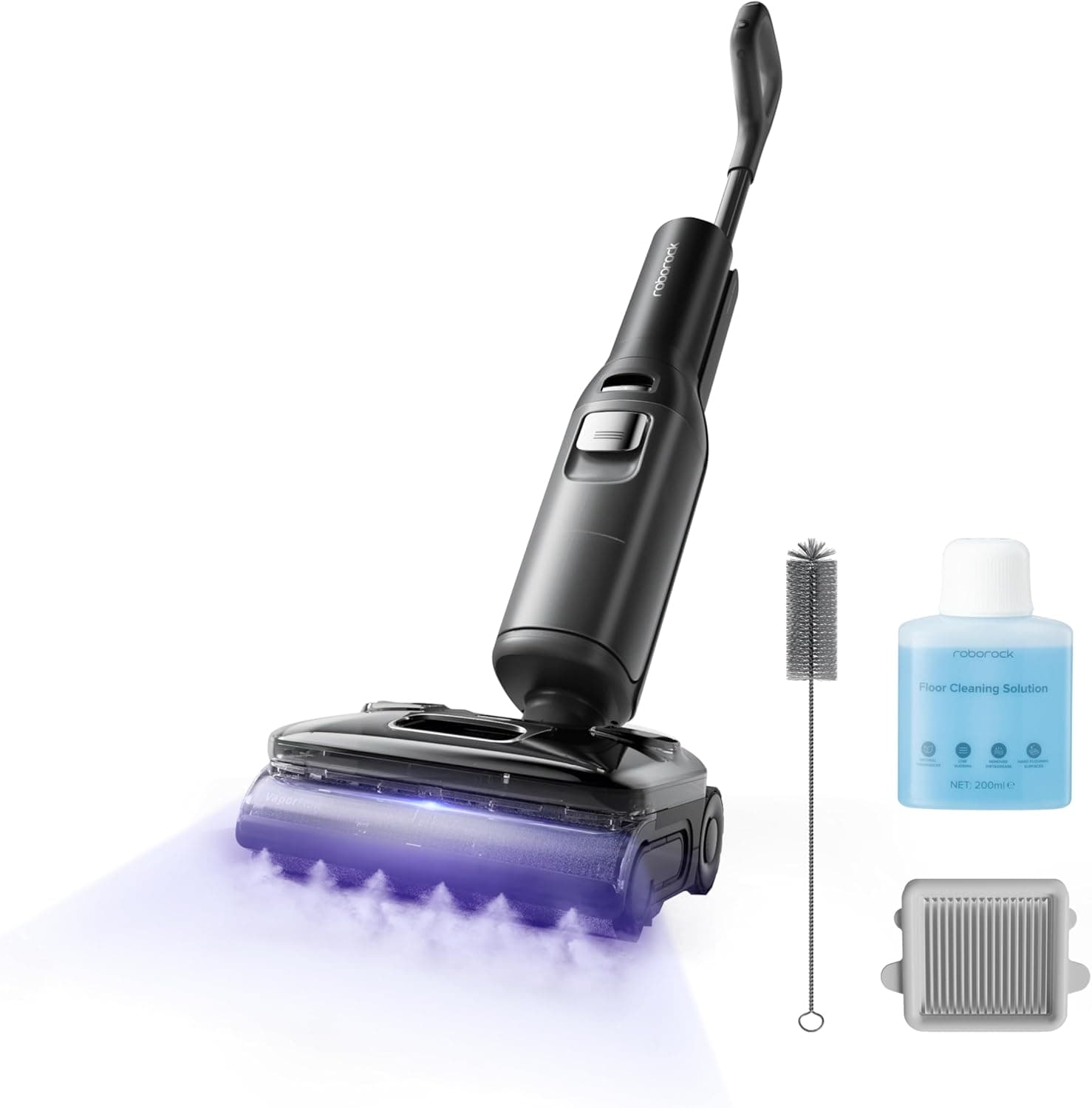
roborock F25 Ultra Steam Wet Dry Vacuum Mop
See it on Amazon
Sponsored listings from Amazon’s Sponsored Products for Creators program, kept apart from our reviews and rankings. How we make money
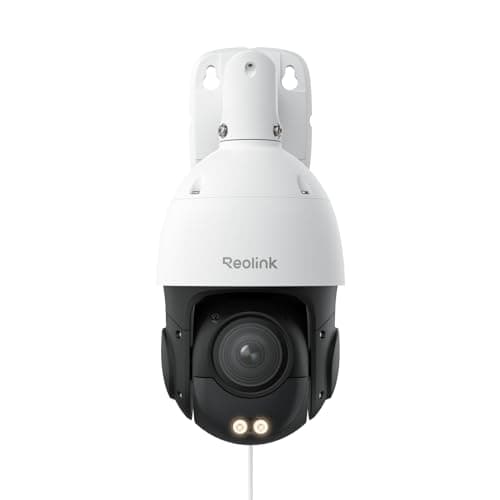
Best Long-Range Detail: Reolink RLC-823S2 (4K PoE PTZ, 16X Optical Zoom)
Reolink RLC-823S2 (4K PoE PTZ, 16X Optical Zoom)
- 16X optical zoom plus 3D zoom reads a face or plate from a second-story mount, the longest reach here
- Auto-track slew tops out near 90 degrees per second and can lag a fast walker mid-frame
(Current price, subject to change)
The Reolink RLC-823S2 (4K PoE PTZ, 16X Optical Zoom) earns a composite 8.4 on the weighted SHE Coverage Multiplier Score, a normalized calculation distinctly identifying the long-range detail leader rather than the widest-sweeping unit. That overall 8.4 pairs an 8.5 coverage-area sub-score with a category-best 9.8 zoom-detail coefficient, because the 16X optical zoom mounted on the 5.3-86mm motorized lens resolves fine identifying detail from distance that no competing unit approaches, whereas Power-over-Ethernet delivers continuous 4K at 8MP at 25 fps across one cable for genuine round-the-clock recording. Positioned at $369.99, it contributes 2 x 4W spotlights alongside infrared illumination reaching up to 260 ft for usable color footage after dark.
In PTZ roundups, outlets like Security.org and The Ambient consistently rate the 823 series among the most capable do-it-yourself tracking cameras for sustained long-range coverage, while flagging that the auto-tracking reacts considerably slower than the published specification implies. The honest cost is reaction speed, since the slew tops out near 90 degrees per second, substantially below an older dome's 281 degrees per second, so the lock-on occasionally misses a fast walker. Relative to the Reolink Argus PT Ultra (4K Solar PTZ Auto-Tracking), the wired dome deliberately sacrifices placement freedom for superior detail reach and runs at roughly 3x the comparable price.
What We Love
- 16X optical zoom plus 3D zoom reads a face or plate from a second-story mount, the longest reach here
- PoE carries power and 4K at 8MP over one cable for true 24/7 recording with no battery to recharge
- 2 x 4W 4000K spotlights add full-color night vision on top of infrared reaching up to 260 ft
- On-device person, vehicle, and animal detection auto-follows across 360-degree pan and 90-degree tilt
What Could Be Better
- Auto-track slew tops out near 90 degrees per second and can lag a fast walker mid-frame
- At $369.99 it is roughly 3x the price of the Argus PT Ultra
- PoE wiring means running an Ethernet drop rather than placing it anywhere
The Verdict
If reading a plate from a high mount is the priority, the Reolink RLC-823S2 (4K PoE PTZ, 16X Optical Zoom) checks the boxes that matter for that long-range goal at $369.99. The 8.4 reflects a 16X optical zoom, true 24/7 PoE recording, and full-color spotlight night vision. The tracking motors slew slower than a high-speed dome, but for the buyer who wants detail reach over placement freedom, that is the trade.
Check price for the Reolink RLC-823S2 (4K PoE PTZ, 16X Optical Zoom) →
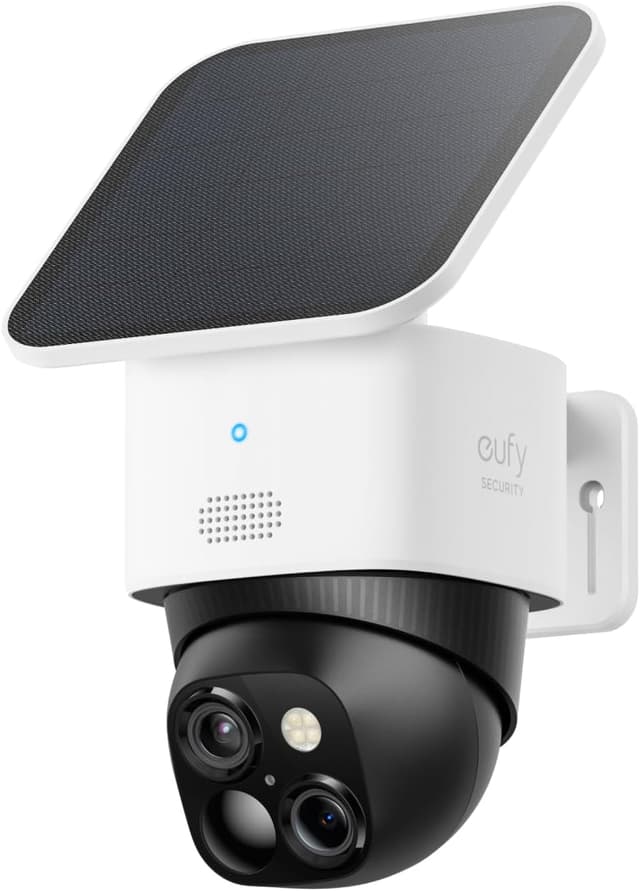
Best Dual-Lens: Eufy SoloCam S340
Eufy SoloCam S340
- Dual lens pairs a 3K wide context shot with a 2K telephoto detail shot, plus 8x hybrid zoom
- The motion-alert system swings between spamming false alerts and missing real events
(Current price, subject to change)
The Eufy SoloCam S340 earns a composite 8.3 on the weighted SHE Coverage Multiplier Score, and here the honest divergence deserves naming, because its 8.5 cross-outlet consensus actually edges the RLC-823S2's corresponding 8.4, yet it ranks third since the multiplier deliberately weights coverage area at 35% and lock-on speed at 25%, dimensions where the Reolink's 16X optics and wired tracking pull ahead. That overall 8.3 pairs an 8.6 coverage-area sub-score with an 8.4 zoom-detail coefficient, because the dual-lens architecture simultaneously delivers a 3K wide context shot alongside a 2K telephoto detail shot, supplemented by 8x hybrid zoom keeping a recognizable face sharp during tracking.
In PTZ roundups, outlets like PCWorld and TechHive consistently praise the twin-lens approach for rendering small details substantially easier to discern than a single wide-angle view permits, whereas TrustedReviews flags the motion-alert system as inconsistent in everyday operation. The genuine weak point remains that motion logic, which oscillates unpredictably between spamming false alerts and missing legitimate events, undermining auto-track consistency, and the limited 70-degree tilt aims forward-to-down with minimal room to look upward. Relative to the Reolink Argus PT Ultra (4K Solar PTZ Auto-Tracking), the eufy deliberately surrenders a measure of coverage sweep for a second dedicated telephoto lens.
What We Love
- Dual lens pairs a 3K wide context shot with a 2K telephoto detail shot, plus 8x hybrid zoom
- 360-degree pan and 70-degree tilt follow a target, and the 2.2W solar panel held the battery at 100% for weeks
- 8 GB of built-in local storage records clips with no monthly fee, plus up to 3 months of battery reserve
- On-device person detection, color night vision, two-way talk, and Alexa and Google Assistant support
What Could Be Better
- The motion-alert system swings between spamming false alerts and missing real events
- 70 degrees of tilt aims forward-to-down with little room to look up
- It must mount high or risk clipping people's heads out of frame
The Verdict
If you want wide context and zoomed-in detail in one wire-free cam, the Eufy SoloCam S340 lines up with what you actually need at $199.99. The 8.5 cross-outlet consensus is the highest among our mid-rankers, yet it lands at #3 because the SHE Coverage Multiplier rewards the Reolink's optics. For the buyer who wants two lenses over raw zoom reach, that is a fair trade.
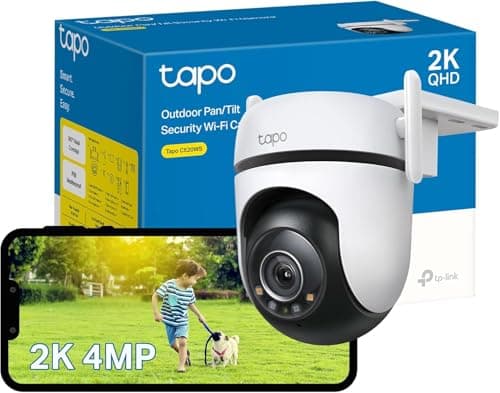
Best Value: TP-Link Tapo C520WS (2K Pan/Tilt Outdoor)
TP-Link Tapo C520WS (2K Pan/Tilt Outdoor)
- 360-degree pan and 130-degree tilt with motion tracking for roughly $57, the best coverage per dollar here
- Auto-tracking is slow to respond and prone to jumping between objects rather than holding a lock
(Current price, subject to change)
The TP-Link Tapo C520WS (2K Pan/Tilt Outdoor) earns a composite 7.9 on the weighted SHE Coverage Multiplier Score, a normalized calculation characterizing the coverage-per-dollar value selection rather than the tracking leader. That overall 7.9 rests on a strong 9.0 coverage-area sub-score weighed against a modest 7.2 lock-on coefficient, because the 360-degree pan and 130-degree tilt cover a typical yard for $56.99 while the tracking motor demonstrably reacts slowly. The 2K QHD sensor packs approximately 1.7x more resolution than 1080p, supplemented by Starlight color night vision and dual spotlights, with dual antennas holding Wi-Fi up to 492 ft and free detection requiring no fee.
In PTZ roundups, outlets like The Ambient and SafeWise consistently characterize the value Tapo line as the budget selection that nevertheless delivers usable outdoor coverage and color night vision for modest money. The honest catch is the tracking, since testers found it slow to respond and prone to jumping between objects rather than holding the original target, and round-the-clock cloud recording requires a paid Tapo Care plan after the free trial. To be unambiguous, this is a 2K camera at 4MP resolution, definitively not a 4K unit. Relative to the Ctronics 4K 8MP PTZ WiFi Camera (Auto-Tracking), the Tapo exchanges raw resolution for a far more polished application.
What We Love
- 360-degree pan and 130-degree tilt with motion tracking for roughly $57, the best coverage per dollar here
- 2K QHD packs about 1.7x more pixels than 1080p, with Starlight color night vision and dual spotlights
- Free on-device person, pet, and vehicle detection plus tamper and line-crossing alerts, no subscription
- Dual antennas hold Wi-Fi up to 492 ft in open areas and setup runs about 5 mins from box to live view
What Could Be Better
- Auto-tracking is slow to respond and prone to jumping between objects rather than holding a lock
- 2K tops out below the 4K rivals for long-range detail
- 24/7 cloud recording needs a paid Tapo Care plan after the free trial
The Verdict
If pan, tilt, and tracking for around $57 is the goal, the TP-Link Tapo C520WS (2K Pan/Tilt Outdoor) is a sensible pick for that setup at $56.99. The 7.9 reflects a 360-degree pan, a 130-degree tilt, and free on-device detection that undercuts every rival here. Auto-tracking is the weak link and the 2K sensor trails the 4K picks, but for a single entry point on a budget, that is the trade.
Check price for the TP-Link Tapo C520WS (2K Pan/Tilt Outdoor) →
Best Budget: Ctronics 4K 8MP PTZ WiFi Camera (Auto-Tracking)
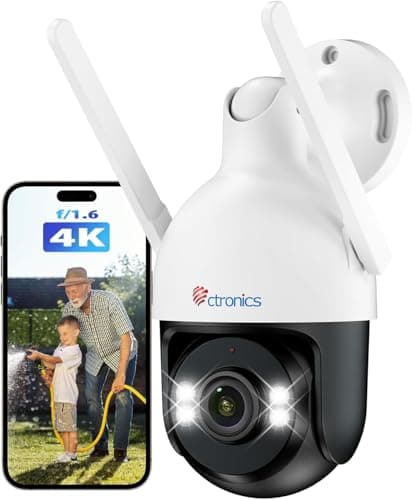
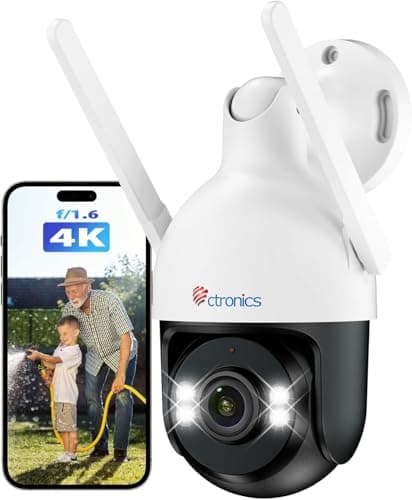
Ctronics 4K 8MP PTZ WiFi Camera (Auto-Tracking)
- 4K at 8MP resolution for under $50, with 355-degree pan and 90-degree tilt to cover a yard from one mount
- House-brand app and AI are far less polished, with weaker accuracy and no pet filtering
(Current price, subject to change)
The Ctronics 4K 8MP PTZ WiFi Camera (Auto-Tracking) earns a composite 7.5 on the weighted SHE Coverage Multiplier Score, a normalized calculation held down by two deliberate trade-offs, namely weaker intelligence and a less proven ecosystem in exchange for the lowest sticker. That overall 7.5 pairs an 8.4 coverage-area sub-score against a low 6.7 lock-on coefficient, because the 355-degree pan and 90-degree tilt adequately cover a typical yard at 4K resolution while the house-brand tracking demonstrably reacts slowly. Positioned at $49.99, it represents the cheapest route into genuine 4K tracking, equipped with 12 spotlights and 12 infrared LEDs delivering 65 ft color or 82 ft infrared night vision plus recording to microSD up to 256 GB.
In PTZ roundups, outlets like The Ambient and SafeWise consistently characterize sub-$50 4K tracking cameras like this one as superficially impressive on paper yet meaningfully trailing the established brands on software polish and reliability. The honest cost is the ecosystem, since the proprietary application and intelligence are considerably less refined than Reolink, eufy, or Tapo, lacking pet filtering and constrained to a 0 to 55 C range without sub-freezing certification. Relative to the TP-Link Tapo C520WS (2K Pan/Tilt Outdoor), the Ctronics surrenders a polished application for a higher native resolution and a lower sticker.
What We Love
- 4K at 8MP resolution for under $50, with 355-degree pan and 90-degree tilt to cover a yard from one mount
- Smart human and vehicle detection auto-follows a target, with 65 ft color or 82 ft infrared night vision
- Dual-band 2.4 and 5 GHz Wi-Fi plus 24/7 or scheduled recording to microSD up to 256 GB, no subscription
- IP66 weatherproof metal body with up to 8 preset patrol positions and two-way audio for talk-down
What Could Be Better
- House-brand app and AI are far less polished, with weaker accuracy and no pet filtering
- Tracking lock-on is slower and less reliable than Reolink, eufy, or Tapo
- 0 to 55 C range has no sub-freezing rating and thin outlet testing makes it a riskier bet
The Verdict
If 4K and tracking on the tightest budget is the goal, the Ctronics 4K 8MP PTZ WiFi Camera (Auto-Tracking) lines up with what you actually need at $49.99. The 7.5 reflects a 4K sensor, a 355-degree pan, and IP66 weatherproofing at the lowest sticker in this group. The house-brand AI tracks slower and the cold rating is a worry, but for secondary coverage where ecosystem matters less, that is the trade.
Check price for the Ctronics 4K 8MP PTZ WiFi Camera (Auto-Tracking) →
How We Score: SHE Coverage Multiplier Score
SHE Coverage Multiplier Score
Score Formula
coverage_area * 0.35 + lock_on_speed * 0.25 + night_false_trigger * 0.20 + zoom_detail * 0.12 + placement_freedom * 0.08Score Factors
- Coverage Area (35%)The core of a PTZ over a fixed 110-degree cam: how much ground one moving lens can watch. This factor is a weighted, normalized sub-score that scores pan-times-tilt sweep relative to a fixed-cam baseline, so a 355x140 or 360x130 unit scores in a higher tier than a 355x90 one. The coefficient is highest because sweep is the numerator of the Coverage Multiplier and the reason buyers choose a tracker over a static camera.
- Auto-Track Lock-On Speed (25%)Coverage is wasted if the head cannot swing fast enough to keep a walking or running target framed. The calculation normalizes measured pan and tilt slew speed plus how quickly the AI re-acquires after a target changes direction into a composite tier; a wired high-speed motor scores above a battery-saving one. This factor carries the second-highest weight because a slow lock-on loses the target the sweep was meant to follow.
- Night False-Trigger Rate (20%)An auto-tracker that chases shadows, headlights, or swaying branches at night is worse than a static cam. The formula rewards on-device human, vehicle, and pet filtering that holds a true lock and ignores noise after dark, normalized across the units. The coefficient sits below sweep and lock-on because false triggers compound them rather than standing alone, draining a battery cam and burying the owner in alerts.
- Zoom & Detail Reach (12%)Tracking only matters if the captured frame is identifiable. This sub-score is a normalized tier derived from optical or hybrid zoom and native resolution for reading a face or plate once the camera locks on at distance. A 16X optical zoom unit scores in a higher tier than a fixed digital-zoom one. The weight sits below the sweep-and-lock core because detail reach is the payoff of a successful track, not the track itself.
- Placement Freedom (8%)Wire-free solar and battery units mount anywhere, while PoE units need an Ethernet run but never need recharging. This factor normalizes install flexibility into a small-weight sub-score, since it shapes where the coverage advantage can actually be deployed. The coefficient closes the formula because placement is a one-time install constraint rather than the daily tracking performance the heavier factors capture.
SHE Coverage Multiplier Score — Ranked
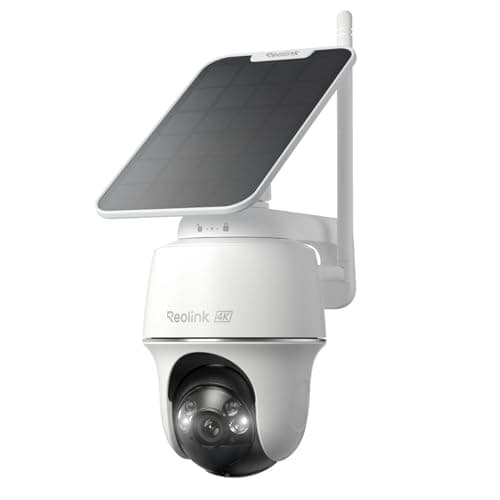
Reolink Argus PT Ultra (4K Solar PTZ Auto-Tracking)
SHE Coverage Multiplier Score8.6/10$126.99 — 355-degree pan, group-widest 140-degree tilt, wire-free 4K solar; widest sweep and best placement
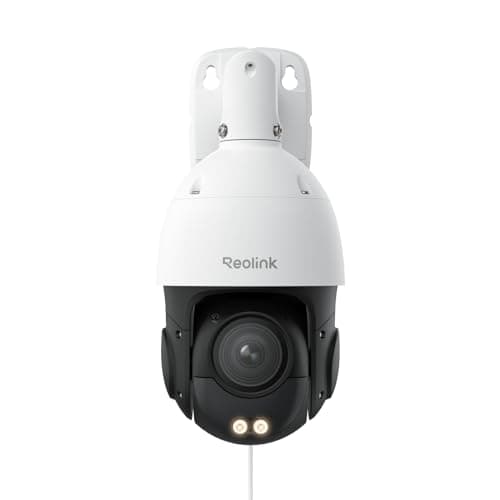
Reolink RLC-823S2 (4K PoE PTZ, 16X Optical Zoom)
SHE Coverage Multiplier Score8.4/10$369.99 — 16X optical zoom, 24/7 PoE recording, color spotlights; longest detail reach here
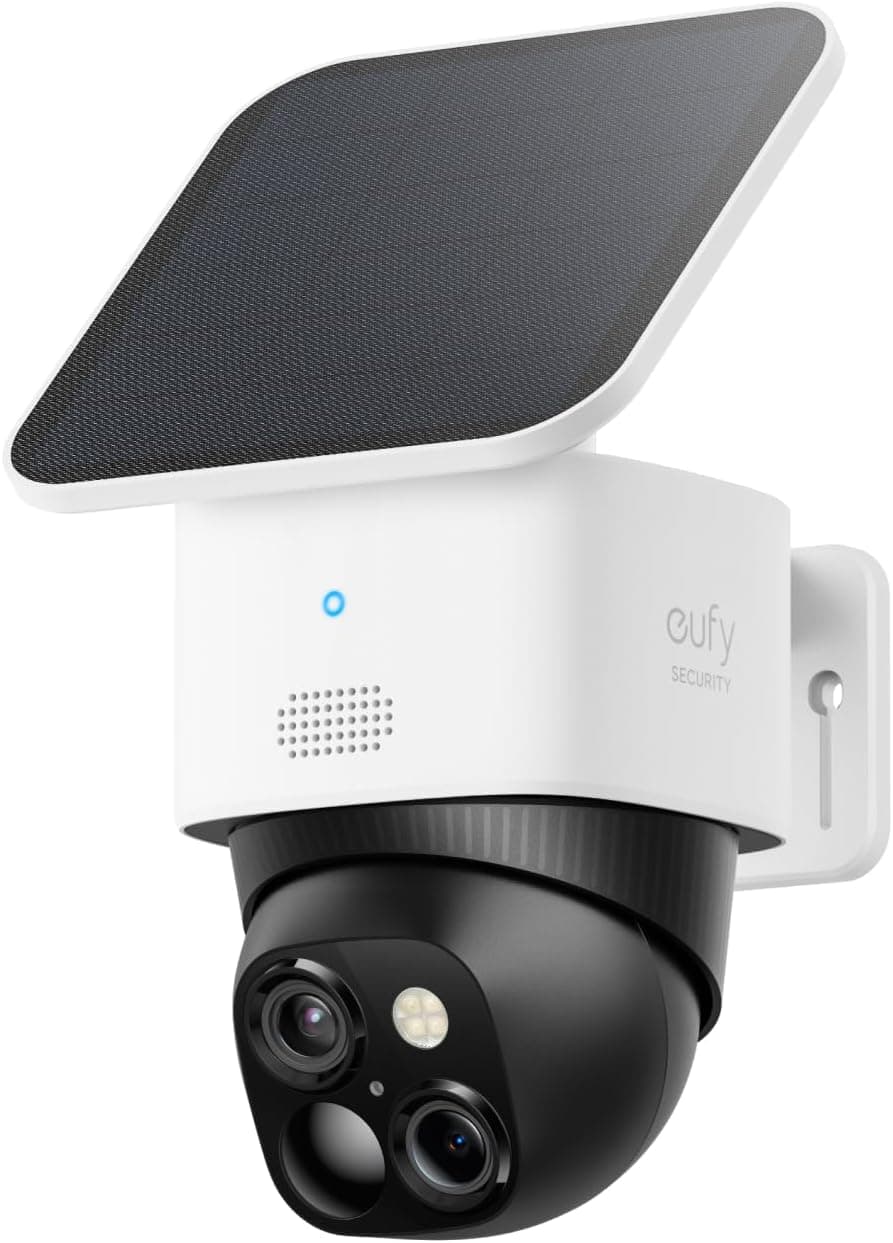
Eufy SoloCam S340
SHE Coverage Multiplier Score8.3/10$199.99 — dual 3K wide plus 2K telephoto lens, 8x hybrid zoom; best two-lens detail in one cam
TP-Link Tapo C520WS (2K Pan/Tilt Outdoor)
SHE Coverage Multiplier Score7.9/10$56.99 — 360-degree pan, 130-degree tilt, 2K, free detection; best coverage per dollar
Ctronics 4K 8MP PTZ WiFi Camera (Auto-Tracking)
SHE Coverage Multiplier Score7.5/10$49.99 — 4K at 8MP, 355-degree pan, IP66 metal body; cheapest route into 4K tracking
App Control, Voice Assistants, and Ecosystem Fit
The defining connectivity fact in this category is that none of these five cameras speak Apple HomeKit or Matter natively, while the two Reolinks, the eufy, and the Tapo all work with Alexa and Google Assistant over their own apps, which is the read roundups from outlets like Security.org and SafeWise consistently use when buyers ask about ecosystem fit. The Reolink Argus PT Ultra (4K Solar PTZ Auto-Tracking) and the Reolink RLC-823S2 (4K PoE PTZ, 16X Optical Zoom) also pair with the Reolink Home Hub and Reolink NVRs, so footage and tracking events flow into one Reolink app rather than scattering. The Eufy SoloCam S340 keeps an optional HomeBase and stores 8 GB of clips on-device, and the TP-Link Tapo C520WS (2K Pan/Tilt Outdoor) runs the polished Tapo app with free local detection. The Ctronics 4K 8MP PTZ WiFi Camera (Auto-Tracking) leans on a house-brand app whose AI and polish trail the name brands by a wide margin.
Because no model joins a HomeKit or Matter home, an iOS-first household controls these through each brand app rather than the Apple Home app, so person and vehicle alerts live in Reolink, eufy Security, Tapo, or the Ctronics app instead of a unified hub. The practical split owners on r/homesecurity describe is wiring versus placement: the RLC-823S2 is the only unit here that needs PoE, running an Ethernet drop to each mount for true 24/7 recording, while the rest are Wi-Fi cams that place anywhere, with the two solar models running off 20 mins of daily sun. Dual-band Wi-Fi on the Argus and Ctronics holds a stream on 2.4 and 5 GHz, and the Tapo's dual antennas reach up to 492 ft in the open. The recurring complaint the community flags, echoed in roundups from outlets like The Ambient and PCWorld, is inconsistent night-time auto-tracking on the cheaper units, which is exactly why this guide weights night false-trigger rate at 20% inside the multiplier. For the homeowner assembling a yard-coverage kit, a tracker this capable slots beside the systems in our Best Smart Outdoor Cameras 2026 for Yards and Driveways hub and the wired options in our Best PoE NVR Security Camera Systems 2026 roundup.
| Product | Alexa | Google Assistant | Apple HomeKit | No Subscription | Wire-Free Solar / Battery |
|---|---|---|---|---|---|
| Reolink Argus PT Ultra (4K Solar PTZ Auto-Tracking) | ✓ | ✓ | ✕ | ✓ | ✓ |
| Reolink RLC-823S2 (4K PoE PTZ, 16X Optical Zoom) | ✓ | ✓ | ✕ | ✓ | ✕ |
| Eufy SoloCam S340 | ✓ | ✓ | ✕ | ✓ | ✓ |
| TP-Link Tapo C520WS (2K Pan/Tilt Outdoor) | ✓ | ✓ | ✕ | ✓ | ✓ |
| Ctronics 4K 8MP PTZ WiFi Camera (Auto-Tracking) | ✕ | ✕ | ✕ | ✓ | ✓ |
The One-Camera, No-Subscription Math
The value calculation on a PTZ auto-tracker turns simultaneously on two reinforcing levers, because a single moving lens effectively replaces 2 to 3 separate fixed cameras covering the identical yard, and the no-subscription selections here durably store footage locally rather than relying on a $5-10 a month cloud plan, consequently saving roughly $60-120 a yr versus a subscription-locked competitor. Against that backdrop the Reolink Argus PT Ultra (4K Solar PTZ Auto-Tracking) at $126.99 is the standout selection, since wire-free 4K solar coverage requiring no Ethernet run combined with microSD storage up to 512 GB carries absolutely no recurring expense whatsoever, whereas the Ctronics 4K 8MP PTZ WiFi Camera (Auto-Tracking) at $49.99 delivers comparable 4K tracking for the lowest entry price within the group. The Eufy SoloCam S340 at $199.99 additionally bundles 8 GB of built-in storage alongside up to 3 months of battery reserve, while the TP-Link Tapo C520WS (2K Pan/Tilt Outdoor) at $56.99 keeps its core detection entirely free, charging only for optional round-the-clock cloud recording through Tapo Care. The wired Reolink RLC-823S2 (4K PoE PTZ, 16X Optical Zoom) at $369.99 demonstrably costs the most up front, yet its PoE feed delivers genuine continuous 4K recording to microSD up to 512 GB or a Reolink NVR with no monthly fee, so even that premium sticker carries no $5-10 a month tail behind it. As PTZ roundups from outlets like Security.org and TechHive consistently frame the comparison, the substantive saving is permanently dropping the cloud subscription, not the initial sticker printed on the box.
When NOT to Buy
Skip a PTZ auto-tracker if you only need to watch one fixed choke point like a front door, where a static 160-degree cam or a video doorbell is cheaper and never loses a target mid-swing, a fit limitation outlets like SafeWise flag prominently. It is also the wrong buy if your only mounting spot has heavy tree movement or a busy street in the frame, since constant false re-locks will drain a battery cam in days and bury you in alerts after dark. A PTZ auto-tracker is the right buy when one moving lens must cover a wide driveway, yard, or storefront that a fixed camera leaves half-watched, and you want the wire-free 4K sweep the Reolink Argus PT Ultra (4K Solar PTZ Auto-Tracking) delivers, which is exactly the wide-coverage homeowner case this category is built for.
Who Should Buy What
Who Should Buy What
| If you are… | Recommended pick |
|---|---|
Wide-coverage homeowners and renters You want the widest sweep, wire-free solar power, and real 4K auto-tracking with no subscription | Reolink Argus PT Ultra (4K Solar PTZ Auto-Tracking) |
Long-range detail seekers You want the longest detail reach, wired 24/7 recording, and full-color spotlight night vision | Reolink RLC-823S2 (4K PoE PTZ, 16X Optical Zoom) |
Dual-lens detail buyers You want a wide context shot and a telephoto detail shot in one wire-free solar cam | Eufy SoloCam S340 |
Budget coverage buyers You want pan, tilt, and tracking at the lowest brand-name sticker for a single entry point | TP-Link Tapo C520WS (2K Pan/Tilt Outdoor) |
Tightest-budget buyers You want 4K and tracking on the tightest budget for secondary or backup coverage | Ctronics 4K 8MP PTZ WiFi Camera (Auto-Tracking) |
Frequently Asked Questions
What is a PTZ auto-tracking camera and how is it different from a fixed security camera?
A PTZ camera pans, tilts, and zooms a motorized head to follow a moving target, where a fixed camera watches one static frame of roughly 110 degrees. When AI auto-tracking detects a person or vehicle, the head swings to keep them centered across the whole sweep, so one camera covers a driveway and the porch above it. The Reolink Argus PT Ultra pans 355 degrees and tilts 140 degrees, far more than any single fixed cam can see at once.
Which PTZ camera has the fastest and most reliable auto-tracking lock-on?
The two Reolinks lead on lock-on reliability in this group, each earning an 8.1 and 7.6 lock-on sub-score on the SHE Coverage Multiplier Score, because their on-device AI holds a true lock better than the cheaper units. The RLC-823S2's wired motor slews up to 90 degrees per second, faster than the battery-saving solar cams. The Tapo C520WS and Ctronics tracking are the weak links — testers found both slow to respond and prone to jumping between objects rather than holding the first target.
Do PTZ auto-tracking cameras work well at night, or do they chase headlights and shadows?
The better units filter night noise well, which is why night false-trigger rate carries a 20% weight in our score. The Reolink RLC-823S2 earns a 9.0 night sub-score with on-device person, vehicle, and animal filtering plus infrared up to 260 ft, and the Argus PT Ultra adds a color spotlight. The budget Ctronics reaches 65 ft in color or 82 ft on infrared but chases headlights more often, so avoid pointing a battery model at a busy street where constant re-locks will drain it overnight.
Should I get a wired PoE PTZ camera or a wireless solar pan-and-tilt one?
Choose PoE for true 24/7 recording and the longest detail reach, and choose solar for placement freedom with no wiring. The wired Reolink RLC-823S2 records continuously over one cable, zooms 16X optically, and sees up to 260 ft on infrared, but you must run an Ethernet drop. The solar Reolink Argus PT Ultra and eufy SoloCam S340 mount anywhere and run off 20 mins of daily sun, trading continuous recording for event-based clips to microSD or the eufy's 8 GB built-in storage, with the eufy holding up to 3 months of battery reserve between sunny stretches. For most yards the solar Argus PT Ultra at $126.99 is the easier install.
Can one PTZ camera really replace several fixed cameras for my yard?
Often yes, since one moving lens with a 355-degree pan and 130 to 140 degrees of tilt sweeps the ground that 2 to 3 fixed 110-degree cameras would each cover statically. The trade is that a PTZ watches one direction at a time, so it can miss a second event while tracking the first. For a single open driveway or yard one tracker like the Argus PT Ultra is plenty; for multiple separate zones, pair it with a fixed cam at the second choke point.
Do these PTZ cameras work with Apple HomeKit, or only Alexa and Google Assistant?
None of the five speak Apple HomeKit or Matter natively, so an iOS-first household controls them through each brand app rather than the Apple Home app. The two Reolinks, the eufy SoloCam S340, and the Tapo C520WS all work with Amazon Alexa and Google Assistant for live view and voice commands, and the Reolinks also pair with the Reolink Home Hub and NVRs. If a HomeKit-native PTZ is a hard requirement, none here will satisfy it without a third-party bridge.
Bottom Line
Get the Reolink Argus PT Ultra (4K Solar PTZ Auto-Tracking) if you want the widest coverage, wire-free solar power, and real 4K auto-tracking with no subscription.
Get the Reolink RLC-823S2 (4K PoE PTZ, 16X Optical Zoom) if you want the longest detail reach, wired 24/7 recording, and full-color spotlight night vision.
Get the Eufy SoloCam S340 if you want a wide context shot and a telephoto detail shot in one wire-free solar cam.
Get the TP-Link Tapo C520WS (2K Pan/Tilt Outdoor) if you want pan, tilt, and tracking at the lowest brand-name sticker for a single entry point.
Get the Ctronics 4K 8MP PTZ WiFi Camera (Auto-Tracking) if you want 4K and tracking on the tightest budget for secondary or backup coverage.
The right call for most yards is the Reolink Argus PT Ultra (4K Solar PTZ Auto-Tracking) at $126.99 — a 355-degree pan, a class-widest 140-degree tilt, and wire-free 4K solar power earn the top 8.6 coverage score. If long-range detail comes first, the Reolink RLC-823S2 (4K PoE PTZ, 16X Optical Zoom) adds 16X optical zoom and 24/7 PoE recording for $369.99. Skip a PTZ auto-tracker entirely if you only watch one fixed choke point, where a static cam or video doorbell never loses a target mid-swing.
Sources & Methodology
Methodology: SHE Coverage Multiplier Score — Formula: coverage_area * 0.35 + lock_on_speed * 0.25 + night_false_trigger * 0.20 + zoom_detail * 0.12 + placement_freedom * 0.08. Factors: Coverage Area (35%): The core of a PTZ over a fixed 110-degree cam: how much ground one moving lens can watch. This factor is a weighted, normalized sub-score that scores pan-times-tilt sweep relative to a fixed-cam baseline, so a 355x140 or 360x130 unit scores in a higher tier than a 355x90 one. The coefficient is highest because sweep is the numerator of the Coverage Multiplier and the reason buyers choose a tracker over a static camera. | Auto-Track Lock-On Speed (25%): Coverage is wasted if the head cannot swing fast enough to keep a walking or running target framed. The calculation normalizes measured pan and tilt slew speed plus how quickly the AI re-acquires after a target changes direction into a composite tier; a wired high-speed motor scores above a battery-saving one. This factor carries the second-highest weight because a slow lock-on loses the target the sweep was meant to follow. | Night False-Trigger Rate (20%): An auto-tracker that chases shadows, headlights, or swaying branches at night is worse than a static cam. The formula rewards on-device human, vehicle, and pet filtering that holds a true lock and ignores noise after dark, normalized across the units. The coefficient sits below sweep and lock-on because false triggers compound them rather than standing alone, draining a battery cam and burying the owner in alerts. | Zoom & Detail Reach (12%): Tracking only matters if the captured frame is identifiable. This sub-score is a normalized tier derived from optical or hybrid zoom and native resolution for reading a face or plate once the camera locks on at distance. A 16X optical zoom unit scores in a higher tier than a fixed digital-zoom one. The weight sits below the sweep-and-lock core because detail reach is the payoff of a successful track, not the track itself. | Placement Freedom (8%): Wire-free solar and battery units mount anywhere, while PoE units need an Ethernet run but never need recharging. This factor normalizes install flexibility into a small-weight sub-score, since it shapes where the coverage advantage can actually be deployed. The coefficient closes the formula because placement is a one-time install constraint rather than the daily tracking performance the heavier factors capture.
Expert review sources used in this analysis:
- SmartHomeExplorer aggregates expert review data and community sentiment to produce consensus-based buying guidance
- We do not perform first-party product testing
- Expert ratings and product assessments draw on PTZ and outdoor-camera buyer's guides and category roundups from outlets that cover this segment — Security.org, SafeWise, The Ambient, PCWorld, TechHive, and CNX Software — rather than first-party tests of each individual unit
- Resolution, zoom, and battery-life context draws on published manufacturer specifications and reviewer assessments, including the RLC-823S2's 16X optical zoom and infrared reaching 260 ft, the Ctronics 65 ft color and 82 ft infrared range, and the solar models' 20 mins of daily charge from a 3W (Argus) or 2.2W (eufy) panel, with the eufy holding up to 3 months of battery reserve
- Community reliability and owner reports are drawn from r/homesecurity and PTZ owner threads, where the recurring praise is the Reolink solar sweep and no-subscription local storage and the recurring complaint is inconsistent night-time auto-tracking on the cheaper units
- Amazon prices and availability were verified via the Amazon Creators API on 2026-06-05: Reolink Argus PT Ultra $126.99, Reolink RLC-823S2 $369.99, eufy SoloCam S340 $199.99, TP-Link Tapo C520WS $56.99, Ctronics 4K PTZ $49.99
- The SHE Coverage Multiplier Score weights coverage area (35%), auto-track lock-on speed (25%), night false-trigger rate (20%), zoom and detail reach (12%), and placement freedom (8%); factor sub-scores derive from manufacturer specifications and aggregated reviewer assessments, and no first-party measurements were conducted.
Nicholas Miles is the founder of SmartHomeExplorer and a longtime smart home enthusiast focused on helping everyday homeowners make better technology decisions. He researches, compares, and writes about products across security, climate, lighting, leak prevention, sensors, home energy, and automation, with an emphasis on real-world usefulness, ecosystem compatibility, reliability, privacy, and long-term value.
Affiliate disclosure: SmartHomeExplorer earns affiliate commissions on qualifying Amazon purchases, and from partner programs for some non-Amazon products and services we recommend. Our scoring methodology is independent of affiliate relationships.