
Best Nest Alternatives 2026: 7 Smart Thermostats
Ecobee Premium ($259.99) wins overall — HomeKit, Alexa and Google with no Google account. Honeywell T6 Pro Z-Wave for local control; Amazon ($57.99) for budget.
This article contains affiliate links. We may earn a commission at no extra cost to you. Prices change frequently — check the current price on Amazon before buying. Learn more
The Short Answer
Buy the Ecobee Smart Thermostat Premium ($259.99): a multi-ecosystem composite winner delivering HomeKit, Alexa and Google integration with no Google account, plus an included occupancy SmartSensor. Its tradeoff is cost. If budget is tight, the Amazon Smart Thermostat ($57.99) yields a capable Alexa pick.
Featured in this Guide
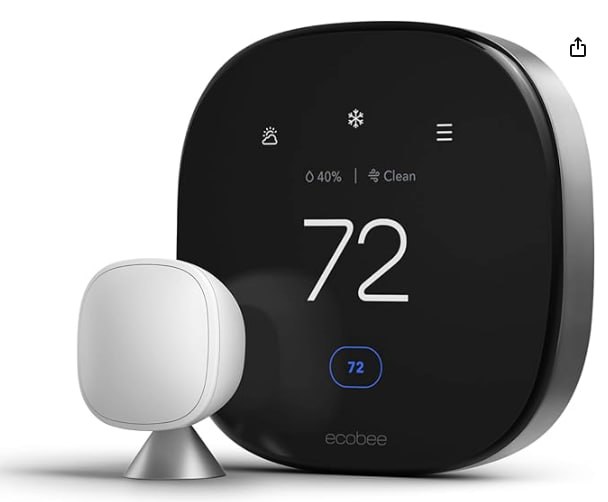
Ecobee
Smart Thermostat Premium
- •HomeKit + Alexa + Google + SmartThings, no Google account, included SmartSensor and air-quality monitor
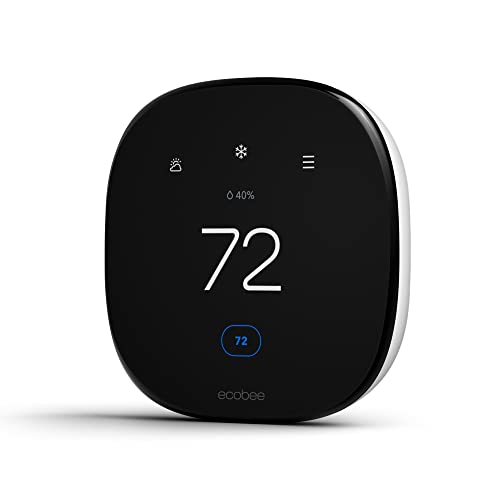
Ecobee
Smart Thermostat Enhanced
- •Same four-ecosystem breadth as the Premium for $60 less
- •add a SmartSensor later
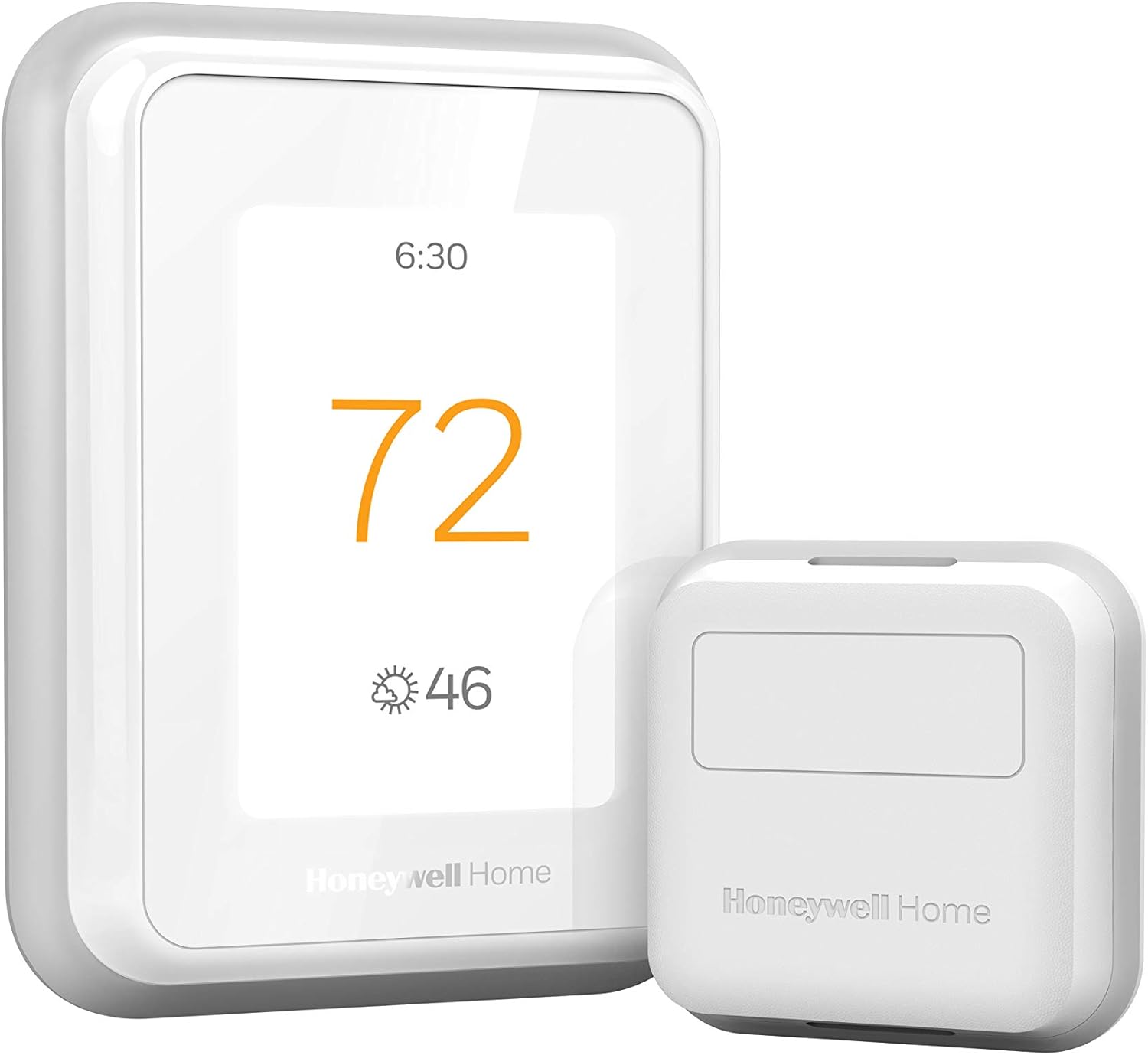
Honeywell
Home T9
- •Occupancy-prioritizing long-range room sensors for two-story or zoned homes that heat unevenly
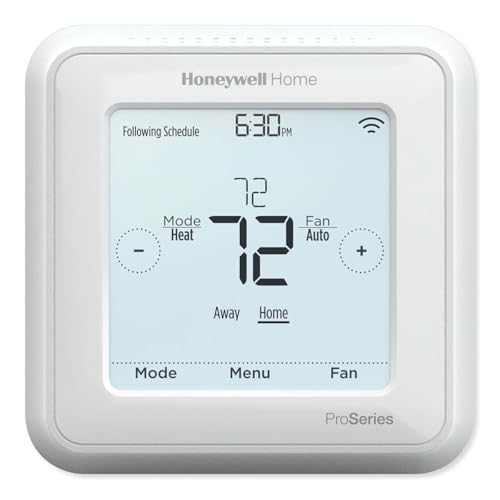
Honeywell
Home T6 Pro Z-Wave
- •Z-Wave Plus local control, zero cloud dependency, for Hubitat / Home Assistant / SmartThings
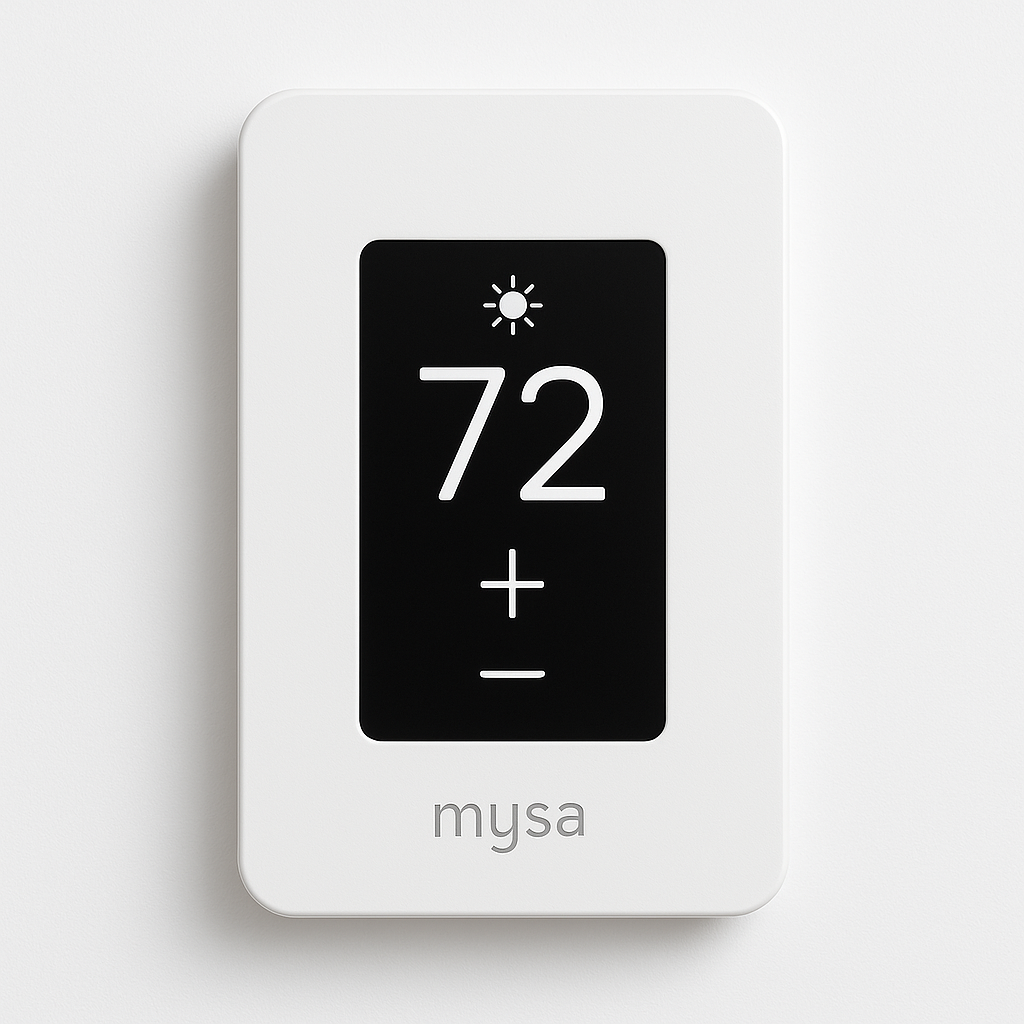
Mysa
Smart Thermostat for Electric Baseboard Heaters
- •Full-featured 240V line-voltage smart thermostat with HomeKit and per-zone kWh tracking
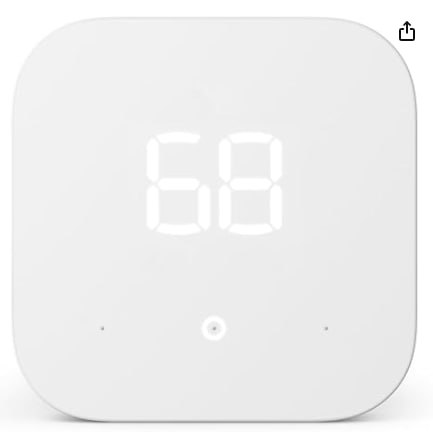
Amazon
Smart Thermostat
- •Under $60, Alexa-native, no Google account, Honeywell/Resideo scheduling under the hood
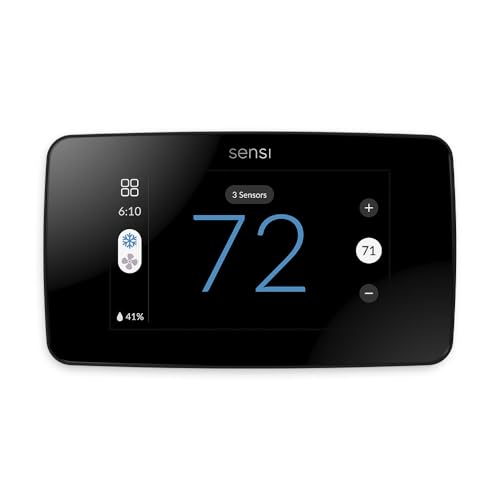
Sensi
Touch 2
- •Three ecosystems, a privacy-first vendor, and a roughly 30-minute DIY install
Head-to-Head: Ecosystem, Install, Sensors, and ROI
Thermostat
Chart
 Smarthomeexplorer.com
Tap any pick to check its live price on Amazon.
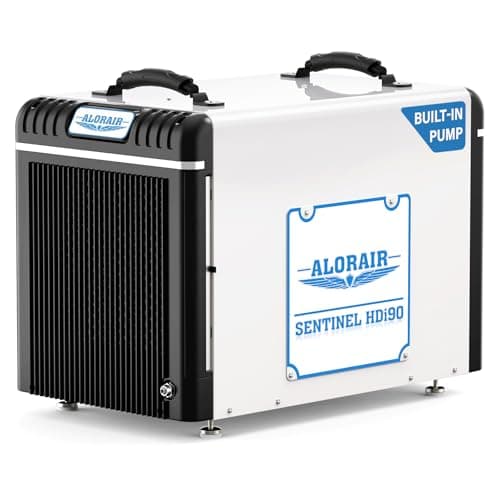
AlorAir Sentinel HDi90 Basement/Crawlspace Dehumidifier with Pump
Check price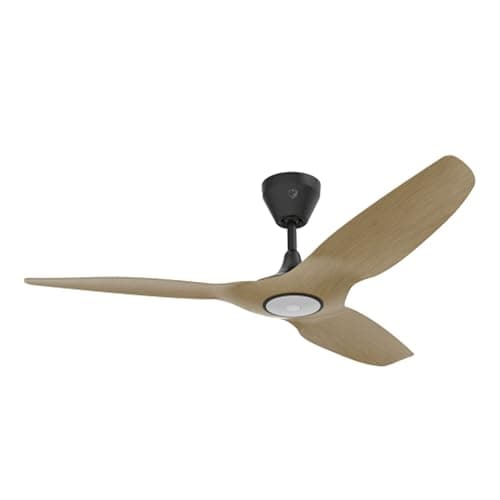
Big Ass Fans Haiku L 52-Inch Smart Ceiling Fan
Check price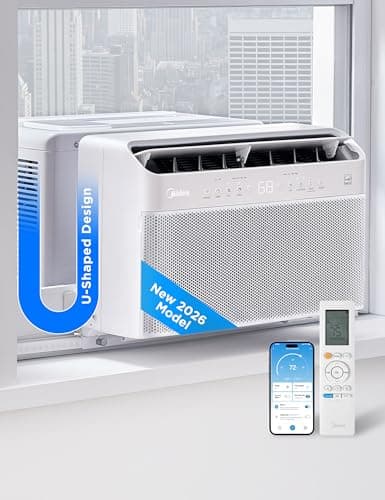
Midea U Smart Inverter Window AC (12,000 BTU)
Check price
Understanding Your Retired Nest's Sudden Limitations
Our weighted ROI methodology ranks each alternative against the retirement Google triggered on October 25, 2025, scoring the published savings evidence: Ecobee's documented 23% reduction and Mysa's 26%, projected across a 3-year window versus the DOE baseline. The normalized composite formula also weights sensor range — the Honeywell T9 reaches 200 ft against Ecobee's 60 ft — and line-voltage capacity, where Mysa handles 3.8 kW that 24V thermostats cannot. ENERGY STAR rebates of $50-$100 further adjust the cost factor.
Three migration drivers recur beyond a deactivated unit: account lock-in pipes occupancy data into Google Home, power-stealing instability produces heat-pump complaints versus a C-wire install, and local-control owners want Z-Wave that never touches a cloud. The roundup organizes picks by abandoned segment — multi-ecosystem households favor the Ecobee Smart Thermostat Premium, multi-room homes the Honeywell Home T9, local-control buyers the Honeywell Home T6 Pro Z-Wave, and baseboard homes the Mysa Smart Thermostat for Electric Baseboard Heaters. A supported Gen 3 Learning enables waiting.
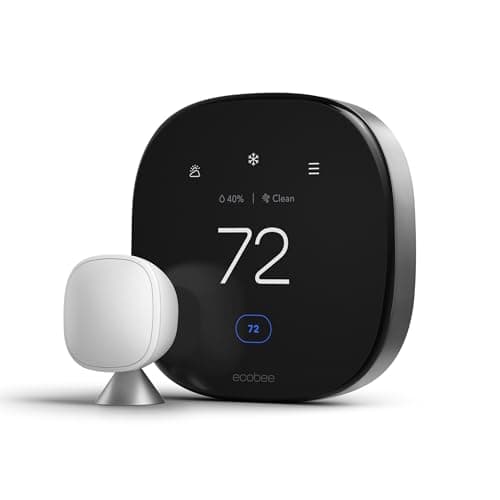
Best for most homes leaving Nest: Ecobee Smart Thermostat Premium
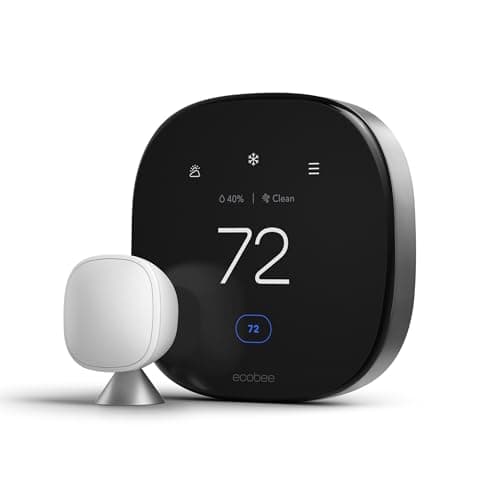
Ecobee Smart Thermostat Premium
- Runs Apple HomeKit, Alexa, Google Home and SmartThings simultaneously with no Google account required
- At $259.99 it is the most expensive pick here and the price has drifted up from the 2023 launch
(Current price, subject to change)
The Ecobee Smart Thermostat Premium earns a normalized 8.6 composite on the SHE Thermostat ROI Score, the top tier of this roundup. The weighted formula rewards feature depth, not raw dollars: it supports up to 32 sensors, ships one SmartSensor that heats occupied rooms, and adds an air-quality monitor reading VOCs, CO2 and humidity. The Power Extender Kit produces a clean install on systems missing a C-wire. Ecobee's published 23% savings, projected across a 3-year window, anchors the savings factor.
TechGearLab calls it "a feature-packed smart thermostat that lives up to its premium in its name but has the premium price tag to match," and Tom's Guide names it "the most feature-packed smart thermostat money can buy." PCMag notes the built-in Alexa speaker "is good enough to stand in for an Echo Dot in the hallway."
Compared to the field, the Ecobee Smart Thermostat Enhanced delivers the same ecosystem breadth for less, and the Honeywell Home T9 outperforms it on sensor range — but loses HomeKit. Versus a household leaving Google that still wants Apple, the Premium yields the cleanest answer.
What We Love
- Runs Apple HomeKit, Alexa, Google Home and SmartThings simultaneously with no Google account required
- Ships with one SmartSensor for occupancy-aware comfort in a second room
- Built-in air-quality monitor (VOC, CO2, humidity) — nothing else on this list has one
- Power Extender Kit in the box handles C-wire-less wiring
What Could Be Better
- At $259.99 it is the most expensive pick here and the price has drifted up from the 2023 launch
- Glass touchscreen shows fingerprints and needs regular wiping if it sits somewhere visible
- Air-quality readings are informational, not actionable
The Verdict
If you're leaving Nest and you mix Apple, Alexa and Google in one house, the Ecobee Smart Thermostat Premium fits the brief without compromise. It's the only pick here that runs all four ecosystems at once with no Google account, ships a SmartSensor, and adds an air-quality monitor. You'll pay the most for it — but you can stop the search here.
Ready to upgrade your home?
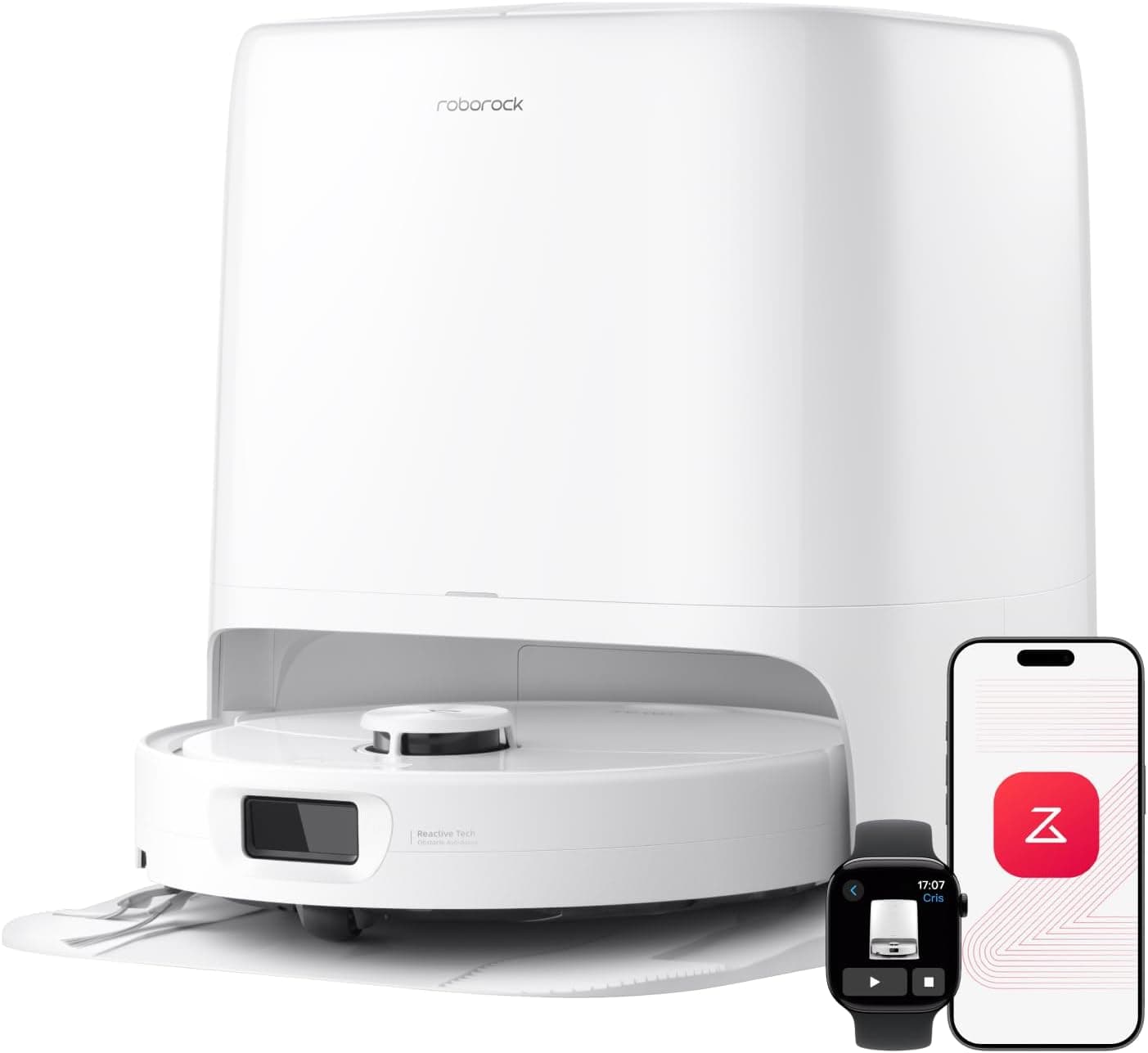
roborock Qrevo 2 Pro Robot Vacuum and Mop
See it on Amazon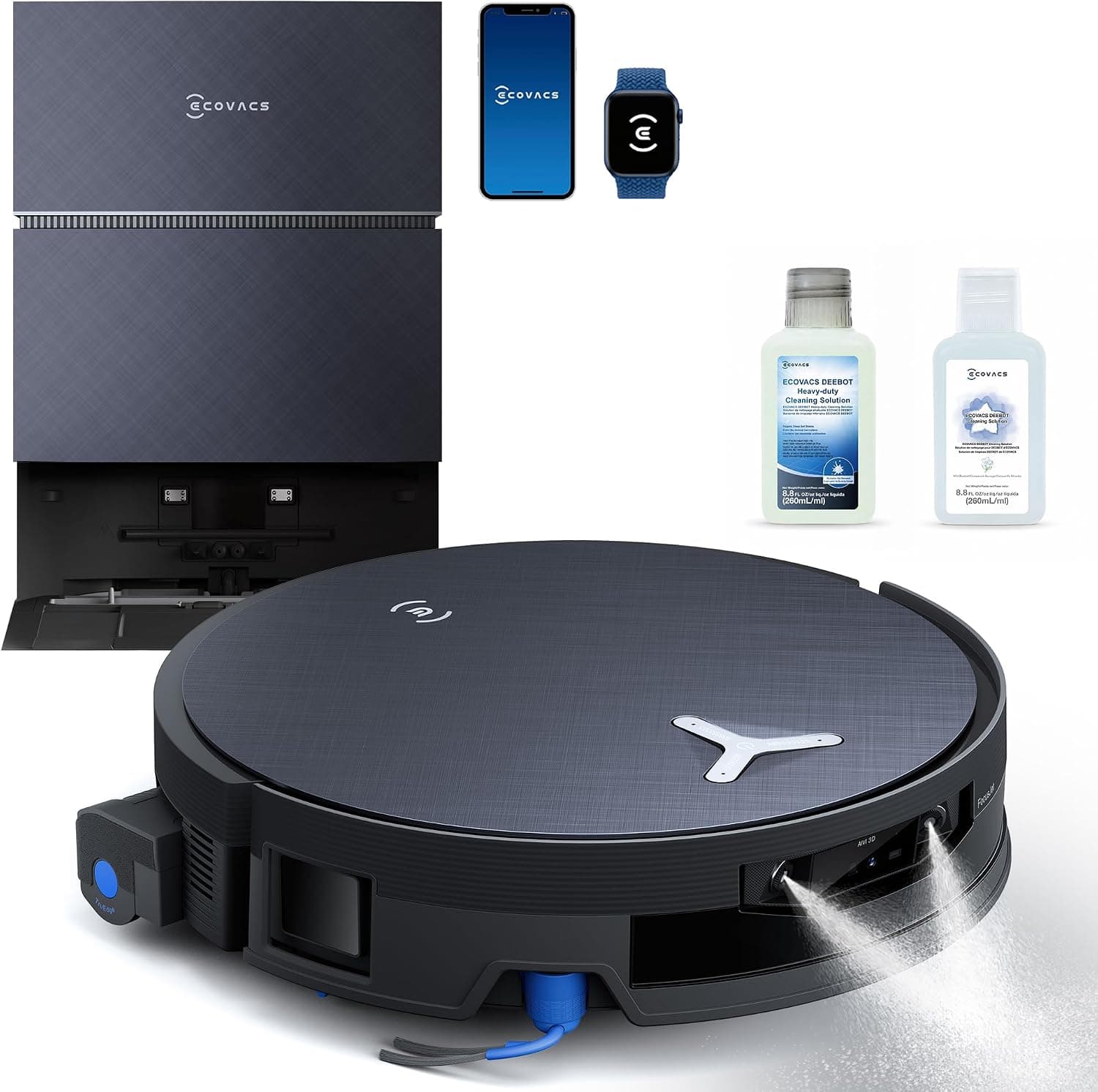
ECOVACS DEEBOT X12 PRO Omni Robot Vacuum and Mop
See it on Amazon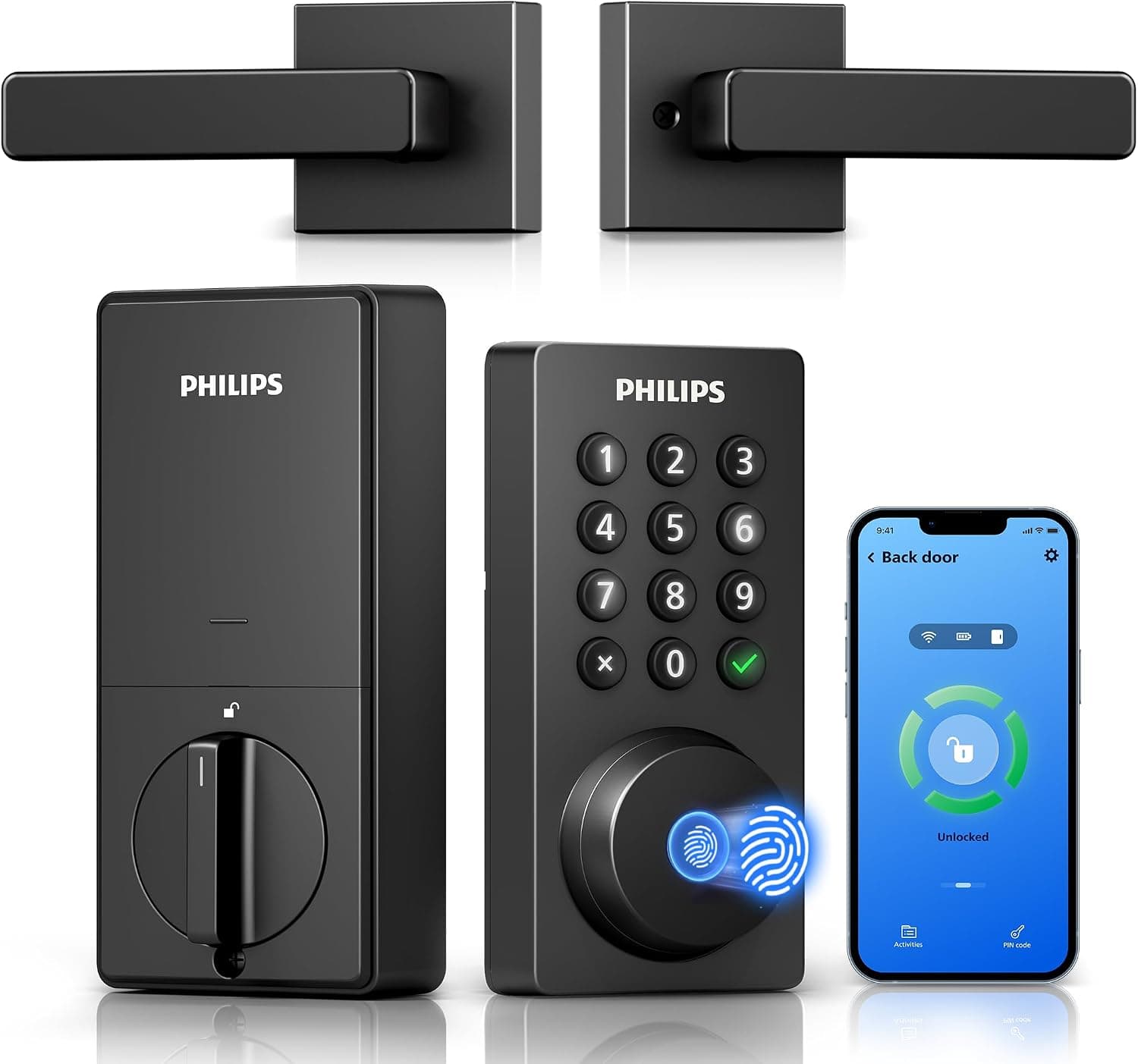
Philips Wi-Fi Keypad Deadbolt with Handle
See it on Amazon
Sponsored listings from Amazon’s Sponsored Products for Creators program, kept apart from our reviews and rankings. How we make money
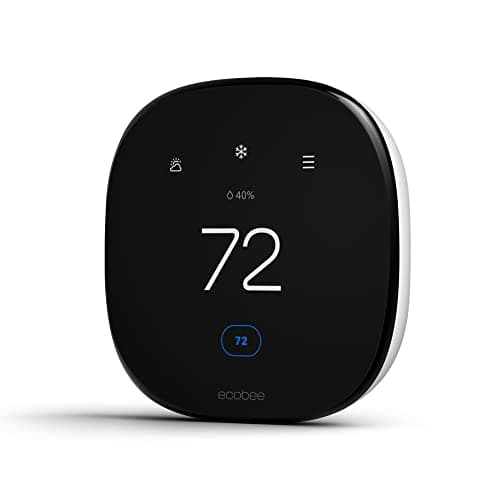
Best mid-range pick: Ecobee Smart Thermostat Enhanced
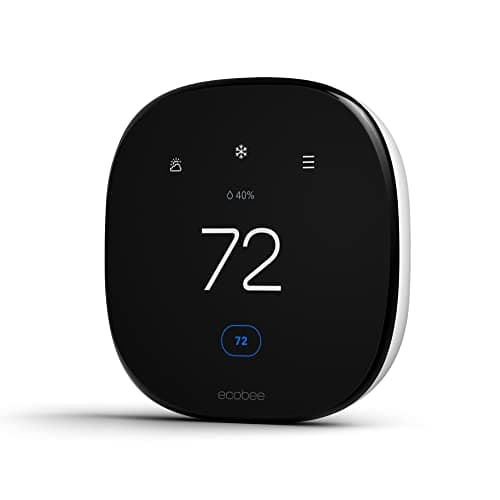
Ecobee Smart Thermostat Enhanced
- Same HomeKit + Alexa + Google + SmartThings breadth as the Premium for $60 less
- No SmartSensor in the box — budget ~$40 for occupancy-aware comfort from day one
(Current price, subject to change)
The Ecobee Smart Thermostat Enhanced earns a normalized 8.5 composite on the SHE Thermostat ROI Score — effectively tied with the Premium because the weighted formula values what it keeps: HomeKit, Alexa, Google and SmartThings all working with no Google account. The Power Extender Kit produces the same C-wire-free install the Premium delivers.
Where it lands depends on one decision: do you want occupancy-aware comfort on day one? If yes, the Premium's included SmartSensor is worth the step up, or a separate SmartSensor reaches near-parity. If you only cared about phone and voice control — which describes many Gen 1 and Gen 2 Nest owners — the Enhanced is the value tier. ENERGY STAR certification also enables utility rebates of $50-$100 in many US markets, projected against the DOE 3-year savings baseline.
Compared to the Amazon Smart Thermostat it costs more but adds three ecosystems; versus the Ecobee Smart Thermostat Premium it drops the sensor and air-quality monitor. The Enhanced is the middle that most multi-ecosystem migrators should start at.
What We Love
- Same HomeKit + Alexa + Google + SmartThings breadth as the Premium for $60 less
- ENERGY STAR certified, which qualifies it for $50-$100 utility rebates in many US markets
- Power Extender Kit in the box for C-wire-free systems
- Adding a SmartSensor later (~$40) closes most of the gap to the Premium
What Could Be Better
- No SmartSensor in the box — budget ~$40 for occupancy-aware comfort from day one
- No air-quality monitor; the Premium is the only pick that ships one
- Plastic body instead of the Premium's zinc, and the same fingerprint-prone glass front
The Verdict
If you were a single-thermostat Nest household that never used a remote sensor anyway, the Ecobee Smart Thermostat Enhanced lines up with what you actually need. You get the full four-ecosystem breadth with no Google account for $60 less than the Premium, and an ENERGY STAR rebate can knock the gap down further. No need to overthink it unless you want the air-quality monitor.
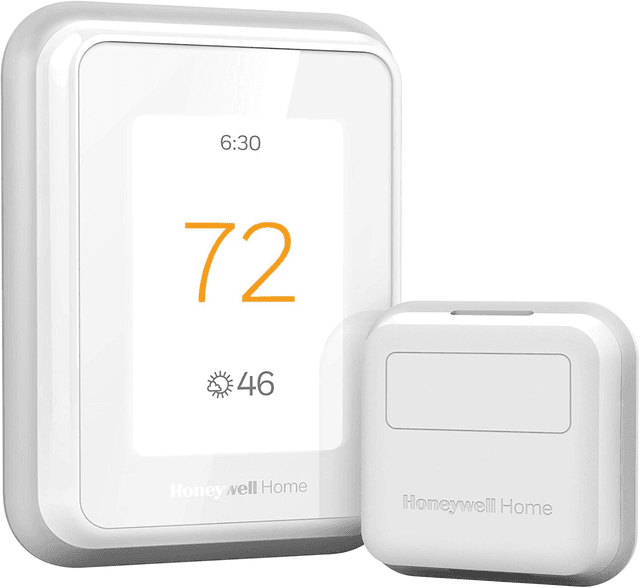
Best for multi-room homes: Honeywell Home T9
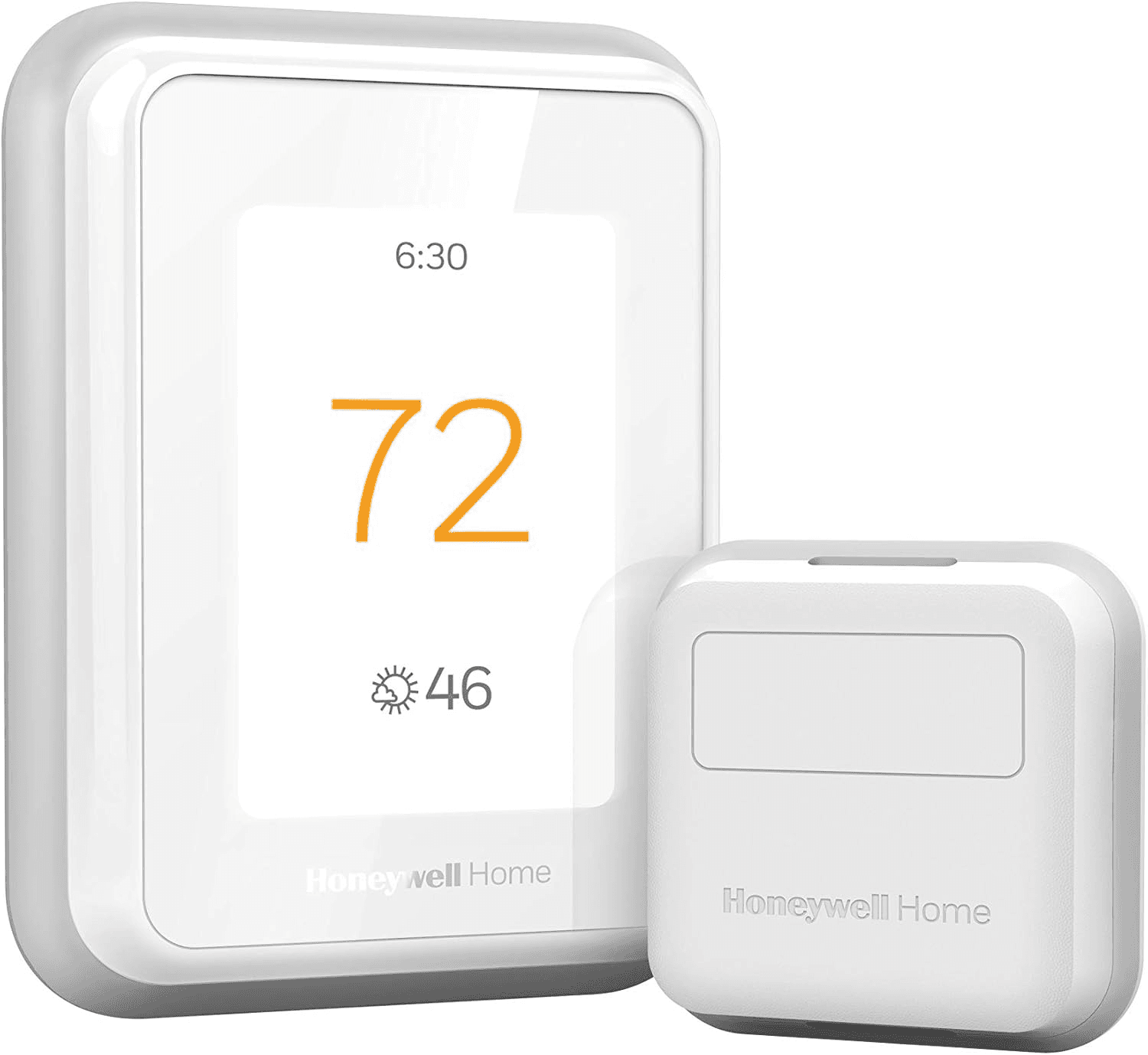
Honeywell Home T9
- Smart Room Sensors report temperature and occupancy, and the T9 prioritizes occupied rooms when setting the HVAC target
- No Apple HomeKit support — Alexa and Google Home only
(Current price, subject to change)
The Honeywell Home T9 earns a normalized 8.5 composite on the SHE Thermostat ROI Score, and the weighted factor that carries it is sensor support: it's the multi-room comfort specialist. Nest's single-point reading heated to whatever the hallway felt like; the T9 reads occupancy across rooms and biases the HVAC target toward where people actually are, which yields real savings in homes that never heat evenly.
TechHive's verdict is blunt: "Honeywell's sensors, however, are the best we've tested." Tom's Guide adds that "the T9's sensors, price, and ease of use make it one of the best smart thermostats around." The advantage shows on the spec sheet: the 900 MHz radios reach up to 200 ft, where Ecobee's sensors top out near 60 ft, so the T9 covers a basement or detached bedroom Ecobee can't. Dual-band Wi-Fi also produces a clean join to a modern mesh network.
The hard limit is ecosystem: no HomeKit. Compared to an Apple Home setup, the Ecobee Smart Thermostat Premium is the multi-room pick instead despite shorter range. For Alexa or Google households, the T9 is the focused tool.
What We Love
- Smart Room Sensors report temperature and occupancy, and the T9 prioritizes occupied rooms when setting the HVAC target
- 900 MHz room sensors reach up to ~200 ft, far beyond Ecobee's ~60 ft range
- Dual-band Wi-Fi (2.4 GHz and 5 GHz) joins modern mesh networks cleanly
- Includes one Smart Room Sensor and a C-wire adapter in the box
What Could Be Better
- No Apple HomeKit support — Alexa and Google Home only
- The Honeywell Home app is functional but dated next to Ecobee's
- Room sensors are battery-powered and need a CR2 swap roughly every 18 months
The Verdict
If you've got a two-story or zoned house that never heats evenly — bedroom freezing while the living room bakes — the Honeywell Home T9 lines up with what you actually need. Its room sensors prioritize whichever room you're actually in and reach far past Ecobee's range. The one catch is no HomeKit, so Apple-first homes should look at the Ecobee Premium instead.
Best for Home Assistant: Honeywell Home T6 Pro Z-Wave
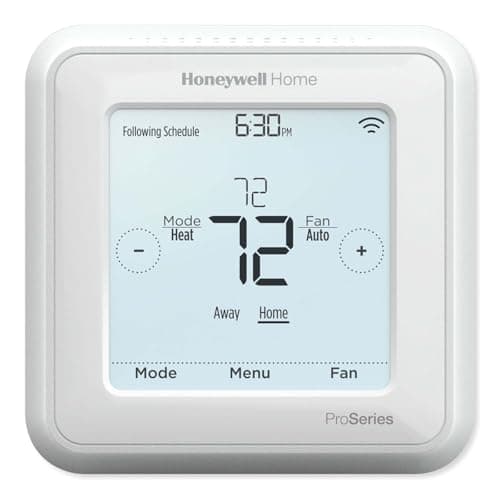
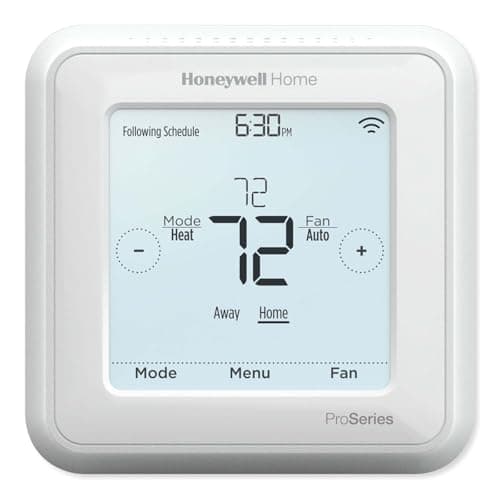
Honeywell Home T6 Pro Z-Wave
- Speaks Z-Wave Plus S2 Security and nothing else, so it runs entirely local through your hub with zero cloud dependency
- Requires a Z-Wave hub — it does nothing useful as a standalone product
(Current price, subject to change)
The Honeywell Home T6 Pro Z-Wave earns a normalized 8.0 composite on the SHE Thermostat ROI Score, the only pick aimed at the local-control crowd Nest never courted. It speaks Z-Wave Plus with S2 Security and nothing else — no built-in Wi-Fi, no app account, no cloud. Every schedule runs through your hub on your own network, which is the point for buyers who left Nest over Google's data pipeline. Against the DOE baseline it still delivers smart-setback savings across a 3-year window.
SmartStart QR pairing enables adding it to Home Assistant, Hubitat or SmartThings before it's mounted, and the UWP snap-on system produces a quick install. The touchscreen differentiates it versus button-array Z-Wave rivals. The honest trade-offs are structural: it requires a Z-Wave hub, voice control only happens if the hub bridges it, and there's no room-sensor support.
No tier-1 outlet in our registry reviewed this exact Z-Wave SKU, so this section leans on verified Honeywell specs and the SHE score rather than outlet quotes. Compared to the cloud-connected picks above, this is the thermostat that fits a local-first house.
What We Love
- Speaks Z-Wave Plus S2 Security and nothing else, so it runs entirely local through your hub with zero cloud dependency
- SmartStart QR pairing adds it to Home Assistant, Hubitat or SmartThings before it is off the wall
- UWP snap-on mounting system makes install and service both quick
- Touchscreen, where most Z-Wave thermostats in this price range are still button-based
What Could Be Better
- Requires a Z-Wave hub — it does nothing useful as a standalone product
- No direct HomeKit, Alexa or Google Home; those come via the hub if at all
- Single-point temperature read; no room-sensor support
The Verdict
If you run Home Assistant, Hubitat or SmartThings and you want a thermostat that never phones a cloud, the Honeywell Home T6 Pro Z-Wave fits the brief. It speaks Z-Wave Plus S2 and nothing else, so all control stays local on your hub. Just know it does nothing on its own — this is a pick for people who already run a hub and want it that way.
Best for electric baseboard: Mysa Smart Thermostat for Electric Baseboard Heaters
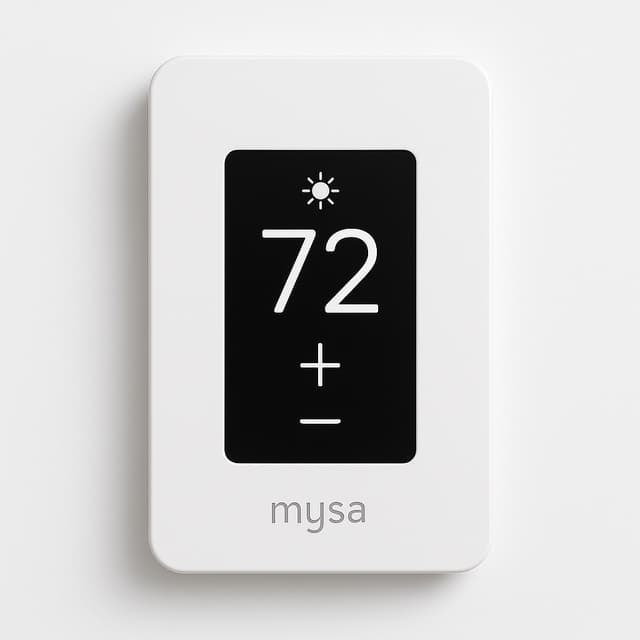
Mysa Smart Thermostat for Electric Baseboard Heaters
- Handles 120V/240V line-voltage electric heat up to 3800W — a market Nest never served
- Line-voltage wiring requires more care than 24V control wiring — hire an electrician if 240V makes you nervous
(Current price, subject to change)
The Mysa Smart Thermostat for Electric Baseboard Heaters earns a normalized 8.0 composite on the SHE Thermostat ROI Score, and it solves a problem none of the 24V picks can touch. Nest, Ecobee and Honeywell are low-voltage thermostats — they cannot wire into the line-voltage circuits that electric baseboard, fan-forced and in-floor heaters run on. Mysa handles loads up to 3.8 kW and delivers geofencing, 7-day scheduling and per-zone kWh tracking. Mysa's published 26% savings, projected across a 3-year window, drives the savings factor on an expensive baseboard bill.
It's unusually well-connected for line voltage: HomeKit, Google Home and Alexa all work, where most baseboard thermostats are dumb dials. The honest part is the math. Each Mysa is its own zone, so a baseboard house often needs three to six units, and line-voltage wiring deserves more respect than 24V control wiring — if it makes you hesitate, hire an electrician.
No second tier-1 outlet in our registry covered this SKU, so the section leans on verified Mysa specs and the SHE score rather than stacked quotes. Compared to a standard forced-air system, where the Ecobee Smart Thermostat Premium wins, baseboard heat makes Mysa effectively the category.
What We Love
- Handles 120V/240V line-voltage electric heat up to 3800W — a market Nest never served
- HomeKit + Google Home + Alexa support, unusual at this voltage
- App surfaces real per-zone kWh consumption, which matters on a $400 winter baseboard bill
- Geofencing and 7-day scheduling bring baseboard heat to feature-parity with 24V thermostats
What Could Be Better
- Line-voltage wiring requires more care than 24V control wiring — hire an electrician if 240V makes you nervous
- $159 per thermostat, and baseboard homes often need three to six of them
- Each thermostat is its own zone; there is no whole-home single-unit option
The Verdict
If you heat with electric baseboard, fan-forced or in-floor heat, the Mysa Smart Thermostat for Electric Baseboard Heaters is a sensible pick for that setup — Nest and most of this list can't wire to line voltage. You get HomeKit, scheduling and real per-zone energy tracking. Budget one per room and an electrician if 240V wiring isn't your comfort zone.
Check price for the Mysa Smart Thermostat for Electric Baseboard Heaters →
Best budget pick: Amazon Smart Thermostat
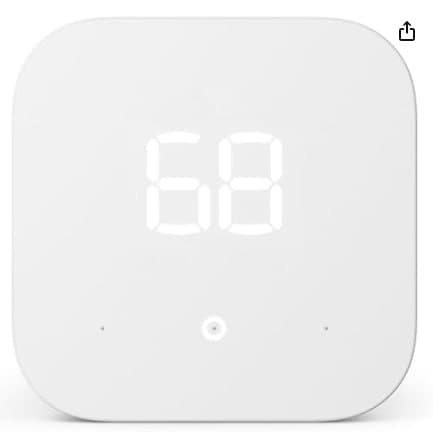
Amazon Smart Thermostat
- Cheapest serious smart thermostat on Amazon at $57.99
- C-wire required and no adapter in the box
(Current price, subject to change)
The Amazon Smart Thermostat earns a normalized 7.6 composite on the SHE Thermostat ROI Score, and its rank is honest: the lowest-cost factor on this list, the narrowest feature envelope. The value goes deeper than the sticker — Amazon licenses Honeywell/Resideo's HVAC platform, so scheduling and aux-heat handling are inherited from the same T-series logic that powers the Honeywell picks, not a from-scratch budget controller. Smart-setback savings still accrue across a 3-year window.
Reviewed calls it "one of the best smart thermostats money can buy, offering similar money-saving smarts and intuitive, habit learning features you'll find on more expensive thermostats." Tom's Guide sums it up as "affordable, attractive and intuitive," and PCMag notes it's "the least expensive model we've tested." ENERGY STAR rebates of $50-$100 can produce an effective price under $40 in many markets.
The trade-offs draw the buyer line cleanly: Alexa-only, no touchscreen, no room-sensor support, and a required C-wire with no adapter in the box. Compared to the breadth picks, it's the budget call. For ecosystem breadth, step up to the Ecobee Smart Thermostat Enhanced.
What We Love
- Cheapest serious smart thermostat on Amazon at $57.99
- Built on Honeywell/Resideo HVAC logic — scheduling and aux-heat behavior inherited from the T-series
- Alexa native with no Google account and Alexa Hunches auto-adjustment
- ENERGY STAR certified, so rebates can drop the effective price under $40 in many US markets
What Could Be Better
- C-wire required and no adapter in the box
- No touchscreen — the front is a capacitive button array
- Alexa-only voice; no HomeKit, no Google Home, no room-sensor support
The Verdict
If you're an Alexa household with a C-wire and you just want off Nest without overspending, the Amazon Smart Thermostat is a sensible pick for that setup. At $57.99 it's a quarter of the Premium's price and runs Honeywell/Resideo scheduling under the hood. The trade is narrow ecosystem — Alexa only — and you'll need a C-wire since there's no adapter in the box.
Best for privacy + legacy HVAC: Sensi Touch 2
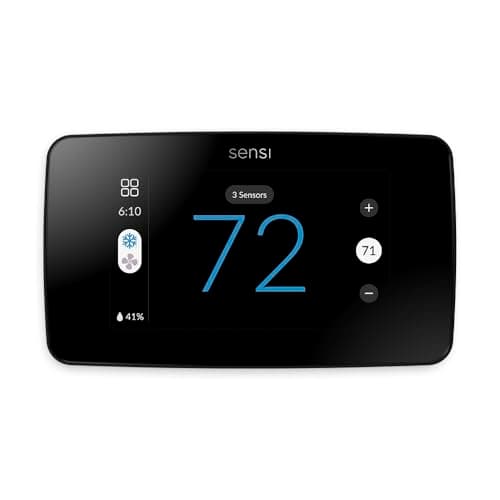
Sensi Touch 2
- HomeKit + Alexa + Google Home all work at a mid-range price
- Requires a C-wire (a ~$28 adapter kit is available separately) — it is NOT a no-C-wire unit despite older guides claiming so
(Current price, subject to change)
The Sensi Touch 2 earns a normalized 7.5 composite on the SHE Thermostat ROI Score and fills a specific niche: three-ecosystem coverage from the most privacy-forward vendor in the category. Emerson/Copeland's data policy is among the clearest here — they state they do not sell your data — exactly the reassurance a buyer leaving Google over account lock-in wants. You get HomeKit, Alexa and Google together at a mid-range price, with a color touchscreen and a roughly 30-minute DIY install.
TechHive calls it "a very solid high-tech smart thermostat" that "improves on the previous generation and works well," and Reviewed rates it "one of the best smart thermostats we've tested." Two corrections matter, because older roundups got them wrong: the Touch 2 requires a C-wire — a ~$28 adapter kit is sold separately — and its room sensors track temperature and humidity only, with no occupancy detection.
Compared to the Honeywell Home T9 it loses multi-room comfort, and versus the Ecobee Smart Thermostat Premium it yields less ecosystem-plus-sensor breadth. But for privacy posture and a familiar interface across all three ecosystems, Sensi is the considered pick.
What We Love
- HomeKit + Alexa + Google Home all work at a mid-range price
- Emerson/Copeland's privacy policy is among the clearest in the category — they do not sell your data
- Reviewers consistently call it a roughly 30-minute DIY install
- Bright, legible color touchscreen with a traditional, easy-to-master interface
What Could Be Better
- Requires a C-wire (a ~$28 adapter kit is available separately) — it is NOT a no-C-wire unit despite older guides claiming so
- Room sensors track temperature and humidity only — no occupancy/motion detection
- The Sensi app is fine, not great, next to Ecobee's and Honeywell's
The Verdict
If you want all three big ecosystems plus a vendor that won't sell your data, the Sensi Touch 2 is a sensible pick for that setup. It runs HomeKit, Alexa and Google at a mid-range price with a roughly 30-minute DIY install. One fix from older guides: it does require a C-wire (an adapter is sold separately), so confirm your wiring first.
How We Score: SHE Thermostat ROI Score
SHE Thermostat ROI Score
Score Formula
((3-Year Cumulative Savings − Total Cost) / Total Cost) × Feature Depth Multiplier, calibrated to a 0-10 scaleScore Factors
- Three-Year Savings (40%)Three-year cumulative energy savings. The baseline is the US Department of Energy smart-thermostat estimate (~$540 over three years on a typical HVAC bill). It adjusts up for occupancy-aware multi-sensor systems, which cut waste in unoccupied rooms, and for line-voltage replacements of dumb baseboard controllers, since baseboard heat is expensive and previously had no scheduling at all.
- Total Cost (30%)Verified live Amazon retail price as of June 16, 2026, pulled via the Amazon Creators API. Lower cost raises the ROI ratio — it's the denominator in the formula. This is why a $57.99 budget pick competes with flagships on raw cost ratio even when its feature set is narrower.
- Feature Depth Multiplier (30%)A 0.85-1.15 multiplier reflecting ecosystem breadth (HomeKit / Alexa / Google / SmartThings / Matter), sensor support, privacy posture (no required cloud account), and install flexibility (C-wire workaround, line voltage, local control). A budget Alexa-only unit sits near 0.85; a multi-ecosystem flagship reaches 1.10. This is the factor that puts the Ecobee Premium on top despite not saving the most dollars.
SHE Thermostat ROI Score — Ranked
Ecobee Smart Thermostat Premium
SHE Thermostat ROI Score8.6/10$259.99 — best feature depth: four ecosystems, included SmartSensor, air-quality monitor; tops on depth not dollars
Ecobee Smart Thermostat Enhanced
SHE Thermostat ROI Score8.5/10$199.99 — same four-ecosystem breadth for $60 less; ENERGY STAR rebate-eligible; SmartSensor sold separately
Honeywell Home T9
SHE Thermostat ROI Score8.5/10$169.99 — long-range occupancy room sensors for multi-room comfort; Alexa + Google but no HomeKit
Honeywell Home T6 Pro Z-Wave
SHE Thermostat ROI Score8.0/10$129.99 — Z-Wave Plus local control with zero cloud dependency for Home Assistant / Hubitat / SmartThings
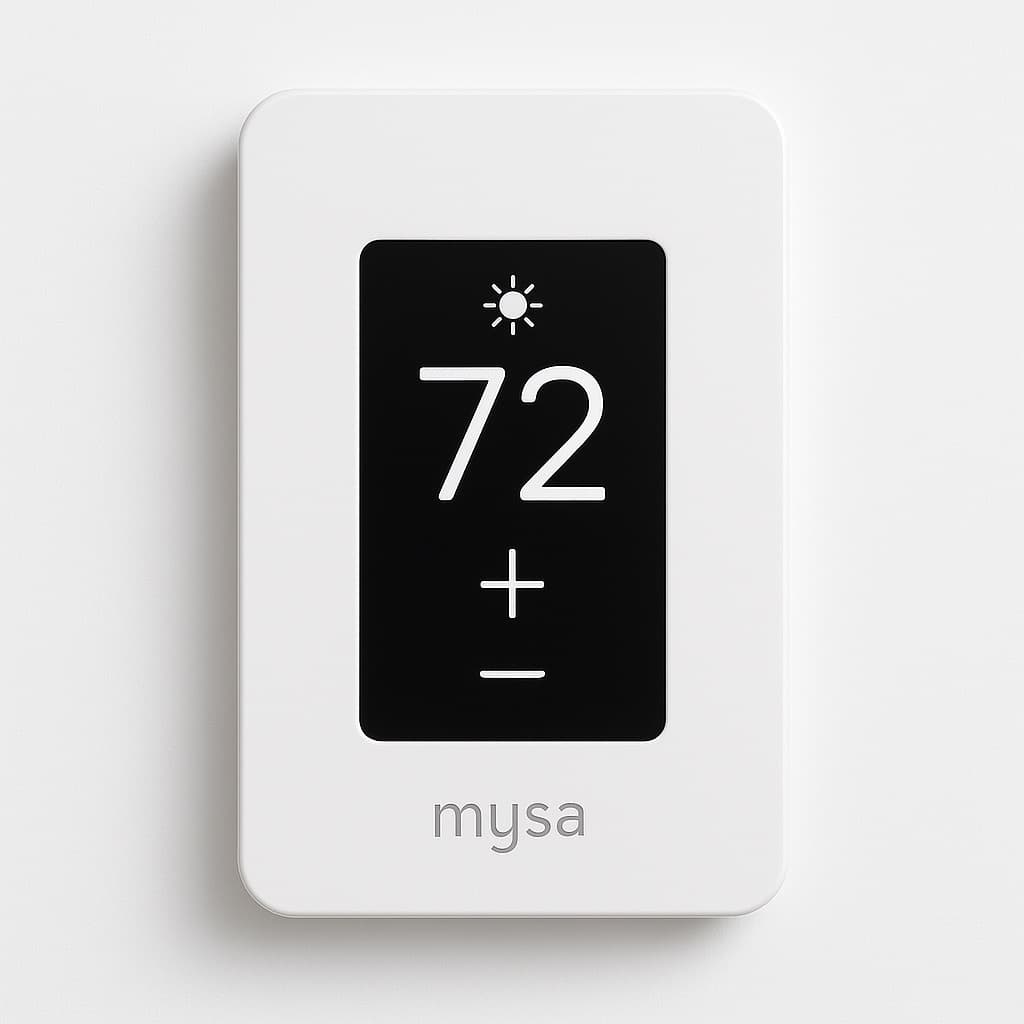
Mysa Smart Thermostat for Electric Baseboard Heaters
SHE Thermostat ROI Score8.0/10$159.00 — the only full-featured smart option at 120V/240V line voltage; HomeKit + per-zone energy tracking
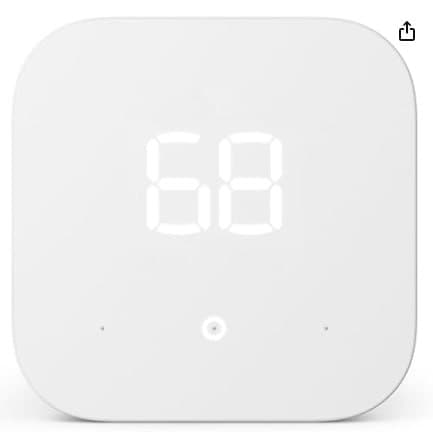
Amazon Smart Thermostat
SHE Thermostat ROI Score7.6/10$57.99 — best raw cost ratio; Alexa-only, Honeywell/Resideo logic; honest narrow-feature budget rank
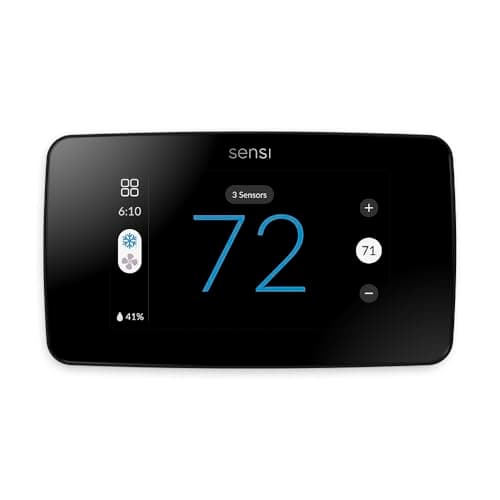
Sensi Touch 2
SHE Thermostat ROI Score7.5/10$150.98 — three ecosystems from a privacy-first vendor; C-wire required; temp/humidity sensors only
Matching Alternatives to Your Existing Ecosystem
The single biggest reason people stay stuck on a dying Nest is the fear that leaving Google means losing their existing smart-home setup. It doesn't — but the right pick depends entirely on which platform your house already runs, so here is the routing by ecosystem.
Apple HomeKit: four picks qualify — the Ecobee Smart Thermostat Premium, the Ecobee Smart Thermostat Enhanced, the Sensi Touch 2, and the Mysa Smart Thermostat for Electric Baseboard Heaters. The two Honeywell models and the Amazon Smart Thermostat have no HomeKit, so skip those if Apple Home is your hub. Alexa-first: everything here works with Alexa, but the Amazon Smart Thermostat is the most integrated — it's native with no skill to install and supports Alexa Hunches.
Leaving Google but keeping Google Home: this is the consequential reassurance for the EOL crowd. Ecobee, both Honeywells, Sensi and Mysa all interoperate with Google Home with no Google account required, preserving voice control without transferring occupancy data into a Nest account. Only the Amazon Smart Thermostat constitutes the exception, since its integration is Alexa-exclusive. Home Assistant, Hubitat or SmartThings: the Honeywell Home T6 Pro Z-Wave is engineered specifically for local control with no cloud dependency; the Ecobee models, which support up to 32 sensors, additionally operate via their cloud API. Matter-first: Ecobee and Mysa have already distributed Matter firmware. Honeywell's Matter timeline on these particular SKUs remains indeterminate, so purchasing a Honeywell anticipating imminent Matter support is inadvisable.
Rebates and the Real Cost of Switching
Two picks are ENERGY STAR certified — the Ecobee Smart Thermostat Enhanced and the Amazon Smart Thermostat — which qualifies them for utility rebates that run $50 to $100 in many US markets. On the budget Amazon unit, a rebate can drop the effective price under $40, the cheapest credible path off a dead Nest. The DOE 3-year baseline credits a smart thermostat with substantial savings versus a dumb one; Ecobee's documented 23% reduction and occupancy-aware systems like the Honeywell Home T9, with 200 ft sensor range, push higher by not conditioning empty rooms. The outlier is the Mysa Smart Thermostat for Electric Baseboard Heaters: at 3.8 kW capacity, electric baseboard is expensive to run and previously had zero scheduling, so its published 26% reduction across a 3-year window recovers more than a typical 24V swap — but a baseboard house often needs several units, so price the whole project. Compared to a single-unit upgrade, the multi-zone math changes the payback calculation.
When NOT to Buy
Not every Nest owner needs to act. If yours is a Gen 3 Learning Thermostat or the 2020 Nest Thermostat E, it is still supported — the October 2025 retirement only hit Gen 1 and Gen 2, so you can hold off until you actually want different features. Renters should check the lease before swapping any hardwired thermostat; a landlord-owned HVAC system may require permission, and a line-voltage Mysa install in particular is not a casual reversible change. And if your only complaint is that you'd like to rebuild your schedules, budget a little time: every pick here rebuilds schedules from scratch in its own app rather than importing them from Nest.
Who Should Buy What
Who Should Buy What
| If you are… | Recommended pick |
|---|---|
Multi-ecosystem household leaving Google You mix Apple, Alexa and Google and want one thermostat that runs all of them with no Google account and an included occupancy sensor | Ecobee Smart Thermostat Premium |
Value-minded single-thermostat home You want full Ecobee ecosystem breadth with no Google account but never used a remote sensor and want to save $60 over the Premium | Ecobee Smart Thermostat Enhanced |
Two-story or zoned home that heats unevenly Some rooms bake while others freeze and you want long-range occupancy-aware sensors — and you don't need Apple HomeKit | Honeywell Home T9 |
Local-control / Home Assistant owner You already run a Z-Wave hub and want a thermostat that never touches a cloud, with all control staying local on your network | Honeywell Home T6 Pro Z-Wave |
Electric baseboard or in-floor heat home You heat with 120V/240V electric baseboard or fan-forced heat — a system standard smart thermostats and Nest cannot wire into | Mysa Smart Thermostat for Electric Baseboard Heaters |
Budget Alexa household with a C-wire You run Alexa, have a C-wire, and want the cheapest serious smart thermostat without giving up real scheduling logic | Amazon Smart Thermostat |
Frequently Asked Questions
Which smart thermostats work without a Google account?
All seven picks here work with no Google account. The Ecobee Premium, Ecobee Enhanced, Honeywell T9, Honeywell T6 Pro Z-Wave, Mysa and Sensi Touch 2 even work with Google Home itself without one — you keep Google voice control without piping data into a Nest account. The Amazon Smart Thermostat is the exception only in that it's Alexa-only, so it has no Google ties at all.
My Nest Gen 1 or Gen 2 stopped working in its app — is it broken?
It's not broken, it's retired. Google ended app and Google Home support for the Nest Learning Thermostat Gen 1 and Gen 2 on October 25, 2025. The unit still controls your furnace but loses remote control, schedules, voice and notifications. The only way back to a connected thermostat is to replace it — any pick in this guide restores those features without a Google account.
What's the best HomeKit alternative to Nest?
The Ecobee Smart Thermostat Premium is the strongest HomeKit pick — it runs HomeKit, Alexa, Google and SmartThings together and ships an occupancy sensor. The Ecobee Enhanced, Sensi Touch 2 and Mysa also support HomeKit. The two Honeywell models and the Amazon Smart Thermostat do not, so avoid those if Apple Home is your hub.
Do these thermostats need a C-wire?
It varies. Both Ecobee models include a Power Extender Kit that handles C-wire-free systems. The Honeywell T9 includes a C-wire adapter. The Sensi Touch 2 requires a C-wire (a roughly $28 adapter is sold separately). The Amazon Smart Thermostat requires a C-wire with no adapter in the box. Check your existing wiring before buying — a missing C-wire is the most common install surprise.
Is there a smart thermostat for electric baseboard heat?
Yes — the Mysa Smart Thermostat for Electric Baseboard Heaters handles 120V/240V line-voltage loads up to 3800W, which Nest and standard 24V thermostats cannot. It adds HomeKit, scheduling, geofencing and per-zone energy tracking. Note that each Mysa controls one zone, so a baseboard home often needs several, and line-voltage wiring is best handled by an electrician if you're unsure.
Which alternative works without the cloud for Home Assistant?
The Honeywell Home T6 Pro Z-Wave is the local-control pick. It speaks Z-Wave Plus with S2 Security and nothing else, so all control runs through your hub on your own network with no cloud dependency. It pairs to Home Assistant, Hubitat or SmartThings via SmartStart QR pairing, but it requires a Z-Wave hub — it does nothing as a standalone product.
Should I replace a Nest that still works?
Not necessarily. If you have a still-supported Gen 3 Learning or 2020 Nest Thermostat E, there's no urgency. The common reasons people switch anyway are Google account lock-in (your data flows into Google Home), heat-pump or dual-fuel instability without a C-wire, and a preference for local control. If none of those bother you and your Nest is supported, you can wait.
Can renters install these thermostats?
Check your lease first. Any hardwired thermostat swap may need landlord permission, and a line-voltage Mysa install is not a casual reversible change. If you're cleared to swap, keep your original Nest and faceplate to reinstall at move-out. The Amazon Smart Thermostat and Ecobee models are among the simplest 24V swaps to reverse later.
Bottom Line
Get the Ecobee Smart Thermostat Premium if you mix Apple, Alexa and Google and want every ecosystem at once with no Google account, plus an included occupancy sensor.
Get the Ecobee Smart Thermostat Enhanced if you want the same ecosystem breadth for $60 less and don't need the included SmartSensor or air-quality monitor.
Get the Honeywell Home T9 if you have a multi-room or two-story home that heats unevenly and want long-range occupancy sensors (HomeKit not required).
Get the Honeywell Home T6 Pro Z-Wave if you run a Z-Wave hub and want fully local thermostat control with no cloud dependency.
Get the Mysa Smart Thermostat for Electric Baseboard Heaters if you heat with 120V/240V electric baseboard, fan-forced or in-floor heat.
Get the Amazon Smart Thermostat if you're an Alexa household with a C-wire and want the cheapest serious smart thermostat.
The right call for most homes leaving Nest is the Ecobee Smart Thermostat Premium at $259.99 — four ecosystems with no Google account and the deepest feature set here. For budget Alexa homes, the Amazon Smart Thermostat at $57.99 covers the basics. Don't rush to replace a still-supported Gen 3 Learning or 2020 Nest Thermostat E — the October 2025 retirement only affected Gen 1 and Gen 2.
Sources & Methodology
Methodology: SHE Thermostat ROI Score — Formula: ((3-Year Cumulative Savings − Total Cost) / Total Cost) × Feature Depth Multiplier, calibrated to a 0-10 scale. Factors: Three-Year Savings (40%): Three-year cumulative energy savings. The baseline is the US Department of Energy smart-thermostat estimate (~$540 over three years on a typical HVAC bill). It adjusts up for occupancy-aware multi-sensor systems, which cut waste in unoccupied rooms, and for line-voltage replacements of dumb baseboard controllers, since baseboard heat is expensive and previously had no scheduling at all. | Total Cost (30%): Verified live Amazon retail price as of June 16, 2026, pulled via the Amazon Creators API. Lower cost raises the ROI ratio — it's the denominator in the formula. This is why a $57.99 budget pick competes with flagships on raw cost ratio even when its feature set is narrower. | Feature Depth Multiplier (30%): A 0.85-1.15 multiplier reflecting ecosystem breadth (HomeKit / Alexa / Google / SmartThings / Matter), sensor support, privacy posture (no required cloud account), and install flexibility (C-wire workaround, line voltage, local control). A budget Alexa-only unit sits near 0.85; a multi-ecosystem flagship reaches 1.10. This is the factor that puts the Ecobee Premium on top despite not saving the most dollars.
Expert review sources used in this analysis:
- SmartHomeExplorer aggregates expert review data and community sentiment to produce consensus-based buying guidance
- We do not perform first-party product testing
- Expert ratings and product assessment data come from TechGearLab, Tom's Guide, PCMag, TechHive, and Reviewed
- Four of the seven picks (Ecobee Premium, Honeywell T9, Amazon Smart Thermostat, Sensi Touch 2) clear our two-outlet coverage floor; the Ecobee Enhanced, Honeywell T6 Pro Z-Wave, and Mysa are covered by one or no registered tier-1 outlet for their exact SKUs, so their sections rely on verified manufacturer specifications plus the SHE Thermostat ROI Score rather than stacked outlet quotes
- Amazon prices and product availability verified 2026-06-16 via the Amazon Creators API
- Ecosystem compatibility (HomeKit, Alexa, Google, Z-Wave, Matter) verified from manufacturer specifications as of the same date
- The Nest Gen 1 / Gen 2 end-of-life date (October 25, 2025) is from Google's own support announcement
- SHE Thermostat ROI Score factors derive from the US DOE smart-thermostat savings baseline, live Amazon pricing, and per-product feature verification; no first-party measurements were conducted.
Nicholas Miles is the founder of SmartHomeExplorer and a longtime smart home enthusiast focused on helping everyday homeowners make better technology decisions. He researches, compares, and writes about products across security, climate, lighting, leak prevention, sensors, home energy, and automation, with an emphasis on real-world usefulness, ecosystem compatibility, reliability, privacy, and long-term value.
Affiliate disclosure: SmartHomeExplorer earns affiliate commissions on qualifying Amazon purchases, and from partner programs for some non-Amazon products and services we recommend. Our scoring methodology is independent of affiliate relationships.