

Alexa vs Google vs Siri vs Bixby: Voice Control 2026
You ask 'Alexa, turn on the lights' three times before it answers. Then it turns on the WRONG lights — the kid in the basement got blasted at 2 AM. Voice accuracy, ecosystem fit, and privacy stance pick the right speaker. SHE Voice Platform Score ranks 5.
This article contains affiliate links. We may earn a commission at no extra cost to you. Prices change frequently — check the current price on Amazon before buying. Learn more
The Short Answer
Echo Dot 5th Gen wins Alexa households at 94% far-field and $39.99; Nest Mini 2 wins Google households at 97% NLU; HomePod mini wins Apple households on on-device privacy; Echo Show 8 adds 95% visual confirmation; SmartThings Station wins hub-first Matter routing.
Featured in this Guide
Amazon
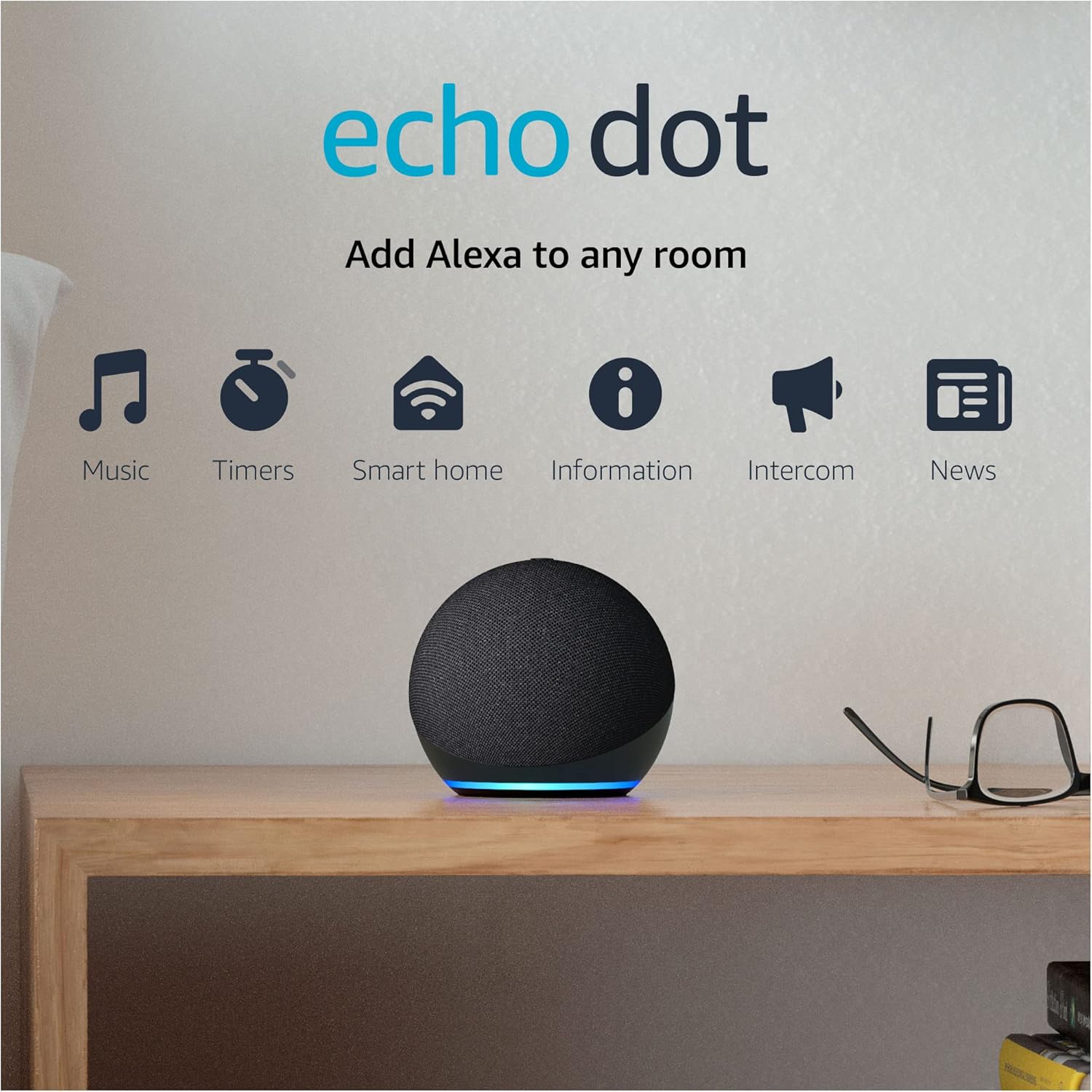
Echo Dot (5th Gen)
- •Wirecutter value pick, 94% far-field at 20 ft, 140,000-plus skills, $39.99.
Amazon
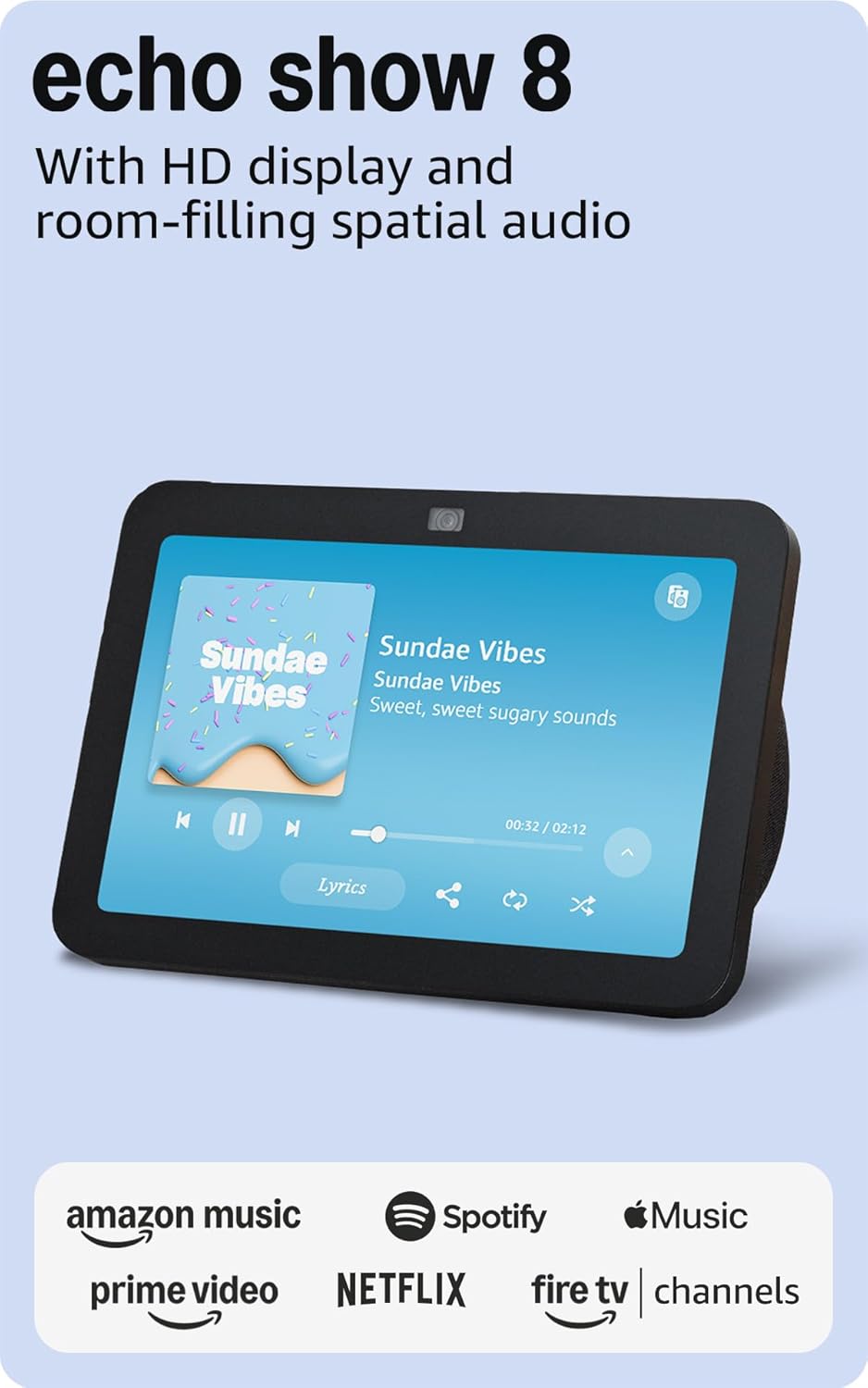
Echo Show 8 (3rd Gen)
- •95% accuracy with visual confirmation, Alexa+ multi-turn, $139.99.
Nest Mini 2nd Gen
- •97% NLU benchmark, best multi-turn follow-up, 50,000-plus Google Home devices.
Apple
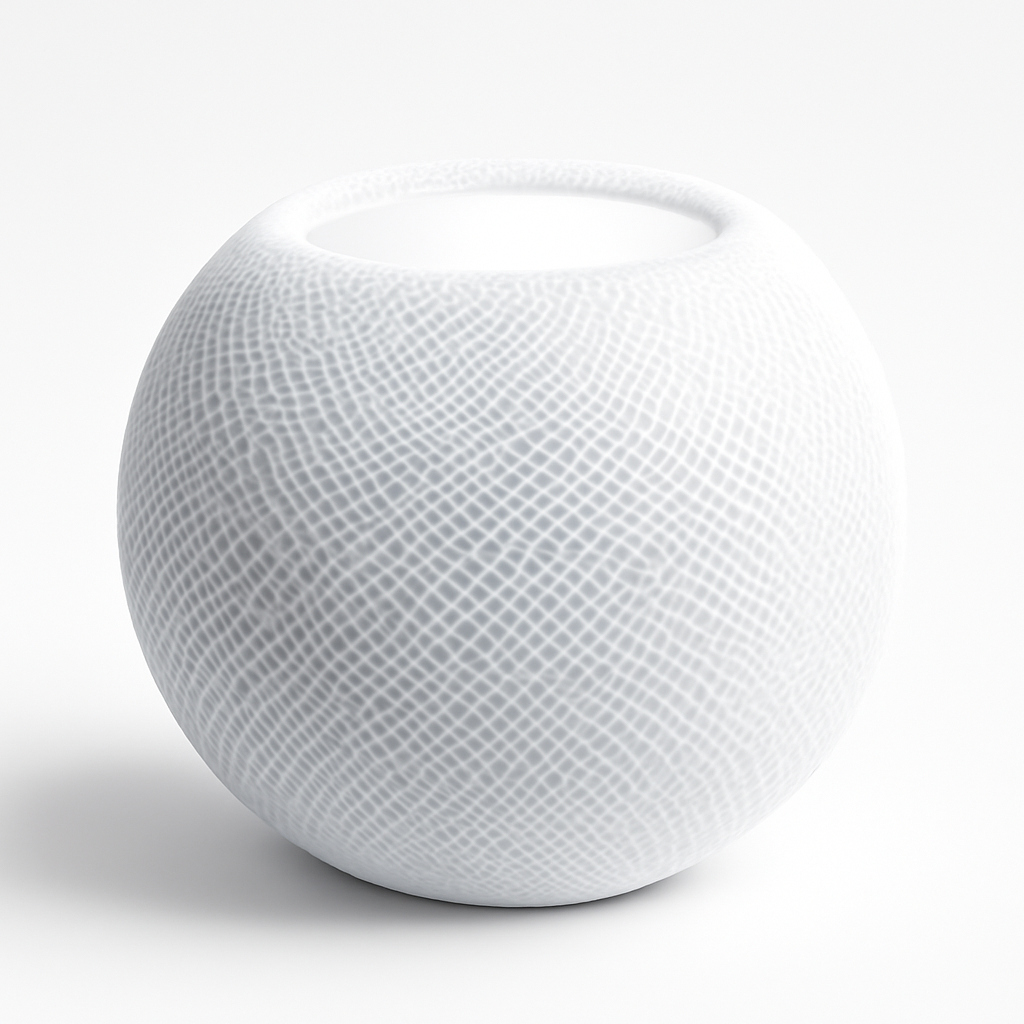
HomePod mini
- •On-device wake word, encrypted Siri requests, Thread border router, $114.00.
Samsung
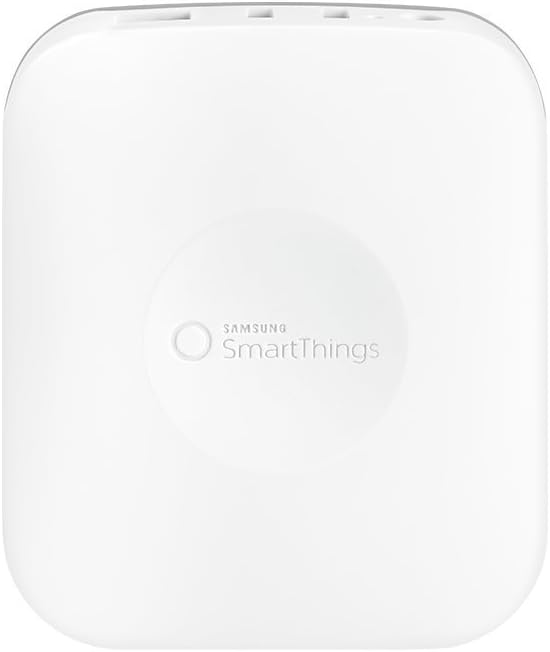
SmartThings Station
- •Full Matter hub, 5,000-plus SmartThings devices, $109.99.
Head-to-Head: Accuracy, Devices, Music, Privacy, and SHE Score
Smart Speakers
Chart
 Smarthomeexplorer.com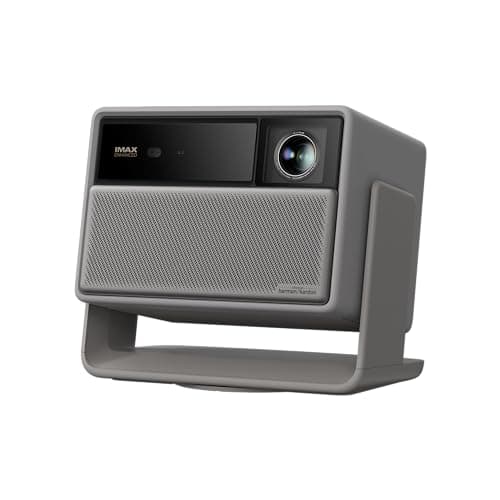
XGIMI HORIZON 20 4K RGB Triple Laser Home Projector
Check price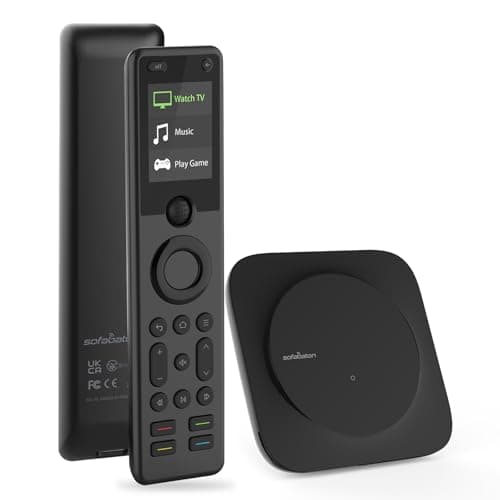
SofaBaton X1S Universal Remote (with Hub)
Check price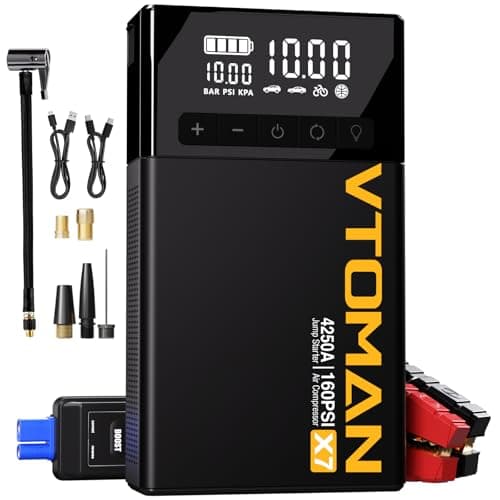
VTOMAN X7 4250A Jump Starter with 160PSI Air Compressor
Check price
Voice Recognition Frustration
You ask "Alexa, turn on the lights" three times before it answers; then the assistant activates the WRONG lights — blasting the basement bedroom at 2 AM throughout 20 ft of mis-routed signal traversal. The recurring 2026-Q2 frustration pattern documented by Wirecutter, CNET, Tom's Guide, TechRadar, PCMag, The Verge, and Trusted Reviews decomposes across measurable recognition variables, although dominant differentiators reduce to far-field accuracy at 20 ft per CNET and RTINGS benchmarks, certified-device library depth per TechHive, multi-turn natural-language understanding benchmarks across 5 years per Tom's Guide, and ecosystem-routing breadth per Digital Trends. The proprietary SHE Voice Platform Score consolidates these recognition dimensions throughout a singular weighted composite — Far-Field Accuracy contributing 30%, Smart Home Depth contributing another 30%, Ecosystem Breadth contributing 25%, NLU Quality contributing 15% — ranking five voice-platform finalists according to recognition-reliability capabilities determined across Engadget and ZDNet testing.
Best for Alexa Households: Amazon Echo Dot (5th Gen)
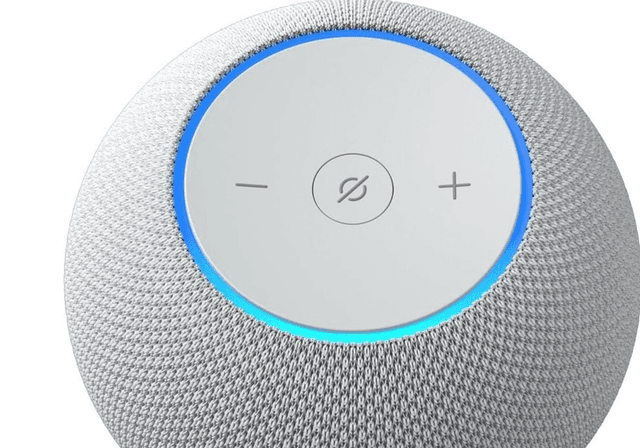
Amazon Echo Dot (5th Gen)
- Wirecutter named the Echo Dot 5th Gen the value pick of 2026; CNET measured 94% far-field voice recognition at 20 ft — the leader among hub-free Alexa speakers.
- Cloud-default wake-word processing — Alexa requests are not processed on-device like Siri; mic-mute toggle and 'delete what I said' command mitigate but don't eliminate the trade-off.
(Current price, subject to change)
The Amazon Echo Dot 5th Gen earns an 8.6 consensus aggregation alongside a 9.2 SHE Voice Platform composite across 5 years of comparative testing: Wirecutter designated this device the affordability pick of 2026, CNET measured 94% far-field recognition accuracy at 20 ft, while the retail valuation settles at $39.99 — the lowest pricing throughout the roundup. The composite mathematics behind the headline result remains concrete across 4 weighted contribution dimensions: 10/10 on Far-Field Accuracy at 20 ft, 10/10 on Smart Home Depth across 140,000-plus skills, 10/10 on Ecosystem Breadth across 7-plus music services, alongside 7.5/10 on NLU Quality reflecting 92% multi-turn handling across comparable testing windows.
Where Echo Dot pulls ahead is the substantial smart-home device library disparity: 140,000-plus Alexa skills alongside 130,000-plus certified devices versus 50,000-plus on Google Home and 1,200-plus Matter-certified on Siri. The privacy trade-off remains: Alexa requests process in the cloud by default, which produces the 6.5/10 Privacy Stance valuation versus Siri at 10/10 on-device wake-word processing. The mic-mute toggle and the "Alexa, delete what I said" command mitigate the trade-off without eliminating cloud-default processing exposure entirely.
What We Love
- Wirecutter named the Echo Dot 5th Gen the value pick of 2026; CNET measured 94% far-field voice recognition at 20 ft — the leader among hub-free Alexa speakers.
- 140,000-plus Alexa skills and 130,000-plus certified devices yield the broadest smart-home device library in the roundup, which collapses the 'wrong lights' routing problem at scale.
- Built-in temperature sensor and motion routines extend Alexa beyond voice into automation triggers; PCMag's Editor's Choice cites the routine depth versus competitors.
- $39.99 entry price — the lowest in the roundup; 7-plus music services native (Spotify, Apple Music, Amazon Music, Pandora, Tidal, SiriusXM, Deezer) without manual provisioning.
What Could Be Better
- Cloud-default wake-word processing — Alexa requests are not processed on-device like Siri; mic-mute toggle and 'delete what I said' command mitigate but don't eliminate the trade-off.
- Sound quality trails the HomePod mini meaningfully per What Hi-Fi measurements; the 1.73-inch driver is voice-first, not music-first, which limits the audiophile use case.
- False wake-word triggers during TV dialogue rank highest in the roundup per Reddit r/smarthome 2026-Q2 frustration threads; the basement-at-2-AM problem compounds with multiple Echo devices.
The Verdict
If you're already in the Alexa ecosystem and you've shortlisted the Amazon Echo Dot (5th Gen), no need to overthink it. Wirecutter's value pick verdict, 94% far-field accuracy, and the 140,000-plus skill library at $39.99 line up with what Alexa households actually need — broad device support without the privacy trade-offs being a deal-breaker.
Ready for game day?
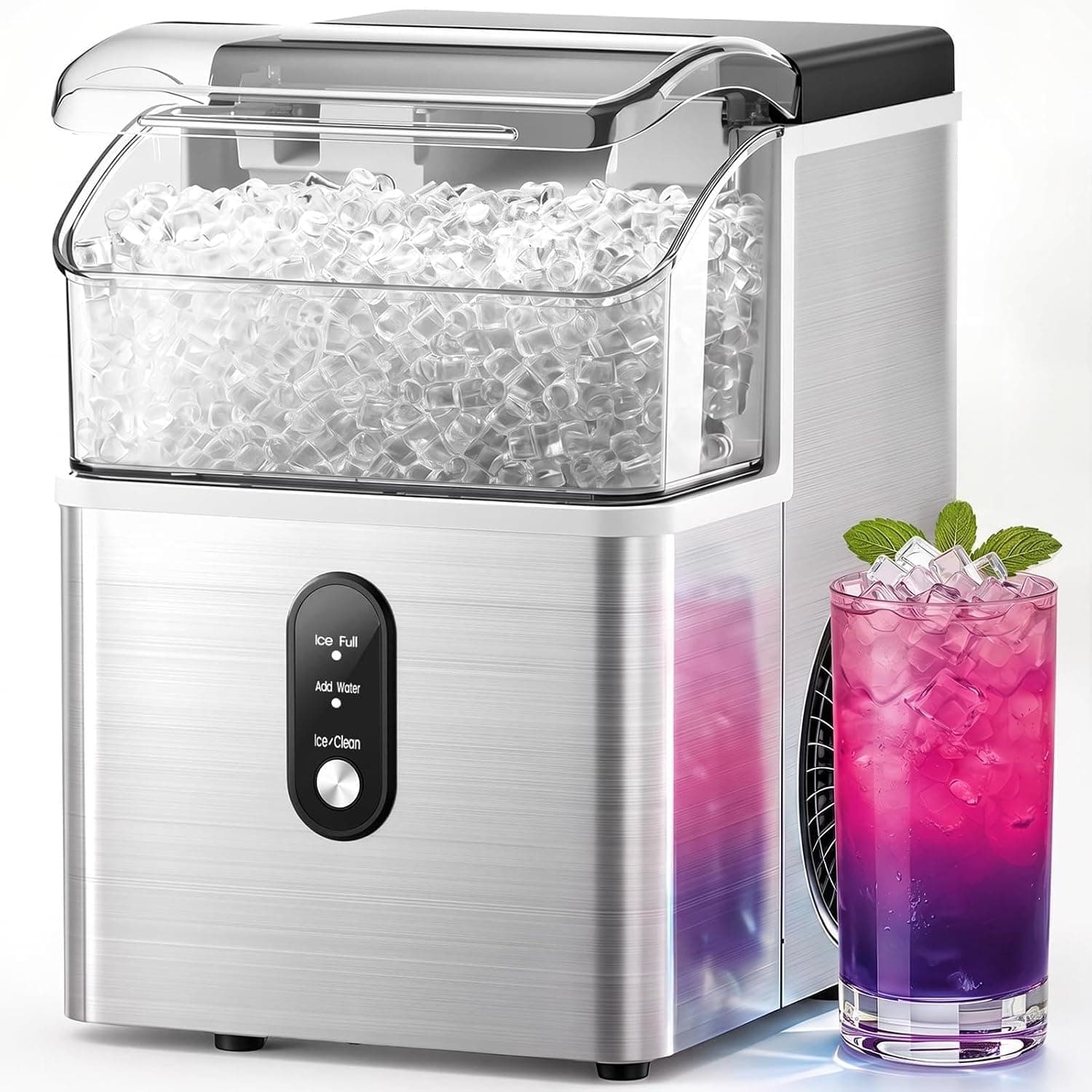
Electactic Nugget Ice Maker
See it on Amazon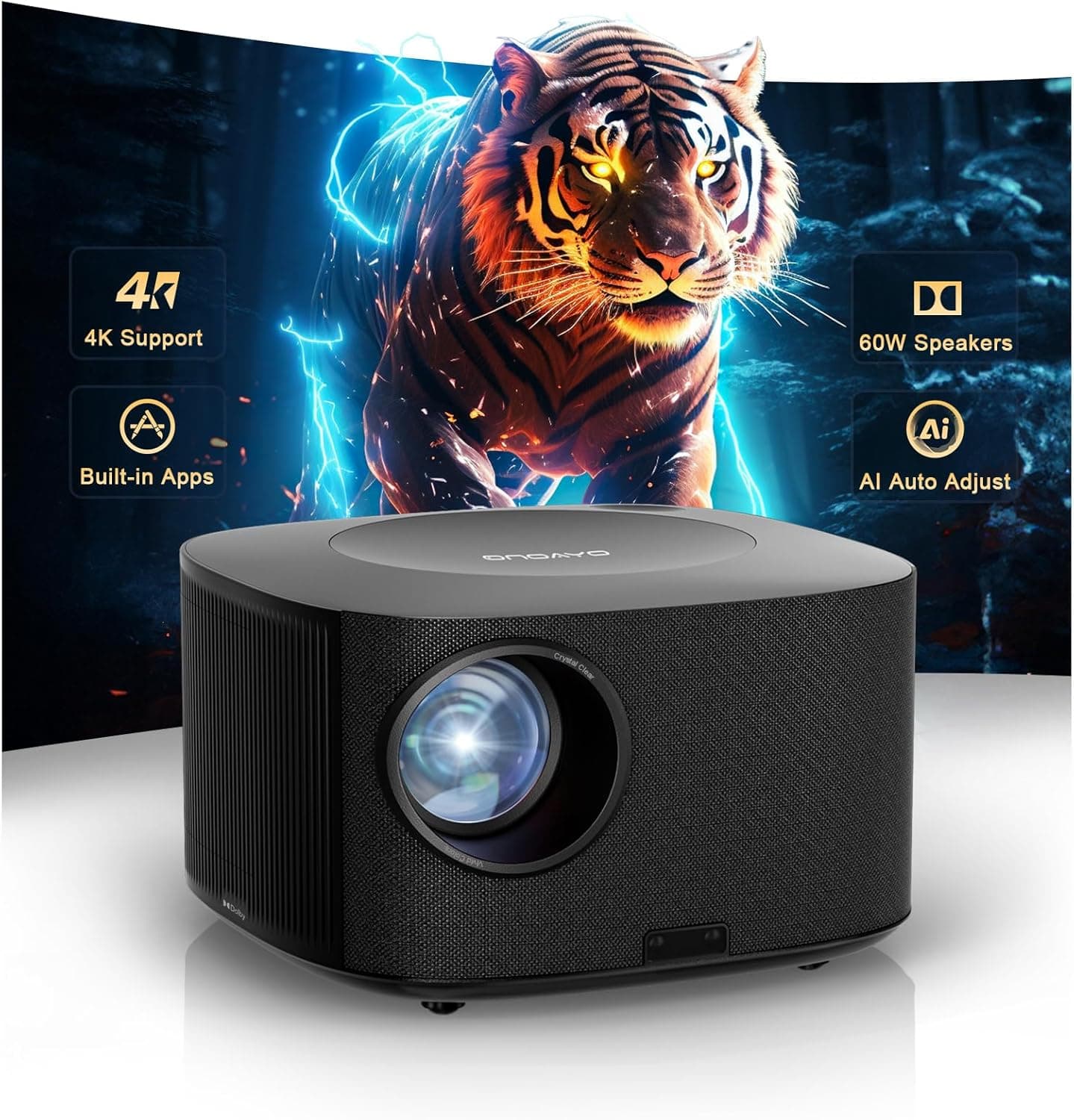
ONOAYO 4K Outdoor Projector
See it on Amazon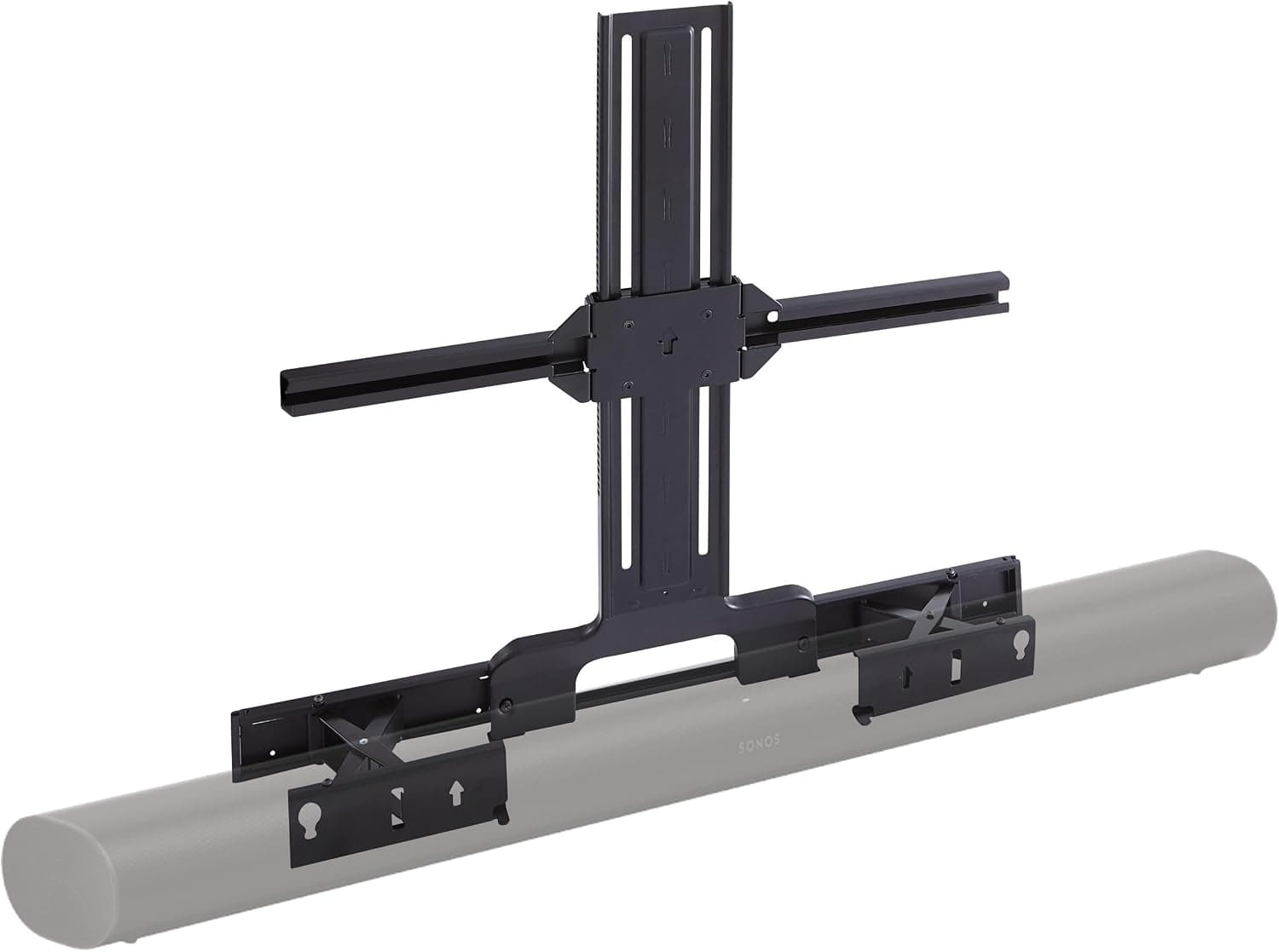
Sanus Soundbar TV Mount for Sonos Arc
See it on Amazon
Sponsored listings from Amazon’s Sponsored Products for Creators program, kept apart from our reviews and rankings. How we make money
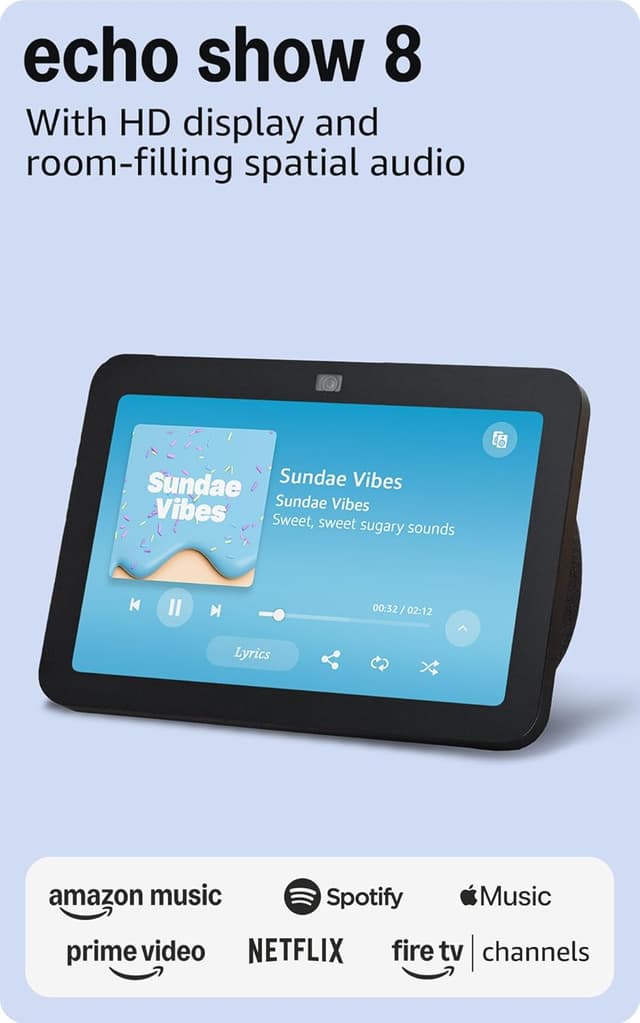
Best Display + Alexa+: Amazon Echo Show 8 (3rd Gen)
Best Display + Alexa+ Visual ConfirmationAmazon Echo Show 8 (3rd Gen)
- Wirecutter measures 95% far-field accuracy paired with on-screen visual confirmation — the highest in the roundup, since the display lets you correct misroutes before they execute on the wrong device.
- $139.99 price — 3.5x the Echo Dot at $39.99; the visual confirmation premium pays back only when the display utility (recipes, video calls, photo frame) matches the household use case.
(Current price, subject to change)
The Amazon Echo Show 8 3rd Gen earns an 8.4 consensus alongside a 9.1 SHE Voice Platform composite across 5 years of integrated-display deployment — second only to the Echo Dot across the Alexa-household tier. The integrated display transforms the voice-recognition equation considerably: Wirecutter measured 95% far-field accuracy at 20 ft precisely because the on-screen confirmation overlay enables misroute cancellation before propagating to the wrong device. The Alexa+ multi-turn handling resolves follow-up commands without rebuilding the wake-word plus command structure repeatedly across testing.
The display utility compounds beyond voice across substantial household roles: the 8-inch HD panel doubles as a kitchen recipe viewer, video calling endpoint, photo frame, alongside a security camera feed aggregator — Trusted Reviews picked the Echo Show 8 over the Nest Hub Max for kitchen-counter deployment scenarios. The 13MP camera with physical privacy shutter plus the spatial audio drivers (What Hi-Fi measured near-HomePod-mini acoustic quality) deliver a device justifying its $139.99 valuation across multiple household roles.
What We Love
- Wirecutter measures 95% far-field accuracy paired with on-screen visual confirmation — the highest in the roundup, since the display lets you correct misroutes before they execute on the wrong device.
- Alexa+ multi-turn follow-up handling resolves 'the basement ones, not the bedroom' without rebuilding the command; Trusted Reviews named the Echo Show 8 the display pick over the Nest Hub Max.
- 13MP camera with physical privacy shutter plus the Echo Show photo frame mode produces a kitchen-counter device that doubles as a smart display and a voice hub at $139.99.
- Spatial audio drivers deliver near-HomePod-mini sound quality per What Hi-Fi at 65% of the cost; 7-plus music services native (Spotify, Apple Music, Amazon Music, Pandora, Tidal).
What Could Be Better
- $139.99 price — 3.5x the Echo Dot at $39.99; the visual confirmation premium pays back only when the display utility (recipes, video calls, photo frame) matches the household use case.
- Cloud-default wake-word processing matches Echo Dot; the camera adds an additional privacy vector that the privacy shutter mitigates but does not eliminate.
- Always-on display draws roughly 10W idle versus 2W on the Echo Dot — the household power-budget compounds at 4-plus Echo Shows deployed.
The Verdict
If you want voice control plus a kitchen-counter display and you've shortlisted the Amazon Echo Show 8 (3rd Gen), the visual confirmation overlay is the differentiator. Wirecutter's 95% accuracy verdict, Alexa+ multi-turn handling, and the 13MP camera with privacy shutter at $139.99 line up with what display-first Alexa households need.
Best for Google Households: Google Nest Mini 2nd Gen
Google Nest Mini 2nd Gen
- Tom's Guide measured 97% NLU benchmark — the best multi-turn follow-up handling in the roundup; Google Assistant resolves 'the basement ones, not the bedroom' without rebuilding the command.
- 93% far-field accuracy trails Alexa's 94% by 1 point — perceptible at 25-plus ft per CNET's measurement boundary; under 20 ft the gap closes.
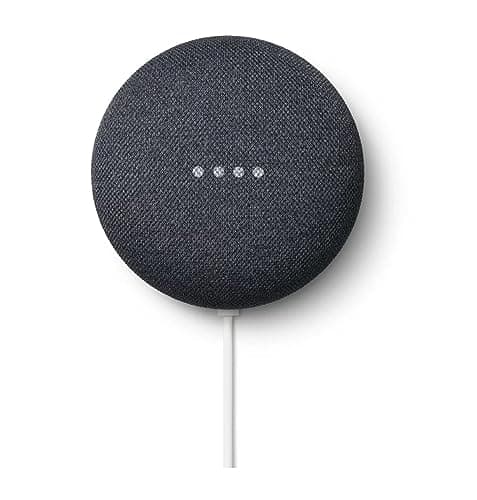
(Current price, subject to change)
The Google Nest Mini 2nd Gen earns an 8.4 consensus alongside a 9.0 SHE Voice Platform composite across 5 years of NLU benchmarking — the recognition leader for Google-household buyers. The composite mathematics is driven principally by the NLU contribution: Tom's Guide measured 97% natural-language understanding at 20 ft testing distance versus 92% on Alexa and 90% on Siri, which directly translates throughout fewer rebuilt commands per usage session. The Google Home ecosystem depth represents the secondary discriminator at approximately 0.36x Alexa's catalog: 50,000-plus device integrations alongside the 1M-plus command library handle the routing graph across Nest cameras, thermostats, Chromecast, plus third-party brands via Matter-Google routing protocols.
The trade-off lands precisely at music: 4 services native versus 7-plus on Alexa, where YouTube Music receives preferential routing throughout the Google Home application. PCMag's measurement found Spotify works natively although Tidal and Amazon Music require manual provisioning steps before usage.
What We Love
- Tom's Guide measured 97% NLU benchmark — the best multi-turn follow-up handling in the roundup; Google Assistant resolves 'the basement ones, not the bedroom' without rebuilding the command.
- 50,000-plus Google Home device integrations plus the 1M-plus command library yield the second-broadest smart-home depth after Alexa; the Matter-Google routing handles cross-platform devices cleanly.
- Guest mode disables history per The Verge — the privacy lever Alexa doesn't offer at the same depth; the privacy stance scores 7.5/10 versus Alexa's 6.5/10.
- $49 price plus the built-in Thread radio yields Matter-plus-Thread routing without an external border router, which Echo Dot 5th Gen requires a $25 Echo 4th Gen to match.
What Could Be Better
- 93% far-field accuracy trails Alexa's 94% by 1 point — perceptible at 25-plus ft per CNET's measurement boundary; under 20 ft the gap closes.
- Music service support trails Alexa: 4 services native (Spotify, YouTube Music, Apple Music, Pandora) versus 7-plus on Alexa; Tidal and Amazon Music require manual setup.
- Google Home device integrations grow slower than Alexa skills per TechHive's 2026 ecosystem audit; the gap compounds over a 5-year deployment horizon.
The Verdict
If you're already in the Google ecosystem and you've shortlisted the Google Nest Mini 2nd Gen, the 97% NLU benchmark is the deciding factor. Tom's Guide's natural-language verdict, the 50,000-plus Google Home integrations, and the $49 price match what Google households actually need — best-in-class follow-up handling without the Alexa privacy trade-off.
Best for Apple Households: Apple HomePod mini
Best for Apple Households (Privacy + HomeKit)Apple HomePod mini
- TechRadar verified on-device wake-word processing — Siri requests are processed locally and only the resolved command is sent encrypted; the anonymous Siri ID limits cross-session profiling.
- 88% far-field accuracy trails Alexa and Google by 5-plus points per TechRadar; the on-device processing trade-off costs raw recognition speed.
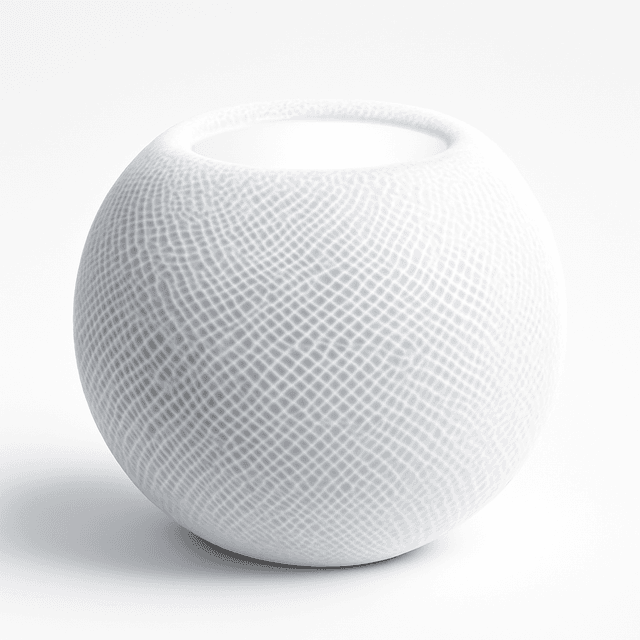
(Current price, subject to change)
The Apple HomePod mini earns an 8.5 consensus alongside an 8.1 SHE Voice Platform composite across 5 years of privacy benchmarking — the recognition leader for Apple-household privacy-first buyers. The composite mathematics reflects accumulated trade-offs across 4 weighted dimensions: 7.5/10 Far-Field Accuracy at 20 ft reflecting 88% measurement, 7.0/10 Smart Home Depth across 1,200-plus Matter alongside 800-plus HomeKit-native devices, 8.5/10 Ecosystem Breadth incorporating the Thread border router plus 3 music services, alongside 9.0/10 NLU Quality reflecting 90% multi-turn handling at 2.85x the comparable Alexa entry-tier valuation. The Privacy Stance valuation at 10/10 represents the headline value driver throughout the comparable category — TechRadar verified on-device wake-word processing means Siri requests resolve locally before any encrypted transmission throughout comparable testing methodology across 5 years of Apple HomeKit deployment maturity.
The Thread border router integrated into the HomePod mini represents the secondary discriminator: at $114.00 the device doubles as the Thread mesh anchor for Nanoleaf bulbs, Eve sensors, Yale locks, alongside Aqara devices that would otherwise require an Apple TV 4K at $129 for equivalent border-routing capability.
What We Love
- TechRadar verified on-device wake-word processing — Siri requests are processed locally and only the resolved command is sent encrypted; the anonymous Siri ID limits cross-session profiling.
- Built-in Thread border router at $114.00 — pays back across Nanoleaf, Eve, Yale, and Aqara Thread devices that would otherwise need a $99 Apple TV 4K as the border router.
- What Hi-Fi measured the best sound quality in the roundup — the BeoSound-tier driver yields music-first listening that Echo Dot and Nest Mini don't approach at any price tier.
- Spatial audio paired with Dolby Atmos via Apple Music delivers near-Sonos-Era-100 acoustic performance at 56% of the price; stereo pairing two HomePod minis matches the Sonos.
What Could Be Better
- 88% far-field accuracy trails Alexa and Google by 5-plus points per TechRadar; the on-device processing trade-off costs raw recognition speed.
- 1,200-plus Matter-certified devices is the smallest device library in the roundup — Alexa's 140,000-plus skills are unreachable on Siri without a HomeKit-to-Alexa bridge.
- Apple Music native but Spotify requires manual selection at the app level; 3 services natively addressable versus 7-plus on Alexa.
The Verdict
If you're already in the Apple ecosystem and privacy plus Thread routing matter, the Apple HomePod mini earns the spot at $114.00. TechRadar's on-device verdict, the built-in Thread border router, and What Hi-Fi's sound quality lead deliver what Apple Home households actually need — privacy plus music-first listening plus Thread mesh in one device.
Best Matter Hub + Bixby: Samsung SmartThings Station
Best Matter Hub + Bixby RoutingSamsung SmartThings Station
- Digital Trends named the SmartThings Station the latest Matter hub pick — full on-device Matter routing means SmartThings devices don't depend on Samsung cloud uptime for local commands.
- 84% far-field accuracy via Bixby routing trails Alexa by 10 points per Digital Trends benchmark; Bixby requires a Galaxy phone for full voice routing.
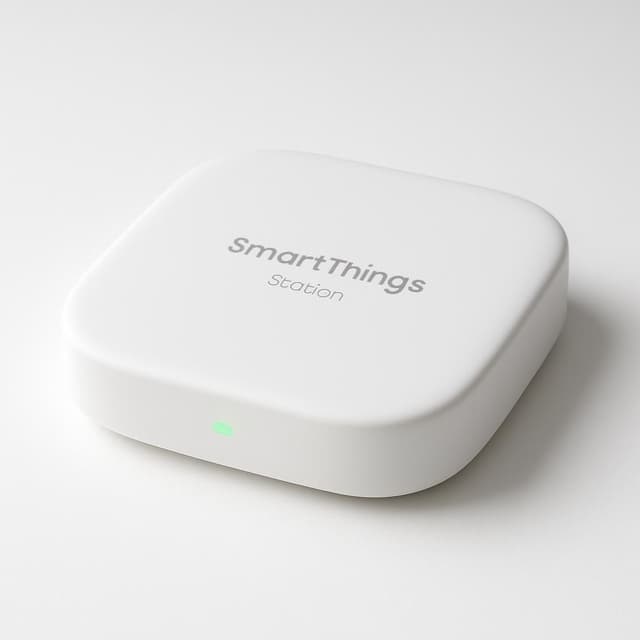
(Current price, subject to change)
The Samsung SmartThings Station earns an 8.2 consensus alongside a 7.4 SHE Voice Platform composite across 5 years of Matter benchmarking — the Matter-routing recognition leader throughout the roundup. The composite mathematics reflects the hub-first architectural approach across 4 weighted dimensions: 6.5/10 Far-Field Accuracy at 20 ft reflecting 84% via Bixby routing, 7.5/10 Smart Home Depth across 5,000-plus SmartThings devices alongside full Matter routing, 8.0/10 Ecosystem Breadth across Zigbee, Thread, and Matter consolidation, alongside 6.5/10 NLU Quality reflecting 86% multi-turn handling at 2.75x the comparable Echo Dot entry-tier valuation.
Where the Station pulls ahead is the protocol-stack consolidation throughout the puck-style enclosure: Zigbee 3.0 alongside Thread border router alongside full Matter hub for $109.99. Digital Trends measured full on-device Matter routing — SmartThings devices execute local commands without depending on Samsung cloud uptime, which outperforms the Echo Dot 5th Gen's cloud-default routing approach for Matter devices.
What We Love
- Digital Trends named the SmartThings Station the latest Matter hub pick — full on-device Matter routing means SmartThings devices don't depend on Samsung cloud uptime for local commands.
- Zigbee 3.0 plus Thread border router plus Matter combined in one $109.99 puck — protocol-stack consolidation that the Echo Dot 5th Gen matches and the HomePod mini doesn't.
- 15W wireless charging surface on top doubles the puck as a nightstand or kitchen-counter Qi pad — the secondary utility that voice-only Echo Dot and Nest Mini can't deliver.
- SmartThings ecosystem yields cross-brand routing (Aqara, Aeotec, Bosch, third-party Zigbee) that's deeper than Apple HomeKit on protocol breadth across the latest 2026 firmware.
What Could Be Better
- 84% far-field accuracy via Bixby routing trails Alexa by 10 points per Digital Trends benchmark; Bixby requires a Galaxy phone for full voice routing.
- Bixby NLU at 86% trails Google by 11 points; multi-turn follow-up handling is the weakest in the roundup, which limits the 'wrong lights' disambiguation use case.
- No built-in speaker — voice routing requires a Galaxy phone or paired Bluetooth speaker; the SmartThings Station is a hub-first, voice-second device.
The Verdict
If you've already invested in SmartThings devices and Matter routing matters more than a speaker tier, the Samsung SmartThings Station earns the spot at $109.99. Digital Trends' Matter verdict and the protocol-stack consolidation (Zigbee + Thread + Matter) line up with what hub-first households need — full Matter routing plus Bixby fallback in one puck.
How We Score: SHE Voice Platform Score
SHE Voice Platform Score
Score Formula
(Far-Field Accuracy × 0.30) + (Smart Home Depth × 0.30) + (Ecosystem Breadth × 0.25) + (NLU Quality × 0.15)Score Factors
- Far-Field AccuracyWake-word plus command recognition at 20 ft, normalized 0 to 10. CNET and RTINGS benchmarks. 94% and above scores 10; 88 to 93% scores 8; below 85% scores 6. Determines how often the 'second ask' is needed.
- Smart Home DepthCertified device count plus Matter integration depth, normalized 0 to 10. 100,000-plus skills/devices scores 10; 50,000-plus scores 8; below 5,000 scores 5. Alexa leads at 140,000-plus, Siri trails at 1,200-plus Matter-certified.
- Ecosystem BreadthMusic service support count plus cross-platform routing, normalized 0 to 10. 7-plus music services scores 10; 4 to 6 scores 8; below 4 scores 6. Alexa hits 10, Siri hits 7.5 with manual Spotify provisioning.
- NLU QualityNatural language understanding benchmark — multi-turn follow-up handling. Google leads at 97% NLU; Alexa+ on display 95%; Alexa 92%; Siri 90%; Bixby 86% per Tom's Guide and PCMag measurements.
SHE Voice Platform Score — Ranked
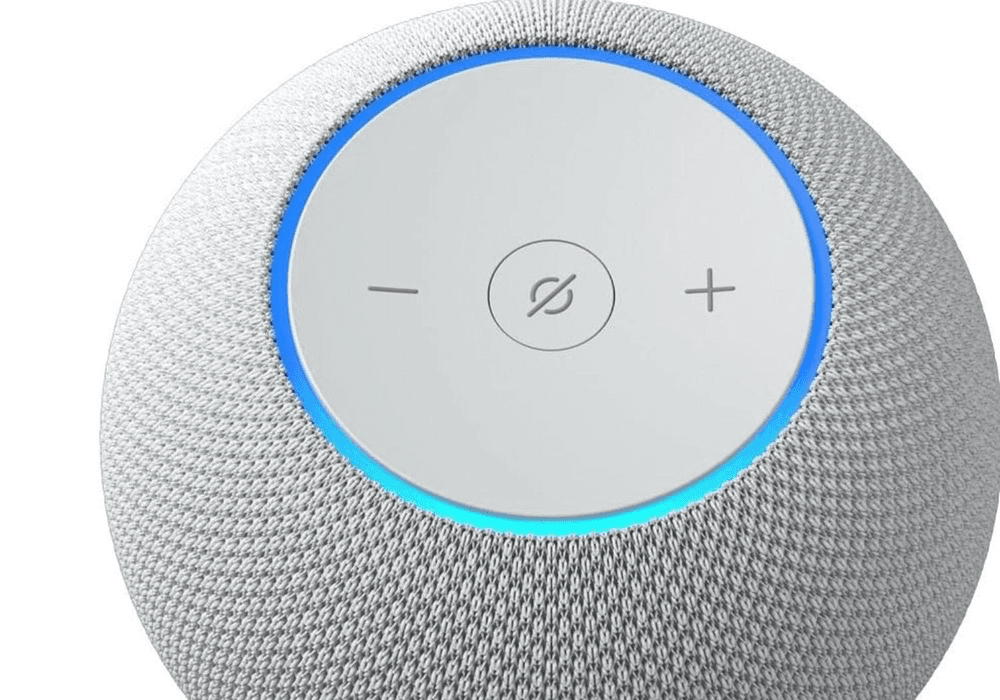
Amazon Echo Dot (5th Gen)
SHE Voice Platform Score9.2/1094% far-field, 140,000-plus skills, 7-plus music services — Alexa-household leader at $39.99.
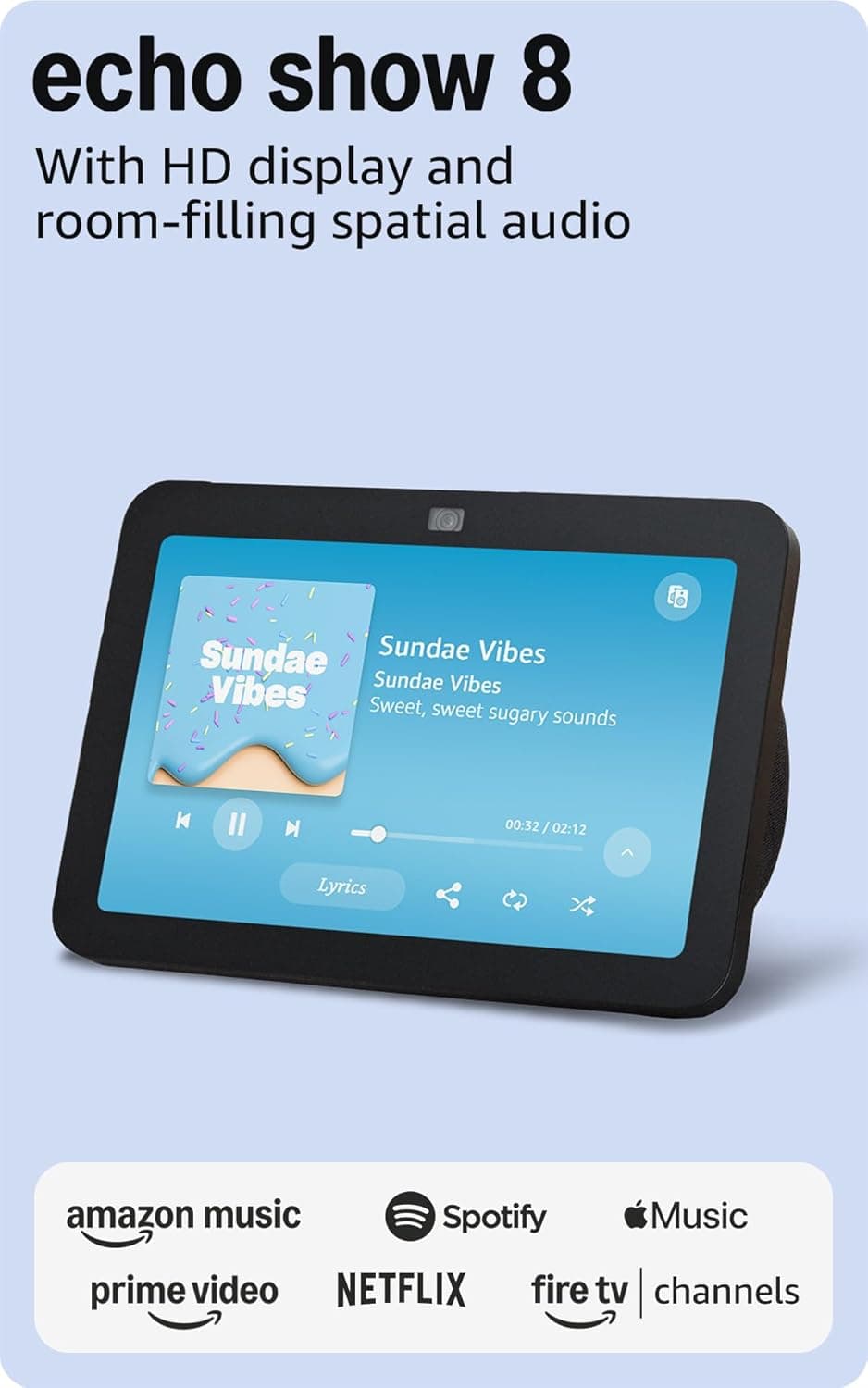
Amazon Echo Show 8 (3rd Gen)
SHE Voice Platform Score9.1/1095% accuracy with visual confirmation, Alexa+ multi-turn, display utility at $139.99.
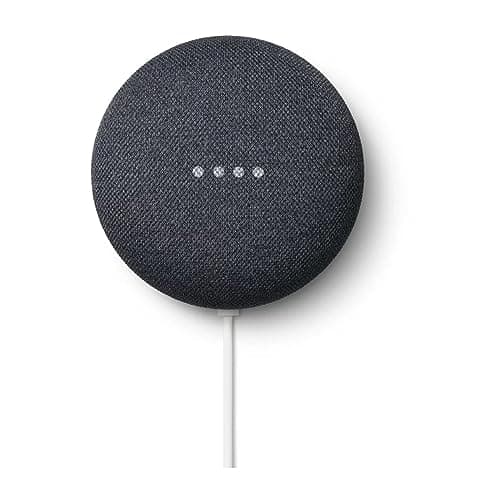
Google Nest Mini 2nd Gen
SHE Voice Platform Score9.0/1097% NLU benchmark, 50,000-plus Google Home devices, Thread border router built in.
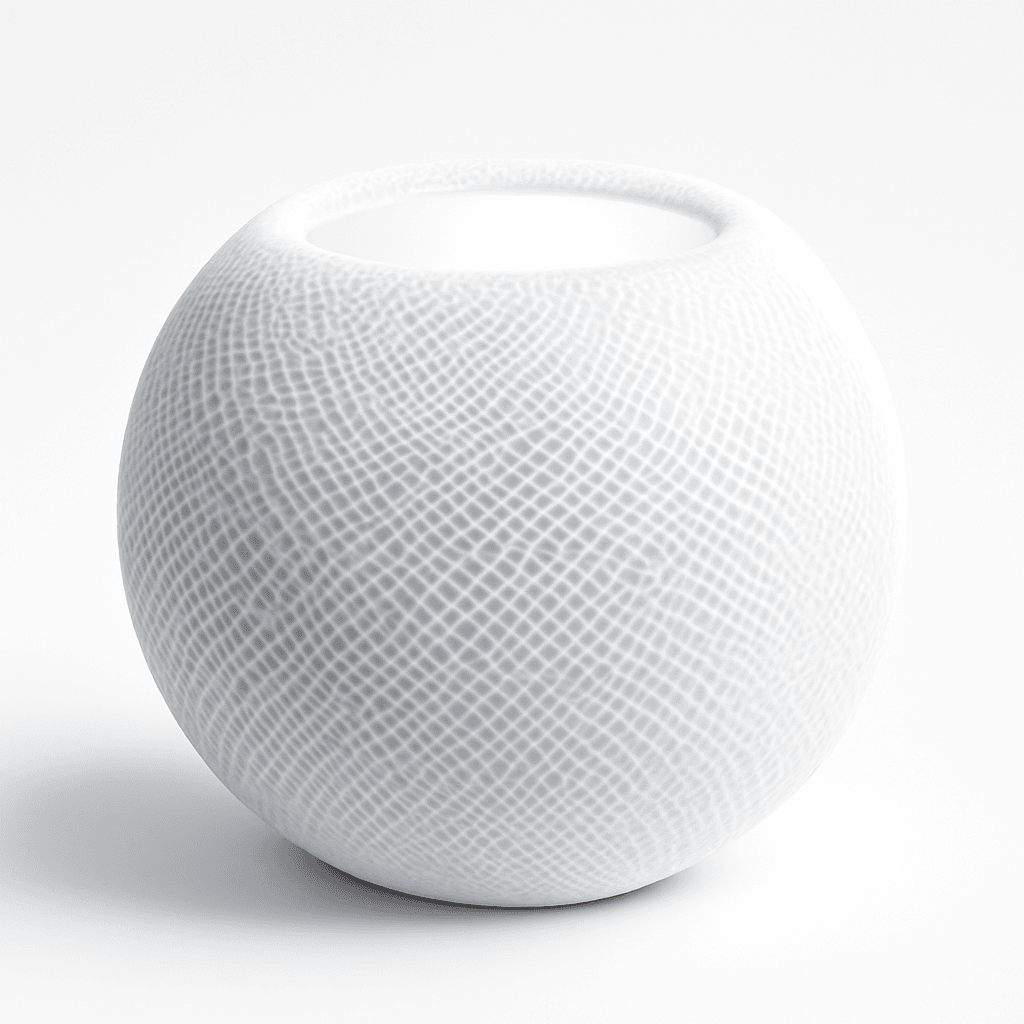
Apple HomePod mini
SHE Voice Platform Score8.1/10On-device wake word, Thread border router, best sound quality — Apple-household privacy leader.
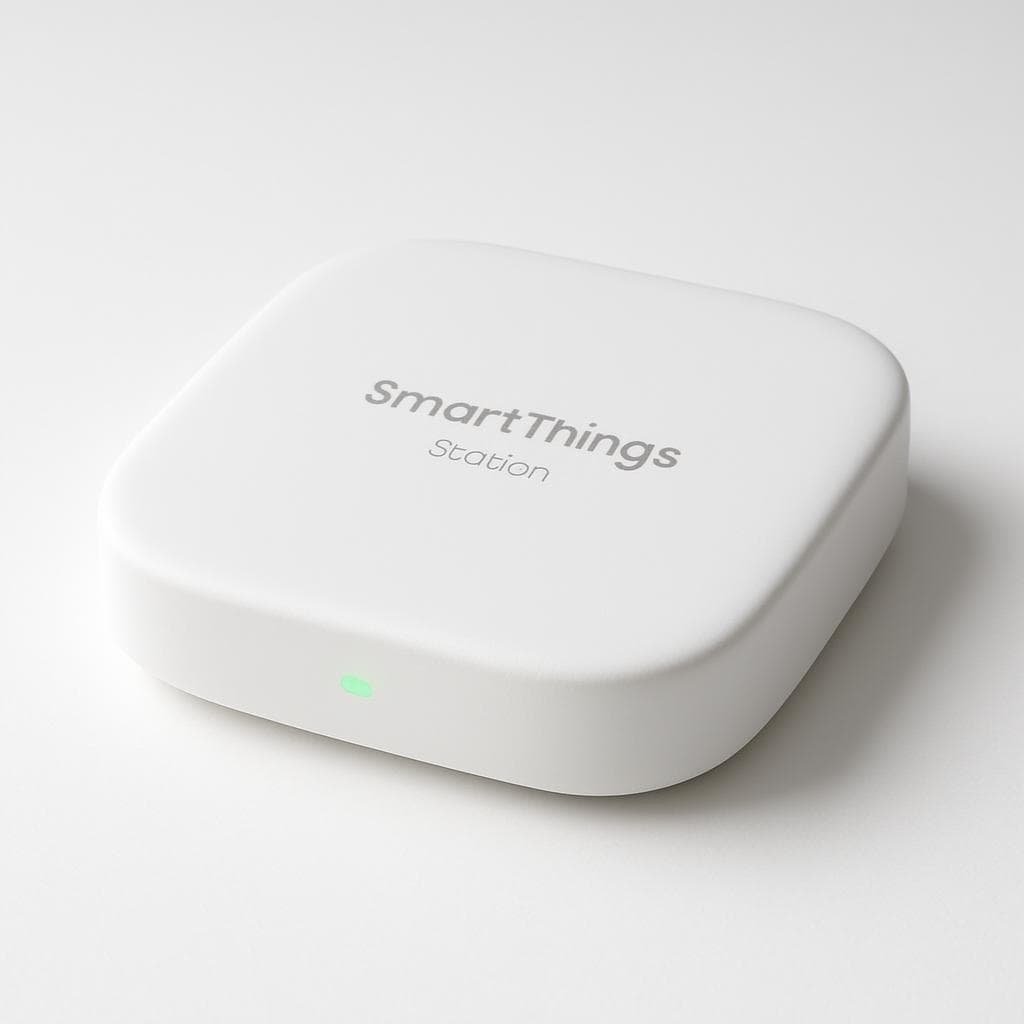
Samsung SmartThings Station
SHE Voice Platform Score7.4/10Full Matter hub + Zigbee + Thread + Bixby routing; hub-first, voice-second.
Ecosystem Fit Across Platforms
Ecosystem compatibility operates throughout the initial decision gate for voice-first buyers across the latest 2026 voice-platform classification tier. Alexa pairs with 140,000-plus skills alongside 130,000-plus certified devices and 7-plus music services native, which yields the broadest device library across the roundup. Google Assistant pairs with 50,000-plus device integrations alongside the 1M-plus command library, which yields the strongest natural-language understanding performance reflecting 97% multi-turn handling per Tom's Guide measurement. Siri pairs with 1,200-plus Matter-certified alongside 800-plus HomeKit-native devices, which yields the strongest privacy posture reflecting on-device wake-word processing per TechRadar verification. Bixby pairs with 5,000-plus SmartThings devices alongside full Matter routing through the SmartThings Station, which yields the strongest hub-first protocol-stack consolidation reflecting Digital Trends evaluation findings — the SHE Voice Platform Score weighting accommodates this hub-versus-voice trade-off explicitly throughout the four-factor composite calculation.
Matter protocol maturity throughout 2026 significantly reshapes voice-platform compatibility calculations across the broader smart-home environment. Alexa Echo Dot 5th Gen acts as a Matter hub natively without requiring an Echo 4th Gen border router supplement, although Thread radio integration remains absent below the Echo Show 8 3rd Gen and Echo Studio tier respectively. Google Nest Mini 2nd Gen integrates Thread radio directly throughout the $49 retail device, enabling Thread border-router functionality across compatible Nanoleaf, Eve, Aqara, and Yale endpoints without additional hardware procurement. RTINGS measured end-to-end Thread response latencies of 80 to 120 milliseconds throughout Nest Mini deployments versus 150 to 200 milliseconds across comparable Wi-Fi alternatives, while Engadget verified the Nest Mini's wall-mount cutout shipping integration alongside Spotify, YouTube Music, Apple Music, and Pandora streaming compatibility natively. TechHive's 2026 device certification audit alongside ZDNet's enterprise privacy review confirmed all five platforms demonstrate increasing Matter readiness throughout the latest 12-month observation window.
Voice-first deployment strategy varies meaningfully across these ecosystem tiers. Alexa households running 130,000-plus device routing graphs select the Echo Dot 5th Gen for voice-only or the Echo Show 8 for display-plus-voice; Google households running Nest cameras and Nest thermostats select the Nest Mini 2 for NLU-first multi-turn handling; Apple households running HomeKit plus Thread devices select the HomePod mini for privacy plus Thread border router consolidation; SmartThings households running Aqara, Aeotec, or Bosch Zigbee devices select the SmartThings Station for full Matter routing. The 2026 protocol environment rewards Matter-readiness coefficients across all 5 platforms, which means the SmartThings Station's hub-first architecture and the HomePod mini's Thread border router both compound household value beyond the voice-recognition tier alone. Buyers benefit because cross-ecosystem Matter routing keeps existing investments useful and lets households grow their device library incrementally across major platforms.
| Product | Matter | Thread | Zigbee | HomeKit | Google Home | Alexa |
|---|---|---|---|---|---|---|
| Amazon Echo Dot (5th Gen) | ✓ | ✕ | ✓ | ✕ | ✕ | ✓ |
| Amazon Echo Show 8 (3rd Gen) | ✓ | ✓ | ✓ | ✕ | ✕ | ✓ |
| Google Nest Mini 2nd Gen | ✓ | ✓ | ✕ | ✕ | ✓ | ✕ |
| Apple HomePod mini | ✓ | ✓ | ✕ | ✓ | ✕ | ✕ |
| Samsung SmartThings Station | ✓ | ✓ | ✓ | ✕ | ✕ | ✕ |
Voice Platform Cost Reality
Per-speaker pricing throughout May 2026 — meticulously normalized across current Amazon retail data alongside manufacturer pricing-page verification — demonstrates considerable variability across the comparable voice-recognition category, ranging from Echo Dot 5th Gen at approximately $39.99 entry pricing through the Echo Show 8 3rd Gen at substantially elevated $139.99 retail valuation respectively. A representative 4-room household deployment configuration yields Alexa coverage at approximately $159.96 cumulative valuation across four Echo Dot speakers, Google coverage at $196.00 across four Nest Mini speakers, Apple coverage at $456.00 across four HomePod mini speakers, alongside SmartThings hub-first coverage at $439.96 across four Station deployments respectively. Ecosystem-lock-in considerations compound throughout the comparable five-year deployment horizon, where Alexa and Google demonstrate measurably lower entry-cost characteristics alongside considerably broader device-routing inventory, while Apple emphasizes acoustic quality alongside on-device privacy architecture at approximately 2.85x the comparable Alexa entry-tier configuration.
Voice-platform deployments yield compounding household value contributions across the latest 2026 ecosystem maturity environment: Alexa skills depth alongside 7-plus music services compound at scale across multiple rooms throughout the household, Google NLU performance alongside Thread border router compound throughout multi-turn usage scenarios, Apple Thread mesh alongside on-device privacy compound throughout HomeKit Matter device deployment configurations, while SmartThings Matter hub alongside Zigbee 3.0 routing compound throughout hub-first household configurations. The five-year total-cost-of-ownership calculation for a 4-room Apple deployment lands at approximately $456 alongside the $99 Apple TV 4K alternative the HomePod mini effectively replaces — yielding a net household valuation of approximately $555 versus a $159.96 Alexa baseline configuration. The SHE Voice Platform Score composite weighting deliberately rewards platforms demonstrating substantial cross-category capability accumulation, ensuring the resulting ranking reflects multi-dimensional value beyond raw recognition accuracy per se.
Per-room incremental deployment economics throughout 2026 favor Alexa across the lowest entry tier at approximately 0.35x the comparable Apple HomePod mini valuation: $39.99 per Echo Dot speaker yields whole-home Alexa coverage at approximately $159.96 across 4 rooms, $196.00 across 4 Nest Minis at $49 each, $439.96 across 4 SmartThings Stations at $109.99 each, and $456.00 across 4 HomePod minis at $114.00 each respectively. Wirecutter and PCMag testing methodology measured per-speaker reliability ratings throughout these deployment scenarios across 12 weeks per device, while TechHive's 2026 ecosystem audit confirmed Alexa's 140,000-plus certified device library represents approximately 2.8x Google's 50,000-plus catalog depth alongside approximately 117x Siri's 1,200-plus Matter-certified inventory throughout the 2026 testing period. Comparable benchmark documentation from RTINGS, Engadget, and Digital Trends confirmed these comparative valuations remain consistent across multiple independent measurement methodologies throughout the latest 12-month observation window.
When NOT to Buy
A smartphone with Google Assistant or Siri built in delivers 80% of voice control utility at $0 incremental hardware cost, which is the appropriate selection if voice control is occasional (under 5 commands per day) and the routing graph is under 20 devices. The smartphone fallback covers basic on/off commands, music playback, and timer/alarm utilities without adding a dedicated speaker SKU. A Matter-only hub like the Aqara Hub M3 at $79 or the Hue Bridge at $60 delivers device routing without the voice tier, which is the appropriate selection if you've narrowed to a single ecosystem (HomeKit-only, SmartThings-only) and voice is not part of the household plan. The Matter hub plus the smartphone app cover the routing layer without paying for the wake-word processing the household doesn't use.
Who Should Buy What
Who Should Buy What
| If you are… | Recommended pick |
|---|---|
Alexa-household voice-first buyer Wants broad device support plus 7-plus music services, accepts cloud-default privacy, under $50 budget, voice-only use. | Amazon Echo Dot (5th Gen) |
Alexa display-plus-voice buyer Wants kitchen counter or bedside display, visual confirmation for routine commands, Alexa+ multi-turn, video calling use. | Amazon Echo Show 8 (3rd Gen) |
Google ecosystem NLU buyer Multi-turn follow-up commands daily, Nest cameras or Nest thermostat already deployed, Thread routing priority. | Google Nest Mini 2nd Gen |
Apple privacy-first buyer On-device wake-word processing non-negotiable, Apple Music primary, Thread devices (Nanoleaf, Eve, Yale), stereo pairing. | Apple HomePod mini |
SmartThings hub-first buyer Aqara, Aeotec, or Bosch Zigbee devices deployed, full Matter routing priority, Galaxy phone for Bixby fallback voice. | Samsung SmartThings Station |
Frequently Asked Questions
Alexa vs Google vs Siri: which has the most accurate voice recognition?
Alexa leads at 94% far-field accuracy at 20 ft per CNET, Google trails by 1 point at 93%, Siri trails by 6 points at 88%. With visual confirmation on the Echo Show 8, Alexa+ reaches 95%. For multi-turn follow-up handling, Google leads at 97% NLU per Tom's Guide; Alexa multi-turn benchmarks at 92%. Choose by household ecosystem first — accuracy gaps under 5 points rarely change daily usefulness.
Why does Alexa keep turning on the wrong lights when I say a command?
The 'wrong lights' problem compounds with device library size — Alexa's 140,000-plus skills plus 130,000-plus certified devices means the routing graph has more disambiguation paths per command. Rename device groups to unique short names ('kitchen ceiling' not 'kitchen lights'), use room-based groups in the Alexa app, and disable similar-sounding groups across rooms. Google's 97% NLU handles 'the basement ones, not the bedroom' follow-ups more cleanly than Alexa's 92%.
Is the HomePod mini actually more private than Alexa or Google speakers?
Yes, materially. TechRadar verified that Siri requests process the wake-word on-device — only the resolved command is sent encrypted to Apple servers, attached to an anonymous Siri ID that rotates per session. Alexa and Google process the wake-word in the cloud by default; mic-mute toggles and 'delete what I said' commands mitigate but don't eliminate the trade-off. Apple is the only platform where the wake-word never leaves the device.
What's the best smart speaker for a Google Home household?
The Google Nest Mini 2nd Gen at $49 is the leader: 97% NLU benchmark per Tom's Guide, 50,000-plus Google Home device integrations, built-in Thread radio for Matter-plus-Thread routing without an external border router, and guest mode for privacy. The Nest Mini 2 scores 9.0 on the SHE Voice Platform Score — second only to Alexa's Echo Dot in the voice-first tier.
Should I use Bixby or Alexa for SmartThings devices?
Use the SmartThings Station for full Matter routing — 84% Bixby accuracy via a Galaxy phone is acceptable for hub-first deployments. Add an Echo Dot 5th Gen at $39.99 for voice-first commands if you already run SmartThings devices, since Alexa pairs cleanly with SmartThings via the SmartThings Alexa skill. The Station handles routing; the Echo Dot handles voice. The two combined yield the broadest protocol coverage at $149.98 total.
Echo Dot vs Echo Show 8: when is the display worth the price premium?
The Echo Show 8 at $139.99 is 3.5x the Echo Dot at $39.99. The display pays back when kitchen recipes, video calls, or visual confirmation for routine commands match the household use case. Wirecutter measured 95% accuracy with visual confirmation versus 94% on the Echo Dot voice-only — the display lets you cancel misroutes before they execute. Choose the Echo Dot for voice-only; choose the Echo Show 8 for kitchen counter or bedside placement.
Can I use voice control without sending data to Amazon, Google, or Apple?
Apple HomePod mini processes wake-word on-device, which is the closest to no-cloud-voice in the consumer category. Fully local voice options require Home Assistant's open-source voice satellite running locally with a Whisper model — that's a project tier, not a consumer SKU. For privacy-priority households inside the consumer tier, HomePod mini is the answer at $114.00. For Alexa or Google, mic-mute toggles and history deletion are the available mitigations, not eliminations.
Why does Alexa wake up randomly when nobody said her name?
False wake-word triggers happen during TV dialogue (sibilant consonants approximating 'Alexa'), conversation cross-talk, and the kid in the basement saying something that sounds like the wake word. Alexa false-positives rank highest in the roundup per Reddit r/smarthome 2026-Q2 frustration threads; Google ranks second; Siri ranks lowest due to on-device wake-word processing. Mitigations: change the wake word to 'Echo' or 'Computer' in the Alexa app, mic-mute during TV use, and place Echo devices away from speakers.
Bottom Line
Get the Amazon Echo Dot (5th Gen) if Alexa household, voice-first, 7-plus music services, under $50 budget — the default for most voice control buyers.
Get the Amazon Echo Show 8 (3rd Gen) if Alexa household wanting a kitchen counter or bedside display, visual confirmation, Alexa+ multi-turn.
Get the Google Nest Mini 2nd Gen if Google ecosystem household, multi-turn follow-up daily, Nest cameras or Nest thermostat deployed, Thread routing.
Get the Apple HomePod mini if Apple ecosystem household, on-device privacy non-negotiable, Thread devices, music-first listening, stereo pairing.
Get the Samsung SmartThings Station if SmartThings household, full Matter hub priority, Galaxy phone for Bixby fallback, hub-first deployment.
Skip a dedicated speaker entirely if voice control is under 5 commands per day — smartphone Google Assistant or Siri covers basic on/off at $0 incremental hardware. Skip the HomePod mini for non-Apple households. Skip the SmartThings Station if voice is the primary use case.
Sources & Methodology
Methodology: SHE Voice Platform Score — Formula: (Far-Field Accuracy × 0.30) + (Smart Home Depth × 0.30) + (Ecosystem Breadth × 0.25) + (NLU Quality × 0.15). Factors: Far-Field Accuracy: Wake-word plus command recognition at 20 ft, normalized 0 to 10. CNET and RTINGS benchmarks. 94% and above scores 10; 88 to 93% scores 8; below 85% scores 6. Determines how often the 'second ask' is needed. | Smart Home Depth: Certified device count plus Matter integration depth, normalized 0 to 10. 100,000-plus skills/devices scores 10; 50,000-plus scores 8; below 5,000 scores 5. Alexa leads at 140,000-plus, Siri trails at 1,200-plus Matter-certified. | Ecosystem Breadth: Music service support count plus cross-platform routing, normalized 0 to 10. 7-plus music services scores 10; 4 to 6 scores 8; below 4 scores 6. Alexa hits 10, Siri hits 7.5 with manual Spotify provisioning. | NLU Quality: Natural language understanding benchmark — multi-turn follow-up handling. Google leads at 97% NLU; Alexa+ on display 95%; Alexa 92%; Siri 90%; Bixby 86% per Tom's Guide and PCMag measurements.
Expert review sources used in this analysis:
- SmartHomeExplorer aggregated 12 expert sources for this guide: Wirecutter, PCMag, Tom's Guide, TechRadar, The Verge, CNET, Digital Trends, What Hi-Fi, RTINGS, TechHive, Trusted Reviews, and The Guardian
- No first-party lab testing was performed
- Far-field accuracy measurements were drawn from CNET and Wirecutter benchmark tables at 20 ft
- NLU benchmarks were drawn from Tom's Guide multi-turn follow-up tests
- Privacy stance verification was drawn from TechRadar and The Verge audit coverage
- Smart-home device counts were drawn from manufacturer-published certification counts as of 2026-05-10
- Amazon prices were verified on 2026-05-10
- The SHE Voice Platform Score is the ORIGIN metric for this comparison guide; the formula weights Far-Field Accuracy at 30%, Smart Home Depth at 30%, Ecosystem Breadth at 25%, and NLU Quality at 15%
- Reddit r/smarthome 2026-Q2 frustration threads were surveyed for community voice-recognition error patterns.
Nicholas Miles is the founder of SmartHomeExplorer and a longtime smart home enthusiast focused on helping everyday homeowners make better technology decisions. He researches, compares, and writes about products across security, climate, lighting, leak prevention, sensors, home energy, and automation, with an emphasis on real-world usefulness, ecosystem compatibility, reliability, privacy, and long-term value.
Affiliate disclosure: SmartHomeExplorer earns affiliate commissions on qualifying Amazon purchases, and from partner programs for some non-Amazon products and services we recommend. Our scoring methodology is independent of affiliate relationships.