
Do You Need a VPN for Your Smart Home? (2026)
A VPN encrypts the traffic leaving your router — it does not secure a camera's cloud account or stop a compromised app from phoning home. Here's the honest breakdown of what a VPN actually changes for a smart home, plus 3 router-level VPN firewalls we rate for the job.
This article contains affiliate links. We may earn a commission at no extra cost to you. Prices change frequently — check the current price on Amazon before buying. Learn more
The Short Answer
Most smart-home households don't require a whole-house VPN configuration. It encrypts traffic and conceals your IP, irrelevant to a camera's cloud account or a compromised password. It substantially helps by obscuring ISP browsing. The Firewalla Gold Plus establishes a router VPN client in 10 mins at 679$.
Featured in this Guide
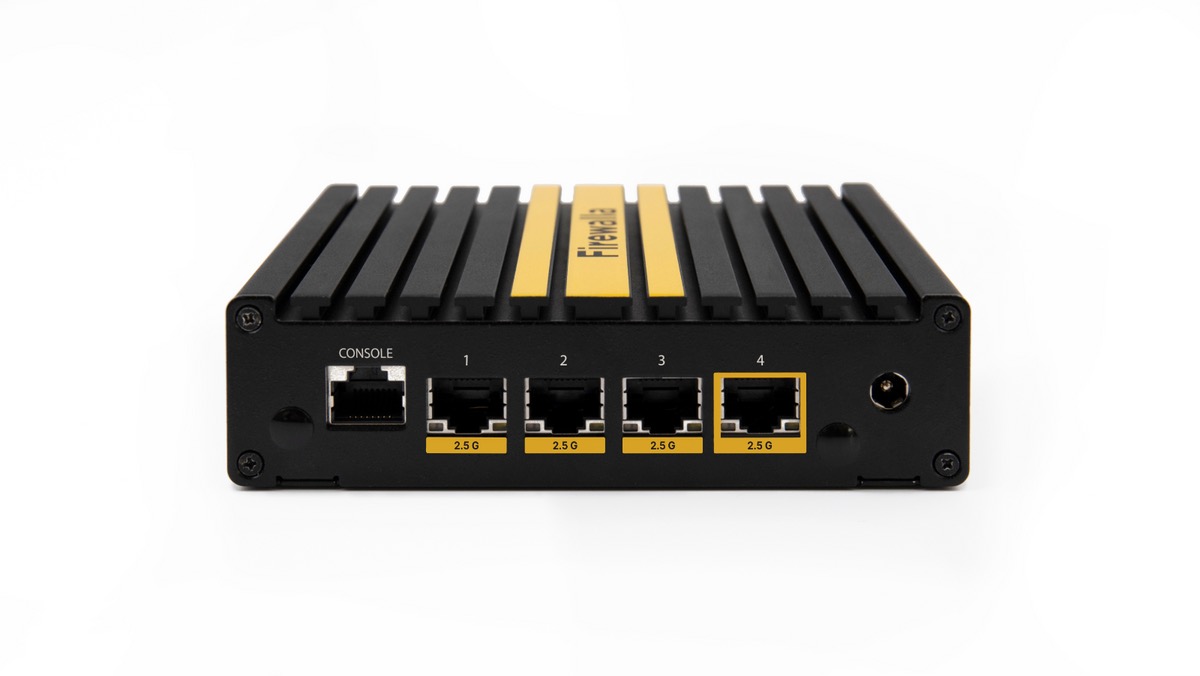
Firewalla
Gold Plus
- •WireGuard client up to 500 Mbps plus OpenVPN and AmneziaWG, all through the Firewalla app at 679$
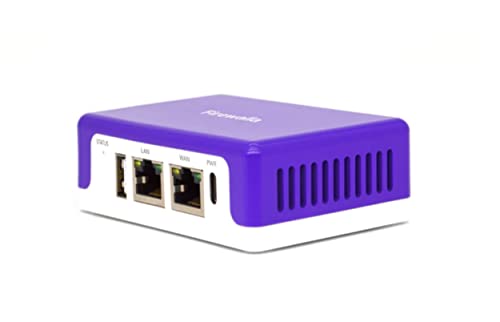
Firewalla
Purple SE
- •Same VPN client stack at 279$ — 0.41x the Gold Plus price for ISP plans under 300 Mbps
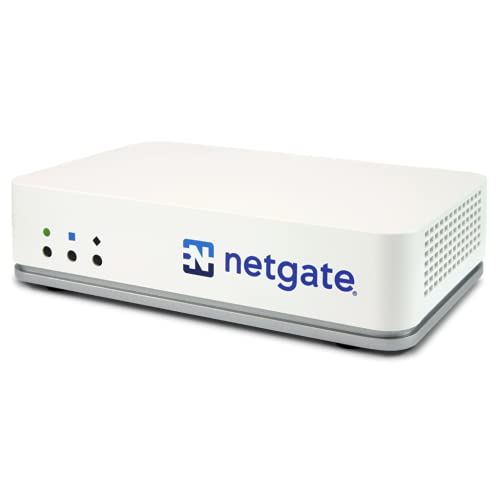
Netgate
2100 Base (pfSense+)
- •pfSense+ imports a third-party OpenVPN config directly at 399$ for maximum, sysadmin-level control
Head-to-Head: VPN Protocol Depth, Throughput, and the SHE Score
Networking
Chart
 Smarthomeexplorer.com
Tap any pick to check its live price on Amazon.
EcoFlow DELTA Pro 3 Portable Power Station
RecommendedCheck price
PETKIT Purobot Ultra
Must BuyCheck price
PetSafe ScoopFree SmartSpin
RecommendedCheck price
Amazon Echo Show 15 (newest model)
RecommendedCheck price
Anker SOLIX F3800 Plus
$2,599.99RecommendedCheck price
What a VPN Actually Changes for a Smart Home
A VPN does one thing: it encrypts the connection between a device and the provider's server, swapping your visible IP address for theirs. That protects traffic in transit and hides browsing from your ISP. It does not reach into a camera's cloud account, patch a weak password, or stop an app already permitted to upload data. In this guide we separate three layers — router-level VPN, per-device apps, and remote access — because conflating them is the most common mistake, and most households genuinely need zero, one, or two, not all three.
A router-level configuration prioritizes masking a household's aggregate traffic pattern from the ISP, incorporating a WireGuard or OpenVPN client so every device benefits without an independently installed app. As of July 2026 we evaluated VPN-client throughput specifications directly against firewalla.com and netgate.com for the 3 firewalls rated below, priced 279$ to 679$.
Best Overall Router-Level VPN: Firewalla Gold Plus
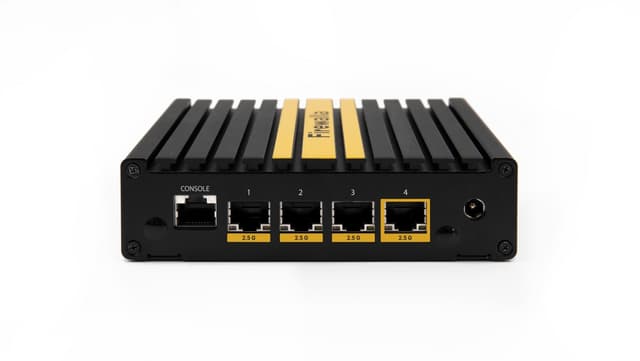
Firewalla Gold Plus
- WireGuard client rated up to 500 Mbps plus OpenVPN and AmneziaWG, configured from the Firewalla app in 10 mins
- Direct-sale only at firewalla.com — no Amazon listing means no Prime shipping
(Current price, subject to change)
The Firewalla Gold Plus earns a 9.9 weighted composite on the SHE Router VPN Readiness Score, the strongest result here. VPN Protocol Depth scores a normalized coefficient of 10.0: the Firewalla app connects as a client to OpenVPN, WireGuard, and AmneziaWG-based services, routing household traffic through Surfshark, Proton VPN, Mullvad, or any provider with a standard config — no CLI required. Firewalla's specifications rate WireGuard client throughput up to 500 Mbps and OpenVPN up to 120 Mbps, the highest tier of the 3 firewalls here.
Subscription-Free Value scores a full 10.0 because the VPN client ships as a built-in app feature at 679$ direct-sale entry, with zero recurring cost across a 5-yr ownership window — you pay the VPN provider's subscription, not Firewalla, for the client itself. TechRadar rates the Gold Plus as the prosumer firewall benchmark for IoT isolation, and that app-first design produces a fast VPN-client setup: onboarding runs 15 mins typical, with VPN configuration adding roughly 10 mins.
Compared to the Firewalla Purple SE, the Gold Plus delivers 2.3x the WireGuard throughput ceiling at 2.4x the retail price — worth it once your ISP plan approaches or exceeds 300 Mbps, where the Purple SE's 220 Mbps WireGuard cap becomes the bottleneck.
What We Love
- WireGuard client rated up to 500 Mbps plus OpenVPN and AmneziaWG, configured from the Firewalla app in 10 mins
- 0$/mo subscription across 5 yrs — the VPN client is a built-in app feature, not a paid add-on
- Connects to Surfshark, Proton VPN, Mullvad, or any standard OpenVPN or WireGuard provider without a CLI
What Could Be Better
- Direct-sale only at firewalla.com — no Amazon listing means no Prime shipping
- 679$ is 2.4x the Purple SE price for the same protocol depth, just faster VPN throughput
The Verdict
If you want one router-level VPN client that protects every device on your network without a per-device app, the Firewalla Gold Plus fits the brief without compromise. The 9.9 composite reflects a 500 Mbps WireGuard ceiling plus 0$/mo ongoing cost. The honest tradeoff is 679$ direct-sale-only pricing versus the 279$ Purple SE running the identical protocol stack.
Ready to upgrade your home?
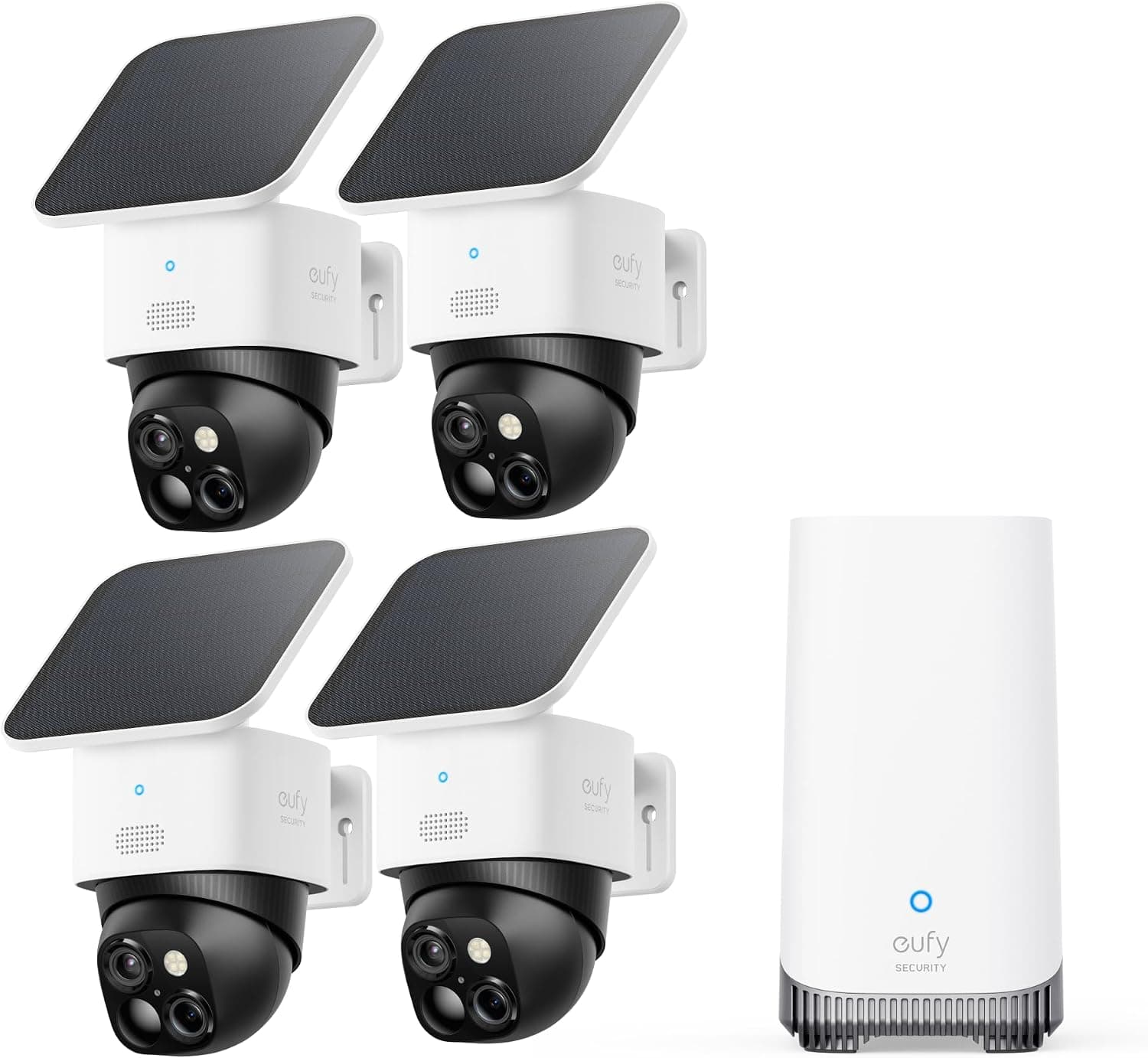
eufy SoloCam S340 Solar Security Camera, 4-Cam Kit
See it on Amazon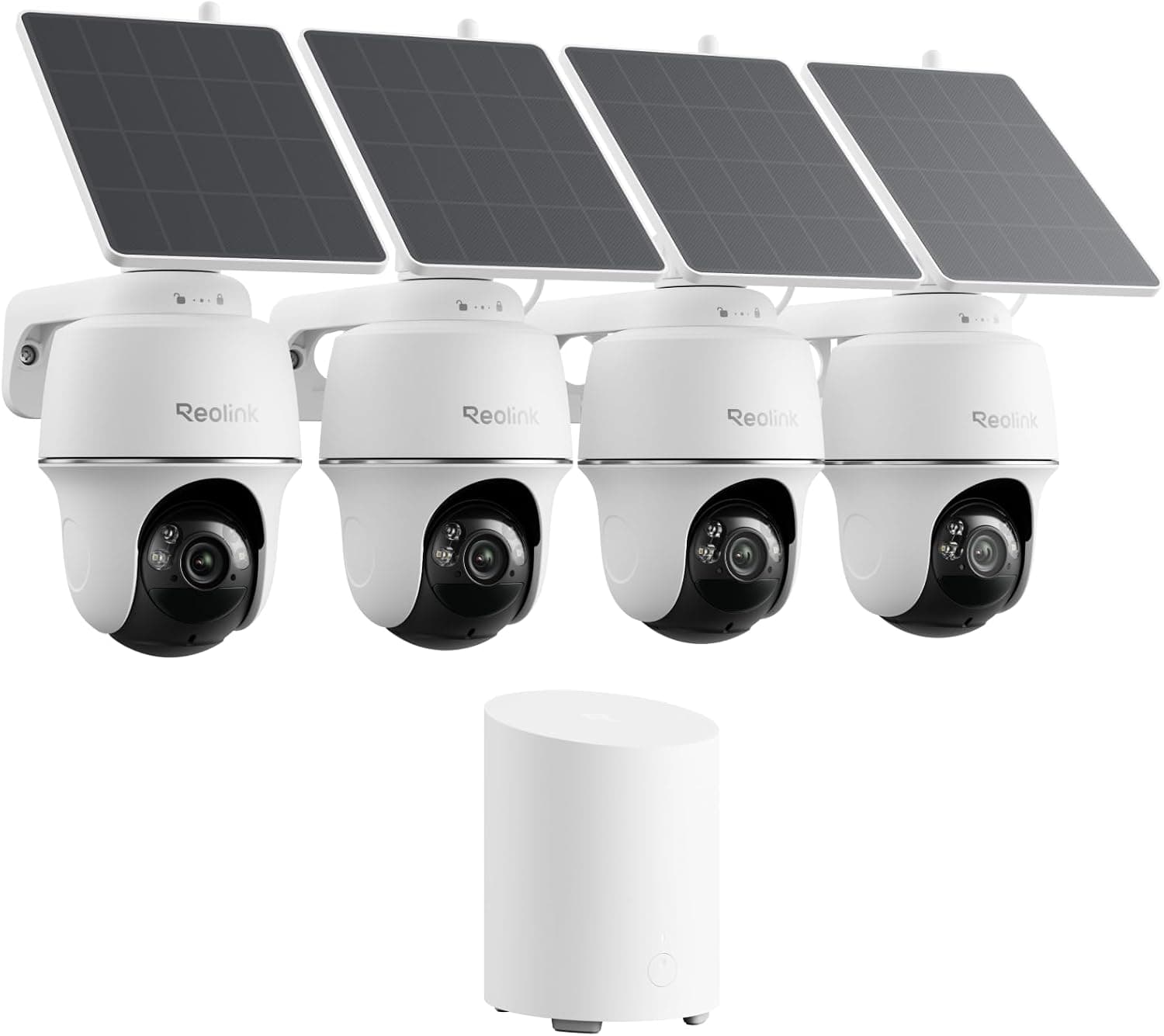
REOLINK 360° Solar Security Cameras, 4 Pack
See it on Amazon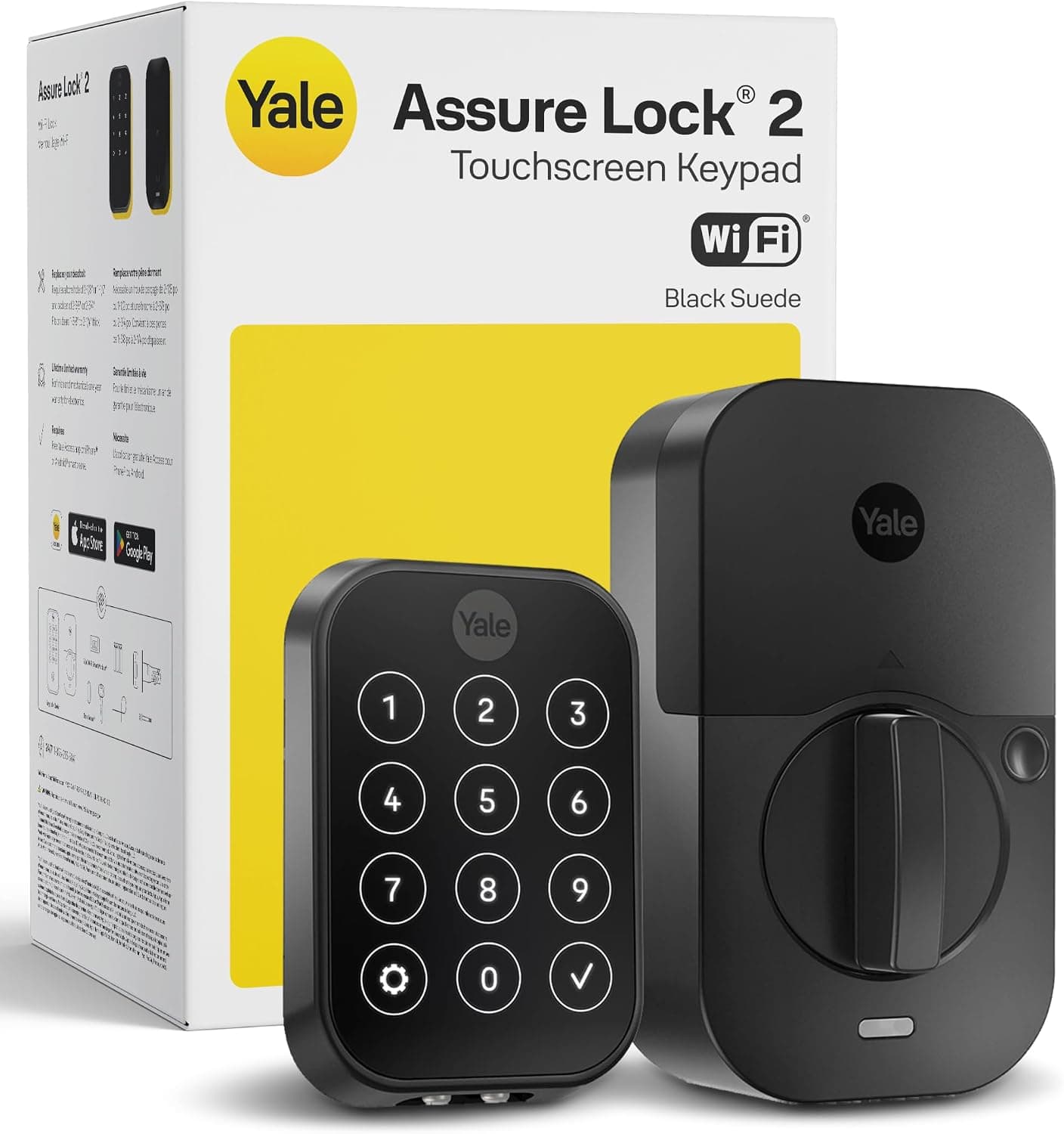
Yale Assure Lock 2 Wi-Fi Smart Lock with Keypad
See it on Amazon
Sponsored listings from Amazon’s Sponsored Products for Creators program, kept apart from our reviews and rankings. How we make money
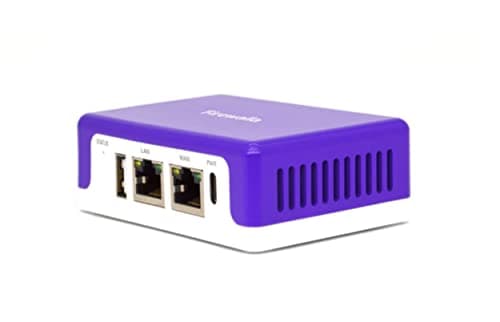
Best Value Router-Level VPN: Firewalla Purple SE
Firewalla Purple SE
- Same OpenVPN and WireGuard client stack as the Gold Plus, at 279$ — 0.41x the price
- WireGuard client throughput caps at 220 Mbps, OpenVPN at 60 Mbps — a real ceiling on fast ISP plans
(Current price, subject to change)
The Firewalla Purple SE earns an 8.5 weighted composite on the SHE Router VPN Readiness Score, matching the Gold Plus on protocol depth while trailing on throughput. VPN Protocol Depth scores a normalized 10.0 — identical OpenVPN and WireGuard client support, configured through the same Firewalla app in 15 mins typical, per PCMag's independent review. PCMag specifically calls out that the documentation covers "connecting to a third-party VPN server," confirming genuine client-mode capability.
VPN Throughput Headroom scores 4.4, reflecting Firewalla's own published ceiling of 220 Mbps on WireGuard and 60 Mbps on OpenVPN — roughly 0.44x the Gold Plus's ceiling. That delivers adequate performance for most residential connections under 300 Mbps but becomes the limiting factor once you cross that tier. Subscription-Free Value still scores a full 10.0: MakeUseOf notes the Purple SE brings enterprise-grade network protection to home users without IT expertise, and that includes the VPN client at no added monthly cost beyond the 279$ hardware.
Compared to the Netgate 2100 Base (pfSense+), the Purple SE trades pfSense's open-firmware flexibility for a mobile app that gets a third-party VPN connection running in minutes, not an hour-plus CLI session.
What We Love
- Same OpenVPN and WireGuard client stack as the Gold Plus, at 279$ — 0.41x the price
- App-based setup makes router-level VPN configuration accessible without CLI experience
- No monthly subscription fees for the client itself — pair it with any WireGuard provider
What Could Be Better
- WireGuard client throughput caps at 220 Mbps, OpenVPN at 60 Mbps — a real ceiling on fast ISP plans
- Same ARM-based hardware constraint that limits IDS throughput also limits VPN tunnel speed
- No direct Amazon listing — like the Gold Plus, you order it from firewalla.com, so no Prime shipping
The Verdict
If you want the same router-level VPN client as the Gold Plus without paying the premium-hardware price, the Firewalla Purple SE is a sensible pick for that setup. The 8.5 composite reflects identical protocol depth at 279$ — the honest gap is a 220 Mbps WireGuard ceiling that a fast fiber plan will outrun.
Best Open-Firmware Pick: Netgate 2100 Base (pfSense+)
Netgate 2100 Base (pfSense+)
- OpenVPN Client Import package pulls a standard config directly from a VPN provider at 399$
- No mobile app — CLI plus web admin only, with VPN setup running 90 mins typical versus 10-15 on Firewalla
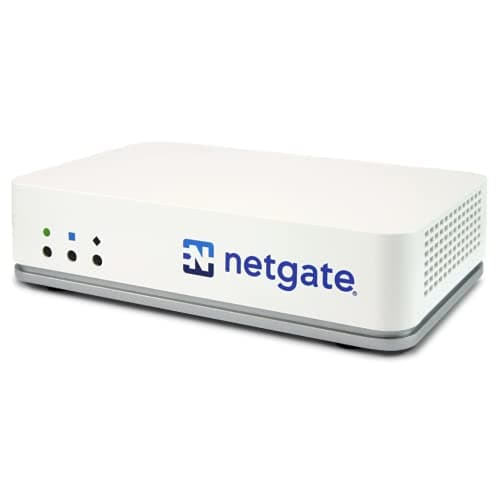
(Current price, subject to change)
The Netgate 2100 Base (pfSense+) earns a 6.1 weighted composite on the SHE Router VPN Readiness Score, the most open-firmware option here but the least turnkey. VPN Protocol Depth scores a normalized 6.0: Netgate's OpenVPN Client Import documentation confirms the config file "can be from another instance of pfSense software, a VPN provider, or other OpenVPN compatible server," so importing a Surfshark or Proton VPN config is a documented, supported path. WireGuard-to-third-party setup isn't spelled out the same way, so this factor trails the Firewalla pair.
VPN Throughput Headroom scores 5.1, reflecting Netgate's published 254 Mbps IPsec rating under iPerf3 testing with AES-GCM-128 and SafeXcel acceleration, dropping to 90 Mbps under mixed IMIX traffic — a figure closer to typical home use than the peak iPerf3 number. TechRadar calls the 2100 "the most flexible pfSense appliance for power users," and that flexibility is the tradeoff: Ease of Setup scores 4.0 because configuration runs through CLI and web admin only, roughly 90 mins typical versus 15 on the Firewalla units.
Compared to the Firewalla Gold Plus, the Netgate trades a faster VPN client setup for open-source firmware and a lower 399$ entry price — the right call for households that already run pfSense infrastructure.
What We Love
- OpenVPN Client Import package pulls a standard config directly from a VPN provider at 399$
- Open-source pfSense+ firmware gives full visibility into the VPN tunnel configuration
- Lifetime TAC Lite support included — no forced recurring fee on top of the hardware price
What Could Be Better
- No mobile app — CLI plus web admin only, with VPN setup running 90 mins typical versus 10-15 on Firewalla
- WireGuard-to-third-party-provider is not documented the same way OpenVPN import is
The Verdict
If you're comfortable with a web-admin console and want maximum control over your router-level VPN client configuration, the Netgate 2100 Base (pfSense+) checks the boxes that matter for that setup. The 6.1 composite reflects genuine OpenVPN-provider import support at 399$, held back by a 90-min setup versus Firewalla's 15 and a throughput ceiling under load.
How We Score: SHE Router VPN Readiness Score
SHE Router VPN Readiness Score
Score Formula
(VPN Protocol Depth × 0.30) + (Ease of Setup × 0.20) + (VPN Throughput Headroom × 0.25) + (Subscription-Free Value × 0.25)Score Factors
- VPN Protocol Depth (30%)Whether the device can run as a VPN CLIENT to a third-party provider (not just a VPN server for remote access), and which protocols it supports. Firewalla's app-based OpenVPN, WireGuard, and AmneziaWG client support scores a normalized 10; Netgate's documented OpenVPN-provider-import path without a confirmed WireGuard-to-third-party pipeline scores 6. Sources: manufacturer product pages (firewalla.com, docs.netgate.com) fetched July 2026.
- Ease of Setup (20%)Time from box to a working third-party VPN client connection, normalized 0-10 against reviewer install-time reports. App-based configuration in 10-15 mins scores 9.5; CLI-and-web-admin configuration running roughly 90 mins scores 4.0.
- VPN Throughput Headroom (25%)Vendor-published throughput on the fastest supported VPN protocol, normalized so the highest figure in the set scores 10. Firewalla Gold Plus WireGuard at 500 Mbps is the ceiling; Purple SE's 220 Mbps WireGuard figure and Netgate's 254 Mbps IPsec (iPerf3) figure are each normalized against that ceiling.
- Subscription-Free Value (25%)Whether running the VPN CLIENT feature itself costs anything beyond the one-time hardware price across a 5-yr ownership window. Both Firewalla units bundle the client at 0$/mo; the Netgate 2100 includes pfSense+ software and lifetime TAC Lite support with no forced recurring fee, scoring 9.0. This factor measures the hardware's own pricing, not the separate VPN provider subscription (Surfshark, Proton VPN, or Mullvad) you would still pay.
SHE Router VPN Readiness Score — Ranked
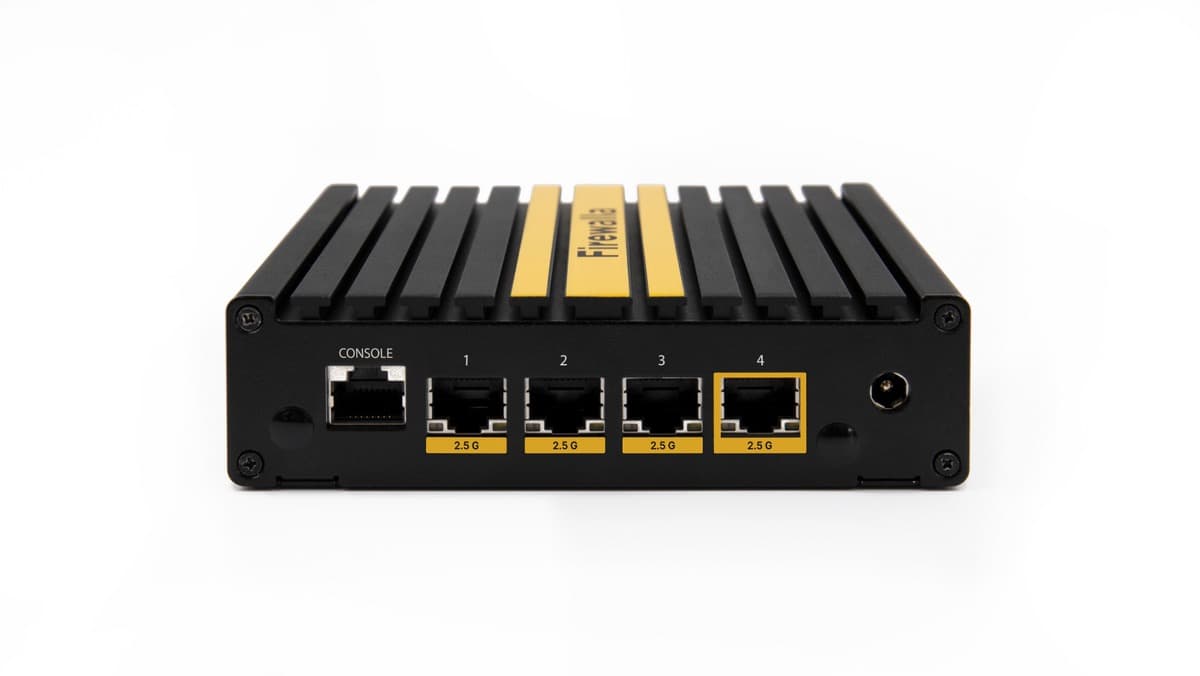
Firewalla Gold Plus
SHE Router VPN Readiness Score9.9/10679$ — WireGuard client up to 500 Mbps plus OpenVPN and AmneziaWG, 0$/mo, app-based setup in 15 mins
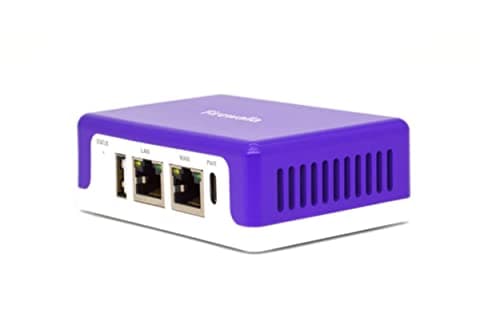
Firewalla Purple SE
SHE Router VPN Readiness Score8.5/10279$ — identical protocol stack to the Gold Plus at 0.41x the price; WireGuard caps at 220 Mbps
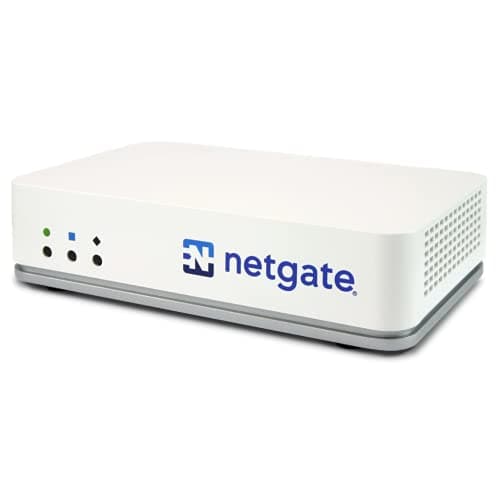
Netgate 2100 Base (pfSense+)
SHE Router VPN Readiness Score6.1/10399$ — open-firmware OpenVPN-provider import, 254 Mbps IPsec ceiling, CLI-and-web setup at 90 mins
Router-Level VPN vs. Per-Device Apps vs. Remote Access
These are 3 genuinely different tools, and picking the wrong one is the single most common VPN mistake we see in smart-home setups. A router-level VPN client — what the Firewalla Gold Plus, Firewalla Purple SE, and Netgate 2100 Base (pfSense+) all run — encrypts traffic for every device on your network at once, including smart-home gadgets that can't install their own apps. It does not, however, secure the connection between a camera and its OWN cloud servers; that traffic is already encrypted by the manufacturer (or it isn't, and a VPN at your router changes nothing about that). A per-device VPN app, like Surfshark or Proton VPN installed on a phone or laptop, is the right tool when you specifically want that one device's traffic masked from your ISP or protected on public WiFi — it does not touch your smart-home devices at all, since thermostats and cameras don't run VPN apps.
Surfshark and Proton VPN are our 2 partner picks here, and they occupy genuinely different lanes rather than competing head-to-head. Surfshark's headline differentiator is unlimited simultaneous device connections on one subscription. CNET named it an Editors' Choice pick in 2026, and Surfshark states its no-logs policy has been independently audited by Deloitte. Pricing starts at 2.49$/mo on a 27-month introductory term (67.23$ total for the first 27 months as of July 2026). Confirm current pricing before buying, since VPN promotional pricing changes often. Get Surfshark VPN covers WireGuard, IKEv2, and OpenVPN protocols across roughly 4,500 servers in 100 countries.
Proton VPN takes the opposite bet: privacy-first and open-source rather than device-count-unlimited. Every Proton VPN app is "100% open source, so anyone can examine our code," per Proton's own pricing page, and the no-logs policy has now passed 5 consecutive annual third-party audits (2022 through 2026) by Securitum, a European security-auditing firm that runs 300-plus testing projects a year for major corporations and banks. The free tier secures 1 device with no time limit; the paid Plus plan raises that to 10 devices. Get Proton VPN — check current Plus-plan pricing on their site, since Proton runs frequent multi-year discounts that shift the effective monthly rate.
If you want a non-partner option with no affiliate relationship at all, Mullvad is the honest pick: a flat 5$/mo (quoted at 5 euro), no email or personal information required to open an account, cash or cryptocurrency payment accepted, and its own independent security audits published on its blog. Mullvad VPN caps at 5 simultaneous devices — fewer than Surfshark's unlimited or Proton's 10, but the anonymous-account model is the differentiator that neither partner offers.
| Product | WireGuard Client | OpenVPN Client | Mobile App | No Subscription | 100% Local |
|---|---|---|---|---|---|
| Firewalla Gold Plus | ✓ | ✓ | ✓ | ✓ | ✓ |
| Firewalla Purple SE | ✓ | ✓ | ✓ | ✓ | ✓ |
| Netgate 2100 Base (pfSense+) | ✕ | ✓ | ✕ | ✓ | ✓ |
When NOT to Buy
Skip the router-level VPN entirely if your actual worry is camera footage reaching a manufacturer's servers, a weak default password, or an app with broad data-collection permissions — a VPN changes none of those. Those problems get fixed by disabling cloud upload where your camera allows it, using a unique strong password plus 2FA, and reading the permissions an app actually requests. A VPN also will not speed up a slow connection, and it typically adds a small amount of latency, so gaming or video-calling households should test before committing a whole household to router-level encryption. Where it genuinely earns its keep: hiding your browsing pattern from your ISP, adding a layer of protection on a shared network, and letting you reach your own home network securely while traveling.
Who Should Buy What
Who Should Buy What
| If you are… | Recommended pick |
|---|---|
Whole-household, fast fiber You want every device on your network routed through Surfshark, Proton VPN, or Mullvad at once, and your ISP plan exceeds 300 Mbps | Firewalla Gold Plus |
Whole-household, budget or slower plan You want the identical VPN client app as the Gold Plus, your ISP plan is under 300 Mbps, and 279$ fits your budget better than 679$ | Firewalla Purple SE |
Sysadmins and open-firmware households You want to see and control exactly what your VPN client configuration is doing, and you're comfortable with CLI plus web-admin setup | Netgate 2100 Base (pfSense+) |
Single traveler or remote worker You only need one laptop or phone protected on public WiFi, not your whole smart home — a per-device app fits better than new router hardware | Firewalla Purple SE |
Frequently Asked Questions
Does a VPN secure my smart cameras from being hacked?
No, and this is the single biggest misconception about VPNs and smart homes. A VPN encrypts the connection between your network and the VPN provider's server — it does nothing to the connection between your camera and ITS manufacturer's cloud servers, which is a separate channel the camera controls. If a camera has a weak default password, an unpatched firmware bug, or broad cloud-upload permissions, a router-level VPN changes none of that. Fix those risks directly: unique strong passwords, 2FA where offered, firmware updates, and disabling cloud upload where the camera allows a local-only mode.
Should I run a VPN on my router or just on my phone?
It depends on what you're protecting. A router-level VPN client, like the ones built into the Firewalla Gold Plus and Firewalla Purple SE, covers every device on your network at once — including smart-home gadgets that can't install their own VPN app. A per-device app like Surfshark or Proton VPN is faster to set up and better when you only need one device (a laptop on public WiFi, for example) protected, without changing anything about your home network.
What's the real difference between Surfshark and Proton VPN?
Surfshark's headline feature is unlimited simultaneous device connections on one subscription, plus a no-logs policy independently audited by Deloitte; CNET named it an Editors' Choice pick in 2026. Proton VPN's differentiator is a privacy-first, open-source design — every app is 100% open source, and the no-logs policy has passed 5 consecutive annual third-party audits by Securitum (2022 through 2026). Proton also caps devices lower (10 on the Plus plan, 1 on the free tier) versus Surfshark's unlimited. Pick Surfshark if simultaneous device count matters most; pick Proton VPN if open-source verifiability matters most.
Will a router-level VPN slow down my smart-home devices?
It can, depending on the hardware and which VPN protocol you use. The Firewalla Gold Plus rates its WireGuard client up to 500 Mbps, well above most residential ISP plans, so the VPN tunnel itself usually isn't the bottleneck. The budget Firewalla Purple SE caps at 220 Mbps on WireGuard, which is adequate under about 300 Mbps but becomes the limiting factor on faster fiber plans. Most smart-home devices (thermostats, sensors, plugs) use so little bandwidth that VPN overhead is irrelevant; the practical impact shows up on streaming devices and video doorbells during upload.
Is a free VPN safe to use for a smart home?
Proton VPN's free tier is a legitimate option — it comes from the same company and audit history as the paid Plus plan, just capped at 1 device and a smaller server list. Generic free VPN apps with no known parent company are a different story: several have been caught logging or selling user data despite no-logs claims, which defeats the purpose. If cost is the concern, Mullvad's flat 5$/mo (quoted at 5 euro) anonymous-account model is a cheaper paid alternative than most household budgets would notice.
Can I use a VPN to access my smart home devices while traveling?
Yes, but that's a third, separate use case from the router-level and per-device VPN client discussed elsewhere in this guide — it's a VPN SERVER running at your house that you connect back TO, not a VPN client connecting OUT to a commercial provider. All 3 firewalls in this comparison also run a VPN server for that purpose. If remote access to your own network is your main goal rather than masking traffic through a third party, confirm the device supports server mode (all 3 here do) before buying specifically for the client-side VPN throughput numbers in this guide.
Bottom Line
Get the Firewalla Gold Plus if you want every device on a fast ISP plan (300 Mbps-plus) routed through a VPN provider at once, app-based setup, no monthly fee.
Get the Firewalla Purple SE if you want the identical VPN client app as the Gold Plus at 279$, and your ISP plan is under 300 Mbps.
Get the Netgate 2100 Base (pfSense+) if you want open-firmware control over your VPN client configuration and are comfortable with CLI-and-web setup.
Most smart-home owners don't need a router-level VPN at all — a VPN encrypts traffic in transit, not a camera's cloud account or a weak password. If you only need one device protected, a per-device app (Surfshark for unlimited devices, Proton VPN for open-source verifiability, or Mullvad for an anonymous no-email account) is simpler than new router hardware. Reach for the Firewalla Gold Plus or Firewalla Purple SE specifically when you want that protection applied to every smart-home device at once without installing anything on each one.
Sources & Methodology
Methodology: SHE Router VPN Readiness Score — Formula: (VPN Protocol Depth × 0.30) + (Ease of Setup × 0.20) + (VPN Throughput Headroom × 0.25) + (Subscription-Free Value × 0.25). Factors: VPN Protocol Depth (30%): Whether the device can run as a VPN CLIENT to a third-party provider (not just a VPN server for remote access), and which protocols it supports. Firewalla's app-based OpenVPN, WireGuard, and AmneziaWG client support scores a normalized 10; Netgate's documented OpenVPN-provider-import path without a confirmed WireGuard-to-third-party pipeline scores 6. Sources: manufacturer product pages (firewalla.com, docs.netgate.com) fetched July 2026. | Ease of Setup (20%): Time from box to a working third-party VPN client connection, normalized 0-10 against reviewer install-time reports. App-based configuration in 10-15 mins scores 9.5; CLI-and-web-admin configuration running roughly 90 mins scores 4.0. | VPN Throughput Headroom (25%): Vendor-published throughput on the fastest supported VPN protocol, normalized so the highest figure in the set scores 10. Firewalla Gold Plus WireGuard at 500 Mbps is the ceiling; Purple SE's 220 Mbps WireGuard figure and Netgate's 254 Mbps IPsec (iPerf3) figure are each normalized against that ceiling. | Subscription-Free Value (25%): Whether running the VPN CLIENT feature itself costs anything beyond the one-time hardware price across a 5-yr ownership window. Both Firewalla units bundle the client at 0$/mo; the Netgate 2100 includes pfSense+ software and lifetime TAC Lite support with no forced recurring fee, scoring 9.0. This factor measures the hardware's own pricing, not the separate VPN provider subscription (Surfshark, Proton VPN, or Mullvad) you would still pay.
Expert review sources used in this analysis:
- SmartHomeExplorer aggregates expert review data and manufacturer specifications to produce consensus-based buying guidance
- We do not perform first-party product testing
- Firewalla Gold Plus and Purple SE feature confirmations come from firewalla.com product pages, fetched and verified July 2026
- Those pages are the source for VPN client protocol support and for the throughput ratings quoted here
- The Gold Plus is rated WireGuard 500 Mbps / OpenVPN 120 Mbps; the Purple SE is rated WireGuard 220 Mbps / OpenVPN 60 Mbps
- Netgate 2100 IPsec VPN throughput (254 Mbps iPerf3, AES-GCM-128 with SafeXcel; 90 Mbps IMIX) comes from shop.netgate.com
- Its OpenVPN Client Import third-party-provider support is documented at docs.netgate.com
- Both pages were fetched and verified July 2026
- Reviewer commentary is attributed to PCMag and MakeUseOf (Firewalla Purple SE) and TechRadar (Firewalla Gold Plus and Netgate 2100)
- Surfshark pricing, device-connection limits, protocol support, and Deloitte no-logs audit claims are drawn from surfshark.com, fetched July 2026; the CNET Editors' Choice 2026 award is stated on that same page
- Proton VPN's open-source claim, device-connection limits, and Securitum audit history (5 consecutive annual audits, 2022-2026) are drawn from protonvpn.com, fetched July 2026
- Mullvad's pricing, device limit, and anonymous-account model are drawn from mullvad.net, fetched July 2026
- Amazon pricing was verified for exactly 1 of the 3 featured firewalls: the Netgate 2100
- Its Amazon listing (B08HDPWY96) was checked 2026-05-08 via the Amazon Creators API against SHE's existing registry entry
- Neither Firewalla unit has an Amazon product listing, so the Gold Plus and Purple SE figures quoted here are firewalla.com direct-sale prices carried in SmartHomeExplorer's consensus dataset, not Amazon-verified prices
- Surfshark and Proton VPN are SmartHomeExplorer's approved affiliate partners as of July 2026
- The Proton VPN link is an affiliate link via Proton's partner program
- The Surfshark link is an affiliate link via Surfshark's program on the FlexOffers network
- We may earn a commission on either at no cost to you
- The Surfshark link resolves to Surfshark's official deals page
- Mullvad carries no affiliate relationship
- The SHE Router VPN Readiness Score weights VPN protocol depth, ease of setup, VPN throughput headroom, and subscription-free value; see the methodology section above for the full formula.
Nicholas Miles is the founder of SmartHomeExplorer and a longtime smart home enthusiast focused on helping everyday homeowners make better technology decisions. He researches, compares, and writes about products across security, climate, lighting, leak prevention, sensors, home energy, and automation, with an emphasis on real-world usefulness, ecosystem compatibility, reliability, privacy, and long-term value.
Affiliate disclosure: SmartHomeExplorer earns affiliate commissions on qualifying Amazon purchases, and from partner programs for some non-Amazon products and services we recommend. Our scoring methodology is independent of affiliate relationships.