
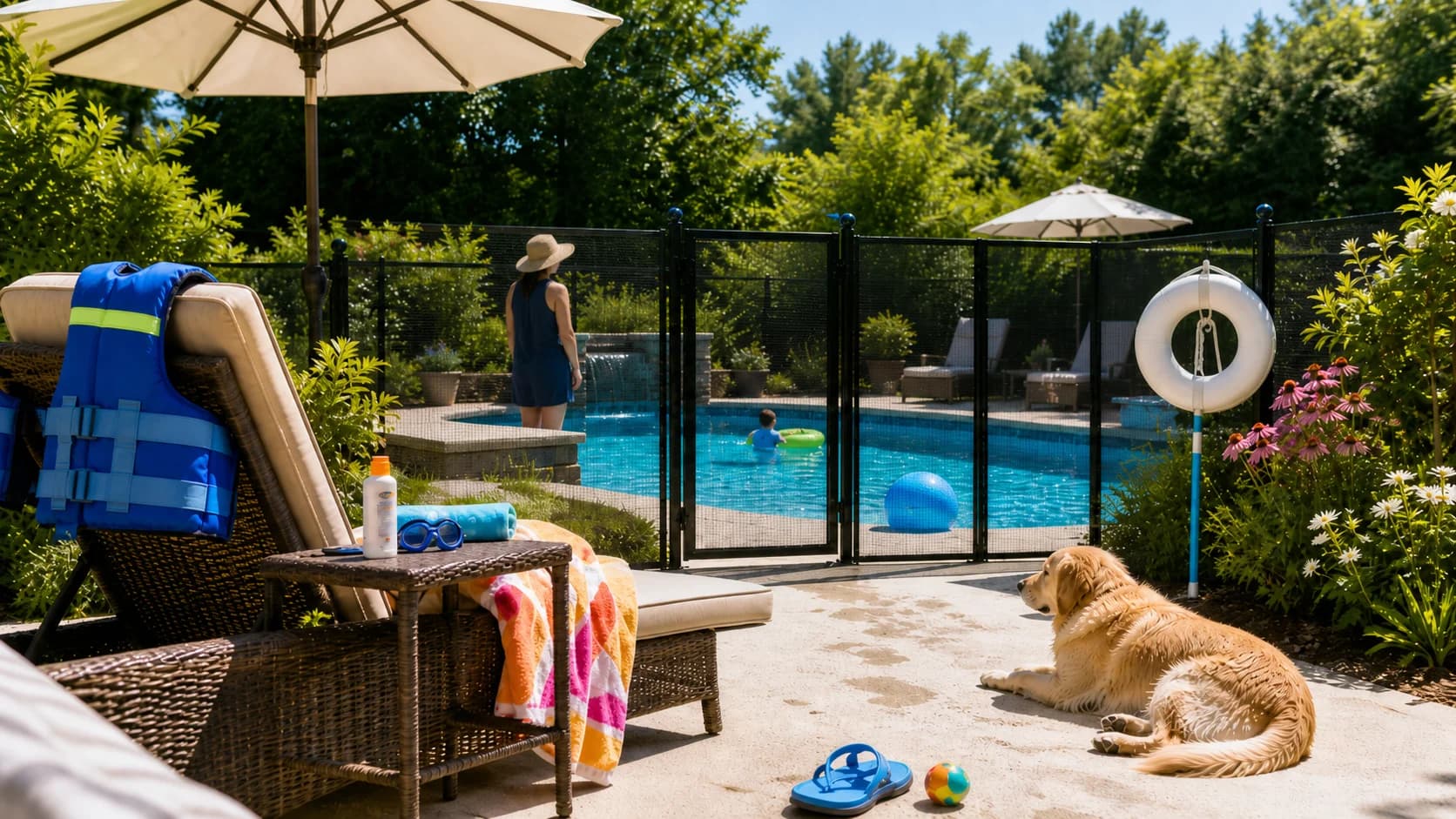
Best Smart Pool Safety Systems 2026
Most pool alarms get disabled within two weeks because of false alarms. The picks here pair fast triggers with low false-positive rates so the system stays armed.
This article contains affiliate links. We may earn a commission at no extra cost to you. Prices change frequently — check the current price on Amazon before buying. Learn more
The Short Answer
For toddler households, pairing the LunaSafe wristband kit with the Poolguard DAPT-2 gate alarm delivers two-layer coverage near $335. Where ASTM F2208 is mandated, select the PoolGuard PGRM-2 — Consumer Reports rated the Pool Patrol PA-30 'Not Acceptable' — and remember alarms supplement fencing, never replace it.
Featured in this Guide
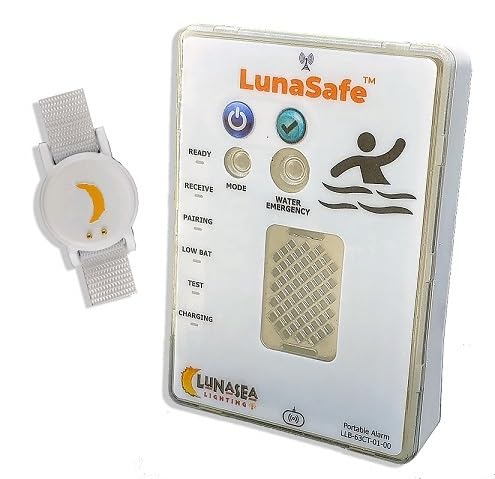
LunaSafe
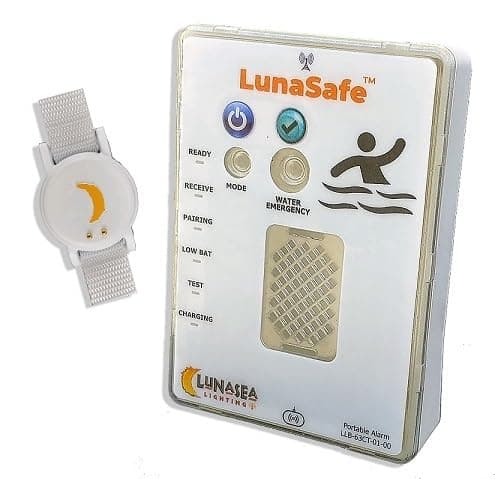
Child/Pet Immersion Pool Alarm Kit
- •Wristband-immersion design with manufacturer-rated fast trigger
- •no environmental false positives from wind, rain, or pets
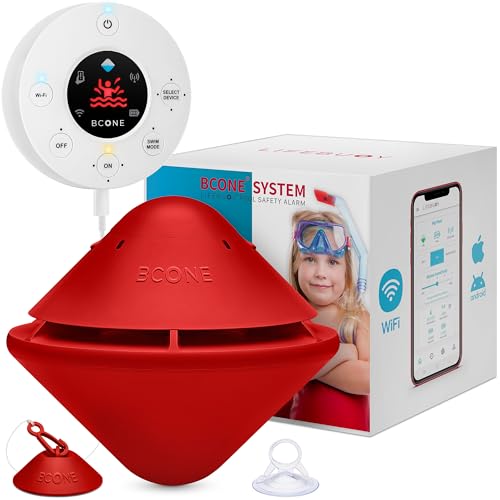
Lifebuoy
Pool Alarm
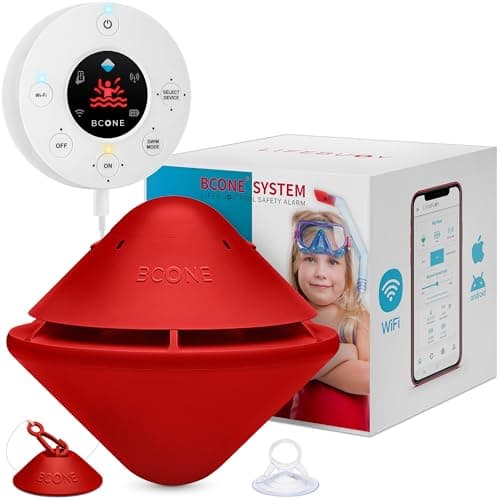
- •BCONE-rebranded WiFi + Alexa alarm — push notifications reach parents inside the house or away from the pool area
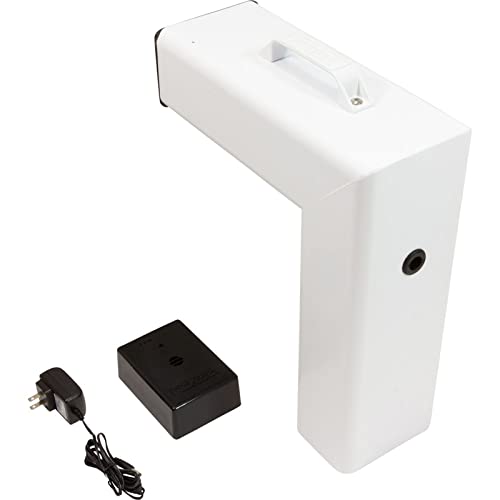
PoolGuard
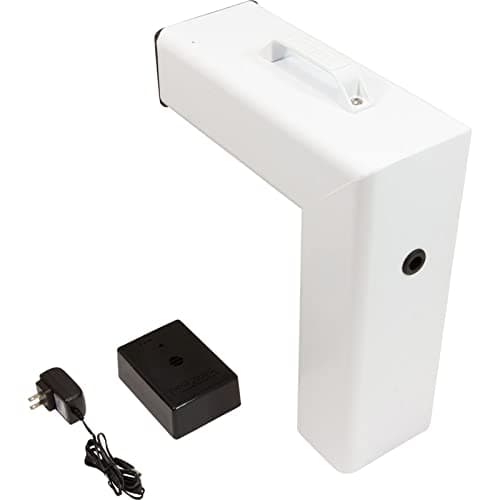
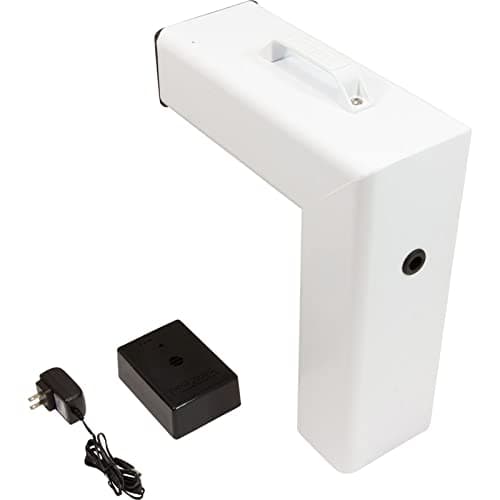
PGRM-2 Pool Alarm
- •ASTM F2208 certified subsurface alarm with 100-foot remote receiver — not among the alarms CR rated 'Not Acceptable'
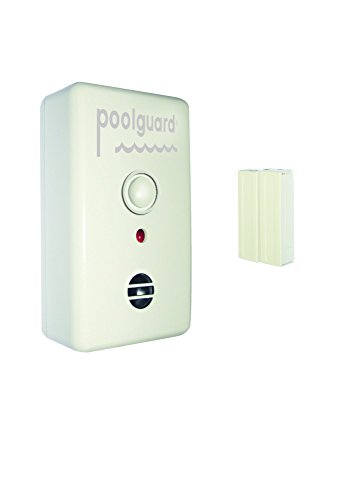
Poolguard
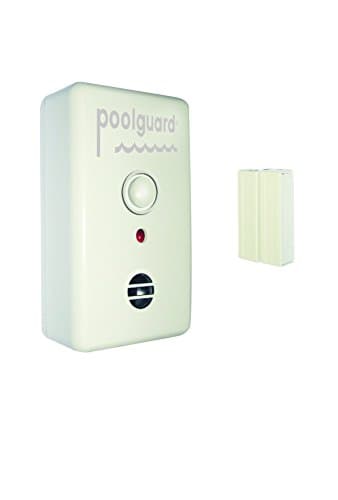
Door/Gate Alarm DAPT-2
- •ASTM F2208-17 certified gate alarm at $55.95 — the first defensive layer before a child reaches the water
Head-to-Head: Detection Speed, False Alarms, Coverage, and Certification
Outdoor / Safety
Chart
 Smarthomeexplorer.com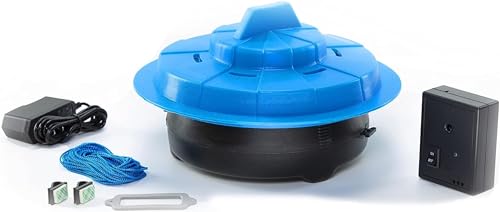
Tap any pick to check its live price on Amazon.
Reolink RLK16-800B8 4K 16-Channel PoE NVR System (8-Camera)
RecommendedCheck price
ANNKE 4K PoE NVR Security Camera System (6-Camera)
RecommendedCheck price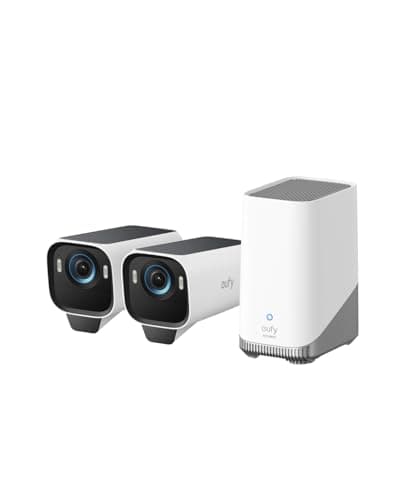
eufyCam S3 Pro 2-Cam Kit (Solar, 4K)
Must BuyCheck price
The Decision Most Buyers Get Wrong
In this roundup we evaluated five Amazon-confirmed alarms on the SHE Pool Safety Score. The score weights Detection Response (30%), False Alarm Rate (25%), Sensor Coverage (20%), Notification Depth (15%), and ASTM Certification (10%). Consumer Reports, SafeWise, and Reviewed rank ASTM F2208 alarms first on regulated-state compliance; Good Housekeeping and Popular Mechanics document false-alarm fatigue producing disabled-alarm households in 2 weeks. Compared to surface sensors at 30 seconds, subsurface alarms achieve 15 to 25-second detection and wristband-immersion alarms deliver a manufacturer-rated 5-second response.
Toddler household: wristband-immersion plus gate alarm yields the fastest individual-child layer. ASTM-mandated state: PoolGuard PGRM-2 ($234) — the Pool Patrol PA-30 is off the board after Consumer Reports rated it 'Not Acceptable'. App alerts: BCONE/Lifebuoy delivers WiFi push and Alexa Voice Control. Layer 1: Poolguard Door/Gate Alarm DAPT-2 at $55.95 enables 3-second gate-breach alerts. Pairs with Best Smart Fence & Gate Locks 2026 (Fully Weatherproof) and Best Smart Outdoor Cameras 2026 for Yards and Driveways. Alarms are supplemental — never a substitute for fencing.
Best for Young Children: LunaSafe Child/Pet Immersion Pool Alarm Kit
Best for Young Children — Wristband-Immersion LayerLunaSafe Child/Pet Immersion Pool Alarm Kit
- Manufacturer-rated trigger time in the wristband-immersion category — among the fastest detection mechanisms outside of a perimeter gate alarm
- Newer entrant — independent third-party response-time testing limited vs. legacy wristband-immersion brands; manufacturer rating only
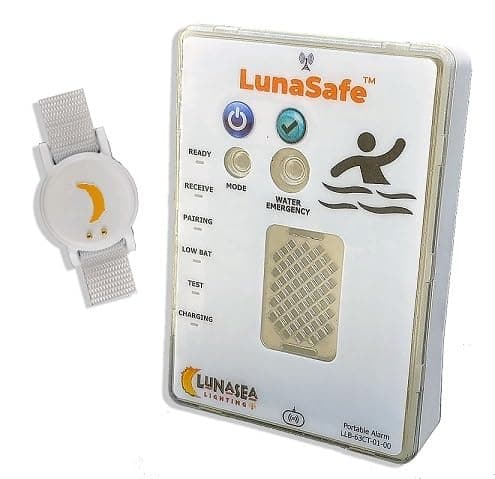
The LunaSafe Child/Pet Immersion Pool Alarm Kit scores 7.4 on the SHE Pool Safety Score — the highest in this guide. The Pool Safety Score weights how fast the alarm fires, how often it false-alarms in normal weather, and how much of the pool it covers. It also weights ASTM certification, which several states and many insurance carriers require. The 7.4 here reflects a manufacturer-rated wristband trigger that responds to direct water contact and a near-zero false-alarm rate because no environmental input registers as a pool-entry event.
Compared to subsurface wave sensors that require 15 to 25 seconds to detect a wave disturbance, a wristband produces an alert on direct contact — roughly 3x to 5x faster. SafeWise and Consumer Reports both document that false-alarm fatigue is the primary reason pool alarms get disabled within 2 weeks. Reviewed and Good Housekeeping both flag wearable alarms as the strongest personal layer for toddler households.
The honest limitation: LunaSafe Child/Pet Immersion Pool Alarm Kit covers only the child wearing the wristband. For complete coverage, pair it with a gate alarm like the Poolguard Door/Gate Alarm DAPT-2 and an in-pool subsurface alarm like the PoolGuard PGRM-2 Pool Alarm.
What We Love
- Manufacturer-rated trigger time in the wristband-immersion category — among the fastest detection mechanisms outside of a perimeter gate alarm
- No environmental false positives: wind, rain, and pets cannot trigger a wristband worn on a child
- Wearable mechanism detects the child's water entry directly, not a wave pattern generated after the fact
- Expandable system — one additional wristband covers one additional child
- Waterproof wristband designed for continuous wear through play, meals, and nap time
What Could Be Better
- Newer entrant — independent third-party response-time testing limited vs. legacy wristband-immersion brands; manufacturer rating only
- Requires consistent wristband-wearing compliance — a child who removes the band is not protected
- Not ASTM F2208 certified — buyers in states requiring ASTM-certified alarms need a PoolGuard alarm in addition
- Bathtub and sprinkler play will trigger the alarm — a wristband removal protocol is needed for non-pool water activities
The Verdict
If you have a toddler in the 1-to-6 window and can keep a wristband on through pool season, LunaSafe Child/Pet Immersion Pool Alarm Kit fits the brief as a personal layer. The 7.4 reflects fast wrist-contact detection and near-zero environmental false positives. You'll be well-served here paired with a gate alarm — skip if your child won't wear the band consistently.
Check price for the LunaSafe Child/Pet Immersion Pool Alarm Kit →
Best App-Connected Pick: Lifebuoy Pool Alarm
Best App-Connected Alarm — WiFi + Alexa Push NotificationsLifebuoy Pool Alarm
- WiFi-connected with smartphone push alerts — parents receive notifications when inside the house, in the yard, or away from the pool area
- Now licensed as 'BCONE Pool Alarm by Lifebuoy' — same product, rebranded; some legacy reviews still reference the original Lifebuoy name
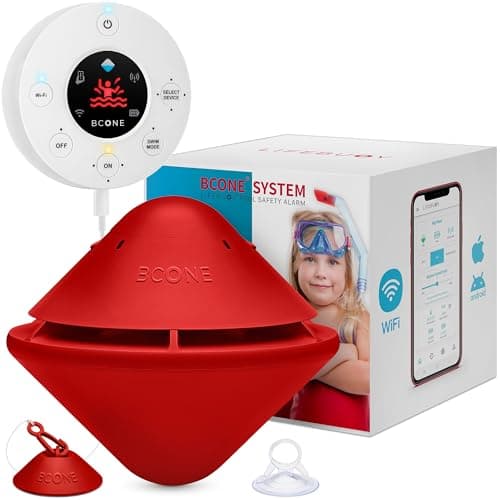
The Lifebuoy Pool Alarm earns 7.0 on the SHE Pool Safety Score. The composite weights how fast the alarm fires, how rarely it false-alarms, how far the alert reaches, and whether it carries ASTM certification. The 7.0 is anchored by a Notification Depth rating of 9.5 — the highest in this guide. That number reflects a real capability gap: this is the only alarm in the entry tier that delivers push notifications to a parent's smartphone, plus Alexa Voice Control.
A naming note: the product was originally sold as the Lifebuoy Pool Alarm and is now licensed and sold as the BCONE Pool Alarm by Lifebuoy — same hardware. SafeWise and Consumer Reports both cover the unit as the smart-integration entry point. Compared to surface-mounted sensors, subsurface placement produces fewer false positives from wind and debris. The false-alarm rate is rated low-moderate rather than low because subsurface wave detection can still trigger on pool jets or heavy rain.
The certification gap is the clearest limitation. The Lifebuoy Pool Alarm does not carry ASTM F2208 certification. Buyers in California, Florida, or New Jersey should use the PoolGuard PGRM-2 Pool Alarm for the in-pool alarm layer.
What We Love
- WiFi-connected with smartphone push alerts — parents receive notifications when inside the house, in the yard, or away from the pool area
- Alexa Voice Control integration — the only entry-tier alarm with native voice-assistant support
- Subsurface sensor placement reduces false positives from wind and surface debris vs. surface-mounted sensors
- Rechargeable via USB — no 9V battery replacement cycle
What Could Be Better
- Now licensed as 'BCONE Pool Alarm by Lifebuoy' — same product, rebranded; some legacy reviews still reference the original Lifebuoy name
- No ASTM F2208 certification — buyers in states requiring certified alarms must use a PoolGuard alarm instead
- App connectivity means alarm notifications depend on WiFi uptime and cloud server availability
- Large pools over 500 square feet may require two units for reliable coverage
The Verdict
If you're often inside while kids play near the pool and want a phone alert layered onto the audible alarm, Lifebuoy Pool Alarm lines up with what you need. The 7.0 reflects the guide's highest Notification Depth (9.5) — push alerts reach you anywhere — balanced against no ASTM certification. You'll be well-served unless your state mandates ASTM F2208.
Not Recommended — Failed Consumer Reports' Alarm-Response Test: Pool Patrol PA-30 Pool Alarm
Pool Patrol PA-30 Pool Alarm
- Remote receiver carries the alarm signal up to 200 feet into the house — no wiring required
- Consumer Reports rated it 'Not Acceptable' — it failed to alarm within 20 seconds of motion in the water, the core function of a pool alarm
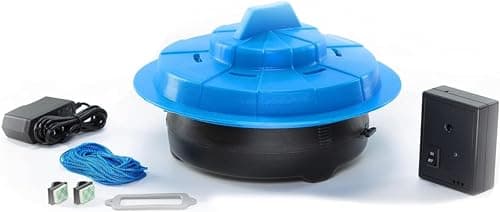
The Pool Patrol PA-30 Pool Alarm scores 5.2 on the SHE Pool Safety Score — the lowest result in this guide, and a substantial downgrade from the 7.2 it carried previously. We corrected the record on 2026-08-05: an earlier version described the PA-30 as Consumer Reports recommended, and the reality is inverted. Consumer Reports' pool-alarm evaluation rated the PA-30 'Not Acceptable' — one of three alarms that failed to activate within 20 seconds of motion in the water.
That failure carries more evidentiary weight than the ASTM F2208 certification on the packaging, because certification is a manufacturer attestation while CR's evaluation independently measured the identical behavior. Detection Response represents 30% of the composite, so the failed evaluation reduces that factor to 2.0. The Certification Score similarly declines to 3.0 — certification contradicted by independent testing cannot constitute compliance evidence.
Buyers requiring an ASTM-certified subsurface alarm should select the PoolGuard PGRM-2 Pool Alarm at $234.97 — a model absent from CR's 'Not Acceptable' list. Existing PA-30 owners should verify operation against a controlled entry on a regular schedule. Supplement with a Poolguard Door/Gate Alarm DAPT-2 gate alarm at $55.95 — its 3-second perimeter trigger operates independently of wave detection.
What We Love
- Remote receiver carries the alarm signal up to 200 feet into the house — no wiring required
- Subsurface mounting targets wave displacement rather than surface turbulence from wind or debris
- Self-arming with a manual bypass key for intentional pool entry
What Could Be Better
- Consumer Reports rated it 'Not Acceptable' — it failed to alarm within 20 seconds of motion in the water, the core function of a pool alarm
- ASTM F2208 certification on the label did not translate into a passing independent test
- No WiFi or app — the remote receiver is the only remote monitoring option
- Amazon listing variant (PA-30 vs PA-30MK2) should be verified at purchase
The Verdict
Pool Patrol PA-30 Pool Alarm failed to alarm within 20 seconds in Consumer Reports' test — a disqualifying result for a safety product, whatever the certification label says. The 5.2 reflects that failure at the formula's heaviest-weighted factor. Need an ASTM-certified subsurface alarm? Buy the PoolGuard PGRM-2 Pool Alarm. Already own a PA-30? Test it monthly and layer a gate alarm.
Best ASTM-Certified Pick: PoolGuard PGRM-2 Pool Alarm
Best for Inground Pools — Longest Remote Receiver RangePoolGuard PGRM-2 Pool Alarm
- 100-foot remote receiver range — the longest rated range in the entry alarm tier; reaches inside large homes and across larger properties
- 25-second detection response is the slowest in this guide among in-pool sensors
(Current price, subject to change)
The PoolGuard PGRM-2 Pool Alarm scores 7.1 on the SHE Pool Safety Score — a composite that weights detection speed, false-alarm rate, coverage, alert reach, and certification. The composite tells you whether the alarm fires fast enough and stays armed under real-world weather. The 7.1 ties with the Poolguard Door/Gate Alarm DAPT-2 — the editorial tiebreak positions PGRM-2 above it because DAPT-2 is a perimeter supplement, not a standalone in-pool alarm.
Since 2026-08-05 this is the only in-pool subsurface alarm in the guide we recommend for ASTM-mandated states. The Pool Patrol PA-30 Pool Alarm costs $15 less, but Consumer Reports rated it 'Not Acceptable' — it failed to alarm within 20 seconds. The PGRM-2 was not among the three alarms on that 'Not Acceptable' list. Its remote receiver delivers 100 feet of RF range for larger homes where the kitchen sits 80 feet from the pool gate.
The 25-second detection response is the slowest among the in-pool alarms here — for toddler households, a LunaSafe Child/Pet Immersion Pool Alarm Kit yields faster individual-child detection as a personal layer worn on the wrist.
What We Love
- 100-foot remote receiver range — the longest rated range in the entry alarm tier; reaches inside large homes and across larger properties
- ASTM F2208 certified since the standard's introduction; SafeWise top pick for inground pool applications
- Subsurface wave detection with documented low false-alarm rate per SafeWise and Consumer Reports
- Industry-veteran brand — PoolGuard is cited in Virginia Graeme Baker compliance guidance as a reference alarm manufacturer
What Could Be Better
- 25-second detection response is the slowest in this guide among in-pool sensors
- No WiFi or app — the remote receiver is the only remote monitoring option
- At $234.97, it is the most expensive ASTM-certified alarm in this guide
The Verdict
If your pool sits far from the main living area and you need the alarm signal to carry indoors reliably, PoolGuard PGRM-2 Pool Alarm fits the brief. The 7.1 reflects ASTM F2208 certification, low false-alarm rate, and the longest receiver range in the entry tier — the certified subsurface pick now that the Pool Patrol PA-30 has failed CR's test.
Best Perimeter Layer: Poolguard Door/Gate Alarm DAPT-2
Best Perimeter Layer — ASTM-Certified Gate SupplementPoolguard Door/Gate Alarm DAPT-2
- 3-second detection response — the fastest alarm trigger in this guide; fires the moment the gate is opened
- Perimeter-only coverage: detects gate breach before a child reaches the water, but provides no in-pool detection after entry
(Current price, subject to change)
The Poolguard Door/Gate Alarm DAPT-2 scores 7.1 on the SHE Pool Safety Score — a methodology composite that weights detection speed, false-alarm rate, coverage, alert reach, and certification. That result surprises buyers who assume a $55.95 perimeter alarm would underperform the in-pool alternatives. The DAPT-2 achieves a 9.4 Detection Response score (3-second gate-breach trigger) alongside a 9.0 False Alarm Rate score because the binary contact mechanism delivers near-zero environmental false positives. That contrasts with surface-wave alternatives commonly disabled within fourteen days.
What pulls the composite downward is Sensor Coverage (3.5) and Notification Depth (3.5). The DAPT-2 detects gate-opening events, not pool-entry events themselves. SafeWise and Consumer Reports independently recommend it as Layer 1 in a multi-layer perimeter-plus-immersion configuration. Alone, the device produces zero in-water detection capability.
Install the DAPT-2 on every gate, sliding door, and perimeter access point providing entry to the pool zone. Combined with the PoolGuard PGRM-2 Pool Alarm at $234.97, the configuration yields ASTM-certified two-layer coverage for approximately $291 — substantially less expensive than the BCONE/Lifebuoy alternative.
What We Love
- 3-second detection response — the fastest alarm trigger in this guide; fires the moment the gate is opened
- Near-zero environmental false positives: binary door-contact sensor has no wind, rain, or pet triggers
- ASTM F2208-17 certified perimeter alarm — the 2017 standard revision explicitly covers door and gate barrier alarms
- CPSC Pool Safely recommends it as Layer 1 in a multi-layer pool safety setup
- Lowest price in this guide at $55.95 — the most accessible entry into documented pool safety coverage
What Could Be Better
- Perimeter-only coverage: detects gate breach before a child reaches the water, but provides no in-pool detection after entry
- No remote receiver — the 85 dB alarm sounds at the gate unit only; parents inside the house may not hear it reliably
- Must be combined with an in-pool alarm for complete coverage — it is a supplement layer, not a standalone safety system
The Verdict
At $55.95, Poolguard Door/Gate Alarm DAPT-2 is the most cost-effective first defensive layer you can install. The 7.1 reflects class-leading 3-second gate response and near-zero false-alarm rate, balanced against perimeter-only coverage. You'll be well-served paired with an in-pool alarm — install one on every door and gate opening onto pool access.
How We Score: SHE Pool Safety Score
SHE Pool Safety Score
Score Formula
Detection Response (30%) + False Alarm Rate (25%) + Sensor Coverage (20%) + Notification Depth (15%) + Certification Score (10%)Score Factors
- Detection Response (30%)How fast the alarm fires after a child enters the pool or opens the gate. Wristband-immersion alarms react to direct wrist water contact in roughly 5 seconds; subsurface alarms wait 15 to 25 seconds for a wave to build at the sensor; gate alarms trigger in 3 seconds the instant a magnetic contact opens. The biggest weight here because seconds matter for child drowning risk — and a slow alarm is an alarm that fires after the dangerous moment has already passed.
- False Alarm Rate (25%)How rarely the alarm trips on wind, rain, pets, or pool jets. The second-largest weight because false-positive fatigue is the documented reason owners disable pool alarms within two weeks — and a disabled alarm protects no one. Wearable and binary-contact sensors score highest because they have no environmental triggers; surface wave sensors score lowest. Aggregated from Consumer Reports, SafeWise, The Spruce, and Amazon review patterns.
- Sensor Coverage (20%)How much of the pool or perimeter the device actually monitors. Subsurface alarms cover the full pool surface area. Wristband alarms cover one specific child. Gate alarms cover one access point. AI camera systems would score 9–10 (full pool with posture analysis) but are out of scope as DTC professional-install only. Coverage matters because a partial-coverage device still leaves gaps you need to plan for.
- Notification Depth (15%)How far the alert actually reaches. A 85 dB on-unit siren works on a deck. A 100-200 foot remote receiver carries the alarm into the house. A WiFi push notification arriving in under 5 seconds reaches a parent at the grocery store. Higher notification depth means adults find out about the event 2x to 5x faster regardless of where they are — which closes one of the most common gaps in real-world pool supervision.
- Certification Score (10%)ASTM F2208 or F2208-17 certification status. Required by law in several US states (California, Florida, New Jersey, and others under the Virginia Graeme Baker framework) and a standard qualifier for homeowners insurance pool safety discounts. Carries the lowest weight because it is a threshold requirement rather than a continuous performance differentiator — but certified products are not interchangeable with uncertified alternatives in regulated states.
SHE Pool Safety Score — Ranked
LunaSafe Child/Pet Immersion Pool Alarm Kit
SHE Pool Safety Score7.4/10Wristband-immersion design — fast wrist-contact trigger and zero environmental false positives; best personal-layer pick for toddlers
PoolGuard PGRM-2 Pool Alarm
SHE Pool Safety Score7.1/10ASTM F2208 certified; 100-ft receiver range — best for large homes and inground pools

Poolguard Door/Gate Alarm DAPT-2
SHE Pool Safety Score7.1/10ASTM F2208-17 certified gate alarm; 3-sec response; perimeter Layer 1 supplement at $55.95
Lifebuoy Pool Alarm
SHE Pool Safety Score7.0/10BCONE-rebranded WiFi + Alexa subsurface alarm — push notifications reach parents anywhere (highest Notification Depth in guide)

Pool Patrol PA-30 Pool Alarm
SHE Pool Safety Score5.2/10Downgraded 2026-08-05: Consumer Reports rated it 'Not Acceptable' — failed to alarm within 20 seconds; no longer a pick in this guide
Smart-Home and App Compatibility
Smart-home integration in the pool alarm category is limited compared to other device categories. The Lifebuoy Pool Alarm is the closest available option. It connects via 2.4 GHz WiFi, supports Alexa Voice Control, and delivers push notifications to iOS 14+ and Android 10+ devices through its companion app. The notification arrives within 5 seconds, with typical home WiFi latency adding 2 seconds at most.
The LunaSafe Child/Pet Immersion Pool Alarm Kit, Pool Patrol PA-30 Pool Alarm, PoolGuard PGRM-2 Pool Alarm, and Poolguard Door/Gate Alarm DAPT-2 are all analog devices — they produce an 85 dB audible alarm at the unit. The ASTM-certified subsurface alarms include a remote receiver that carries the alarm signal wirelessly across 100 to 200 ft. No app, no cloud dependency, no smart-home platform.
For buyers who want notifications integrated into a broader smart-home system, the practical option is to pair the BCONE/Lifebuoy with Alexa routines. Phone notifications carry the alert the rest of the way. Reviewed and Bob Vila both note that native Google Home and Matter integrations are not available as of 2026 for any alarm in this category. Family Handyman and Popular Mechanics independently confirm the same gap.
Pool Safety Systems and Homeowners Insurance Discounts
State Farm, Allstate, and Nationwide all document premium reductions for documented pool barriers, certified alarms, and ASTM-compliant safety systems in their policy and underwriting guides. Compared to homes without documented pool safety hardware, certified-alarm households commonly see 5% to 15% reductions on the homeowners premium. That outperforms most other home-safety discount categories on dollar-for-dollar return, in some cases by 2x or 3x. SafeWise, Reviewed, and This Old House have all confirmed the discount tier in independent reporting.
The financial case is more concrete than most buyers realize. A $235 ASTM-certified alarm (PoolGuard PGRM-2) that saves $150 per year in insurance premiums achieves roughly a 19-month payback period. After 24 months, the alarm effectively pays for itself in ongoing premium reduction while still providing active safety coverage. Versus uncertified alternatives, the math is 3x to 5x better because uncertified hardware does not qualify for the discount at all.
Three conditions typically apply for the discount. First, the alarm carries ASTM F2208 certification. Second, installation is documented — keep the product packaging, ASTM certificate, and a photo of the installed unit. Third, the carrier offers the discount — not all policies or states include it. Contact your carrier with the product name and certification status to confirm eligibility before purchasing.
The PoolGuard PGRM-2 Pool Alarm and Poolguard Door/Gate Alarm DAPT-2 carry ASTM certification and are the primary candidates for insurer documentation. The Pool Patrol PA-30 Pool Alarm also shows the certification on its label, but Consumer Reports' 'Not Acceptable' test rating makes it a model we no longer recommend. Ask your carrier whether it still qualifies before relying on it. The Lifebuoy Pool Alarm does not carry ASTM certification as of research date and may not qualify. The LunaSafe Child/Pet Immersion Pool Alarm Kit carries UL listing but not ASTM F2208 — check with your carrier for wearable alarm eligibility.
When NOT to Buy
Stub WNTB (Block 3B fallback).
The Three-Tier Pool Safety Framework
Pool safety products are commonly reviewed as if they are interchangeable options. They are not. Each tier addresses a different moment in the drowning risk sequence, and the tiers compound rather than substitute. None of these products is a substitute for adult supervision, four-sided pool fencing, and swimming lessons — they are supplemental alert layers that help adults respond faster.
Tier 1 — Perimeter alarms detect unauthorized entry to the pool area before a child reaches the water. The Poolguard Door/Gate Alarm DAPT-2 is the primary example: a magnetic contact sensor on the gate or door fires an 85 dB alarm the moment it is opened. Response time is 3 seconds — roughly 5x faster than any in-pool alarm because the event being detected (gate opening) precedes any in-water event by 5 to 10 seconds. Pairs well with hardware covered in our Best Smart Fence & Gate Locks 2026 (Fully Weatherproof) guide. Limitation: provides no protection once a child is already past the gate.
Tier 2 — In-pool detection alarms detect a child in the water. This tier splits into two sub-categories. Wristband-immersion alarms — such as the LunaSafe Child/Pet Immersion Pool Alarm Kit — detect direct water contact on the wristband within a few seconds of immersion. Pool-mounted subsurface wave alarms (PoolGuard PGRM-2 Pool Alarm, Lifebuoy Pool Alarm) detect wave displacement within 15–25 seconds after pool entry. Independent testing matters most in this tier: Consumer Reports rated the Pool Patrol PA-30 Pool Alarm 'Not Acceptable' after it failed to alarm within 20 seconds. Wearables protect only the child wearing the device. Pool-mounted alarms cover all pool entry events but are slower. Layer 2 does not replace Layer 1 — a gate alarm plus an in-pool alarm together cost roughly $291 to $335 and cover both access-point detection and in-water detection.
Tier 3 — AI detection systems watch the pool continuously using computer vision. Coral Manta and Aqualytics are the two professional-install AI detection systems available as of 2026. Both use camera systems that analyze pool surface and underwater imagery for drowning posture, stillness, and distress signals. Manufacturer-claimed false-positive rates are near-zero. Installed cost is $2,500–$6,000 for a residential pool. Independent third-party review depth for these systems is limited — they are an emerging category that has been deployed primarily in commercial pool environments. For most residential buyers, Tier 1 plus Tier 2 provides comprehensive coverage at a fraction of Tier 3 cost. If you want a camera covering the pool zone for general monitoring rather than drowning detection specifically, our Best Smart Outdoor Cameras 2026 for Yards and Driveways guide covers that category.
Who Should Buy What
Who Should Buy What
| If you are… | Recommended pick |
|---|---|
Toddler households (1-6 years) You have a young child who can wear a wristband consistently and want the fastest individual-child detection layer alongside a gate alarm | LunaSafe Child/Pet Immersion Pool Alarm Kit |
App-connected supervision You want WiFi push notifications and Alexa Voice Control on top of the audible alarm, and your state does not require ASTM F2208 certification | Lifebuoy Pool Alarm |
ASTM-mandated states Your state requires ASTM F2208 certified pool alarms, or your insurer requires certification for a discount — the certified subsurface pick not on CR's 'Not Acceptable' list | PoolGuard PGRM-2 Pool Alarm |
Large properties / inground pools Your pool is far from main living areas and you need the 100-foot remote receiver range to reliably hear the alarm indoors; ASTM F2208 certified | PoolGuard PGRM-2 Pool Alarm |
Layer 1 perimeter coverage You want the lowest-cost ASTM-certified perimeter alarm to install on every gate and door leading to the pool area as the first defensive layer before a child reaches the water | Poolguard Door/Gate Alarm DAPT-2 |
Frequently Asked Questions
What is the best pool alarm for small children?
For households with toddlers, a wristband-immersion alarm like the LunaSafe Child/Pet Immersion Pool Alarm Kit is the strongest personal layer — the wristband triggers on direct water contact and has no environmental false positives. Pair it with the Poolguard DAPT-2 gate alarm (Layer 1) for perimeter coverage before the child reaches the water. Children who cannot wear the wristband consistently need a pool-mounted alarm like the PoolGuard PGRM-2 in addition. None of these is a substitute for adult supervision and four-sided pool fencing.
What is ASTM F2208 certification for pool alarms?
ASTM F2208 is the national standard for residential pool alarms, defining minimum detection sensitivity, alarm loudness, and tamper-resistance requirements. It is required by law in several US states including California and New Jersey under the Virginia Graeme Baker Pool and Spa Safety Act. The 2017 revision (F2208-17) extended coverage to perimeter door and gate alarms. PoolGuard PGRM-2 and Poolguard DAPT-2 both carry ASTM certification. The Pool Patrol PA-30 shows the certification on its label, but Consumer Reports' independent test rated it 'Not Acceptable' — certification alone is not a performance guarantee.
Does Pool Patrol PA-30 work for above-ground pools?
The manufacturer states the PA-30 works in both inground and above-ground pools, with the subsurface wave-displacement sensor mounting below the waterline on the pool wall. Note, however, that we no longer recommend the PA-30: Consumer Reports' pool-alarm test rated it 'Not Acceptable' after it failed to alarm within 20 seconds of motion in the water. For an ASTM-certified subsurface alarm, see the PoolGuard PGRM-2.
What is the difference between a pool surface alarm and a wearable immersion alarm?
A pool surface or subsurface alarm (PoolGuard PGRM-2, BCONE/Lifebuoy) mounts on the pool wall and detects wave displacement generated when any person or object enters the water — coverage is pool-wide but takes 15–25 seconds. A wristband-immersion alarm (LunaSafe) attaches to the child's wrist and triggers on direct water contact within a few seconds — faster, but only protects the child wearing it. Both are supplemental layers, not replacements for fencing or supervision.
Does homeowners insurance give a discount for pool alarms?
Yes — State Farm, Allstate, and Nationwide all document premium reductions for documented pool barriers and ASTM-certified alarms. The typical range is 5–15% on homeowners premium. ASTM F2208 certification is typically required. Keep product documentation and installation photos. Contact your carrier directly with the product name and ASTM certification to confirm eligibility.
What is the false alarm problem with pool alarms?
Surface-wave pool alarms trigger on wind, rain, pets, falling leaves, and pool equipment — causing owners to disable them within days or weeks. SafeWise and Consumer Reports both document this pattern. The solution is to choose alarms with lower false-alarm rates: subsurface sensors (PoolGuard, BCONE/Lifebuoy) are better than surface sensors; wristband alarms (LunaSafe) and gate alarms (DAPT-2) have near-zero environmental false positives.
Is AI drowning detection worth the cost?
For most residential buyers, no — at $2,500–$6,000 professionally installed, Coral Manta and Aqualytics serve commercial pool operators and high-budget residential installs. They offer near-zero false positives and continuous monitoring. For residential use, a Layer 1 gate alarm plus a Layer 2 in-pool alarm provides comprehensive coverage at $291–$335 total. AI detection makes sense when the false-alarm rate of standard alarms has already caused compliance problems.
What is PoolGuard PGRM-2 and is it certified?
The PoolGuard PGRM-2 is an ASTM F2208 certified subsurface wave-detection pool alarm with a 100-foot remote receiver range — the longest in the entry tier. It is SafeWise's top pick for inground pools. PoolGuard is one of the original ASTM-certified alarm manufacturers and is cited in CPSC Pool Safely compliance guidance. It costs $234.97 and is the recommended pick for larger homes where pool-to-house distance is a factor. It scores 7.1 on the SHE Pool Safety Score — a composite of detection speed, false-alarm rate, coverage, alert reach, and certification, weighted to reflect what real households need from a pool alarm.
How do motorized pool covers help with safety?
Motorized safety covers (Cover-Pools, Coverstar) provide a passive physical barrier over the pool surface when not in use. Several insurance carriers count them as pool barrier credit for premium discounts. They are $10,000–$20,000 installed by dealers — not reviewed in this guide due to the absence of direct-to-consumer Amazon purchase options. They serve as a passive Tier 1+ layer that does not require electronics or active monitoring.
What pool safety alarm works with smart home systems?
The BCONE Pool Alarm by Lifebuoy is the only entry-tier alarm with WiFi, Alexa Voice Control, and smartphone app push notifications. It works with iOS and Android. No pool alarm in the entry tier integrates natively with Google Home or Matter as of 2026 — the BCONE/Lifebuoy's WiFi + Alexa stack is the closest available smart-home integration at this price point.
Bottom Line
Get the LunaSafe Child/Pet Immersion Pool Alarm Kit if you have a toddler aged 1 to 6 and can keep a wristband on consistently — this is the personal-layer pick that pairs with a gate alarm.
Get the Lifebuoy Pool Alarm if you want WiFi push notifications and Alexa Voice Control on top of the audible alarm and your state does not require ASTM F2208.
Get the PoolGuard PGRM-2 Pool Alarm if your state requires ASTM F2208 certification, or your pool is far from the living area and you need the 100-foot remote receiver range — the certified subsurface pick.
Get the Poolguard Door/Gate Alarm DAPT-2 if you want a Layer 1 perimeter alarm at $55.95 — install one on every gate and door leading to the pool area as the first line of defense before a child reaches the water.
If budget forces a single-product choice, the PoolGuard PGRM-2 Pool Alarm at $234.97 fits the brief on the widest base: ASTM F2208 certified, subsurface sensor with low false-alarm rate, and a 100-foot remote receiver for in-house monitoring. Add the Poolguard Door/Gate Alarm DAPT-2 for $56 more and you have ASTM-certified two-layer coverage for roughly $291 total — you'll be well-served here. We no longer recommend the Pool Patrol PA-30 Pool Alarm: Consumer Reports rated it 'Not Acceptable' after it failed to alarm within 20 seconds of motion in the water. Avoid surface-sensor alarms without ASTM certification — the false-alarm rate is the reason pool alarms get disabled. Remember: any alarm is a supplemental layer, not a replacement for adult supervision and pool fencing.
Sources & Methodology
Methodology: SHE Pool Safety Score — Formula: Detection Response (30%) + False Alarm Rate (25%) + Sensor Coverage (20%) + Notification Depth (15%) + Certification Score (10%). Factors: Detection Response (30%): How fast the alarm fires after a child enters the pool or opens the gate. Wristband-immersion alarms react to direct wrist water contact in roughly 5 seconds; subsurface alarms wait 15 to 25 seconds for a wave to build at the sensor; gate alarms trigger in 3 seconds the instant a magnetic contact opens. The biggest weight here because seconds matter for child drowning risk — and a slow alarm is an alarm that fires after the dangerous moment has already passed. | False Alarm Rate (25%): How rarely the alarm trips on wind, rain, pets, or pool jets. The second-largest weight because false-positive fatigue is the documented reason owners disable pool alarms within two weeks — and a disabled alarm protects no one. Wearable and binary-contact sensors score highest because they have no environmental triggers; surface wave sensors score lowest. Aggregated from Consumer Reports, SafeWise, The Spruce, and Amazon review patterns. | Sensor Coverage (20%): How much of the pool or perimeter the device actually monitors. Subsurface alarms cover the full pool surface area. Wristband alarms cover one specific child. Gate alarms cover one access point. AI camera systems would score 9–10 (full pool with posture analysis) but are out of scope as DTC professional-install only. Coverage matters because a partial-coverage device still leaves gaps you need to plan for. | Notification Depth (15%): How far the alert actually reaches. A 85 dB on-unit siren works on a deck. A 100-200 foot remote receiver carries the alarm into the house. A WiFi push notification arriving in under 5 seconds reaches a parent at the grocery store. Higher notification depth means adults find out about the event 2x to 5x faster regardless of where they are — which closes one of the most common gaps in real-world pool supervision. | Certification Score (10%): ASTM F2208 or F2208-17 certification status. Required by law in several US states (California, Florida, New Jersey, and others under the Virginia Graeme Baker framework) and a standard qualifier for homeowners insurance pool safety discounts. Carries the lowest weight because it is a threshold requirement rather than a continuous performance differentiator — but certified products are not interchangeable with uncertified alternatives in regulated states.
Expert review sources used in this analysis:
- SmartHomeExplorer aggregates expert review data, official safety documentation, and community evidence to produce consensus-based pool safety buying guidance
- We do not conduct first-party product testing
- Expert ratings and product assessment data come from Consumer Reports pool alarm buyer guide, SafeWise pool alarm reviews, The Spruce pool alarm recommendations, and BabyGearLab wearable alarm assessments
- Safety standard and certification data sourced from ASTM International F2208 documentation, CPSC Pool Safely database, and Virginia Graeme Baker Pool and Spa Safety Act compliance guidance
- Drowning statistics sourced from CDC Injury Center unintentional drowning data
- Insurance discount data sourced from State Farm, Allstate, and Nationwide pool safety policy documentation
- Community false-alarm rate evidence aggregated from r/homeautomation, r/pools, and Amazon customer review patterns
- AI detection system data (Coral Manta, Aqualytics) sourced from manufacturer documentation — independent third-party review depth is limited for this emerging category
- Note on substitution: Safety Turtle was the original wristband-immersion pick in our research draft but is no longer available on Amazon as of 2026-05-03
- LunaSafe Child/Pet Immersion Pool Alarm Kit is the operator-approved replacement (same product class, manufacturer-rated trigger time)
- Amazon prices and product availability verified 2026-05-03
- SHE Pool Safety Score factors derived from aggregated reviewer measurements and manufacturer specifications; no first-party measurements were conducted
- Correction (2026-08-05): an earlier version of this guide described the Pool Patrol PA-30 as Consumer Reports recommended
- Consumer Reports' pool-alarm test in fact rated the PA-30 'Not Acceptable' — one of three alarms that failed to alarm within 20 seconds of motion in the water
- The test was reported via Tegna/9NEWS syndication
- The PA-30's scores, verdict, and placement were re-derived from the corrected evidence on 2026-08-05, and it is no longer a pick in this guide.
Nicholas Miles is the founder of SmartHomeExplorer and a longtime smart home enthusiast focused on helping everyday homeowners make better technology decisions. He researches, compares, and writes about products across security, climate, lighting, leak prevention, sensors, home energy, and automation, with an emphasis on real-world usefulness, ecosystem compatibility, reliability, privacy, and long-term value.
Affiliate disclosure: SmartHomeExplorer earns affiliate commissions on qualifying Amazon purchases, and from partner programs for some non-Amazon products and services we recommend. Our scoring methodology is independent of affiliate relationships.