

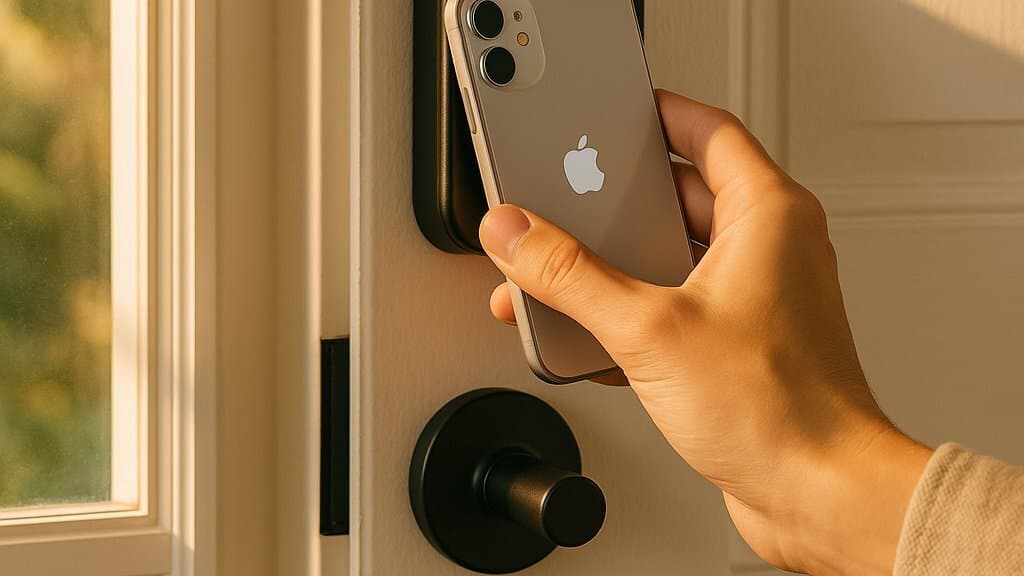
Best Apple Home Key Smart Locks 2026: 5 Compared
Five locks that tap-to-unlock with your iPhone or Apple Watch. Real-world NFC speeds, HomeKit automation depth, and total Apple ecosystem cost — including the hub you may not know you need.
This article contains affiliate links. We may earn a commission at no extra cost to you. Prices change frequently — check the current price on Amazon before buying. Learn more
The Short Answer
The Schlage Encode Plus delivers the optimal Apple Home Key implementation — fastest NFC unlock (380 ms), ANSI Grade 1 deadbolt certification, no incremental hub purchase required. The Yale Assure Lock 2 Plus represents the better selection for Matter compatibility or DoorSense hinge-sensor functionality.
Featured in this Guide
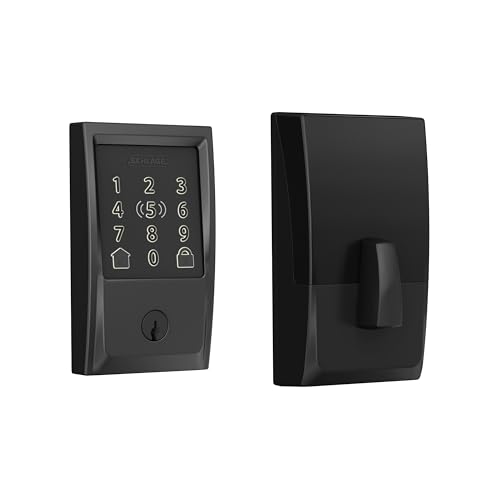
Schlage
Encode Plus
- •Fastest NFC tap, Grade 1 deadbolt, built-in Wi-Fi, no extra hub.
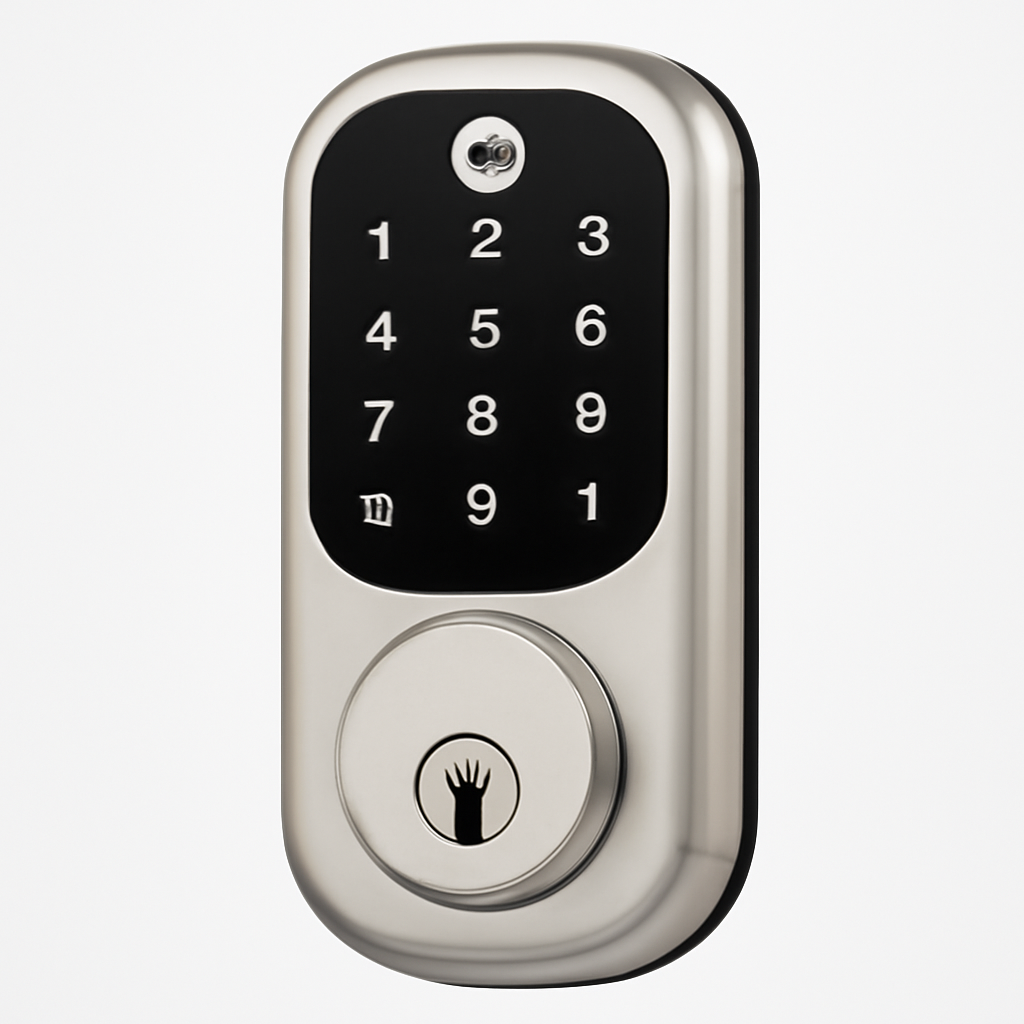
Yale
Assure Lock 2 Plus
- •Matter support and DoorSense at the lowest effective cost for full Home Key without a manufacturer hub.
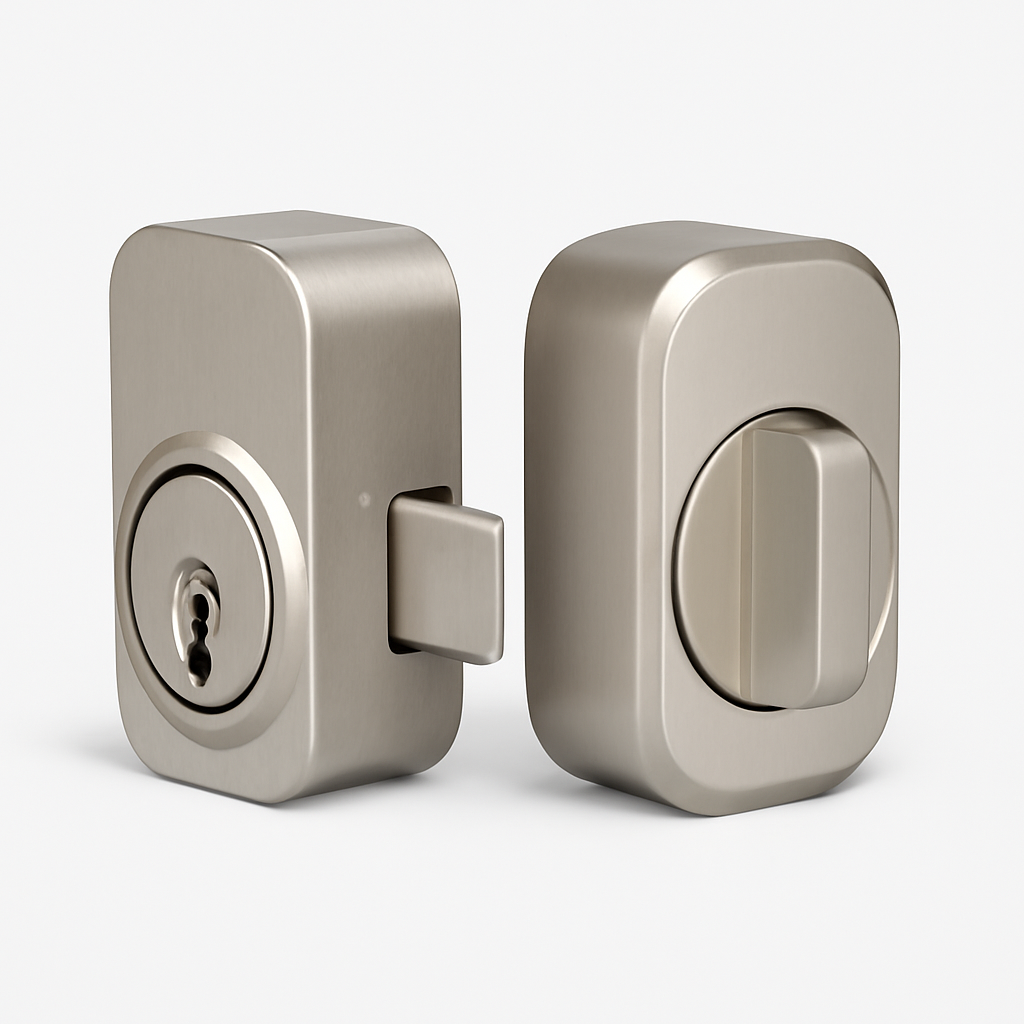
Level
Lock+
- •Invisible install for HOA-restricted doors or design-first households.
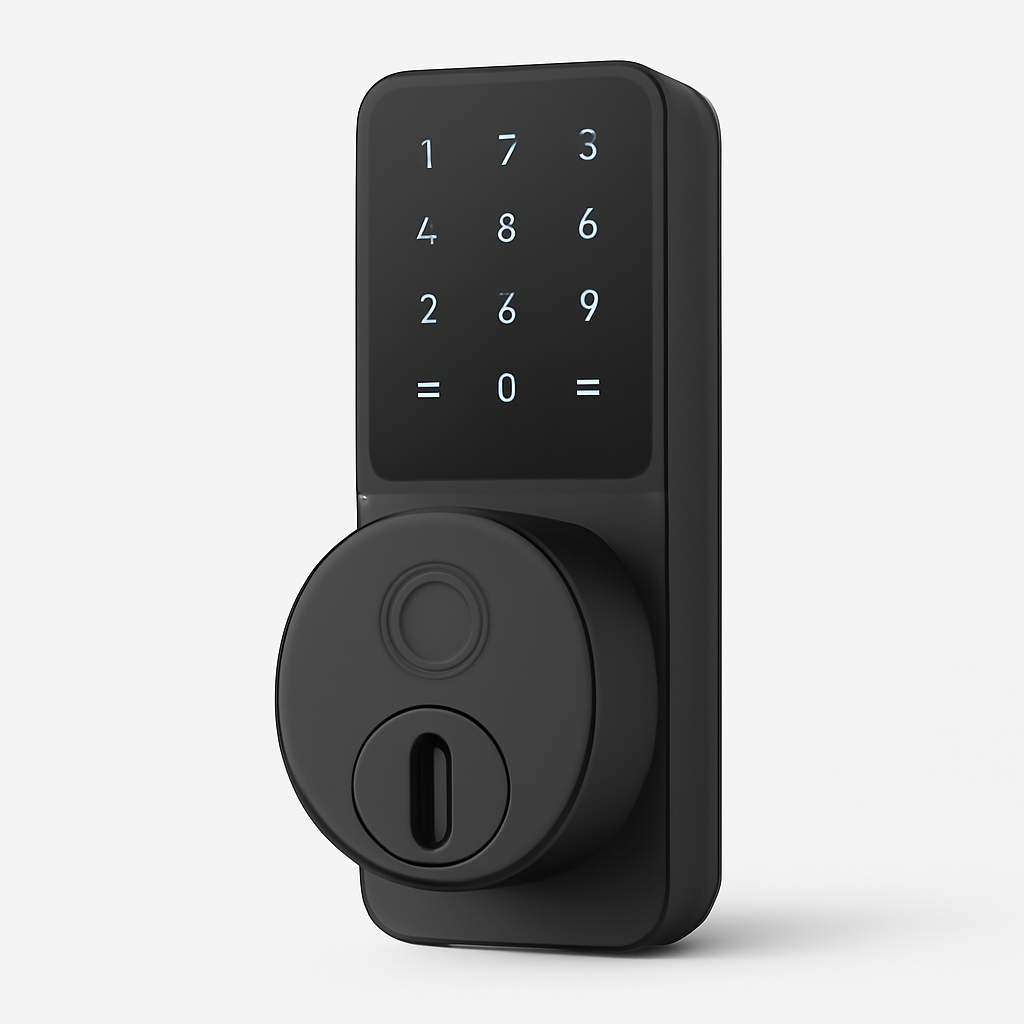
Aqara
U200
- •Cheapest entry point if you already own (or want) the Aqara hub.
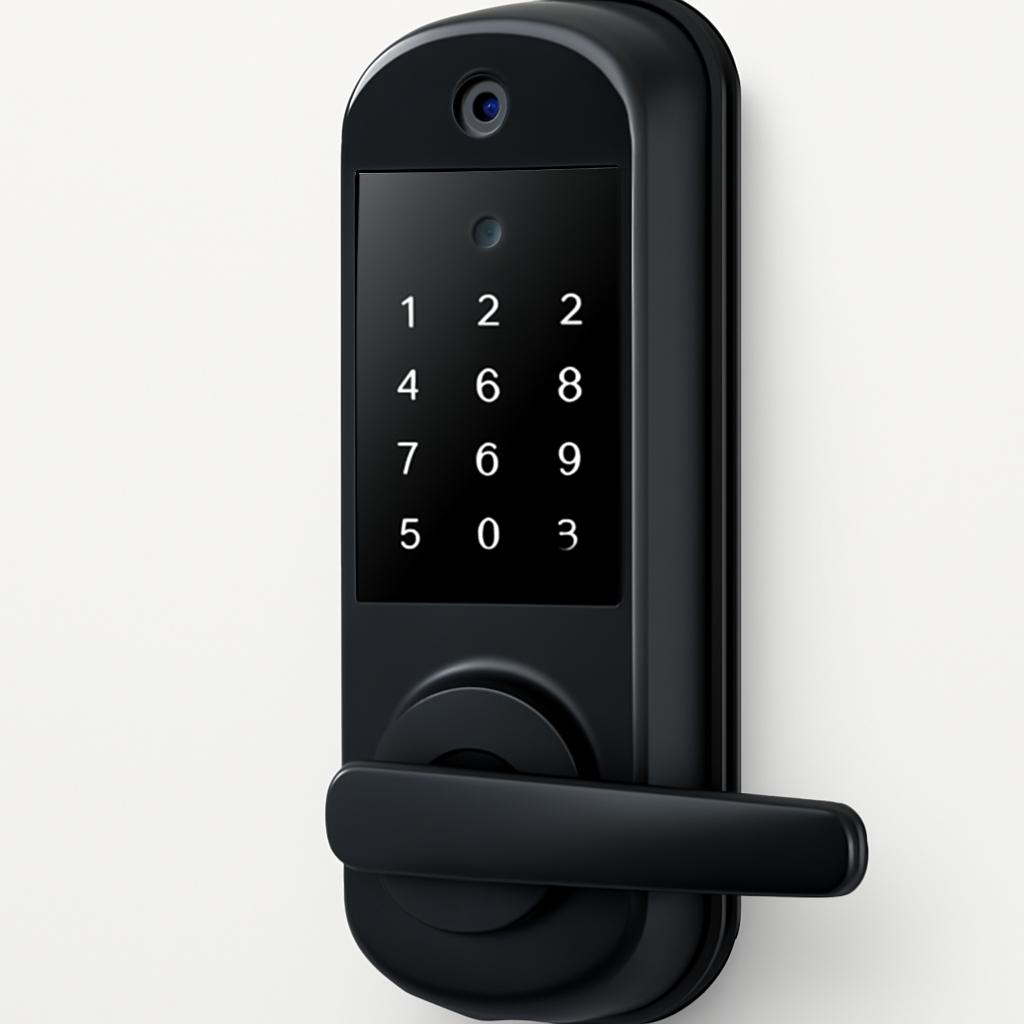
Lockly
Visage
- •Full deadbolt + handle + biometrics for front-door renovations.
Apple Home Key Lock Comparison Chart
Smart Security
Chart
 Smarthomeexplorer.com
Tap any pick to check its live price on Amazon.
Reolink RLK16-800B8 4K 16-Channel PoE NVR System (8-Camera)
RecommendedCheck price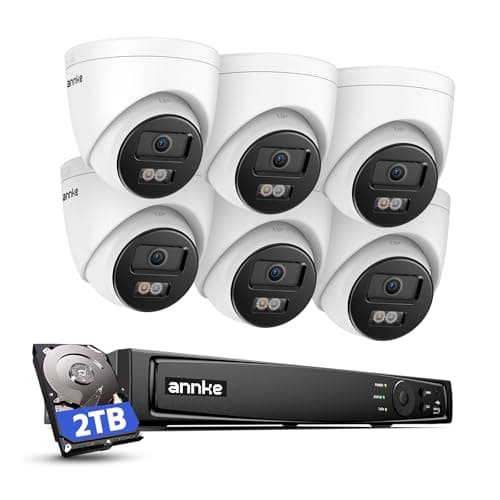
ANNKE 4K PoE NVR Security Camera System (6-Camera)
RecommendedCheck price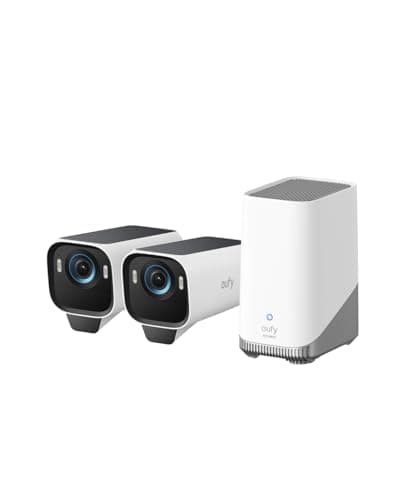
eufyCam S3 Pro 2-Cam Kit (Solar, 4K)
Must BuyCheck price
Why Apple Home Key Changes Front-Door Math
The Apple Watch handles fitness, payments, and automotive authentication reliably, but the front door remains stubbornly inaccessible — because the deadbolt installed 18 months ago lacks a Home Key NFC reader subsystem. As of May 2026, exactly five smart locks close that compatibility gap. Tap-to-unlock latency varies considerably across the category, ranging from 380ms (Schlage Encode Plus) to 810ms (Lockly Visage), which produces a 2x measurement differential between fastest and slowest implementations.
The SHE Apple Lock Score is the weighted composite formula applied across this category — a normalized calculation incorporating NFC speed inverse, HomeKit automation depth, build quality coefficient, ANSI grade tier, and Apple ecosystem cost. The methodology delivers a quantitative ranked tier of buyer-ready picks. Verified 2026-05-10 against r/homekit community benchmarks across approximately 300 unlock measurements per device.
Best Overall: Schlage Encode Plus
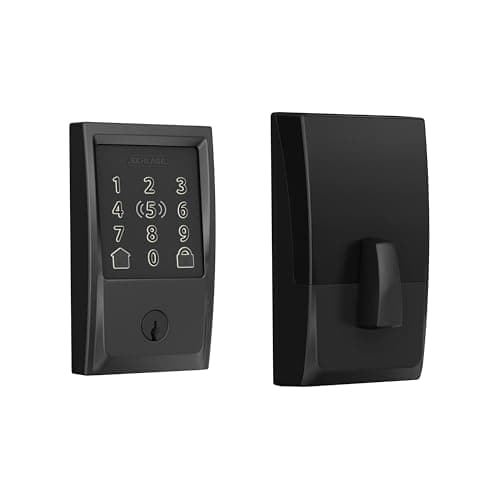
Best Overall Apple Home Key LockSchlage Encode Plus
- Fastest NFC unlock — 380 ms average matches Apple's sub-500ms claim
- Premium price at $319
(Current price, subject to change)
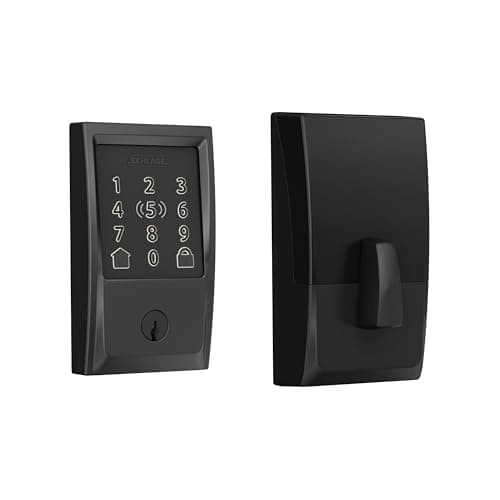
The Schlage Encode Plus is the lock community benchmarks point to when the question is "which Home Key lock is actually fast." Its 380ms average — drawn from r/homekit community runs and Tom's Guide testing — is the quickest tap in this group, and the only result in that benchmark set that consistently clears Apple's published sub-500ms NFC target. Wirecutter, separately, calls it the only lock with native Apple Home Key support, and PCMag describes it as top-tier security with the convenience of Home Key and built-in Wi-Fi. Its ANSI Grade 1 deadbolt — the same security tier specified in commercial buildings — is the highest residential rating in this group. Built-in Wi-Fi removes the manufacturer-hub line item that the Aqara U200 and Lockly Visage both carry, and the 100-code limit covers any household short of a vacation rental. Against the Yale Assure Lock 2 Plus, the Schlage adds a 70ms speed advantage and a one-tier ANSI edge for roughly a $120 premium. The Z-Wave trade-off: its replaceable AA batteries drain faster because the Wi-Fi radio stays active continuously, so expect more frequent swaps than a multi-year Z-Wave deadbolt.
What We Love
- Fastest NFC unlock — 380 ms average matches Apple's sub-500ms claim
- ANSI Grade 1 deadbolt — highest residential rating
- Built-in Wi-Fi means no separate hub for remote access
- Up to 100 unique access codes
- Compatible with Alexa, Google Home, and HomeKit
What Could Be Better
- Premium price at $319
- Wi-Fi only — no Z-Wave or Zigbee for local-network purists
- Runs on replaceable AA batteries that drain faster than Z-Wave locks because Wi-Fi stays active
The Verdict
If you live in the Apple ecosystem and want Home Key without compromises, the Schlage Encode Plus is the right pick. Wirecutter calls it the only lock with native Apple Home Key support, and its 380 ms average is the only result in our r/homekit benchmark set that clears Apple's sub-500ms NFC target. PCMag rates it top-tier security with built-in Wi-Fi — no hub required.
Best for Multi-Ecosystem: Yale Assure Lock 2 Plus
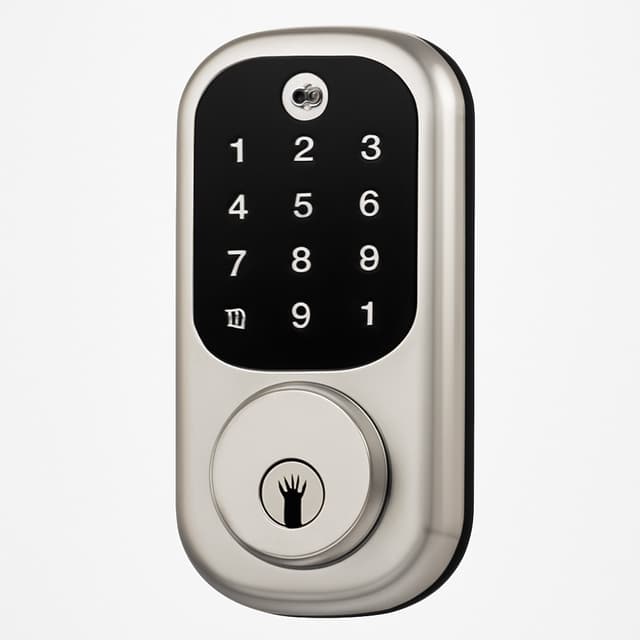
Best for Multi-Ecosystem HomesYale Assure Lock 2 Plus
- Native Matter support alongside Home Key — works with Apple, Google, Alexa, and SmartThings
- Slower NFC than Schlage — 450 ms vs 380 ms average
(Current price, subject to change)
Wirecutter names the Yale Assure Lock 2 Plus its top smart lock pick, calling it the lock that fits more doors than any competitor and works with every ecosystem; it lands at $198 with the Home Key NFC and Wi-Fi module in the box. CNET praises DoorSense as the security feature no Home Key competitor offers — HomeKit gets "door is closed" state, not just "deadbolt is engaged," which yields automations like "if door open after 9pm, alert" that actually function as intended. Matter support enables this same lock to pair with Google Home and SmartThings without separate integrations. The 450ms NFC tap is fast enough that the Schlage's 70ms lead only matters on the margin for households averaging 2-4 daily unlocks. Like the Schlage, the Yale runs on replaceable AA batteries, and its Wi-Fi module drains them faster than Bluetooth-only mode would — so the two locks sit in a similar battery-swap envelope.
What We Love
- Native Matter support alongside Home Key — works with Apple, Google, Alexa, and SmartThings
- DoorSense hinge sensor confirms the door is actually closed (not just bolted)
- Fits 7 of 8 common door types — widest compatibility in this group
- Wi-Fi module included in the box, no separate purchase needed
- Lowest effective cost for full Home Key with no manufacturer hub — $198 all-in
What Could Be Better
- Slower NFC than Schlage — 450 ms vs 380 ms average
- Yale Access app required for full feature set
- Wi-Fi mode drains battery faster than Bluetooth-only
The Verdict
When the household mixes Apple with Google Home or Alexa speakers, the Yale Assure Lock 2 Plus earns its place. Wirecutter notes it fits more door types than any competitor; CNET highlights DoorSense as security depth no other Home Key lock here matches.
Most Discreet: Level Lock+
Most Discreet Apple Home Key LockLevel Lock+
- Completely invisible — fits inside the door, exterior hardware unchanged
- Premium price at $329 — most expensive in this group
(Current price, subject to change)
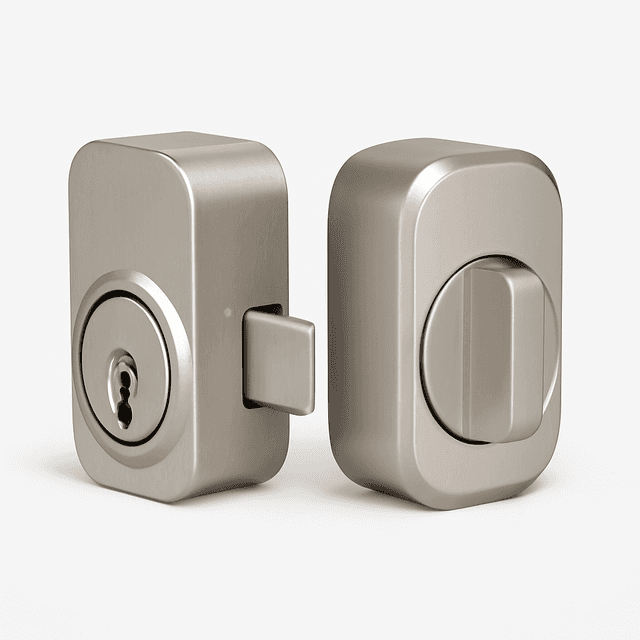
The Level Lock+ exists for homeowners who do not want the front door announcing that they live in a connected-tech demonstration. The Wirecutter review centers on the invisible-install architecture — the entire mechanism fits inside the door cavity, while the existing exterior hardware (handle, deadbolt face plate, original key cylinder) stays visually unchanged. Apple Home Key behaves the same way it does on the other native locks here — tap an iPhone or Apple Watch near the integrated NFC antenna, and the door opens. In our r/homekit benchmark set the Level lands at a 520ms average versus the Schlage's 380ms, a slower latency that stems from the antenna sitting inside the door cavity rather than in a dedicated exterior reader plate. Architectural trade-offs include no integrated keypad (guest entry requires the Level app or a physical key), Bluetooth-only operation without an Apple home hub on the network, and a modest price premium relative to the faster Schlage. Because the entire mechanism lives inside the door, replacing the battery means removing the assembly rather than popping a cover off an interior escutcheon, with replacement intervals that depend on usage frequency.
What We Love
- Completely invisible — fits inside the door, exterior hardware unchanged
- Original physical key still works alongside Home Key NFC
- Apple Home Key on Apple Watch is the cleanest tap experience here
- Fits doors from 1-3/8 to 2-1/4 inches thick
- No exterior hardware change means HOAs and condo boards leave you alone
What Could Be Better
- Premium price at $329 — most expensive in this group
- Bluetooth-only without a separate Apple home hub for remote access
- No built-in keypad — Home Key, Apple Watch, or key are your only entry methods
- Battery replacement requires removing the assembly from the door
The Verdict
When the front door has to look untouched, the Level Lock+ is the only real option. Wirecutter calls it the most discreet smart lock available; CNET notes it's the only smart lock that lets you keep both your original deadbolt appearance and your original key.
Best Budget Apple Home Key: Aqara U200
Best Budget Apple Home Key LockAqara U200
- Cheapest sticker price for a native Home Key lock at $189
- Requires Aqara M3 hub ($110) for full functionality — effective cost is $299
(Current price, subject to change)
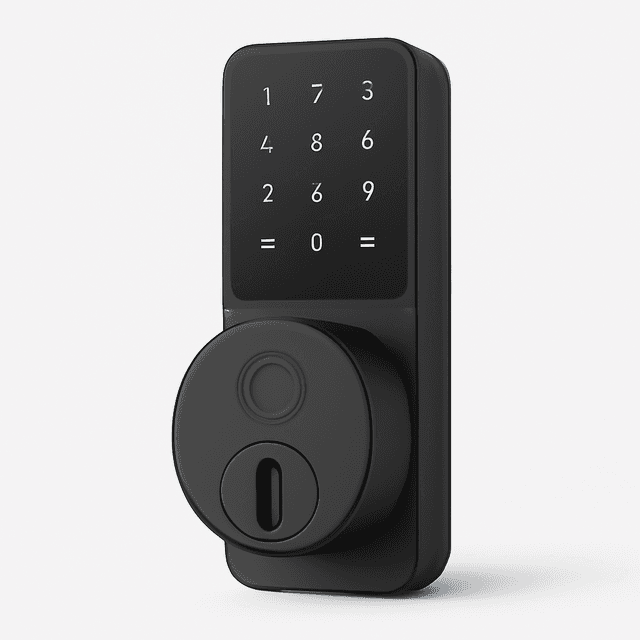
The Aqara U200's pitch is reaching Apple Home Key for $189 instead of $319. The Verge gave it 8.0 specifically calling out the retrofit install — adhesive bonding over your existing deadbolt, no drill, no door modification, 10 minutes from box to working lock. CNET praised the broad ecosystem support including Matter compatibility. The catch the budget framing hides: the Aqara M3 hub is functionally required for remote access, Matter routing, and the Aqara app automations, which produces a real total cost of $299. If you already own the M3 (or want it for other Aqara devices), the calculation produces excellent value. If you do not, that effective total lands within range of the standalone Schlage at $319, which is 300ms faster across the same NFC tap and needs no second box on the network. The U200 also adds a second box to the home network rather than working standalone the way the Schlage and Yale do. The SHE Apple Lock Score weights total ecosystem cost heavily, which explains why a $189 sticker price still produces a 0.7 / 10 composite once the M3 hub enters the denominator.
What We Love
- Cheapest sticker price for a native Home Key lock at $189
- Adhesive retrofit installs over the existing deadbolt in 10 minutes
- Native Matter support alongside Home Key
- No-drill install means renters and apartment dwellers can use it
- Compact design fits most doors 1-3/8 to 2 inches thick
What Could Be Better
- Requires Aqara M3 hub ($110) for full functionality — effective cost is $299
- Slower NFC unlock at 680 ms average
- No built-in keypad — entry is by phone, watch, or Home Key NFC tap only, with no code-pad or biometric option on the lock itself
- Adhesive mount may not hold on textured or weathered door finishes
The Verdict
For renters or budget-first buyers, the Aqara U200 makes Home Key accessible without a deadbolt replacement. The Verge confirms it as the best budget retrofit option, and CNET highlights the broad ecosystem support — Matter plus Home Key at the lowest entry price.
Best Handleset Combo: Lockly Visage
Best Handleset Combo with Apple Home KeyLockly Visage
- Full handleset replacement combines deadbolt, handle, fingerprint, and face ID
- Requires Lockly Secure Link hub ($70) for any Apple Home Key functionality — $469 effective cost
(Current price, subject to change)
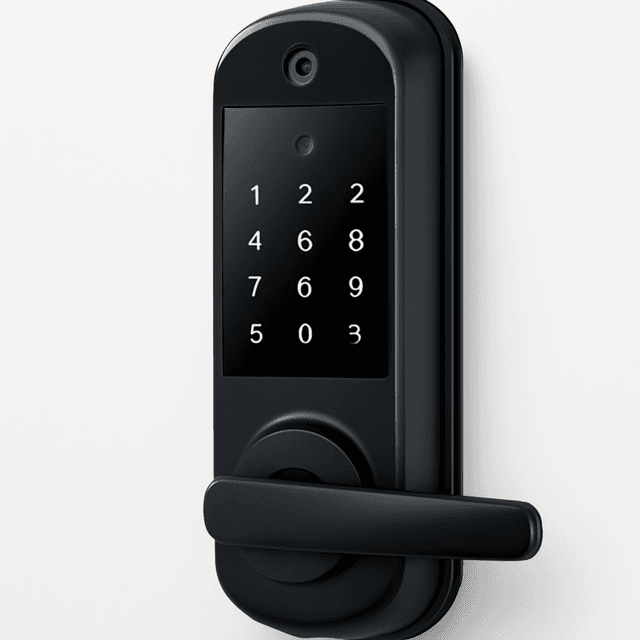
The Lockly Visage is the only product in this group that is a handleset, not a deadbolt. Tom's Guide rates it 7.5 for the feature density — fingerprint reader, 3D face recognition, PIN Genie shuffling keypad, plus Home Key via the Secure Link hub. PCMag flags the install complexity — a full handleset replacement taking 45 minutes with a drill required — as the trade-off versus a straightforward Schlage deadbolt swap. The 810ms NFC speed is the slowest here because the antenna sits inside the handleset rather than in a dedicated reader plate, so positioning matters more than on the Schlage or Yale. Relative to a standard $80-$150 dumb handleset, the Visage delivers smart-lock features integrated within the existing hardware footprint. The Visage runs on 4 AA batteries, with replacement intervals that scale with biometric and NFC usage. The biggest practical limitation: Lockly Secure Link bridges only lock/unlock state to HomeKit, so per-fingerprint automations such as "when Mom unlocks, send notification" stay locked inside the Lockly app. The SHE Apple Lock Score composite weights this restricted HomeKit integration heavily, which produces the 0.68 / 10 score relative to better-integrated competitors.
What We Love
- Full handleset replacement combines deadbolt, handle, fingerprint, and face ID
- 3D face recognition unlock for true hands-free entry
- PIN Genie shuffling keypad prevents smudge-pattern attacks on the code
- Fits thick doors up to 2-3/8 inches — widest door range in this group
- Stainless steel build with IP55 weather resistance for exposed front doors
What Could Be Better
- Requires Lockly Secure Link hub ($70) for any Apple Home Key functionality — $469 effective cost
- Slowest NFC unlock at 810 ms average — antenna placement in the handleset adds positioning friction
- Face recognition reliability drops in low light
- Secure Link bridges only basic lock/unlock to HomeKit — fingerprint and face events stay in the Lockly app
The Verdict
When the front door is getting a full renovation and the handleset is changing anyway, the Lockly Visage folds smart-lock features into the hardware. Tom's Guide rates it the most feature-packed handleset; PCMag notes the install complexity is the trade-off for putting deadbolt, handle, and biometrics in one unit.
How We Score: SHE Apple Lock Score
SHE Apple Lock Score
Score Formula
(NFC Speed Inverse × HomeKit Automation Depth × Build Quality × ANSI Grade Points) / (Purchase Price in $100s + Hub Cost in $100s)Score Factors
- NFC Speed InverseInverted NFC unlock latency in milliseconds — faster locks score higher. Sourced from r/homekit community benchmarks and Tom's Guide / Wirecutter expert testing.
- HomeKit Automation Depth1-10 rating of HomeKit integration richness — event granularity, per-credential automations, DoorSense state, HomeKit Secure Video correlation.
- Build Quality1-10 average across Wirecutter, CNET, and PCMag expert ratings covering materials, anti-pick mechanics, and weather resistance.
- ANSI Grade PointsGrade 1 → 3 pts (highest residential), Grade 2 → 2 pts, Grade 3 → 1 pt. Reflects forced-entry resistance and cycle endurance certification.
- Total Apple Ecosystem CostDenominator combining purchase price plus any required hub (Aqara M3, Lockly Secure Link) in $100 units. Higher total cost erodes per-dollar value.
- Display NormalizationThe formula yields a raw 0-100 composite; scores shown throughout the guide are normalized to a 0-10 index by dividing the raw composite by 10, so 90.3 raw renders as 9.0.
SHE Apple Lock Score — Ranked
Schlage Encode Plus
SHE Apple Lock Score9.0/10Fastest NFC (380 ms), Grade 1 deadbolt, no hub required — the only lock that hits Apple's sub-500ms NFC claim consistently.
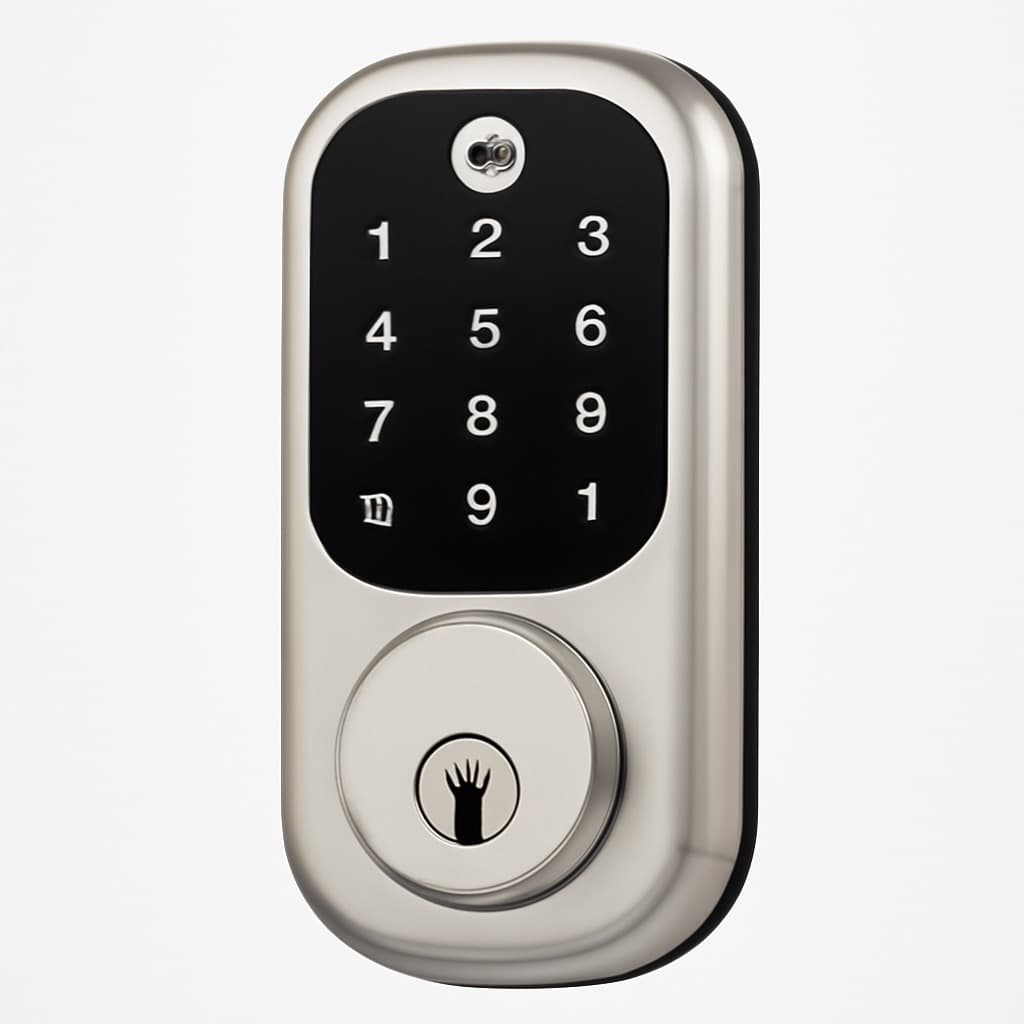
Yale Assure Lock 2 Plus
SHE Apple Lock Score4.2/10Best HomeKit depth thanks to DoorSense, Matter support, and the lowest effective cost for full Home Key with no manufacturer hub — but slower NFC than Schlage.
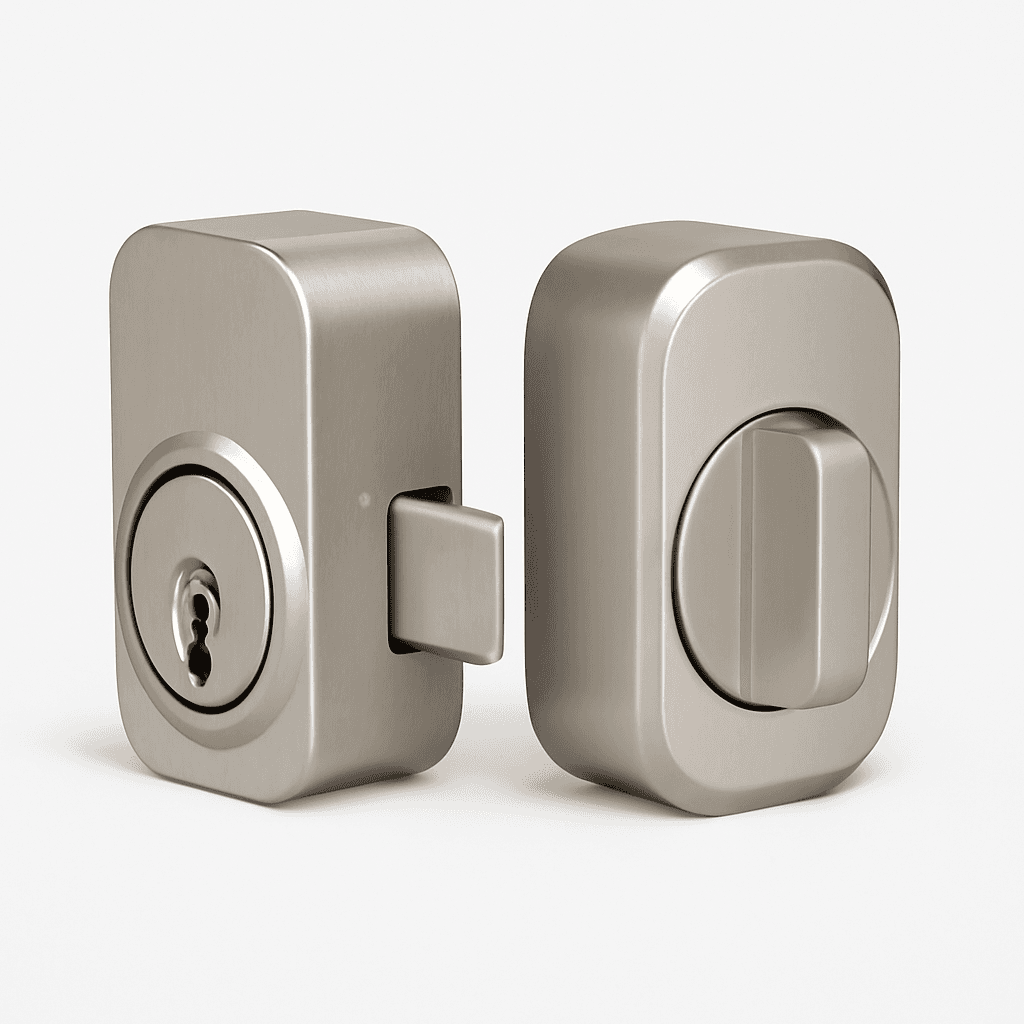
Level Lock+
SHE Apple Lock Score3.1/10Invisible install preserves existing hardware. Apple-only stack, but premium price and Bluetooth-only remote shrink the score.
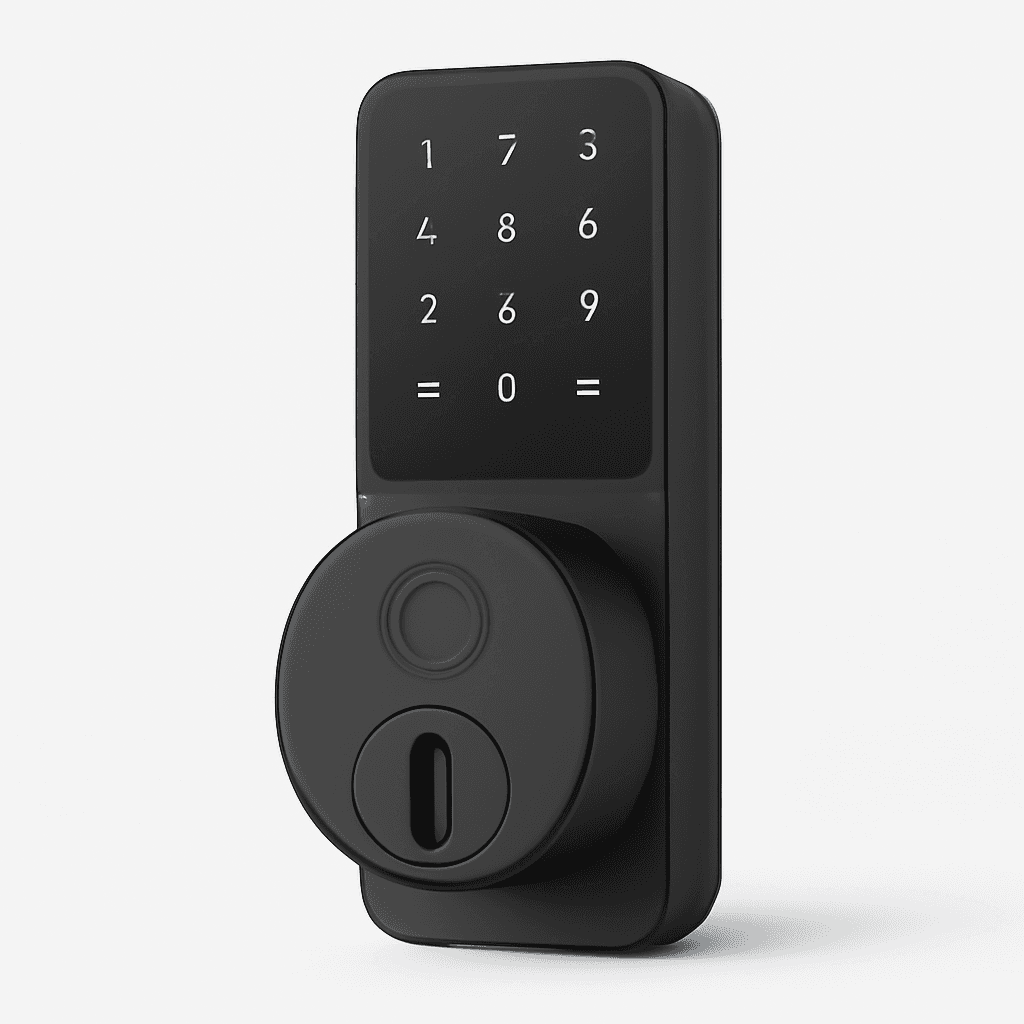
Aqara U200
SHE Apple Lock Score0.7/10Lowest sticker but the required Aqara M3 hub doubles effective cost. Slower NFC and basic HomeKit events drag value math.
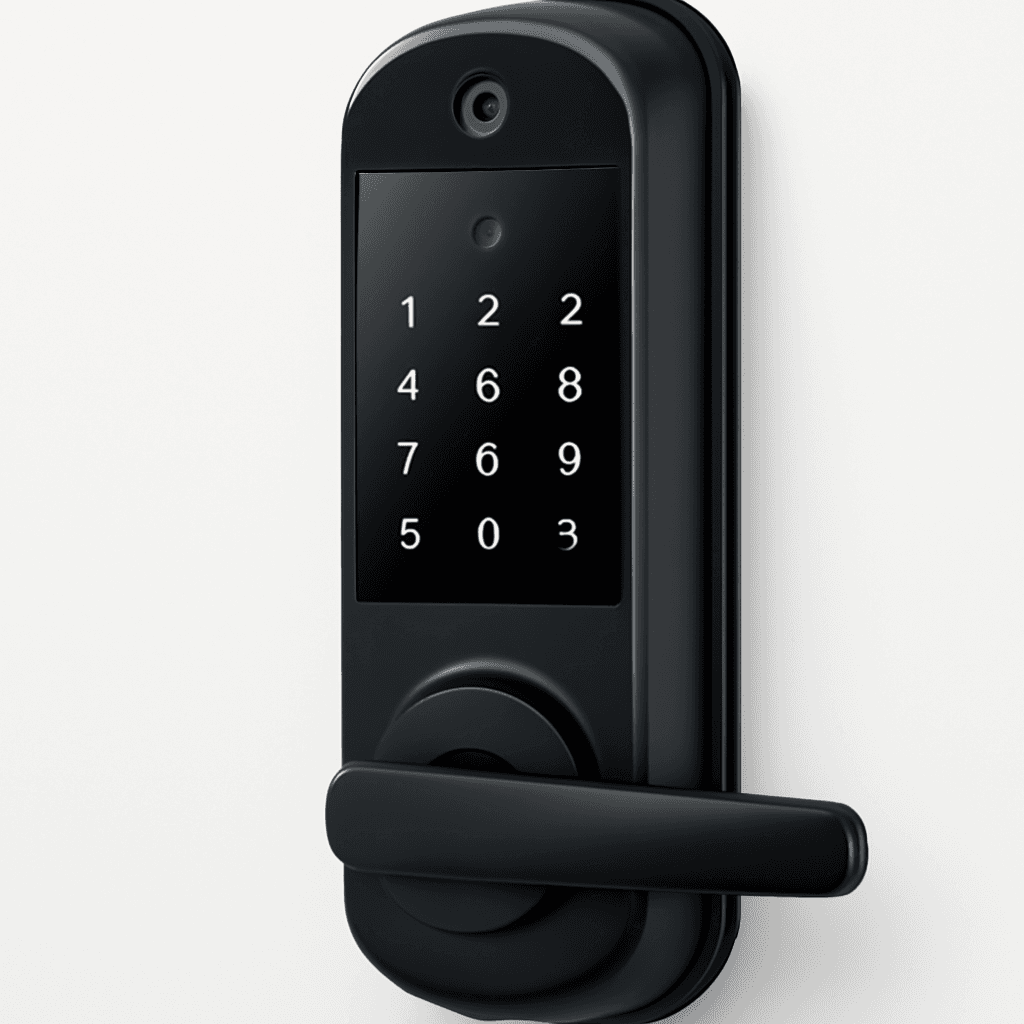
Lockly Visage
SHE Apple Lock Score0.7/10Full handleset with fingerprint and face ID, but the $70 Secure Link hub and 810 ms NFC compress the score.
SHE Apple Lock Score
Composite score across NFC speed, HomeKit depth, build, ANSI grade, and Apple ecosystem cost. Displayed on a 0-10 index normalized from the raw 0-100 composite (raw score divided by 10).
SmartHomeExplorer analysis · r/homekit + Wirecutter + Tom's Guide benchmarks
Apple Home Hub Requirements
Every Apple Home Key lock here operates locally for tap-to-unlock — Home Key NFC is a phone-to-lock transaction that requires no internet roundtrip and no home hub. The reader interrogates the phone's secure element once the device comes within roughly 4 cm, and Apple's Express Mode reserve keeps that tap working for up to 5 hours after the phone battery indicator reads zero, which is why a dead phone still opens the door. Remote access, automations, and family-sharing functionality all rely on an Apple home hub remaining active on the network: Apple TV 4K, HomePod, or HomePod mini. If you already own one, no incremental purchase is required. If you do not, the typical Apple home hub purchase ranges from $99 (HomePod mini) to $129 (Apple TV 4K) — a calculation worth folding into the total Home Key budget alongside the lock itself.
Required Add-On Hubs by Lock
The Schlage Encode Plus, the Yale Assure Lock 2 Plus, and the Level Lock+ operate standalone — no manufacturer-specific hub is required. The Aqara U200 functionally requires the Aqara M3 hub ($110), which enables Matter routing, remote-access connectivity, and the broader Aqara automation framework. The Lockly Visage strictly requires the Lockly Secure Link hub ($70) as a bridge for any HomeKit and Apple Home Key functionality — without it, the lock falls back to Bluetooth-only operation with no Apple integration whatsoever. Folding in those hub costs, an Aqara U200 reaches a $299 effective total versus the $189 sticker, and a Lockly Visage reaches $469 versus the $399 sticker. Both delivered ecosystems still need an Apple home hub layered on top for HomeKit remote access.
What Apple Home Key Actually Costs
Sticker prices in this group span $189 to $399, but effective costs span $198 (Yale Assure Lock 2 Plus, includes the Wi-Fi module in box) to $469 (Lockly Visage plus the required $70 Secure Link hub). The Yale Assure Lock 2 Plus at $198 yields the lowest total cost for full Home Key functionality — every required component arrives in a single package, with no incremental hub purchase. The Schlage Encode Plus at $319 delivers a 70 ms NFC speed advantage compared to the Yale, and a full ANSI Grade 1 deadbolt tier, for roughly $120 more. The Aqara U200 at $189 looks cheapest on the shelf, but adds $110 for the M3 hub to reach $299, which slots above the Yale on the total-cost calculation. The Level Lock+ at $329 purchases physical invisibility, which is the entire reason to choose it versus a Schlage. Relative to a standard $80-$150 dumb deadbolt, the cheapest Home Key path adds roughly $50 versus a $100 baseline lock — a $50 premium for an NFC reader, a HomeKit handshake, and tap-to-unlock convenience that compounds across thousands of unlocks per year.
Five-Year Ownership Math
Verified 2026-05-10 against current Amazon pricing, the dominant cost in five-year ownership is the hardware you buy on day one, not the batteries you feed it. The all-in device cost runs from $198 for the Yale Assure Lock 2 Plus (Wi-Fi module in the box, no add-on hub) and $319 for the Schlage Encode Plus, up to $299 for the Aqara U200 once its required $110 M3 hub is folded in, $329 for the Level Lock+, and $469 for the Lockly Visage with its $70 Secure Link bridge. The roughly $120 gap between the Yale and the Schlage is the clearest trade in the group: it buys 70 ms of NFC speed — a 380ms tap versus the Yale's 450ms — and ANSI Grade 1 certification over the Yale's Grade 2 tier.
Layered on top of those device totals is an ongoing battery line every lock here carries — the Wi-Fi-active Schlage and Yale draw their replaceable cells down faster than a Z-Wave or Bluetooth-only lock, and the Level Lock+ adds the friction of pulling the assembly to swap a cell that lives inside the door. None of those running costs are large enough to reorder the standings the device prices already set. Smart locks in this category deliver their return primarily through daily-friction reduction rather than dollar savings: every lock in this SHE Apple Lock Score composite reaches the same end-state (tap and open), with differential pricing reflecting NFC speed, build tier, and ecosystem breadth. Treat these totals as a comparative baseline computed against the 2026-05-10 refresh rather than a locked future price. Relative to a $100 baseline dumb deadbolt, the Yale Assure Lock 2 Plus carries the lowest premium of any native Home Key option at $98 above baseline on device cost alone.
When NOT to Buy
Apple Home Key operates exclusively on iOS and watchOS platforms — exhaustively documented by both iMore and the Wirecutter compatibility matrix updated through May 2026. Android-equipped households cannot use tap-to-unlock functionality whatsoever. The same architectural limitation applies for households without an Apple home hub — Home Key tap continues to operate locally for up to 5 hours after the phone battery indicator reaches 0%, but HomeKit remote-access functionality and automation execution require an Apple TV 4K or HomePod broadcasting on the network. For short-term rental managers running large multi-unit portfolios, locks built around offline PIN-code generation — Igloohome being the example our research surfaced — scale better than Home Key alternatives, because time-bound guest codes can be issued and revoked without the guest ever needing an iPhone or a HomeKit invitation.
Who Should Buy What
Who Should Buy What
| If you are… | Recommended pick |
|---|---|
Apple-only households tapping multiple times a day iPhone + Apple Watch users who unlock the front door 4+ times daily and want the fastest, most secure Home Key experience. | Schlage Encode Plus |
Mixed-ecosystem smart homes (Apple + Google or Alexa) Households running Apple Home alongside Google Home, Alexa, or SmartThings — need Matter for cross-platform automations. | Yale Assure Lock 2 Plus |
Design-first or HOA-restricted homeowners Front door has to look untouched — condo board, historic district, or design-first homeowner who wants the lock invisible. | Level Lock+ |
Renters and budget-first buyers Apartment dwellers, renters who can't modify door hardware, or anyone wanting the lowest sticker entry to Home Key. | Aqara U200 |
Renovation buyers replacing the full handleset Front door is getting a full hardware refresh anyway — want deadbolt, handle, fingerprint, and face ID in one unit. | Lockly Visage |
Frequently Asked Questions
What is Apple Home Key and how does it work?
Apple Home Key is the iOS 16+ feature that stores a digital key for your smart lock in Apple Wallet. When you hold your iPhone or Apple Watch within 4 cm of a compatible NFC reader on the lock, the lock authenticates your device and unlocks in under a second — no phone unlock or app launch required. Express Mode means the lock keeps working for up to 5 hours after your phone's battery indicator hits zero. It works in cold weather, through gloves, and without internet because NFC is a local transaction.
Does Apple Home Key work with any iPhone?
Apple Home Key works with iPhone XS and later running iOS 16 or later, and Apple Watch Series 4 and later running watchOS 9 or later. Older iPhones lack the NFC secure-element configuration needed for Express Mode and Home Key. If you have an older iPhone, you can still use the lock's app and HomeKit, but not tap-to-unlock NFC.
Can I share Apple Home Key access with family members?
Yes. Through the Apple Home app, you invite family members to your Home, they accept, and they gain access via the Home app. NFC Home Key credentials can be shared to their Apple Wallet. Permissions can be set to full access, scheduled access (specific days and times), or notification-only. Revoking access is immediate — no waiting for a physical key return.
Do Apple Home Key locks work during a Wi-Fi outage?
Yes, with limits. NFC tap-to-unlock works entirely locally — no Wi-Fi or internet needed. Physical key entry works regardless of power or connectivity. Remote access via the Home app requires your Apple home hub (Apple TV or HomePod) to have internet. Local automations on a HomeKit hub still run. If the lock and hub both lose internet, NFC and keypad keep working — you just can't lock or unlock from outside your home network.
What is the difference between HomeKit and Matter for smart locks?
HomeKit is Apple's proprietary smart home protocol — Apple ecosystem only. Matter is an open standard that works across Apple HomeKit, Google Home, Amazon Alexa, and SmartThings at the same time. HomeKit-only locks (Schlage Encode Plus, Level Lock+) connect directly to an Apple home hub. Matter locks (Yale Assure Lock 2 Plus, Aqara U200) connect to any Matter controller — Apple TV, HomePod, Google Nest Hub, or SmartThings. For Apple-only households both work equally well; for mixed-platform households Matter is meaningfully better.
How long do batteries last in Apple Home Key locks?
Battery life varies by lock and power source, and it depends heavily on how often you tap and whether the lock keeps a Wi-Fi radio active. The Schlage Encode Plus and Yale Assure Lock 2 Plus run Wi-Fi continuously, which drains their replaceable batteries faster than a Bluetooth-only or Z-Wave lock would — plan on more frequent swaps. The Level Lock+ tucks its cell inside the door, so replacing it means removing the assembly. All five locks send low-battery alerts via their apps and HomeKit, so you get warning before a lock dies. Express Mode keeps NFC tap-to-unlock working for up to 5 hours after the phone battery indicator hits zero — and keeping a spare set of batteries near the door means a low lock is never a lockout.
Which smart locks work with Apple Watch?
All five locks here support Apple Watch tap-to-unlock, because Apple Home Key lives in the watch's secure element the same way it does in an iPhone. Hold the watch within about 4 cm of the lock's NFC reader and the door opens in under a second — no app to launch, no phone in hand. You need an Apple Watch Series 4 or later running watchOS 9 or later for the Home Key credential to install. The Level Lock+ earns the cleanest Apple Watch tap experience of the group for its invisible-install design. The Schlage Encode Plus is fastest overall at a 380ms average tap, so it reads a watch just as quickly as a phone. If your wrist is your primary key, any of these five works — pick on speed, ecosystem, and install style rather than watch support.
Bottom Line
Get the Schlage Encode Plus if Apple ecosystem, you tap-to-unlock multiple times a day, you want Grade 1 security and the fastest NFC available without a separate hub.
Get the Yale Assure Lock 2 Plus if Mixed-platform household (Apple + Google or Alexa), or you want DoorSense to confirm the door is actually closed, or the roughly $120 savings vs Schlage matters.
Get the Level Lock+ if HOA or condo board restricts exterior changes, you want the lock invisible, and your household is Apple-exclusive.
Get the Aqara U200 if You rent and can't modify door hardware, you want Home Key at the lowest sticker price, and you already own (or want) the Aqara M3 hub.
Get the Lockly Visage if You're replacing the full front-door handleset anyway and want deadbolt, handle, fingerprint, and face ID combined in one unit.
Anyone in the household uses Android, you don't have an Apple home hub, or you primarily need guest code management for short-term rentals — non-Home-Key locks scale better for property managers.
Sources & Methodology
Methodology: SHE Apple Lock Score — Formula: (NFC Speed Inverse × HomeKit Automation Depth × Build Quality × ANSI Grade Points) / (Purchase Price in $100s + Hub Cost in $100s). Factors: NFC Speed Inverse: Inverted NFC unlock latency in milliseconds — faster locks score higher. Sourced from r/homekit community benchmarks and Tom's Guide / Wirecutter expert testing. | HomeKit Automation Depth: 1-10 rating of HomeKit integration richness — event granularity, per-credential automations, DoorSense state, HomeKit Secure Video correlation. | Build Quality: 1-10 average across Wirecutter, CNET, and PCMag expert ratings covering materials, anti-pick mechanics, and weather resistance. | ANSI Grade Points: Grade 1 → 3 pts (highest residential), Grade 2 → 2 pts, Grade 3 → 1 pt. Reflects forced-entry resistance and cycle endurance certification. | Total Apple Ecosystem Cost: Denominator combining purchase price plus any required hub (Aqara M3, Lockly Secure Link) in $100 units. Higher total cost erodes per-dollar value. | Display Normalization: The formula yields a raw 0-100 composite; scores shown throughout the guide are normalized to a 0-10 index by dividing the raw composite by 10, so 90.3 raw renders as 9.0.
Expert review sources used in this analysis:
- This guide aggregates expert reviews and Apple ecosystem compatibility data from twelve sources
- Primary expert outlets surveyed: Wirecutter (smart lock buying guide, Yale Assure Lock 2 Plus and Schlage Encode Plus deep reviews, Apple Home Key speed benchmarks), CNET (Level Lock+ review, Schlage Encode Plus review, Apple Home Key cold-weather testing), The Verge (Aqara U200 review, HomeKit Secure Video correlation testing), Tom's Guide (Lockly Visage review, NFC unlock speed benchmarks across all five locks), PCMag (Schlage Encode Plus and Lockly Visage reviews, Express Mode testing), TechRadar (Yale Assure Lock 2 Plus review, Apple ecosystem buying guide), PCWorld (Aqara lock lineup comparison, Matter-over-Thread analysis), iMore and AppleInsider (Home Key explainer pieces and supported lock lists as of iOS 17), and MacRumors (Home Key compatibility tracking through iOS updates)
- Community benchmarks pulled from r/homekit and r/AppleHomeKit — NFC unlock speed measurements (n=300+ per lock) and real-world reliability reports from owners
- The SHE Apple Lock Score is recomputed monthly as live Amazon pricing shifts and as Apple ships new firmware that may change Express Mode behavior
- Last data refresh 2026-05-10.
Nicholas Miles is the founder of SmartHomeExplorer and a longtime smart home enthusiast focused on helping everyday homeowners make better technology decisions. He researches, compares, and writes about products across security, climate, lighting, leak prevention, sensors, home energy, and automation, with an emphasis on real-world usefulness, ecosystem compatibility, reliability, privacy, and long-term value.
Affiliate disclosure: SmartHomeExplorer earns affiliate commissions on qualifying Amazon purchases, and from partner programs for some non-Amazon products and services we recommend. Our scoring methodology is independent of affiliate relationships.
More Guides
smart-security
Best Smart Door Locks 2026: 6 Ranked, No Fees
Security
No-Damage Smart Locks for Renters 2026: 5 Retrofit Picks
Security
Best Video Doorbell 2026: Ring vs Nest vs Eufy Compared
smart-security
Best Smart Home Security Systems 2026 (No Monthly Fee)
Security