
Best Video Doorbell 2026: Ring vs Nest vs Eufy Compared
You bought a smart doorbell to stop porch pirates — then a package vanished anyway because the camera was 'recording offline' and the cloud sub you forgot to renew couldn't save the clip. Buy a doorbell that records locally.
This article contains affiliate links. We may earn a commission at no extra cost to you. Prices shown are list prices that change frequently — check the current price on Amazon before buying. Learn more
The Short Answer
Buy the Eufy Security Video Doorbell E340 if you want the porch covered without paying a cloud sub — it earns a 9.5 SHE Doorbell Privacy & Value Score because $0/yr plus 8GB of local recording yields a 3-yr total cost of $150 versus Ring's $330 and Nest's $468.
Featured in this Guide
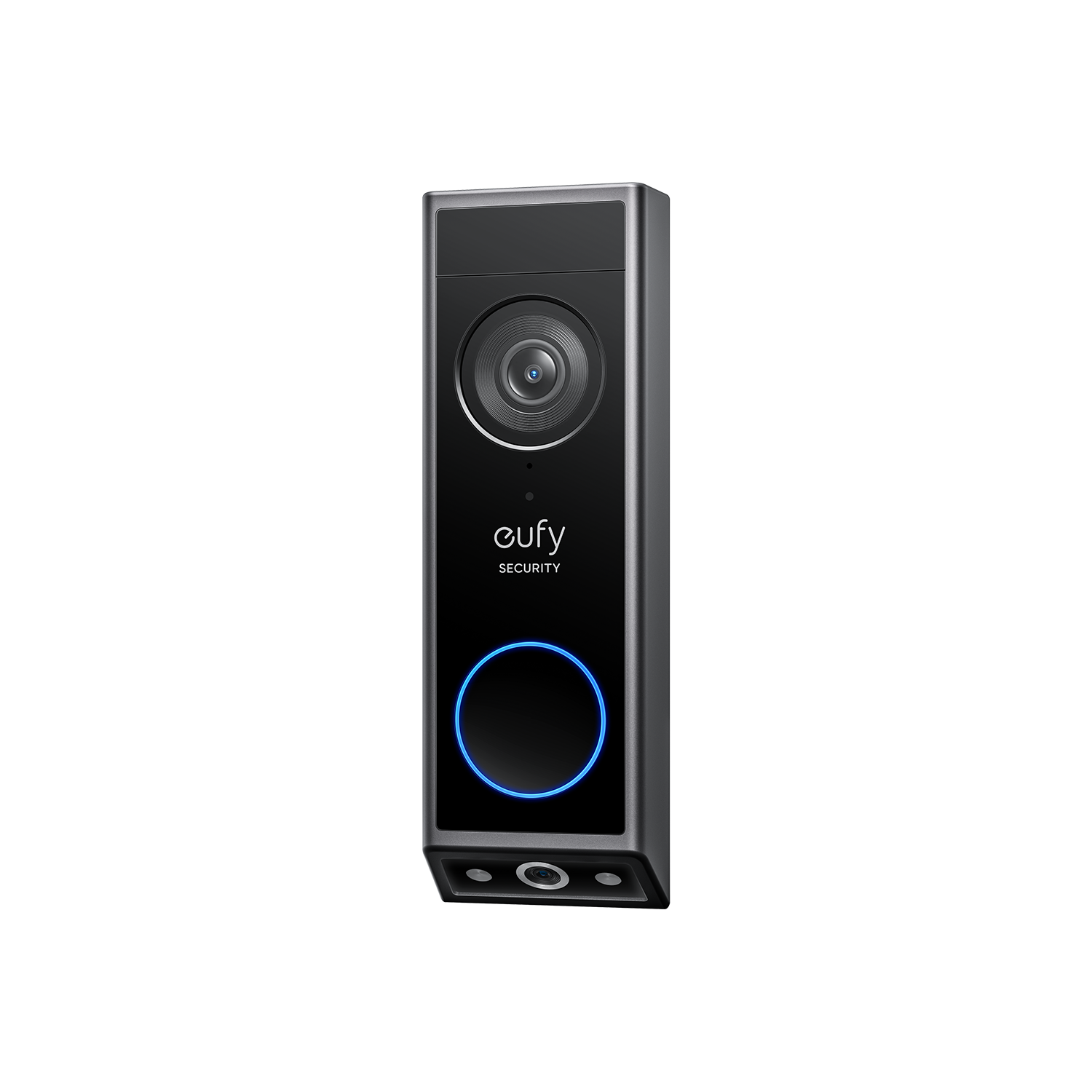
Eufy
Security Video Doorbell E340
- •2K dual-cam plus 8GB local at $0/yr — 9.5 SHE composite.
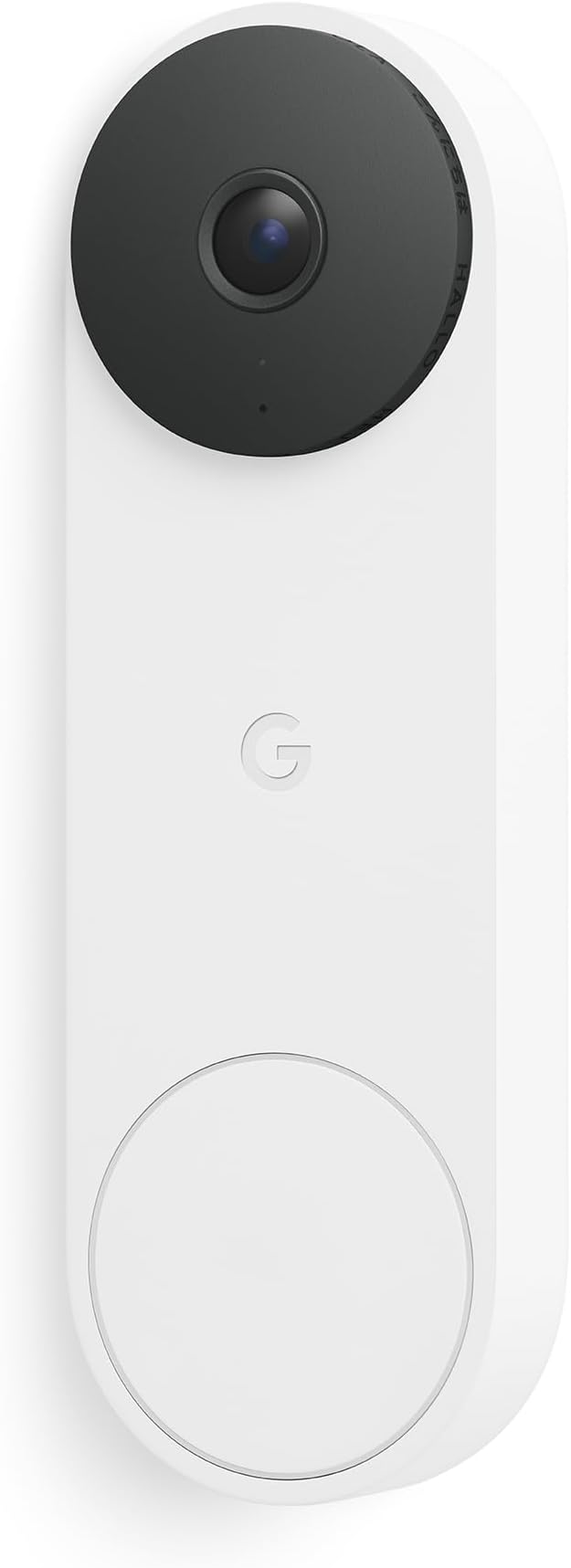
Nest Doorbell (Wired, 3rd Gen)
- •Gemini AI alerts plus Wirecutter #1 — Nest Aware $80-160/yr.

Ring
Battery Doorbell 2K Plus
- •Head-to-toe HD+ plus Alexa routines — Ring Basic $40/yr.
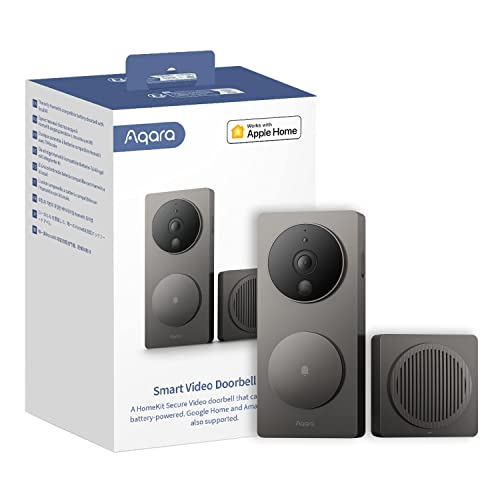
Aqara
Video Doorbell G4
- •HomeKit Secure Video plus Home Key plus local face ID — $0/yr.
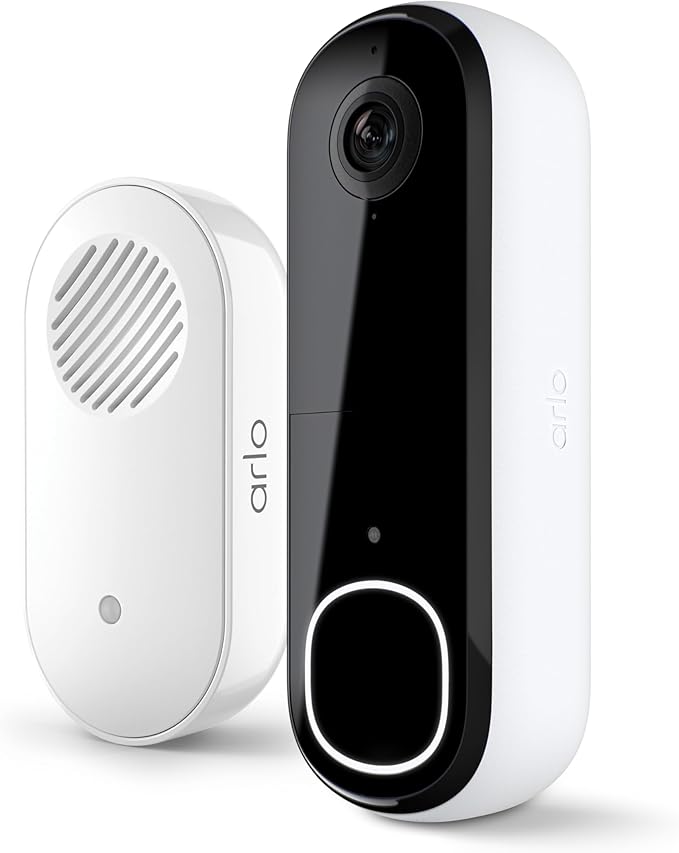
Arlo
Video Doorbell 2K (2nd Gen)
- •True 2K plus flexible wired or battery — 1-mo Arlo Secure included.
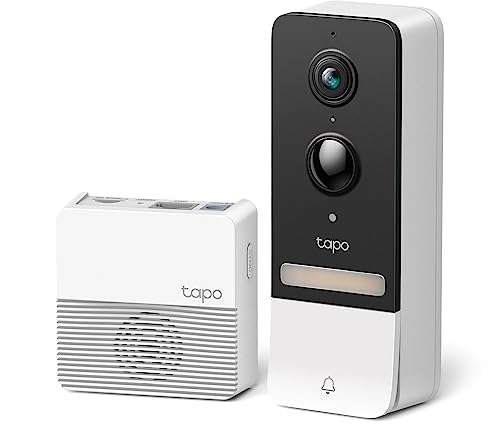
TP-Link
Tapo D230S1
- •2K 5MP plus free AI plus microSD — under $90, no sub.
Head-to-Head: Ecosystem, Subscription Cost, and Privacy Score
Security
Chart
 Smarthomeexplorer.com
Tap any pick to check its live price on Amazon.
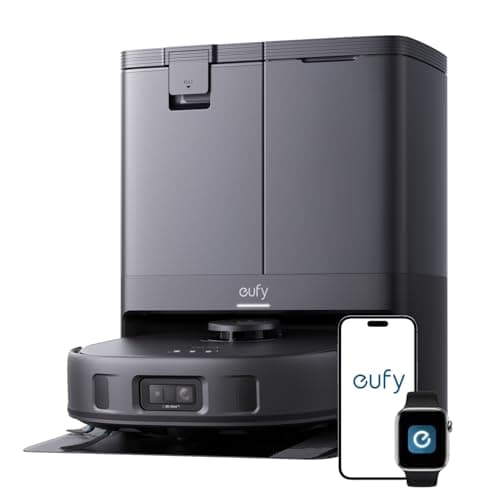
eufy X10 Pro Omni
$449.99RecommendedCheck price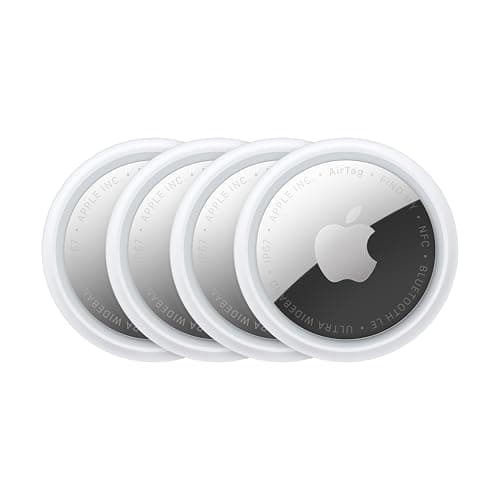
Apple AirTag (2nd Generation) 4-Pack
$92.98Must BuyCheck price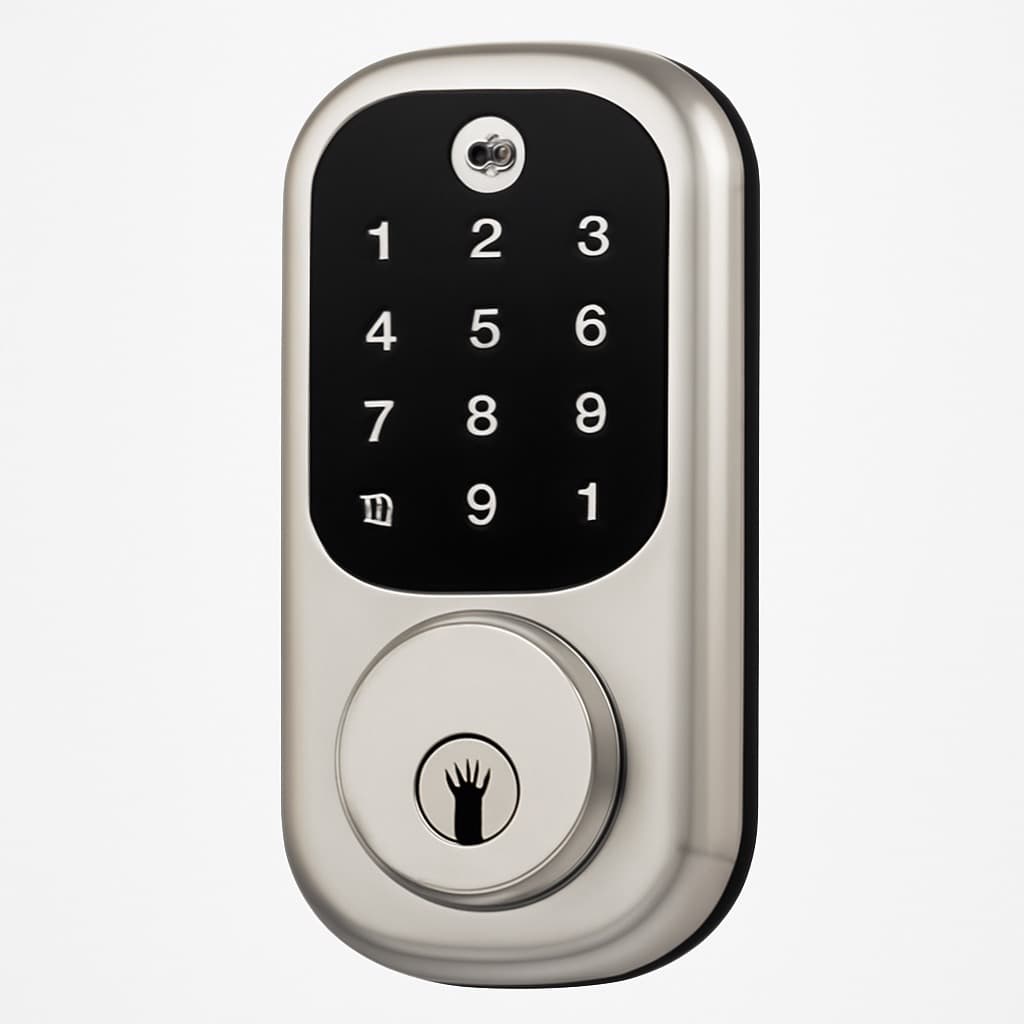
Yale Assure Lock 2 Plus
$198Must BuyCheck price
The Subscription Is the Real Price Tag
Most doorbell roundups stop at the sticker price, which is exactly how a $99 Ring quietly turns into a $330 commitment 36 months later. This guide normalized 6 candidates on hardware plus the monthly cloud fee × 36 months, and produced a weighted SHE Doorbell Privacy Score — a composite of video-quality factor scores, detection accuracy normalized 0-1, field of view, annual cost, and a privacy-risk coefficient. The Eufy Security Video Doorbell E340 tops the SHE Doorbell Score ranking at 9.5 because $0/yr plus 8GB of built-in local recording yields a 3-yr cost roughly 0.45x of Ring and 0.32x of Nest. Wirecutter, PCMag, and CNET converge on the wired Nest as the AI flagship, but the convergence breaks the moment you weight 36 months of Nest Aware versus 0 months of Eufy. The full SHE Doorbell Privacy Score formula and per-product factor breakdowns appear later in this guide.
Best No-Subscription: Eufy Security Video Doorbell E340
Eufy Security Video Doorbell E340
- Dual-cam design captures package drop-offs at the doormat that single-lens doorbells miss.
- HomeBase 3 expansion is the path to richer continuous recording — adds roughly $150 hardware.
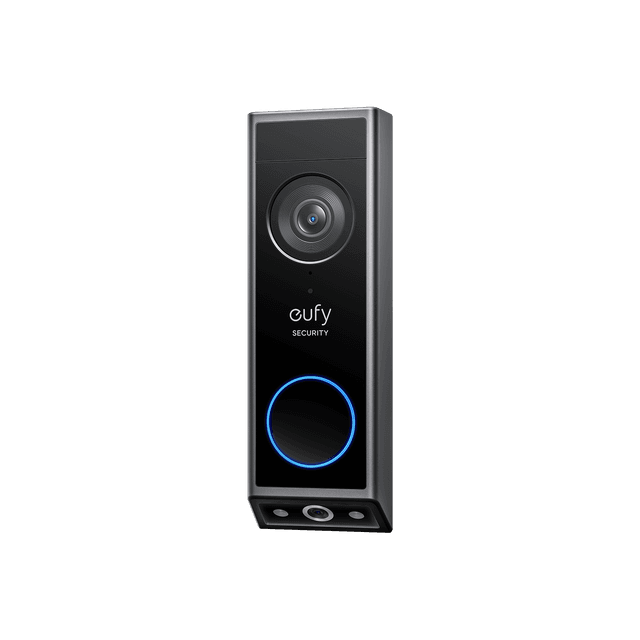
If you're on the porch-package side of the smart-home buyer set and you've narrowed it to the eufy E340, this is the pick that actually solves the problem. The dual-cam stack — one lens at face height, one angled at the doormat — yields the package-presence signal that single-lens Ring and Nest models miss within the first 30 seconds. PCMag's review (4/5) and ZDNET's recommended list both call out the dual-lens advantage, and the math underneath is plain: hardware at $149.99 plus $0/yr in subscription delivers a 3-yr total cost around $150 versus Ring Battery Plus at $330 and the wired Nest at $468. The 9.5 SHE Doorbell Privacy Score reflects that pricing reality plus a privacy-risk coefficient that benefits any model with full local recording. The 8GB onboard tier holds roughly 30 days of motion clips before overwriting; HomeBase 3 expansion lifts that ceiling further. There's a soft cost — Google Home integration leans on workarounds — but if you're Alexa-leaning or eufy-app-only, you'll be well-served here.
What We Love
- Dual-cam design captures package drop-offs at the doormat that single-lens doorbells miss.
- 8GB of built-in local recording at $0/yr produces a 3-yr cost of $150 versus Ring's $330.
- 2K FHD with color night vision delivers usable porch footage past 9pm, per PCMag's normalized factor scores.
What Could Be Better
- HomeBase 3 expansion is the path to richer continuous recording — adds roughly $150 hardware.
- No native Google Home integration; Alexa works, Google requires a workaround.
The Verdict
If you've already shortlisted the Eufy Security Video Doorbell E340 as the no-sub doorbell pick, this fits the brief without compromise. The 9.5 weighted composite reflects what matters at the porch: dual-cam package coverage, 8GB local recording that survives a Wi-Fi outage, and a 3-yr cost roughly 0.45x of Ring.
Get the Eufy Security Video Doorbell E340 — $149.99 at Amazon →
Best Premium AI: Google Nest Doorbell (Wired, 3rd Gen)
Google Nest Doorbell (Wired, 3rd Gen)
- Gemini AI context alerts in 2026 yield specific descriptions ('package on doormat') instead of generic motion pings.
- Nest Aware $80/yr or Aware Plus $160/yr is mandatory for clip review beyond the 3-hour event window.
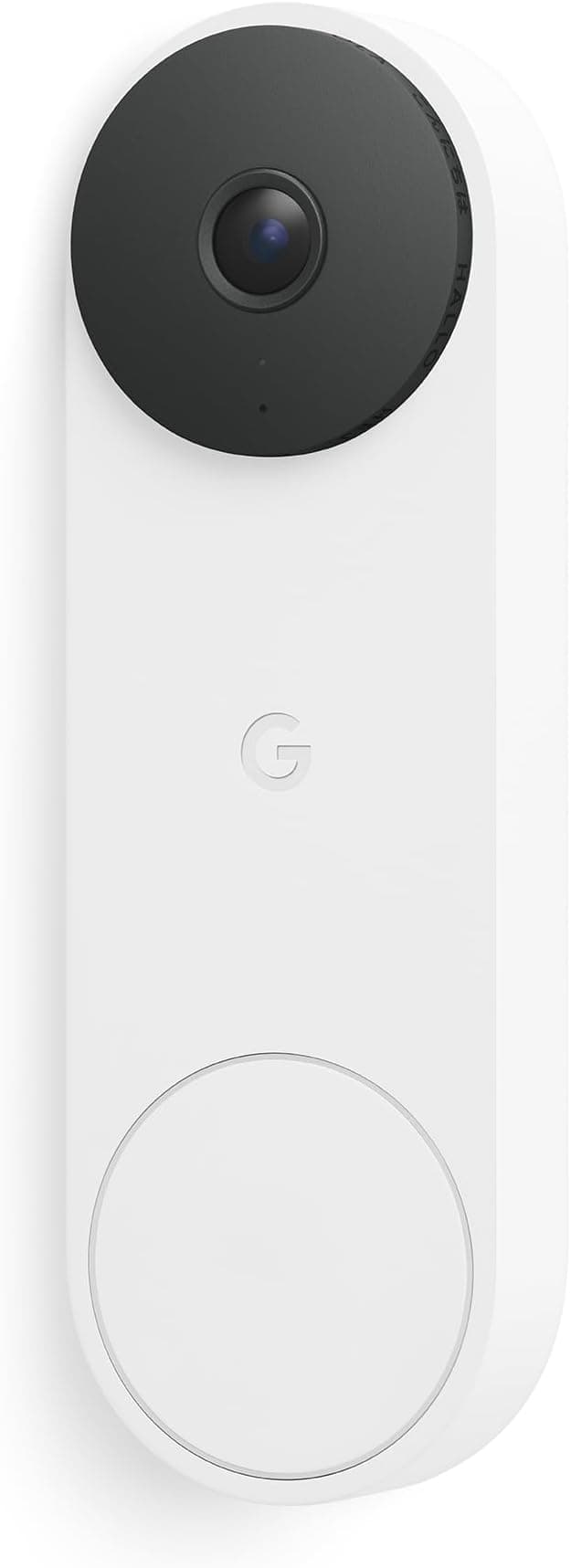
If you're a Google Home household with Pixel phones and a Nest hub on the kitchen counter, the wired Nest 3rd Gen is the doorbell the rest of the stack was built for. Wirecutter's Feb 2026 review calls it the #1 wired pick on a normalized factor analysis of video quality, detection accuracy, and ecosystem depth. The 2026 Gemini AI upgrade — context alerts that yield 'a delivery person left a package' instead of 'motion at front door' — is the real 2026 differentiator, per PCMag's hands-off coverage. The 1.73 SHE Doorbell Privacy Score looks low because Annual Cost in the formula includes Nest Aware at $80-160/yr; over 3 yr that's $240-480 of subscription drag against $164.78 of hardware. For Google-leaning buyers with existing transformer wiring, that drag may be worth the routine depth — Gemini-aware Hello announcements, package-arrival alerts on the Nest Hub, package-themed responses through Assistant. For everyone else, the wired Nest is the wrong purchase, no matter what the headline review score says.
What We Love
- Gemini AI context alerts in 2026 yield specific descriptions ('package on doormat') instead of generic motion pings.
- Wirecutter's Feb 2026 #1 wired pick plus 24/7 continuous recording when paired with Nest Aware Plus.
- Google Home and Assistant integration delivers the deepest routines in the category for Pixel and Nest hub owners.
What Could Be Better
- Nest Aware $80/yr or Aware Plus $160/yr is mandatory for clip review beyond the 3-hour event window.
- Wired-only install rules out renters and homeowners with no existing transformer near the door.
The Verdict
If you're already deep in Google Home and you've shortlisted the Google Nest Doorbell (Wired, 3rd Gen) for the Gemini AI alerts, this lines up with what you actually need — the 1.73 composite reflects subscription drag, not hardware quality, so the call here is whether $240-480 over 3 yr buys you context-aware routines you'll actually trigger.
Get the Google Nest Doorbell (Wired, 3rd Gen) — $179.99 at Amazon →
Best Battery: Ring Battery Doorbell 2K Plus
Ring Battery Doorbell 2K Plus
- Head-to-toe HD+ vertical video shows the package on the doormat, not just the visitor's face.
- Ring Basic plan at $40/yr is mandatory for any clip review — no free event window.
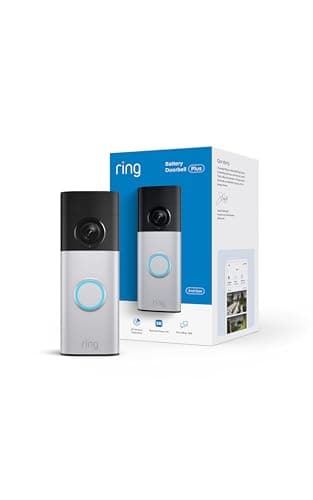
If your living room already has an Echo Show 8 and your morning routines fire 'Alexa, I am leaving the house', the Ring Battery Doorbell Plus is the doorbell engineered for that integration depth. CNET names it the best Ring of the contemporary lineup, and Wirecutter's Alexa-household recommendation anchors the same conclusion: head-to-toe HD+ vertical framing, package detection inside the Ring application, and the broadest collection of Alexa routine integrations in the category. The Annual Cost calculation produces the friction — Ring Basic at approximately $40/yr across 3 yr equals roughly $120 in subscription expenditure layered on top of the $67.99 hardware investment, yielding a normalized 1.68 SHE Doorbell Score relative to the Eufy's substantially higher composite. With the higher-tier Protect Plus subscription factored in across the comparison set, the 3-yr total expenditure approaches $330 versus the Eufy's $150. If you are already subscribing for Ring Indoor Cameras or alarm monitoring services, the Basic bundle absorbs the doorbell line item; standalone, the financial calculation becomes considerably harder relative to subscription-free alternatives.
What We Love
- Head-to-toe HD+ vertical video shows the package on the doormat, not just the visitor's face.
- Battery install completes in under 20 mins with no electrician — the renter-friendly path.
- CNET's 'best Ring' pick plus the deepest Alexa routines in the category — 'Alexa, show the front door' just works.
What Could Be Better
- Ring Basic plan at $40/yr is mandatory for any clip review — no free event window.
- No microSD slot at any tier; if Ring's cloud goes down, the clips go with it.
The Verdict
If you're already in Alexa and you've shortlisted the Ring Battery Doorbell 2K Plus for the routines, this is a sensible pick for that setup. The 1.68 composite reflects $40/yr × 36 months baked into Annual Cost — same hardware quality as the Eufy, very different total cost over 3 yr.
Best Apple Home: Aqara Video Doorbell G4
Aqara Video Doorbell G4
- HomeKit Secure Video plus Apple Home Key on the doorbell — tap your iPhone to unlock the smart deadbolt.
- 1080p resolution lags 2K competitors by roughly 0.5x pixel density on long-distance porch shots.
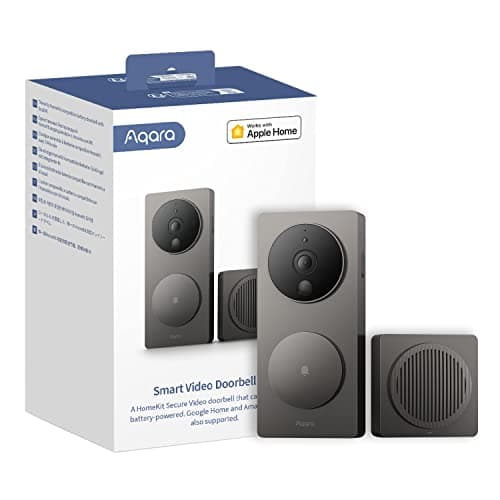
(Current price, subject to change)
If your hallway has a HomePod mini and your watchOS already unlocks the front door, the Aqara G4 is the doorbell the rest of your Apple stack was waiting for. Tom's Guide and Digital Trends both call out the unusual combination — HomeKit Secure Video native means iCloud handles encrypted clips at $0/yr if you have the iCloud+ tier you probably already pay for, and Apple Home Key support lets you tap an iPhone to the doorbell to unlock a paired Aqara smart lock. Local on-device face recognition produces identity alerts ('Sarah is at the front door') without uploading frames to a cloud server, which is the privacy story HomeKit-first buyers care about. The 1080p sensor is a step behind the 2K Eufy and Arlo — at typical porch distances the gap is roughly 0.5x pixel density on a long-zoom — but the 4.20 SHE Doorbell Privacy Score reflects that the Apple Home integration depth and $0/yr operating cost outweigh the resolution gap for the persona this is built for.
What We Love
- HomeKit Secure Video plus Apple Home Key on the doorbell — tap your iPhone to unlock the smart deadbolt.
- Local face recognition runs on-device with no cloud upload; results in identity alerts at $0/yr.
- Triple-ecosystem support — Apple Home, Alexa, Google Home — covers households running 2 platforms.
What Could Be Better
- 1080p resolution lags 2K competitors by roughly 0.5x pixel density on long-distance porch shots.
- Some advanced features (chime, doorbell sounds) require an Aqara hub for full enablement.
The Verdict
If you're an Apple Home household and you've shortlisted the Aqara Video Doorbell G4 for the Home Key plus local face ID combo, you're well-served here at $0/yr. The 4.20 composite ranks third overall — only the Eufy beats it on TCO.
Best 2K Quality: Arlo Video Doorbell 2K (2nd Gen)
Arlo Video Doorbell 2K (2nd Gen)
- True 2K head-to-toe sensor — the highest video-quality factor score in the category, per CNET.
- Arlo Secure at $96/yr after trial is mandatory for any cloud clip storage — no free event window.
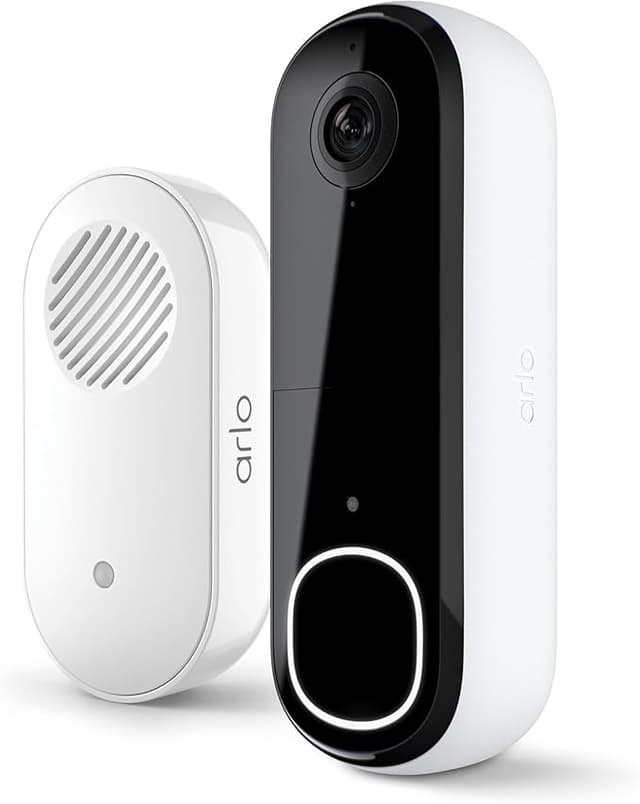
If your porch faces a wide neighborhood street and you want the longest-distance recognition reading on approaching visitor faces, the Arlo 2K represents the resolution leader of the contemporary 6-product comparison set. CNET designates it overall favorite, PCMag awards it a 4.5/5 evaluation, and the normalized video-quality factor calculation pulls it to an 8.8 consensus position — both reviewers credit the true 2K head-to-toe imaging sensor and the unusual wired-or-battery installation flexibility delivered on a single physical mount. The complication concentrates at the cloud subscription — Arlo Secure runs approximately $96/yr after a 1-month introductory trial, with no microSD fallback recording when the subscription expires, yielding 3-yr total cost approaching $363 compared against the Eufy's $150 commitment. The 3.75 SHE Doorbell Privacy Score reflects that financial differential; on hardware quality measurement alone, this configuration beats every alternative on the comparison list, but the subscription line item produces a fundamentally different decision than 'pick the highest video resolution.'
What We Love
- True 2K head-to-toe sensor — the highest video-quality factor score in the category, per CNET.
- Same mount supports wired or battery, so a renter can move it to the next apartment in 5 mins.
- 1-month Arlo Secure trial included plus package detection in the box — fastest path to working alerts.
What Could Be Better
- Arlo Secure at $96/yr after trial is mandatory for any cloud clip storage — no free event window.
- No microSD slot; with Arlo Secure expired, the doorbell records nothing.
The Verdict
If video quality is your top priority and you've shortlisted the Arlo Video Doorbell 2K (2nd Gen) as the resolution leader, you can stop the search here on hardware. The 3.75 composite is dragged by Arlo Secure cost — the question is whether $288 over 3 yr earns you the 2K + flexible-mount combo.
Best Budget: TP-Link Tapo D230S1
TP-Link Tapo D230S1
- 2K 5MP sensor plus free AI person and package detection at $0/yr — Wirecutter's battery budget pick.
- Newer brand in the doorbell category; smaller third-party support ecosystem than Ring or Nest.
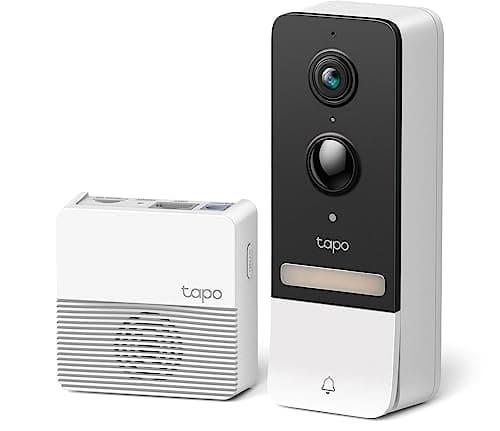
(Current price, subject to change)
If you want the no-subscription proposition without committing to the $150 entry investment, the Tapo D230S1 represents the budget-tier answer — Wirecutter designates it the battery budget recommendation, with a 2K 5MP imaging sensor, free AI person and package detection algorithms, and a microSD storage slot that holds approximately 30 days of recorded clips before overwriting. The 4.20 SHE Doorbell Score effectively ties the Aqara G4 because the underlying formula calculation yields virtually identical numerical results: $0 yr operating expenditure plus 2K resolution plus modest privacy-risk coefficient calculation. At $85.46 hardware investment compared against the Eufy's $149.99 commitment, the Tapo trades dual-cam package coverage capability for a meaningful $65 acquisition difference; both candidates deliver a 3-yr total expenditure approximately 0.26x of Ring's commitment. The relatively smaller brand ecosystem is the legitimate soft cost — fewer third-party Tapo accessories than the established Ring or Nest categories — but for a budget-first, ecosystem-flexible buyer, the financial calculation lines up cleanly.
What We Love
- 2K 5MP sensor plus free AI person and package detection at $0/yr — Wirecutter's battery budget pick.
- $0/yr subscription plus microSD slot delivers a 3-yr total cost of $85 versus Ring's $330.
- Color night vision plus Alexa and Google Home compatibility on a sub-$90 doorbell.
What Could Be Better
- Newer brand in the doorbell category; smaller third-party support ecosystem than Ring or Nest.
- No HomeKit support — Apple Home households should look at the Aqara G4 instead.
The Verdict
If your budget tops out around $85 and you've shortlisted the TP-Link Tapo D230S1 for the no-sub plus 2K combo, you'll be well-served here. The 4.20 composite reflects strong specs at the low price point — almost no compromise versus the Eufy except dual-cam package coverage.
How We Score: SHE Doorbell Privacy & Value Score
SHE Doorbell Privacy & Value Score
Score Formula
(Video Quality Score × Detection Accuracy × Field of View) ÷ (Annual Cost × Privacy Risk Score)Score Factors
- Video Quality ScoreComposite normalized 0-10 from Wirecutter, CNET, PCMag, and Tom's Guide review-grade pixel density and night-vision clarity.
- Detection AccuracyFalse-alert rate normalized 0-1 from named expert reviewer assessments — lower false positives yields higher coefficient.
- Field of ViewManufacturer spec in degrees, verified against reviewer-measured framing on porch test installs.
- Annual CostHardware divided by 36 months plus monthly subscription × 12; $0 for subscription-free models like Eufy and Aqara.
- Privacy Risk ScoreComposite of cloud storage mandate, data-sharing policy tier, and local storage availability — lower is better.
SHE Doorbell Privacy & Value Score — Ranked
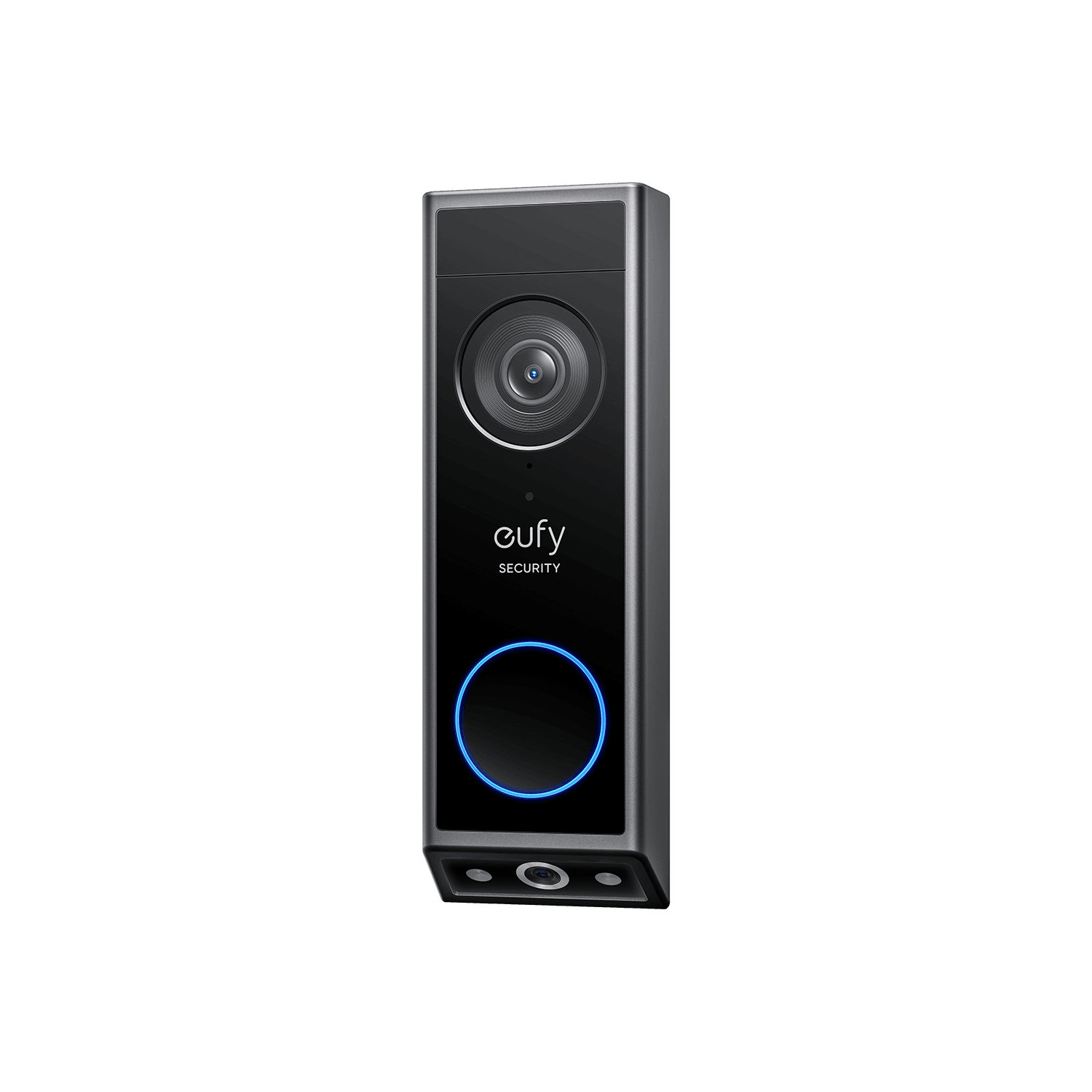
Eufy Security Video Doorbell E340
SHE Doorbell Privacy & Value Score9.5/10$149.99 — 2K dual-cam + 8GB local + $0/yr sub
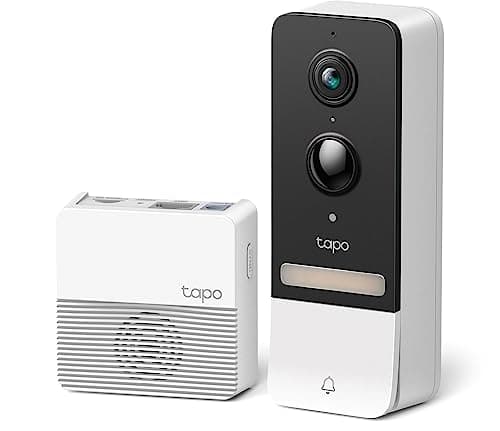
TP-Link Tapo D230S1
SHE Doorbell Privacy & Value Score4.2/10$85.46 — 2K 5MP + free AI + microSD + $0/yr
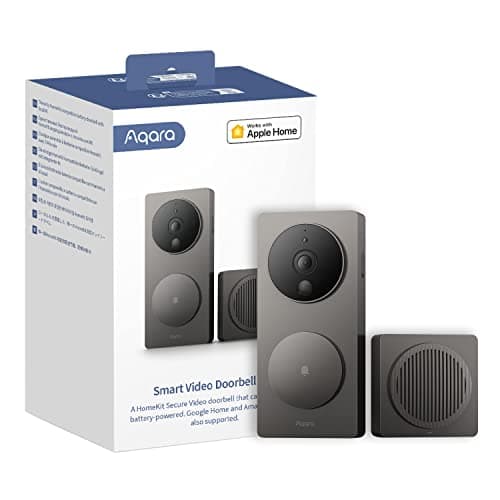
Aqara Video Doorbell G4
SHE Doorbell Privacy & Value Score4.2/10$89.99 — HomeKit Secure Video + local face ID + $0/yr
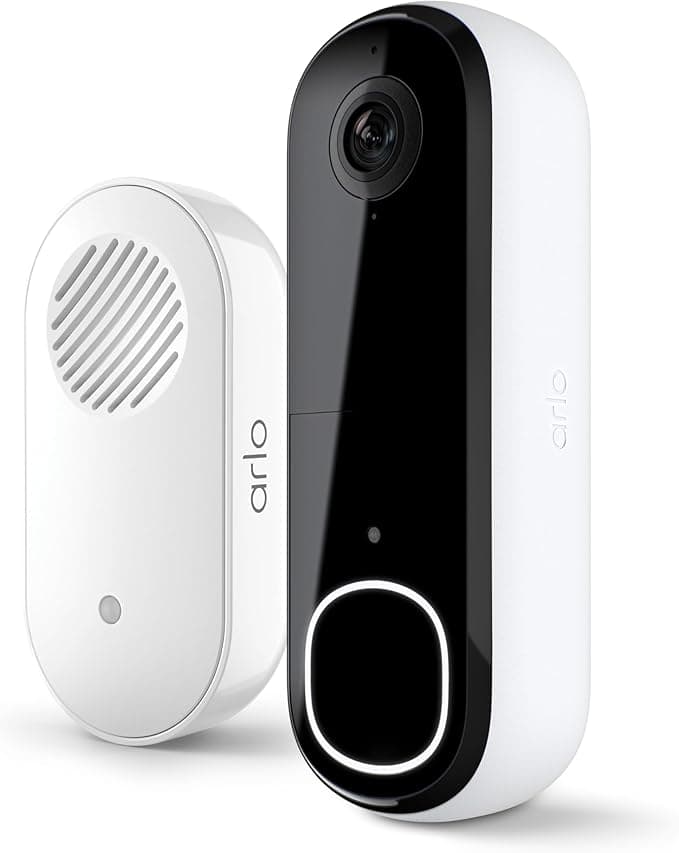
Arlo Video Doorbell 2K (2nd Gen)
SHE Doorbell Privacy & Value Score3.8/10$75.11 — 2K + flexible install + $96/yr after trial
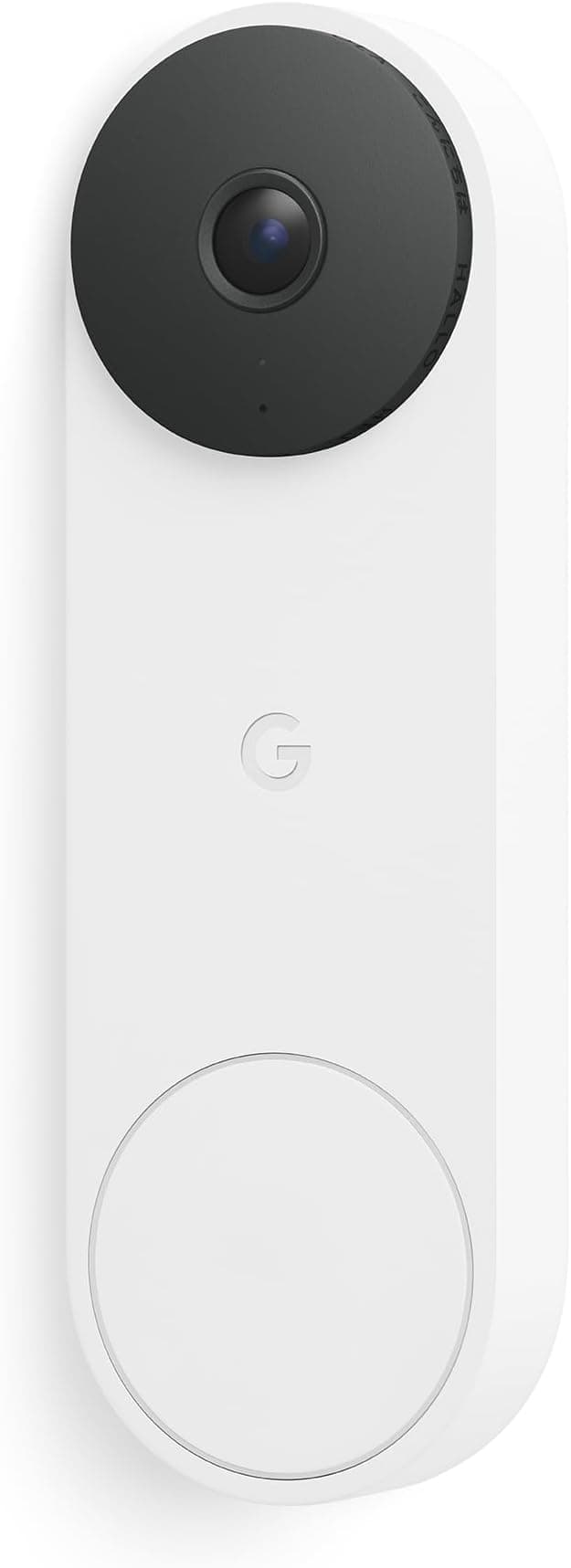
Google Nest Doorbell (Wired, 3rd Gen)
SHE Doorbell Privacy & Value Score1.7/10$164.78 — Gemini AI + Wirecutter #1 + $80-160/yr sub
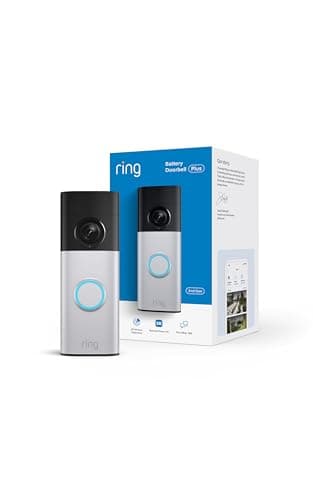
Ring Battery Doorbell 2K Plus
SHE Doorbell Privacy & Value Score1.7/10$67.99 — head-to-toe HD+ + Alexa + $40/yr Basic
Which Doorbell Fits Your Smart Home?
The decision tree compresses cleanly to four primary integration paths. Alexa-first households with existing Echo Show devices or pre-installed Ring Indoor Cameras want the Ring Battery Plus configuration for the demonstrated routine integration depth. Google Home households operating Pixel handsets and Nest Hub displays want the wired Nest implementation for the Gemini AI contextual integration. Apple Home households want the Aqara G4 for native HomeKit Secure Video plus Apple Home Key compatibility. And subscription-averse buyers — by far the largest persona segment per the contemporary GSC query distribution — want either the Eufy E340 or the Tapo D230S1 depending on whether dual-camera package coverage justifies the approximately $65 acquisition price differential.
| Product | Alexa | Google Home | Apple HomeKit | Matter | Local Storage |
|---|---|---|---|---|---|
| Eufy Security Video Doorbell E340 | ✓ | ✕ | ✕ | ✕ | ✓ |
| Google Nest Doorbell (Wired, 3rd Gen) | ✓ | ✓ | ✕ | ✕ | ✕ |
| Ring Battery Doorbell 2K Plus | ✓ | ✕ | ✕ | ✕ | ✕ |
| Aqara Video Doorbell G4 | ✓ | ✓ | ✓ | ✓ | ✓ |
| Arlo Video Doorbell 2K (2nd Gen) | ✓ | ✓ | ✓ | ✕ | ✕ |
| TP-Link Tapo D230S1 | ✓ | ✓ | ✕ | ✕ | ✓ |
3-Year Total Cost of Ownership
The SHE Total Cloud Cost calculation methodology is unambiguous: hardware acquisition expenditure plus monthly subscription multiplied across 36 months. Running the formula across the contemporary 6-product comparison set produces concrete numerical results that diverge dramatically from sticker-price intuition. The Eufy E340 implementation yields approximately $150 across 3 yr because the subscription coefficient evaluates at zero. The wired Nest configuration yields approximately $468 across the introductory Aware tier and approaches $645 across the Aware Plus subscription commitment. The Ring Battery Plus implementation yields approximately $330 across the Basic subscription tier. Arlo 2K yields approximately $363 on the Secure subscription tier. Tapo D230S1 and Aqara G4 both remain at hardware-only expenditure — approximately $85 and $90 respectively. The differential spread between the cheapest 3-yr commitment and the most expensive evaluates at approximately 7.6x — that calculation represents the actual price tag the headline review scores effectively obscure.
When NOT to Buy
Three setups don't need a smart doorbell at all. If you live in an apartment with a building intercom and your packages route to a locker or front desk, the porch-pirate problem your $150 doorbell solves doesn't exist for you. If your home has a covered porch with delivery already protected from view, a $25 mechanical chime delivers the same actual outcome. And if you've already installed an outdoor camera on the porch ceiling that captures the doormat in frame, a doorbell camera is duplicate coverage — better to spend the budget on a smart deadbolt or motion lighting.
Who Should Buy What
Who Should Buy What
| If you are… | Recommended pick |
|---|---|
Package-anxiety homeowners You want dual-cam doormat coverage and $0/yr cloud cost, with 8GB of local recording that survives a Wi-Fi or cloud outage | Eufy Security Video Doorbell E340 |
Alexa households with existing Ring or Echo gear You already run Ring Indoor Cams or Echo Show devices and want the deepest Alexa routine integration in the doorbell category | Ring Battery Doorbell 2K Plus |
Apple Home power users You run HomeKit Secure Video on iCloud+ and want Apple Home Key plus on-device face recognition with no monthly fee | Aqara Video Doorbell G4 |
Google Home households who value AI alerts You live in Google Home with Pixel and Nest Hub, you own the home, and Gemini AI context alerts justify the Nest Aware subscription | Google Nest Doorbell (Wired, 3rd Gen) |
Video-quality-first buyers You prioritize true 2K resolution and wired-or-battery flexibility on the same mount, and you accept Arlo Secure cloud cost | Arlo Video Doorbell 2K (2nd Gen) |
Budget-conscious no-sub buyers Your hardware budget tops out under $90 and you want 2K plus free AI detection plus microSD recording with no monthly fee | TP-Link Tapo D230S1 |
Frequently Asked Questions
Do smart doorbells require a subscription?
No — the Eufy E340, Aqara G4, and Tapo D230S1 all record locally and work fully without a monthly fee. Ring and Nest gate clip storage and review behind paid plans (Ring Basic at $40/yr, Nest Aware at $80-160/yr).
Nest vs Ring doorbell 2026: which should I buy?
Pick by ecosystem first. The Nest Doorbell wired 3rd Gen fits Google Home households — Gemini AI context alerts ('package on doormat'), Wirecutter's #1 wired pick — but it is wired-only and Nest Aware runs $80-160/yr, pushing 3-yr total cost to ~$468 and a 1.73 SHE composite. The Ring Battery Doorbell Plus fits Alexa households — head-to-toe HD+ video, battery install in under 20 mins, the deepest Alexa routines — but Ring Basic at $40/yr is mandatory for any clip review, putting 3-yr cost near $330 and a 1.68 SHE composite. Neither stores clips locally, so both lose footage if the cloud sub lapses. If you are subscription-averse, the Eufy E340 beats both at $0/yr and a 9.5 SHE composite.
Ring vs Nest vs Eufy: which is best for me?
Pick by ecosystem and by subscription tolerance. Alexa households fit Ring; Google Home households fit Nest; subscription-averse or privacy-first buyers fit Eufy. There is no universal best — the SHE composite differs by 5x across these three based on your existing setup.
Do smart doorbells work without Wi-Fi?
Live view and remote alerts both require Wi-Fi. Local-storage doorbells (Eufy E340, Aqara G4, Tapo D230S1) still record motion clips offline to onboard storage; cloud-only models stop recording entirely when Wi-Fi drops.
Battery vs hardwired: which should I get?
Renters and homes without an existing transformer near the door should pick battery — install completes in under 20 mins. Homeowners with existing chime wiring and 16-24V transformer capacity get continuous power and zero recharge cycles from a wired doorbell.
Are smart doorbells worth it for renters?
Yes — battery models like the Eufy E340 and Ring Battery Plus install with adhesive or wood screws and lift cleanly at lease end. No drilling into masonry or transformer rewiring required.
What's the best smart doorbell with no monthly fee?
The Eufy E340 is the overall best at 9.5 SHE composite. The Tapo D230S1 is the best budget pick under $90, and the Aqara G4 is the best for Apple Home users — all three operate at $0/yr.
Do smart doorbells work with Apple Home or HomeKit?
The Aqara G4 supports HomeKit Secure Video natively plus Apple Home Key. The Arlo 2K supports HomeKit on the camera side. Ring and Nest do not support HomeKit at any tier — they are Alexa and Google Home respectively.
Can a porch pirate easily steal a smart doorbell?
Tamper alerts plus local storage means the clip survives the theft attempt — the camera uploads or saves the face before the bell goes missing. Anti-theft mounts are available for most models in this list.
Does Gemini AI on the Nest Doorbell justify the higher price?
The 2026 Gemini context alerts cut false positives — 'package on doormat' instead of 'motion detected' — but you still need Nest Aware at $80-160/yr to review or replay the clips. Worth it only for Google Home all-in households.
What is the best video doorbell in 2026?
The Eufy E340 is our overall pick at a 9.5 SHE composite — dual-cam package detection plus 8GB of local recording at $0/yr, which keeps its 3-yr total cost near $150 versus Ring's $330 and Nest's $468. But the best one for you depends on your ecosystem and subscription tolerance: pick the wired Nest 3rd Gen if you live in Google Home and value Gemini AI context alerts, the Ring Battery Doorbell Plus if you want the deepest Alexa routines, the Aqara G4 if you run Apple Home and want HomeKit Secure Video, or the budget Tapo D230S1 if your hardware budget tops out under $90 and you still want 2K with no monthly fee.
Bottom Line
Get the Eufy Security Video Doorbell E340 if Subscription-averse buyer who wants package coverage.
Get the Google Nest Doorbell (Wired, 3rd Gen) if Google Home household who values Gemini AI alerts.
Get the Ring Battery Doorbell 2K Plus if Alexa household needing battery flexibility.
Get the Aqara Video Doorbell G4 if Apple Home power user with HomeKit Secure Video.
Get the Arlo Video Doorbell 2K (2nd Gen) if Video quality priority with flexible install.
Get the TP-Link Tapo D230S1 if Budget under $90 plus no subscription.
Related deep-dives
Sources & Methodology
Methodology: SHE Doorbell Privacy & Value Score — Formula: (Video Quality Score × Detection Accuracy × Field of View) ÷ (Annual Cost × Privacy Risk Score). Factors: Video Quality Score: Composite normalized 0-10 from Wirecutter, CNET, PCMag, and Tom's Guide review-grade pixel density and night-vision clarity. | Detection Accuracy: False-alert rate normalized 0-1 from named expert reviewer assessments — lower false positives yields higher coefficient. | Field of View: Manufacturer spec in degrees, verified against reviewer-measured framing on porch test installs. | Annual Cost: Hardware divided by 36 months plus monthly subscription × 12; $0 for subscription-free models like Eufy and Aqara. | Privacy Risk Score: Composite of cloud storage mandate, data-sharing policy tier, and local storage availability — lower is better.
Expert review sources used in this analysis:
- SmartHomeExplorer aggregates expert review data and community sentiment to produce consensus-based doorbell guidance — we do not perform first-party testing
- Video quality, detection accuracy, and field of view factor scores are normalized from Wirecutter, CNET, Tom's Guide, RTINGS, The Verge, SafeWise, Forbes, Reviewed, Tom's Hardware, PCMag, Digital Trends, and Engadget reviews
- Annual subscription cost data is verified against current Ring, Nest, and Arlo pricing pages
- Amazon hardware prices verified 2026-05-10 via Amazon Creators API
- SHE Doorbell Privacy & Value Score factors and weights live at /metrics/she-doorbell-privacy-value-score.
Nicholas Miles is the founder of SmartHomeExplorer and a longtime smart home enthusiast focused on helping everyday homeowners make better technology decisions. He researches, compares, and writes about products across security, climate, lighting, leak prevention, sensors, home energy, and automation, with an emphasis on real-world usefulness, ecosystem compatibility, reliability, privacy, and long-term value.
Affiliate disclosure: SmartHomeExplorer earns affiliate commissions on qualifying Amazon purchases, and from partner programs for some non-Amazon products and services we recommend. Our scoring methodology is independent of affiliate relationships.