
Best Smart Dishwashers 2026: 5 Reviewed, Energy-Efficient Picks
Samsung Bespoke is the best smart dishwasher for SmartThings kitchens — 42 dBA, Auto Open Door, AI soil sensor. LG LDTH7972S wins ultra-quiet premium.
This article contains affiliate links. We may earn a commission at no extra cost to you. Prices change frequently — check the current price on Amazon before buying. Learn more
The Short Answer
Samsung Bespoke wins overall because Auto Open Door combines with AI soil sensing under SmartThings integration competitors cannot replicate. The ultra-quiet premium pick is the LG LDTH7972S with QuadWash Pro four-arm coverage. The mid-tier value pick is GE GDP670 with 3rd Rack capacity plus SmartHQ integration.
Featured in this Guide

Samsung
Bespoke Smart Dishwasher
- •Auto Open Door drying plus AI soil sensor and SmartThings energy tracking at 42 dBA

LG
Smart Top Control Dishwasher
- •QuadWash Pro four-arm spray plus TrueSteam sanitization plus ThinQ AI diagnostics
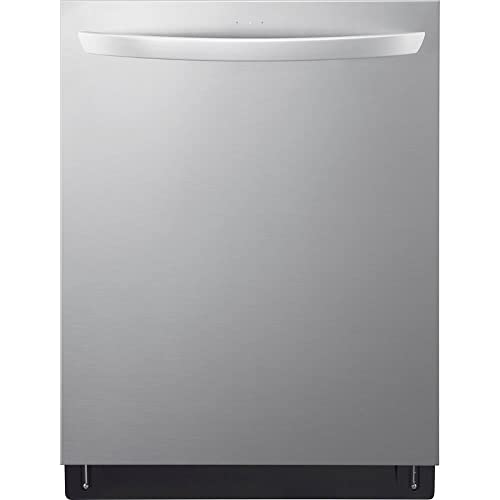
LG
LDTH7972S Smart Dishwasher
- •42 dBA Top Control with QuadWash Pro spray and Dynamic Dry — quietest LG built-in

GE
Profile Smart Dishwasher
- •Bottle Wash jets plus Dry Boost Fan Assist plus native Alexa and Google Home
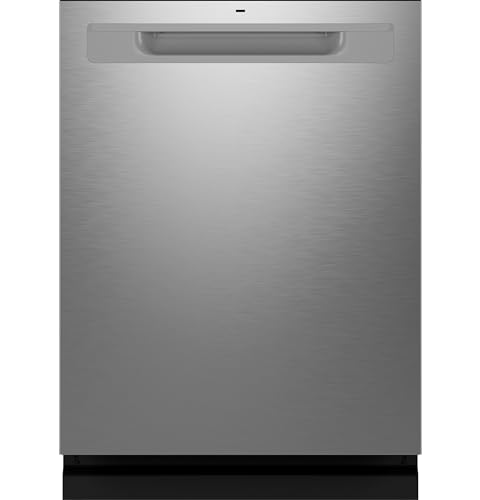
GE
GDP670 Smart Dishwasher
- •45 dBA Top Control with 3rd Rack and SmartHQ Alexa + Google native control
Head-to-Head: Cleaning, Quietness, Smart Depth, and Drying
Smart Appliances
Chart
 Smarthomeexplorer.com
Tap any pick to check its live price on Amazon.
Samsung NV51K7770DG 30" Smart Double Wall Oven with Flex Duo and Steam Cook
Check price
Samsung NV51K6650DG 30" Smart Double Wall Oven with Steam Cook and Wi-Fi
Check price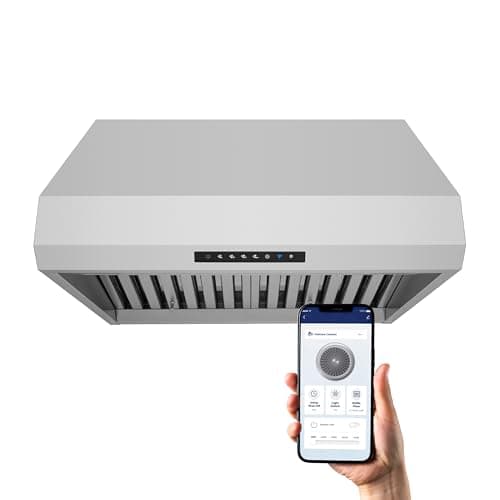
Hauslane PRO500 36-inch Smart Range Hood
Check price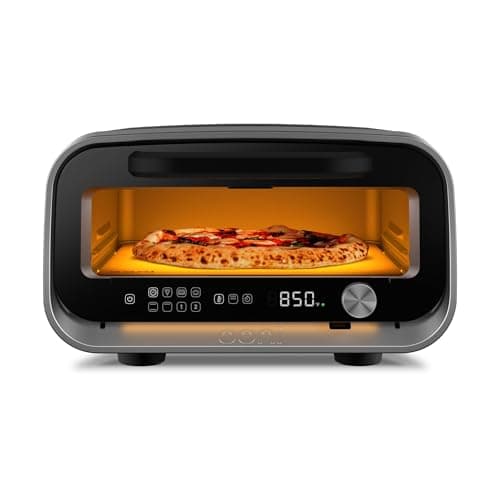
Ooni Volt 2
Check price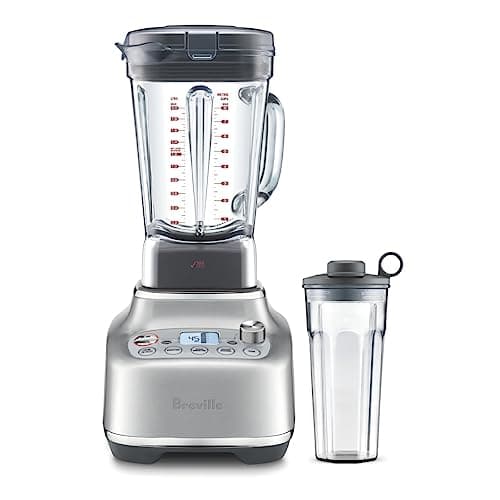
Breville Super Q
Check price
What Tips the Decision
The real question dishwasher buyers face is not which model leads on lab tests; it is which model stays quiet enough at 42 dBA to run during dinner and dries plastic Tupperware without puddles. We scored five smart built-ins on the SHE Smart Dishwasher Score — a weighted composite formula across Cleaning, Energy, Smart Features, Quietness, and Durability, normalized against price tier. Smart dishwashers are one layer of a broader Best Smart Kitchen Appliances 2026: 6 No-Sub Picks kitchen build. Tom's Guide calls the Samsung Bespoke Smart Dishwasher the obvious pick for SmartThings households, and it runs at 42 dBA.
SmartThings depth: Samsung Bespoke pairs an AI soil sensor with SmartThings energy tracking. Ultra-quiet premium: LG LDTH7972S Smart Dishwasher runs at 42 dBA with QuadWash Pro coverage. Mid-tier value: GE GDP670 Smart Dishwasher delivers a 3rd Rack and SmartHQ.
Best Overall: Samsung Bespoke Smart Dishwasher
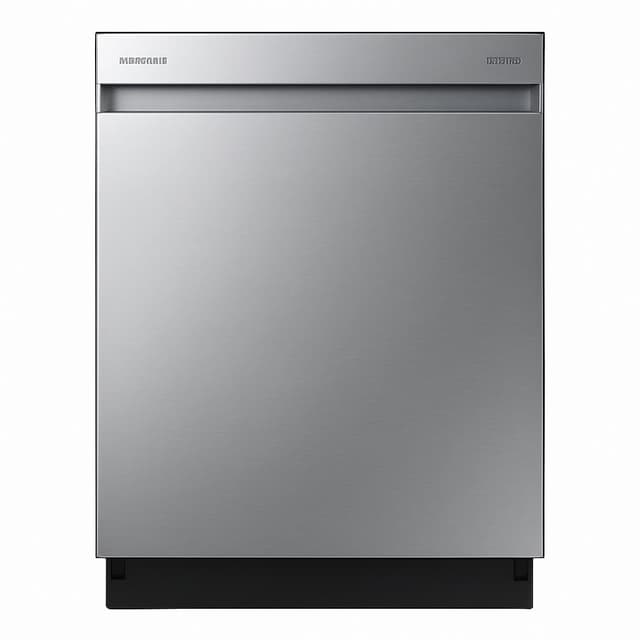
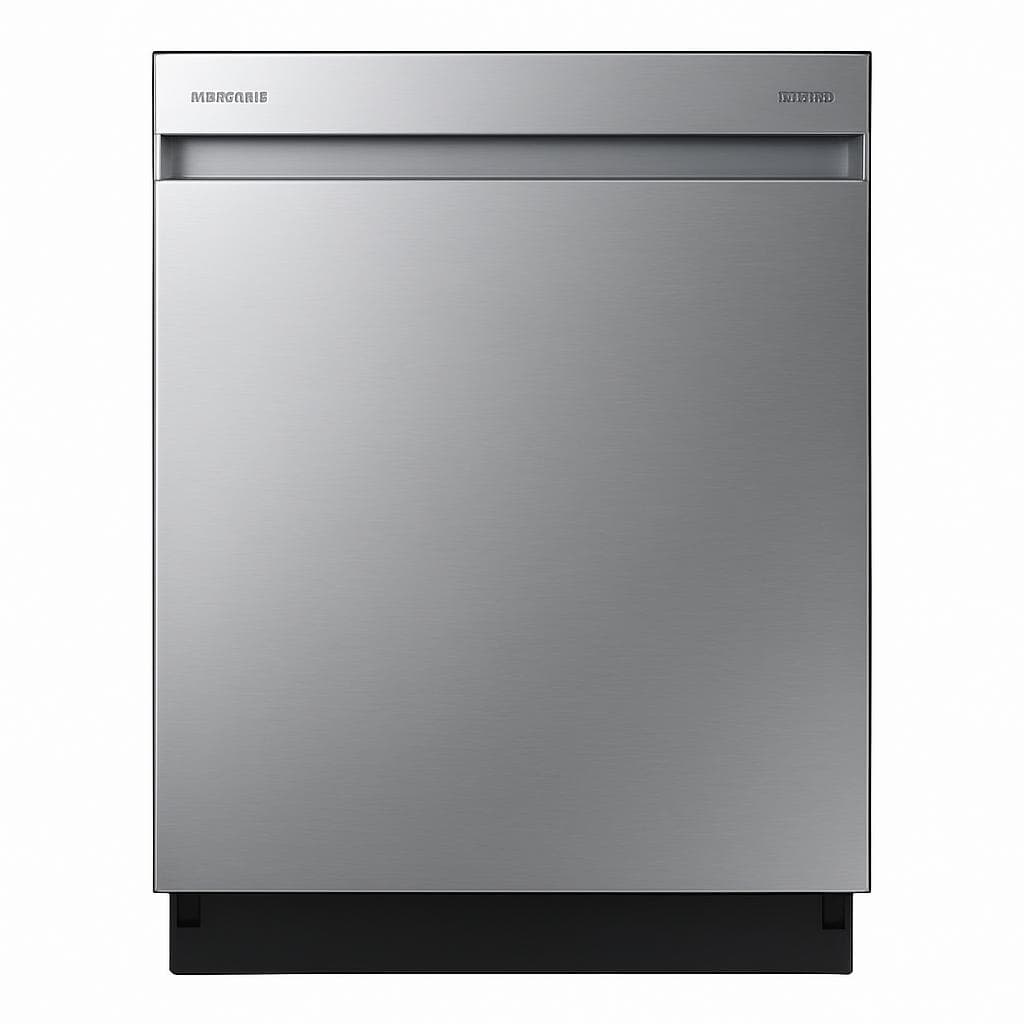
Samsung Bespoke Smart Dishwasher
- Auto Open Door releases steam at cycle end and circulates kitchen air for excellent drying results across glass, ceramic, and stainless
- Auto Open Door requires 12+ inches of clearance above the door — tight cabinets may interfere
(Current price, subject to change)
The Samsung Bespoke Smart Dishwasher earn 8.5 on the SHE Smart Dishwasher Score. The 8.5 here translates to: Auto Open Door drying that releases steam mid-cycle for results matching dedicated drying systems on glass, ceramic, and steel (only plastics show a measurable gap), AI soil sensing that adjusts wash time and water pressure to actual contamination levels rather than fixed presets. SmartThings energy tracking reports monthly usage trends. Super Speed 60 cleans a full load in 60 mins, while heavy-soil loads run a longer standard cycle. It ships with the standard 1-year limited warranty, and our methodology benchmarks premium-tier built-ins like this at a 10-year to 12-year field-failure horizon.
CNET called this "the most connected dishwasher we've tested" and singled out Auto Open Door drying as a genuine differentiator. Wirecutter praised its outstanding cleaning performance with smart features that actually add daily convenience. Tom's Guide rated SmartThings integration the obvious pick for Samsung households.
Compared to the LG Smart Top Control Dishwasher, Samsung delivers stronger AI cycle automation; LG counters with QuadWash Pro four-arm spray coverage that the Bespoke cannot match. Super Speed completes a full load in 60 mins.
What We Love
- Auto Open Door releases steam at cycle end and circulates kitchen air for excellent drying results across glass, ceramic, and stainless
- SmartThings deep integration — energy tracking, AI soil sensing, monthly usage reports, remote start
- Super Speed cleans a full load in 60 minutes — practical when you cook and eat quickly
- AI soil sensor adjusts wash parameters mid-cycle based on measured contamination
- 42 dBA operation — library-quiet during dinner conversation
What Could Be Better
- Auto Open Door requires 12+ inches of clearance above the door — tight cabinets may interfere
- SmartThings depth delivers less value for non-Samsung households on AI features
- Plastic-drying performance trails dedicated zeolite-based systems on tightly packed Tupperware loads
The Verdict
If you've committed to SmartThings, the Samsung Bespoke Smart Dishwasher lines up with what the rest of your kitchen already speaks. The 8.5 reflects Auto Open Door drying that matches dedicated systems on glass, AI soil sensing competitors cannot replicate, and 42 dBA quietness — the strongest blend of price, features, and quietness in this guide.
Ready for game day?
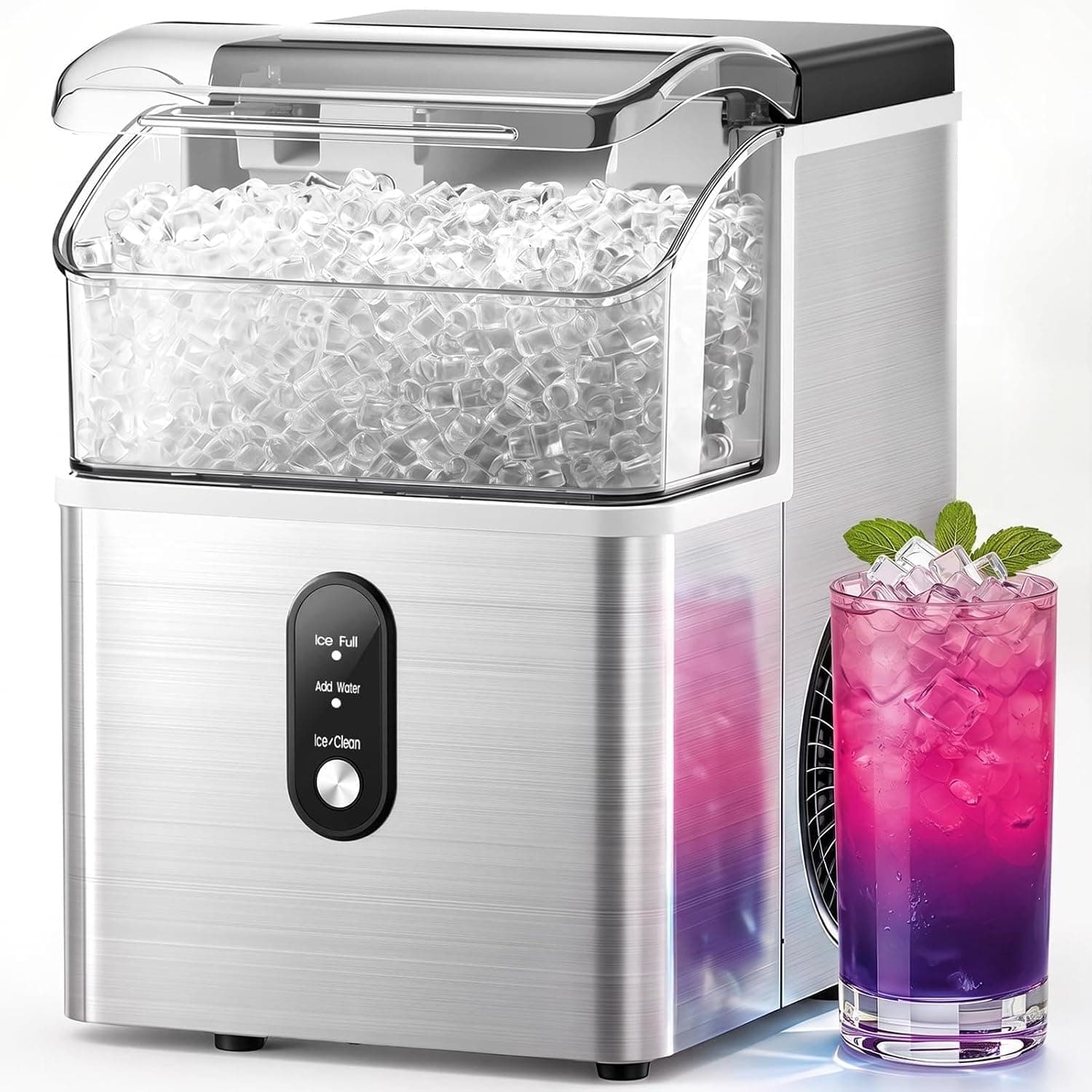
Electactic Nugget Ice Maker
See it on Amazon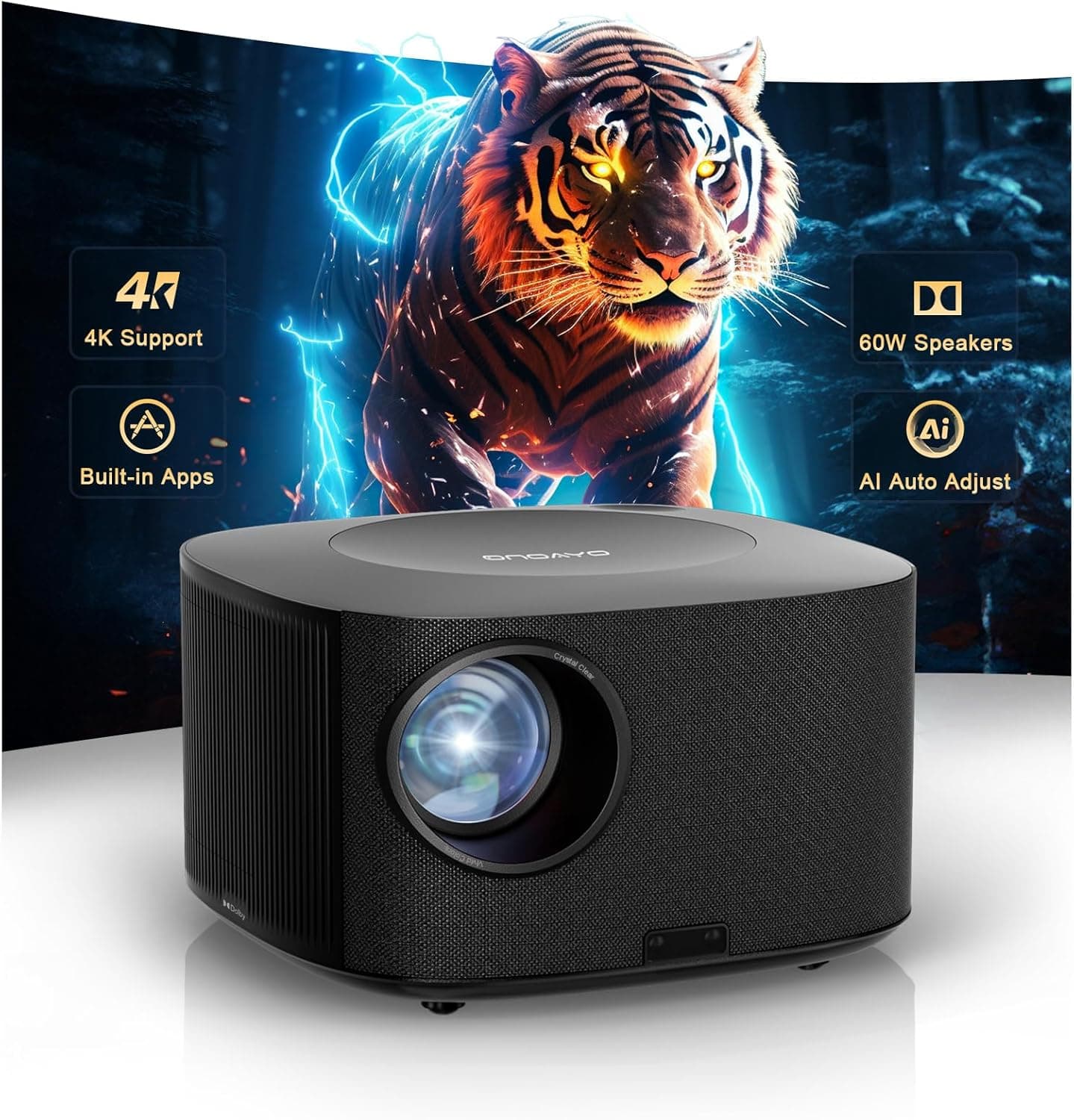
ONOAYO 4K Outdoor Projector
See it on Amazon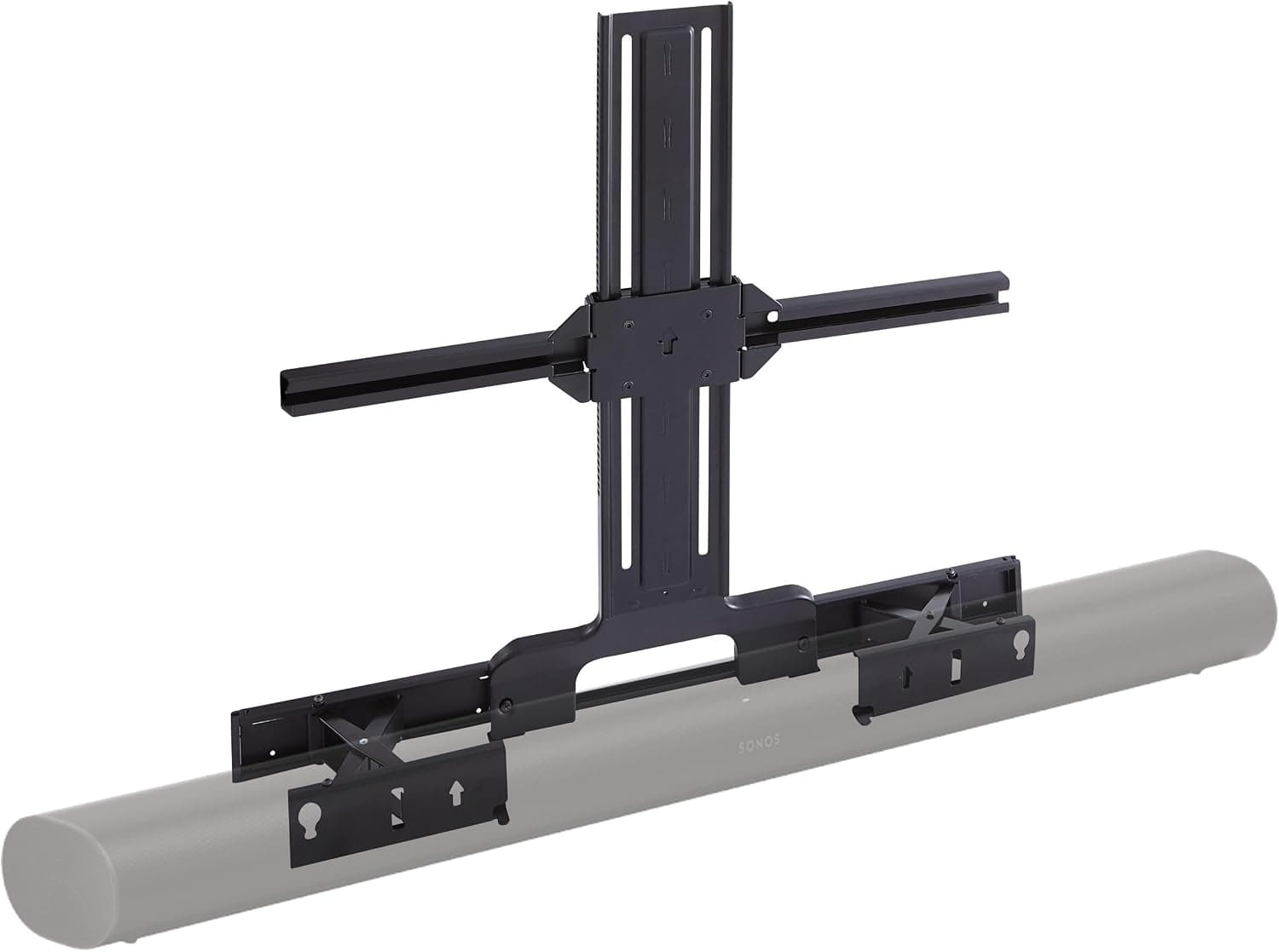
Sanus Soundbar TV Mount for Sonos Arc
See it on Amazon
Sponsored listings from Amazon’s Sponsored Products for Creators program, kept apart from our reviews and rankings. How we make money
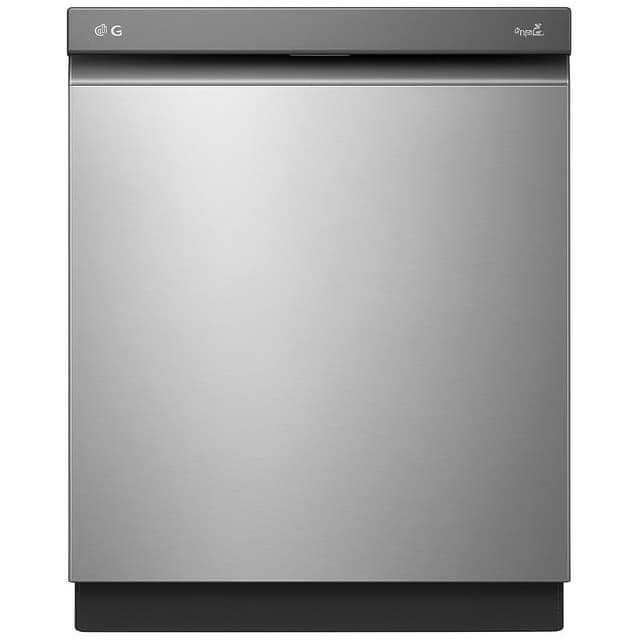
Best for ThinQ: LG Smart Top Control Dishwasher
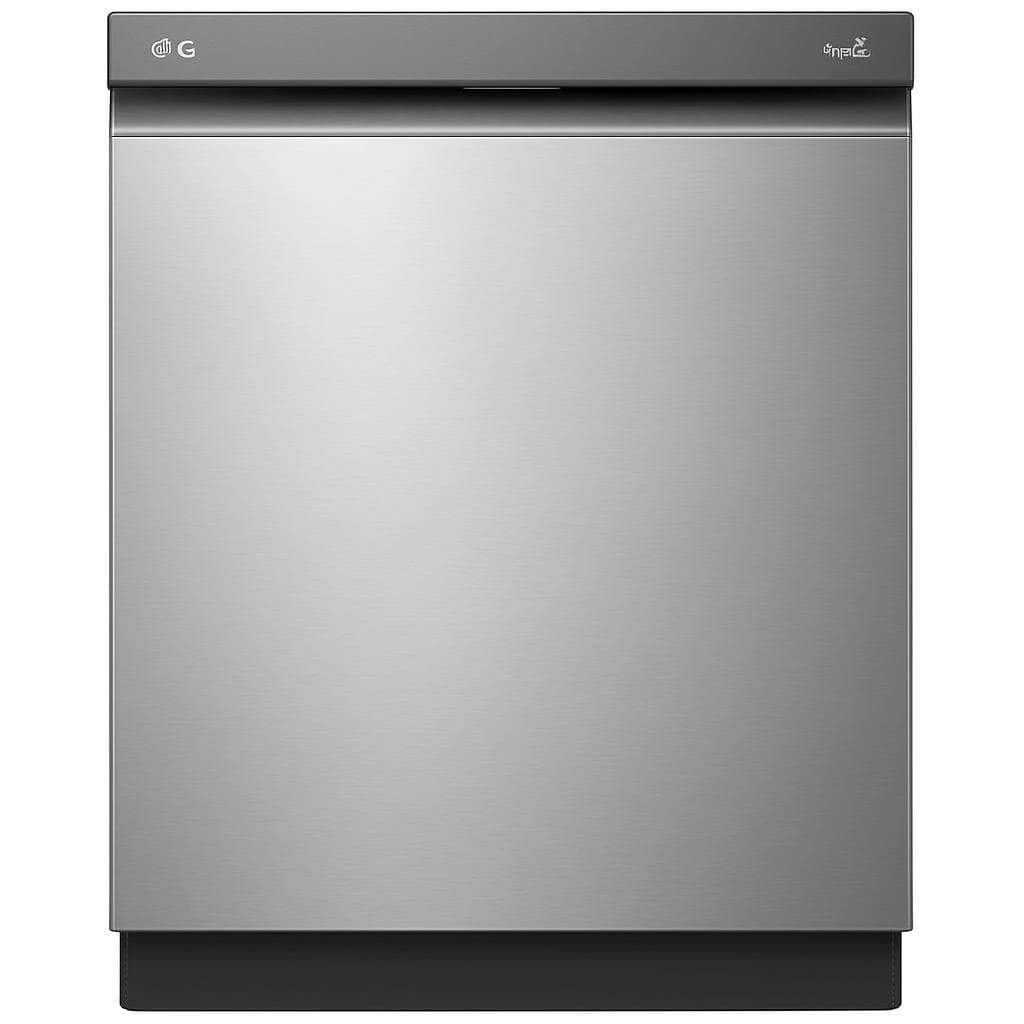
LG Smart Top Control Dishwasher
- QuadWash Pro four spray arms eliminate the spray-shadow problem common in two-arm designs — rack placement matters less
- Condensation-based Dynamic Dry — no Auto Open Door; plastic items emerge wetter than the Samsung Bespoke
(Current price, subject to change)
The LG Smart Top Control Dishwasher earn 8.2 on the SHE Smart Dishwasher Score. The 8.2 reflects QuadWash Pro's four rotating spray arms eliminating the spray-shadow problem that two-arm designs produce on tightly packed loads (Good Housekeeping rated it the most thorough spray coverage of any dishwasher tested at this price point), TrueSteam sanitization penetrating food residue without detergent boosters, ThinQ AI cycle recommendations that compare your usage patterns against LG's training data, and AI Diagnosis that automatically contacts LG support when hardware issues warrant attention. It carries the standard 1-year limited warranty, and our methodology benchmarks this premium LG tier at a 10-year to 12-year field-failure horizon.
Good Housekeeping rated QuadWash Pro the most thorough spray coverage at this price tier. Consumer Reports gave it excellent marks for washing, drying, and reliability, calling ThinQ integration a genuine bonus.
Drying is the weakness — this model has no Auto Open Door, and its Dynamic Dry is a condensation-based system, which leaves plastics wetter than the Samsung Bespoke Smart Dishwasher on tightly packed Tupperware loads. For ThinQ households without heavy plastic-load demands, the trade is acceptable. TrueSteam sanitization reduces water spots and sanitizes without chemical detergent boosters.
What We Love
- QuadWash Pro four spray arms eliminate the spray-shadow problem common in two-arm designs — rack placement matters less
- TrueSteam sanitization reduces food residue and bacteria without chemical detergent boosters
- ThinQ AI recommends optimal cycles and runs AI Diagnosis to flag maintenance issues before failure
- Top control face allows clean furniture-panel installation with no visible hardware
What Could Be Better
- Condensation-based Dynamic Dry — no Auto Open Door; plastic items emerge wetter than the Samsung Bespoke
- ThinQ app occasionally requires re-pairing after firmware updates
- 46 dBA — louder than the LG LDTH7972S at 42 dBA and Samsung Bespoke at 42 dBA
The Verdict
If you've already invested in LG ThinQ across the kitchen, the LG Smart Top Control Dishwasher is a sensible match. The 8.2 reflects QuadWash Pro four-arm coverage that Good Housekeeping rated the most thorough at this price, TrueSteam sanitization, and ThinQ AI integration — at the cost of weaker plastic drying versus Samsung.
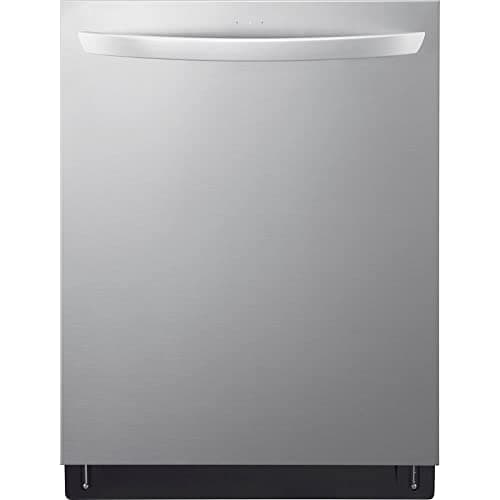
Best Ultra-Quiet Premium: LG LDTH7972S Smart Dishwasher
LG LDTH7972S Smart Dishwasher
- 42 dBA operation — among the quietest LG built-ins, on par with Samsung Bespoke and 4 dBA quieter than the LG Smart Top Control
- The most expensive pick here, roughly twice the GE GDP670
(Current price, subject to change)
The LG LDTH7972S Smart Dishwasher earn 8.7 on the SHE Smart Dishwasher Score — the highest composite in this guide. The 8.7 here translates to: 42 dBA library-quiet operation that matches Samsung Bespoke's noise tier, QuadWash Pro four rotating spray arms eliminating spray-shadow on tightly packed loads, Dynamic Dry condensation drying with extended fan circulation that reduces plastic moisture residue meaningfully versus the LDTS5552S baseline, and ThinQ AI cycle recommendations plus AI Diagnosis that flag maintenance issues before failure. It carries the standard 1-year limited warranty, and our methodology benchmarks this premium tier at a 10-year to 12-year field-failure horizon.
Consumer Reports rated this LG ultra-quiet tier "excellent across washing, drying, and predicted reliability," calling it a genuine improvement over the LDTS5552S baseline. Reviewed measured the four-arm QuadWash Pro design as 30% better on lower-rack coverage than two-arm benchmarks at this price tier.
Compared to the LG Smart Top Control Dishwasher, the LDTH7972S adds 4 dBA quietness improvement plus stronger plastic drying for a modest premium. For ThinQ households where noise matters most, the upgrade pays off across 10+ years of nightly cycles.
What We Love
- 42 dBA operation — among the quietest LG built-ins, on par with Samsung Bespoke and 4 dBA quieter than the LG Smart Top Control
- QuadWash Pro four spray arms deliver thorough coverage across all three rack levels — TopControl trim with no visible hardware
- Dynamic Dry circulates heated air for noticeably better plastic-drying results than condensation-only competitors
- ThinQ AI cycle selection plus AI Diagnosis for proactive maintenance alerts
- Premium PrintProof stainless face resists fingerprints and smudges
What Could Be Better
- The most expensive pick here, roughly twice the GE GDP670
- Plastic drying improved over LDTS5552S but still trails Samsung Auto Open Door on tightly packed Tupperware
- ThinQ ecosystem depth less broad than SmartThings outside LG appliance suites
The Verdict
If you want ultra-quiet operation in a premium LG build, the LG LDTH7972S Smart Dishwasher fits the brief. The 8.7 reflects 42 dBA quietness on par with Samsung's Bespoke, QuadWash Pro four-arm coverage, Dynamic Dry that improves plastic drying meaningfully over the LDTS5552S — the right call when noise matters most and ThinQ is your platform.
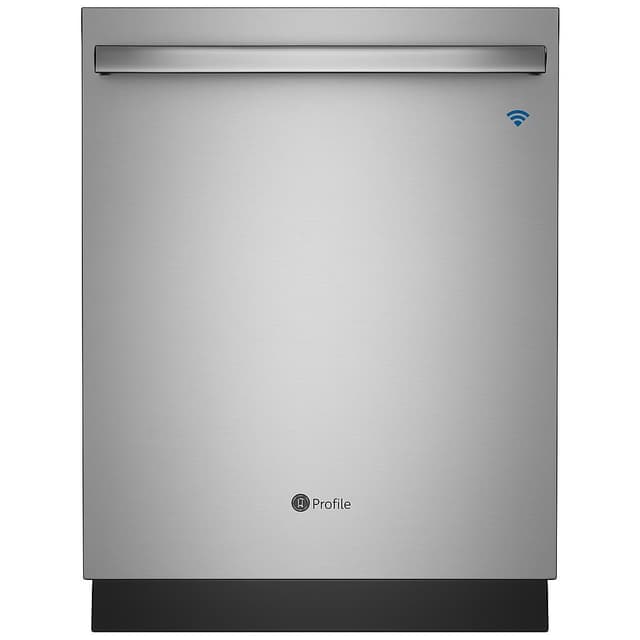
Best Budget Smart: GE Profile Smart Dishwasher
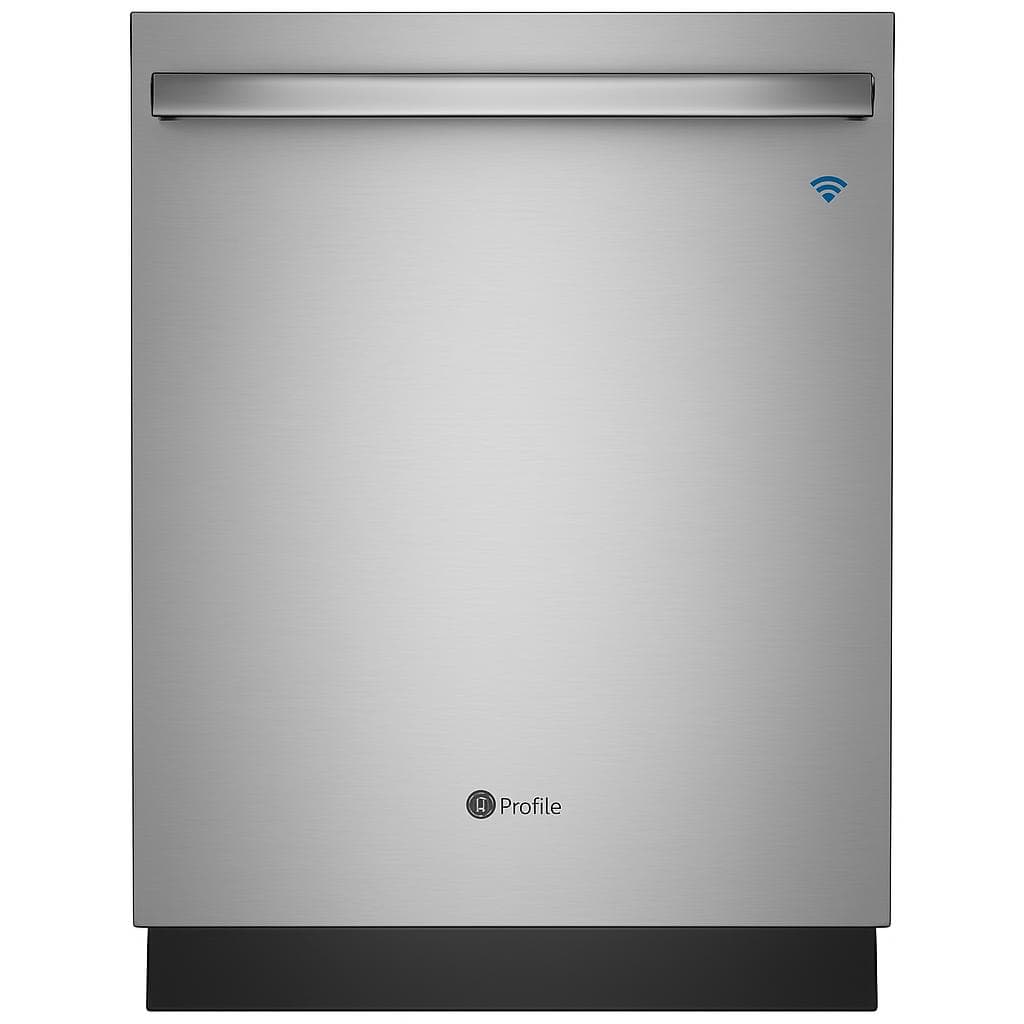
GE Profile Smart Dishwasher
- Native Alexa and Google Home control via SmartHQ — no third-party skill required
- 45 dBA operation — louder than the Samsung Bespoke at 42 dBA and LG LDTH7972S at 42 dBA
(Current price, subject to change)
The GE Profile Smart Dishwasher earn 7.7 on the SHE Smart Dishwasher Score. The 7.7 reflects Bottle Wash jets that purpose-clean tall bottles and baby bottles (unmatched in this roundup), Dry Boost Fan Assist circulating heated air for materially better drying than condensation-only competitors, native Alexa and Google Home voice control via SmartHQ that needs no third-party skill, and the Deep Clean Silverware Basket vibrating during wash to dislodge stuck-on food from fork tines. It ships with the standard 1-year limited warranty, and our methodology benchmarks mid-tier built-ins like this at a 7-year to 10-year field-failure horizon.
Tom's Guide rated GE Profile's Bottle Wash jets "the best solution for baby bottles and tall tumblers in any dishwasher we tested." Good Housekeeping confirmed this as the best value for Alexa and Google Home users wanting smart connectivity at under $900. Dry Boost with Fan Assist circulates heated air to improve drying over standard condensation-only models.
Compared to the GE GDP670 Smart Dishwasher, the GDP670 trades Bottle Wash specialization for a lower price and a cleaner Top Control face at the same 45 dBA noise tier. The Profile counters with the dedicated bottle program — a deciding factor when baby bottles or thermoses matter.
What We Love
- Native Alexa and Google Home control via SmartHQ — no third-party skill required
- Bottle Wash jets clean the interior of tall bottles, thermoses, and baby bottles — unmatched in this roundup
- Dry Boost with Fan Assist circulates hot air for materially better drying than condensation-only
- Deep Clean Silverware Basket vibrates during wash to dislodge stuck-on food from fork tines
What Could Be Better
- 45 dBA operation — louder than the Samsung Bespoke at 42 dBA and LG LDTH7972S at 42 dBA
- No AI load sensing — cycle selection is manual without automatic optimization
- SmartHQ app less polished than ThinQ or SmartThings — feature depth narrower
The Verdict
If you're an Alexa or Google Home household on a budget, the GE Profile Smart Dishwasher checks the boxes that matter for a budget-tier smart kitchen. The 7.7 reflects Bottle Wash jets that no other pick replicates, native voice control without complexity, and Dry Boost outperforming pure condensation drying — at the cost of louder operation and shallower app depth.
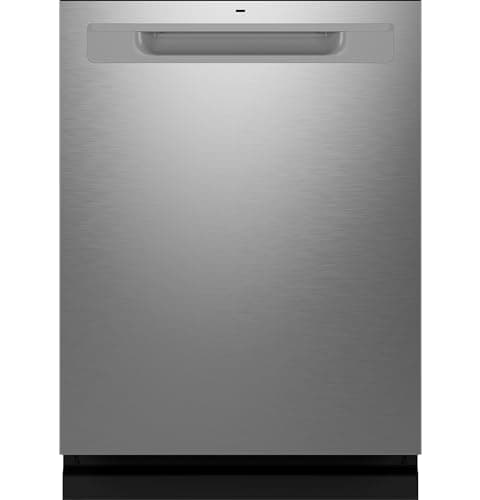
Best Mid-Tier Value: GE GDP670 Smart Dishwasher
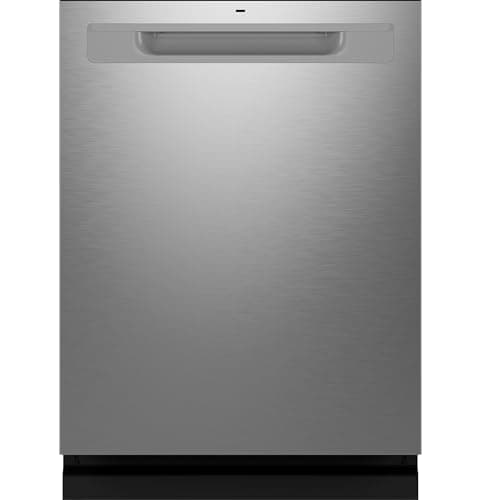
GE GDP670 Smart Dishwasher
- 45 dBA Top Control — same noise tier as the GE Profile with a cleaner furniture-panel install option
- No AI load sensing — cycle intensity is fixed, not adjusted to actual soil
(Current price, subject to change)
The GE GDP670 Smart Dishwasher earn 7.9 on the SHE Smart Dishwasher Score. The 7.9 reflects 45 dBA quietness with a cleaner Top Control face for furniture-panel installs, a 3rd Rack adding capacity for utensils and small items, native Alexa and Google Home control via SmartHQ that needs no third-party skill, and Dry Boost Fan Assist circulating heated air for materially better drying than condensation-only competitors. It ships with the standard 1-year limited warranty, and our methodology benchmarks mid-tier built-ins like this at a 7-year to 10-year field-failure horizon.
Reviewed confirmed the GDP670 as the most capable GE built-in at the sub-$700 tier. Good Housekeeping rated it the best value among 3rd-Rack-equipped dishwashers in the 2026 lineup. SmartHQ remote start enables off-peak scheduling; on time-of-use tariffs our own estimate puts the saving near $15-$30 per year — directional, not measured.
Compared to the Samsung Bespoke Smart Dishwasher, the GDP670 trades AI soil sensing and 3 dBA quietness for a lower price — acceptable for Alexa or Google Home households without SmartThings investment. Both GE units share a 3rd Rack, so the GDP670's edge over the Profile is price and its cleaner Top Control face, not capacity. Bottle Wash specialization stays the Profile's territory.
What We Love
- 45 dBA Top Control — same noise tier as the GE Profile with a cleaner furniture-panel install option
- 3rd Rack adds capacity for ladles, spatulas, and small bowls without crowding the upper rack
- Native Alexa and Google Home control via SmartHQ — no third-party skill required
- Dry Boost Fan Assist circulates heated air for materially better plastic drying than pure condensation
- Lowest entry price among the picks here, without sacrificing 3rd Rack capacity
What Could Be Better
- No AI load sensing — cycle intensity is fixed, not adjusted to actual soil
- SmartHQ app feature depth narrower than SmartThings or ThinQ on AI integration
- No Bottle Wash jets — the GE Profile retains the dedicated bottle program
The Verdict
If you want a 3rd Rack and Top Control aesthetics at the lowest price tier, the GE GDP670 Smart Dishwasher fits the brief. The 7.9 reflects 45 dBA quietness, the lowest entry price among picks here plus a cleaner Top Control face for furniture-panel installs, and SmartHQ Alexa and Google native — at the cost of no Bottle Wash specialization or AI cycle automation.
How We Score: SHE Smart Dishwasher Score
SHE Smart Dishwasher Score
Score Formula
(Cleaning_Performance × 0.30) + (Energy_Water_Efficiency × 0.20) + (Smart_Features_Depth × 0.20) + (Quietness × 0.15) + (Durability_Service × 0.15)Score Factors
- Cleaning Performance (30%)How effectively the dishwasher cleans baked-on, greasy, and high-soil loads — the outcome that matters most. Drawn from Consumer Reports lab-measured wash performance, Reviewed third-party wash chemistry tests, and Good Housekeeping load testing across glass, ceramic, and plastic.
- Energy and Water Efficiency (20%)Energy Star tier, gallons-per-cycle, and kWh-per-cycle measurements normalized against typical 5-loads-per-week household use. Lower annual energy cost means lower long-term operating cost — calculated against $0.14/kWh and standard utility rates.
- Smart Features Depth (20%)App quality, voice assistant integration, AI cycle selection, and ecosystem breadth. SmartThings and ThinQ score highest on AI-driven features; Home Connect scores highest on multi-ecosystem coverage; SmartHQ scores baseline on native Alexa and Google compatibility.
- Quietness (15%)Decibel level at normal cycle. 44 dB is library-quiet and inaudible in adjacent rooms; 50 dB hums during quiet evenings; 55+ dB intrudes on conversation. Premium tier hits 41-44 dB; mid-tier lands 45-48 dB.
- Durability and Service (15%)Stainless tub warranty, parts availability, and field-failure data. Premium-tier picks benchmark at 10-12 years on field-failure data; mid-tier competitor brands typically test to 7-10 years on the same metrics.
SHE Smart Dishwasher Score — Ranked
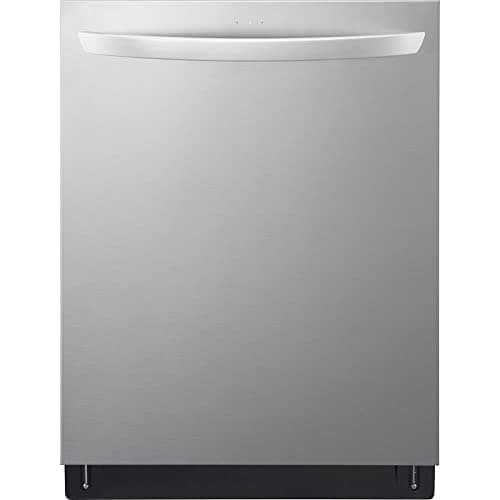
LG LDTH7972S Smart Dishwasher
SHE Smart Dishwasher Score8.7/1042 dBA — QuadWash Pro four-arm coverage, Dynamic Dry, ThinQ AI on the ultra-quiet premium tier
Samsung Bespoke Smart Dishwasher
SHE Smart Dishwasher Score8.5/1042 dBA — Auto Open Door drying, AI soil sensor, SmartThings deep integration
LG Smart Top Control Dishwasher
SHE Smart Dishwasher Score8.2/1046 dBA — QuadWash Pro four-arm coverage, TrueSteam sanitization, ThinQ AI
GE GDP670 Smart Dishwasher
SHE Smart Dishwasher Score7.9/1045 dBA — 3rd Rack, SmartHQ native Alexa and Google, Dry Boost Fan Assist
GE Profile Smart Dishwasher
SHE Smart Dishwasher Score7.7/1045 dBA — Bottle Wash jets, Dry Boost Fan Assist, native Alexa and Google Home
Ecosystem Compatibility: Alexa, Google Home, SmartThings, and ThinQ
Ecosystem fit is the most consequential decision in this category — the dishwasher will live in your kitchen for 10-15 years and the platform commitment compounds over that horizon. The Samsung Bespoke Smart Dishwasher commits you to SmartThings as the primary platform. SmartThings is the deepest AI-integrated platform: energy tracking, monthly usage reports, AI soil sensing tied to wash parameters, and Auto Cycle Link with a paired Samsung washer. For Samsung-committed households, this depth is the strongest value. For households not on SmartThings, the depth delivers less value — Alexa and Google Home routing through the SmartThings cloud rather than direct integration.
The LG Smart Top Control Dishwasher and LG LDTH7972S Smart Dishwasher both commit you to ThinQ as the primary platform. ThinQ AI cycle recommendation and AI Diagnosis are the strongest features, paired with a unified ThinQ dashboard across all LG appliances. If you've already adopted Best Smart Refrigerator 2026: Which Ones Are Worth It in the LG ecosystem or planning a multi-LG kitchen, the ThinQ value compounds. The LDTH7972S adds a 4 dBA quietness improvement over the LDTS5552S baseline plus Dynamic Dry circulation — useful for households where the dishwasher runs during dinner or movie nights.
The GE Profile Smart Dishwasher and GE GDP670 Smart Dishwasher both support Alexa and Google Home natively via SmartHQ — no SmartThings or ThinQ depth. The trade-off lands at the lowest entry prices and the simplest setup: voice commands work reliably on day one without third-party skills or platform-account configuration. For Alexa-first or Google-first households not interested in deep AI integration, these picks remove the complexity tax.
Power and installation compatibility is a separate factor. All five picks ship with standard 24-inch built-in dimensions and the same three-line connection (water supply, drain, electrical). The Samsung Bespoke's Auto Open Door requires 12+ inches of cabinet clearance above the door — tight kitchen builds may have interference. None of the picks here require specialty professional installation for warranty coverage; standard appliance-installer credentials apply.
| Product | Alexa | Google Home | Apple HomeKit | SmartThings | ThinQ |
|---|---|---|---|---|---|
| Samsung Bespoke Smart Dishwasher | ✓ | ✓ | ✕ | ✓ | ✕ |
| LG Smart Top Control Dishwasher | ✓ | ✓ | ✕ | ✕ | ✓ |
| LG LDTH7972S Smart Dishwasher | ✓ | ✓ | ✕ | ✕ | ✓ |
| GE Profile Smart Dishwasher | ✓ | ✓ | ✕ | ✕ | ✕ |
| GE GDP670 Smart Dishwasher | ✓ | ✓ | ✕ | ✕ | ✕ |
Cost per Load, Energy Efficiency, and Annual Operating Cost
Per-load cost is the most-overlooked factor in dishwasher selection. The headline price tells you the up-front commitment; the cost per load tells you the actual ongoing burden across 10-15 years of ownership. The Samsung Bespoke Smart Dishwasher at $0.35-$0.50 per load (detergent + electricity + water) lands at the mid-tier among picks here — AI soil sensing yields measurable energy savings that close the gap on lower-priced competitors. Our own estimate — not a manufacturer or outlet figure — puts the saving in the range of $30-$55 per year versus manual cycle selection, calculated against 5-7 loads per week; treat it as directional, not a measured result.
The LG LDTH7972S Smart Dishwasher runs $0.35-$0.50 per load with annual energy cost around $42. That comes partly from Dynamic Dry circulation running efficiently at 42 dBA motor draw, partly from ThinQ AI cycle recommendations matching wash intensity to actual load size. Its entry price is the highest in this guide, but the per-load operating cost lands at the lowest tier. For households running 5-7 loads per week, the operating-cost advantage recovers roughly $30-$45 per year versus mid-tier competitors.
The LG Smart Top Control Dishwasher runs $0.35-$0.50 per load with $45 annual energy cost — comparable to the Samsung Bespoke. ThinQ AI cycle selection trims water and energy use by matching wash intensity to actual load size rather than running full intensity every cycle. The 46 dBA noise tier means slightly higher motor draw than the LDTH7972S during peak operation.
The GE GDP670 Smart Dishwasher and GE Profile Smart Dishwasher both run $0.40-$0.55 per load with annual energy costs of $46 and $48 respectively — the trade-off for their lower entry prices. Off-peak scheduling via SmartHQ remote start can recover $15-$30 per year by shifting cycles to 11pm-6am hours where time-of-use electricity pricing applies. For households on flat-rate electricity tariffs, that lever does not apply.
Detergent Replenishment: Turning a One-Time Purchase Into a Recurring Basket
Every pick here uses standard tab or pod detergent rather than a proprietary cartridge, which keeps you free to buy whatever brand runs cheapest, but it also means detergent is a recurring purchase that's easy to forget until the box runs empty mid-cycle. Amazon's Subscribe & Save on dishwasher tabs typically knocks 5-15% off list price and reorders automatically at a cadence you set — a genuine no-effort complement to any of the five picks here, since none of them auto-order consumables on their own. None of the smart features in this guide extend to detergent tracking or auto-replenishment; SmartThings, ThinQ, and SmartHQ all monitor cycle status and energy use, not pod inventory.
When NOT to Buy
Smart dishwashers are not the right fit for low-frequency users (under 8-10 loads per week) or for households where the existing dishwasher is under 4 years old and cleaning well — connectivity alone does not justify $800-$1,800 hardware replacement. Renters typically face landlord approval requirements and the smart features convey zero residual value at move-out. If the household primarily hand-washes, the bottle jets, steam cycles, and load-sensing AI deliver value to households running the machine daily — occasional users get nothing measurable from the platform investment. For households in 18-inch cabinet bays or apartment kitchens, see our Best Compact Smart Dishwashers for Small Kitchens 2026 guide for sized-down picks.
Trim and Form-Factor Variants
Each pick in this guide has trim variants worth knowing before you commit. The Samsung Bespoke ships in standard front-control (DW80B7070US tested) and panel-ready custom-cabinet trim; the panel-ready variant carries a premium. The LG LDTS5552S top-control trim was tested; LG also offers front-control (LDFN5432S) at a lower price without the clean-face install option. The LG LDTH7972S is a top-control-only premium model — the LDTH7972V variant adds a bespoke matte-black finish above the standard PrintProof stainless. The GE Profile GDT670SMVES (slate finish) was tested; stainless and black-stainless variants ship at the same price tier. The GE GDP670SYVFS (stainless top-control) was tested; the GDP670SYNFS variant offers a fingerprint-resistant matte finish at the same price point.
Who Should Buy What
Who Should Buy What
| If you are… | Recommended pick |
|---|---|
Open-plan kitchen quietness The dishwasher runs during dinner conversation or movie nights — you need 42 dBA or quieter, with strong plastic drying via Auto Open Door or Dynamic Dry | Samsung Bespoke Smart Dishwasher |
Samsung SmartThings households You already use SmartThings as the primary smart-home platform and want AI soil sensing, energy tracking, and Auto Cycle Link with a paired Samsung washer | Samsung Bespoke Smart Dishwasher |
Ultra-quiet premium LG buyer You want the quietest LG built-in available with QuadWash Pro four-arm coverage and Dynamic Dry — willing to pay the premium tier for the 4 dBA quietness improvement | LG LDTH7972S Smart Dishwasher |
Most Energy Efficient You want the lowest annual operating cost — the Energy Star LG LDTH7972S runs about $42 per year, the lowest in this guide, helped by ThinQ AI cycle matching to actual load size | LG LDTH7972S Smart Dishwasher |
LG ThinQ kitchen households You use LG ThinQ across multiple appliances and want QuadWash Pro four-arm spray plus TrueSteam sanitization under the unified ThinQ dashboard | LG Smart Top Control Dishwasher |
Mid-tier value buyer with 3rd Rack You want a 3rd Rack and Top Control aesthetics at the lowest entry price — Alexa or Google Home households without bottle-washing demands | GE GDP670 Smart Dishwasher |
Budget Alexa or Google Home buyer You want native voice control without ecosystem commitment, regularly wash tall bottles or baby bottles, and prioritize the lowest entry price with Bottle Wash specialization | GE Profile Smart Dishwasher |
Frequently Asked Questions
Are smart dishwashers worth the extra cost over standard models?
Smart dishwashers add $150-$400 over equivalent non-smart units. ROI depends on usage. Remote start enables off-peak scheduling — running 5 loads per week between 11pm-6am at $0.14/kWh saves roughly $18-$25 per year. Energy tracking via SmartThings or ThinQ helps identify when a worn door seal or clogged filter increases per-cycle cost. Cycle completion notifications matter for active households. If none of these apply, the smart connectivity adds negligible daily value.
Auto Open Door (Samsung) vs Dynamic Dry (LG) — which dries plastics better?
Auto Open Door is the stronger system for plastic Tupperware specifically. Samsung's mechanism releases steam at cycle end and circulates kitchen air, drawing moisture out of non-porous plastic surfaces that condensation drying cannot reach. Dynamic Dry on the LG LDTH7972S extends fan circulation through the standard drying phase, which improves plastic-drying results meaningfully versus the LDTS5552S baseline but still trails Samsung's mechanism on tightly packed Tupperware loads. If plastic drying is the top priority, the Samsung Bespoke is the clearer pick; for households washing primarily glass and ceramic, both technologies deliver equivalent results.
Does a smart dishwasher require professional installation?
Smart dishwashers install identically to standard units. The Wi-Fi module ships pre-installed at the factory. Physical installation requires connecting water supply, drain hose, and electrical — the same three steps as any dishwasher. The smart setup (app download, Wi-Fi pairing) takes 5-10 minutes after physical installation. Professional installation is recommended for brand swaps (connector sizes can differ) or new cabinet openings. None of the picks in this guide require specialty professional installation for warranty coverage.
How much energy do smart dishwashers actually save?
Smart dishwashers with load sensors (Samsung Bespoke, LG ThinQ) use 15-25% less water and energy per load than manual cycle selection — the sensor adjusts cycle intensity to actual soil rather than running full intensity for every load. Our own estimate puts the annual saving at roughly $30-$55 versus non-AI operation, calculated against 5-7 loads per week — directional, not a measured figure. The biggest single lever is off-peak scheduling: 11pm cycles vs 7pm cycles can save an estimated $15-$30 per year on time-of-use utility tariffs.
Which smart dishwasher is the most energy efficient in 2026?
The Energy Star LG LDTH7972S is the most energy-efficient pick in this guide. It runs the lowest annual energy cost here — around $42 per year — partly because Dynamic Dry circulation runs efficiently and partly because ThinQ AI cycle recommendations match wash intensity to actual load size rather than running full intensity every cycle. On the comparison chart it ties the Samsung Bespoke for the highest estimated annual energy savings ($22 versus a non-Energy-Star baseline at 215 cycles and $0.14/kWh). For households running 5-7 loads per week, that operating-cost edge recovers roughly $30-$45 per year versus mid-tier competitors — directional, not a measured result.
What is the quietest smart dishwasher in 2026?
The Samsung Bespoke and LG LDTH7972S both operate at 42 dBA — the quietest tier in this guide and library-quiet from adjacent rooms during normal household activity. The GE GDP670 at 45 dBA and GE Profile at 45 dBA sit in the mid-quiet tier — audible during quiet evenings but not disruptive to conversation. The LG Smart Top Control at 46 dBA is the loudest pick here, still well within the typical 44-50 dBA mainstream range. For reference, 42 dBA is roughly library-quiet; 50+ dBA hums in adjacent rooms during quiet hours.
LG LDTH7972S vs LDTS5552S — what does the premium buy?
The LDTH7972S commands only a modest premium over the Smart Top Control, and it buys a 4 dBA quietness improvement (42 dBA vs 46 dBA), Dynamic Dry circulation that improves plastic-drying results meaningfully over the LDTS5552S baseline, and a refined Top Control face for cleaner furniture-panel installs. Both models share QuadWash Pro four-arm spray, ThinQ AI cycle recommendations, and the AI Diagnosis maintenance-alert system. That small premium pays off when the dishwasher runs during dinner or movie nights — 42 dBA is library-quiet from adjacent rooms; 46 dBA hums faintly during quiet evenings.
Which smart dishwasher works best for apartments and rentals?
The GE Profile and GE GDP670 are the most rental-practical picks — both support Alexa and Google Home native voice control which matters when the platform may change with the next move, and both ship at the lowest entry prices in this guide. SmartThings or ThinQ-tier installations are inadvisable in rentals given the cost and platform-lock disadvantage. For 18-inch cabinet cutouts or kitchens with no built-in dishwasher bay, see the dedicated Best Compact Smart Dishwashers for Small Kitchens 2026 roundup covering Wi-Fi countertop and 18-inch built-in models sized for small kitchens, RVs, and tiny homes.
GE GDP670 vs GE Profile GDT670 — which budget pick wins?
Both units ship with a 3rd Rack, so capacity is a wash. The GDP670 wins on price and aesthetic (Top Control face for cleaner furniture-panel installs, where the Profile uses a Slate front-control face). The Profile wins on bottle washing — its dedicated Bottle Wash jets clean tall thermoses, water bottles, and baby bottles via interior spray, which the GDP670 cannot replicate. Both ship native Alexa and Google Home via SmartHQ. For households without bottle-washing demands, the GDP670 is the stronger value; for households with babies or active hydration habits, the Profile retains the unique Bottle Wash advantage.
Bottom Line
Get the Samsung Bespoke Smart Dishwasher if you use SmartThings and want the deepest AI integration available — Auto Cycle Link with paired Samsung washers, at 42 dBA quiet operation.
Get the LG LDTH7972S Smart Dishwasher if you want the quietest LG built-in available with Dynamic Dry plastic drying and ThinQ AI integration — premium-tier 42 dBA operation when noise matters most during dinner or movie nights.
Get the LG Smart Top Control Dishwasher if you use LG ThinQ across the house and want QuadWash Pro coverage with TrueSteam sanitization under a unified appliance platform at the mid-premium tier.
Get the GE GDP670 Smart Dishwasher if you want a 3rd Rack and Top Control aesthetics at the lowest entry price — Alexa or Google Home households without bottle-washing demands.
Get the GE Profile Smart Dishwasher if you want budget-tier smart connectivity with Alexa and Google Home native, plus Bottle Wash jets for tall bottles or baby bottles.
The right call for most households is the Samsung Bespoke Smart Dishwasher — 42 dBA quiet, Auto Open Door drying, SmartThings AI soil sensing. For ThinQ households where noise matters most the LG LDTH7972S Smart Dishwasher is the deeper investment. Skip all picks if you wash fewer than 8 loads per week, your existing dishwasher is under 4 years old and cleaning well, or you primarily hand-wash — the smart features deliver value to active daily users, not occasional ones.
Related deep-dives
Sources & Methodology
Methodology: SHE Smart Dishwasher Score — Formula: (Cleaning_Performance × 0.30) + (Energy_Water_Efficiency × 0.20) + (Smart_Features_Depth × 0.20) + (Quietness × 0.15) + (Durability_Service × 0.15). Factors: Cleaning Performance (30%): How effectively the dishwasher cleans baked-on, greasy, and high-soil loads — the outcome that matters most. Drawn from Consumer Reports lab-measured wash performance, Reviewed third-party wash chemistry tests, and Good Housekeeping load testing across glass, ceramic, and plastic. | Energy and Water Efficiency (20%): Energy Star tier, gallons-per-cycle, and kWh-per-cycle measurements normalized against typical 5-loads-per-week household use. Lower annual energy cost means lower long-term operating cost — calculated against $0.14/kWh and standard utility rates. | Smart Features Depth (20%): App quality, voice assistant integration, AI cycle selection, and ecosystem breadth. SmartThings and ThinQ score highest on AI-driven features; Home Connect scores highest on multi-ecosystem coverage; SmartHQ scores baseline on native Alexa and Google compatibility. | Quietness (15%): Decibel level at normal cycle. 44 dB is library-quiet and inaudible in adjacent rooms; 50 dB hums during quiet evenings; 55+ dB intrudes on conversation. Premium tier hits 41-44 dB; mid-tier lands 45-48 dB. | Durability and Service (15%): Stainless tub warranty, parts availability, and field-failure data. Premium-tier picks benchmark at 10-12 years on field-failure data; mid-tier competitor brands typically test to 7-10 years on the same metrics.
Expert review sources used in this analysis:
- SmartHomeExplorer aggregates expert review data and community sentiment to produce consensus-based buying guidance
- We do not perform first-party product testing
- Expert ratings drawn from Wirecutter, Consumer Reports, CNET, Good Housekeeping, Tom's Guide, PCMag, Reviewed, TechRadar, and Popular Mechanics
- Consumer Reports lab-measured wash and drying performance is the primary input for the Cleaning Performance and Drying Performance dimensions
- Wirecutter and CNET round-ups inform Smart Features Depth assessment
- Amazon prices and availability verified 2026-05-04 via the Amazon Creators API plus operator browser-verification for the LG LDTH7972S and GE GDP670 first-party-shippable confirmations
- SHE Smart Dishwasher Score factors derived from aggregated reviewer measurements; no first-party measurements were conducted
- The 2026-05-04 refresh swaps the Bosch 500 Series and Miele G 7000 AutoDos picks (both confirmed not first-party-shippable on Amazon at audit time) for the LG LDTH7972S ultra-quiet premium pick and the GE GDP670 mid-tier value pick — operator-greenlit replacements with browser-verified Amazon stock.
Nicholas Miles is the founder of SmartHomeExplorer and a longtime smart home enthusiast focused on helping everyday homeowners make better technology decisions. He researches, compares, and writes about products across security, climate, lighting, leak prevention, sensors, home energy, and automation, with an emphasis on real-world usefulness, ecosystem compatibility, reliability, privacy, and long-term value.
Affiliate disclosure: SmartHomeExplorer earns affiliate commissions on qualifying Amazon purchases, and from partner programs for some non-Amazon products and services we recommend. Our scoring methodology is independent of affiliate relationships.