
Best Premium 4K Laser Long-Throw Projectors 2026
The Epson QB1000 ($7,999) is the most complete projector here: 3,300 lumens, calibrated color, and HDMI 2.1 4K/120. Want most of that for less? The Epson LS11000 ($4,400).
This article contains affiliate links. We may earn a commission at no extra cost to you. Prices change frequently — check the current price on Amazon before buying. Learn more
The Short Answer
The Epson QB1000 ($7,999) is the recommendation: 3,300 lumens of 3LCD output, superb post-calibration color accuracy, and HDMI 2.1 4K/120 gaming. That combination makes it the most completely equipped projector in this roundup; its price is the compromise. Budget-limited buyers should evaluate the LS11000 ($4,400).
Featured in this Guide
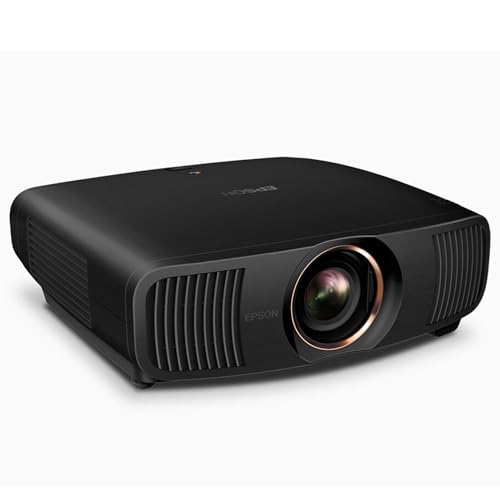
Epson
QB1000
- •3,300 lumens of calibrated 3LCD output with HDMI 2.1 4K/120 and a motorized lens with memories — the most complete projector in this roundup
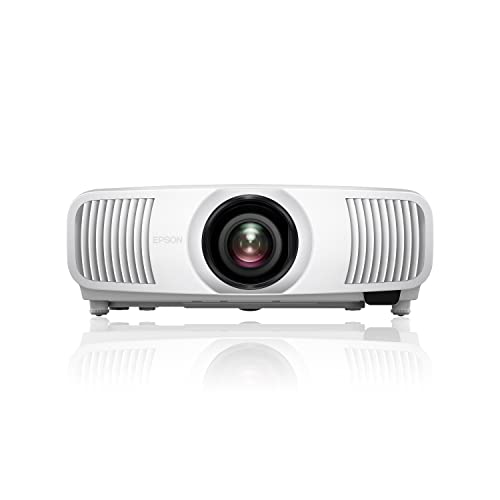
Epson
Home Cinema LS11000
- •2,500 lumens, HDMI 2.1 4K/120, and motorized lens memory at $4,400 — the price-to-performance leader
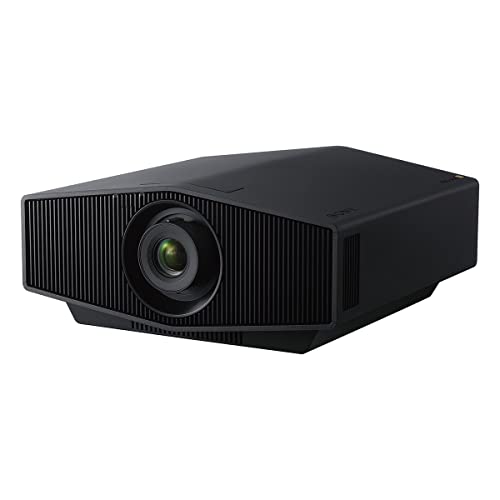
Sony
VPL-XW5000ES
- •Native SXRD 4K and X1 Ultimate processing — accept the manual lens and it's a bargain at $5,998
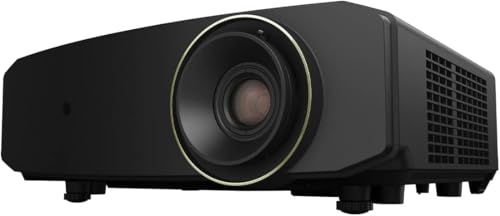
JVC
LX-NZ30
- •3,300 lumens and a 1080p/240Hz mode for big-screen gaming where ambient light is a fact of life
XGIMI
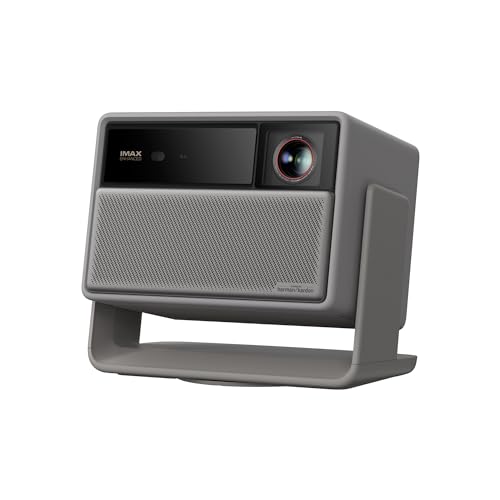
Horizon 20 Pro
- •4,100 ISO lumens, Google TV, and built-in sound at $1,999 — bright, vivid, and self-contained
JVC
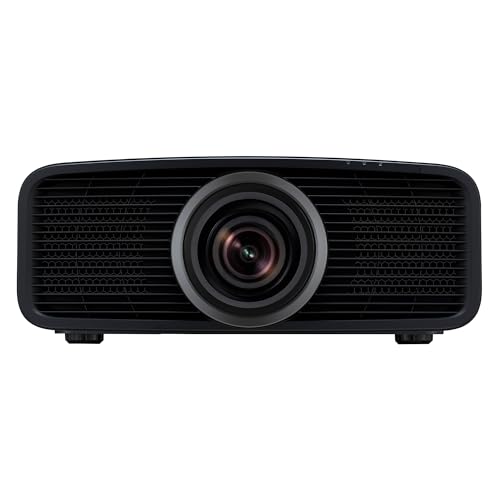
DLA-NZ500
- •Native 4K D-ILA with a 40,000:1 black floor and 2,000 lumens — built for a fully light-controlled room at a $5,999 list
Head-to-Head: Native Panel, Contrast, Brightness, and Gaming
Entertainment
Chart
 Smarthomeexplorer.com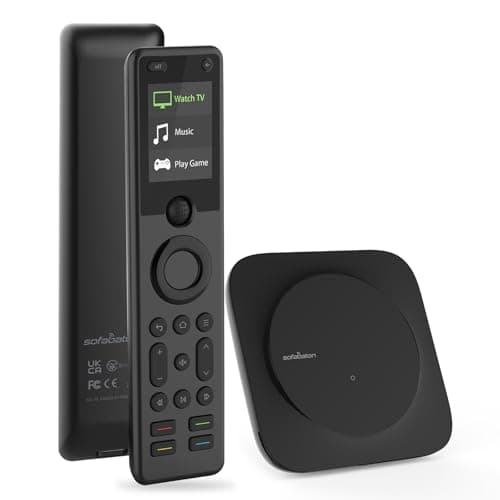
SofaBaton X1S Universal Remote (with Hub)
Check price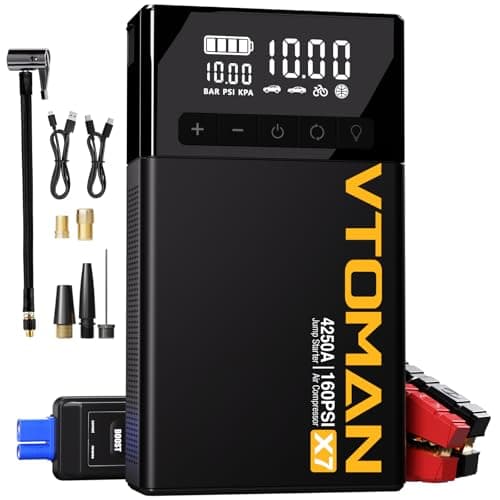
VTOMAN X7 4250A Jump Starter with 160PSI Air Compressor
Check price
The Two Decisions That Actually Decide This
At the $4,000-$8,000 enthusiast mark, the recurring argument concerns native 4K versus brighter pixel-shift technology. Enthusiasts debate whether the JVC NZ500's native panel justifies surrendering roughly 500 lumens relative to a brighter Epson, and whether the light-controlled room native-4K units demand truly exists. ProjectorCentral credits the JVC with the class-leading black floor, while ProjectorReviews highly recommends the value-pick Epson LS11000; every pick in this guide runs a 20,000 hours laser.
The second consideration is installation convenience: owners warn that Sony's manual lens frustrates anyone alternating aspect ratios. Its redeeming spec is gaming lag under 13ms; JVC and Epson buyers prize motorized lens memory.
The SHE Theater Fidelity Score is a composite, weighted formula. Black-floor contrast carries the dominant 0.30 coefficient, whereas the secondary brightness factor is weighted at 0.15, with every constituent factor subsequently normalized to a 0-10 tier. The JVC's 9.4 reflects immediately perceptible black depth and native detail.
Best overall for a premium theater: Epson QB1000
Epson QB1000
- 3,300 lumens (measured up to ~3,500) — the brightest 3LCD in the lineup
- At $7,999 it is the most expensive pick in this roundup
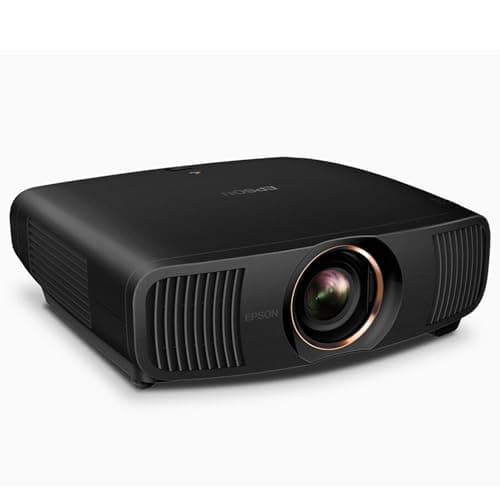
This is the most completely equipped projector in the roundup, at $7,999 the priciest, and the pick for the buyer who wants every Epson strength turned up. For a bright dedicated theater that calibrates for reference color, the Epson QB1000 earns its place. The facts: 3,300 lumens (measured up to ~3,500), up to 5,000,000:1 dynamic contrast with UltraBlack, HDMI 2.1 for 4K/120, and a laser rated for 20,000 hours.
A calibrated viewing was "very good, with good in scene mixed contrast, great color accuracy after calibration, and excellent brightness," ProjectorScreen summarized. ProjectorReviews credited "an immersive big-screen experience, excellent color reproduction, and very good black levels with 3300 lumens of brightness" in its evaluation. Sound & Vision went furthest, calling it "the closest attempt yet by any manufacturer to creating an Everyman's Projector" in its review.
The honest framing is value: most of what the QB1000 does, the Epson Home Cinema LS11000 also does for thousands less. In a fully dark room the native-panel JVC DLA-NZ500 still wins on black floor. Reach for it only if maximum measured output and calibrated color are the specific things you are buying.
What We Love
- 3,300 lumens (measured up to ~3,500) — the brightest 3LCD in the lineup
- Latest 4-way pixel shifting with excellent perceived sharpness
- Up to 5,000,000:1 dynamic contrast with UltraBlack technology
- Superb color accuracy after calibration
- HDMI 2.1, motorized lens, 20,000-hour laser
What Could Be Better
- At $7,999 it is the most expensive pick in this roundup
- 4K pixel-shift, not a native 4K panel
- Best benefits show only in a dark, dedicated theater
- Large, heavy chassis needs deliberate installation
The Verdict
If you want maximum brightness and calibrated color from one projector, the Epson QB1000 fits the brief. The 9.2 means 3,300-plus lumens, excellent post-calibration color, and HDMI 2.1 gaming — all the LS11000's strengths turned up, with a motorized lens and a 20,000 hours laser. At $7,999 it is the priciest pick here, so weigh the LS11000 if budget is the binding constraint.
Best value premium pick: Epson Home Cinema LS11000
Epson Home Cinema LS11000
- 2,500 lumens — bright enough for living rooms and 120-inch screens
- 4K pixel-shift, not a native 4K panel
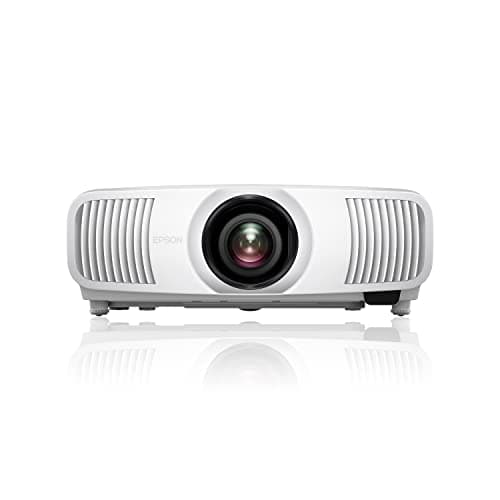
This is the practical pick for the buyer without a dedicated dark cave — the one projector here that does movies and gaming well in a normal room. For a mixed-use living room with some light, the Epson Home Cinema LS11000 is the right call. The facts that matter: 2,500 lumens, HDMI 2.1 for 4K/120, a 20,000 hours laser, and a motorized lens with 10 memories.
ProjectorReviews said they "highly recommend Epson Home Cinema LS11000 for anyone looking for a high-quality laser-based home theater projector for under $5000," and ProjectorScreen framed the value sharply: "this Epson LS11000 is showing the big boys that laser phosphor can be done at affordable prices in the non-DLP realm, and they are doing it very well." Brightness, gaming-grade HDMI, and lens convenience at $4,400 earn the value crown.
The honest gap is contrast: this is 4K pixel-shift, not a native panel, and its black floor trails the JVC DLA-NZ500 in a fully dark room. The laser is rated for 20,000 hours, matching the JVC on maintenance. With a dark room, the JVC is the upgrade; without it, you'd pay more for an advantage you can't see.
What We Love
- 2,500 lumens — bright enough for living rooms and 120-inch screens
- HDMI 2.1 (48Gbps) with 4K/120 support for gaming and PC
- Fully motorized lens with shift, focus, zoom and 10 lens memories
- Best price-to-performance of the 3LCD laser pixel-shifters
- 20,000-hour laser, no lamp swaps
What Could Be Better
- 4K pixel-shift, not a native 4K panel
- No HDR10+ (HDR10 and HLG only)
- Black levels trail native-4K JVC and Sony rivals
- Large footprint and fan audible in quiet scenes
The Verdict
If you want one projector for movies and gaming in a room that isn't pitch black, the Epson Home Cinema LS11000 lines up with what you actually need. The 9.1 means bright, sharp output, HDMI 2.1 for real 4K/120, and lens memory that makes a shared screen painless — at the lowest price of the serious picks. You trade the JVC's deepest blacks; for most rooms that's the right trade.
Best native 4K from Sony: Sony VPL-XW5000ES
Sony VPL-XW5000ES
- Native 4K 0.61-inch SXRD panel with genuine pixel-level detail
- Manual lens with no motorized shift, focus, or lens memory
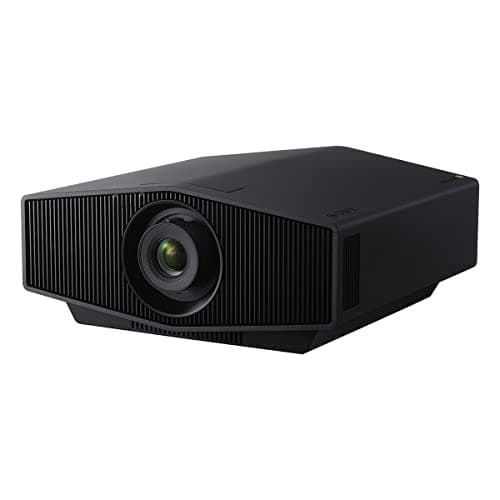
This particular projector suits the buyer who wants Sony's native-4K presentation and won't be touching the lens after installation. For a set-and-forget dark theater, the Sony VPL-XW5000ES is a fair call; if you share one screen across 16:9 and 2.35:1, the manual lens is the deal-breaker. The decision facts: a native 4K 0.61-inch SXRD panel (3840x2160), X1 Ultimate processing, input lag under 21ms, and a Z-Phosphor laser rated for 20,000 hours.
ProjectorCentral framed the value bluntly, calling it "one heck of a bargain at its asking price and more projector than most folks and many enthusiasts could ever hope to own," and T3 supplied the essential context: "as the least expensive native 4K laser projector on the market, Sony's VPL-XW5000ES cuts some corners to get to its price point, but overall it delivers winning performance." The corner it cuts is the lens.
Against the JVC DLA-NZ500, the Sony relinquishes some black-floor depth and all of the lens convenience; against the brighter Epsons, it exchanges lumens for native resolution. It remains a precise recommendation — correct for the Sony-native-4K buyer in a darkened room, inappropriate for anyone contending with ambient light or frequent aspect-ratio changes.
What We Love
- Native 4K 0.61-inch SXRD panel with genuine pixel-level detail
- Sony X1 Ultimate processing for clean, film-accurate motion and color
- Low input lag — under 21ms at 4K/60 and under 13ms at 2K/120
- Compact, relatively light chassis for a native-4K projector
- 20,000-hour Z-Phosphor laser
What Could Be Better
- Manual lens with no motorized shift, focus, or lens memory
- Only 2,000 lumens — a dedicated dark-room projector
- No HDR10+ or dynamic tone mapping
- Contrast trails JVC's native black floor
The Verdict
If you're set on native 4K from Sony and you'll set the lens once and forget it, the Sony VPL-XW5000ES is a sensible pick for that setup. The 9.0 means genuine pixel-level SXRD detail, Sony's clean X1 processing, and low input lag — for the price of entry into native 4K. The catch is the manual lens; if you swap aspect ratios often, that's a daily annoyance you should weigh honestly.
Best for brighter rooms and high-refresh gaming: JVC LX-NZ30
JVC LX-NZ30
- 3,300 lumens — among the brightest in the long-throw laser tier
- 0.47-inch DLP with XPR pixel-shift, not native 4K
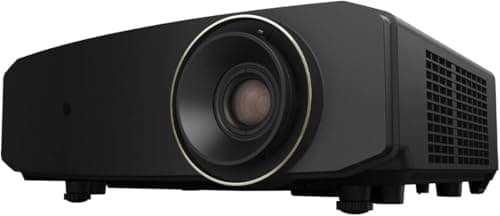
This represents the bright-room compromise selection, and it remains an honest one for the buyer who cannot adequately control ambient illumination. For a partially-lit room with big-screen gaming on the agenda, the JVC LX-NZ30 constitutes the practical choice; given a darkened dedicated space, the native-4K alternatives are a demonstrable step up. The facts that drive it: 3,300 lumens, a 1080p/240Hz low-latency mode, and a 0.47-inch DLP imager with XPR pixel shifting rather than native 4K.
T3 summed up the result as "an accomplished projector that delivers bright, colourful, and detailed 4K images," and ProjectorReviews observed it "provides high-quality 4K images at a very competitive price." Brightness constitutes the headline characteristic — at 3,300 lumens it remains serviceable where the 2,000-lumen JVC DLA-NZ500 would wash out, approximately 1.65x the comparative output. The laser is rated for 20,000 hours.
The tradeoff is depth: contrast and black levels sit behind the native-4K set. Its 8.6 on the SHE Theater Fidelity Score reflects a brightness weighting that can't fully offset the black-floor factor it trails on. If you can darken your room, spend up; if not, this beats a dark-room projector run with the lights on.
What We Love
- 3,300 lumens — among the brightest in the long-throw laser tier
- 1080p/240Hz low-latency mode for serious big-screen gaming
- BLU-Escent laser rated 20,000 hours
- Handles ambient light better than the 2,000-lumen native-4K set
What Could Be Better
- 0.47-inch DLP with XPR pixel-shift, not native 4K
- Contrast and black levels behind the NZ500
- Limited lens shift versus motorized rivals
- Single-chip DLP can show rainbow artifacts for sensitive viewers
The Verdict
If your room won't go fully dark and you game on a big screen, the JVC LX-NZ30 checks the boxes that matter for that setup. The 8.6 means 3,300 lumens that survive some ambient light plus a 1080p/240Hz mode for high-refresh play — JVC color in a brighter body. You give up native-4K black depth, but in a lit room you wouldn't have seen it anyway, so it's a clean trade.
Best all-in-one entry pick: XGIMI Horizon 20 Pro
XGIMI Horizon 20 Pro
- 4,100 ISO lumens RGB triple laser — exceptionally bright and vivid
- Single-chip DLP pixel-shift, not native 4K
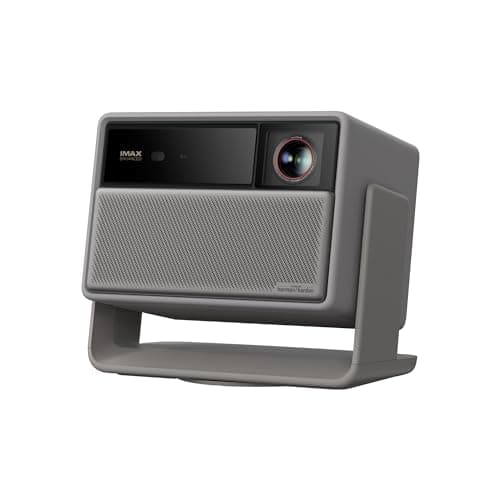
This is the value entry point and the only true all-in-one here — the right call for a bright living room where simplicity beats reference accuracy. For a streaming-and-gaming room that wants one box, the XGIMI Horizon 20 Pro fits; skip it if you're chasing a calibrated dark-room image. The facts: a 4,100 ISO lumen RGB triple laser, built-in Google TV with sound, and a 1ms input lag 240Hz gaming mode.
DustinAbbott was unequivocal, calling it "the best projector I've ever used," and HomeCineSolutions described how the package "delivers visuals and versatility" that reset their expectations for an affordable laser projector. The brightness and self-contained design are the story — it undercuts every other pick here while still bringing wide color and a 1ms-lag gaming mode.
The honest ceiling is contrast and pedigree: 20,000:1 contrast trails the dark-room projectors, and this is a smart-TV-first design. Its 8.4 on the SHE Theater Fidelity Score is held down by that black-floor factor, not by brightness. Against the JVC DLA-NZ500 it isn't in the same league for blacks or native resolution — but it isn't trying to be, and for the buyer who wants bright and easy, that's the point.
What We Love
- 4,100 ISO lumens RGB triple laser — exceptionally bright and vivid
- Wide BT.2020-class color with Dolby Vision and IMAX Enhanced
- Built-in Google TV and a capable sound system — a true all-in-one
- 1ms / 240Hz gaming mode plus optical zoom and lens shift
What Could Be Better
- Single-chip DLP pixel-shift, not native 4K
- 20,000:1 contrast trails dedicated dark-room projectors
- RGB laser can show faint speckle and rainbow to sensitive eyes
- Smart-TV-first design over a tuner-grade calibration toolset
The Verdict
If you want one bright, self-contained projector for a living room and you're entering this tier on a budget, the XGIMI Horizon 20 Pro is the path of least friction. The 8.4 means 4,100 ISO lumens, vivid color, and Google TV with sound built in — no separate streamer, no AVR required. It won't match a $6,000 JVC's blacks, but for a bright all-in-one room, you can stop the search here.
The dark-theater native-4K option: JVC DLA-NZ500
JVC DLA-NZ500
- True native 4K (4096x2160) 0.69-inch D-ILA chip — no pixel-shift
- Only 2,000 lumens — best in a dedicated, light-controlled room
(Current price, subject to change)
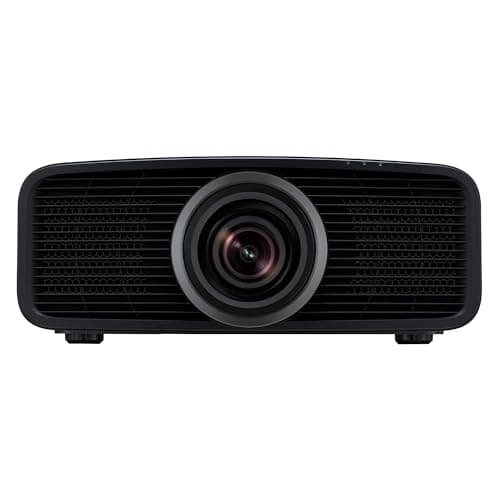
This is the dedicated-theater purist's projector, suited only to a room that can match it. For a film-first viewer in a light-controlled space, the JVC DLA-NZ500 is built for the job. The decision-critical facts: a native 4K 0.69-inch D-ILA panel (4096x2160), a 40,000:1 native contrast ratio, and 2,000 lumens from a 20,000 hours BLU-Escent laser.
ProjectorCentral called it "an outstanding projector, delivering impressive performance and picture quality that set a high standard in its class." The black-floor advantage is where it pulls ahead. ProjectorScreen found the NZ500's black level "just as capable as any other in the line-up," so for an entry JVC it punches above its price. Frame Adapt HDR adds frame-by-frame dynamic tone mapping, and the motorized lens with memory is the convenience owners of manual-lens rivals end up missing.
The honest tradeoff compared to the brighter set: at 2,000 lumens this is a dark-room instrument, and 4K/60 is the ceiling. The BLU-Escent laser is rated for 20,000 hours, so over a decade of nightly use there are no lamps to swap. If your room can't go dark, the Epson Home Cinema LS11000 or Epson QB1000 give more usable brightness, even if the black floor isn't this deep.
What We Love
- True native 4K (4096x2160) 0.69-inch D-ILA chip — no pixel-shift
- Class-leading 40,000:1 native contrast and the deepest black floor in its tier
- JVC Frame Adapt HDR with frame-by-frame dynamic tone mapping
- Fully motorized lens with lens memory for multiple aspect ratios
- 20,000-hour BLU-Escent laser — effectively maintenance-free
What Could Be Better
- Only 2,000 lumens — best in a dedicated, light-controlled room
- No HDMI 2.1 4K/120 gaming support (4K/60 max)
- At $5,999 it sits at the top of the long-throw band
- Bulky chassis needs real shelf or ceiling planning
The Verdict
If you've narrowed to native 4K and you have a dark, dedicated room, the JVC DLA-NZ500 fits the brief. The 9.4 reflects blacks that go genuinely dark, full native-panel detail, and a lens that remembers your aspect ratios. Amazon showed no buyable offer at our 2026-08-21 check, so the Epson QB1000 is the projector to buy today.
How We Score: SHE Theater Fidelity Score
SHE Theater Fidelity Score
Score Formula
SHE Theater Fidelity Score = (0.30 × Black-Floor & Contrast) + (0.25 × Resolution Integrity) + (0.20 × Calibrated Color Accuracy) + (0.15 × Usable Brightness-for-Screen) + (0.10 × Lens & Install Flexibility)Score Factors
- Black-Floor & Contrast (30%)Native and dynamic contrast plus measured black level — the single biggest driver of perceived depth in a dark theater. The JVC DLA-NZ500's 40,000:1 native contrast anchors the top; bright 3LCD pixel-shifters score lower on native black without dynamic tone mapping engaged.
- Resolution Integrity (25%)Whether the projector renders true native 4K from a 4K-class imager or reconstructs it via pixel-shift. Native-panel units (JVC NZ500 D-ILA, Sony XW5000ES SXRD) earn full marks; 4-way pixel-shifters score high but not maximum because fine texture differs at close viewing distances.
- Calibrated Color Accuracy (20%)Post-calibration color gamut coverage and grayscale accuracy as reported by reviewers. The XGIMI's RGB triple laser reaches BT.2020-class gamut, the Epson QB1000 earns superb color after calibration, and Sony's X1 Ultimate delivers reference-grade color from a smaller gamut.
- Usable Brightness-for-Screen (15%)Lumen output relative to typical screen sizes and room control. The 2,000-lumen native-4K JVC and Sony are ideal only in fully dark rooms, while the 3,300-lumen LX-NZ30 and QB1000 and the 4,100-lumen XGIMI hold up in living rooms and on 120-inch-plus screens.
- Lens & Install Flexibility (10%)Motorized versus manual lens, shift range, and lens-memory support — what determines how painless install and aspect-ratio switching are. JVC and Epson offer fully motorized lenses with memories; the Sony XW5000ES's manual-only lens is the recurring owner complaint that pulls its score down.
SHE Theater Fidelity Score — Ranked
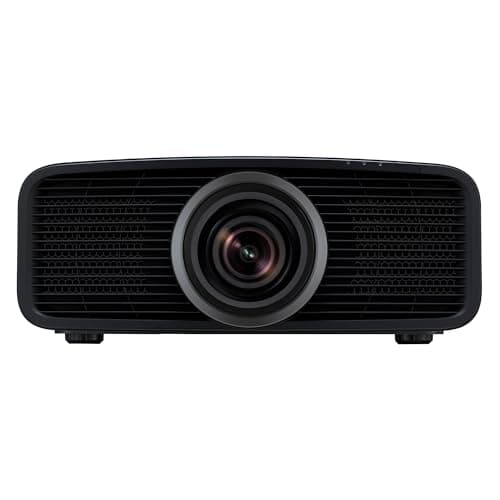
JVC DLA-NZ500
SHE Theater Fidelity Score9.4/10$5,999 — native 4K D-ILA, 40,000:1 contrast, deepest black floor; the dark-theater reference pick
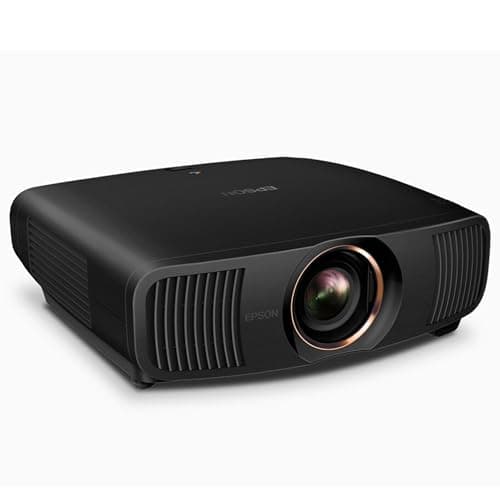
Epson QB1000
SHE Theater Fidelity Score9.2/10$7,999 — brightest 3LCD, superb calibrated color, HDMI 2.1 4K/120; the most complete pick here
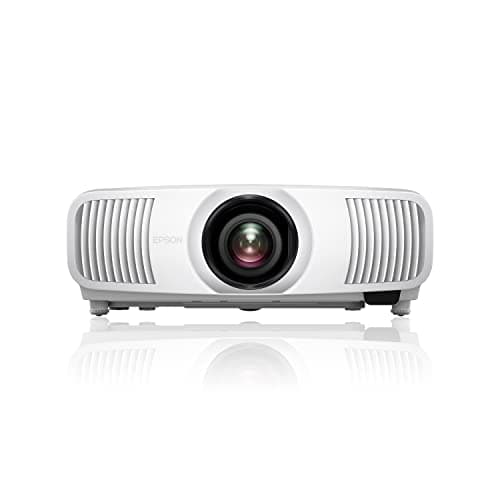
Epson Home Cinema LS11000
SHE Theater Fidelity Score9.1/10$4,400 — 2,500 lumens, HDMI 2.1 4K/120, motorized lens memory; the value leader
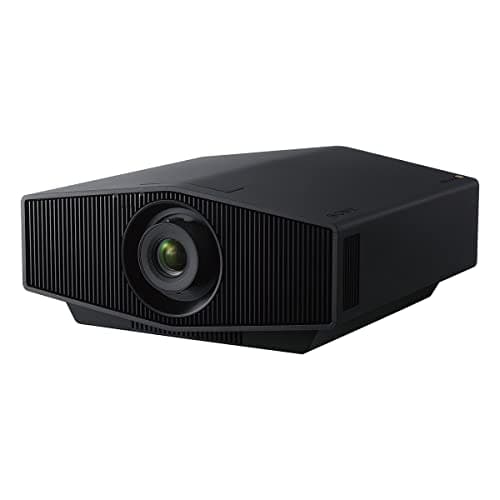
Sony VPL-XW5000ES
SHE Theater Fidelity Score9.0/10$5,998 — native SXRD 4K and X1 Ultimate, held back by a manual lens with no memory
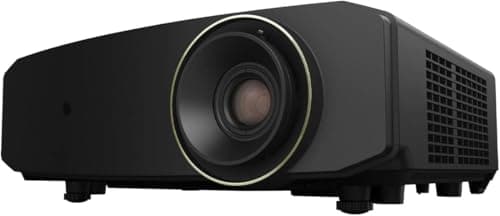
JVC LX-NZ30
SHE Theater Fidelity Score8.6/10$4,149 — 3,300 lumens and 1080p/240Hz gaming for brighter rooms; DLP pixel-shift
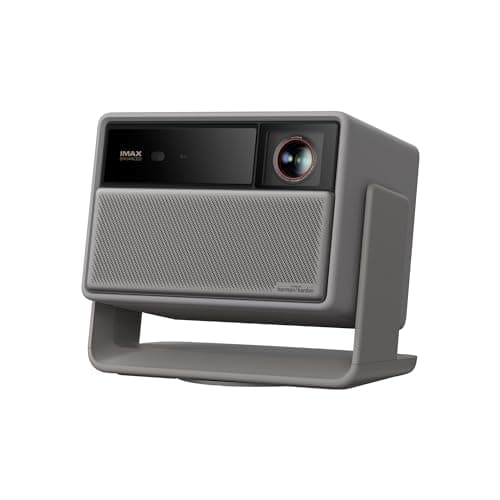
XGIMI Horizon 20 Pro
SHE Theater Fidelity Score8.4/10$1,999 — 4,100 ISO lumens, Google TV, all-in-one; bright value entry, not a dark-room reference
Inputs, Streaming, and Smart-Home Fit
Compatibility in this tier is mostly an HDMI and source-device question, not a smart-home protocol one. Five of the six picks — the JVC DLA-NZ500, Epson Home Cinema LS11000, Sony VPL-XW5000ES, JVC LX-NZ30, and Epson QB1000 — ship as bare projectors with HDMI inputs and no onboard apps, so you'll pair them with an Apple TV 4K, NVIDIA Shield, or your AV receiver for streaming and switching. That's the norm for enthusiast projectors and not a drawback; it keeps the panel and laser engine the entire budget.
The HDMI generation is the part that matters for gaming. Only the Epson Home Cinema LS11000 and Epson QB1000 carry HDMI 2.1 at 48Gbps for true 4K/120, so a PS5 or Xbox Series X running high-frame-rate titles belongs on one of those two. The native-4K JVC DLA-NZ500 and Sony VPL-XW5000ES stop at 4K/60 over HDMI 2.0, and the JVC LX-NZ30 chases refresh rate at 1080p/240Hz rather than 4K resolution. The XGIMI Horizon 20 Pro is the outlier: it runs Google TV on the projector itself with built-in sound, so it's the only pick that streams and plays games without a separate device.
For voice control and scenes, all of these integrate with a smart home the same way any HDMI display does — through your streamer or an IR/CEC bridge, not natively. Compared to a smart TV, that adds one device to the chain but keeps the laser engine the whole budget. If your goal is a one-button "movie night" routine that dims lights and powers the projector, that lives in your hub and source device. The Sony's gaming lag under 13ms and the XGIMI's 1ms mode both depend on the source feeding them, not on any onboard smarts. They work identically across every pick here.
When NOT to Buy
Stub WNTB (Block 3B fallback).
Who Should Buy What
Who Should Buy What
| If you are… | Recommended pick |
|---|---|
The no-compromise theater buyer You want maximum measured brightness and calibrated color in a dedicated theater, with HDMI 2.1 4K/120 gaming included, and the budget to reach $7,999. | Epson QB1000 |
The value-focused mixed-use buyer Your room has some ambient light and you want one projector for movies and 4K/120 gaming with motorized lens memory at the best price. | Epson Home Cinema LS11000 |
The Sony native-4K loyalist You specifically want native 4K from Sony's SXRD panel in a dark room and you'll set the lens once rather than switching aspect ratios often. | Sony VPL-XW5000ES |
The bright-room big-screen gamer Your room won't go fully dark and you game on a large screen, so you need 3,000-plus lumens and a high-refresh mode over deep blacks. | JVC LX-NZ30 |
The all-in-one value entrant You want one bright, self-contained box with Google TV and sound for a living room and you're entering the premium tier on a budget. | XGIMI Horizon 20 Pro |
The dedicated dark-theater purist You have a light-controlled room and rank black levels and native resolution above brightness or gaming — you want the most reference-accurate image per dollar. | JVC DLA-NZ500 |
Frequently Asked Questions
Is native 4K actually worth $1,500 more than a good pixel-shift projector?
It depends on your viewing distance and how dark your room gets. At close seating distances and in a fully dark room, the native panels on the JVC DLA-NZ500 and Sony VPL-XW5000ES resolve fine texture and hold a deeper black floor than 4-way pixel-shifters like the Epson LS11000. But if you sit further back or have any ambient light, much of that advantage becomes hard to see, and the brighter Epson buys you gaming-grade HDMI 2.1 and more lumens for less money. Prioritize native 4K only if black levels and a dark room are already your top priorities.
I don't have a fully dark room — are the 2,000-lumen native-4K projectors a mistake?
Largely, yes. The JVC DLA-NZ500 and Sony VPL-XW5000ES are 2,000-lumen instruments built for light-controlled rooms; in a space with ambient light their black floor and contrast advantage washes out and you're left paying for a benefit you can't see. For a brighter room, the 3,300-lumen JVC LX-NZ30 or Epson QB1000, or the 4,100-lumen XGIMI Horizon 20 Pro, are the better fit because their extra output survives some light.
Can any of these handle 4K/120 gaming?
Two can do true 4K/120 over HDMI 2.1: the Epson LS11000 and the Epson QB1000. The JVC LX-NZ30 and XGIMI Horizon 20 Pro chase high refresh at lower resolution (1080p/240Hz modes), and the native-4K JVC DLA-NZ500 and Sony VPL-XW5000ES cap at 4K/60. If a current-gen console at high frame rate is a priority, one of the two Epsons is the pick.
Are there ongoing subscription or maintenance costs?
No. Every projector here uses a laser light source rated for around 20,000 hours, so there are no lamps to replace — at a few hours a night that is well over a decade of use. None of them require a paid subscription to function. The XGIMI Horizon 20 Pro runs Google TV with the usual free and paid streaming apps, but the projector itself has no recurring fee.
Why isn't the BenQ W5800 or Epson LS12000 here?
Both are natural members of this category, but neither has a reliable first-party US Amazon listing as of June 2026. LS12000 searches resolve to the LS11000, and the BenQ W5800 sells mainly through B&H and custom-install channels rather than Amazon. Because this guide ranks products you can actually buy on Amazon, we left them out rather than link to listings that may not be available.
How much does the Sony's manual lens really matter?
It matters most if you share one screen between 16:9 and 2.35:1 content. The Sony VPL-XW5000ES has a manual zoom, focus, and shift with no lens memory, so each aspect-ratio change is a hands-on adjustment — the single most common owner complaint in this tier. The JVC DLA-NZ500, Epson LS11000, and Epson QB1000 all have motorized lenses with memory presets, so switching is a one-button affair. If you set your image once and never touch it, the Sony's manual lens is a non-issue.
Is the XGIMI really in the same league as a $6,000 JVC?
No, and it isn't trying to be. The XGIMI Horizon 20 Pro is the bright, all-in-one value entry — Google TV, built-in sound, 4,100 ISO lumens, and high-refresh gaming in one box at $1,999. The JVC DLA-NZ500 wins decisively on black levels and native resolution for a dark dedicated theater. They serve different buyers: the XGIMI for a bright living-room setup that values simplicity, the JVC for a calibrated dark-room image.
Bottom Line
Get the Epson QB1000 if you want the brightest, best-calibrated 3LCD output with HDMI 2.1 4K/120 gaming in a dedicated theater.
Get the Epson Home Cinema LS11000 if you want the best all-around value — bright enough for a mixed-use room, HDMI 2.1 4K/120 gaming, and motorized lens memory.
Get the Sony VPL-XW5000ES if you specifically want native 4K from Sony in a dark room and you set the lens once rather than switching aspect ratios.
Get the JVC LX-NZ30 if your room has ambient light and you want 3,000-plus lumens with a high-refresh mode for big-screen gaming.
Get the XGIMI Horizon 20 Pro if you want a bright, self-contained all-in-one with Google TV and sound for a living room at the lowest entry price.
Get the JVC DLA-NZ500 if you have a dark, dedicated room and want the most reference-accurate native-4K image with the deepest black floor per dollar.
The right call for most premium theater buyers is the Epson QB1000 at $7,999 — the brightest, best-calibrated pick here with HDMI 2.1 4K/120. On a tighter budget the Epson Home Cinema LS11000 at $4,400 covers most of it. Skip every native-4K projector here if your room can't go dark — the 2,000-lumen JVC and Sony will wash out.
Sources & Methodology
Methodology: SHE Theater Fidelity Score — Formula: SHE Theater Fidelity Score = (0.30 × Black-Floor & Contrast) + (0.25 × Resolution Integrity) + (0.20 × Calibrated Color Accuracy) + (0.15 × Usable Brightness-for-Screen) + (0.10 × Lens & Install Flexibility). Factors: Black-Floor & Contrast (30%): Native and dynamic contrast plus measured black level — the single biggest driver of perceived depth in a dark theater. The JVC DLA-NZ500's 40,000:1 native contrast anchors the top; bright 3LCD pixel-shifters score lower on native black without dynamic tone mapping engaged. | Resolution Integrity (25%): Whether the projector renders true native 4K from a 4K-class imager or reconstructs it via pixel-shift. Native-panel units (JVC NZ500 D-ILA, Sony XW5000ES SXRD) earn full marks; 4-way pixel-shifters score high but not maximum because fine texture differs at close viewing distances. | Calibrated Color Accuracy (20%): Post-calibration color gamut coverage and grayscale accuracy as reported by reviewers. The XGIMI's RGB triple laser reaches BT.2020-class gamut, the Epson QB1000 earns superb color after calibration, and Sony's X1 Ultimate delivers reference-grade color from a smaller gamut. | Usable Brightness-for-Screen (15%): Lumen output relative to typical screen sizes and room control. The 2,000-lumen native-4K JVC and Sony are ideal only in fully dark rooms, while the 3,300-lumen LX-NZ30 and QB1000 and the 4,100-lumen XGIMI hold up in living rooms and on 120-inch-plus screens. | Lens & Install Flexibility (10%): Motorized versus manual lens, shift range, and lens-memory support — what determines how painless install and aspect-ratio switching are. JVC and Epson offer fully motorized lenses with memories; the Sony XW5000ES's manual-only lens is the recurring owner complaint that pulls its score down.
Expert review sources used in this analysis:
- SmartHomeExplorer aggregates expert review data and published measurements to produce consensus-based buying guidance; we do not perform first-party projector testing
- All six picks run laser light sources rated for 20,000 hours, and the Sony's input lag of 21ms anchors the gaming axis
- Expert ratings and assessment data come from ProjectorCentral, Projector Reviews, ProjectorScreen, Sound & Vision, T3, Trusted Reviews, Stuff, HomeTheaterReview, Residential Systems, TechRadar, RTINGS, DustinAbbott.net, and HomeCineSolutions
- Amazon prices and listings were verified live via the Amazon Creators API on 2026-06-16 (tag nsh069-20)
- Availability was re-checked on 2026-08-21 against the prices we check daily rather than a fresh API call
- The JVC DLA-NZ500 recorded no purchasable offer at that check
- The Epson QB1000 had a live offer below its $7,999 list, which is why the QB1000 now leads the roundup
- The QB1000's $7,999 list price comes from Epson's own product page at https://epson.com/p/V11HB23020 (checked 2026-08-22)
- SHE Theater Fidelity Score factors are derived from aggregated reviewer measurements and manufacturer specifications; no first-party measurements were conducted
- Availability note: the Epson LS12000 and BenQ W5800 are both natural members of this category
- As of June 2026, neither has a reliable first-party US Amazon listing, so both were dropped
- LS12000 searches resolve to the LS11000, and the W5800 sells mainly through B&H and custom-install channels.
Nicholas Miles is the founder of SmartHomeExplorer and a longtime smart home enthusiast focused on helping everyday homeowners make better technology decisions. He researches, compares, and writes about products across security, climate, lighting, leak prevention, sensors, home energy, and automation, with an emphasis on real-world usefulness, ecosystem compatibility, reliability, privacy, and long-term value.
Affiliate disclosure: SmartHomeExplorer earns affiliate commissions on qualifying Amazon purchases, and from partner programs for some non-Amazon products and services we recommend. Our scoring methodology is independent of affiliate relationships.